Photos from current listings. Actual item, color, and included accessories may vary.
18v Cordless Drill Buying Guide
18V cordless drills split into three architectures: compact drill-drivers, hammer drill-drivers, and impact drivers, each with distinct chuck and clutch designs. The core trade-off is brushless motor efficiency and metal gearbox durability versus brushed motors with plastic internals that overheat under sustained load. Buy brushless with a metal chuck and at least two battery cells if you drill masonry or drive screws daily; choose a brushed compact kit only for light household assembly.


At a glance
- Category
- Power Tools
- Data updated
- Nov 20, 2026
Current offers
 18V Cordless Brushless Drill Driver Kit with Battery & Charger For Milwaukee M18$14.29
 View on eBay
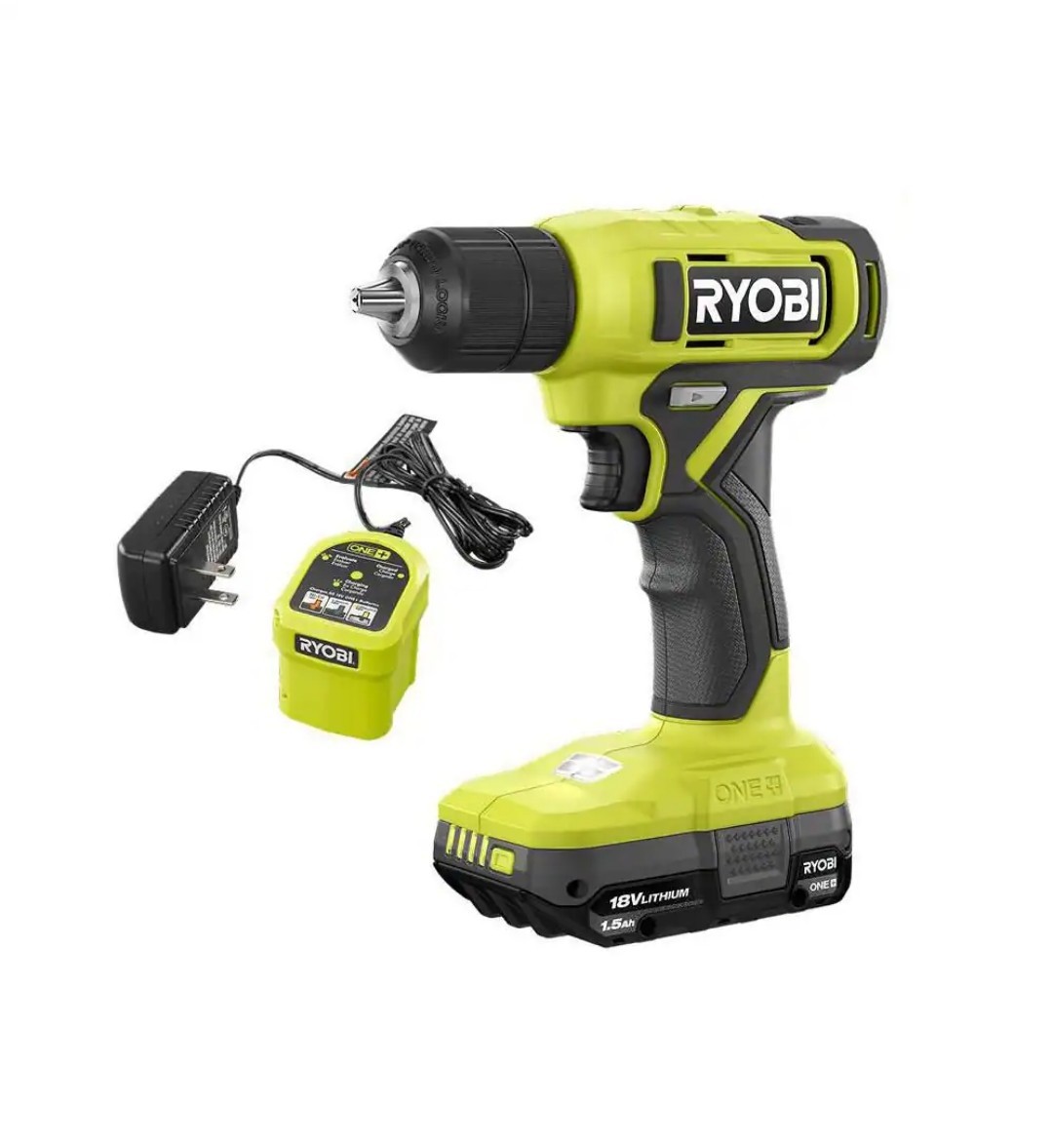 RYOBI ONE+ 18V Cordless 3/8 in. Drill/Driver Kit with 1.5 Ah Battery and Charger$31.19View on eBay
 Makita DDF487 18V Brushless Cordless Driver Drill Electric Drill Tool Only$38.99View on eBay
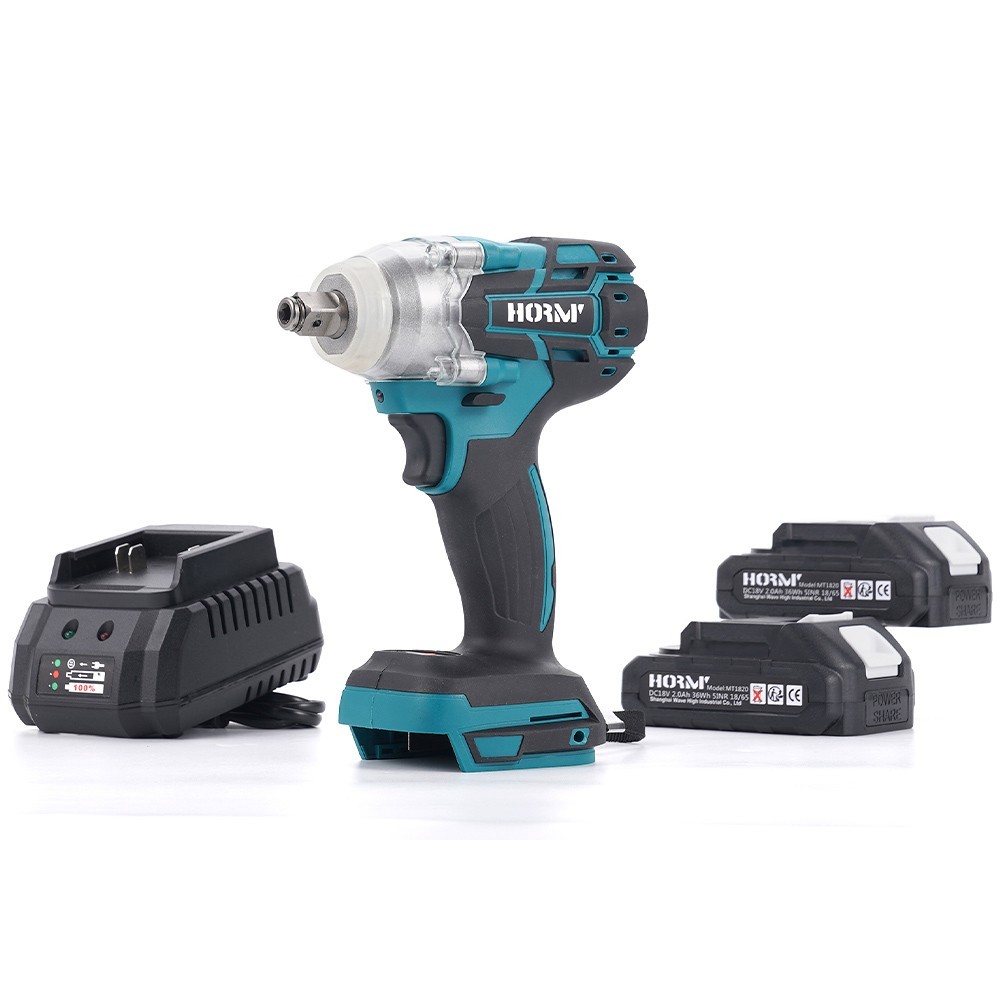 18V Cordless Impact Wrench 1/2" 280Nm High Torque Brushless Drill with 2 Battery$39.99View on eBay
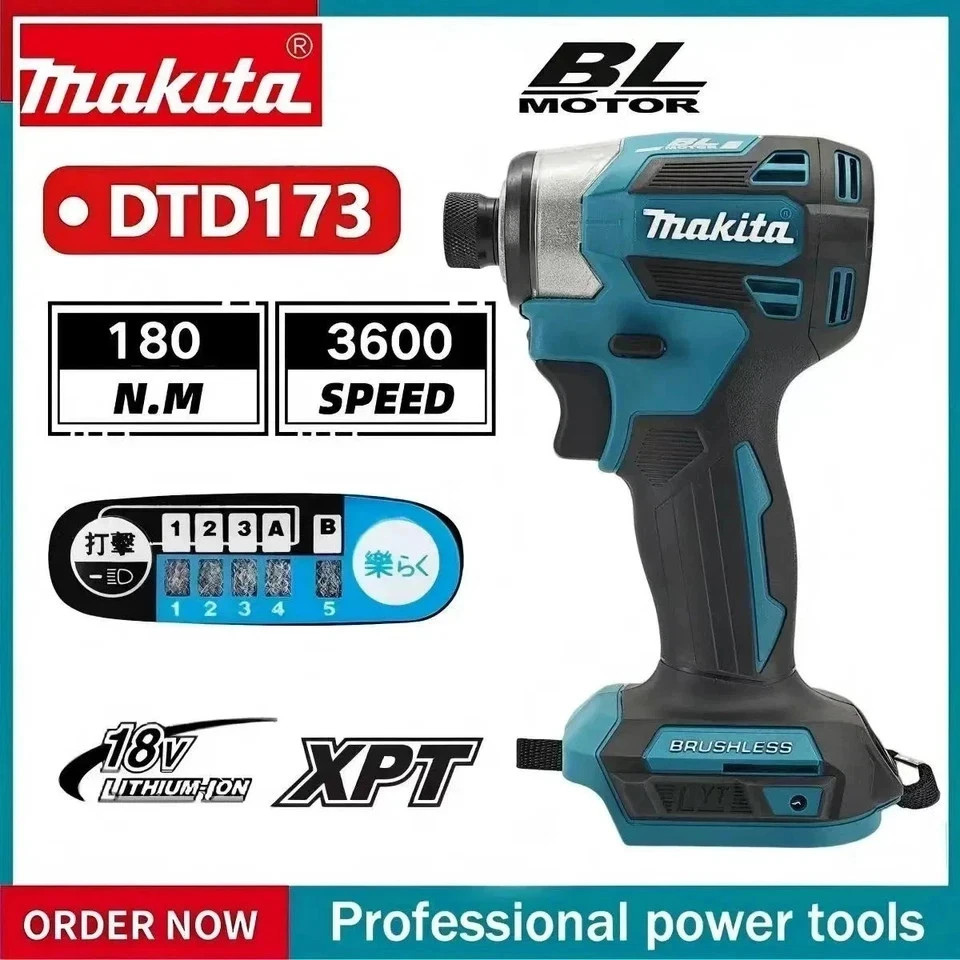 Makita DTD173 18V LXT Cordless Impact Driver Brushless Electric Drill Screwdrive$59.99View on eBay
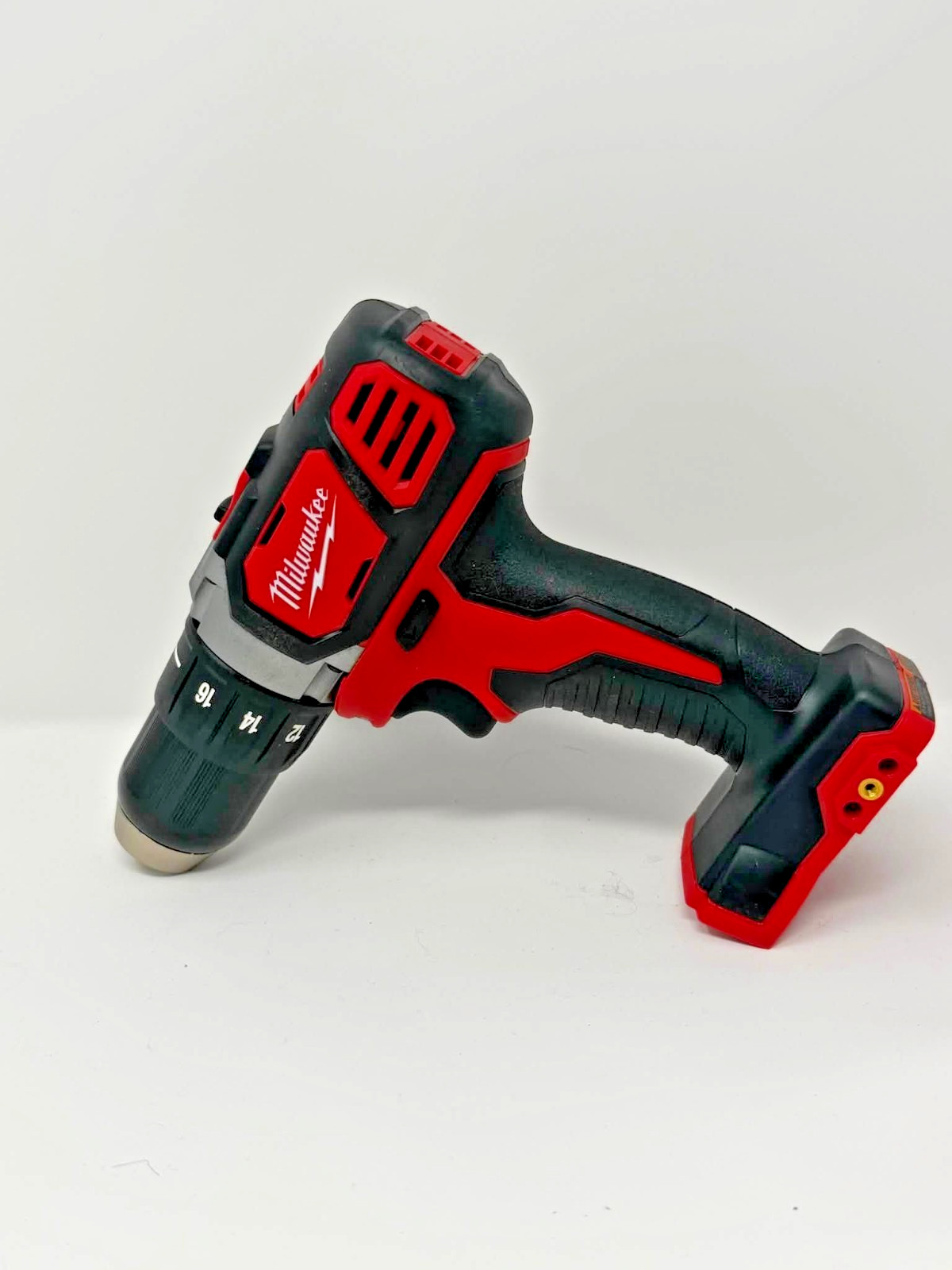 Milwaukee 2606-20 M18 18V Lithium-ion Cordless 1/2" Drill Driver (Tool Only)$59.99View on eBay
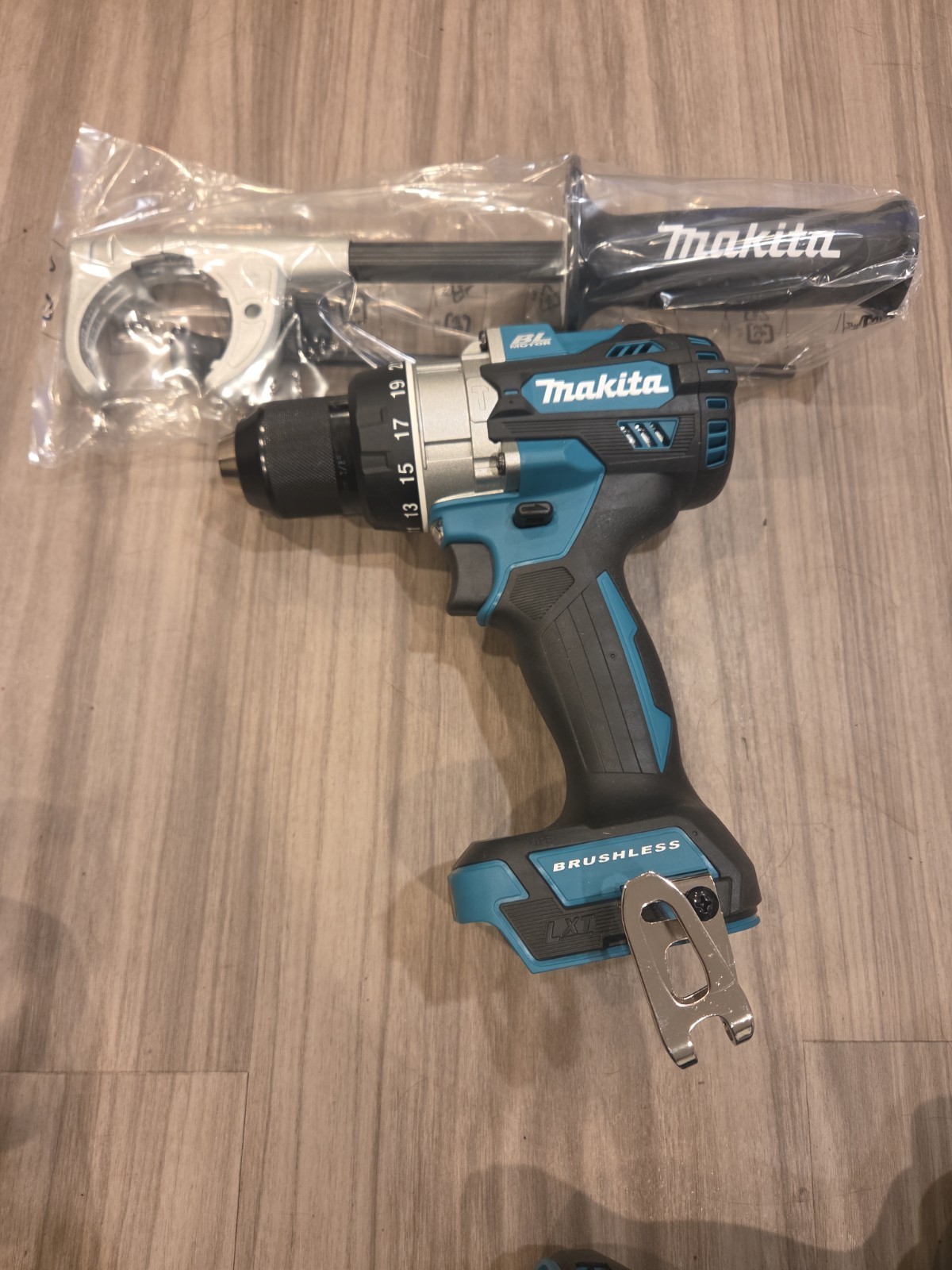 Makita XPH14Z 18V 18 Volt LXT Li‑Ion Cordless Brushless 1/2" Hammer Drill Driver$74.99View on eBay
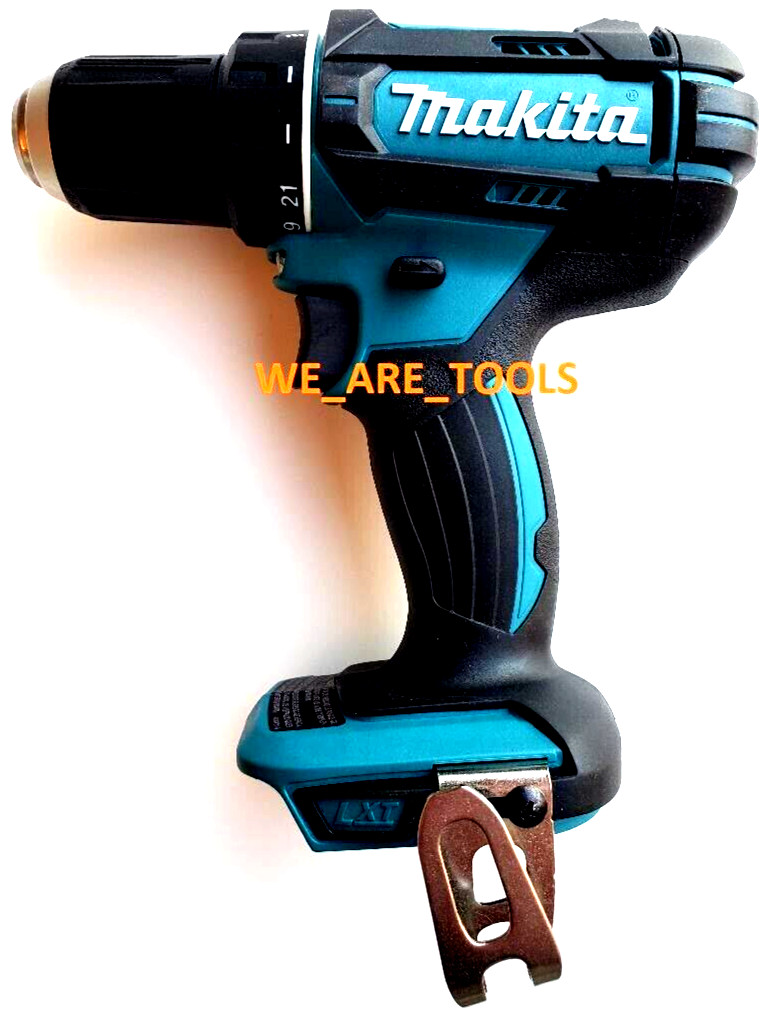 New Makita 18V XFD10 Cordless 1/2" Battery Drill Driver 18 Volt LXT XFD10Z$78.97View on eBay
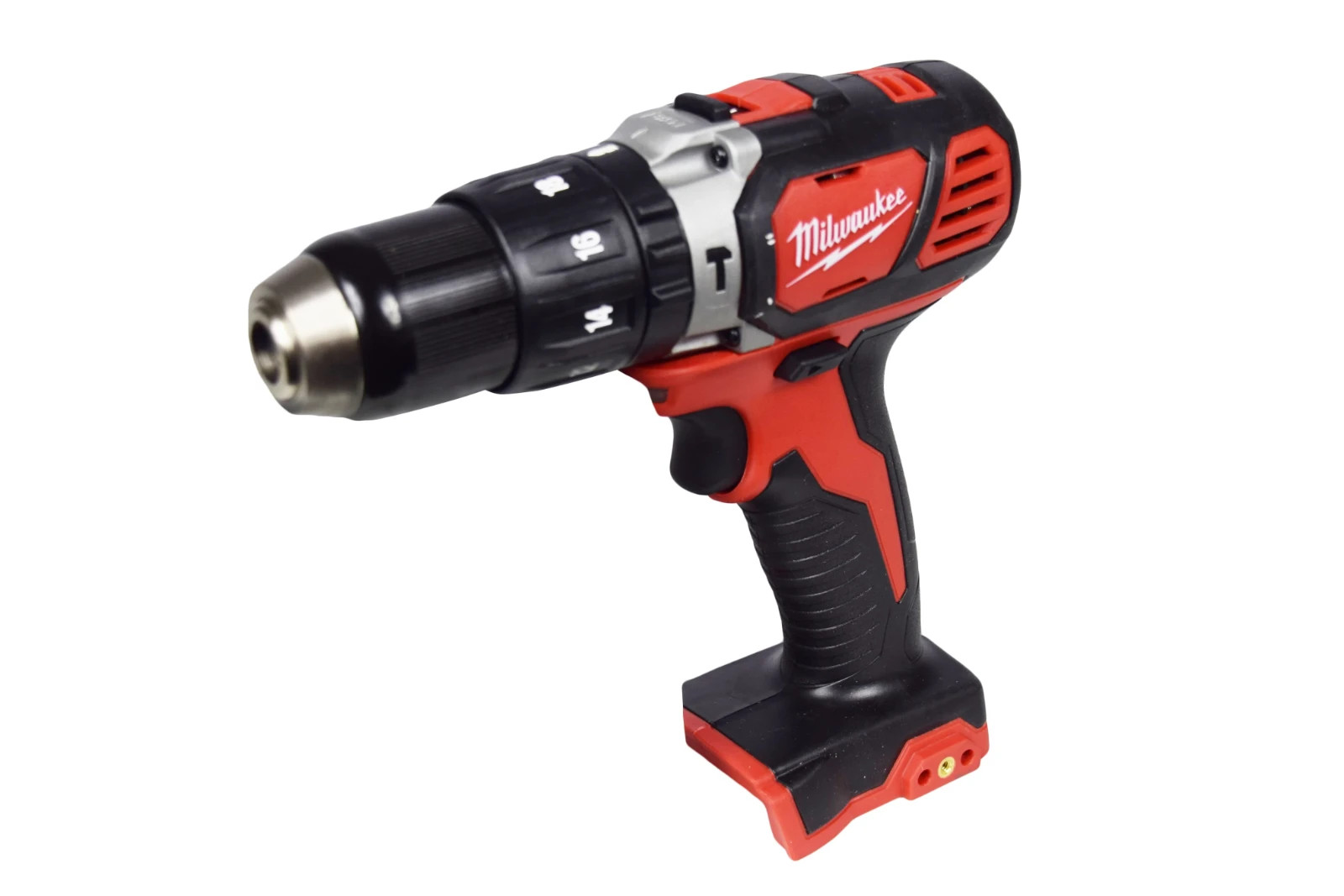 Milwaukee 2607-20 M18 Li-Ion 18V 1/2" Cordless Compact Hammer Drill/Driver$80.99View on eBay
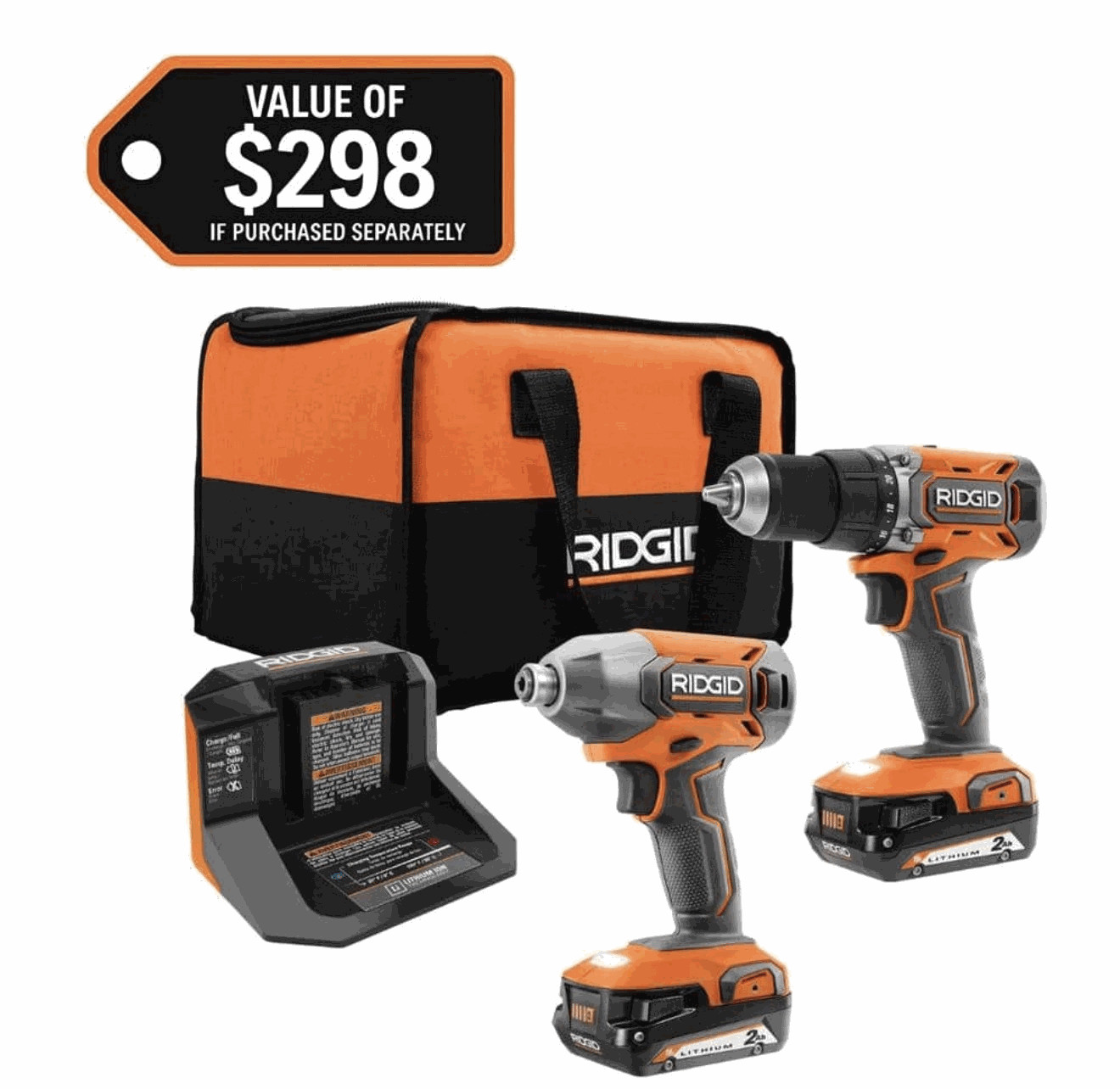 RIDGID 18V Cordless 2-Tool Combo Kit with Drill/Driver, Impact Driver$99.95View on eBay
 Makita Driver-Drill/Impact Driver Combo Kit 18V Cordless w/ Charger+Tool Bag$170.00View on eBay
Highlights
- Brushless motors deliver 50-60% longer runtime per charge and eliminate brush wear, while brushed motors are cheaper but generate heat and require replacement carbons after heavy use.
- 1/2-inch metal keyless chucks with carbide jaws grip bits securely; 3/8-inch plastic chucks slip under high torque and are limited to light-duty driving.
- Hammer drill-drivers add a ratcheting percussion mode for masonry; standard drill-drivers lack this and will stall in brick or concrete.
- Impact drivers use 1/4-inch hex quick-release collets and high torque (150-280 Nm) for driving long screws, but cannot accept round-shank drill bits.
Best use cases
- Best fit: Homeowners drilling into wood, drywall, and light metal should pick a brushless 1/2-inch drill-driver kit with two 2.0Ah batteries and a charger.
- Best fit: Remodelers drilling brick, block, or concrete need a hammer drill-driver with a metal gearbox and auxiliary handle; skip standard drill-drivers for masonry.
- Wrong fit: Driving hundreds of deck screws with a drill-driver overheats the clutch; use a dedicated impact driver with a 1/4-inch hex collet instead.
- Wrong fit: Buying a tool-only model without batteries saves upfront cost but requires an existing same-brand battery platform; skip if you own no compatible packs.
Buying tips
- Match battery platform: Makita LXT, Milwaukee M18, and Ryobi ONE+ batteries are not cross-compatible; buy into the system you already own or commit to one brand.
- Choose 2.0Ah batteries for compact balance in overhead work; step up to 4.0Ah or 5.0Ah only for sustained heavy drilling where runtime outweighs weight.
- Verify chuck size: 1/2-inch chucks accept bits up to 1/2-inch shank for hole saws and auger bits; 3/8-inch chucks max out at 3/8-inch shank.
- Check clutch settings: 20+ clutch positions give precise torque control for driving screws without stripping; fewer than 15 settings limit fine adjustment.
Specs
| Motor Type | Brushless vs Brushed |
|---|---|
| Chuck Size | 1/2 in vs 3/8 in keyless |
| Battery Platform | Brand-specific 18V slide-on |
| Drive Type | Drill-driver / Hammer / Impact |
Related searches
What to check before buying
- Confirm your existing battery platform (Makita LXT, Milwaukee M18, Ryobi ONE+) before buying a tool-only or kit model to avoid incompatible packs.
- Measure the narrowest gap you will drill through; compact drills are 7-8 inches long, while hammer models run 9-11 inches and need clearance.
- Verify charger plug voltage matches your country (120V North America vs 230V Europe) and that the kit includes the correct charger.
- Check kit contents for battery quantity and charger; tool-only listings include neither and require separate purchase of compatible batteries.
FAQ
Data sources: eBay / Amazon listings and product attribute feeds Data updated Nov 20, 2026.
Some links on this page are affiliate links. If you buy after clicking one, we may earn a commission at no extra cost to you. This does not change which products appear here or their order. Affiliate disclosure.