Photos from current listings. Actual item, color, and included accessories may vary.
Battery Brad Nailer Buying Guide
A battery brad nailer is a cordless 18-gauge fastening tool for trim, casing, and light assembly where a compressor hose is impractical. The core trade-off is solenoid-driven speed and duty cycle versus flywheel-driven consistency and service life, and the decision rule is simple: buy a flywheel or brushless solenoid unit with a tool-free jam release and depth adjustment if you need repeated trim work, and skip low-cost single-solenoid kits priced as one-off DIY tools.


At a glance
- Category
- Power Tools
- Data updated
- Nov 20, 2026
Current offers
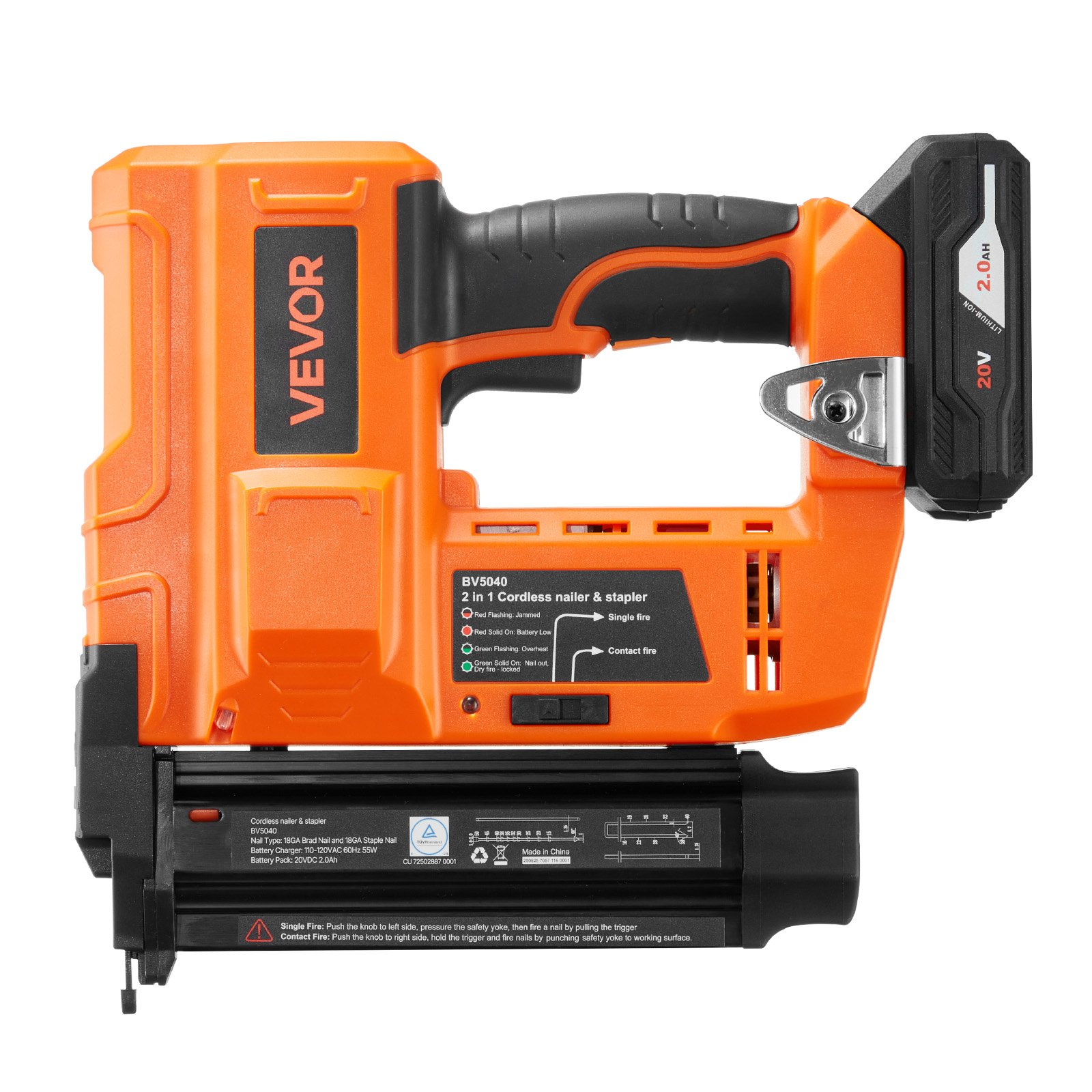 2-in-1 Cordless Brad Nailer, 18 Gauge, 20V Battery Powered Nail Gun And Staple Gun, With 500 Pcs Nails, 500 Pcs Staples, 2.0 Ah Li-ion And Charger, For Home Improvement, Woodworking$153.99
 View on Mallflare
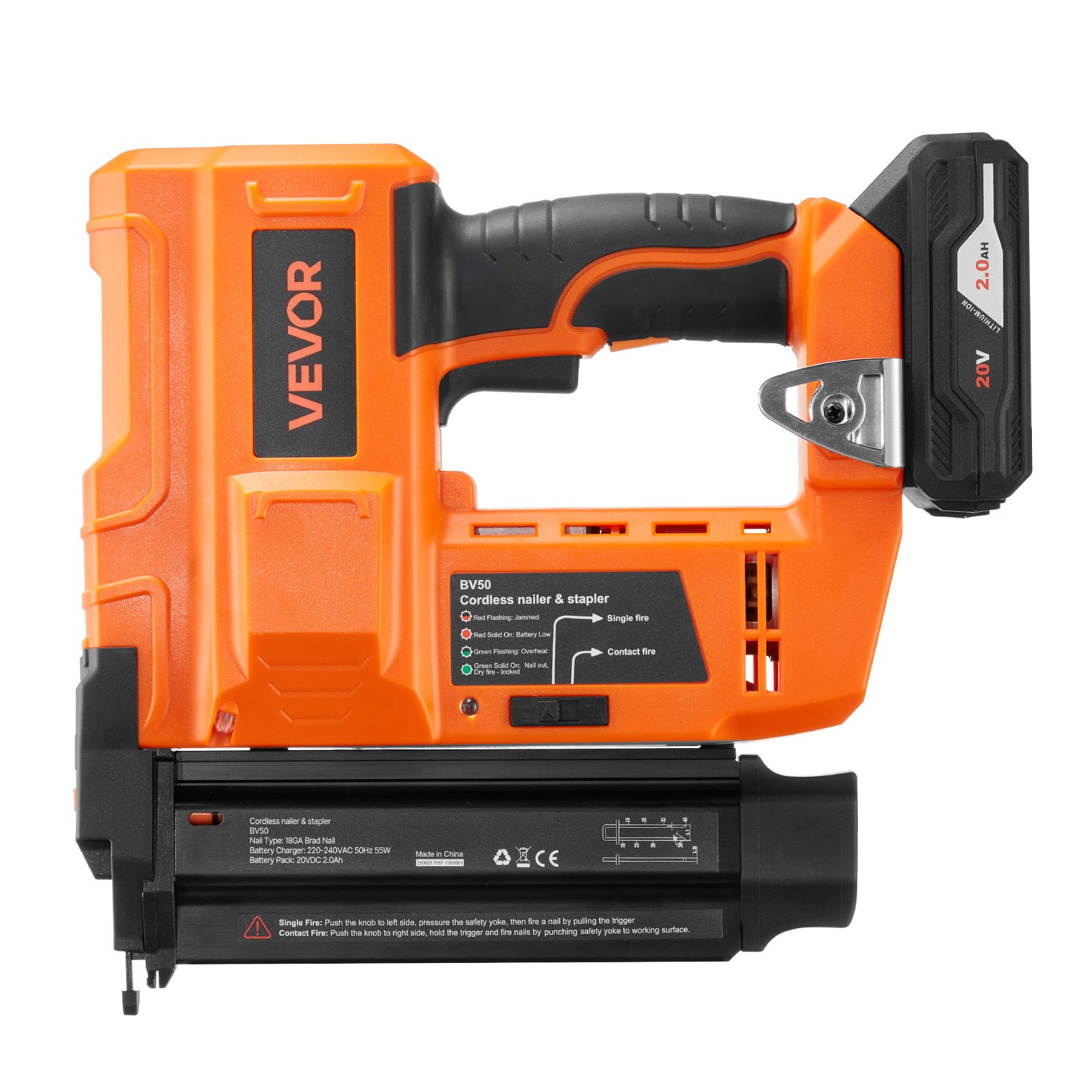 Cordless Brad Nailer, 18 Gauge, 20V Battery Powered Nail Gun, With 500 Pcs Nails, 2.0 Ah Li-ion And Charger, Adjustable Nailing Depth, For Home Improvement, Woodworking, DIY Project$153.99View on Mallflare
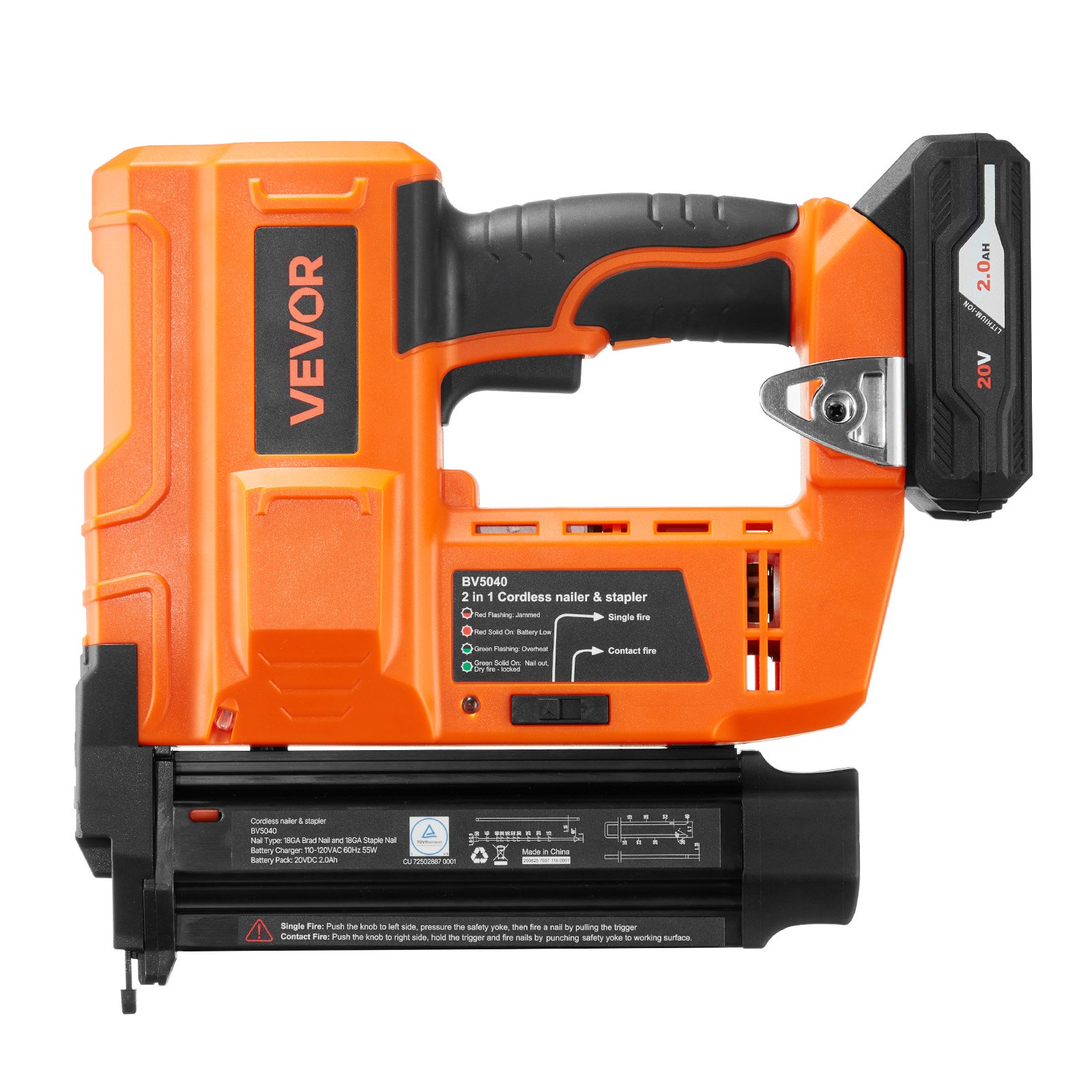 2-in-1 Cordless Brad Nailer, 18 Gauge, 20V Battery Powered Nail Gun And Staple Gun, With 500 Pcs Nails, 500 Pcs Staples, 2 X 2.0 Ah Li-ion Batteries, Charger, For Home Improvement, Woodworking$178.99View on Mallflare
Highlights
- Drive architecture splits into solenoid (fast response, heat-limited duty cycle) and flywheel (consistent energy, heavier body, better for sustained trim runs).
- 18-gauge brad capacity typically runs 5/8 in to 2 in; 2-in. max length is the threshold for door casing and 3/4-in. hardwood trim.
- Battery platform voltage is nominal: 20V max Li-ion packs are 18V nominal, so cross-brand pack compatibility is effectively zero without an adapter.
- Tool-free depth wheel and a single-latch nose release are the two features that separate production-grade units from kit-grade DIY nailers.
Best use cases
- Best fit: finish carpenters running baseboard, shoe mold, and window casing should pick a flywheel 18-gauge nailer with 2-in. capacity and a 2.0 Ah+ pack for balance.
- Best fit: cabinet installers and furniture assemblers should choose a compact solenoid unit with sequential-fire mode and a low-nose profile for tight inside corners.
- Wrong fit: framing, decking, or subfloor work — an 18-gauge brad nailer lacks the shank diameter and drive energy; step up to a 15- or 16-gauge finish nailer or framing nailer.
- Wrong fit: high-volume production trim crews should skip single-battery DIY kits and buy a two-pack platform tool with rapid charger and a spare 4.0 Ah pack.
Buying tips
- Match fastener length to material: 5/8 in for 1/4-in. plywood and thin trim, 1-1/4 in for 1/2-in. casings, 2 in for 3/4-in. hardwood and door jambs.
- Choose a tool whose magazine accepts both brads and 18-gauge staples only if you actually need stapling; combo noses add slop and reduce brad guidance precision.
- Prioritize brushless motors and flywheel drive for duty cycle above roughly 100 nails per session; brushed solenoid units heat-soak and slow down.
- Confirm the battery platform: a 20V max pack from one brand does not fit another brand's shoe without a third-party adapter, which can void the tool warranty.
Specs
| Gauge | 18 ga brad (5/8-2 in) |
|---|---|
| Drive Type | Solenoid vs flywheel |
| Battery Platform | 20V max Li-ion (18V nominal) |
| Fire Mode | Sequential / contact actuation |
Related searches
What to check before buying
- Measure your thickest intended stock: if any joint exceeds 3/4 in., you need a 15- or 16-gauge finish nailer, not an 18-gauge brad nailer.
- Check workspace access: a flywheel nailer is longer and heavier, so verify it fits between studs and inside cabinet runs before committing.
- Confirm you have a compatible charger and at least one spare pack; a single 2.0 Ah pack limits run time on trim-heavy days.
- Verify fastener availability locally: 18-gauge brads in 5/8, 1-1/4, and 2 in. should be stocked, or buy a kit with an assorted box.
FAQ
Data sources: eBay / Amazon listings and product attribute feeds Data updated Nov 20, 2026.
Some links on this page are affiliate links. If you buy after clicking one, we may earn a commission at no extra cost to you. This does not change which products appear here or their order. Affiliate disclosure.