Photos from current listings. Actual item, color, and included accessories may vary.
Battery Drill Buying Guide
Battery drills span a wide range of build quality and performance, from lightweight 12V drivers to heavy-duty 18V/20V hammer drills. The primary trade-off is between torque, battery platform compatibility, and physical size, with brushed versus brushless motors being the key durability differentiator. Choose brushless for daily use and high-demand tasks; choose brushed only for occasional, light-duty work where budget is the absolute priority.

At a glance
- Category
- Power Tools
- Data updated
- Nov 20, 2026
Current offers
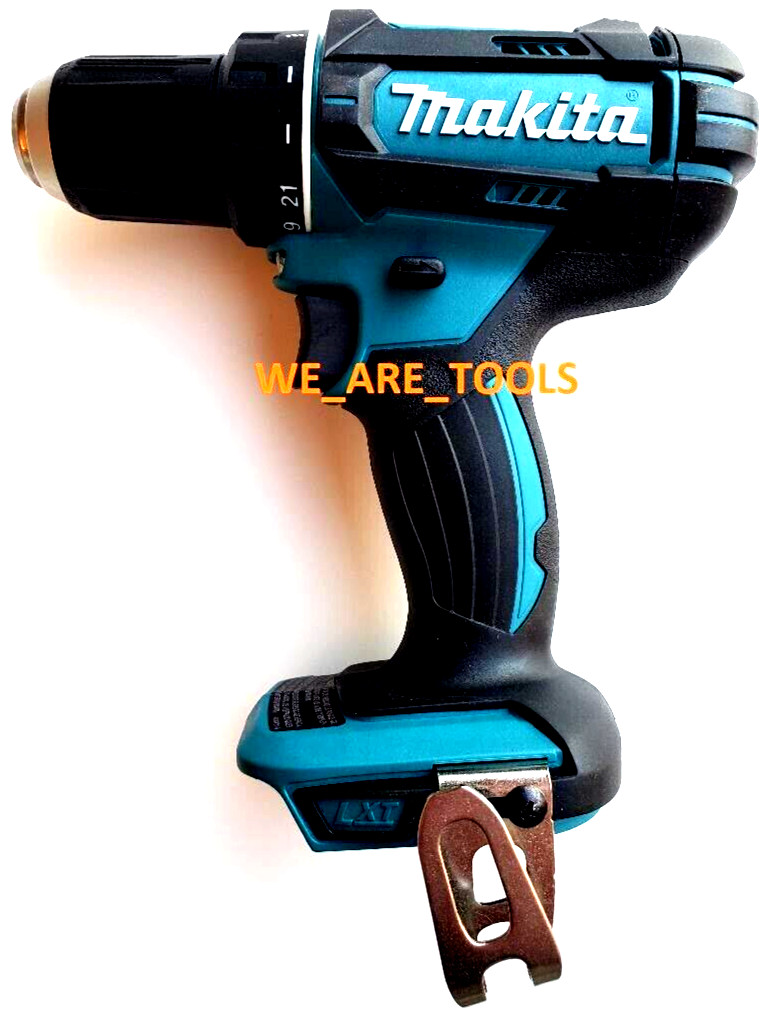 New Makita 18V XFD10 Cordless 1/2" Battery Drill Driver 18 Volt LXT XFD10Z$78.97
 View on eBay
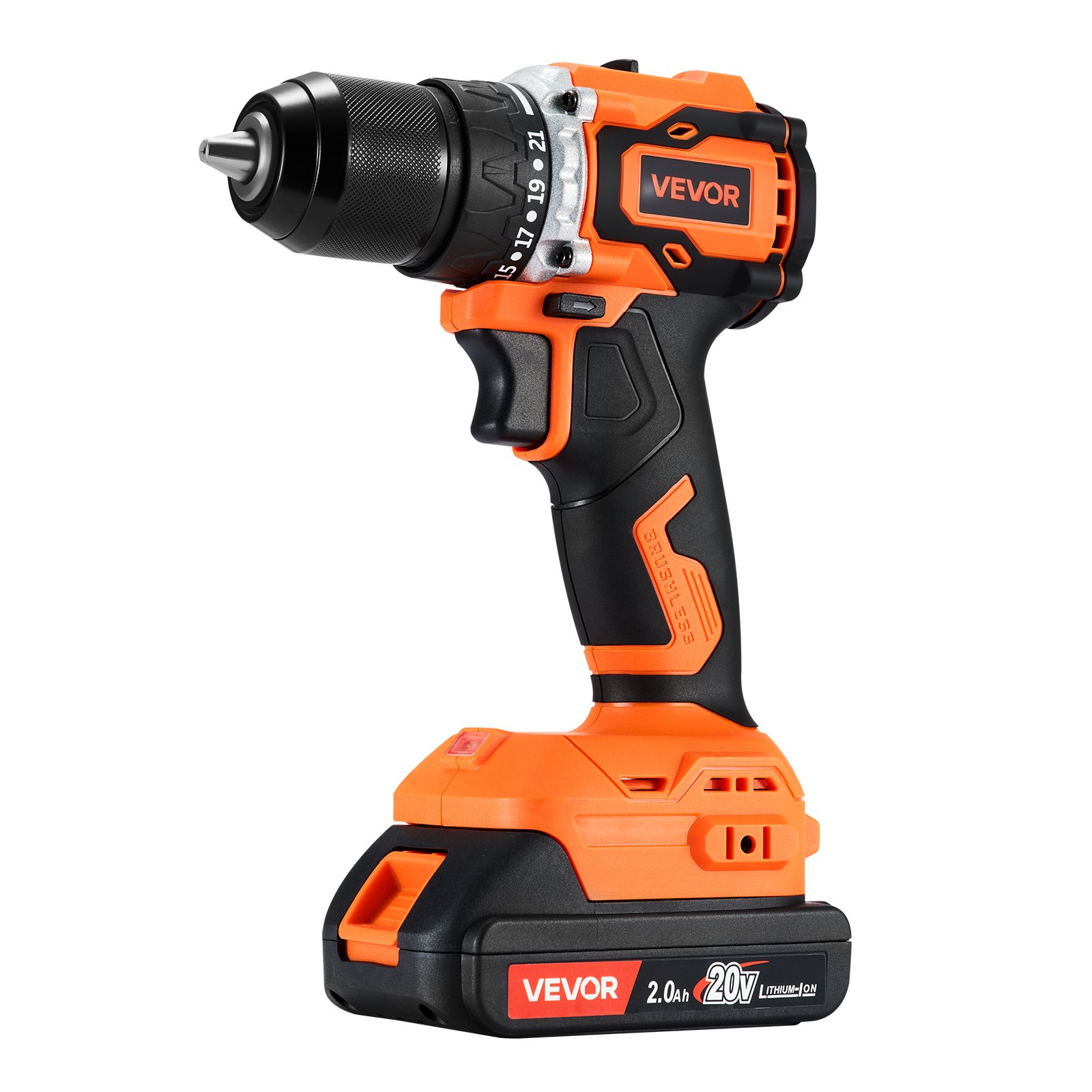 Cordless Drill Driver, 1/2 Inch Metal Chuck, Brushless Motor, Dual-Speed Variable, Kit With Lithium Battery And Charger, Tool Box, For Wood And Drilling, Screw Driving$57.99
 View on Mallflare
 Cordless Brushless Drill Driver for Milwaukee M18 Battery-45N.m Torque Only Tool$10.80View on eBay
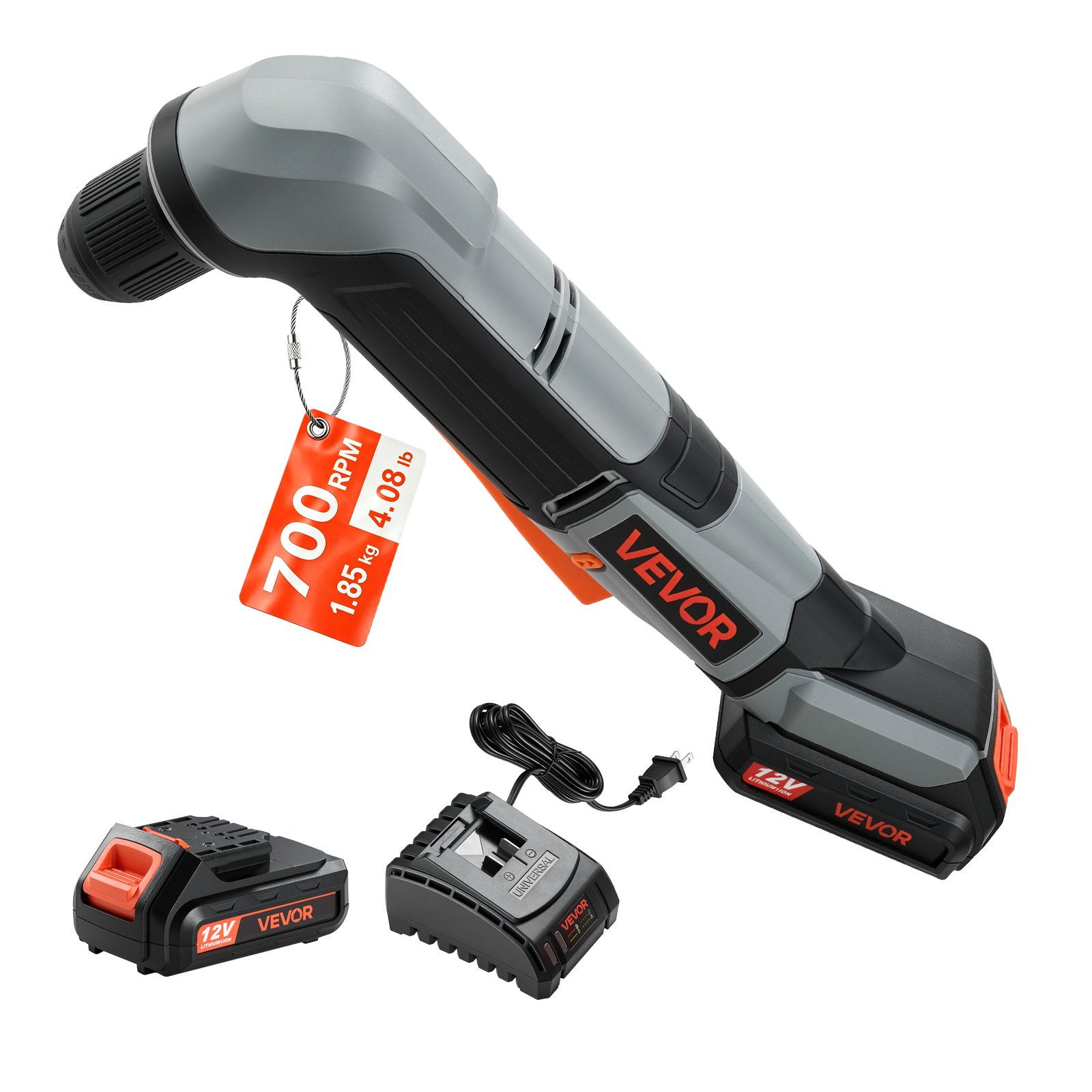 Right Angle Drill 3/8 Inch Chuck 90 Degree Cordless For Cabinets, Corners, Frames, Tight Spaces, Handles Both Wood and Metal Drilling, LED Lighting, with 2 Batteries and Charger$67.99View on Mallflare
 21V Cordless Hammer Drill Set Electric Impact Driver Screwdriver & 1/2 Battery$18.93View on eBay
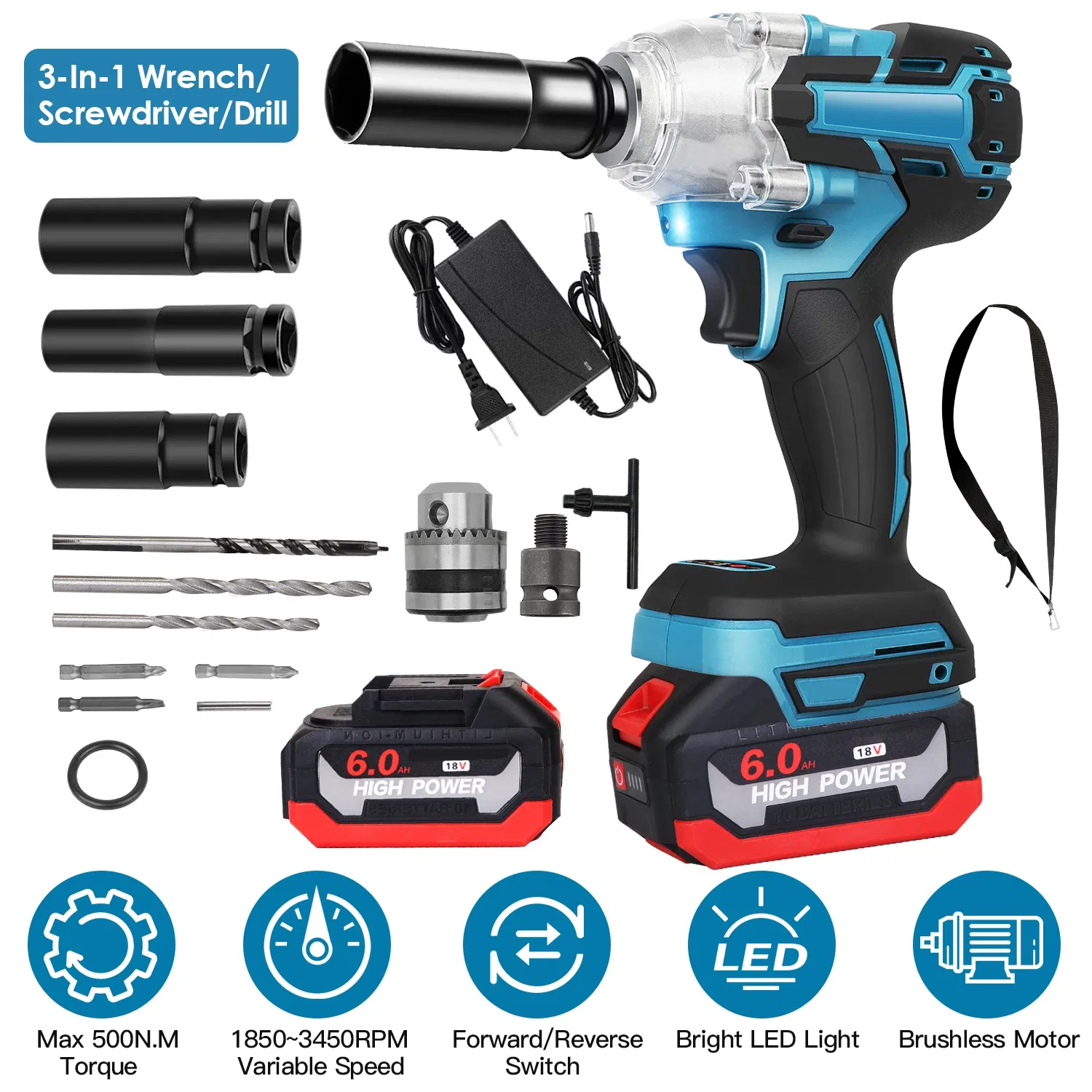 3-In-1 Cordless Electric Impact Wrench Drill Screwdriver with Brushless Motor Max 3450RPM Variable Speed 2Pcs 6.0Ah Batteries 3 Sockets 3 Bits 3$98.99View on Mallflare
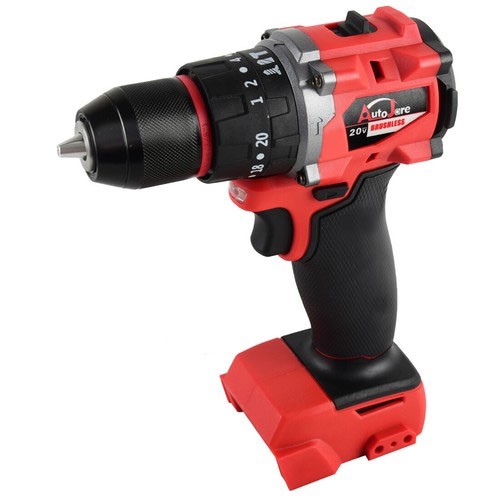 Cordless Brushless 3/8-inch Drill Driver for Milwaukee 18V Battery TOOL ONLY$18.99View on eBay
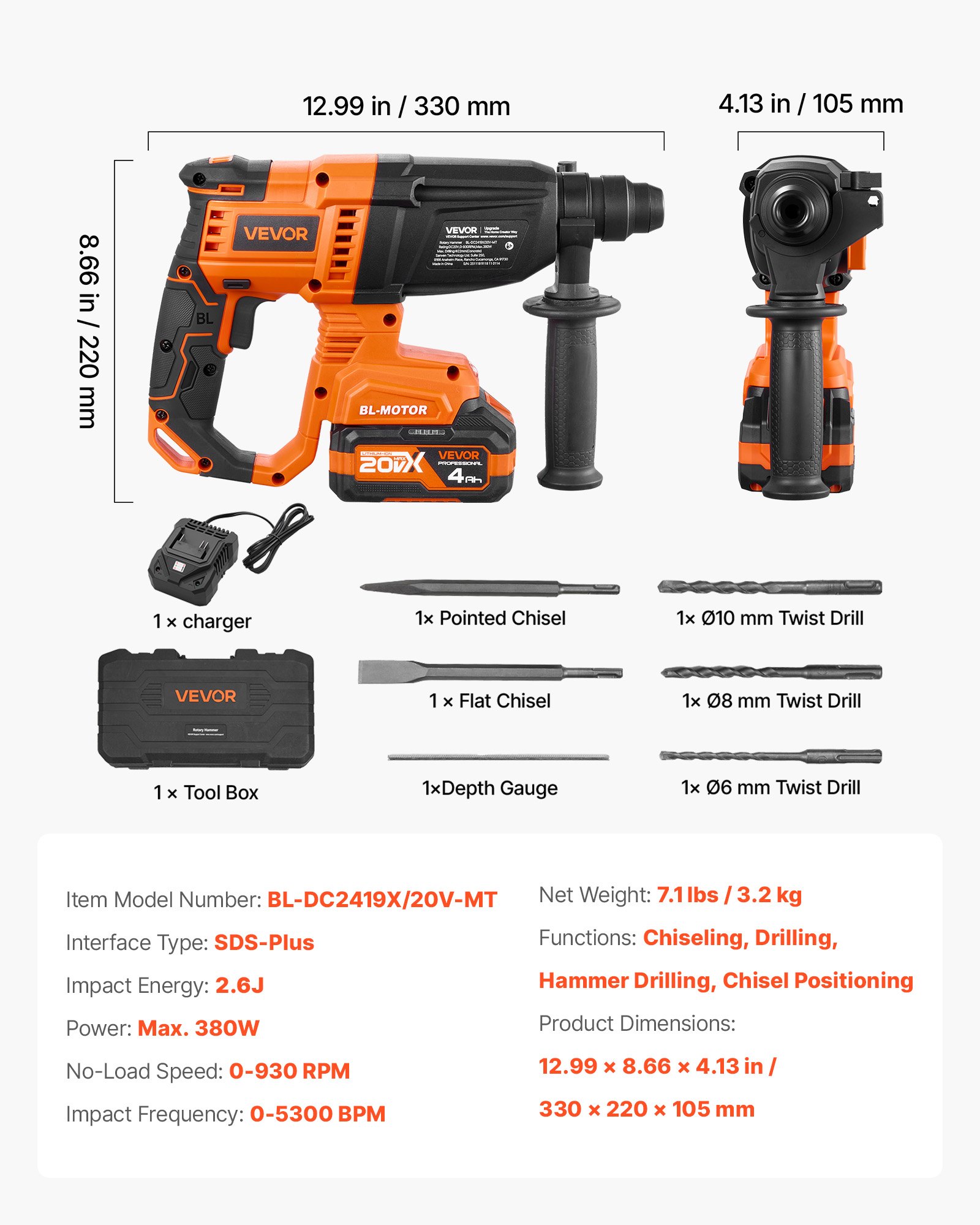 Rotary Hammer Drill, 7/8 In SDS-Plus Cordless, 20V Battery Powered Brushless, Including Charger, 3 Bits, Flat Chisel, Pointed Carrying Case, For Concrete$104.99View on Mallflare
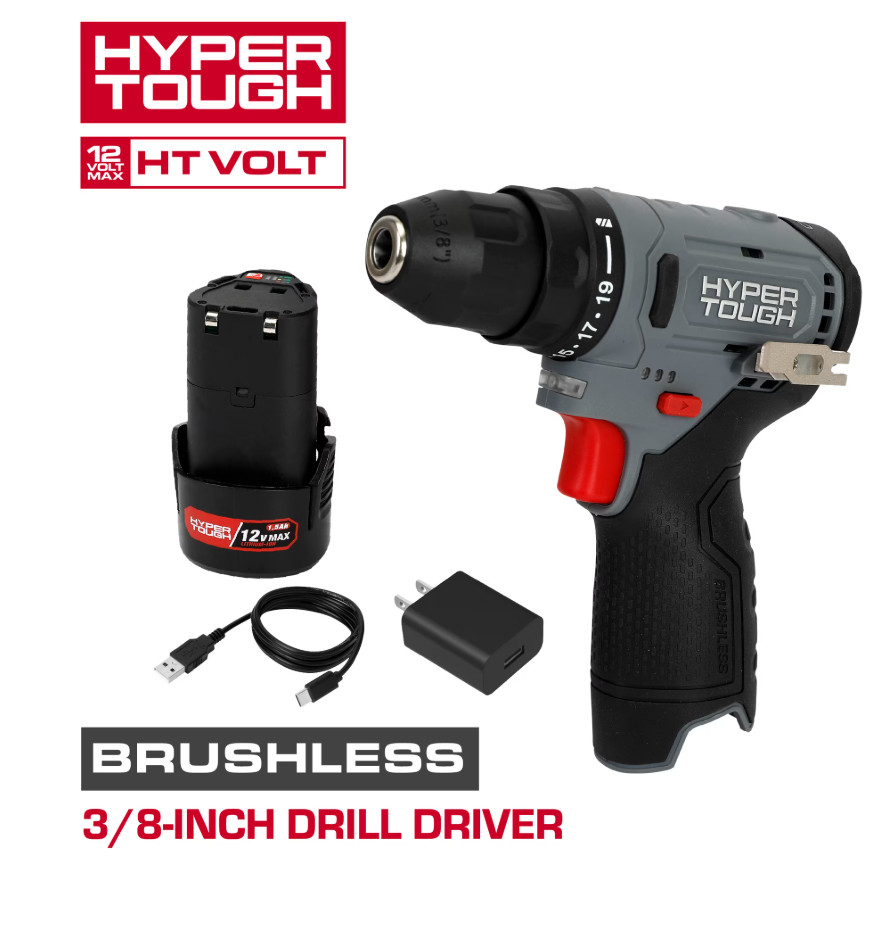 Hyper Tough 12V Brushless Cordless Drill Driver with 1.5Ah Battery$22.00View on eBay
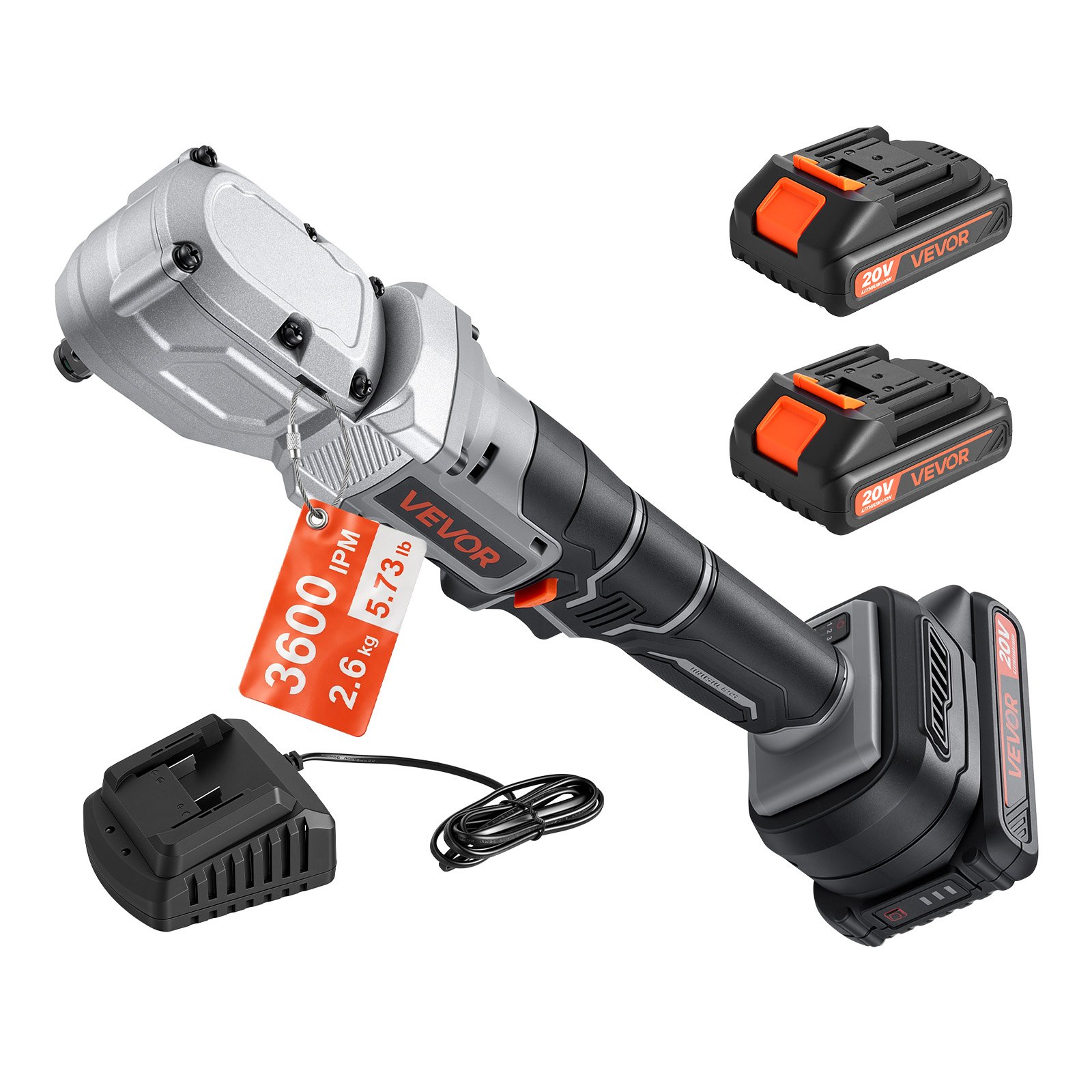 Right Angle Drill 1/2 in Square Drive 90 Degree Cordless For Cabinets, Corners, Frames, Tight Spaces, Brushless Motor, Adjustable Speed, LED Lighting, with 2 Batteries and Charger$115.99View on Mallflare
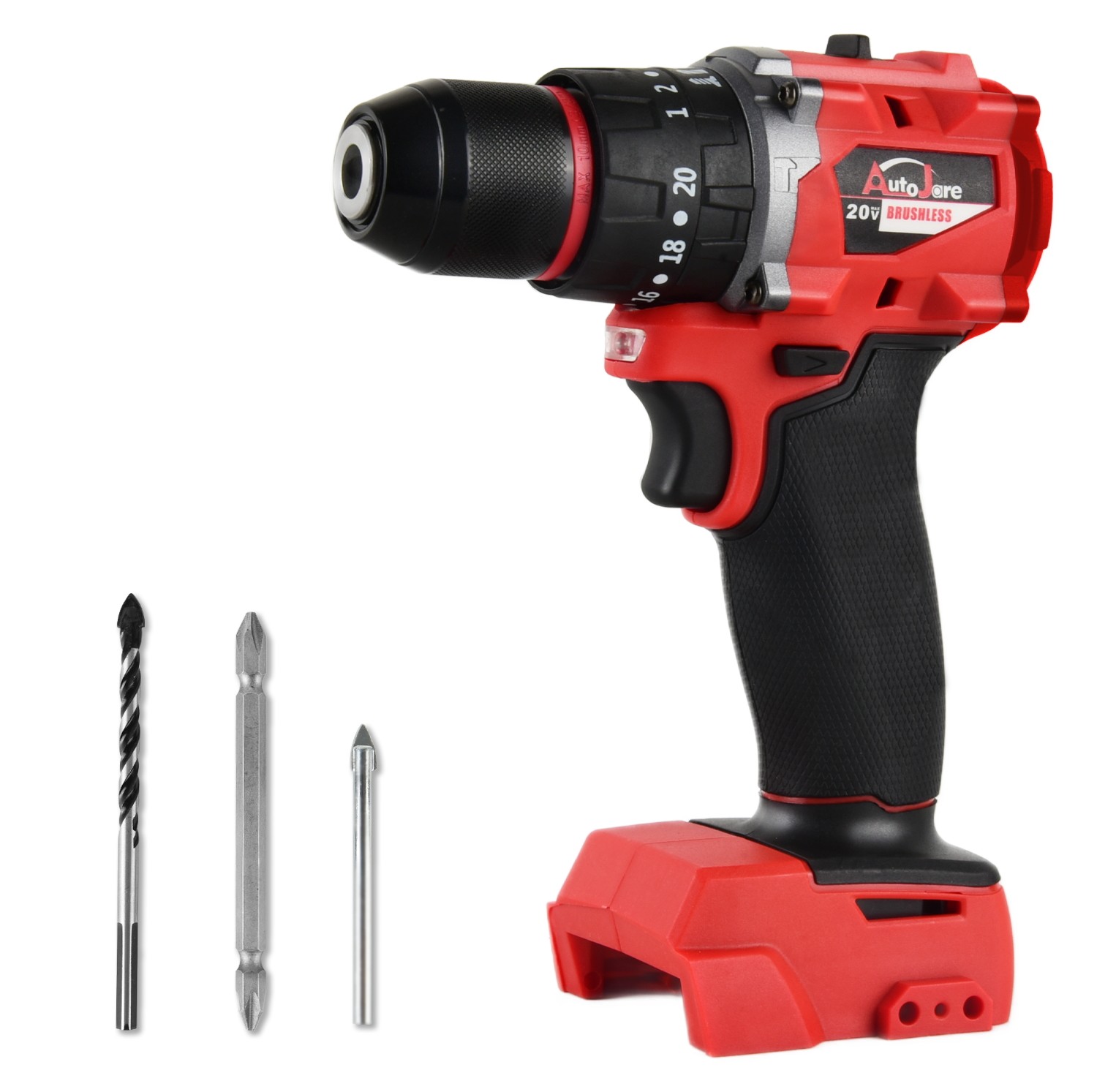 Cordless Brushless 3/8-inch Drill Driver for Milwaukee 18V Battery TOOL ONLY$23.90View on eBay
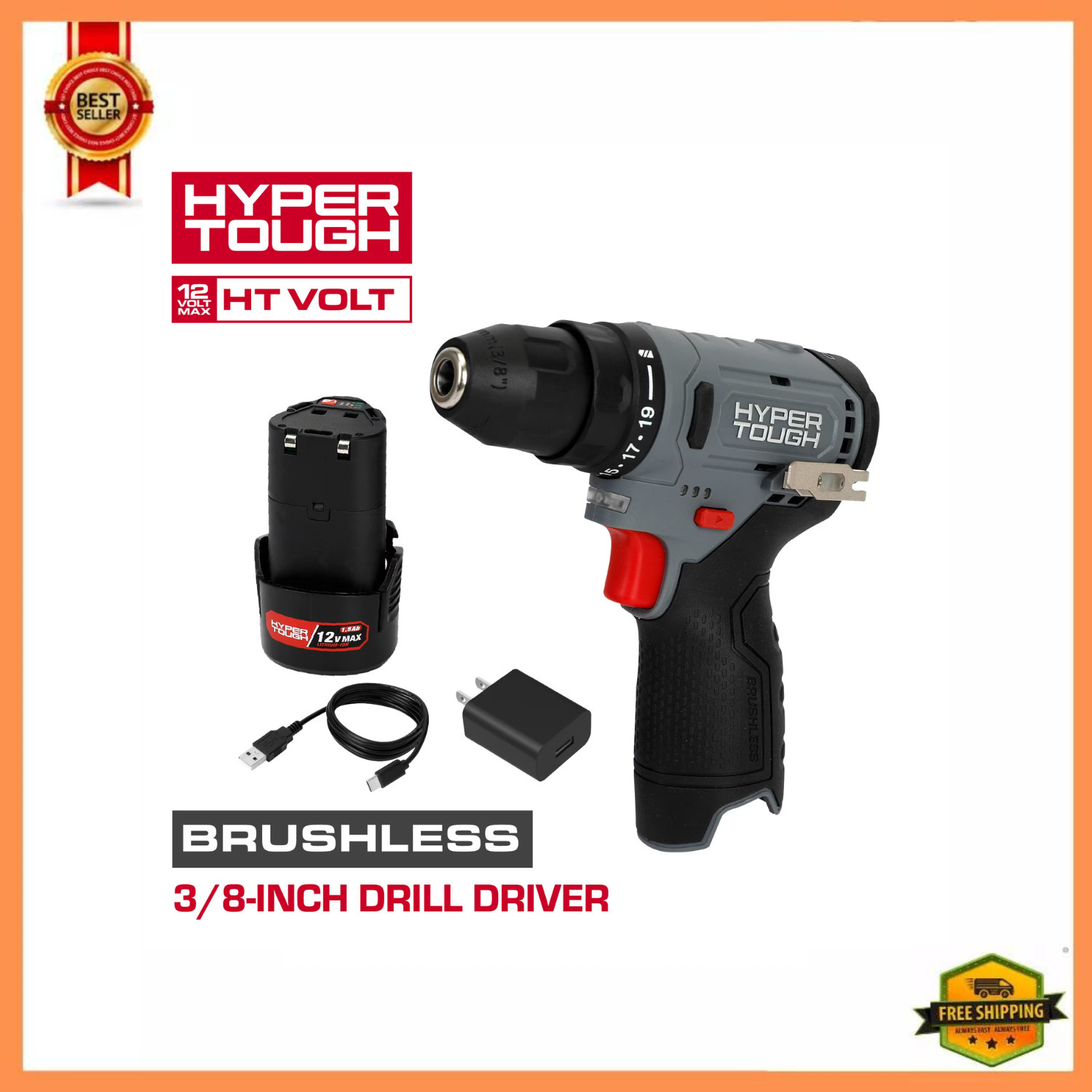 Hyper Tough 12V Brushless Cordless Drill Driver with 1.5Ah Battery$25.99View on eBay
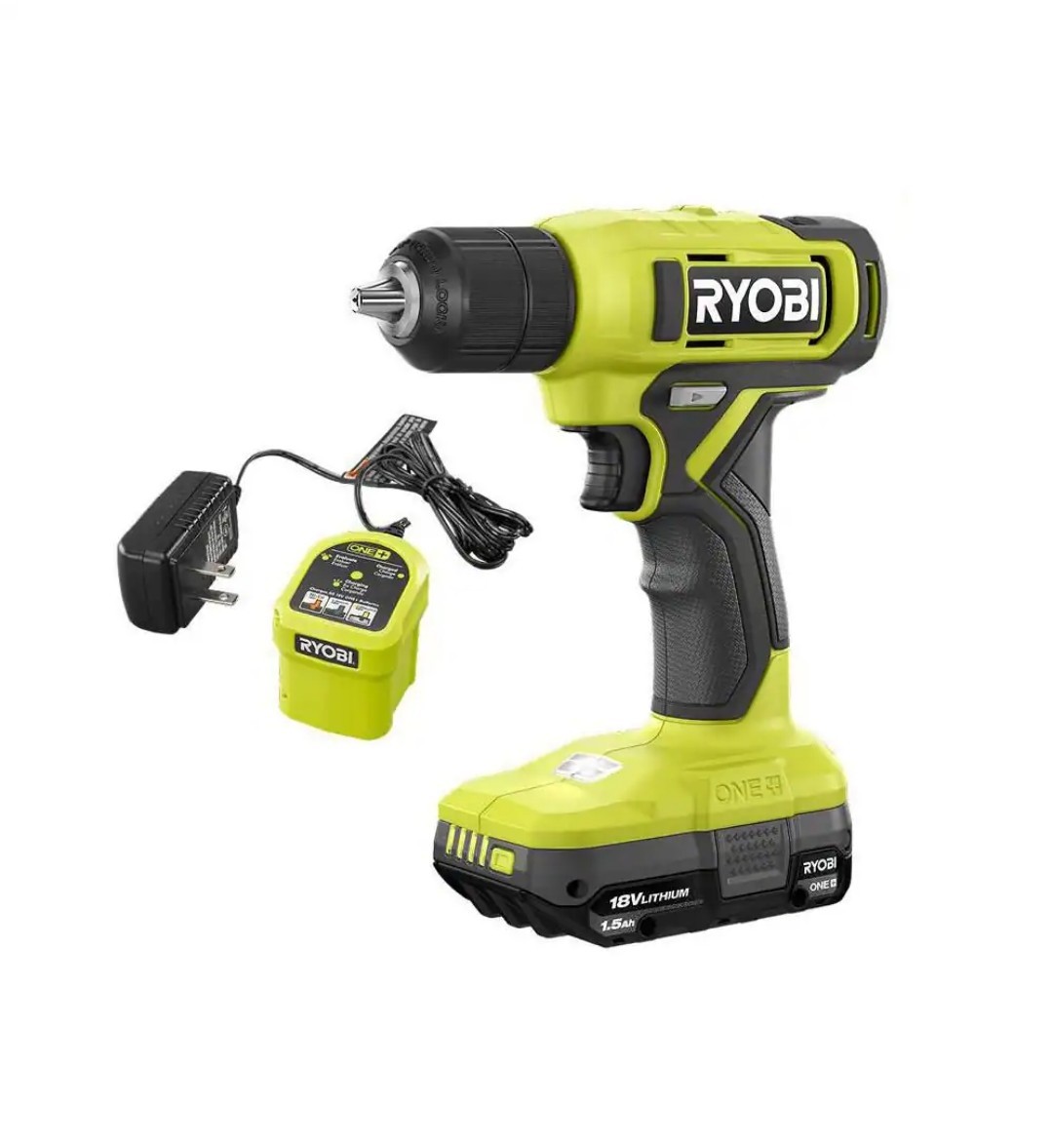 RYOBI ONE+ 18V Cordless 3/8 in. Drill/Driver Kit with 1.5 Ah Battery and Charger$31.19View on eBay
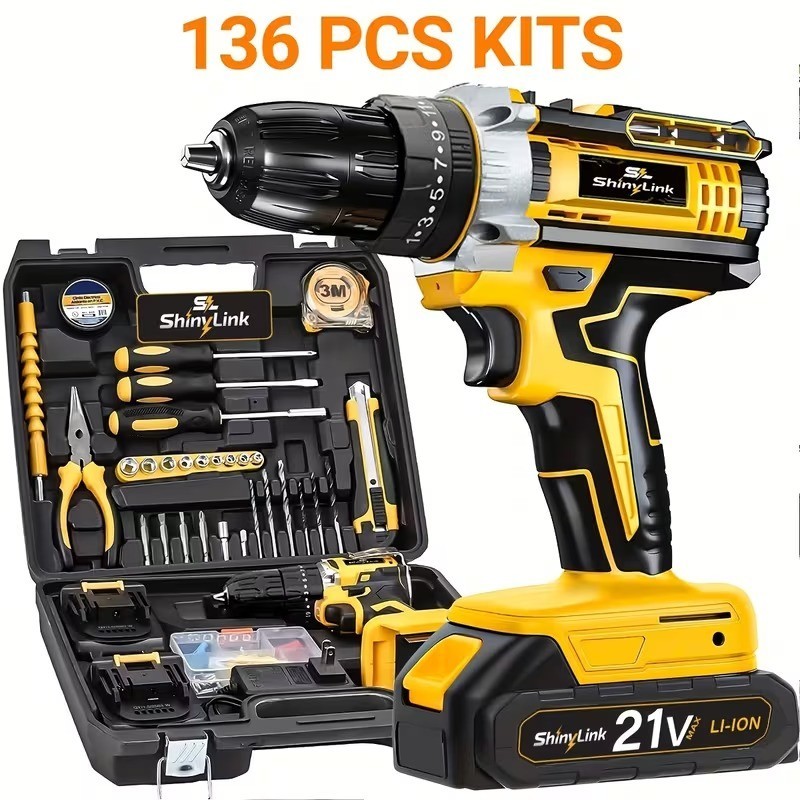 21V Cordless Drill Set 136pcs Electric Drill Driver Tool Kit 2 Batteries w/ Box$33.99View on eBay
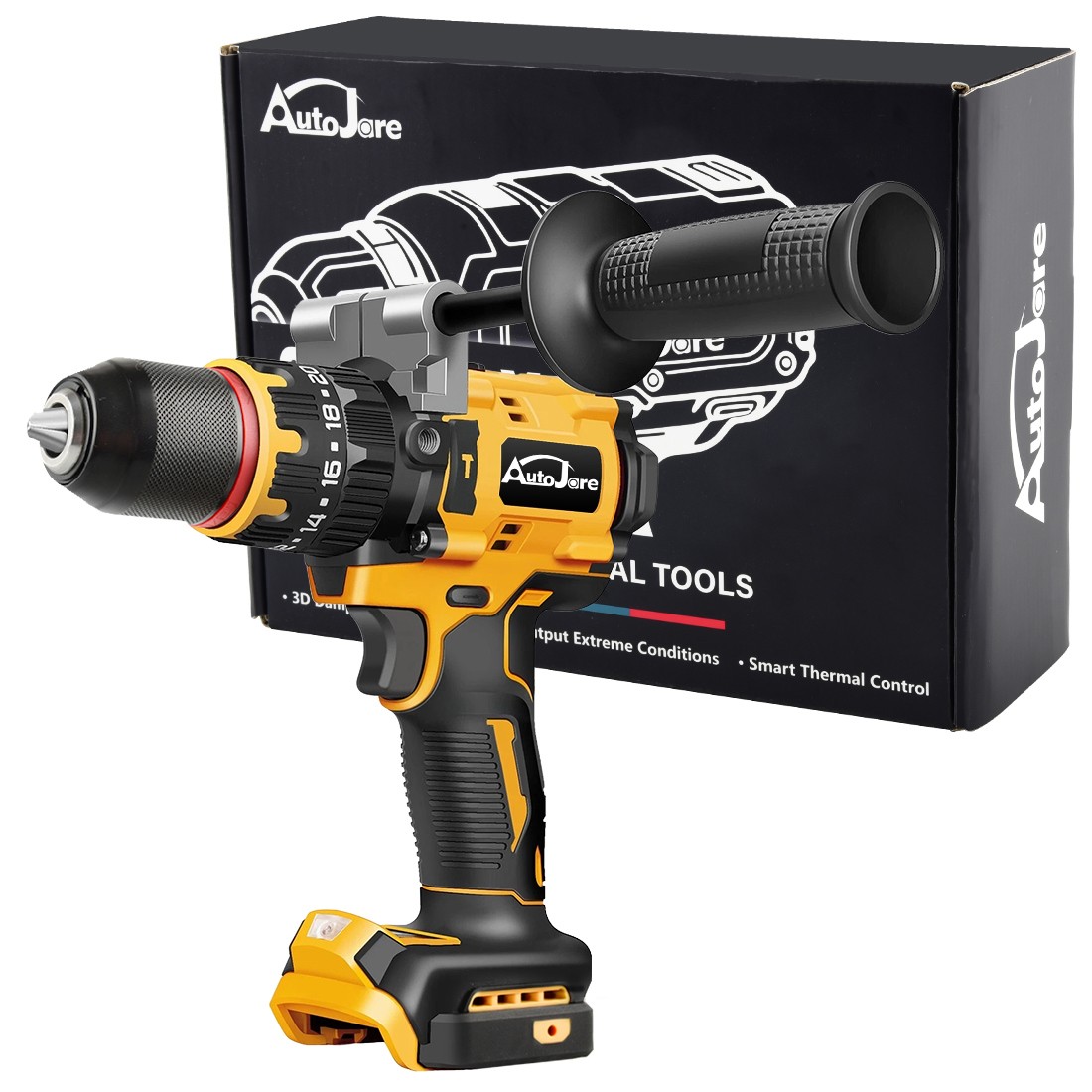 1/2" Cordless Hammer Drill/Driver Brushless For DEWALT 20V MAX Battery 2-Speed$35.49View on eBay
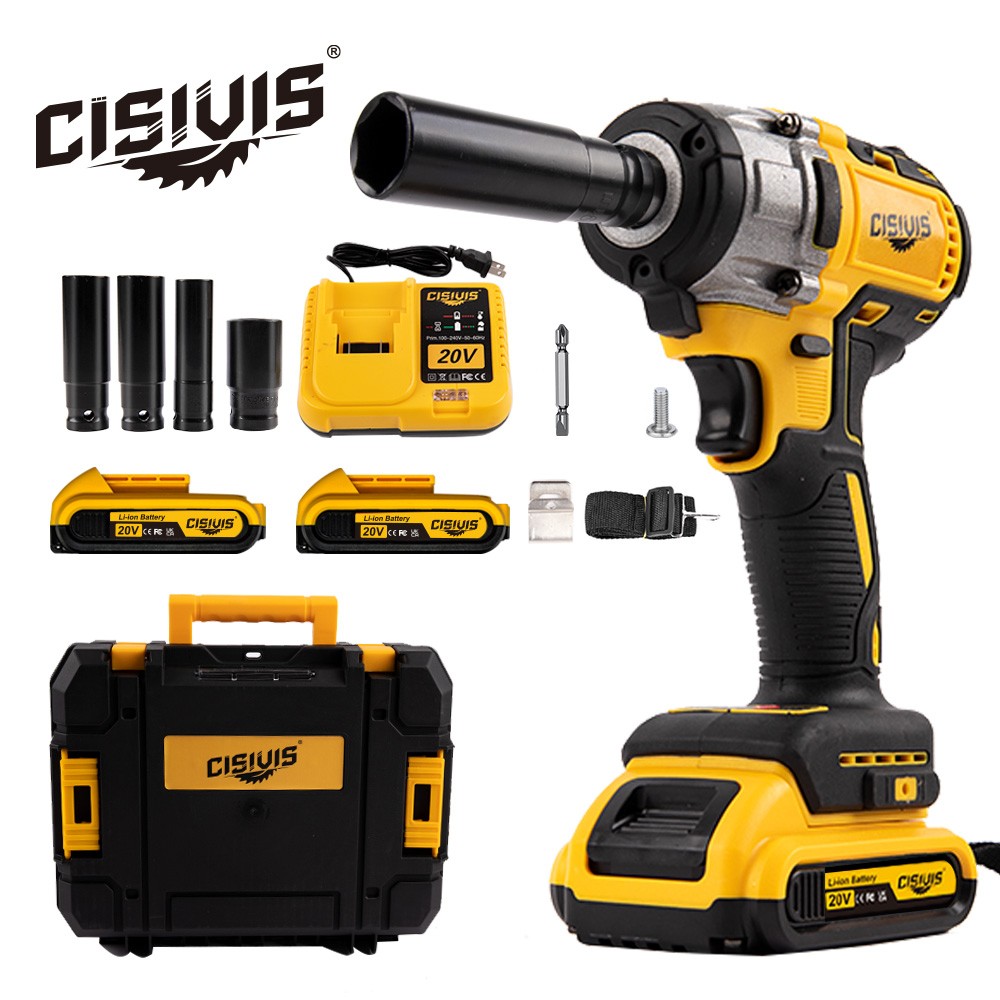 20V Cordless Impact Wrench 1/2" 500Nm High Torque Brushless Drill w/ 2 Batteries$36.80View on eBay
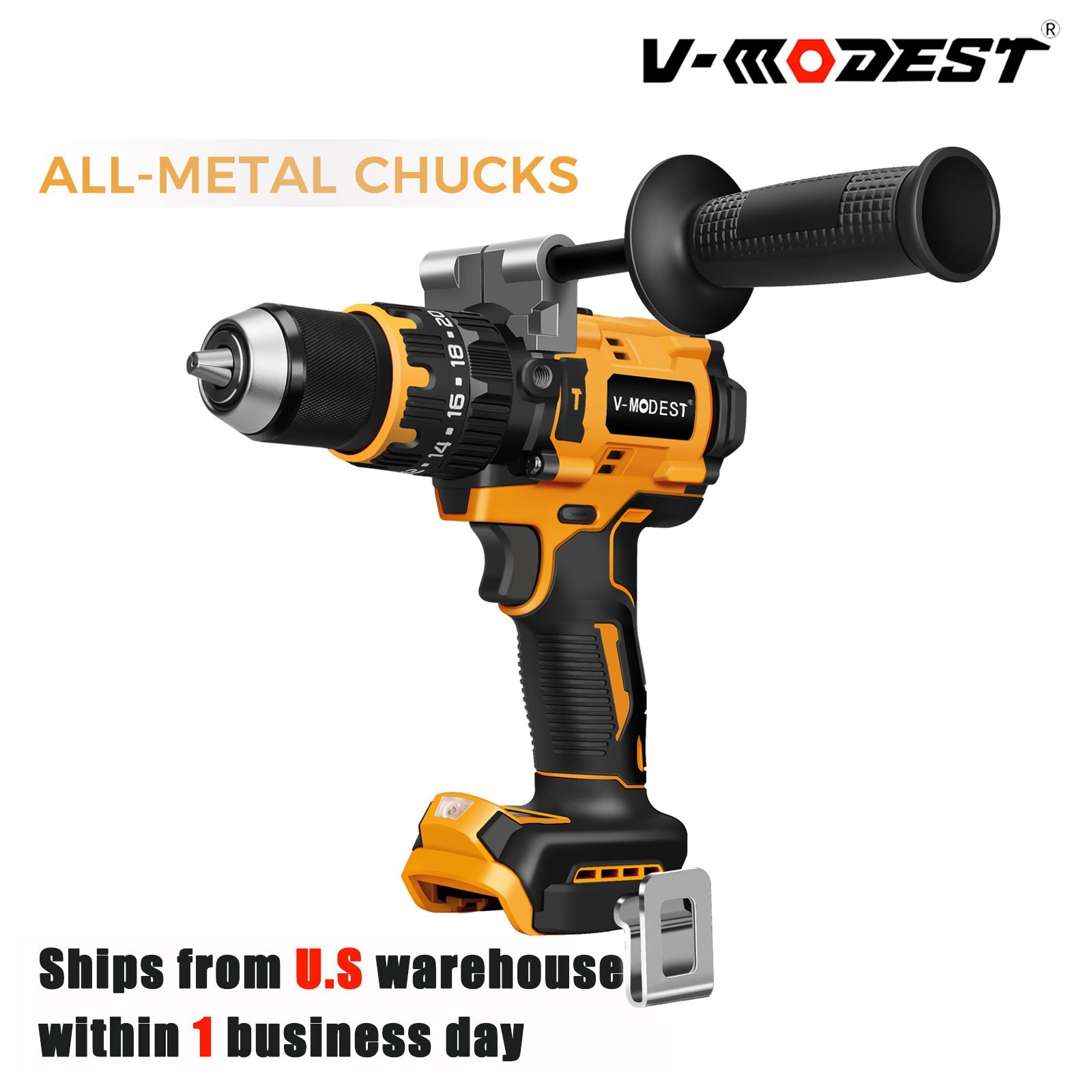 1/2" Cordless Hammer Drill/Driver Brushless For DEWALT 20V MAX Battery 2-Speed$38.99View on eBay
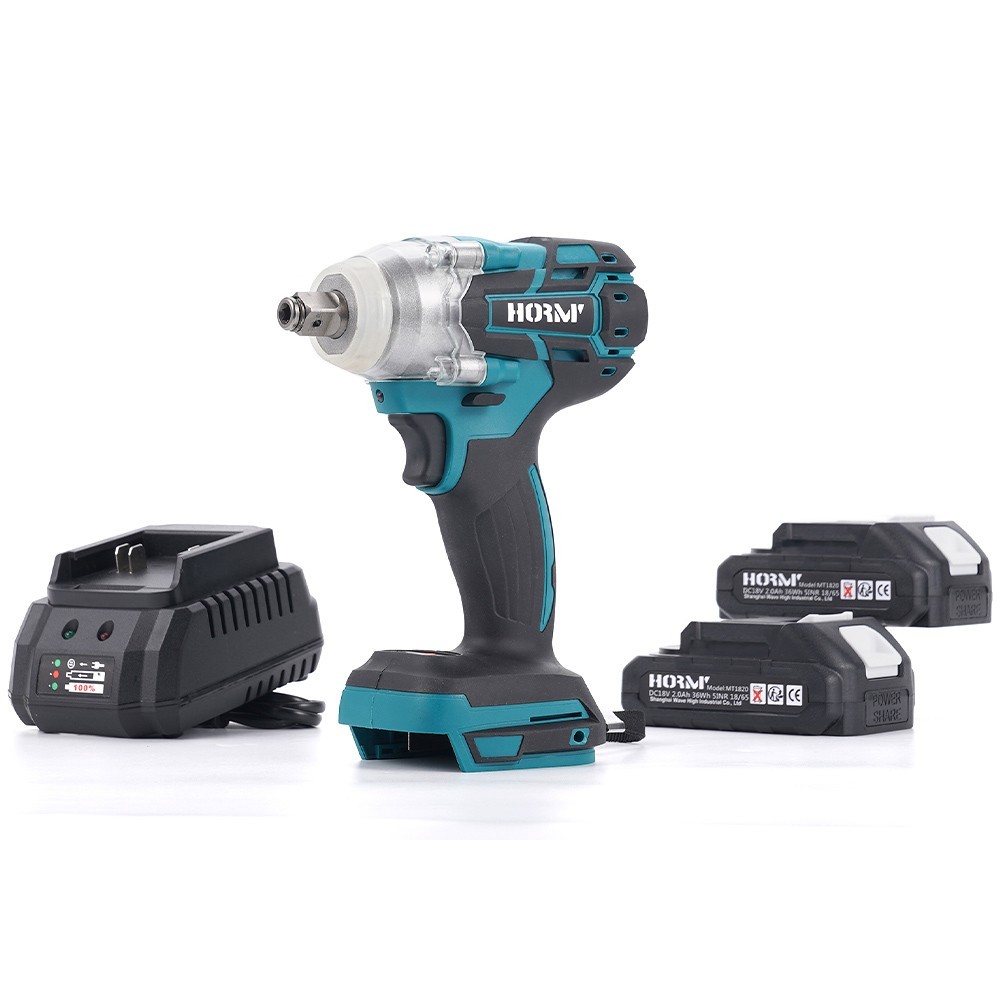 18V Cordless Impact Wrench 1/2" 280Nm High Torque Brushless Drill with 2 Battery$39.99View on eBay
 20V Cordless Harmmer Drill 1/2"in Brushless Electric Impact Wrench With Battery$41.89View on eBay
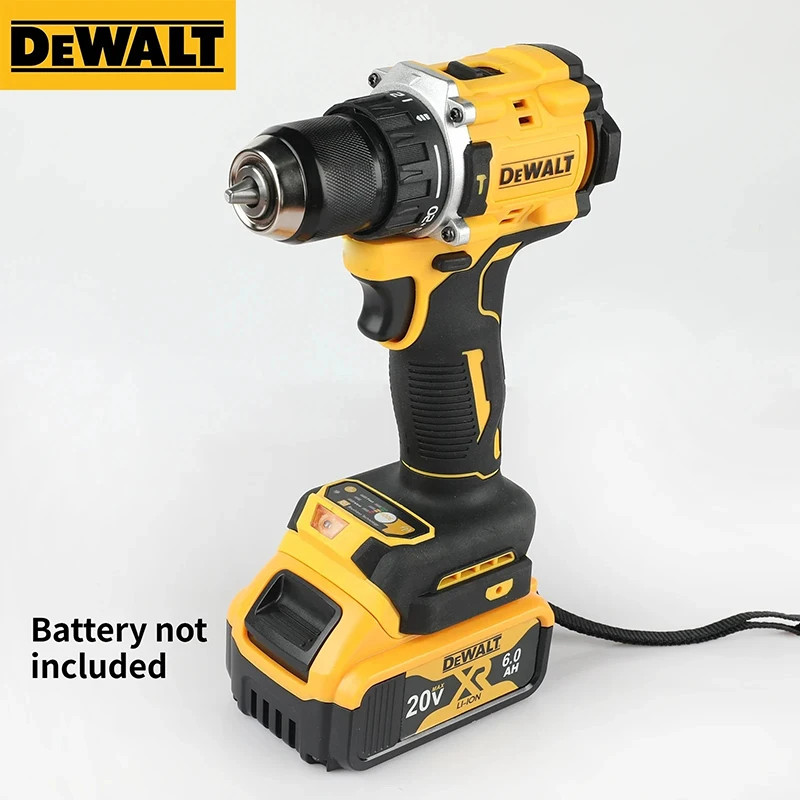 DEWALT DCD805 20V MAX Brushless Impact Drill Driver (No Battery)$45.00View on eBay
Highlights
- Brushless motors deliver 50-60% longer runtime and eliminate carbon brush wear, making them the only choice for repeated heavy drilling or professional use.
- 18V/20V Max platforms provide 400-800 in-lbs of torque and are cross-compatible within a brand's battery ecosystem, while 12V tools cap at 200-350 in-lbs for light assembly.
- Chuck size determines bit compatibility: 1/2-inch chucks accept the widest range of bits including hole saws, while 3/8-inch chucks limit you to smaller shanks.
- Hammer drill mode adds percussion for masonry, but a rotary hammer with SDS-Plus bits is required for frequent concrete drilling above 3/8-inch diameter.
Best use cases
- For general home repair and furniture assembly, pick a 12V or compact 18V brushless drill driver with a 1/2-inch chuck; skip heavy hammer drills unless you regularly drill concrete.
- For deck building and framing, choose an 18V/20V brushless hammer drill with at least 500 in-lbs torque and two 4.0Ah+ batteries; avoid 12V tools which will stall.
- For cabinet installs and tight spaces, a right-angle drill with a 3/8-inch chuck is essential; standard drills cannot fit between studs or under sinks.
- For concrete anchoring, select a cordless rotary hammer with SDS-Plus and a 20V platform; a standard hammer drill is only for occasional small holes in brick.
Buying tips
- Match battery voltage to task: 12V for driving screws and light drilling, 18V/20V for heavy drilling and hammer mode, 20V max for rotary hammers.
- Verify battery platform compatibility: bare tools require the same brand's batteries, and cross-brand adapters void warranties and risk overheating.
- Check torque ratings: aim for 300+ in-lbs for drilling wood, 500+ in-lbs for lag bolts, and 700+ in-lbs for heavy-duty hole saws.
- Choose brushless motors for tools used more than once a week; brushed motors are only acceptable for occasional DIY tasks.
Specs
| Voltage Class | 12V / 18V / 20V Max |
|---|---|
| Motor Type | Brushless vs Brushed |
| Chuck Size | 1/2 in / 3/8 in / 1/4 in Hex |
| Max Torque | 200-800 in-lbs |
Related searches
What to check before buying
- Measure your hand size and workspace: compact drills are 7-8 inches long, right-angle drills under 4 inches, ensuring fit in tight areas.
- Confirm you own or plan to buy batteries from the same brand ecosystem; bare tools require exact voltage and mount compatibility.
- Check chuck size against your existing bit collection: 1/2-inch for universal use, 3/8-inch for light bits, 1/4-inch hex for impact drivers.
- For masonry, verify the drill has a hammer mode or choose a rotary hammer if drilling concrete frequently.
FAQ
Data sources: eBay / Amazon listings and product attribute feeds Data updated Nov 20, 2026.
Some links on this page are affiliate links. If you buy after clicking one, we may earn a commission at no extra cost to you. This does not change which products appear here or their order. Affiliate disclosure.