Photos from current listings. Actual item, color, and included accessories may vary.
Belt Grinder Buying Guide
A belt grinder is a abrasive-machining power tool that uses a continuous loop of abrasive belt running over contact wheels to remove material fast and cool, and the primary trade-off is between small-belt hobby units with limited power and larger-belt machines with VFD-controlled torque and heat management. The clear decision rule: for knife making and metal fabrication, choose a 2-inch-wide belt with at least 1.5 HP (1.1 kW) and variable frequency drive (VFD); for light workshop sharpening and woodworking, a 1-inch or 2-inch belt combo unit at 350–550 W is sufficient.


At a glance
- Category
- Power Tools
- Data updated
- Nov 20, 2026
Current offers
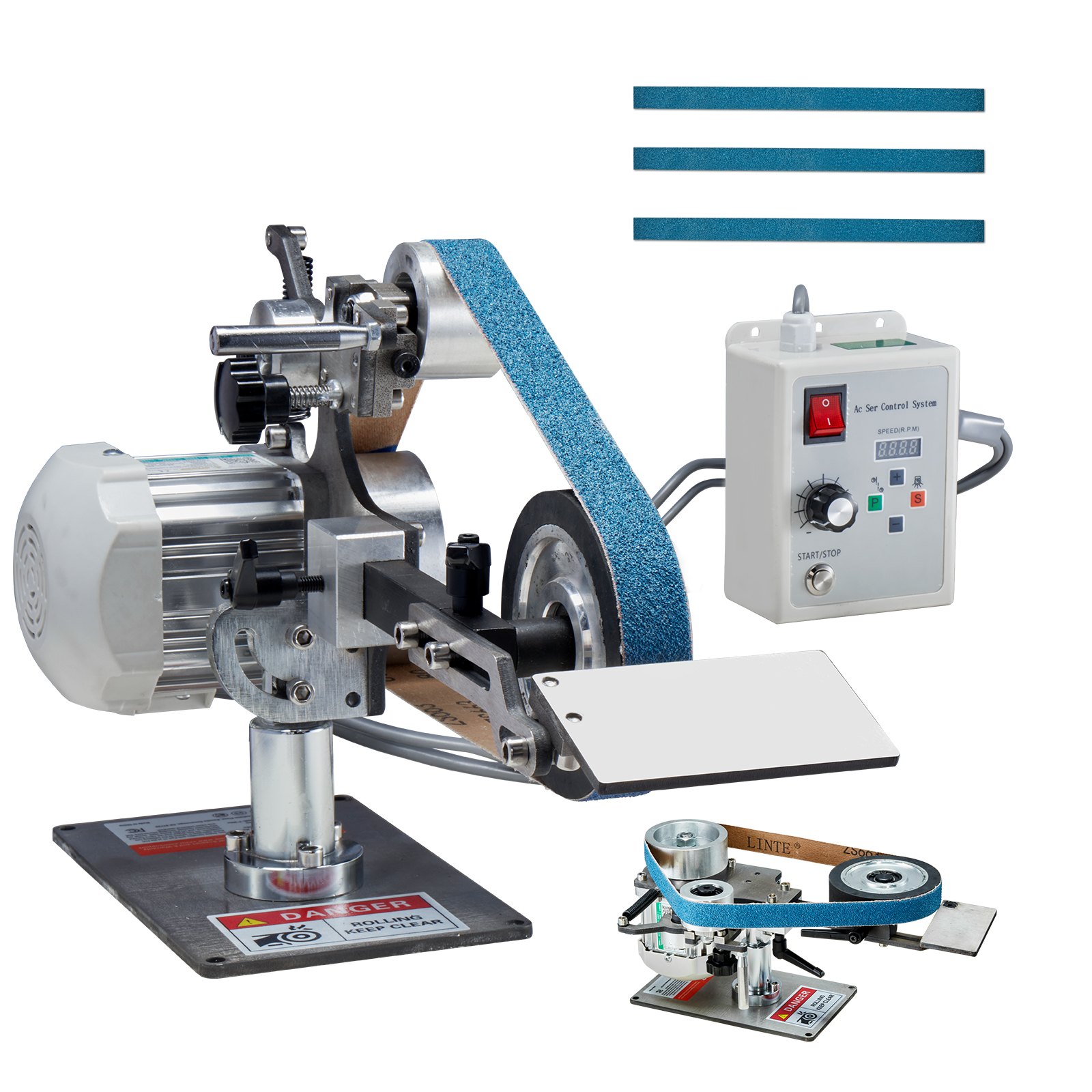 Belt Grinder Sander, 30 X 1-Inch Variable Speed Polisher With VFD, 550W Polishing Grinding Machine 2 Moulds & 3PCS Sanding Belts For Metalworking, Knife Making$255.99
 View on Mallflare
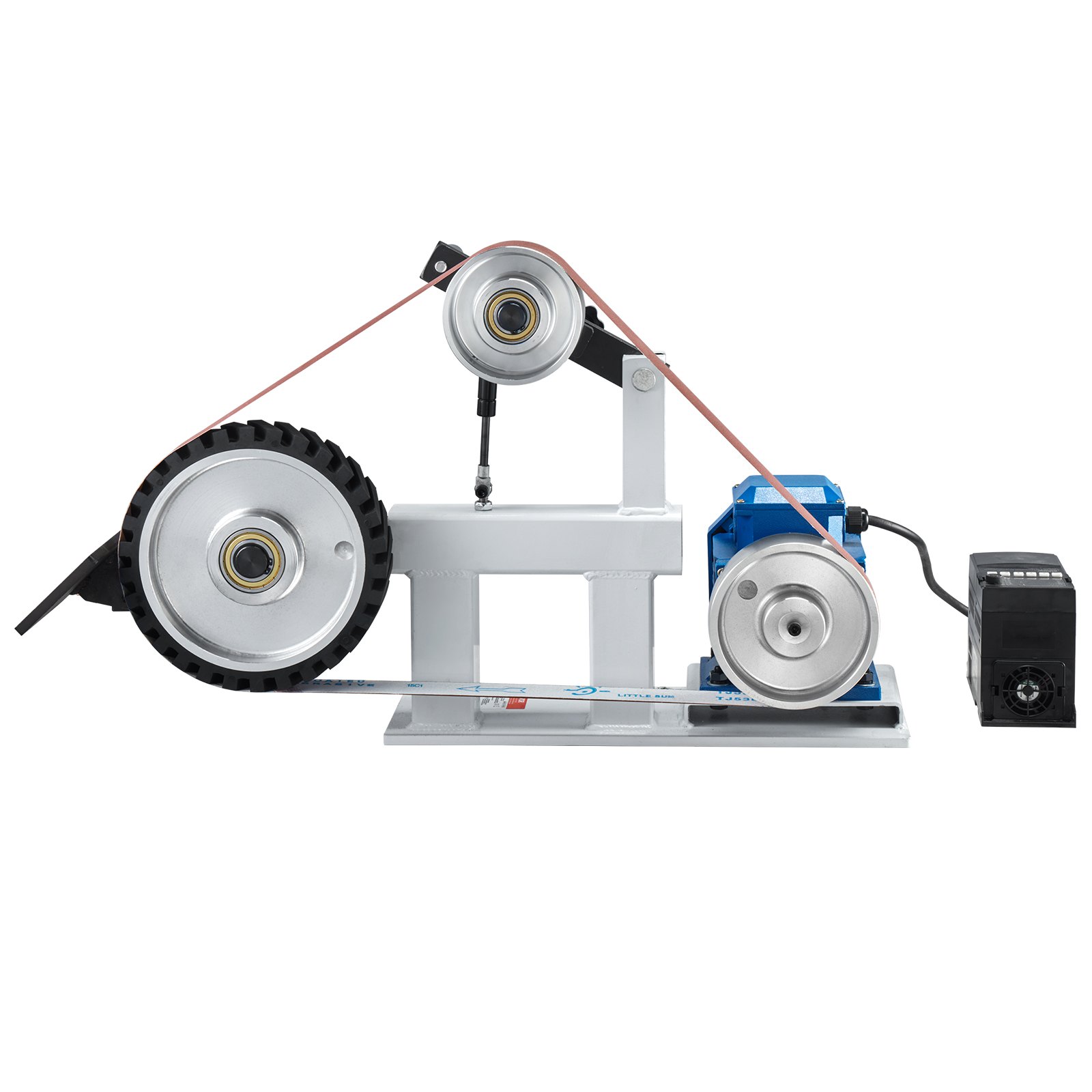 Belt Grinder Sander, 72 X 2-Inch Variable Speed Polisher With VFD, 1500W 2HP Polishing Grinding Machine 3 Moulds & 3PCS Sanding Belts For Metalworking, Knife Making$885.99View on Mallflare
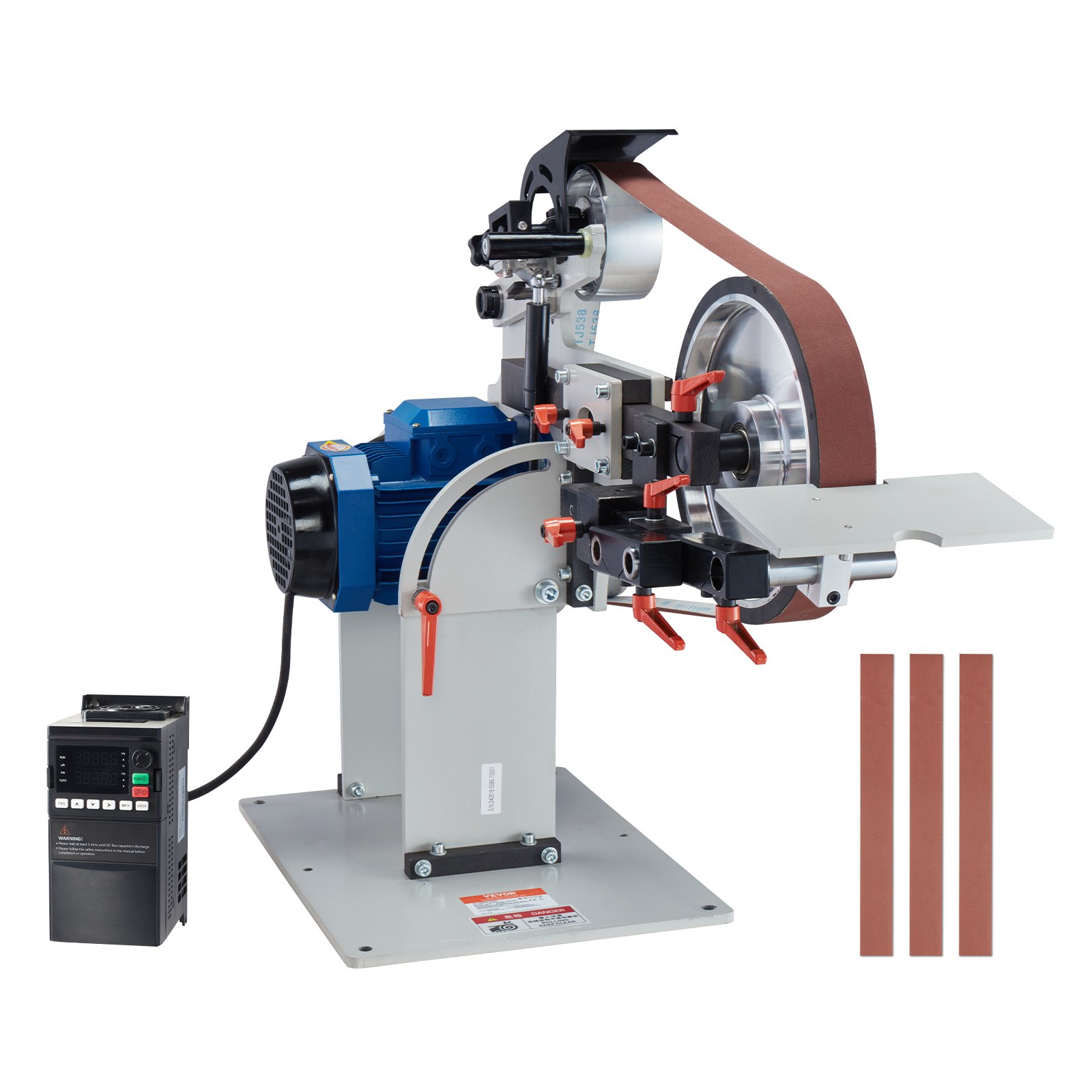 Belt Grinder Sander, 72 X 2-Inch Variable Speed Polisher With VFD, 1500W Knife Sharpener 3 Grinding Moulds & 3PCS Sanding Belts For Metalworking, Compatible 72"- 82*2"$969.99View on Mallflare
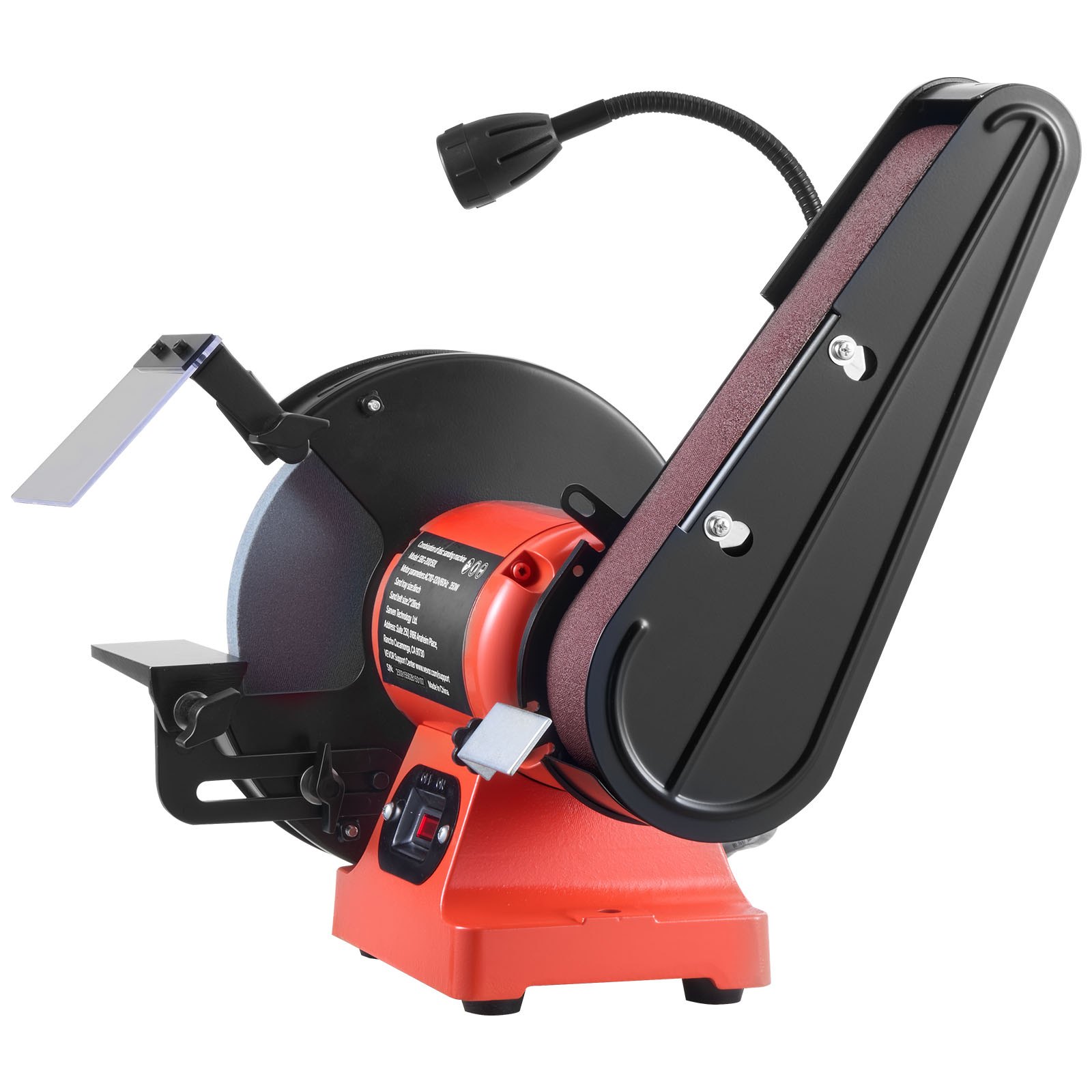 8" Bench Grinder & 2" X 28" Belt Sander Combo, 350W Professional Grinding Sanding Machine With LED Work Light & Protective Eye Shield For Metalworking, Woodworking, Knife Sharpening$115.99View on Mallflare
Highlights
- Belt width is the defining capability metric: 2-inch (50 mm) belts are the standard for knife bevels and metal finishing; 1-inch belts suit detail work but flex and lack rigidity for heavy stock removal.
- Belt length governs platen contact and heat dissipation: 72-inch belts run cooler and last longer than 30-inch belts, and 2×72 is the most common professional knife-making format.
- Motor power separates classes: 350–550 W units handle sharpening and light deburring; 1500 W (2 HP) with VFD delivers sustained torque for grinding hardened steel without stalling.
- VFD (variable frequency drive) allows full torque control at low speeds, which is essential for heat-sensitive steel and fine finishing; fixed-speed grinders run too fast for knife edges.
Best use cases
- Best fit for knife making: pick a 2×72-inch belt grinder with 1500 W motor and VFD; it provides the belt length, torque, and speed control needed for bevel grinding and heat management.
- Best fit for general metalworking and deburring: a 2×72 or 2×28-inch unit at 550–1500 W handles edge cleanup, weld blending, and surface conditioning without the cost of a full knife-making setup.
- Best fit for woodworking and light sharpening: an 8-inch bench grinder with 2×28-inch belt sander combo at 350 W covers chisel sharpening, tool touch-ups, and small wood shaping in a compact footprint.
- Wrong fit: a 30-inch belt grinder for heavy knife production — the short belt overheats quickly and limits platen work; skip it unless portability or bench space is the priority.
Buying tips
- Match belt length to your work: 72-inch belts for knife making and sustained grinding; 28–30-inch belts for sharpening and light deburring where space is tight.
- Require at least 1.5 HP (1.1 kW) for grinding hardened steel; under 550 W is for sharpening and wood only — stalled motors glaze belts and burn edges.
- Confirm VFD or variable-speed control with a low-end speed under 1000 SFPM for heat-sensitive steel; fixed-speed units run too fast for fine knife work.
- Check belt compatibility: 2×72 machines accept the widest range of abrasive types (ceramic, zirconia, aluminum oxide); odd sizes like 2×28 limit grit and material choices.
Specs
| Belt Size | 2×72 in standard; 2×28, 1×30 compact |
|---|---|
| Motor Power | 350 W to 1500 W (2 HP) |
| Speed Control | VFD variable vs fixed-speed |
| Belt Width | 2 in (50 mm) vs 1 in (25 mm) |
Related searches
What to check before buying
- Measure bench or stand space for the machine footprint plus belt clearance; 72-inch belt grinders need roughly 4 feet of horizontal run and stable mounting.
- Verify power supply: 1500 W motors typically require a 120 V 15 A circuit; confirm your shop outlet and breaker support the startup draw.
- Confirm belt size availability locally or online in your required grits and materials before committing to an odd belt length.
- Check tool rest, platen, and work-table adjustability; a rigid, adjustable platen is essential for knife bevels and consistent grinding angles.
FAQ
Data sources: eBay / Amazon listings and product attribute feeds Data updated Nov 20, 2026.
Some links on this page are affiliate links. If you buy after clicking one, we may earn a commission at no extra cost to you. This does not change which products appear here or their order. Affiliate disclosure.