Photos from current listings. Actual item, color, and included accessories may vary.
Belt Sander Buying Guide
Belt sanders span two distinct architectures: woodworking/floor sanders with platens and dust ports, and metalworking belt grinders with contact wheels, platen gaps, and VFD speed control. The core trade-off is motor type and belt format: induction motors with standard 3x21 or 4x24 belts handle wood and general stock removal, while brushless DC or 3-phase VFD units in 2x72 or 2x48 formats deliver the torque and speed range needed for knife bevels and steel finishing. Buy the architecture that matches your abrasive format and material; avoid cross-shopping a wood sander for blade work or a knife grinder for deck boards.


At a glance
- Category
- Power Tools
- Data updated
- Nov 20, 2026
Current offers
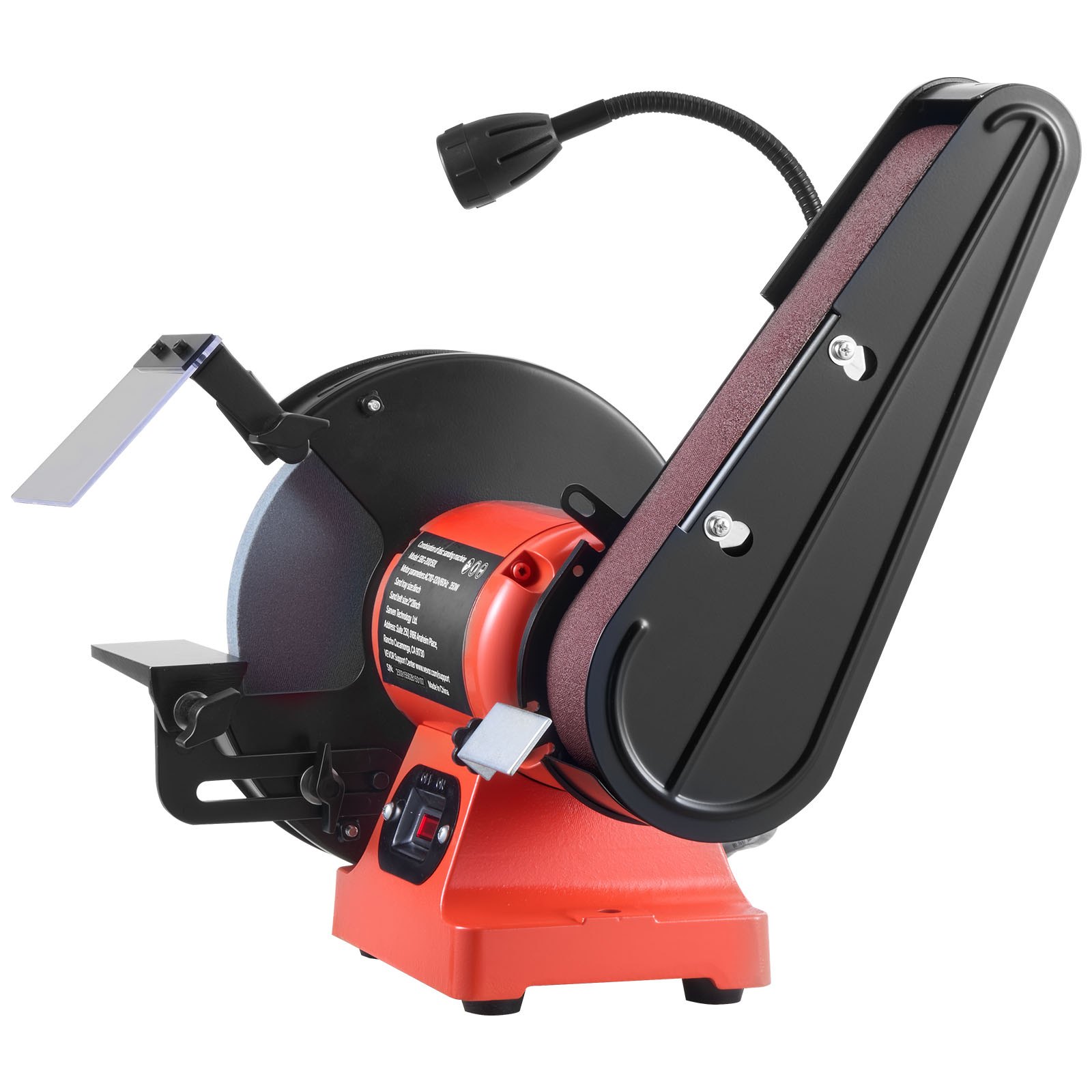 8" Bench Grinder & 2" X 28" Belt Sander Combo, 350W Professional Grinding Sanding Machine With LED Work Light & Protective Eye Shield For Metalworking, Woodworking, Knife Sharpening$115.99
 View on Mallflare
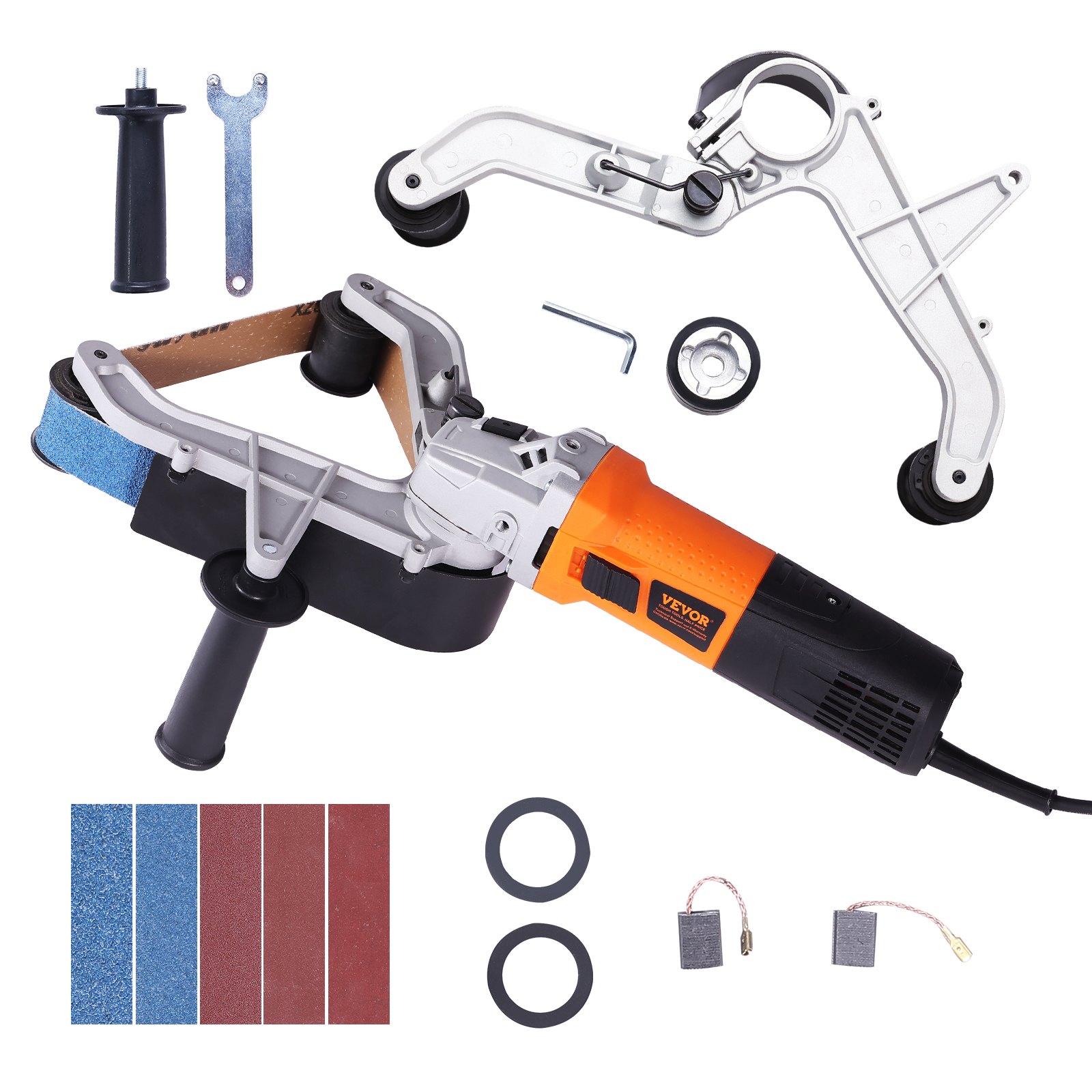 Pipe Tube Polisher Sander, 1000W Belt With 6 Variable Speeds 1100-3200rpm, Professional Grinding Machine 50PCS Sanding Belts For Burnishing Finishing Rust Removal$173.99View on Mallflare
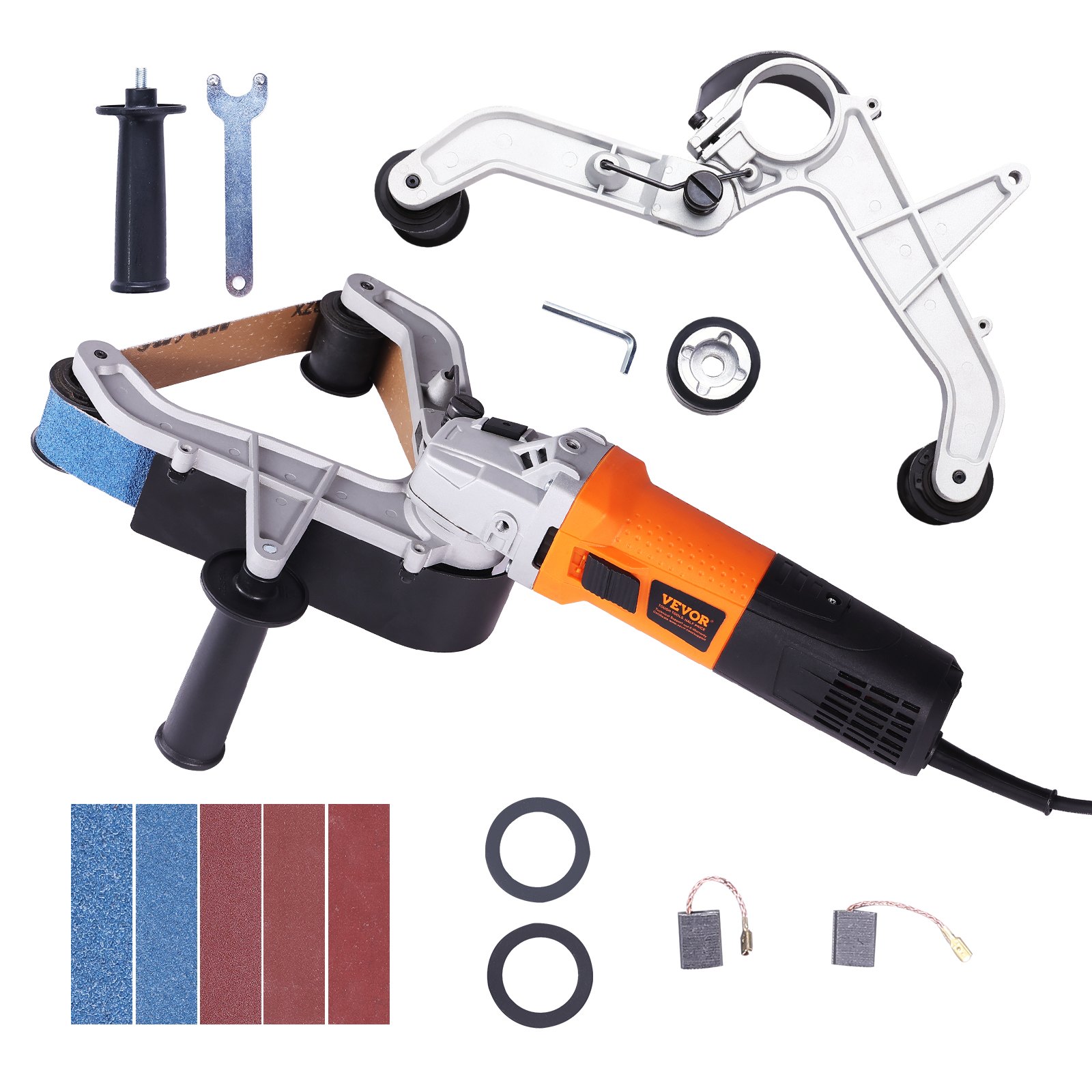 Pipe Tube Polisher Sander, 1000W Belt With 6 Variable Speeds 1100-3200rpm, Professional Grinding Machine 100PCS Sanding Belts For Burnishing Finishing Rust Removal$221.99View on Mallflare
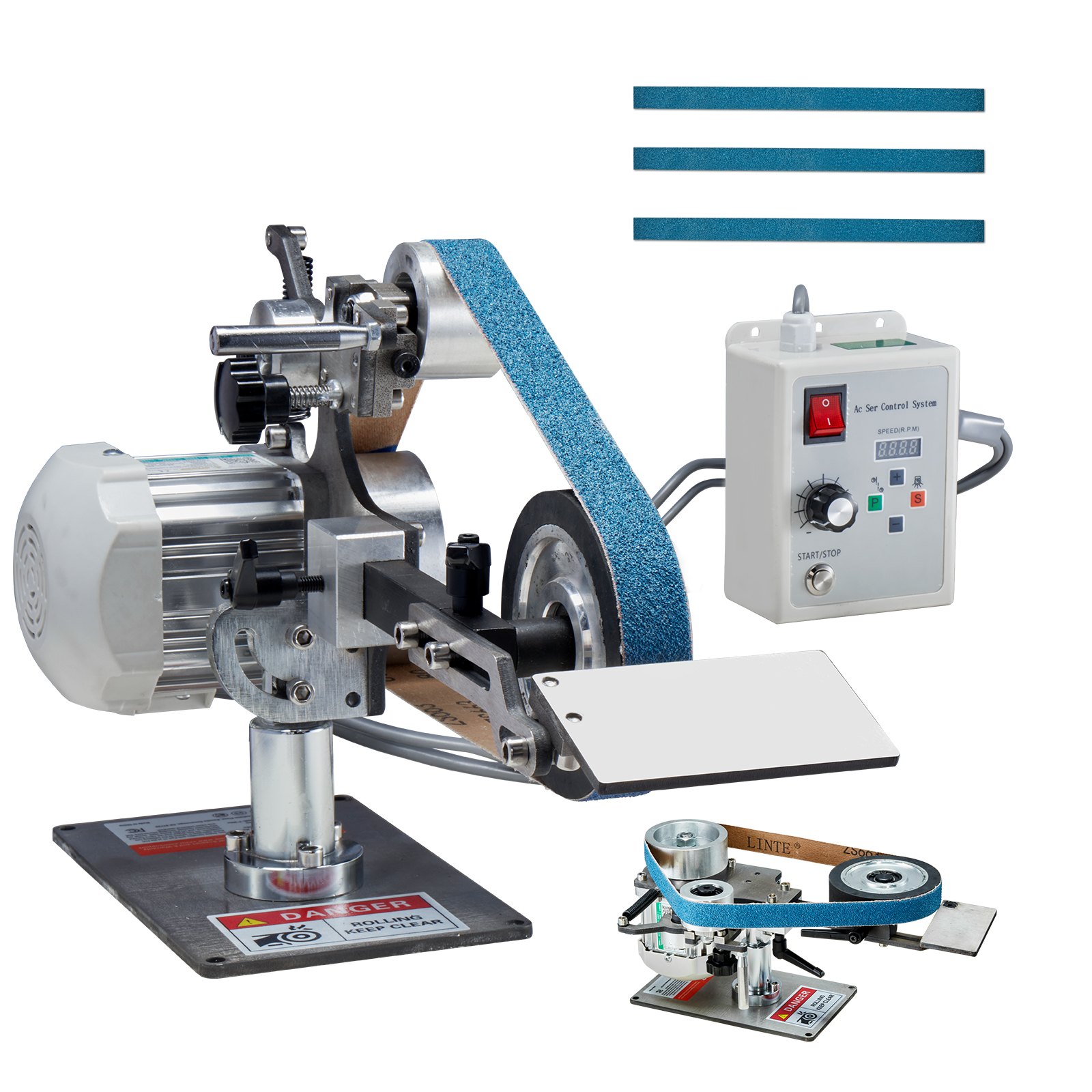 Belt Grinder Sander, 30 X 1-Inch Variable Speed Polisher With VFD, 550W Polishing Grinding Machine 2 Moulds & 3PCS Sanding Belts For Metalworking, Knife Making$255.99View on Mallflare
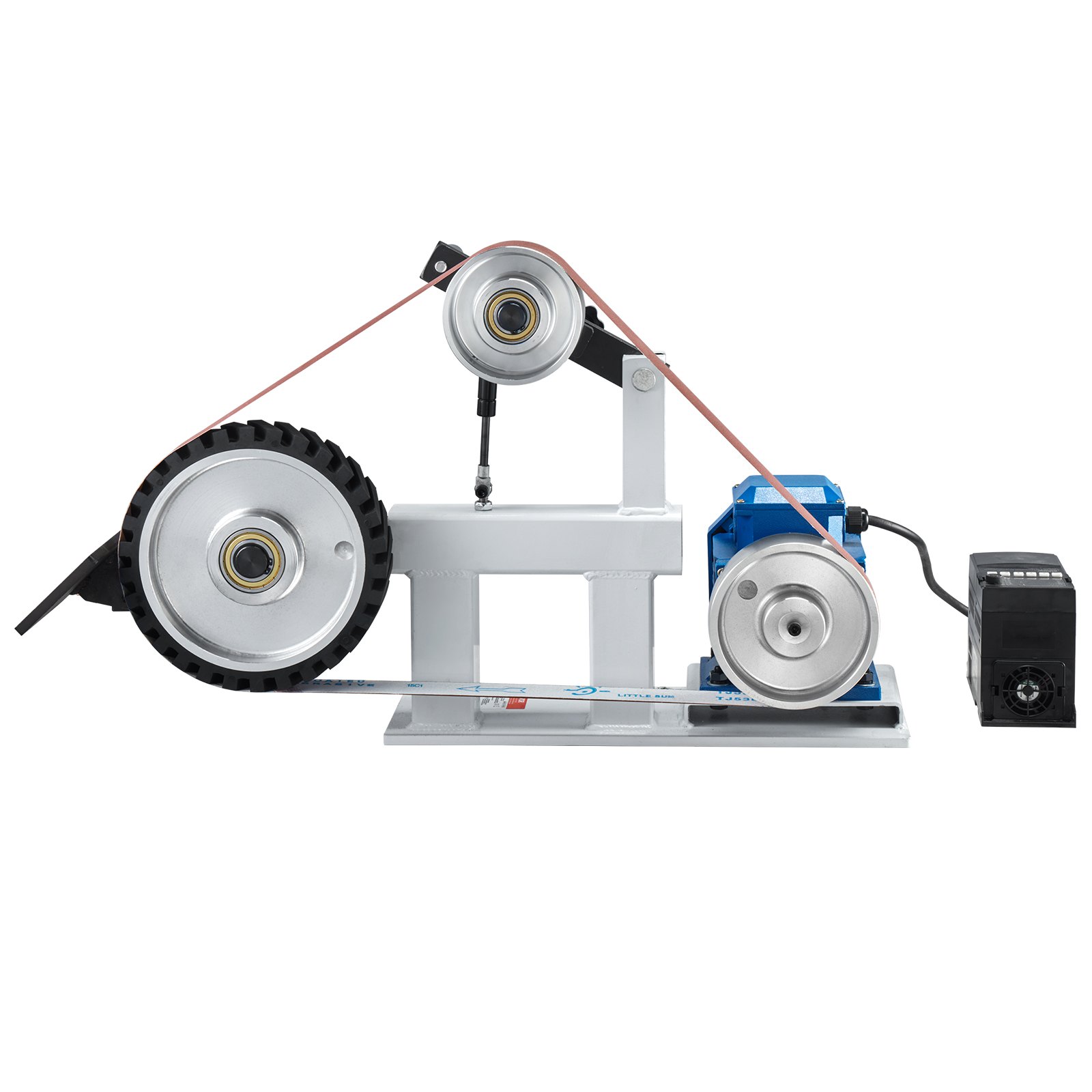 Belt Grinder Sander, 72 X 2-Inch Variable Speed Polisher With VFD, 1500W 2HP Polishing Grinding Machine 3 Moulds & 3PCS Sanding Belts For Metalworking, Knife Making$885.99View on Mallflare
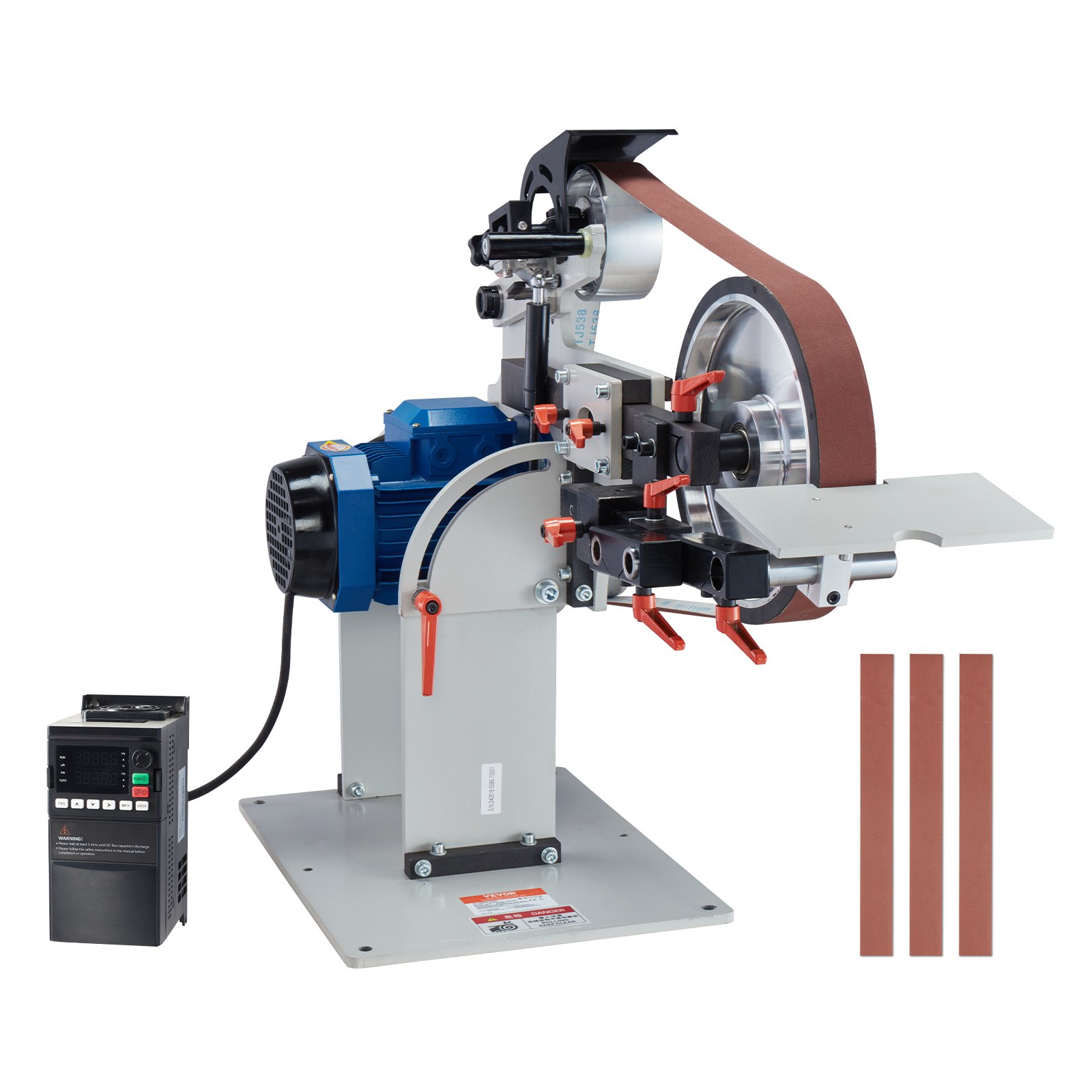 Belt Grinder Sander, 72 X 2-Inch Variable Speed Polisher With VFD, 1500W Knife Sharpener 3 Grinding Moulds & 3PCS Sanding Belts For Metalworking, Compatible 72"- 82*2"$969.99View on Mallflare
Highlights
- Belt format dictates capability: 3x21 and 4x24 inch belts suit wood and general sanding; 2x72 inch is the standard for knife making and metal finishing with far more abrasive choices.
- Motor type separates duty classes: brushed universal motors are light-duty and loud; induction (often 1-2 HP) and brushless DC with VFD hold torque under load for continuous steel grinding.
- VFD (variable frequency drive) on 2x72 grinders allows full torque at low RPM—critical for heat-sensitive blade edges—while simple routers or single-speed motors lose torque when slowed.
- Platen and contact-wheel configuration determines finish: a flat platen for bevels, a small-radius wheel for hollow grinds, and a slack belt for convex edges; combo units add a bench grinder but compromise belt tension.
Best use cases
- Knife making and blade profiling: pick a 2x72 belt grinder with VFD, 1.5-2 HP, and a flat platen plus small contact wheel; skip 3x21 wood sanders and combo bench-grinder units that lack torque at low speed.
- Pipe, tube, and rust removal on round stock: choose a dedicated pipe/tube polisher with 6-speed control and 1000W belt motor; a standard wood sander cannot wrap a pipe evenly and will gouge.
- General woodworking, deck boards, and paint removal: a 3x21 or 4x24 belt sander with dust port and 8-10A motor is correct; a 2x72 knife grinder is overkill and poorly suited to flat panels.
- Sharpening and light metalwork in a small shop: an 8-inch bench grinder plus 2x28 belt combo covers lathe tools and chisels; skip it for production knife bevels where belt speed and platen rigidity matter more.
Buying tips
- Match belt size to abrasive availability: 2x72 inch has the widest ceramic and zirconia selection for steel; 3x21 and 4x24 dominate woodworking abrasives; 1x30 is limited and best for light sharpening only.
- For knife making, require at least 1 HP and VFD; 550W (0.75 HP) units work for hobby bevels but stall on heavy stock removal and longer blades.
- Check platen and tooling: a flat platen, adjustable tool rest, and small-radius contact wheel are needed for bevels and handles; combo bench-grinder units trade belt tension and tracking for a second function.
- Verify voltage and plug: 2 HP and larger grinders often require 220-240V; confirm your shop circuit before buying, and choose 110V units for standard household outlets.
Specs
| Belt Size | 2x72 / 3x21 / 4x24 / 2x28 in |
|---|---|
| Motor Type | Induction / Brushless DC / Brushed |
| Power Class | 550W to 1500W (0.75-2 HP) |
| Speed Control | VFD variable / 6-speed / Single |
Related searches
What to check before buying
- Measure bench or stand space: 2x72 grinders with VFD and motor run roughly 30-40 inches long and need clearance for long stock and belt changes.
- Confirm circuit capacity: 1.5-2 HP motors may draw 12-15A at 110V or require 220V; match the plug and breaker before delivery.
- Check belt availability locally or online in your chosen size (2x72, 3x21, 4x24, 2x28) and stock a range of grits from 36 to 400+.
- For metal grinding, plan dust and spark handling: metal dust is a fire hazard; use a metal-rated dust collection or wet methods and keep wood dust separate.
FAQ
Data sources: eBay / Amazon listings and product attribute feeds Data updated Nov 20, 2026.
Some links on this page are affiliate links. If you buy after clicking one, we may earn a commission at no extra cost to you. This does not change which products appear here or their order. Affiliate disclosure.