Photos from current listings. Actual item, color, and included accessories may vary.
Chainsaw Buying Guide
Chainsaws split into three architectures—gas, corded electric, and battery—each with a distinct power-to-weight and maintenance trade-off; the decisive rule is that gas wins for sustained large-diameter felling, corded electric for stationary high-torque work near mains power, and battery for trimming and limbing where portability matters more than sustained output. Durability hinges on bar-and-chain gauge/pitch, motor type (brushless vs brushed), and oiling system, not on plastic-to-metal shell ratios alone.


At a glance
- Category
- Power Tools
- Data updated
- Nov 20, 2026
Current offers
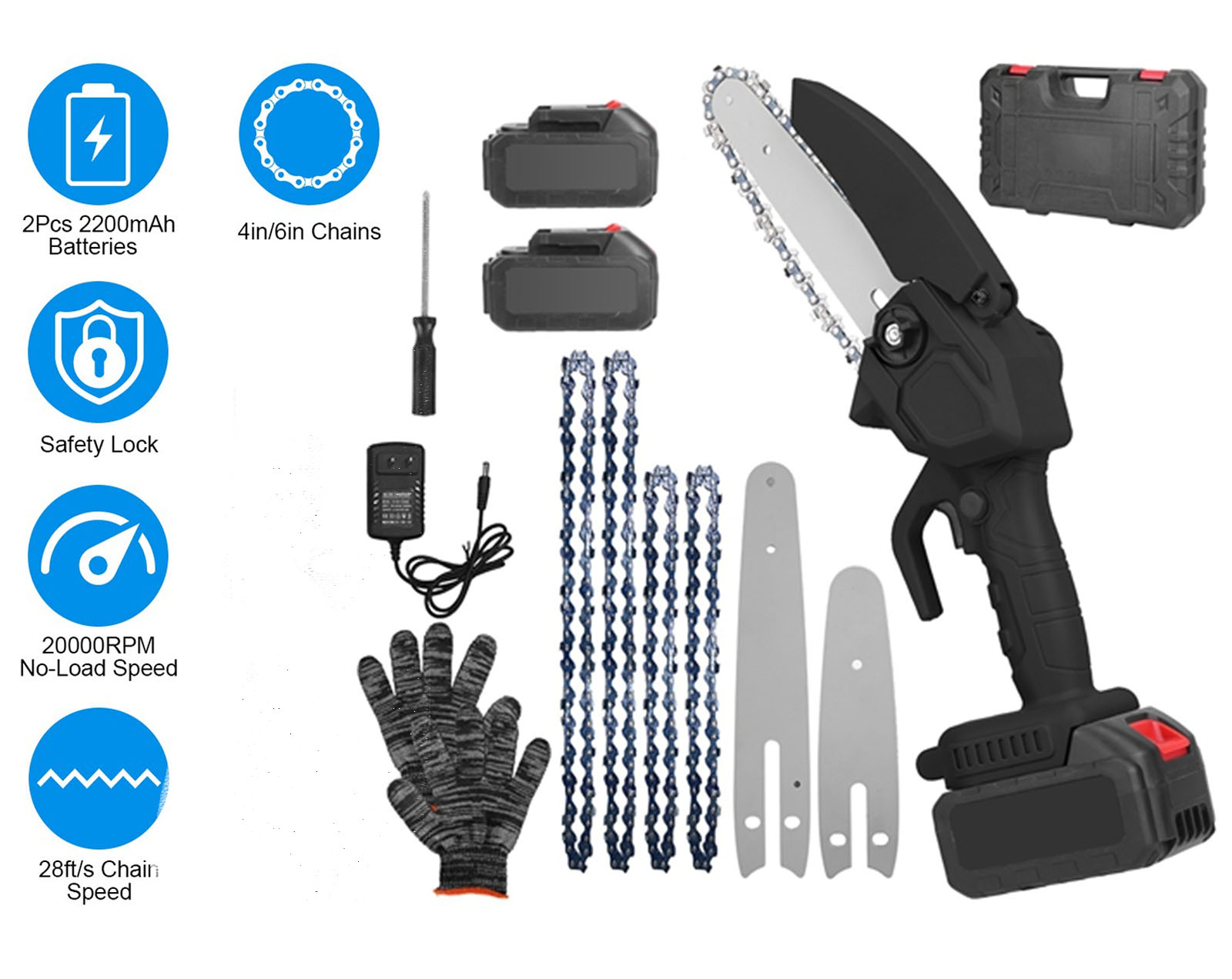 Mini 4In&6In Two Sizes Chainsaws Super Handheld Rechargeable Chain Saw With saw is an excellent tool Small Electric Battery Powered For Wood/Trees Cutting No shipments on weekend$79.99
 View on Mallflare
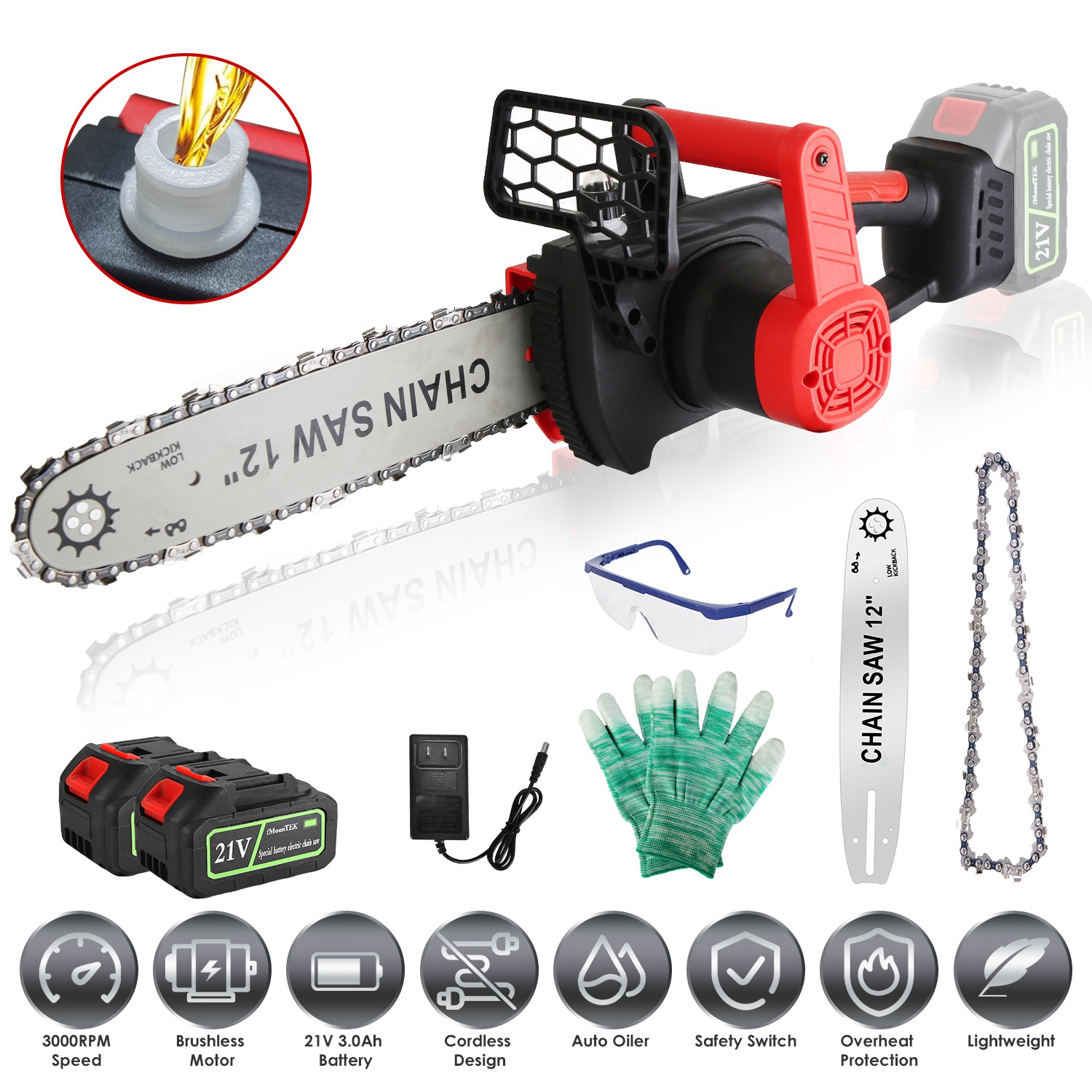 1Pc 12Inch Electric Cordless Chainsaw With 2Pcs 21V 3000mAh Battery And Charger Brushless Operated Handheld Auto Oiler Safety Switch For Tree Trimming Wood Cutting$85.99View on Mallflare
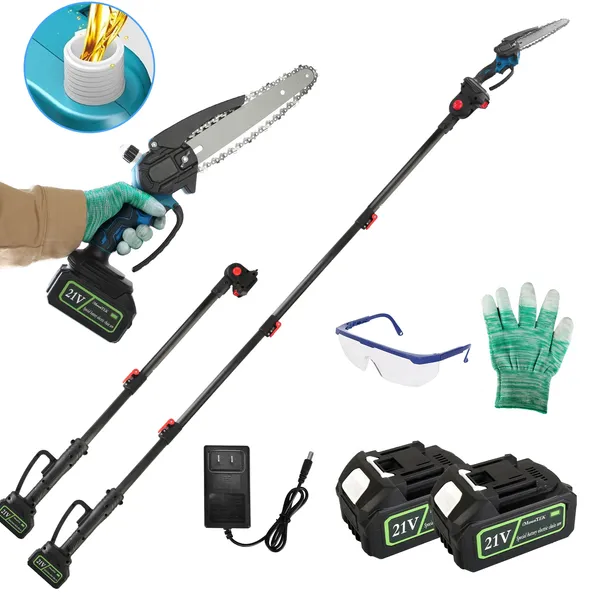 2-In-1 8' Cordless Electric Pole Saw And Mini Chainsaw With Extension Poles 2Pcs 21V 3.0Ah Batteries Adjustable Length Chain Saw Auto Oiler Safety Switch For Wood Cutting$132.99View on Mallflare
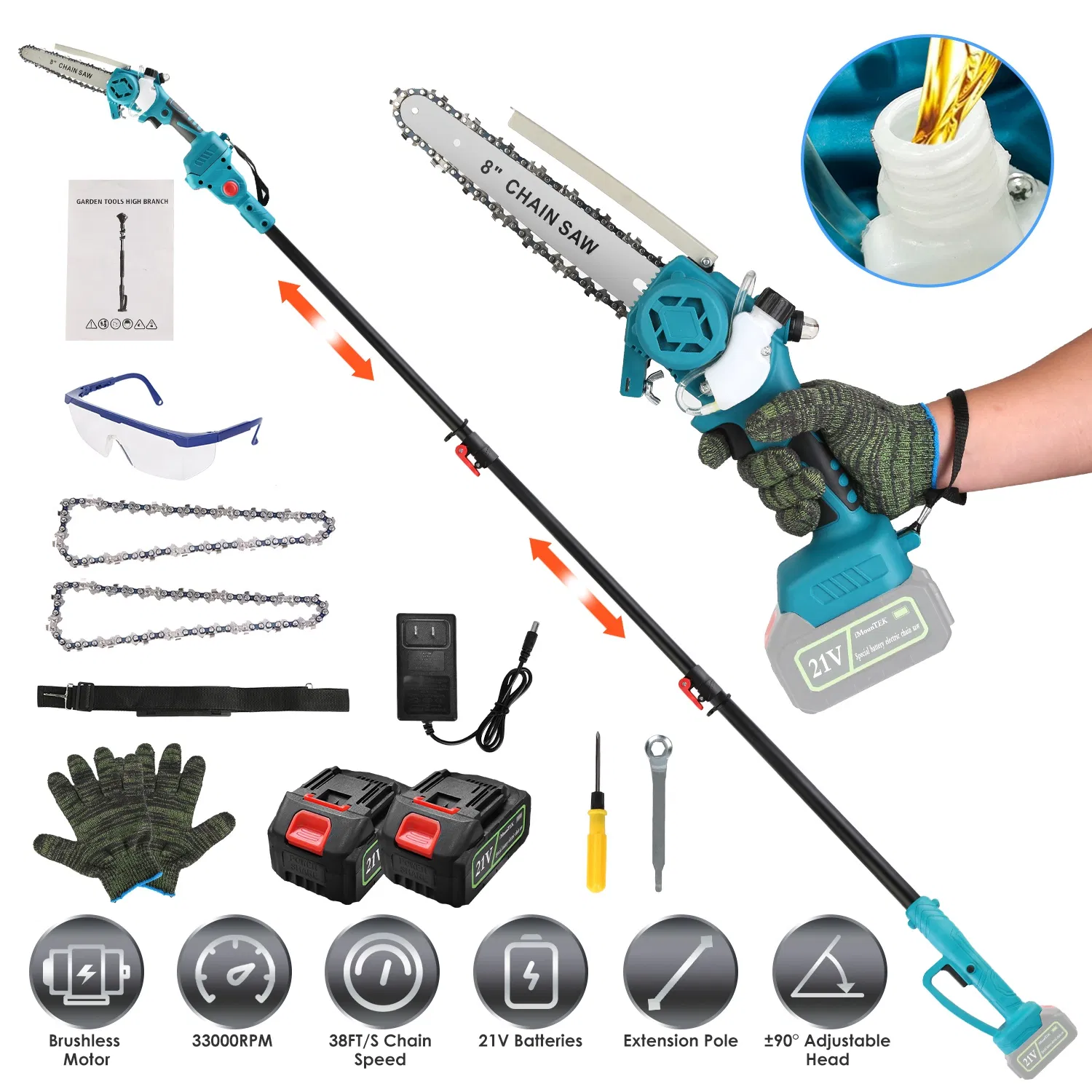 2-IN-1 Cordless Pole Saw And Mini Chainsaw With Extension 21V Battery 8' Electric Brushless Auto Oiler Safety Switch 6.4LBS Lightweight for Tree Trimming$141.99View on Mallflare
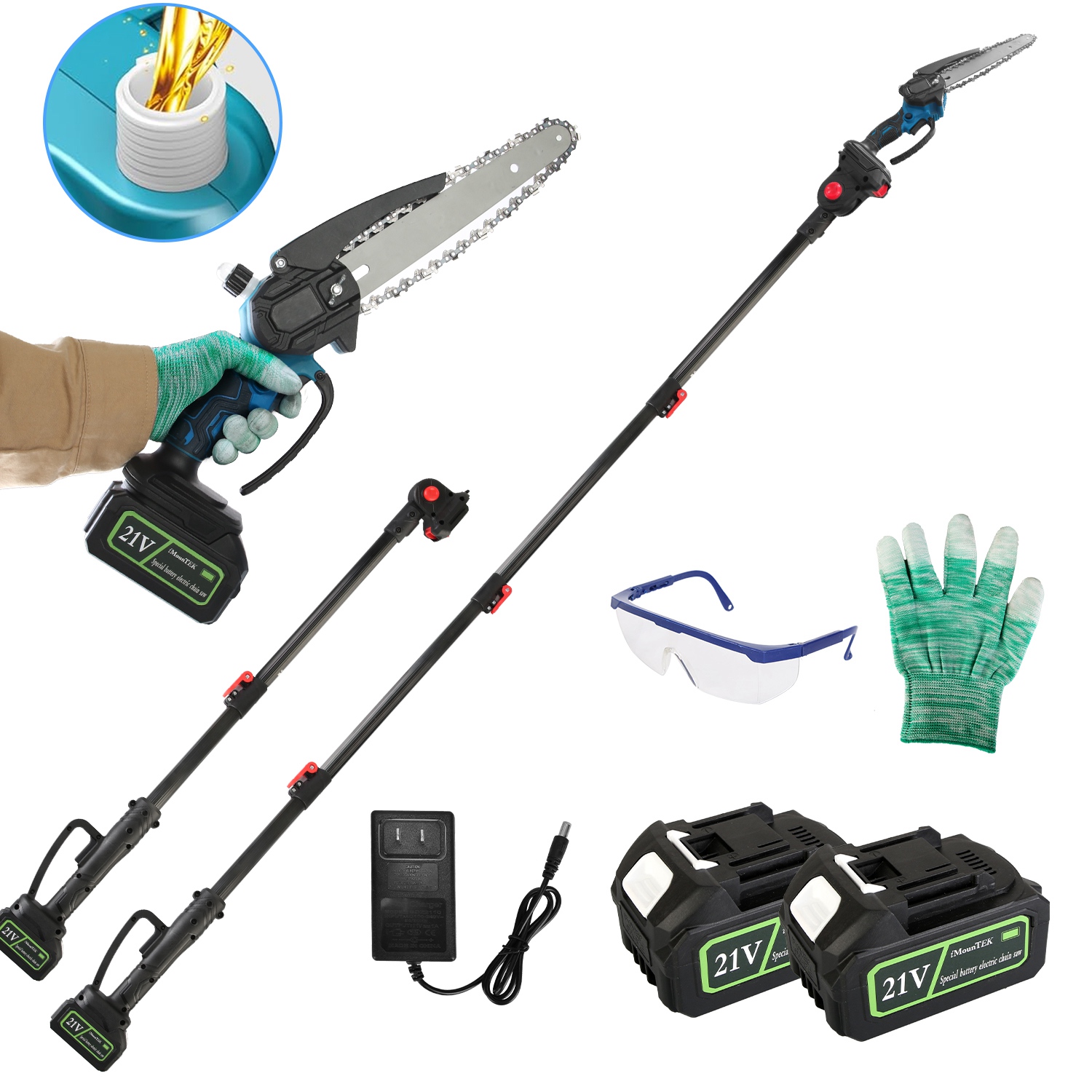 1Pc 2 In 1 8in Cordless Electric Pole Saw And Mini Chainsaw With Extension Poles 2Pcs 21V 3.0Ah Batteries Adjustable Length Chain Saw Auto Oiler Safety Switch For Wood Cutting$142.99View on Mallflare
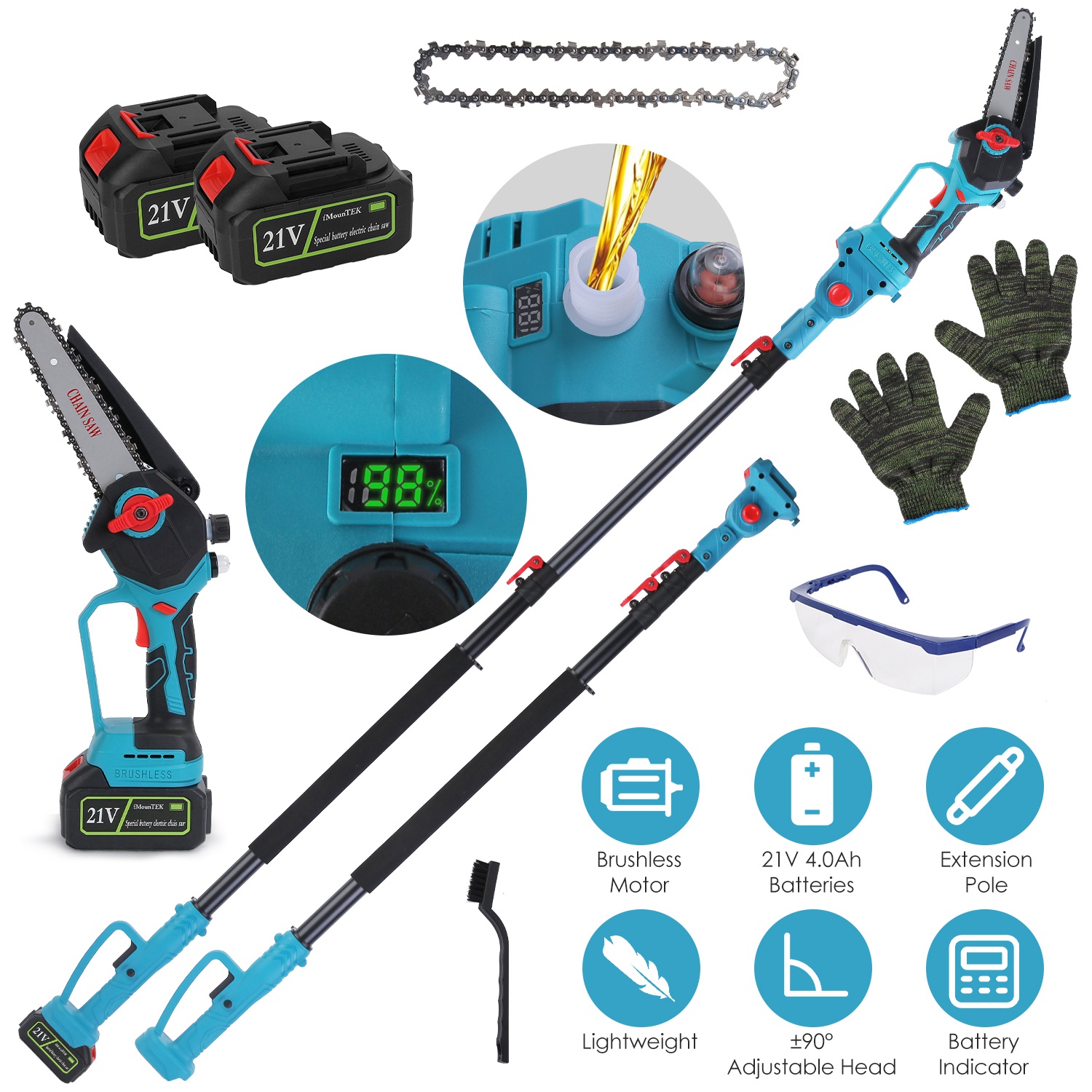 Cordless Pole Saw And Mini Chainsaw With Extension 21V Battery 6IN Electric Brushless Digital Display Auto Oiler Safety Switch For Tree Trimming$146.99View on Mallflare
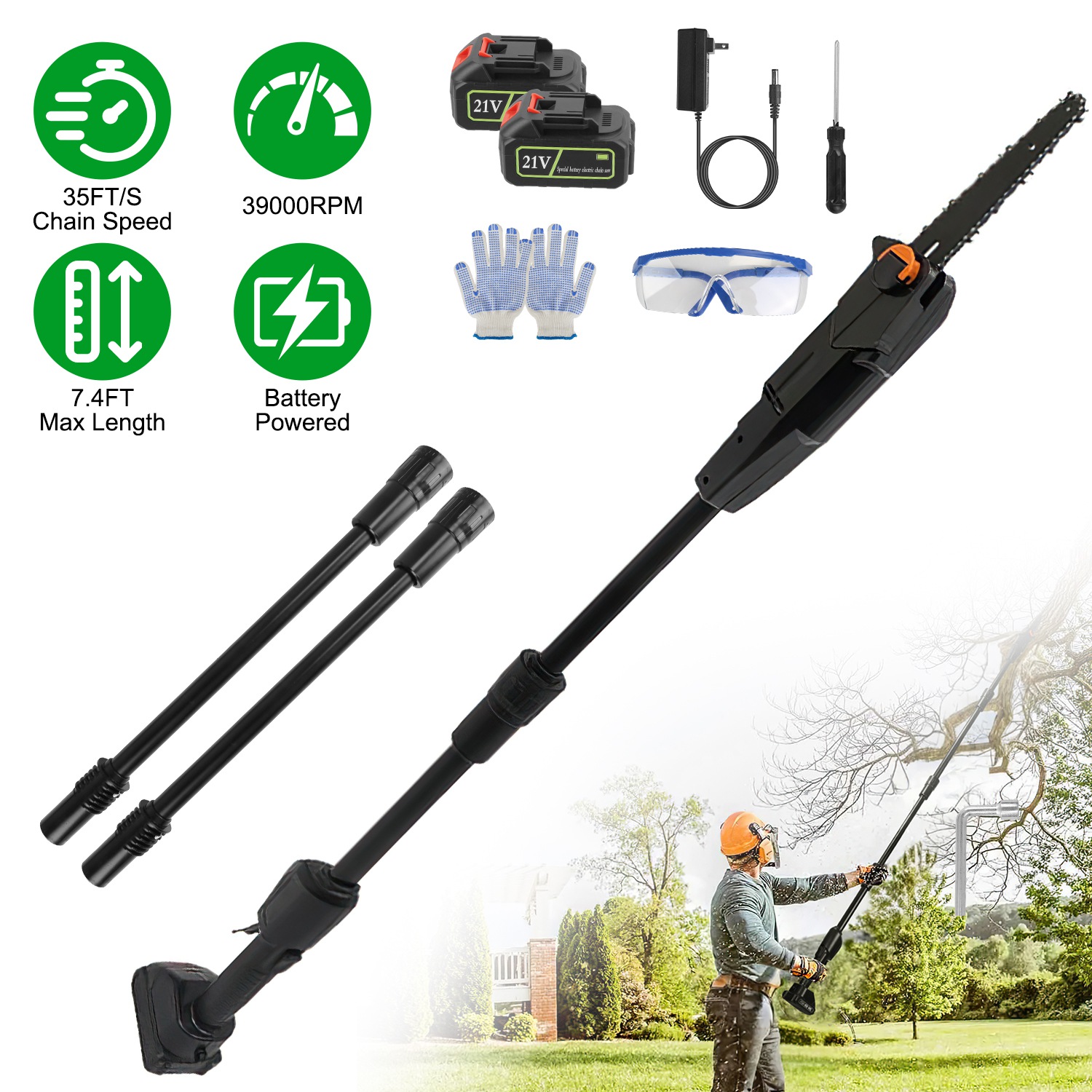 Cordless Pole Saw, 7.4ft Adjustable Length Chainsaw with 775W Motor (35ft/s Chain Speed), 2x 3000mAh Batteries & Safety Protection, 4-Section Extension for Tree Trimming, Branch Cutting - Garden$149.99View on Mallflare
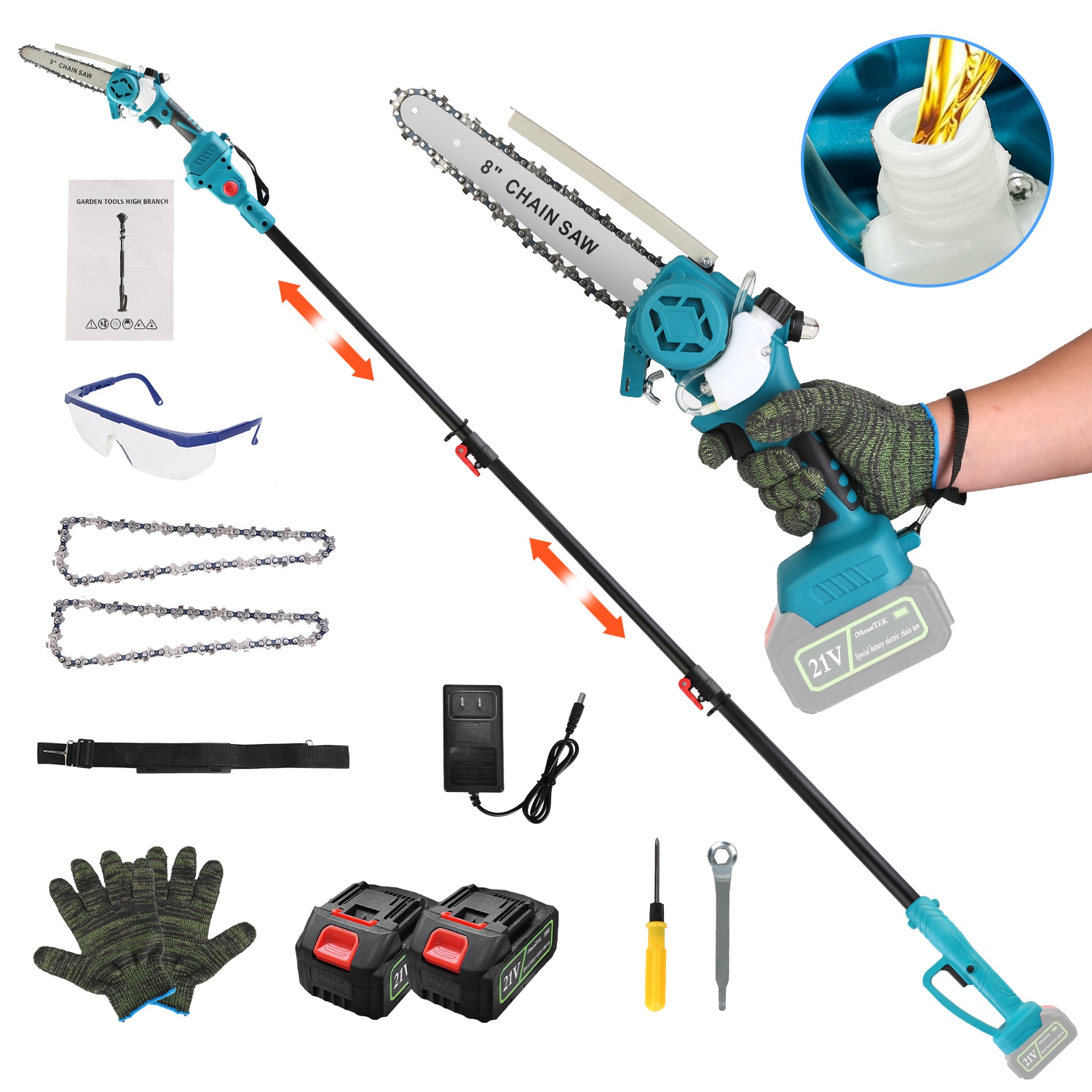 1Set 2 In1 Cordless Pole Saw And Mini Chainsaw With Extension 21V Battery 8in Electric Brushless Auto Oiler Safety Switch 6.4LBS Lightweight For Tree Trimming$152.99View on Mallflare
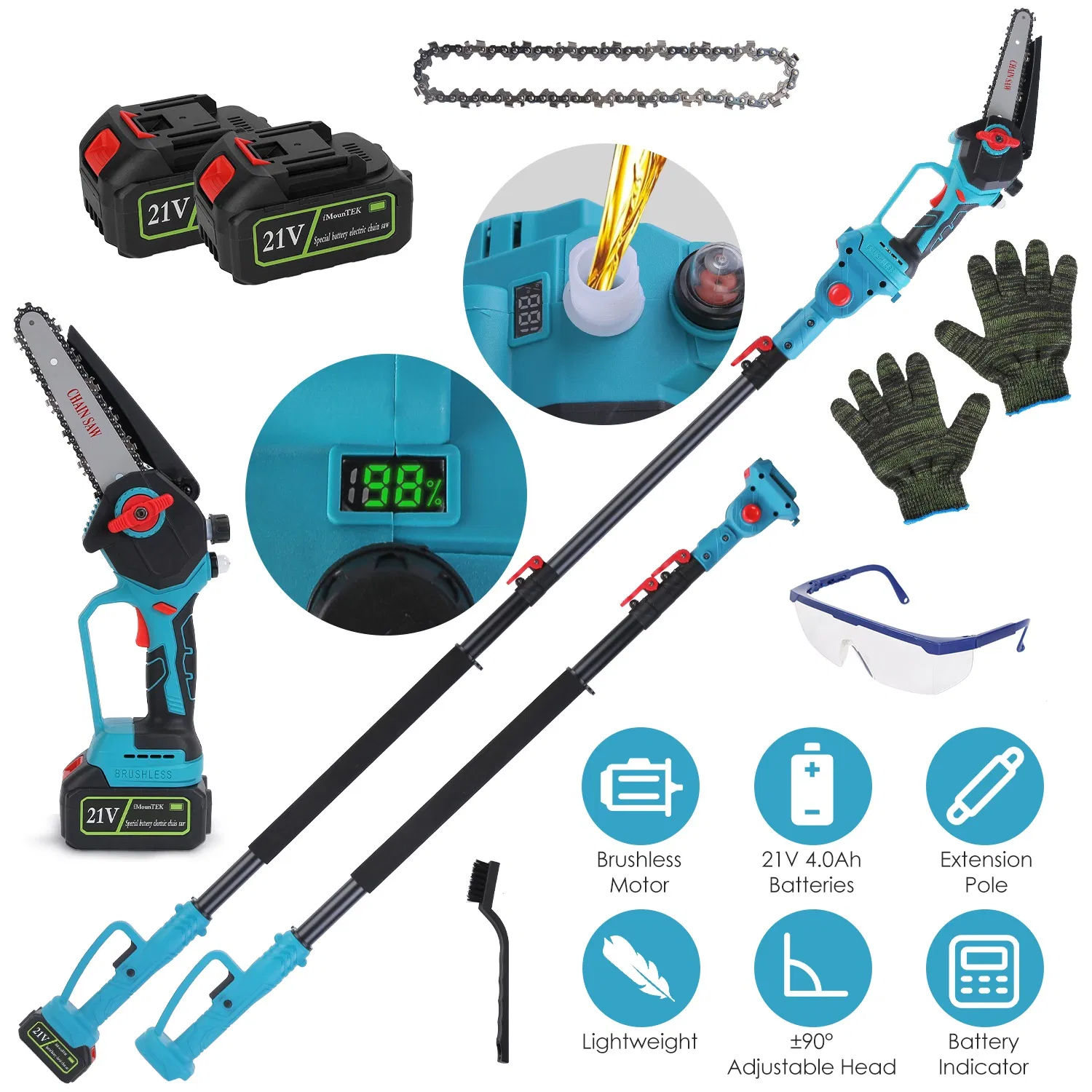 Extendable Cordless Pole Saw (5.3-7.4FT, Reach 13FT), 2-in-1 Handheld Chainsaw with ±90° Adjustable Head, Brushless Motor for High Tree Limbs Trimming$154.99View on Mallflare
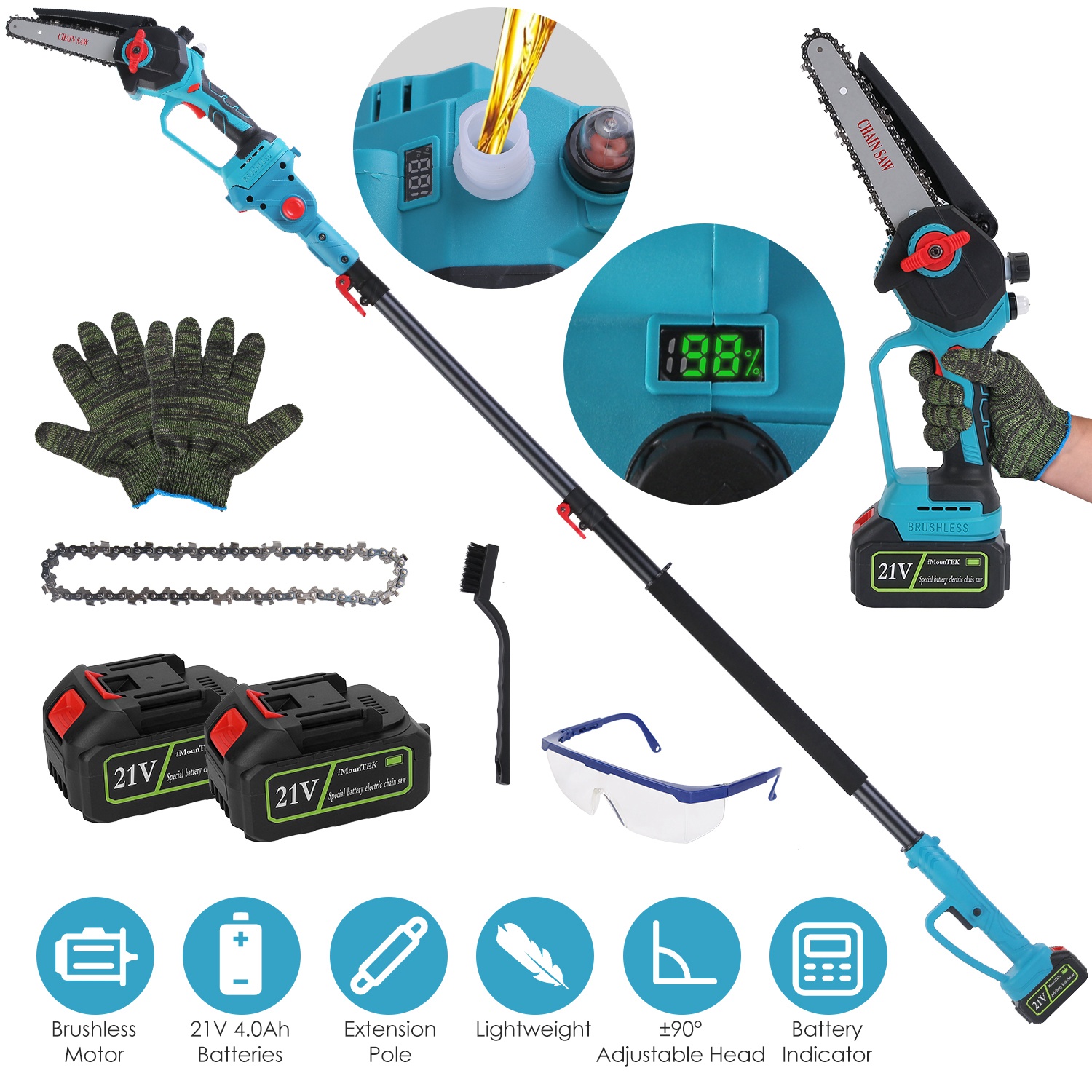 2-in-1 Cordless Pole Saw & Handheld Chainsaw, 4.72in Max Cutting Diameter with Brushless Motor, 5.3-7.4FT Extendable for Tree Limbs/Firewood$167.99View on Mallflare
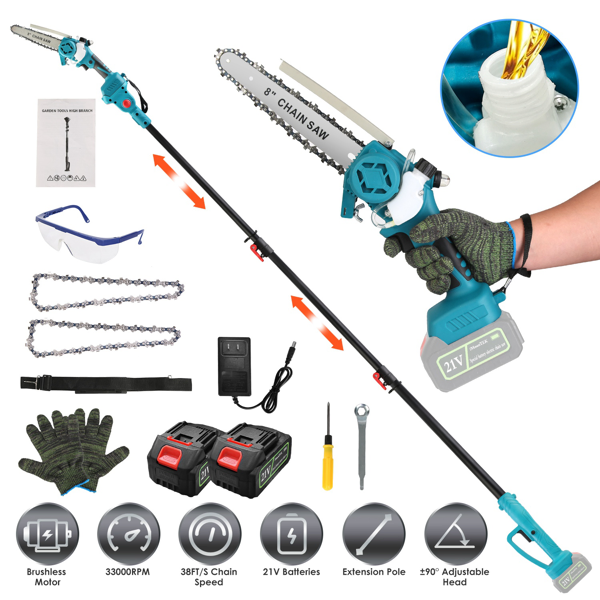 2-in-1 Cordless Pole Saw & Handheld Chainsaw, 1200W Brushless Motor With 2×3000mAh Batteries, 13FT Reach Adjustable Head, Auto Oil Lubrication & Safety Kit For Tree Pruning$168.99View on Mallflare
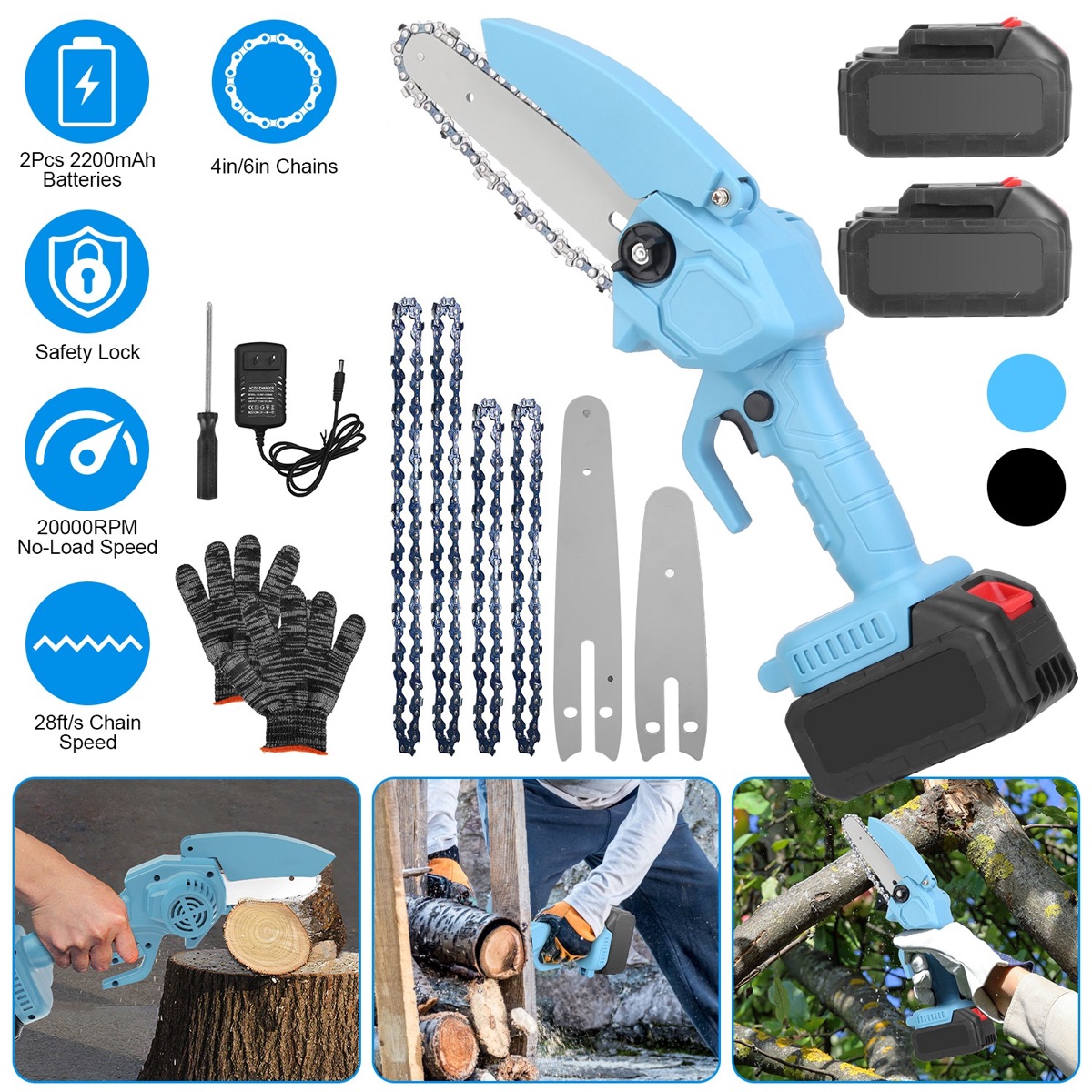 Mini 4-inch And 6-inch Chain Saws Will Not Be Shipped On Weekends$81.99View on Mallflare
Highlights
- Battery saws use 18V–21V single packs or 36V–40V two-pack systems; voltage and amp-hour (2.0–4.0Ah) determine cut count, while brushless motors add 30–50% runtime over brushed equivalents.
- Bar length rules the cut: 6–8in bars suit limbs under 6in diameter, 12–16in bars handle 10–14in trunks, and 18–20in bars are needed for felling 16in+ trees—short bars bind in deep cuts.
- Chain spec matters more than branding: 3/8in low-profile pitch with 0.043–0.050in gauge is standard on battery saws, 0.325in pitch on mid-size gas/electric, and 3/8in full-size on pro gas saws.
- Automatic oilers with 100–200ml tanks and visible level windows prevent bar burn; manual-only oiling and fixed non-adjustable pumps are the main short-life failure point on budget saws.
Best use cases
- Storm cleanup and limbing under 8in: pick a 6–8in brushless battery mini or pole saw with auto-oiler and two packs—skip gas saws, which are overkill, heavy, and require fuel mixing.
- Felling and bucking trees 12–24in: choose a 16–20in gas saw (50–60cc) or a 36V+ cordless with a 16in bar—skip 6–8in mini saws, whose bars and motors overheat in sustained deep cuts.
- Regular yard trimming near an outlet: a 12–14in corded electric saw delivers constant torque with zero fuel or battery cost—skip battery saws only if you need to work beyond cord reach or away from mains power.
Buying tips
- Size the bar to the wood, not the ego: bar length should be at least 2in longer than the trunk diameter you plan to cut; a 16in bar cuts a 14in log cleanly in one pass.
- Prioritize brushless motors and 2.0Ah+ packs on battery saws; a second pack doubles continuous work time and costs less than a higher-voltage single-pack upgrade.
- Match chain pitch and gauge to the bar—3/8in LP low-profile chain on small bars, 0.325in on mid saws—so replacement chains and sprockets stay compatible and cheap.
- Choose saws with tool-free chain tensioning, automatic oilers, and metal bucking spikes; plastic sprocket covers and screw-tension systems strip or crack under repeated use.
Specs
| Power Source | Gas / Corded / 18–40V Battery |
|---|---|
| Bar Length Range | 6–20in (match trunk + 2in) |
| Motor Type | Brushless (durable) vs Brushed |
| Chain Spec | 3/8in LP or 0.325in pitch |
Related searches
What to check before buying
- Measure the largest trunk diameter you actually cut and add 2in for bar length; confirm the saw's max cutting diameter spec covers it.
- Check whether the work area has mains power within cord reach; if not, budget for two battery packs at the saw's native voltage.
- Verify the bar mount pattern and chain gauge against standard replacements so you are not locked into proprietary chains.
- Confirm safety gear: chainsaw chaps, eye/ear protection, and a helmet with face shield are required for any saw above 8in bar.
FAQ
Data sources: eBay / Amazon listings and product attribute feeds Data updated Nov 20, 2026.
Some links on this page are affiliate links. If you buy after clicking one, we may earn a commission at no extra cost to you. This does not change which products appear here or their order. Affiliate disclosure.