Photos from current listings. Actual item, color, and included accessories may vary.
Chop Saw Buying Guide
A chop saw is a dedicated metal-cutting tool available in two distinct architectures: abrasive saws that grind through steel with a consumable wheel, and cold-cut saws that mill through metal with a carbide-tipped blade. The core trade-off is upfront cost versus cut quality and consumable cost: abrasive saws are cheaper but produce burrs, heat, and sparks, while cold-cut saws yield clean, burr-free cuts with far lower long-term blade cost. The decision rule is simple—buy abrasive for occasional rebar or angle-iron work, buy cold-cut for repeatable fabrication, stainless, or tube notching.


At a glance
- Category
- Power Tools
- Data updated
- Nov 20, 2026
Current offers
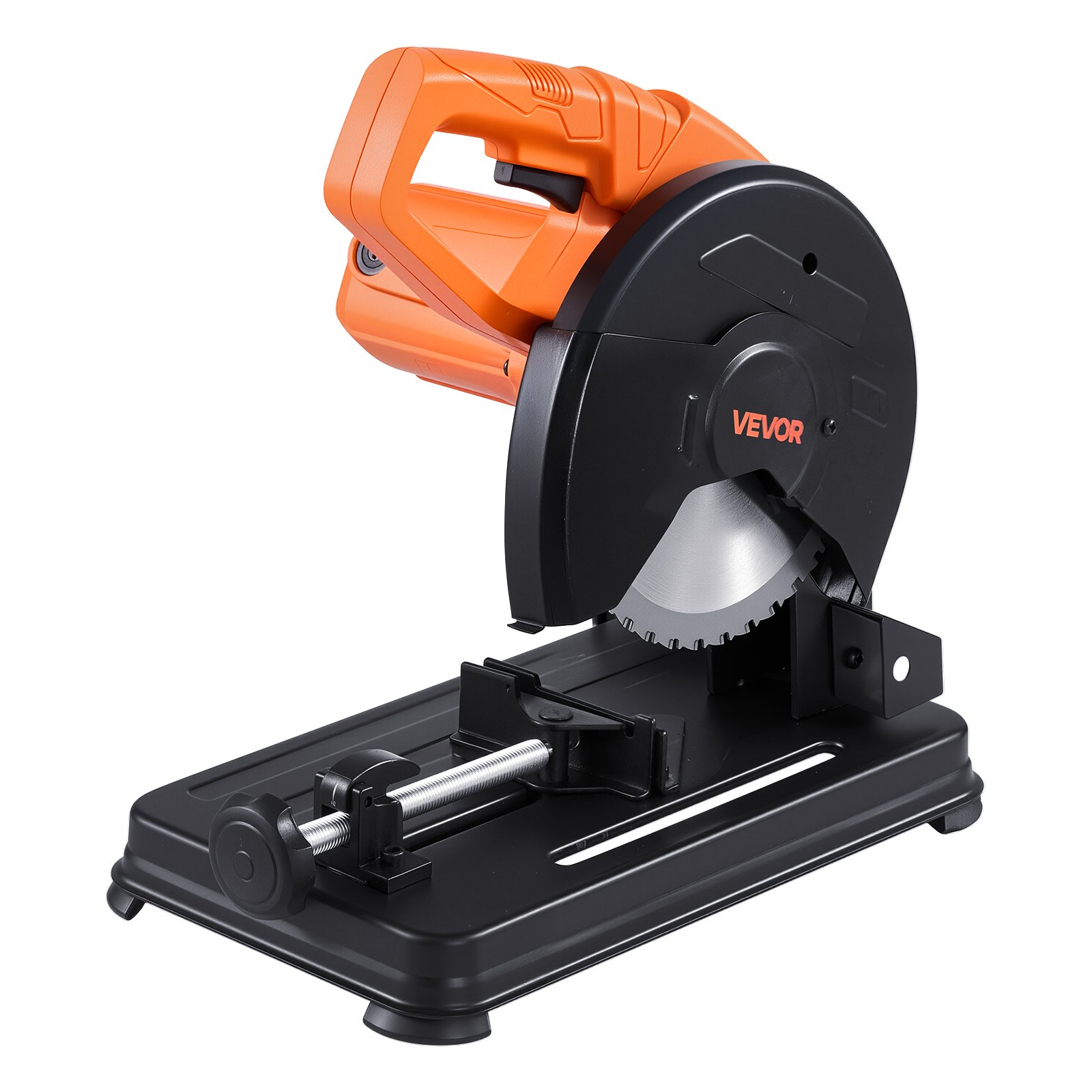 Chop Saw 7-1/4 in Stainless Steel Cold Cut Blade 1200W Powerful Motor, for Metal Square and Flat Tubes, I-Shaped Steels, 4000 r/min Speed, 0-45° Adjustable Cutting Angle, Saw$100.99
 View on Mallflare
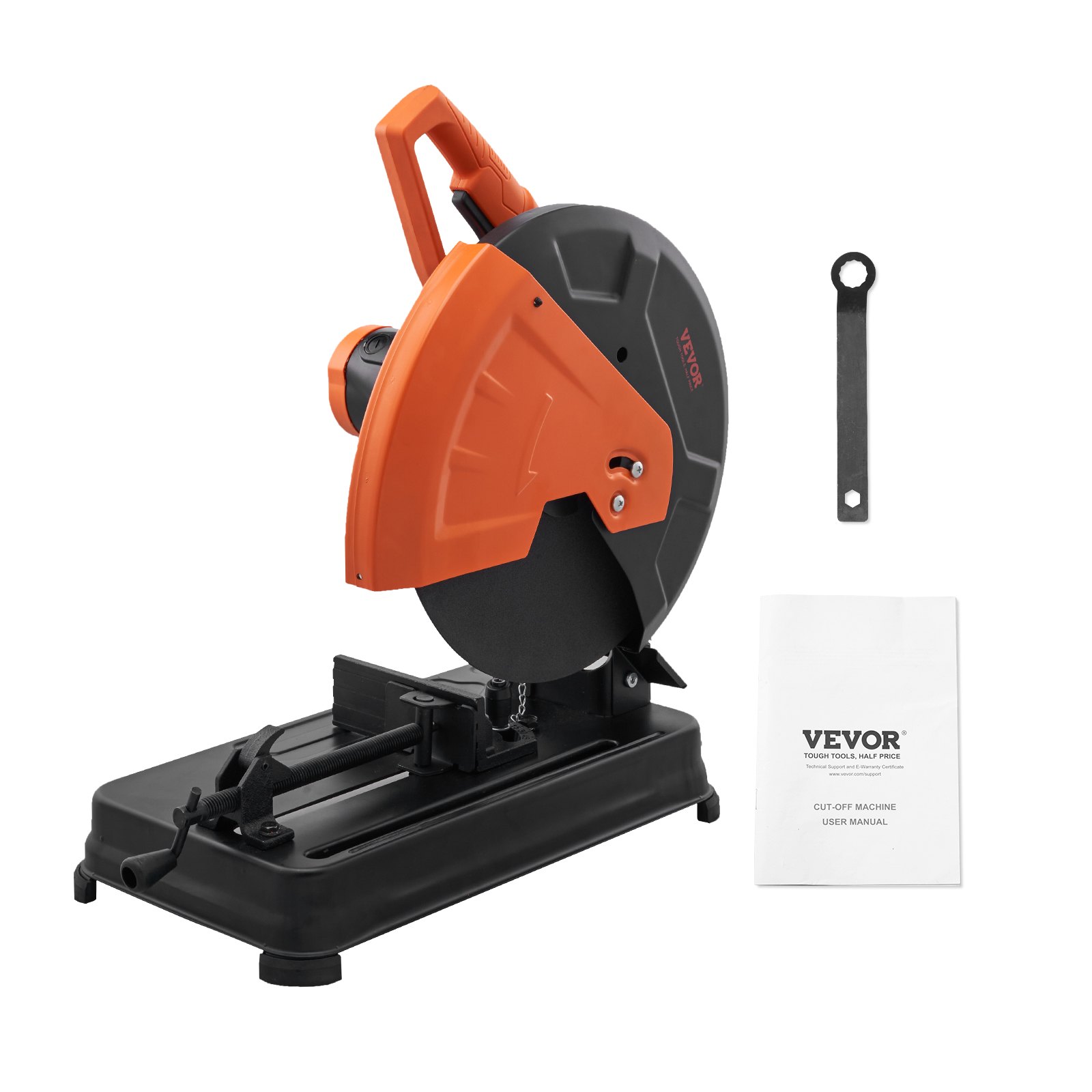 Abrasive Chop Saw, 14'355mm Blade Diameter Cut Off Saw, 2300W 3600RPM Steel Cutting Machine, 0-45' Adjustable Angle Miter Saw For Metal Saw For Steel,Rebar,Iron,Aluminum$145.99View on Mallflare
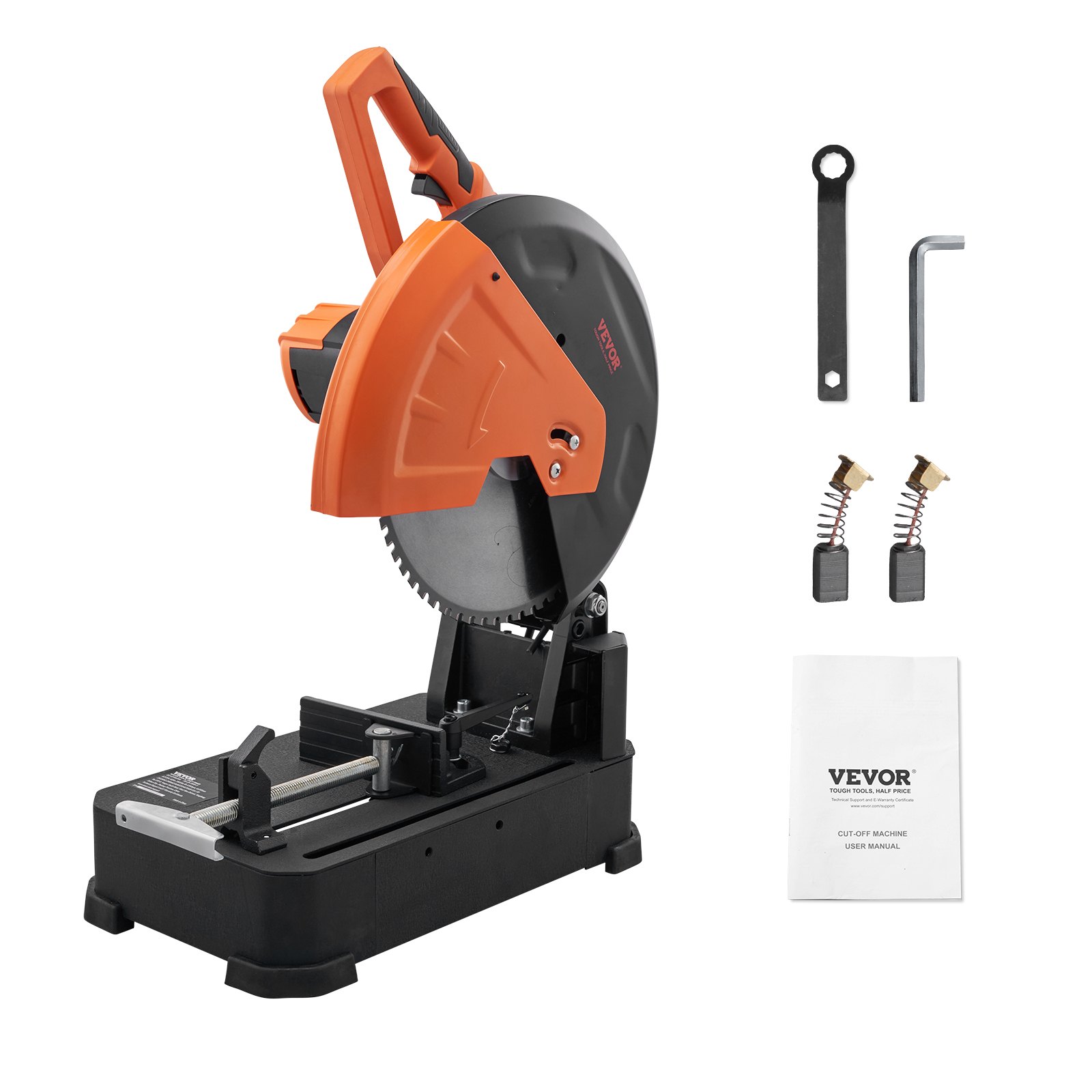 Chop Saw,14'355mm Blade Diameter Cut Off Saw, 2800W 1200RPM Steel Cutting Machine, 0-45' Adjustable Dry Cut Saw, Miter Saw For Metal Cold Cut Saw For Rebar, Iron, Aluminum$314.99View on Mallflare
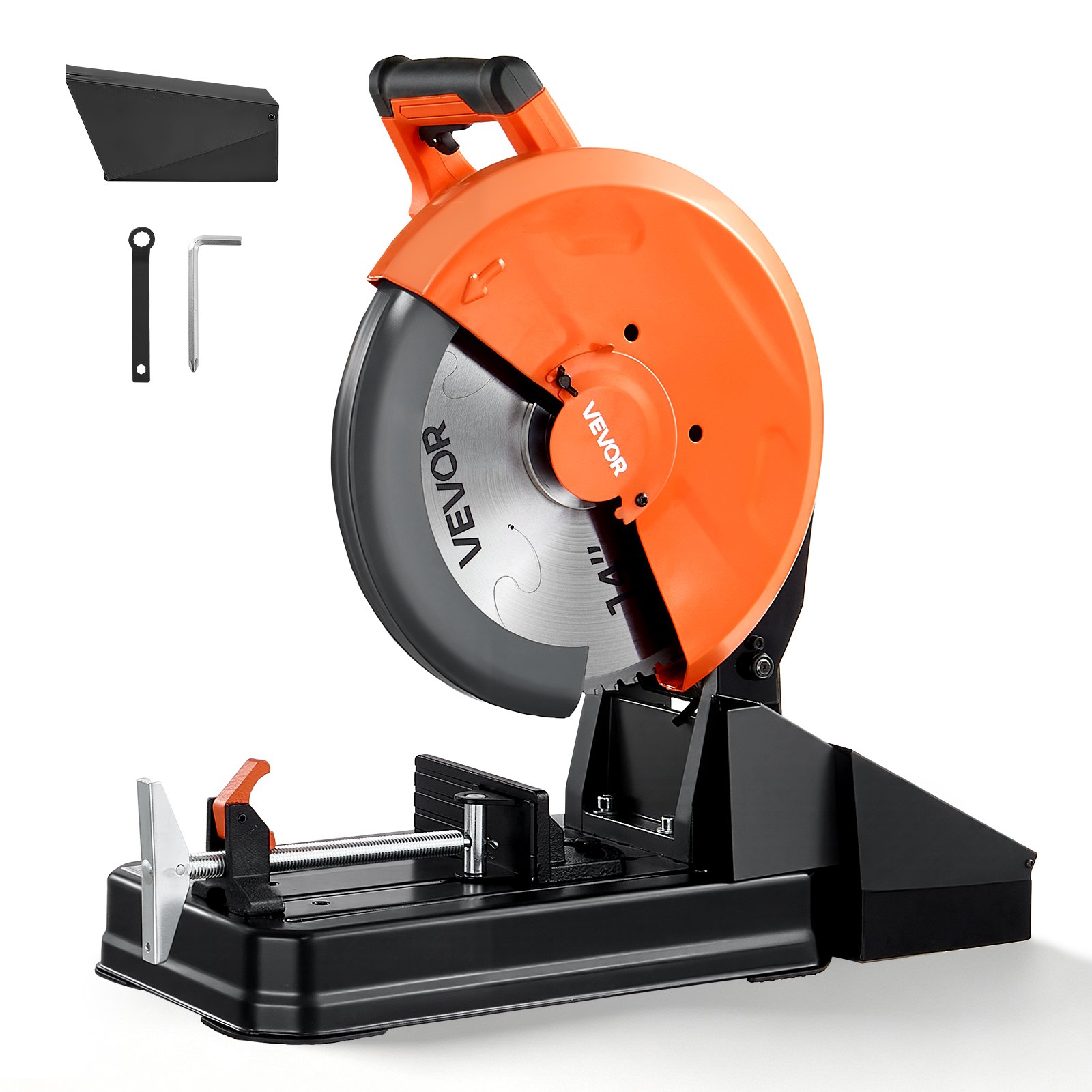 Chop Saw 14-inch Cold Cut Blade 3500 W Brushless Motor Cut Off Saw, For Cutting Metal, -45° to 45° Adjustable Angle, 750-1200 r/min Speed, Dry with Chip Collection Box$377.99View on Mallflare
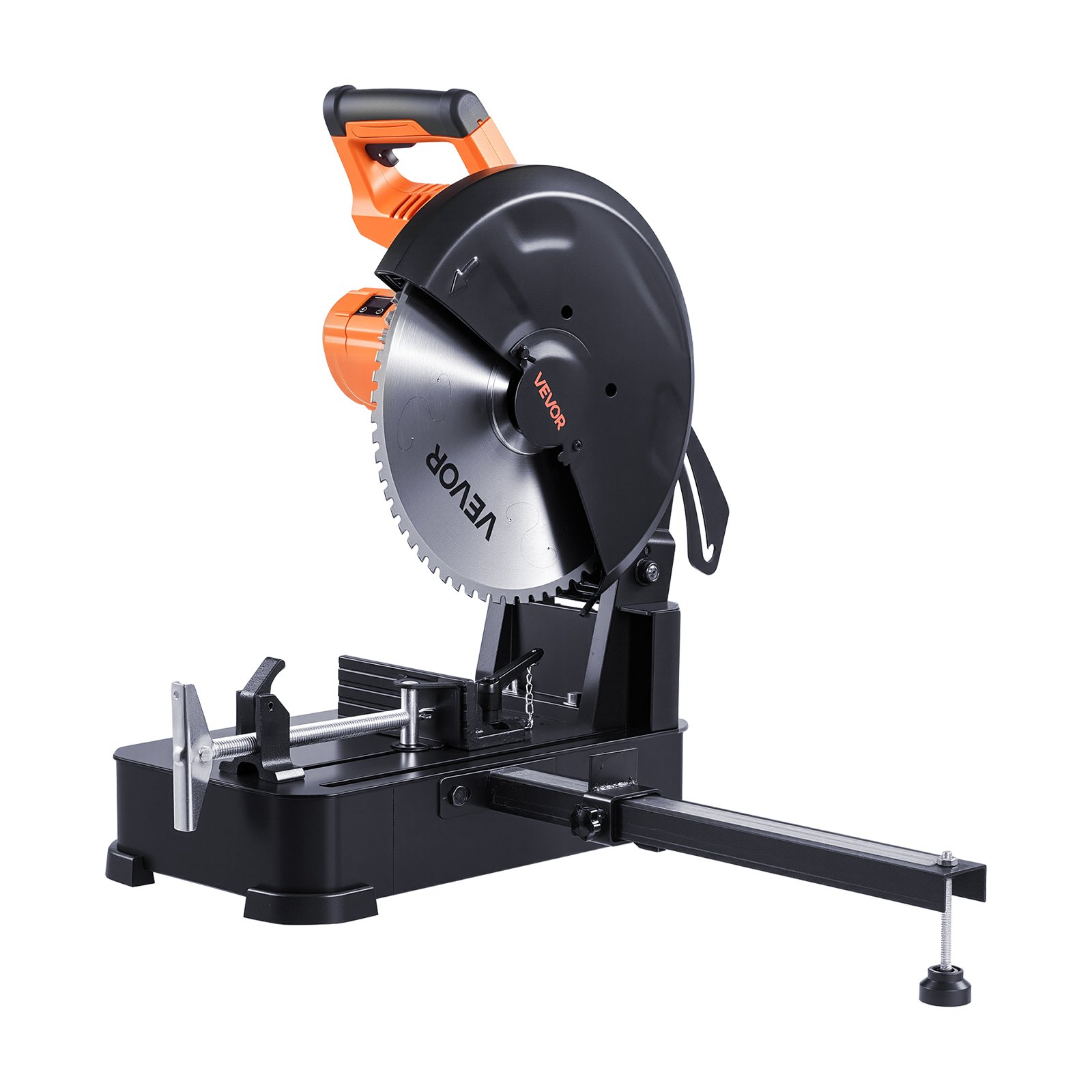 Chop Saw 14-inch Stainless Steel Cold Cut Blade 3500 W 240 V/60 Hz, for Metal Square and Flat Tubes, Steels, Powerful Brushless Motor, 750-1200 r/min Adjustable Speed, Cutting Saw$415.99View on Mallflare
Highlights
- Abrasive chop saws use 14-inch fiberglass-reinforced wheels at 3,600–4,000 RPM; cold-cut saws use 14- to 16-inch carbide-tipped blades at 750–1,500 RPM for burr-free cuts.
- Cold-cut saws run brushed or brushless motors rated 1,200–3,500 W; brushless variants deliver longer motor life and consistent torque under continuous load.
- Abrasive wheels wear down and load with metal dust, requiring frequent replacement; carbide blades last many times longer and can be resharpened.
- Most chop saws offer 0–45° miter adjustment, but the vise design and fence rigidity determine whether angled cuts repeat accurately.
Best use cases
- Choose a 14-inch abrasive saw if you cut rebar, angle iron, or fence posts a few times a month and want the lowest entry cost; skip it for stainless or visible finish work.
- Choose a 14-inch cold-cut saw with a brushless motor and chip collection if you fabricate tube gates, railings, or stainless frames weekly and need clean, weld-ready edges.
- Choose a 16-inch cold-cut saw only if you regularly cut thick-wall square tube or large flat stock that exceeds a 14-inch saw's capacity; skip it for light trim work where its weight and size become a liability.
Buying tips
- Match blade diameter to cut capacity: a 14-inch saw cuts roughly 4-5 inches of round stock, while a 16-inch saw adds about an inch of capacity for thick tube.
- Insist on a brushless motor for cold-cut saws used in production; brushed motors are acceptable only for intermittent abrasive cutting.
- Verify the vise clamps both sides of the cut and the fence is cast or machined steel—stamped fences flex under load and ruin miter accuracy.
- For stainless steel, choose a cold-cut saw with variable speed (750–1,200 RPM) and a dedicated stainless blade; abrasive wheels contaminate stainless with carbon steel dust.
Specs
| Blade Type | Abrasive wheel vs carbide cold-cut |
|---|---|
| Blade Diameter | 14 in / 16 in (355 mm / 400 mm) |
| Motor Power | 1,200–3,500 W (brushed or brushless) |
| Miter Range | 0–45° (some -45° to 45°) |
Related searches
What to check before buying
- Measure your largest stock: confirm the saw's round and rectangular cut capacity exceeds it by at least half an inch.
- Check your power source: most 14-inch saws draw 15 amps at 120 V and require a dedicated 20-amp circuit to avoid tripping breakers.
- Plan for sparks and dust: abrasive saws need a clear, non-flammable area; cold-cut saws with chip collection need the box emptied regularly.
- Confirm the vise and fence fit your work: thin-wall tube needs a snug vise or it will crush, while odd shapes may require a custom fixture.
FAQ
Data sources: eBay / Amazon listings and product attribute feeds Data updated Nov 20, 2026.
Some links on this page are affiliate links. If you buy after clicking one, we may earn a commission at no extra cost to you. This does not change which products appear here or their order. Affiliate disclosure.