Photos from current listings. Actual item, color, and included accessories may vary.
Circular Saw Buying Guide
A circular saw is a handheld cutting tool defined by blade diameter, power source (corded or cordless), and motor type, where the primary trade-off is between portability and sustained torque. Durable options use brushless motors, aluminum or magnesium base plates, and standardized battery platforms; compromises rely on brushed motors, stamped steel bases, and undersized blades for deep cuts.

At a glance
- Category
- Power Tools
- Data updated
- Nov 20, 2026
Current offers
 Electric Handheld Circular Saw, Woodworking Cutting Tool For Home DIY,wood, PVC$49.30
 View on eBay
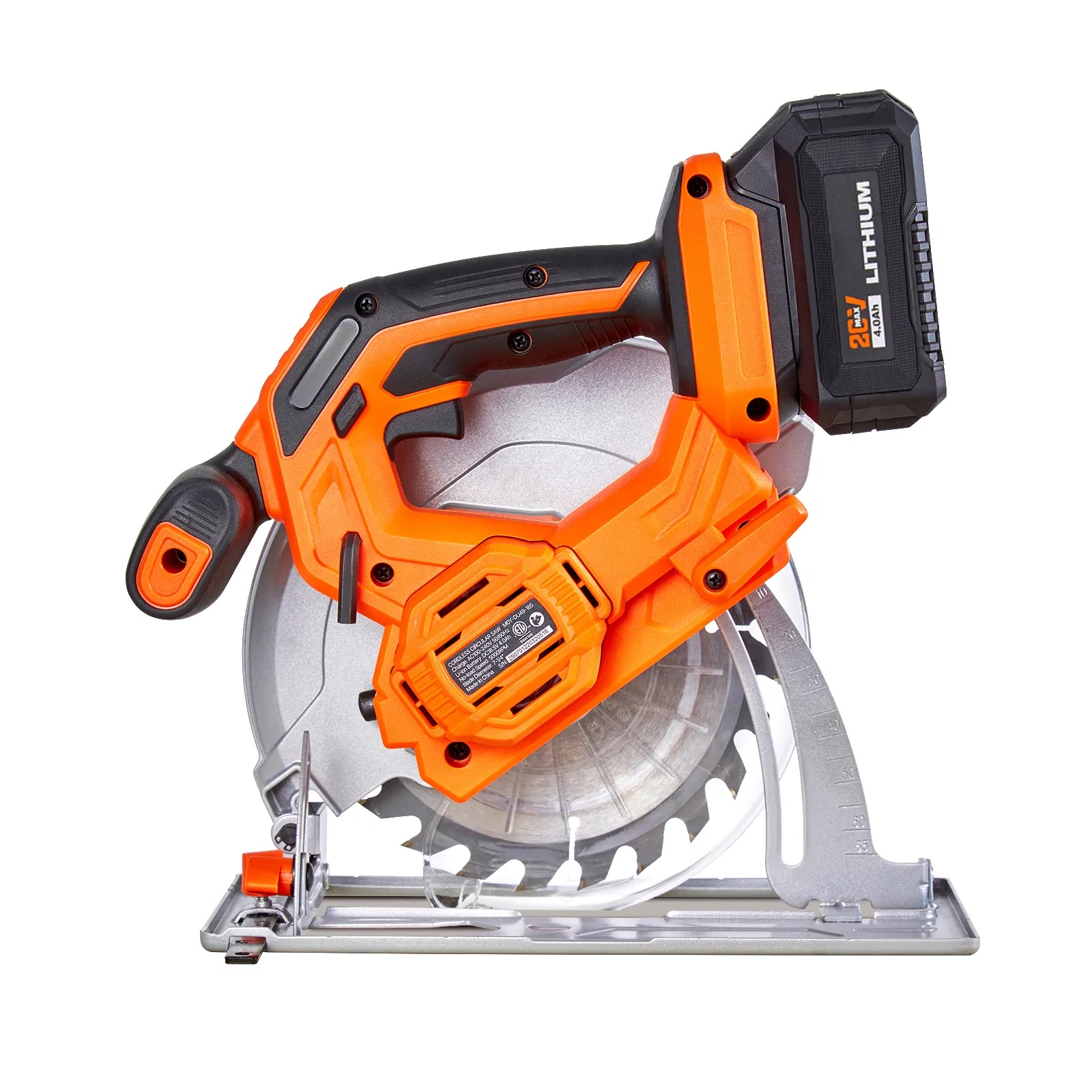 Cordless Circular Saw, 6.5 Inch Blade, 4700 RPM Speed, 45 Degree Bevel Capability, Brushless Motor, LED Light, Electric Saw Kit With Battery And Charger Included, For Wood Cutting$133.99
 View on Mallflare
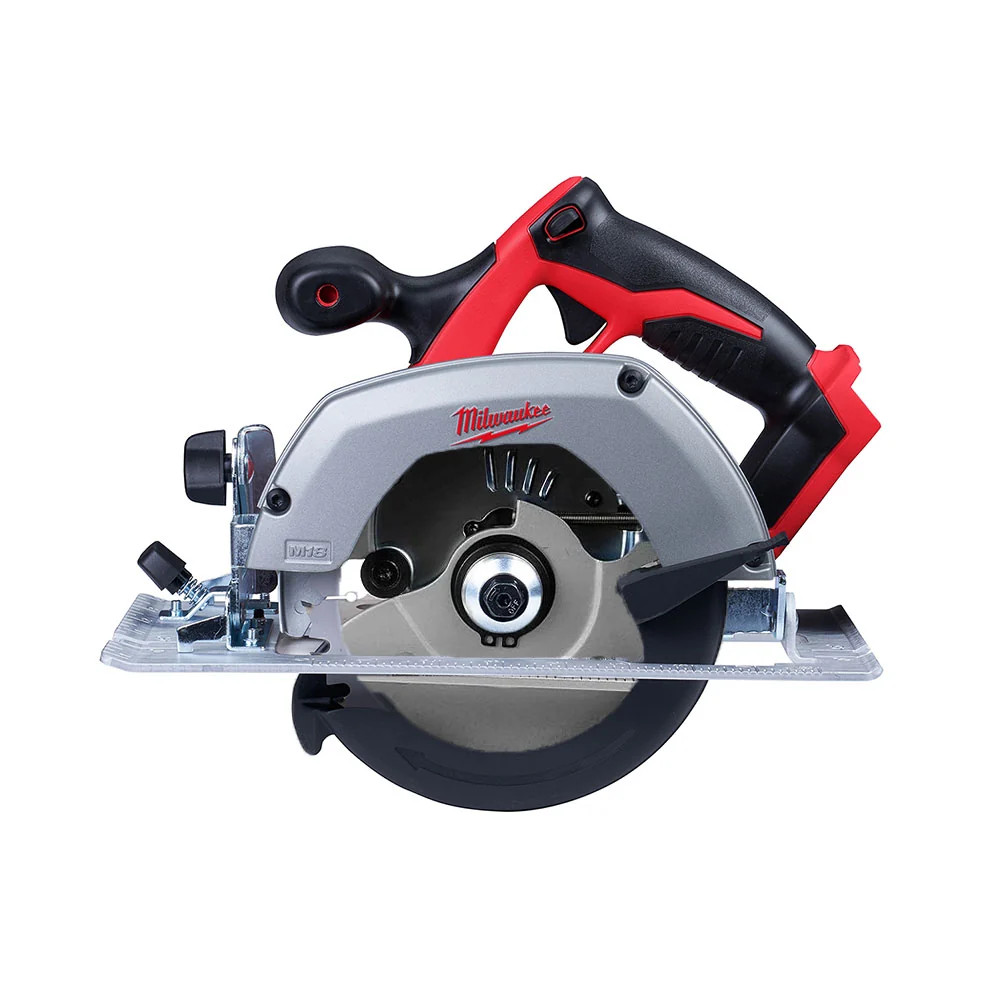 Milwaukee 2630-80 M18 18V 6-1/2-Inch Circular Saw -Bare, Reconditioned$89.00View on eBay
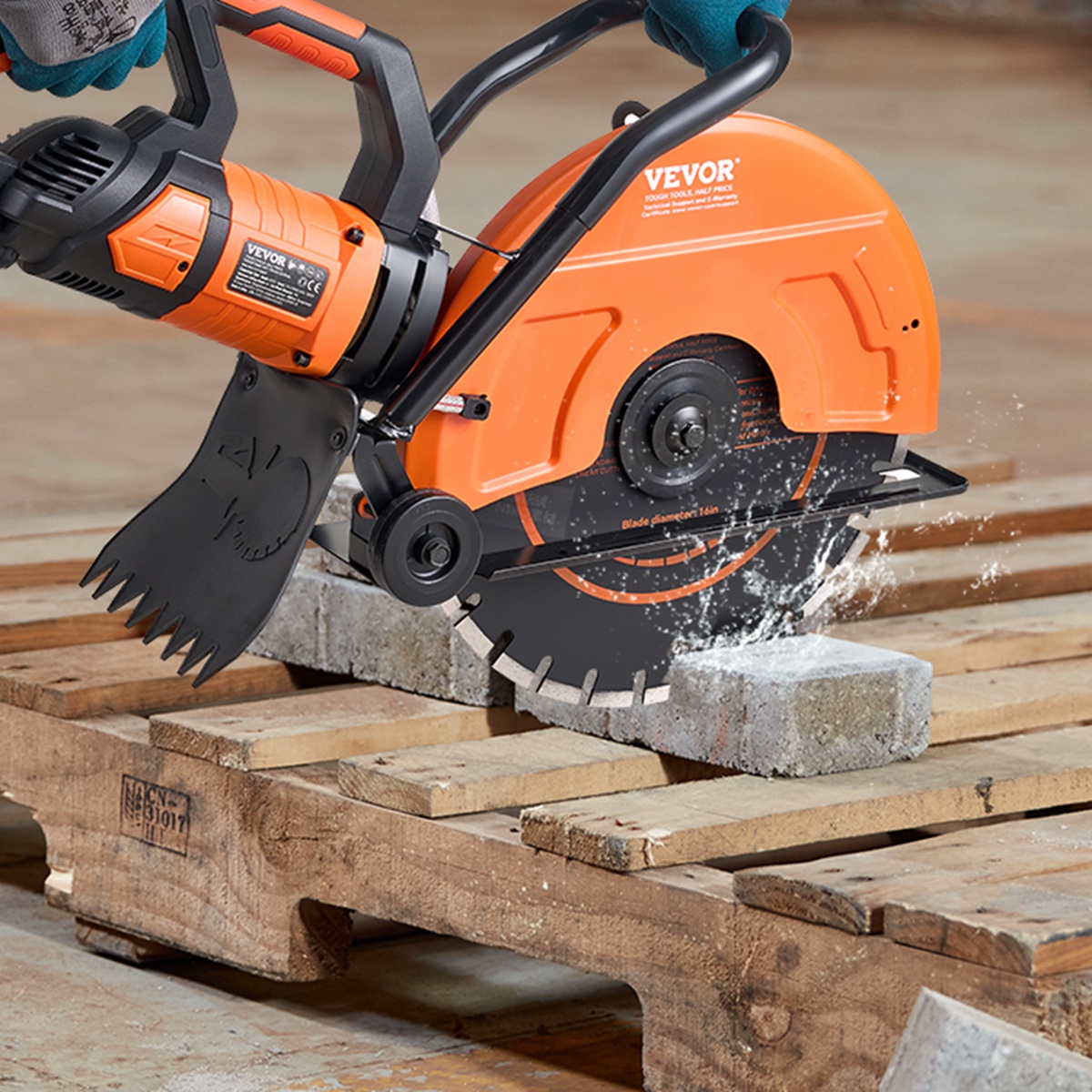 VEVOR Electric Concrete Saw, 16 In, 3200 W 15 A Motor Circular Saw Cutter With Max. 6 In Adjustable Cutting Depth, Wet Disk Saw Includes Water Line, Pump And Blade, For Stone, Brick$245.99View on Mallflare
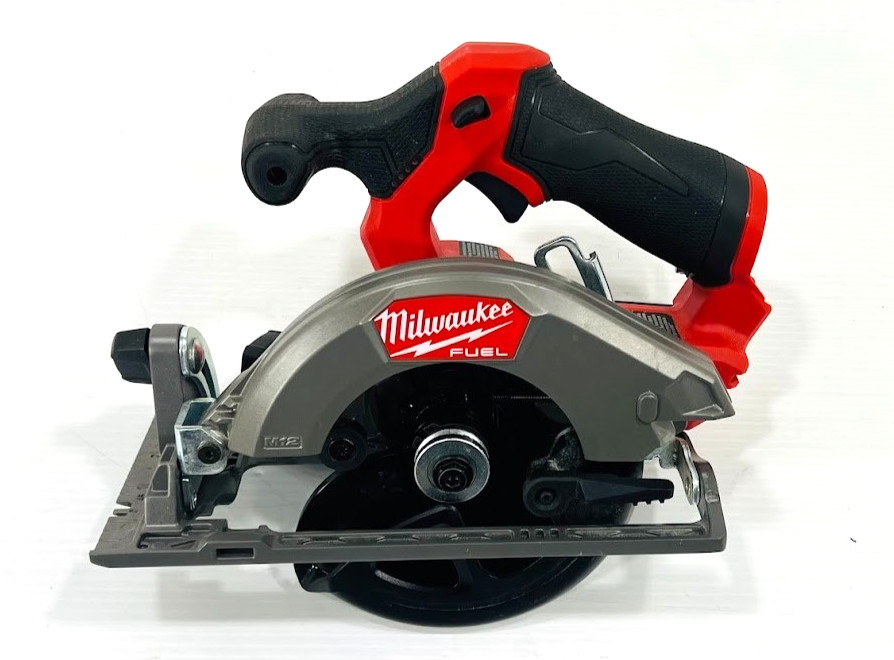 Milwaukee M12 Fuel 5-3/8" Circular Saw 2521-20**Tool Only**NO BLADE & DUST ADAPT$104.99View on eBay
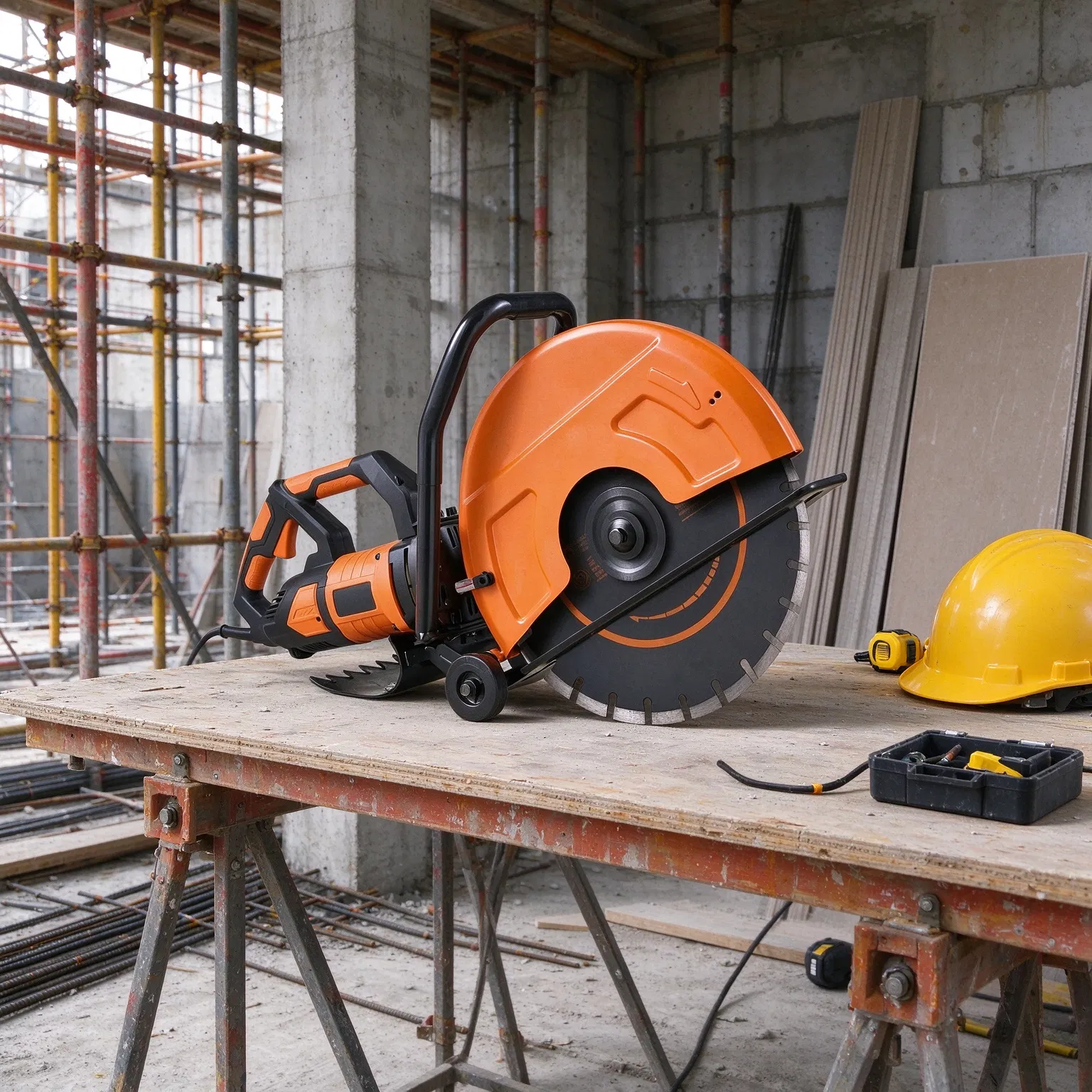 16-inch electric concrete saw, 3200-watt wet circular saw cutting machine, with a maximum depth of 6 inches, equipped a water pipe pump saw blade, suitable for stone and bricks$454.99View on Mallflare
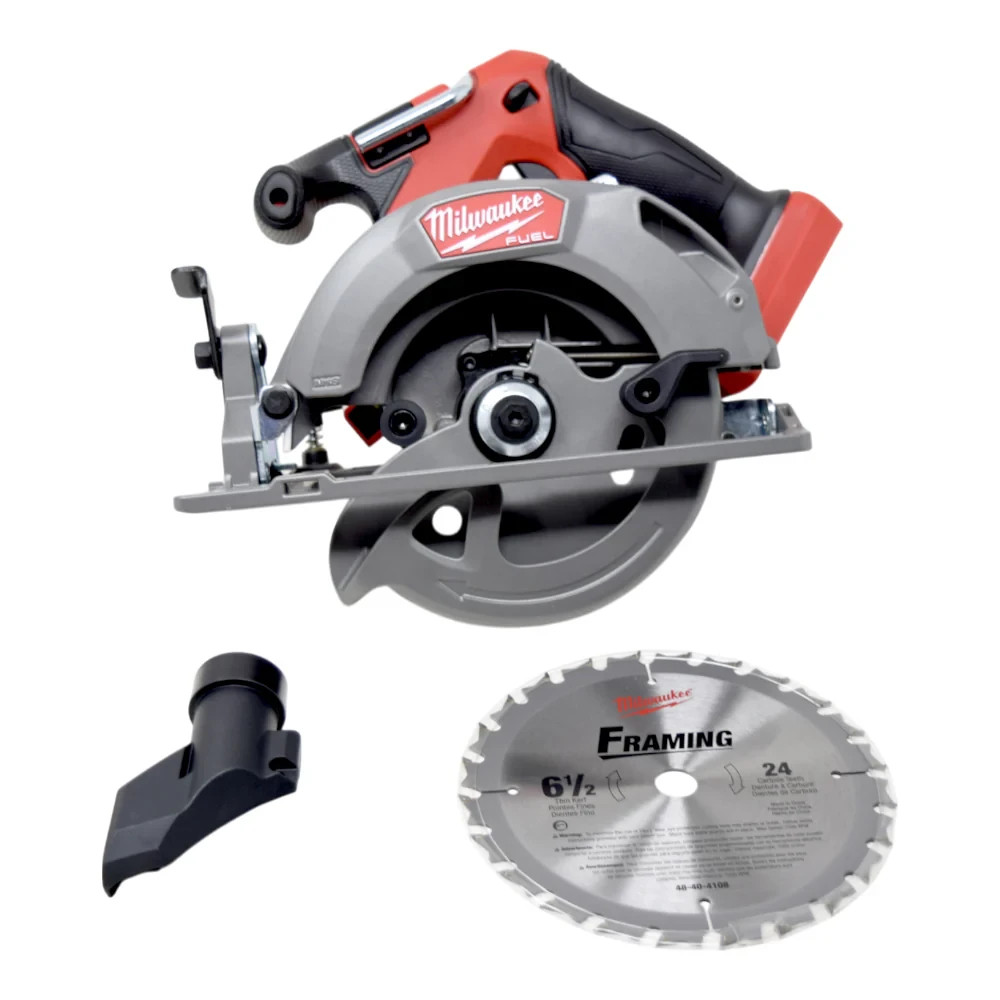 Milwaukee 2833-20 M18 FUEL 6-1/2" Cordless Brushless Circular Saw /TOOL ONLY$153.99View on eBay
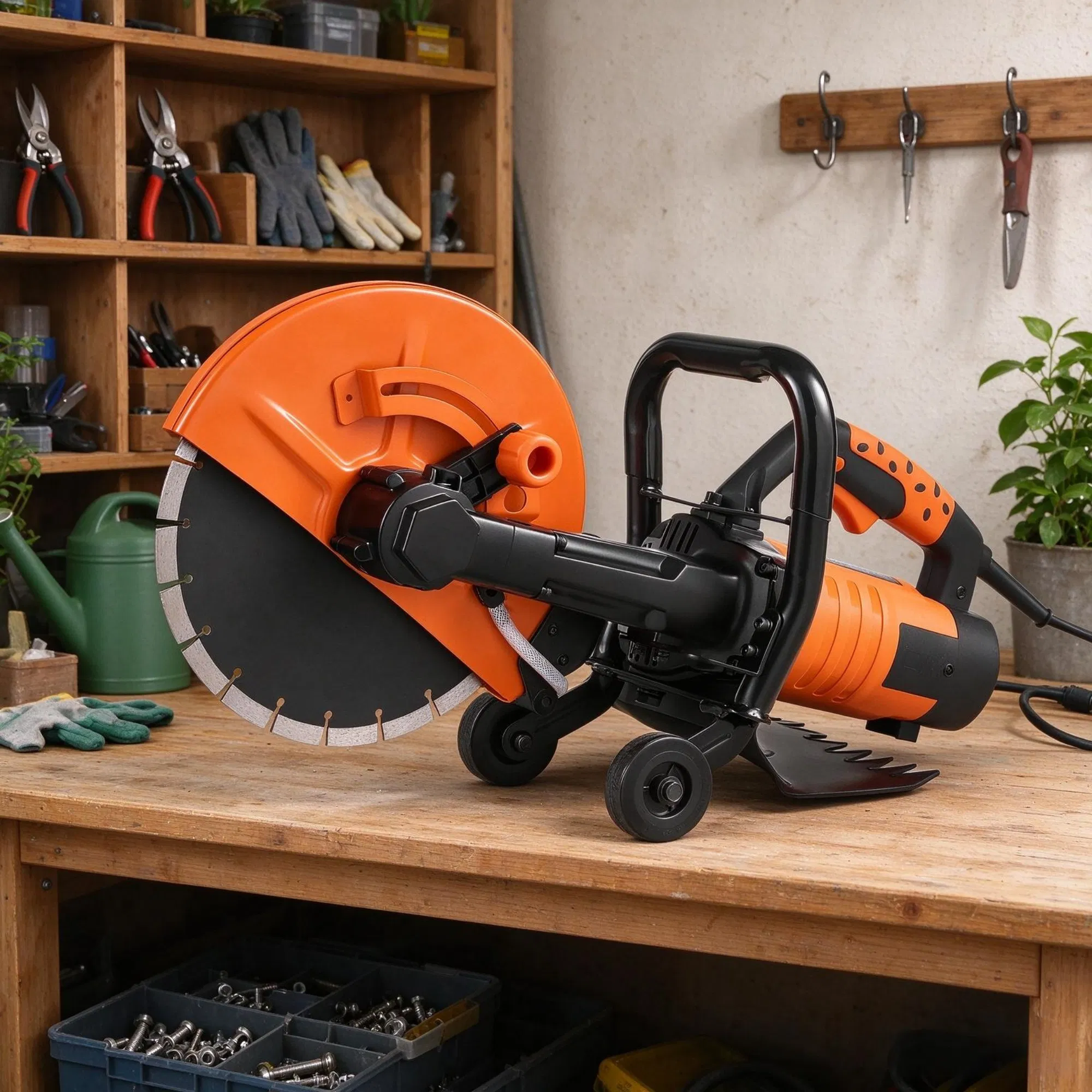 12" Electric Wet Concrete Saw, 1800W Circular Cutter with Adjustable 4.5-Inch Cutting Depth, Includes Water Line, Pump & Blade for Stone & Brick$419.99View on Mallflare
Highlights
- Blade diameter dictates maximum cut depth: 5-3/8 in to 6-1/2 in saws cut 1-1/4 to 2-1/4 in at 90°, while 7-1/4 in saws reach 2-3/8 to 2-1/2 in for framing lumber.
- Brushless motors deliver 30-50% longer runtime and higher torque than brushed motors, and eliminate brush replacement—critical for cordless saws used on thick hardwoods.
- Cordless platforms are battery-locked: Milwaukee M18, Makita 18V LXT, and DeWalt 20V MAX batteries only fit their own tools, so pick a saw that matches your existing battery family or buy a kit.
- Base plate material matters: magnesium and die-cast aluminum bases resist bending and stay square after drops, while stamped steel bases flex and lose accuracy under load.
Best use cases
- Best fit: 6-1/2 in cordless brushless saw on a 18V/20V platform for decking, plywood, and 2x4 crosscuts up to 2-1/8 in—skip if you regularly cut 4x4 posts or wet pressure-treated lumber.
- Best fit: 7-1/4 in corded saw (15A) for framing, ripping wet lumber, and all-day jobsite use—skip cordless if you lack spare batteries or cut dense hardwoods continuously.
- Best fit: 5-3/8 in or 5-1/2 in subcompact saw for one-handed trim, shelving, and overhead cuts—skip for anything deeper than 1-3/4 in or for ripping sheet goods.
- Wrong fit: 16 in concrete saw for woodworking—it is a wet/dry masonry cutter with a water feed and should only be used on stone, brick, or concrete.
Buying tips
- Match blade size to cut depth: for 2x lumber (1-1/2 in thick) a 6-1/2 in saw at 90° cuts 2-1/8 in, but at 45° bevel it drops to about 1-5/8 in—choose 7-1/4 in if you bevel 2x material.
- For cordless, confirm the saw is bare-tool or kit: bare-tool listings exclude battery and charger, so add the cost of a 4.0Ah+ battery and charger if you are not already on that platform.
- Prefer brushless motors and metal (magnesium/aluminum) base plates over brushed motors and stamped steel; this is the clearest durability dividing line at any price tier.
- Check bevel capacity and detents: 45° to 50° bevel with positive stops at 22.5° and 45° covers most trim and framing angles; 0-45° only is a compromise for basic crosscuts.
Specs
| Blade Diameter | 5-3/8 to 7-1/4 in |
|---|---|
| Power Source | Corded 15A / Cordless 18-20V |
| Motor Type | Brushless vs Brushed |
| Max Cut Depth | 1-3/4 to 2-1/2 in at 90° |
Related searches
What to check before buying
- Measure your deepest regular cut: if it exceeds 2-1/4 in at 90°, step up to a 7-1/4 in saw; if under 1-3/4 in, a 5-3/8 in subcompact suffices.
- Confirm your battery platform (Milwaukee M18, Makita LXT, DeWalt 20V, etc.) or budget for a kit with battery and charger—bare tools will not run without them.
- Verify power availability: corded saws need a 15A circuit; for remote work, choose cordless with at least two 4.0Ah batteries for runtime.
- Check blade arbor size (5/8 in common, 20mm on some imports) and buy the correct replacement blade—diameter alone does not guarantee fit.
FAQ
Data sources: eBay / Amazon listings and product attribute feeds Data updated Nov 20, 2026.
Some links on this page are affiliate links. If you buy after clicking one, we may earn a commission at no extra cost to you. This does not change which products appear here or their order. Affiliate disclosure.