Photos from current listings. Actual item, color, and included accessories may vary.
Coil Siding Nailer Buying Guide
A coil siding nailer is a pneumatic tool that drives 15-degree wire-collated nails for siding, sheathing, fencing, and light framing; the core trade-off is barrel length and motor/air efficiency versus weight and cost. Durable options use hardened steel drivers, magnesium or aluminum housings, and tool-less depth adjustment; compromises skimp on driver metallurgy and seal quality, leading to misfires and air leaks.


At a glance
- Category
- Power Tools
- Data updated
- Nov 20, 2026
Current offers
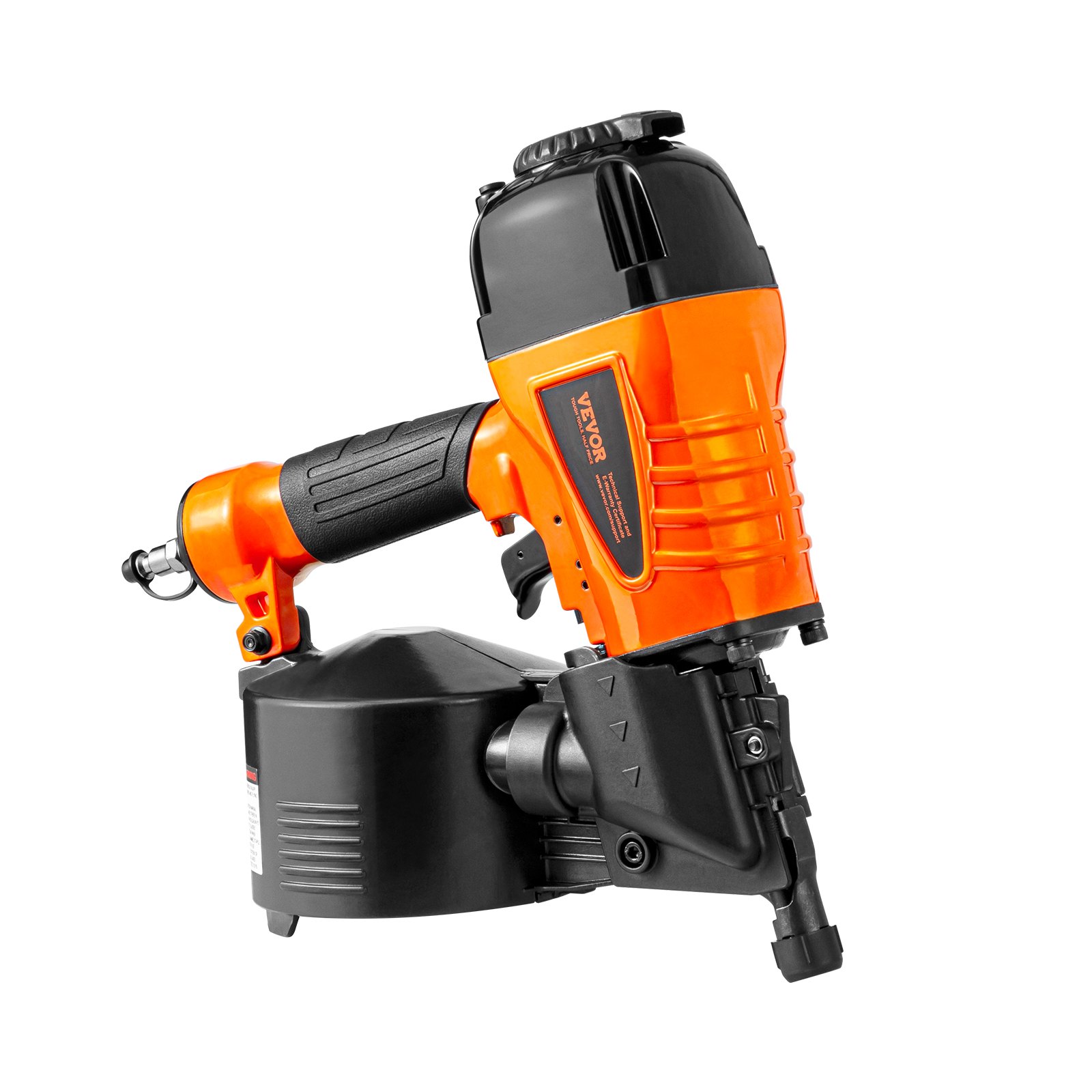 Coil Siding Nailer CN65, 1-1/4" To 2-1/2" 15 Degree Pneumatic Nail Gun With Tool-Less Depth Adjustment, 70-120PSI Air For Pallet Sheathing, Wooding, Fencing, Decking$170.99
 View on Mallflare
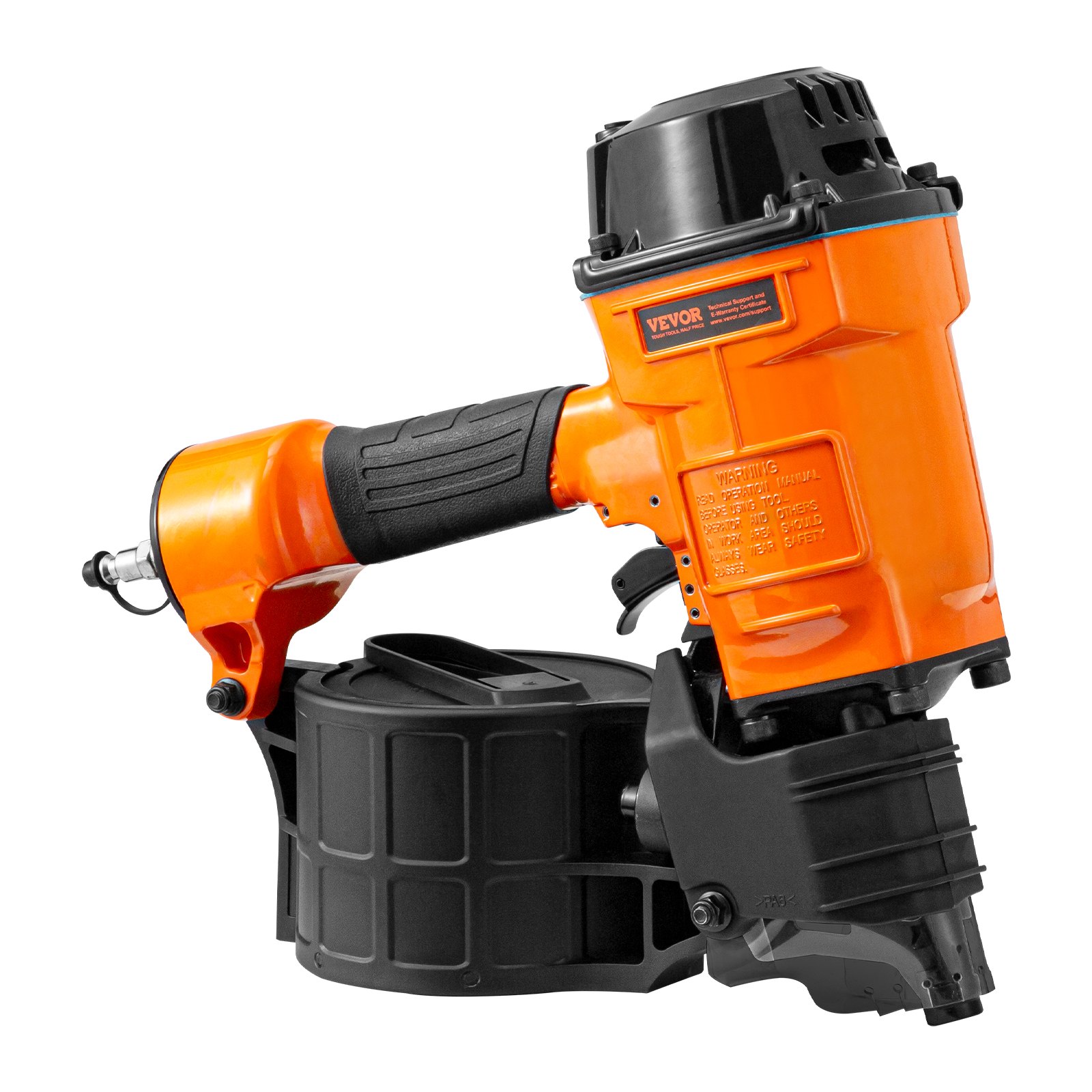 Coil Siding Nailer MCN70, 1-3/4" To 2-3/4" 15 Degree Pneumatic Nail Gun, 70-120PSI Air For Pallet, Crating, Framing, And Fencing$185.99View on Mallflare
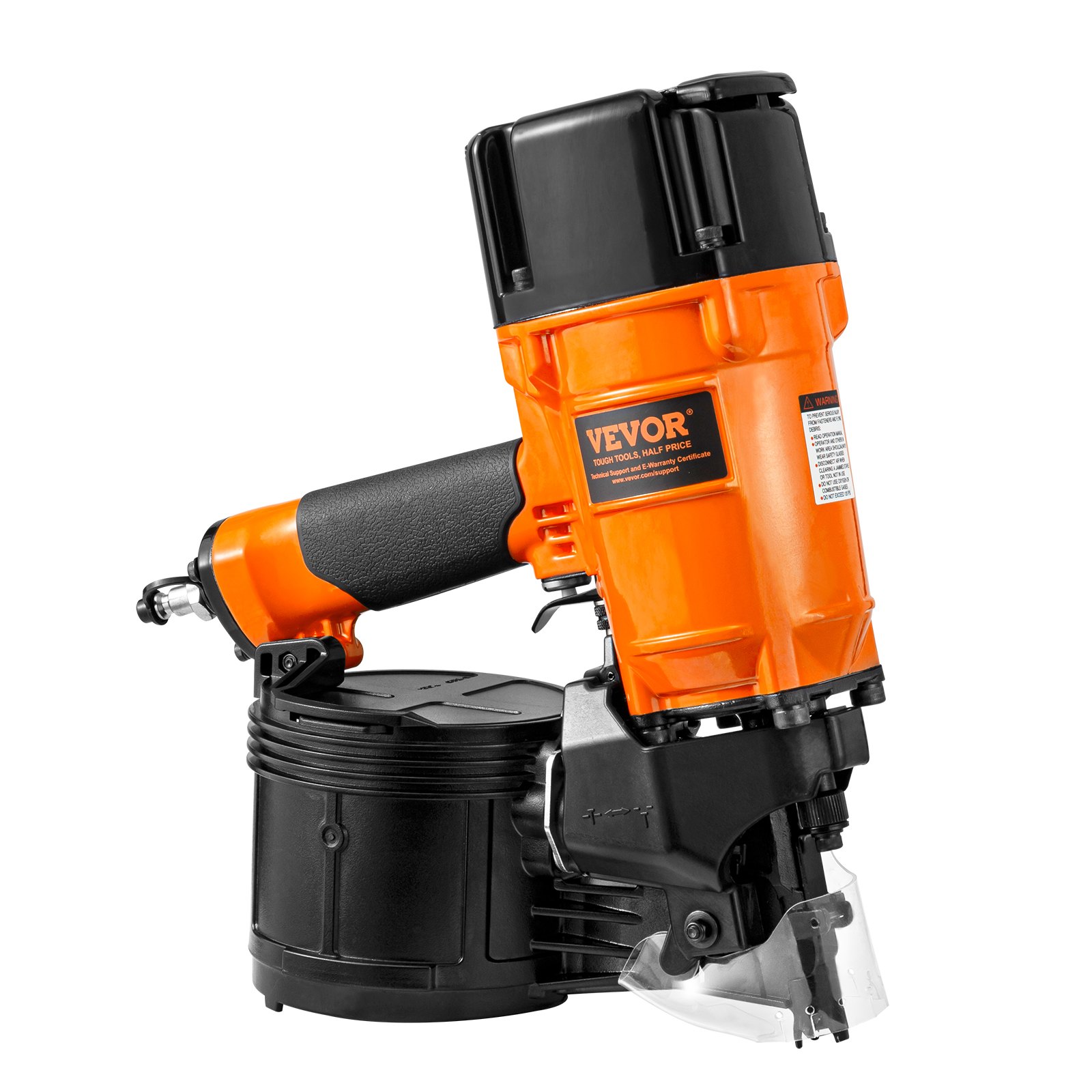 Coil Siding/Framing Nailer CN83N, 2" To 3-1/4" 15 Degree Pneumatic Siding Nail Gun With Tool-Less Depth Adjustment, 70-120PSI Air For Sheathing Wooding Fencing Decking$225.99View on Mallflare
Highlights
- 15-degree wire-collated coil format is the industry standard for siding nailers, enabling high-capacity magazines (typically 120–300 nails) and faster reloads than strip nails.
- Nail length capacity defines the tool's role: 1-1/4" to 2-1/2" models suit thin siding and sheathing; 1-3/4" to 2-3/4" models handle thicker planks and crating; 2" to 3-1/4" models cover framing and decking.
- Operating pressure of 70–120 PSI is standard for pneumatic coil nailers; tools with tool-less depth adjustment and 360-degree exhaust ports improve control and user comfort.
- Durable construction uses magnesium or aluminum housings, heat-treated steel drivers, and rebuildable seal kits; budget models often use composite housings and non-serviceable drivers.
Best use cases
- Best fit: fiber-cement and wood siding installation—choose a 1-1/4" to 2-1/2" model with tool-less depth adjustment for precise flush or countersunk setting.
- Best fit: fencing, pallet, and crating assembly—pick a 1-3/4" to 2-3/4" model for thicker boards and higher nail capacity to reduce reloads.
- Best fit: sheathing, decking, and light framing—use a 2" to 3-1/4" model with a robust driver and higher pressure tolerance (up to 120 PSI).
- Wrong fit: high-volume production framing or structural nailing—skip coil siding nailers; use a dedicated framing nailer with clipped-head or full-head nails for structural ratings.
Buying tips
- Match nail length range to your thickest material: add 1/2" to 3/4" for penetration into substrate; for 1" siding over 1/2" sheathing, choose a tool that handles at least 1-3/4" nails.
- Prioritize tool-less depth adjustment and a 360-degree adjustable exhaust—these directly control nail set depth and keep oil/exhaust away from your face.
- Check air consumption (CFM) at 90 PSI: most coil siding nailers require 3–5 CFM; ensure your compressor delivers at least 4 CFM at 90 PSI for continuous use.
- Choose magnesium or aluminum housings over composite for durability; look for rebuildable seal kits and a hardened steel driver for long-term serviceability.
Specs
| Nail Length Range | 1-1/4"–3-1/4" (by model) |
|---|---|
| Collation Angle | 15 degrees wire collated |
| Operating Pressure | 70–120 PSI |
| Housing Material | Magnesium / aluminum / composite |
Related searches
What to check before buying
- Verify your compressor delivers 70–120 PSI and at least 4 CFM at 90 PSI; undersized compressors cause weak drives and misfires.
- Confirm nail collation angle (15 degrees) and coil format match the tool—using wrong collation causes jams and damage.
- Measure your siding thickness and substrate to select the correct nail length range; never exceed the tool's maximum nail length.
- Check tool weight and balance (typically 4–6 lbs) for overhead or extended use; a lighter magnesium body reduces fatigue.
FAQ
Data sources: eBay / Amazon listings and product attribute feeds Data updated Nov 20, 2026.
Some links on this page are affiliate links. If you buy after clicking one, we may earn a commission at no extra cost to you. This does not change which products appear here or their order. Affiliate disclosure.