Photos from current listings. Actual item, color, and included accessories may vary.
Concrete Drill Bit Buying Guide
Concrete drill bits fall into two fundamentally different architectures: carbide-tipped masonry bits for light impact drilling, and diamond-impregnated core bits for large-diameter holes. The primary trade-off is shank compatibility versus drilling speed and hole size, so match the bit's shank system and tip grade to your drill's chuck and the concrete's aggregate hardness before buying.


At a glance
- Category
- Power Tools
- Data updated
- Nov 20, 2026
Current offers
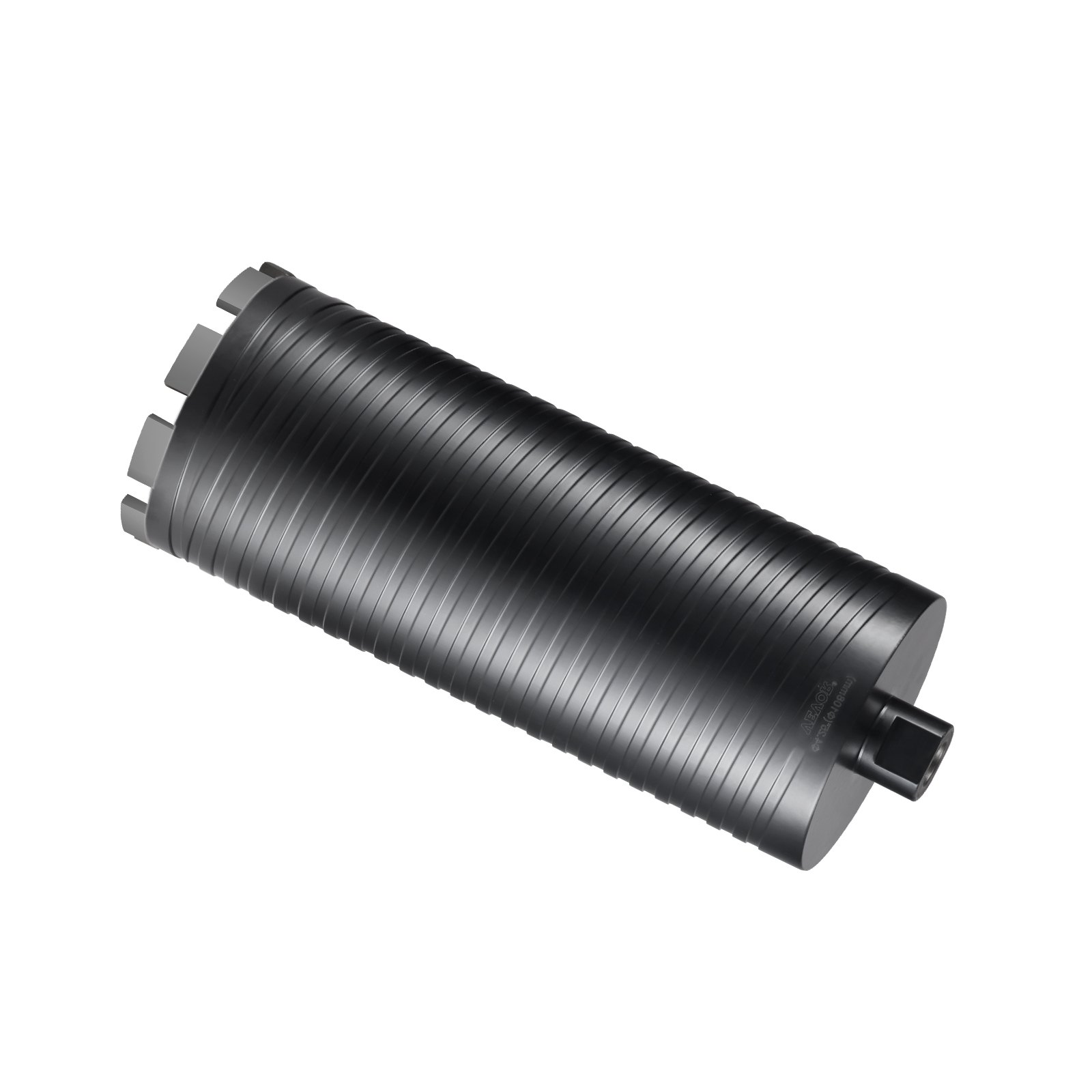 Core Drill Bit, 4.25' Wet/Dry Diamond Bits For Brick And Block, Concrete Bit With Pilot Bit Adapter And Saw Blade, 9.5' Drilling Depth, 5/8'-11 Inner Thread, Laser Welding$57.99
 View on Mallflare
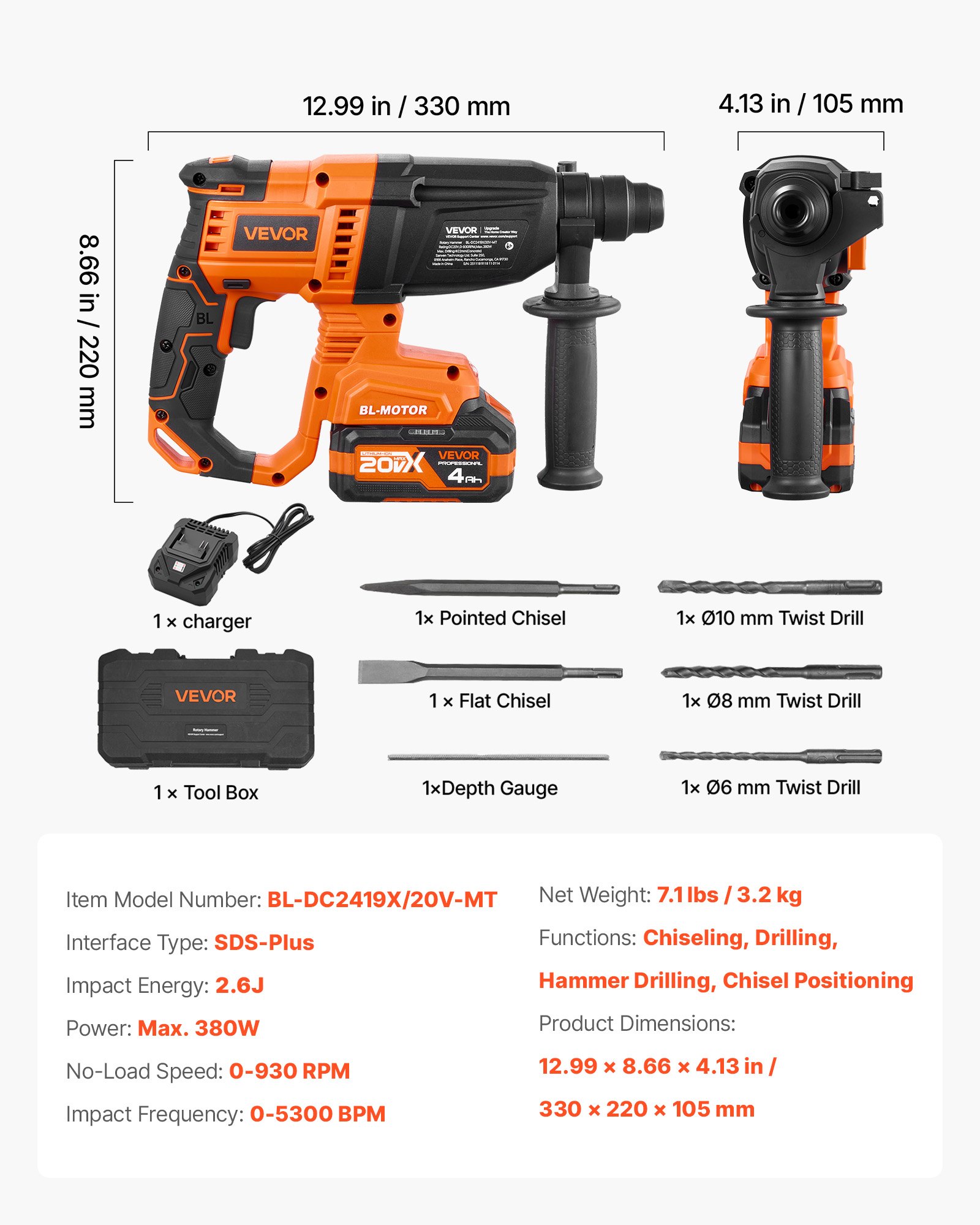 Rotary Hammer Drill, 7/8 In SDS-Plus Cordless, 20V Battery Powered Brushless, Including Charger, 3 Bits, Flat Chisel, Pointed Carrying Case, For Concrete$104.99View on Mallflare
Highlights
- SDS-Plus shank bits require a rotary hammer with a matching SDS-Plus chuck; they cannot be used in a standard 3-jaw drill chuck without an adapter.
- Carbide-tipped masonry bits are brazed with a tungsten-carbide insert and suit holes up to about 1/2 inch in brick and block; larger holes need core bits or rotary hammer bits.
- Diamond core bits use laser-welded diamond segments and a 5/8-11 inner thread for wet or dry coring; wet cutting extends segment life and controls dust.
- Brushless 20V rotary hammers deliver higher impact energy per charge than brushed motors, making cordless SDS-Plus drilling viable for anchors up to 7/8 inch.
Best use cases
- Best fit: drilling anchor holes up to 1/2 inch in poured concrete or brick — choose a carbide-tipped SDS-Plus bit and a rotary hammer with at least 2 joules impact energy.
- Best fit: cutting 2-6 inch diameter holes for pipes or conduits through brick and block — choose a diamond core bit with 5/8-11 thread and use wet cutting.
- Wrong fit: using a standard cordless drill in hammer mode with a hex-shank masonry bit for repeated 3/8 inch holes — the chuck slips and the bit overheats; step up to SDS-Plus.
- Wrong fit: dry-coring hard aggregate concrete with a diamond core bit rated only for block — segment glazing and motor overload result; use a wet-rated core bit and water feed.
Buying tips
- Match the shank to your tool: SDS-Plus for rotary hammers under 3 lbs, SDS-Max for heavier hammers, and hex or round shank for standard drills; never force an SDS bit into a 3-jaw chuck.
- For anchor holes, bit diameter must match the anchor's nominal size; a 3/8 inch anchor needs a 3/8 inch bit, and oversized holes reduce pull-out strength.
- Choose carbide grade by aggregate: standard carbide for brick and block, cross-head or 4-cutter carbide for hard concrete with rebar, and diamond for holes over 1 inch.
- Core bit diameter determines required power: a 4 inch diamond core in concrete needs a wet-rated motor of at least 15 amps corded or a high-torque cordless rotary hammer.
Specs
| Shank Type | SDS-Plus / SDS-Max / Hex / Round |
|---|---|
| Tip Material | Carbide-tipped / Diamond segment |
| Max Hole Size | Carbide: 1/2 in; Core: 6 in+ |
| Core Thread | 5/8-11 inner thread |
Related searches
What to check before buying
- Confirm your drill's chuck type and maximum bit shank diameter before ordering; SDS-Plus bits need a matching rotary hammer, not a standard chuck.
- Measure the anchor or pipe outer diameter to select the exact bit size; concrete holes cannot be undersized without redrilling.
- For core drilling, verify a 5/8-11 spindle thread and water supply for wet cutting; dry coring requires a vacuum shroud and dust extraction.
- Check concrete hardness: hard aggregate or rebar calls for 4-cutter carbide or diamond segments, while light block permits standard 2-cutter masonry bits.
FAQ
Data sources: eBay / Amazon listings and product attribute feeds Data updated Nov 20, 2026.
Some links on this page are affiliate links. If you buy after clicking one, we may earn a commission at no extra cost to you. This does not change which products appear here or their order. Affiliate disclosure.