Photos from current listings. Actual item, color, and included accessories may vary.
Cordless Band Saw Buying Guide
A cordless band saw replaces the angle grinder for clean, burr-free cuts in metal, conduit, and threaded rod, with portability limited only by battery platform. The core trade-off is cut capacity and blade speed versus weight and battery draw: deep-cut 5-inch models handle pipe and strut, while compact models favor overhead or one-handed work. The decision rule is simple—buy into a battery platform you already own or one with a guaranteed bare-tool supply, and demand a brushless motor with variable speed for metal.


At a glance
- Category
- Power Tools
- Data updated
- Nov 20, 2026
Current offers
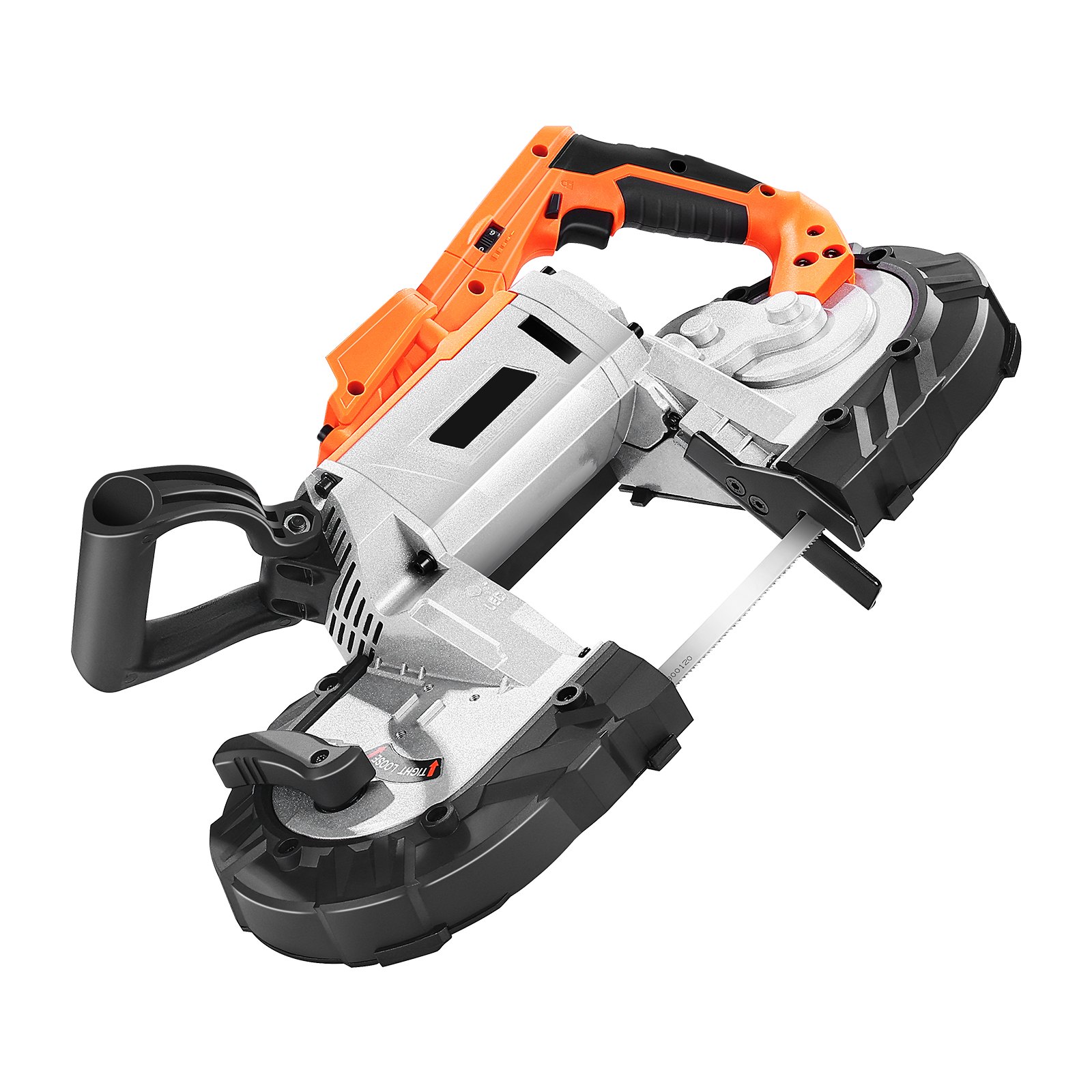 20V Portable Band Saw, 5 Inches Deep Cut, 360W Bandsaw With Brushless Motor, Cordless And Compact Portaband, Hang Hooks, 0-120 M/min Variable Speed, For Cutting Metal, Wood (Bare Tool Only)$140.99
 View on Mallflare
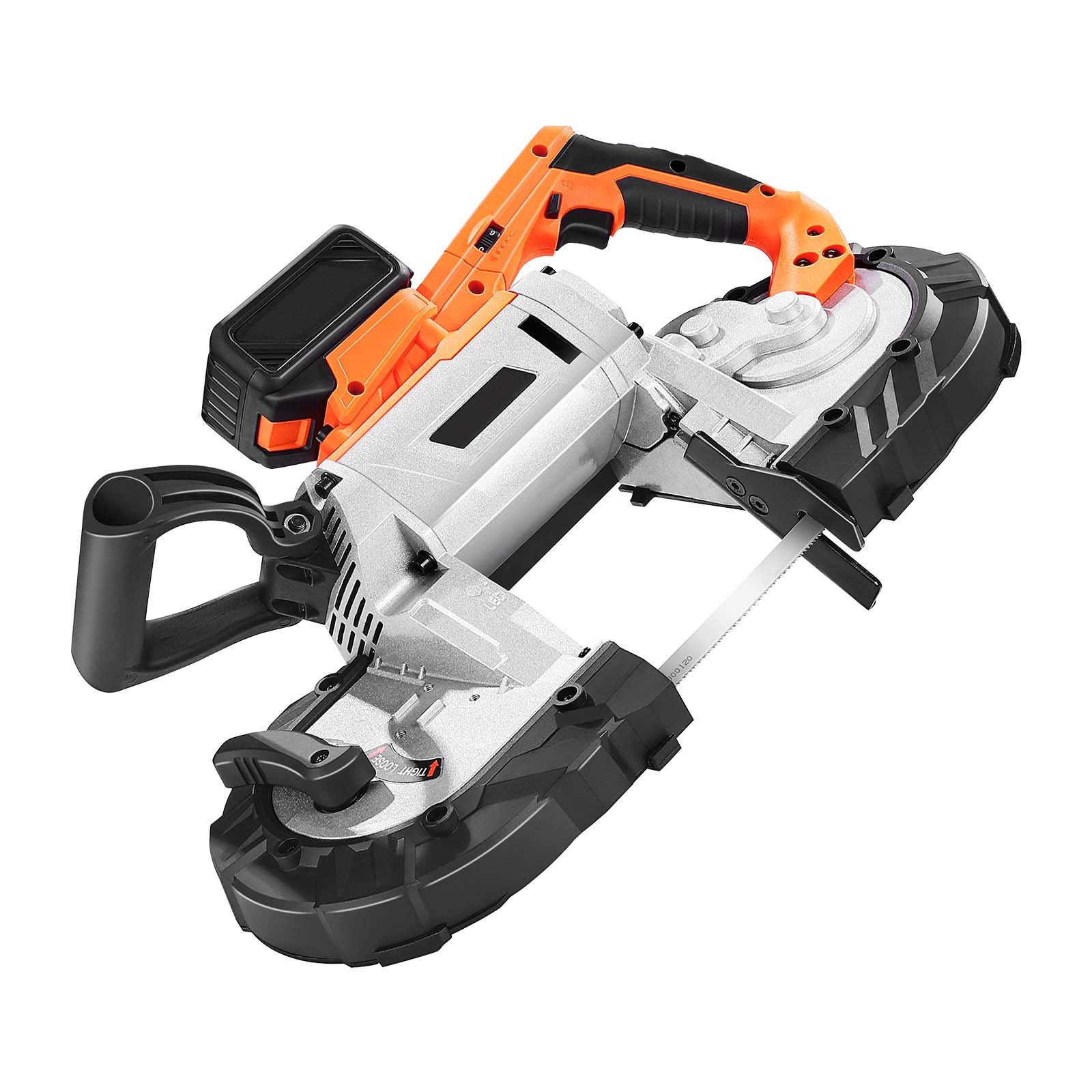 20V Portable Band Saw Kit, 5 Inches Deep Cut, AC 110V, 360W Bandsaw With Brushless Motor, 4.0 Ah Battery, Cordless And Compact Portaband, 0-120 M/min Variable Speed, For Cutting Metal, Wood$252.99View on Mallflare
Highlights
- Brushless motors deliver 30–50% longer runtime per charge and eliminate brush wear; brushed band saws are a durability compromise.
- Cut capacity is the defining spec: 5-inch deep-cut models clear 5-inch pipe and 4x4 strut, while compact 2.5-inch models only handle conduit and small tube.
- Variable speed (0–120 m/min typical) prevents blade stalling and heat buildup in stainless and hardened steel; single-speed saws are for wood and soft metal only.
- Bare-tool vs kit packaging determines true cost: kits include a 4.0 Ah battery and charger, but only make sense if they match your existing battery platform.
Best use cases
- Best fit: 5-inch deep-cut brushless bare tool for plumbers and electricians cutting 2–5 inch steel pipe and strut—pair with your existing 20V batteries.
- Best fit: compact 2.5-inch band saw for overhead conduit work and one-handed cuts in tight ceiling spaces where a full-size saw won't fit.
- Wrong fit: single-speed brushed models for stainless or hardened alloys—they stall and overheat blades; step up to variable-speed brushless.
- Wrong fit: buying a kit in a battery platform you don't own—you inherit a dead-end charger and replacement batteries cost more than the tool.
Buying tips
- Match cut capacity to your largest daily cut: 5-inch capacity clears 5-inch pipe; 2.5-inch capacity is limited to 2-inch conduit and smaller tube.
- Choose bare tool if you already own two or more batteries in that platform; choose a kit only when the included 4.0 Ah battery and charger match your existing charger.
- Insist on brushless motors and variable speed for metal; brushed single-speed saws are acceptable only for wood and plastic cutoff work.
- Check blade length and width compatibility (common: 44-7/8 inch and 35-3/8 inch blades); odd blade sizes mean hard-to-source replacements.
Specs
| Cut Capacity | 2.5 in compact vs 5 in deep-cut |
|---|---|
| Motor Type | Brushless vs brushed |
| Speed Control | Variable 0–120 m/min vs single-speed |
| Packaging | Bare tool vs kit (battery + charger) |
Related searches
What to check before buying
- Measure your largest regular cut (pipe diameter, strut width, rod bundle) and buy a saw with at least 1/2 inch more capacity than that measurement.
- Confirm your existing battery platform and charger voltage—20V max tools require the matching brand battery, not a generic 18V pack.
- Verify the saw's weight with battery installed (typically 8–12 lb) if you'll be cutting overhead or one-handed for extended periods.
- Check that replacement blades in the saw's length are stocked locally; a saw with an odd blade length becomes useless when the blade breaks.
FAQ
Data sources: eBay / Amazon listings and product attribute feeds Data updated Nov 20, 2026.
Some links on this page are affiliate links. If you buy after clicking one, we may earn a commission at no extra cost to you. This does not change which products appear here or their order. Affiliate disclosure.