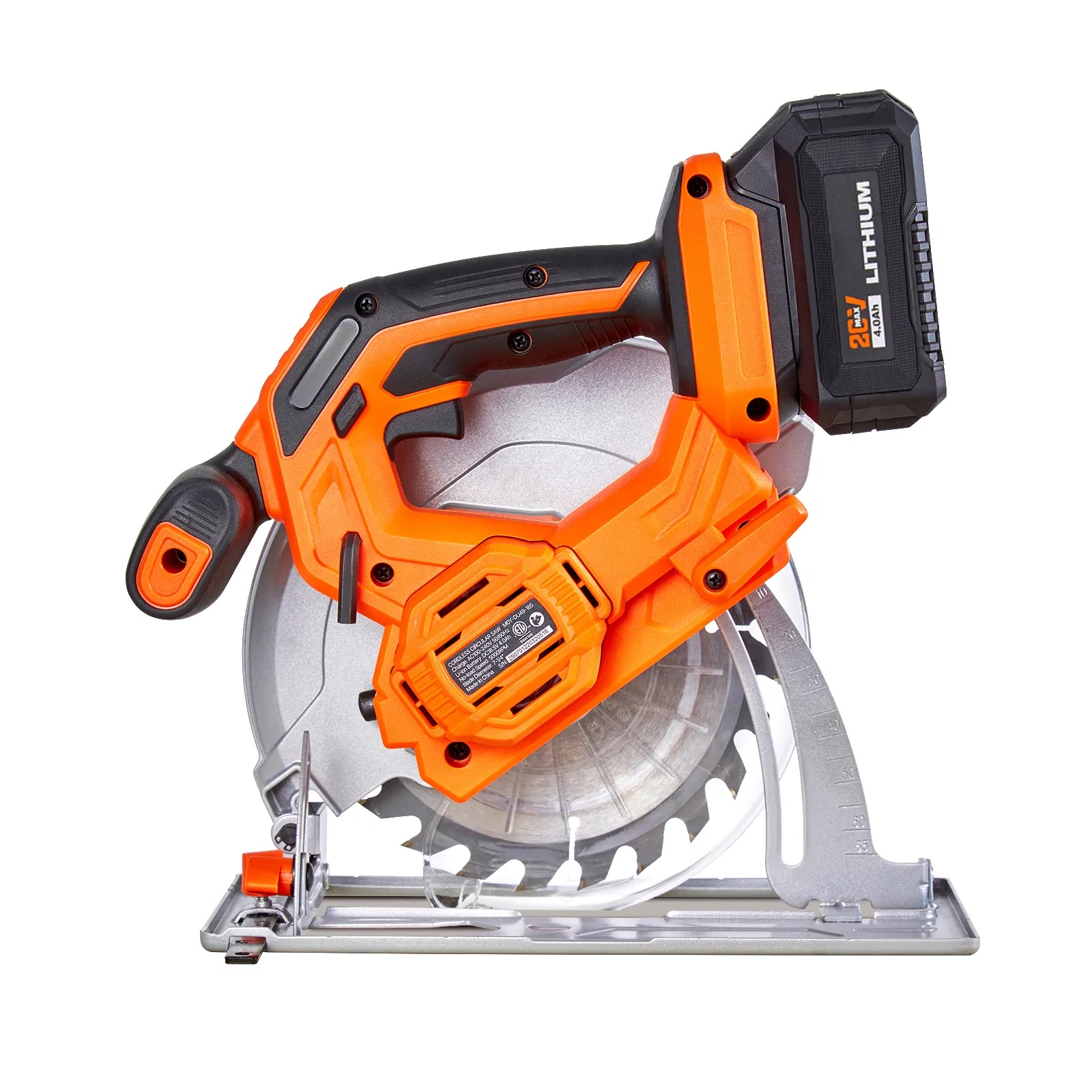

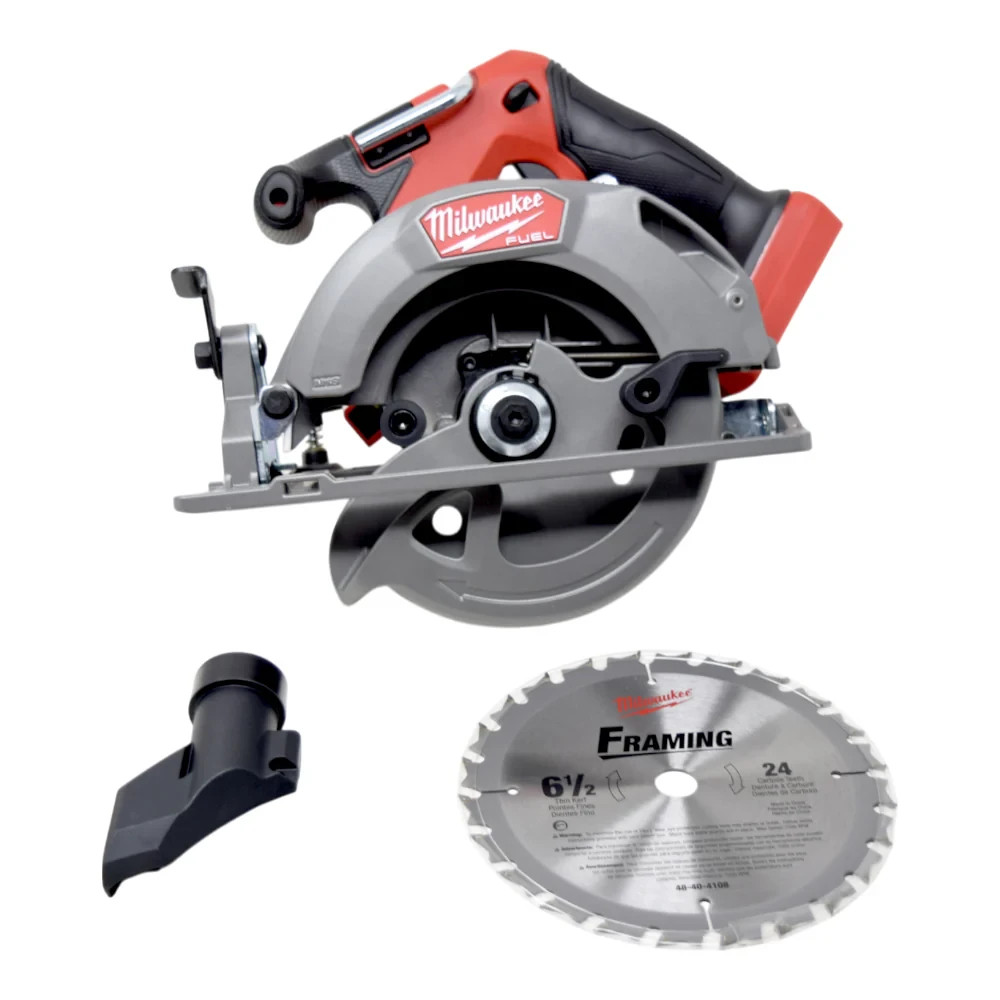
Photos from current listings. Actual item, color, and included accessories may vary.
Cordless Circular Saw Buying Guide
A cordless circular saw cuts framing lumber, sheet goods, and trim without a cord, trading runtime and torque against battery platform lock-in. The decisive trade-off is brushless motor and battery ecosystem versus brushed budget kits: brushless saws deliver 20-50% more cuts per charge and longer motor life, while brushed kits are only viable for occasional light duty. Buy into a battery platform first, then pick blade size and bevel capacity for your material thickness.


At a glance
- Category
- Power Tools
- Data updated
- Nov 20, 2026
Current offers
Highlights
- Brushless motors run cooler and extract roughly 30-50% more cuts per battery charge than brushed motors, making them the durability baseline for regular use.
- 6-1/2 inch blades cut 2x framing lumber at 90 degrees and 45-degree bevels up to about 1-1/2 inches deep, while 7-1/4 inch saws match corded framing depth.
- 18V/20V max platforms are the dominant standard; battery amp-hour rating drives runtime more than voltage labels on same-class saws.
- Left-blade (blade on left of motor) saws suit right-handed users for better sightline; right-blade saws favor left-handed users and specific trim cuts.
Best use cases
- Pick a brushless 6-1/2 inch saw on a major 18V platform for framing, decking, and sheet goods; skip brushed kits unless cuts are under roughly 50 per month.
- Choose a bare tool if you already own compatible batteries and charger; buy a kit only when starting fresh, since kit batteries and chargers are the costlier half.
- For finish carpentry and trim, a 6-1/2 inch brushless saw with bevel detents at 0/22.5/45 degrees is the right tier; skip 7-1/4 inch saws for overhead or one-handed trim work.
- For heavy framing and repeated wet lumber cuts, step up to a 7-1/4 inch brushless saw on a high-output battery; a 6-1/2 inch compact saw will bog down and drain small packs.
Buying tips
- Match blade size to material: 6-1/2 inch cuts 2x at 90 degrees but only about 1-1/2 inch at 45; 7-1/4 inch cuts full 2x at 45 degrees.
- Buy into the battery platform you already own; cross-brand battery adapters void warranty and often trip low-voltage cutoff under load.
- Choose brushless over brushed for any saw used weekly or more; brushed motors wear out and deliver fewer cuts per charge.
- Check bevel range and detents: 0-45 degrees covers most work, 0-50 or 0-56 degrees helps for steep trim and roofing cuts.
Specs
| Motor Type | Brushless vs Brushed |
|---|---|
| Blade Size | 6-1/2 in vs 7-1/4 in |
| Battery Platform | 18V/20V max, bare vs kit |
| Bevel Capacity | 0-45 deg (0-50/56 on some) |
Related searches
What to check before buying
- Measure your deepest cut need: 2x material at 45 degrees requires a 7-1/4 inch blade; 6-1/2 inch saws handle 2x only at 90 degrees.
- Confirm your existing battery platform voltage and mount style; bare tools only fit same-brand packs.
- Plan for blade arbor size (5/8 inch common on 6-1/2 and 7-1/4 inch saws) and buy a quality thin-kerf or framing blade separately.
- Check saw weight and handle position for one-handed vs two-handed use; compact 6-1/2 inch saws weigh less and suit overhead cuts.
FAQ
Data sources: eBay / Amazon listings and product attribute feeds Data updated Nov 20, 2026.
Some links on this page are affiliate links. If you buy after clicking one, we may earn a commission at no extra cost to you. This does not change which products appear here or their order. Affiliate disclosure.