Photos from current listings. Actual item, color, and included accessories may vary.
Cordless Hammer Drill Buying Guide
A cordless hammer drill combines rotational drilling with a pulsing hammer action for masonry and concrete, while also driving screws and boring wood/metal. The core trade-off is brushed vs brushless motors and 12V vs 18/20V battery platforms: brushless 18/20V tools deliver the impact energy and runtime for repeated masonry work, while brushed 12V tools are lighter but stall in concrete. Buy brushless with a metal chuck and a platform battery if you drill masonry regularly; buy a compact brushed 12V only for light screwdriving and occasional small-hole masonry.

At a glance
- Category
- Power Tools
- Data updated
- Nov 20, 2026
Current offers
 21V Cordless Hammer Drill Set Electric Impact Driver Screwdriver & 1/2 Battery$18.93
 View on eBay
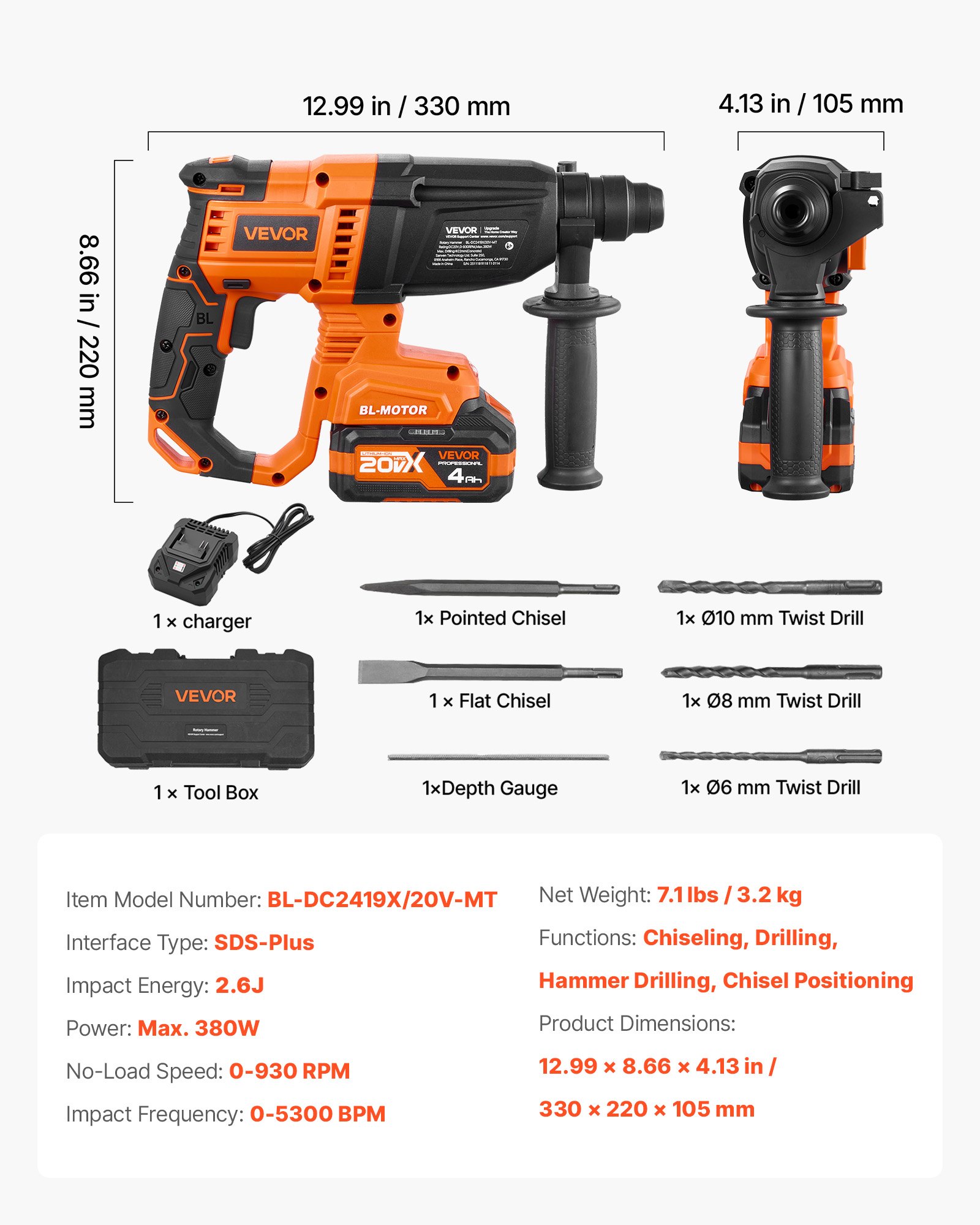 Rotary Hammer Drill, 7/8 In SDS-Plus Cordless, 20V Battery Powered Brushless, Including Charger, 3 Bits, Flat Chisel, Pointed Carrying Case, For Concrete$104.99
 View on Mallflare
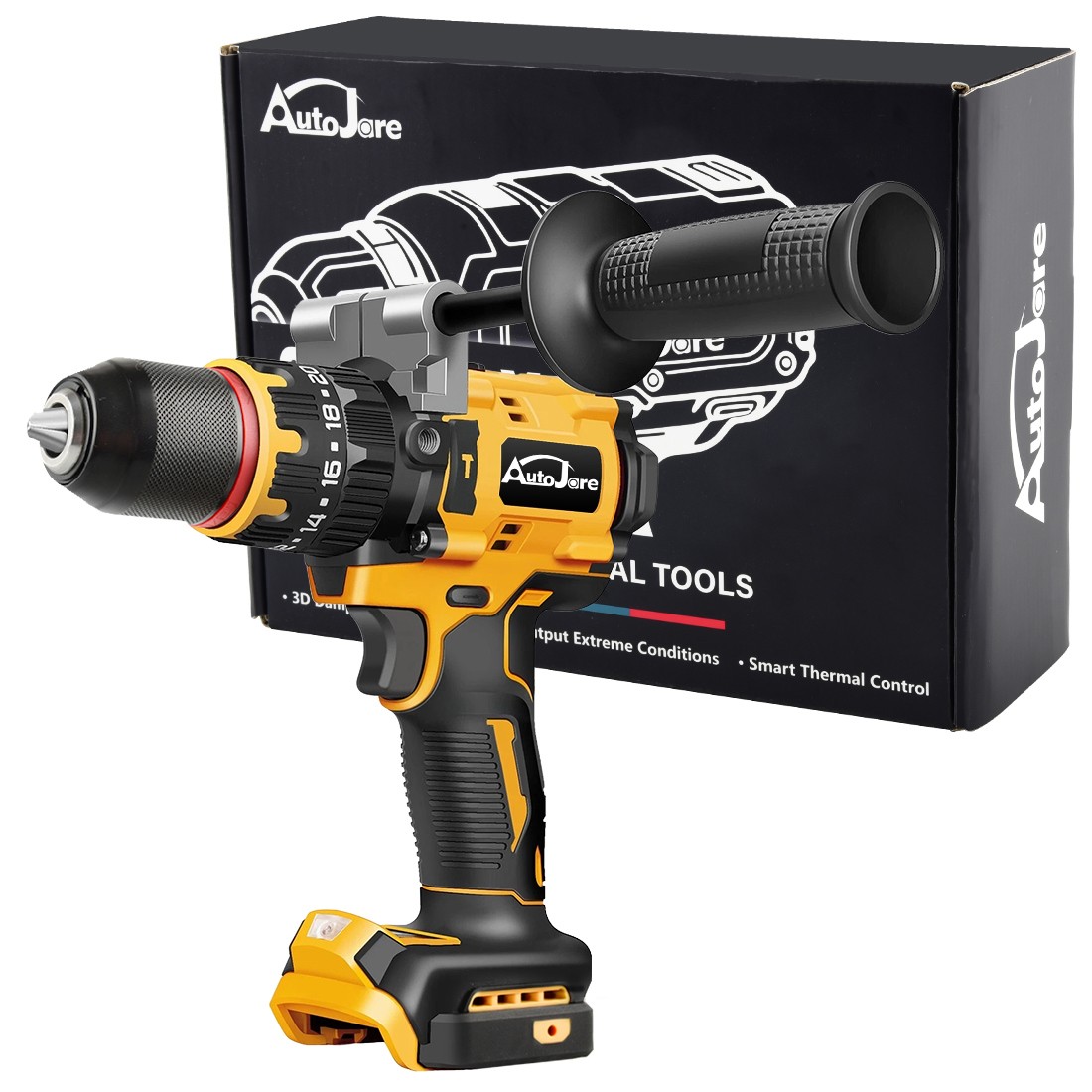 1/2" Cordless Hammer Drill/Driver Brushless For DEWALT 20V MAX Battery 2-Speed$35.49View on eBay
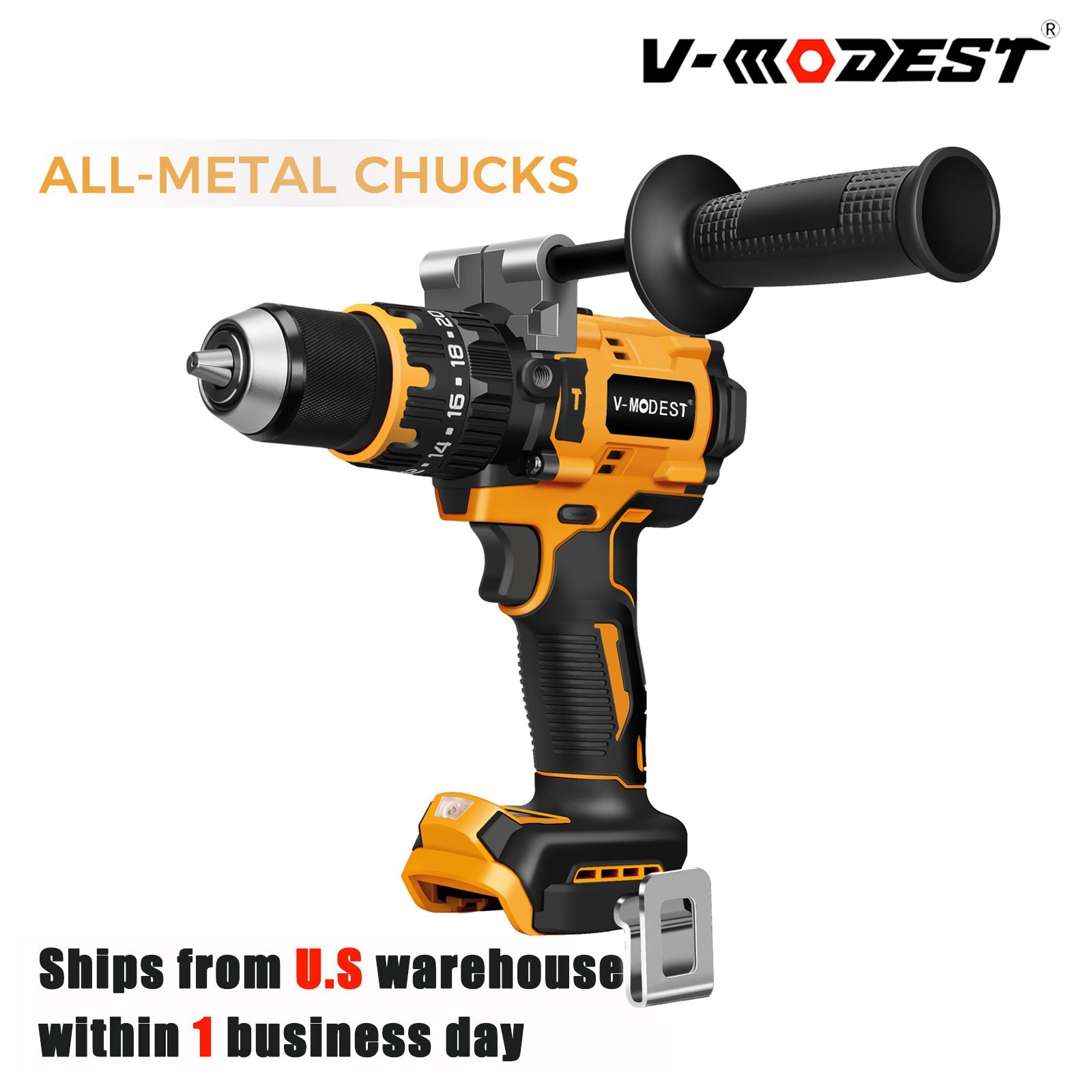 1/2" Cordless Hammer Drill/Driver Brushless For DEWALT 20V MAX Battery 2-Speed$38.99View on eBay
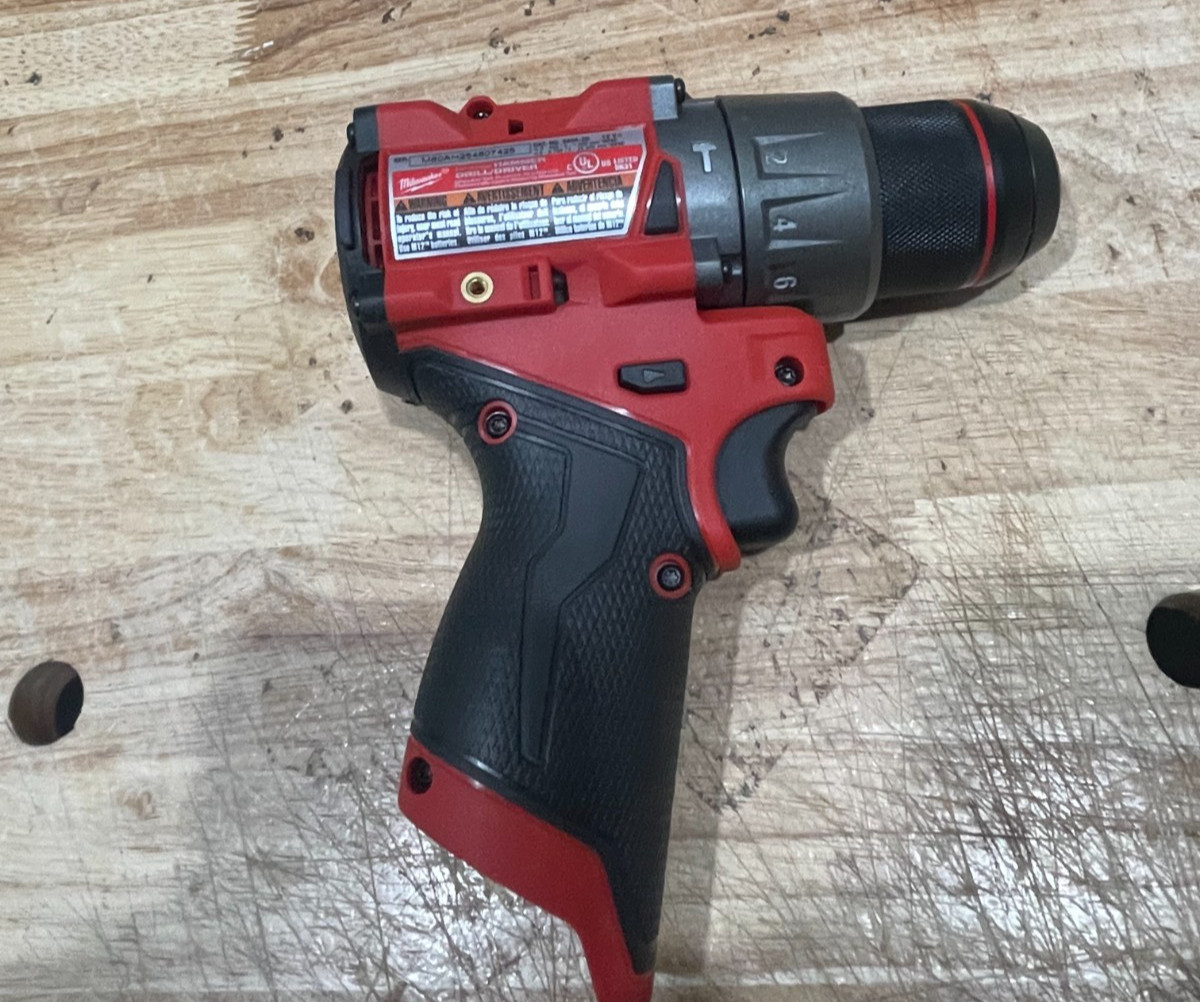 Milwaukee 3404-20 12V Fuel 1/2" Cordless Hammer Drill/Driver$68.95View on eBay
 Cordless Brushless Impact Driver Hammer Drill Combo Kit with 2 Battery & Charger$19.99View on eBay
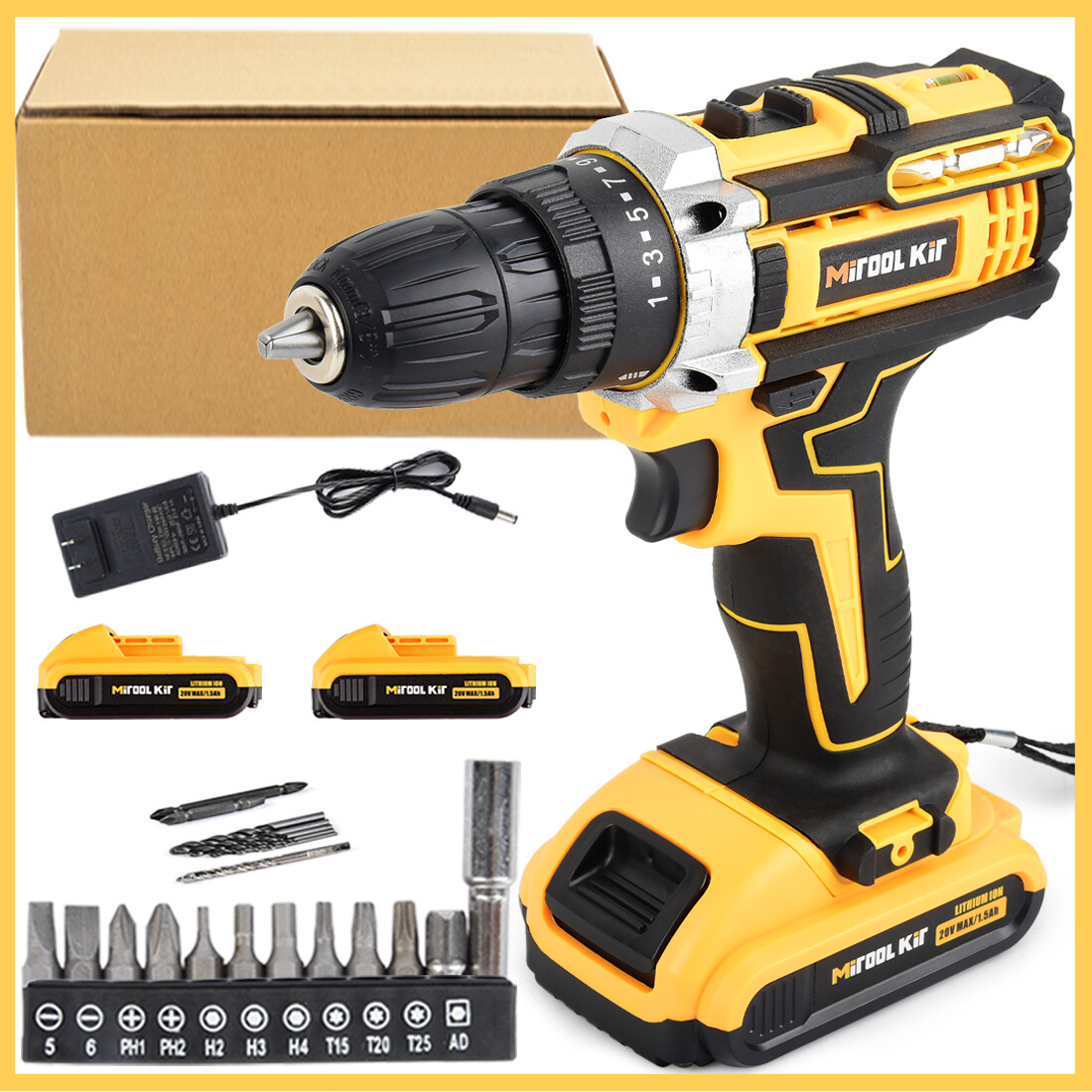 Cordless Brushless Impact Driver Hammer Drill Combo Kit with 2 Battery & Charger$23.99View on eBay
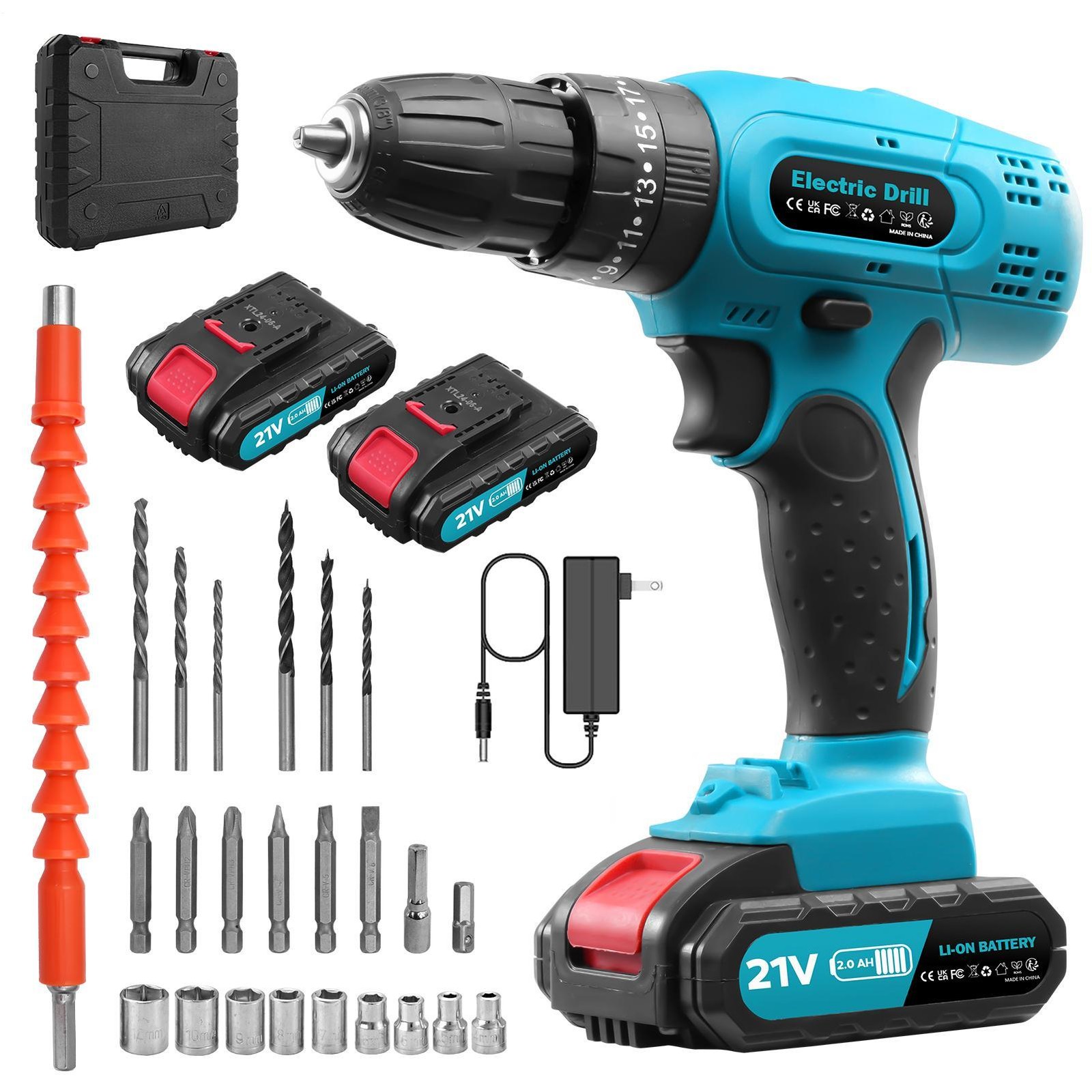 Hammer Drill Cordless Brushless Impact Driver Combo Kit With 2 Battery & Charger$25.99View on eBay
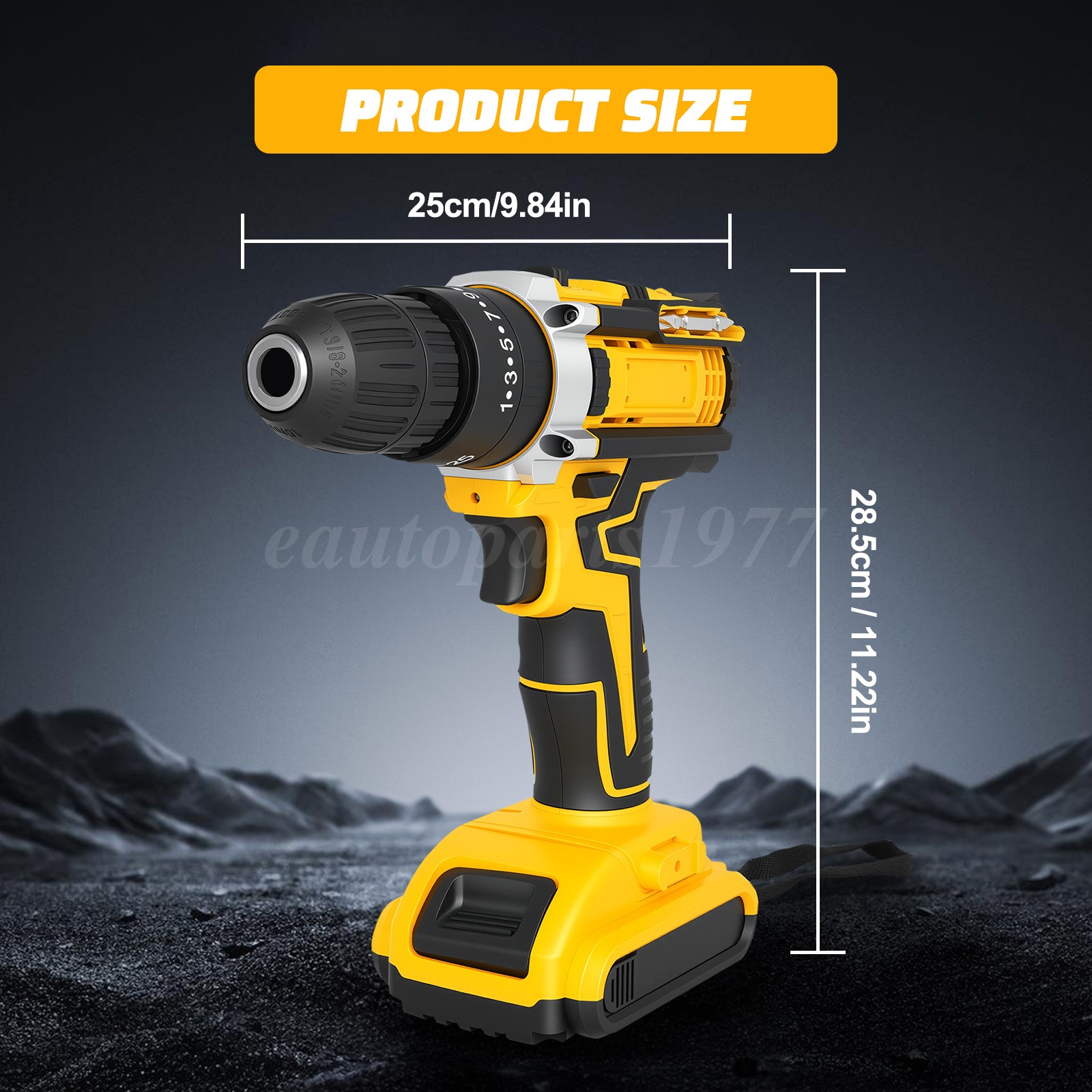 Cordless Impact Drill Brushless Hammer Driver Combo Kit with 2 Battery & Charger$29.99View on eBay
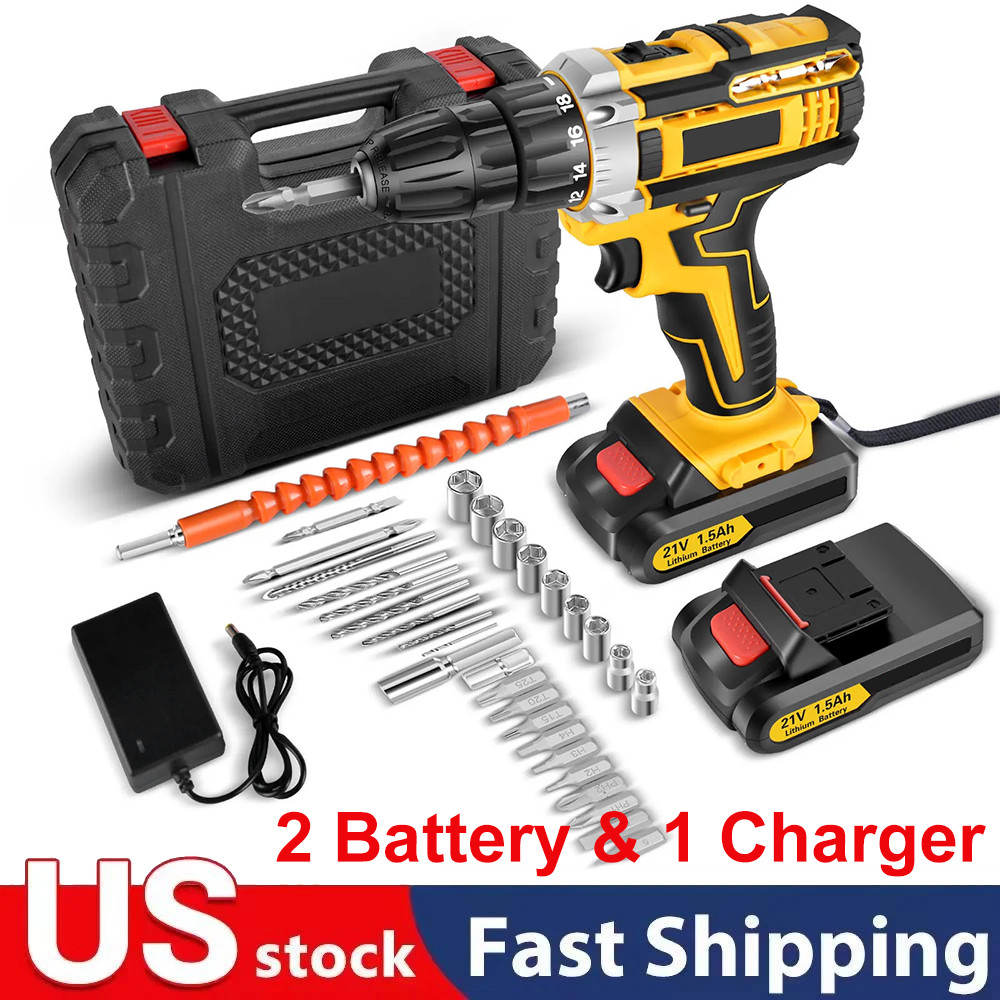 Cordless Brushless Impact Driver Hammer Drill Combo Kit with 2 Battery & Charger$30.98View on eBay
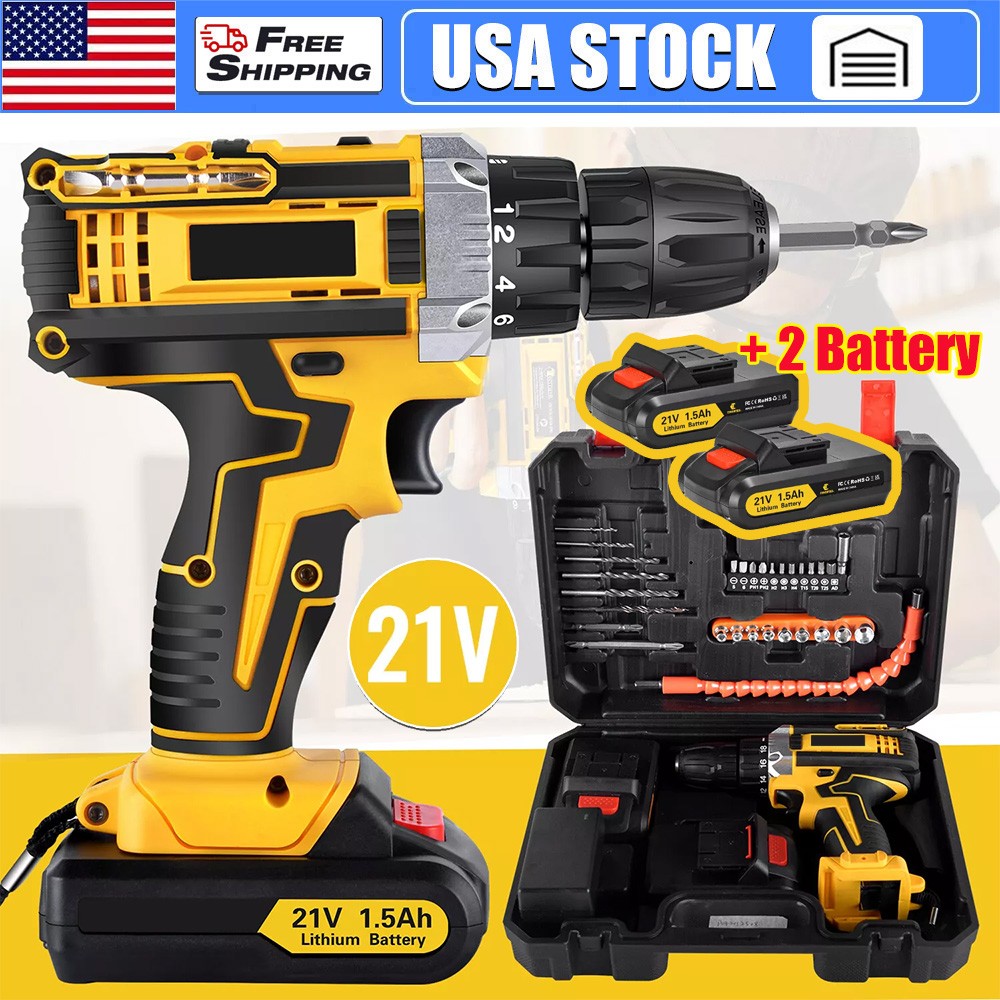 Cordless Brushless Impact Driver Hammer Drill Combo Kit with 2 Battery & Charger$30.98View on eBay
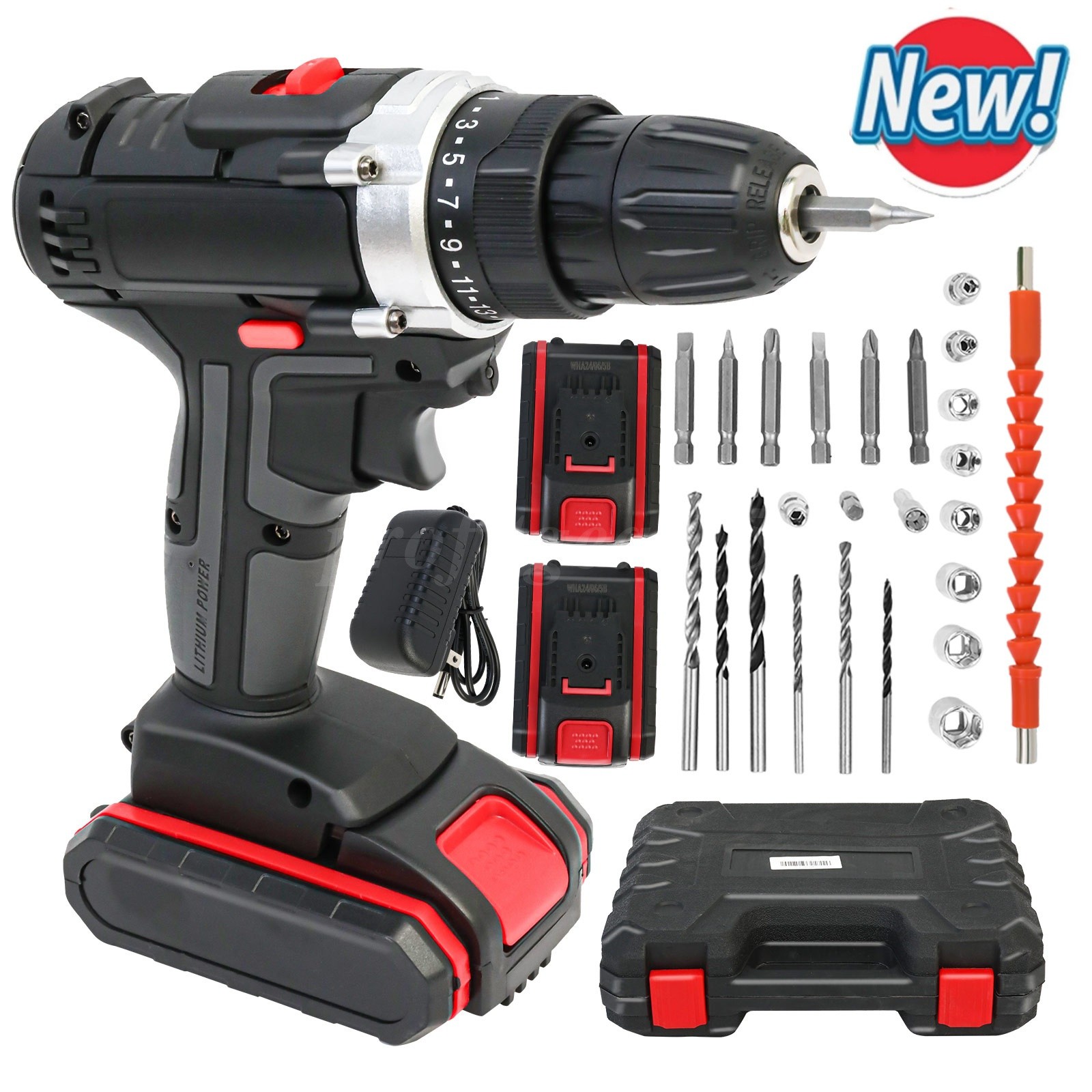 Cordless Brushless Impact Drill Hammer Driver Combo Kit with 2 Batteries+charger$32.99View on eBay
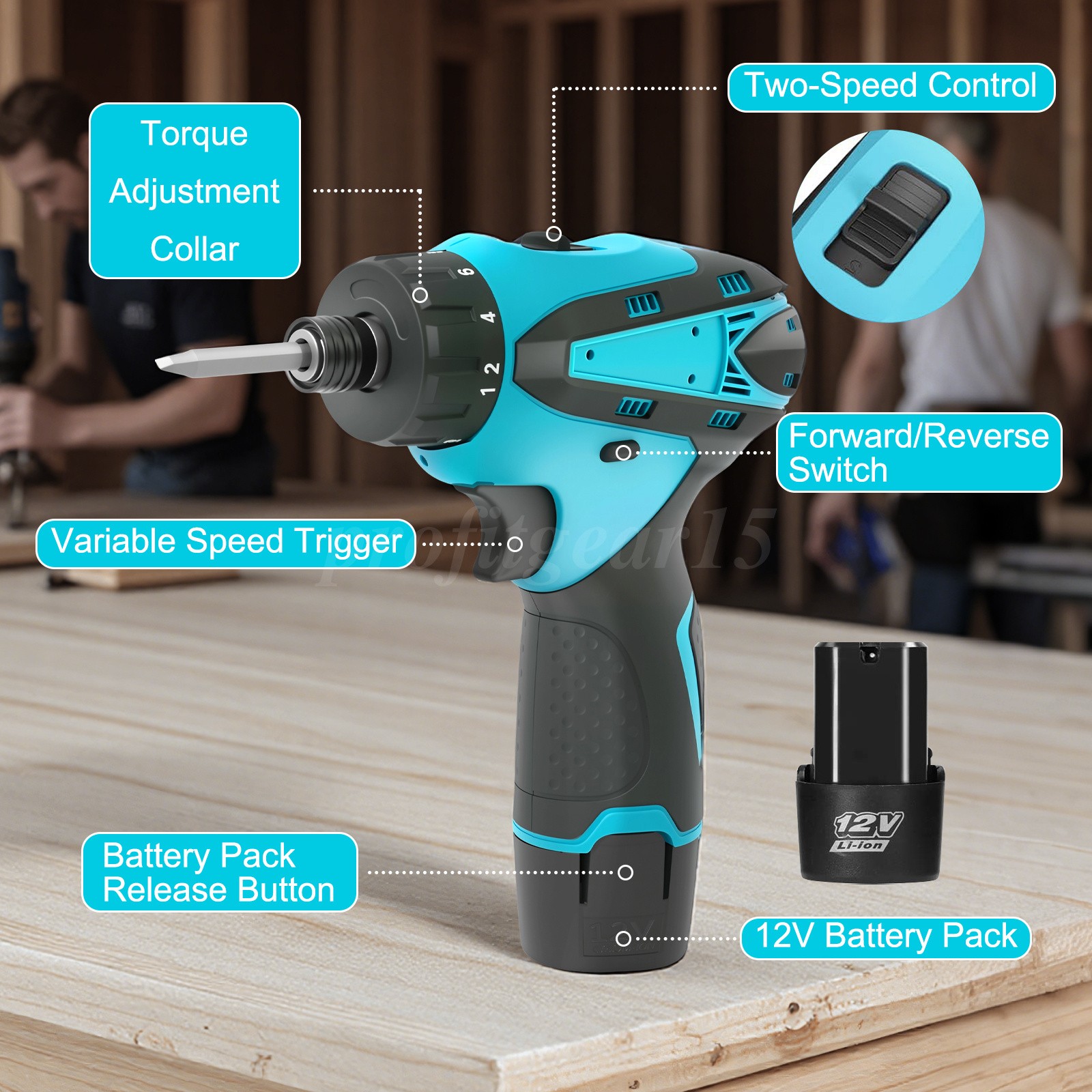 Cordless Impact Drill Brushless Hammer Driver Combo Kit with 2 Battery & Charger$33.59View on eBay
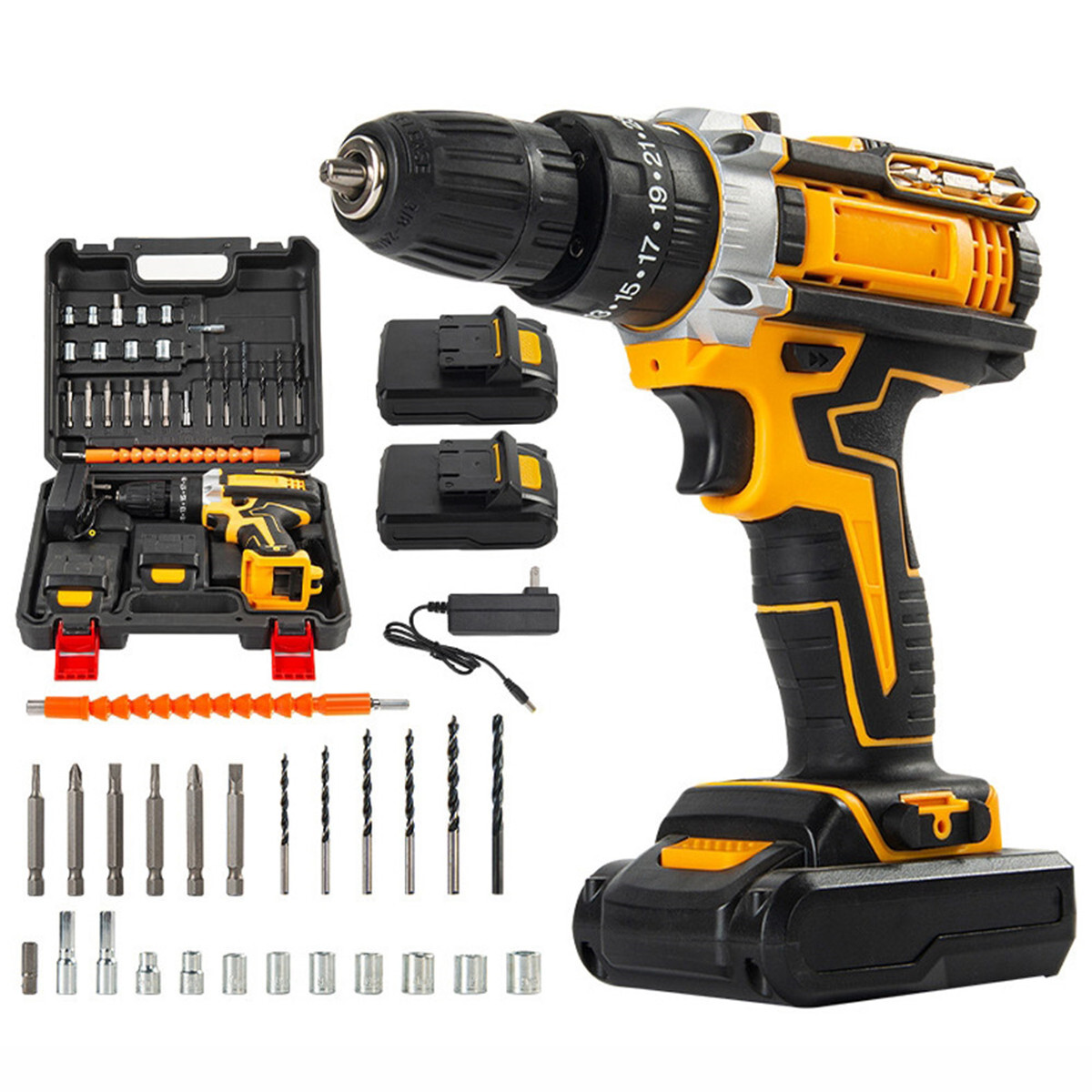 Hammer Drill Cordless Brushless Impact Driver Combo Kit With 2 Battery & Charger$36.89View on eBay
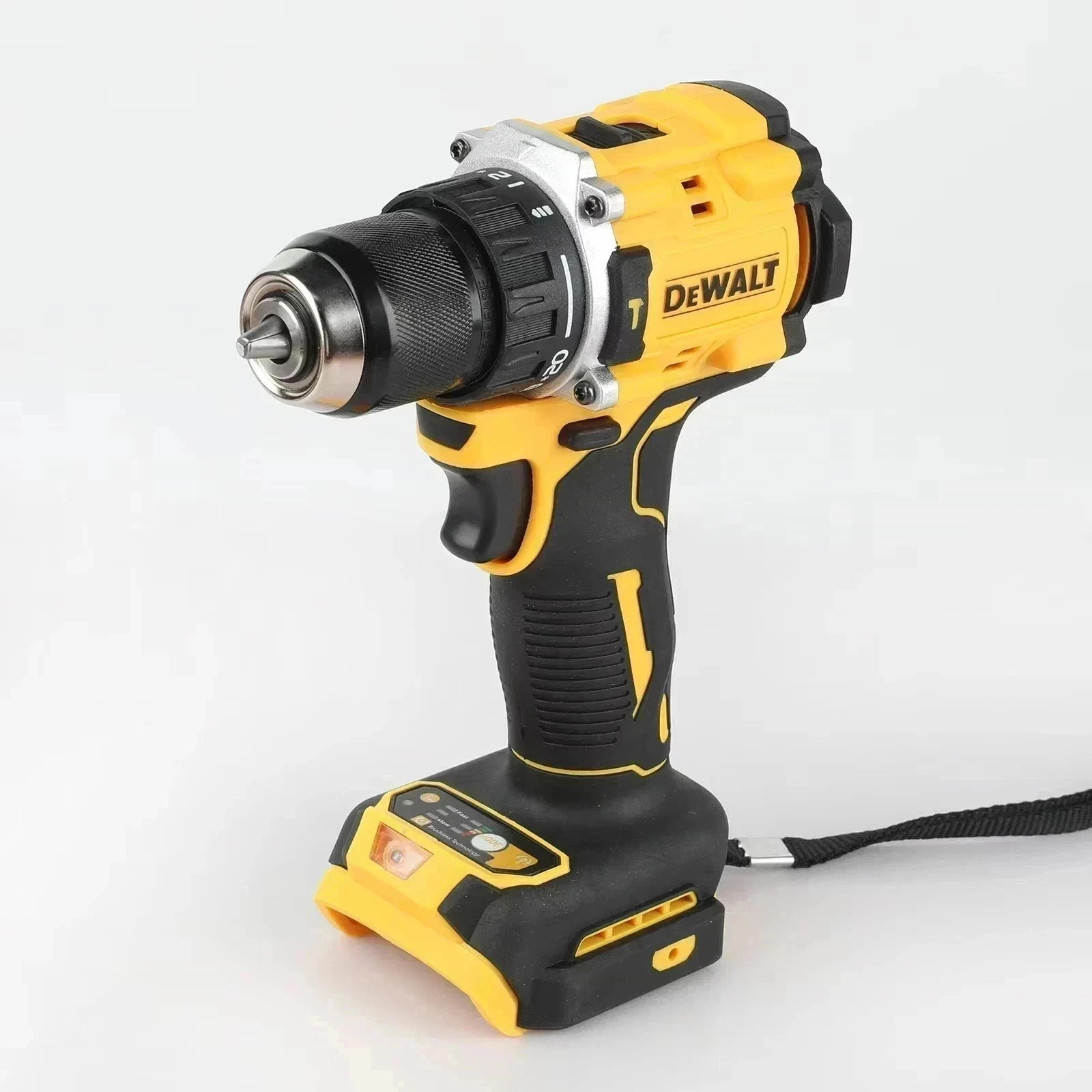 DEWALT DCD805 MAX XR 20V Brushless Cordless 1/2" Hammer Drill Driver (Only Tool)$50.49View on eBay
 DEWALT DCD805 MAX XR 20V Brushless Cordless 1/2" Hammer Drill Driver (Only Tool)$52.49View on eBay
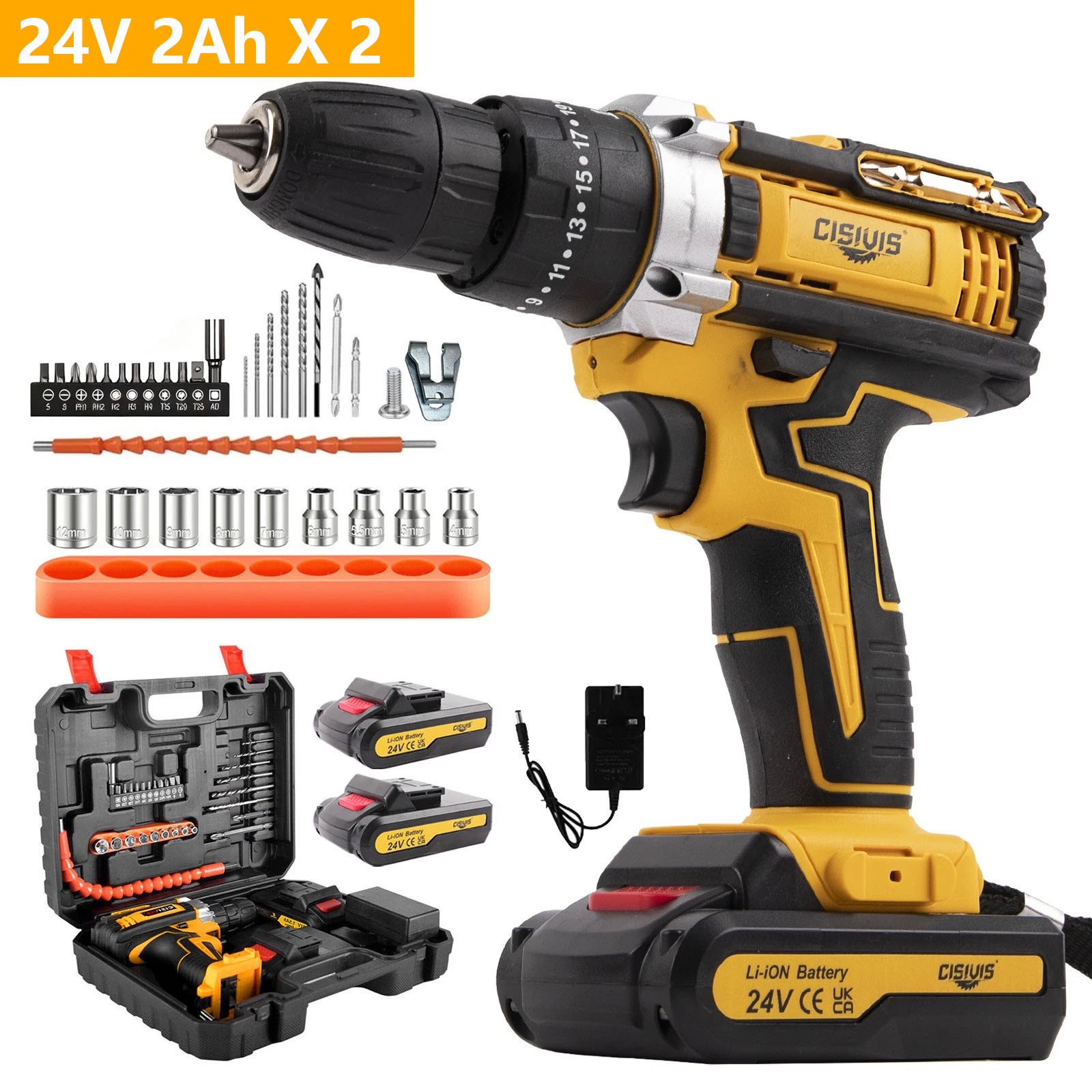 Cordless Brushless Impact Driver Hammer Drill Combo Kit with 2 Battery & Charger$59.13View on eBay
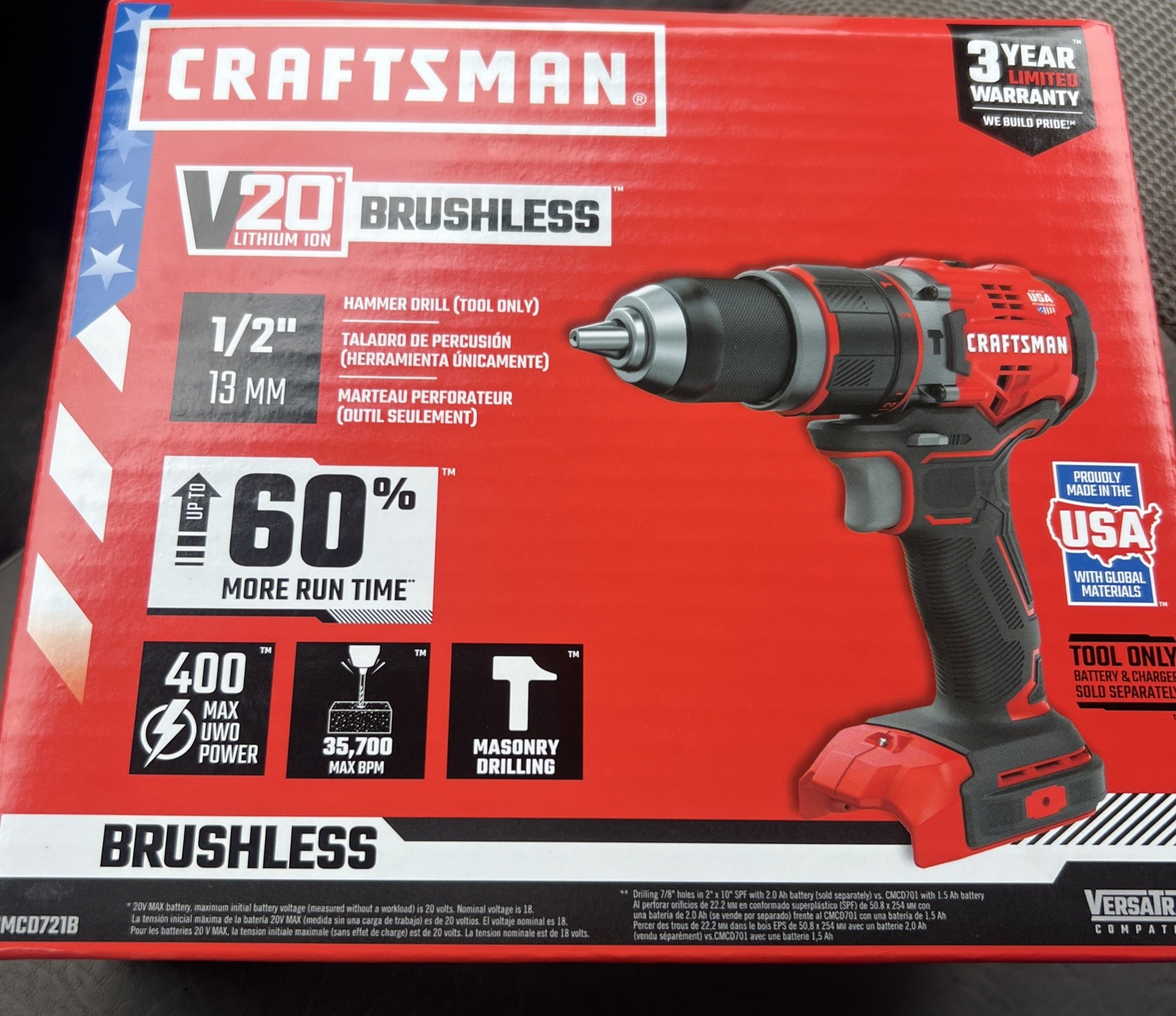 New Craftsman CMCD721B V20 Cordless Brushless 1/2" Hammer Drill (Tool Only)$69.99View on eBay
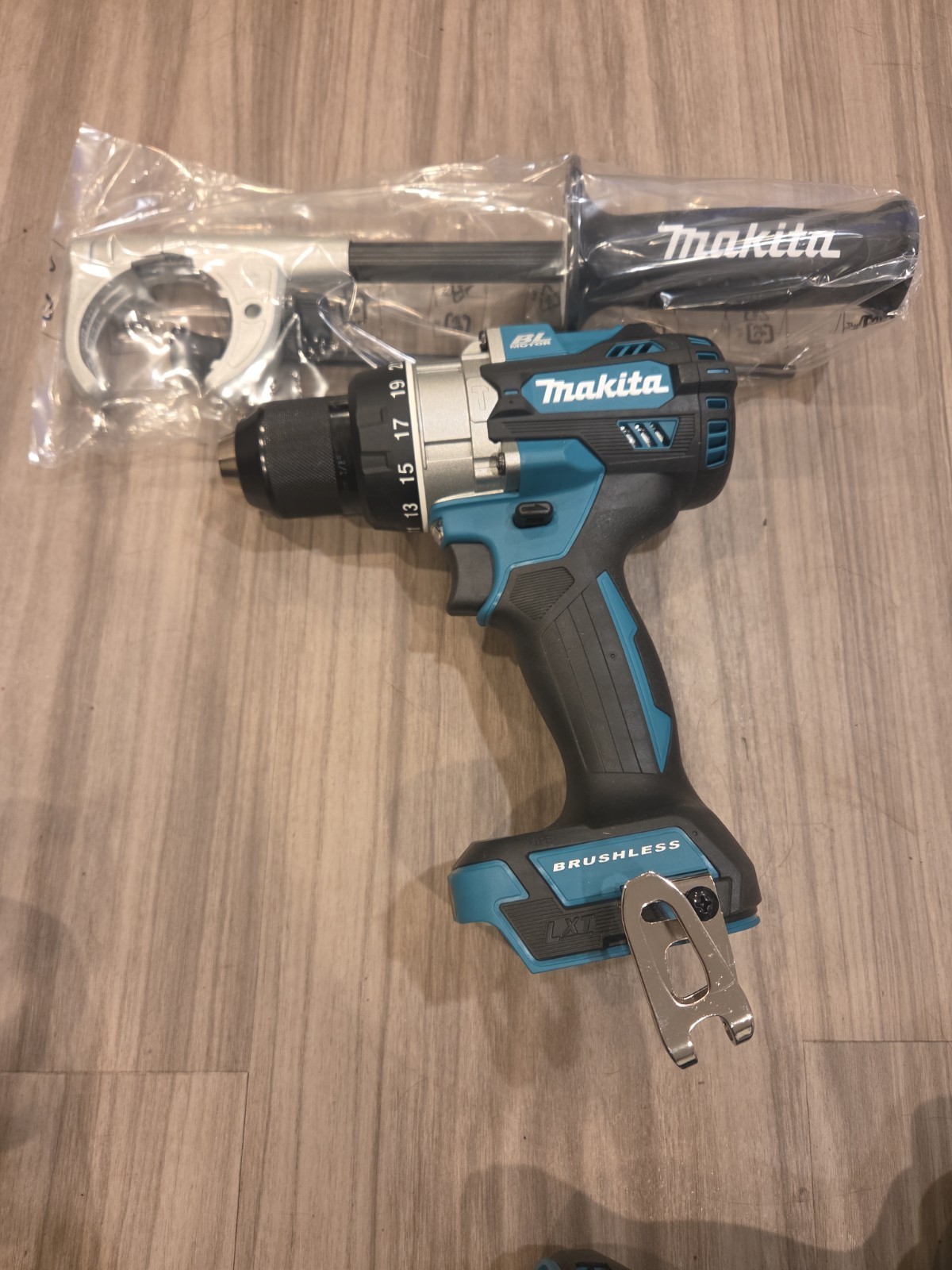 Makita XPH14Z 18V 18 Volt LXT Li‑Ion Cordless Brushless 1/2" Hammer Drill Driver$74.99View on eBay
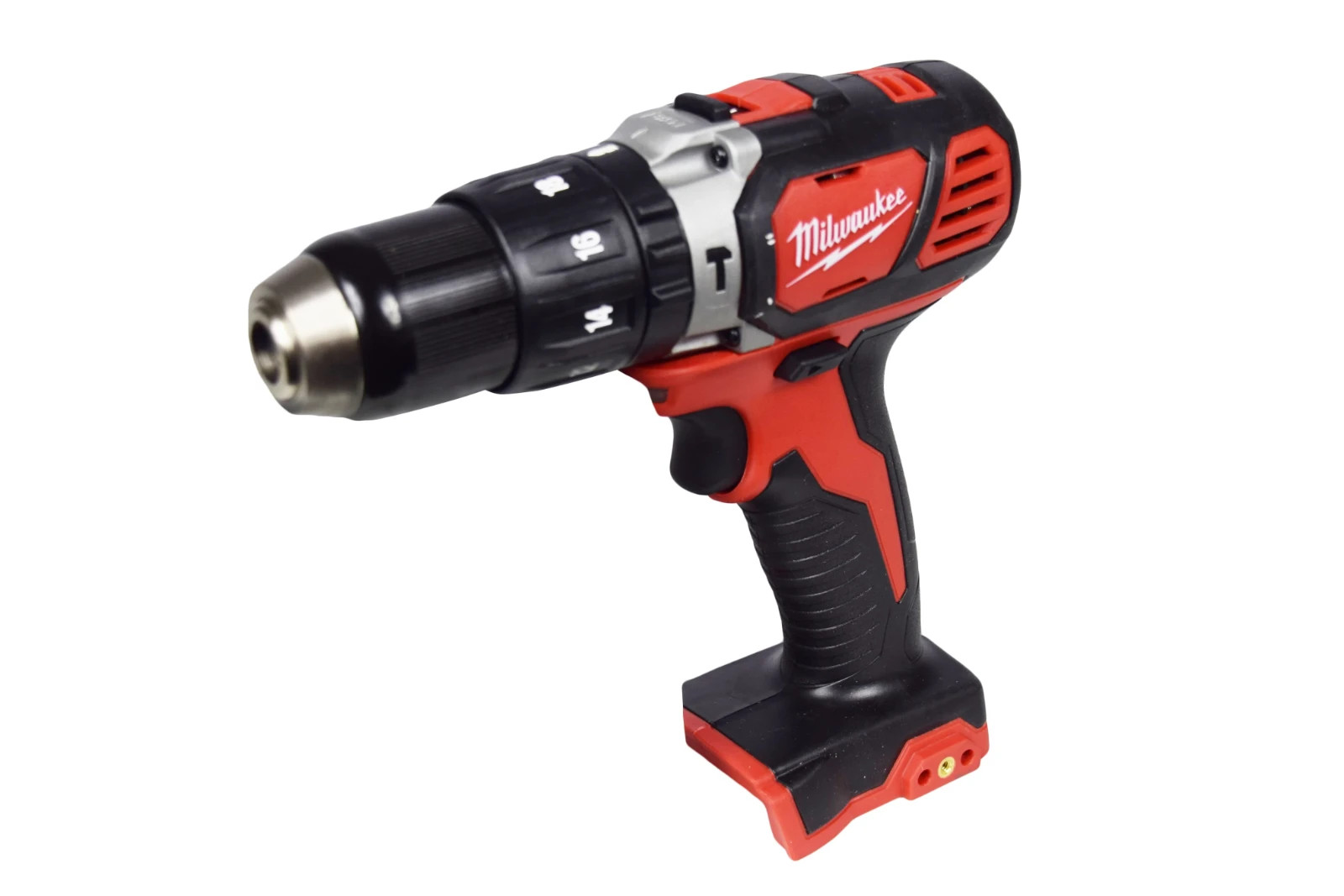 Milwaukee 2607-20 M18 Li-Ion 18V 1/2" Cordless Compact Hammer Drill/Driver$80.99View on eBay
Highlights
- Brushless motors run cooler and deliver 50-60% more runtime per charge than brushed motors, and eliminate brush replacement—critical for sustained hammer drilling.
- 18/20V platforms produce 400-800 in-lbs of torque and 20,000-30,000 BPM; 12V tools top out near 350 in-lbs and 15,000 BPM, limiting them to 1/4-3/8 in masonry holes.
- All-metal keyless chucks (1/2 in, 20V class; 3/8 in, 12V class) resist jaw wear under hammer loads; plastic-sleeve chucks slip and wear out.
- 2-speed gearboxes (0-500/0-2,000 RPM typical) let you run low speed for masonry hammering and high speed for wood/metal drilling and fastening.
Best use cases
- Best fit: 18/20V brushless hammer drill with 1/2 in metal chuck and 2-speed gearbox for drilling 1/4-1/2 in holes in brick, block, and light concrete plus general driving.
- Best fit: 12V brushless compact hammer drill for overhead work, cabinet installs, and small 1/4-3/8 in masonry anchors where weight and reach matter more than power.
- Wrong fit: brushed 21V white-label kits for repeated concrete drilling—motor heat and plastic chucks fail under sustained hammer load; step up to a brushless name-platform tool.
- Wrong fit: using a hammer drill for large-diameter (5/8 in+) concrete holes—switch to a rotary hammer (SDS-Plus) which delivers true electro-pneumatic impact energy.
Buying tips
- Match battery platform first: a bare tool only makes sense if you already own that brand's batteries and charger; otherwise buy the kit with 2 batteries.
- Choose brushless over brushed for any masonry work—brushless delivers more impacts per charge and survives the heat of hammer drilling.
- For 1/2 in concrete holes, require 18/20V with at least 20,000 BPM and a 1/2 in all-metal chuck; 12V tops out at 3/8 in masonry.
- Check chuck type: all-metal keyless chucks hold bits under hammer vibration; plastic or hybrid chucks slip and round bit shanks.
Specs
| Motor Type | Brushless vs Brushed |
|---|---|
| Battery Platform | 12V vs 18/20V (platform-locked) |
| Chuck Size | 1/2 in (18/20V) / 3/8 in (12V) |
| Impact Rate | 15,000-30,000 BPM |
Related searches
What to check before buying
- Confirm your existing battery platform (voltage and mount) so a bare tool or kit matches your charger and packs.
- Measure the largest masonry hole you need: up to 3/8 in = 12V capable; 1/2 in and larger = 18/20V brushless or a rotary hammer.
- Check the chuck size and bit shank standard: 1/2 in chuck for 18/20V, 3/8 in for 12V; SDS-Plus only on rotary hammers.
- Verify the tool's clutch and mode selector includes drill, hammer drill, and driver modes if you plan to drive screws.
FAQ
Data sources: eBay / Amazon listings and product attribute feeds Data updated Nov 20, 2026.
Some links on this page are affiliate links. If you buy after clicking one, we may earn a commission at no extra cost to you. This does not change which products appear here or their order. Affiliate disclosure.