Photos from current listings. Actual item, color, and included accessories may vary.
Cut Off Saw Buying Guide
A cut-off saw is a high-speed abrasive or carbide-toothed machine for severing metal stock, rebar, and masonry, where the core trade-off is abrasive low-cost/high-heat versus dry-cut carbide low-heat/high-cost. Durable options use brushless motors, sealed gearboxes, and 14–16 in blades with stable guards; compromises rely on brushed motors, thin stamped guards, and unsealed switches.

At a glance
- Category
- Power Tools
- Data updated
- Nov 20, 2026
Current offers
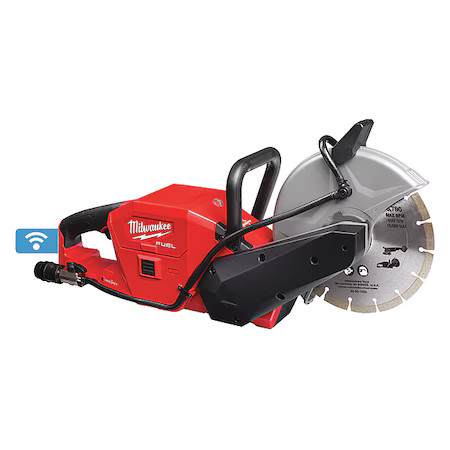 Milwaukee Tool 2786-20 M18 Fuel 9 In. Cut-Off Saw With One-Key (Tool Only)$499.00New · Last checked Nov 15, 2026
 View on eBay
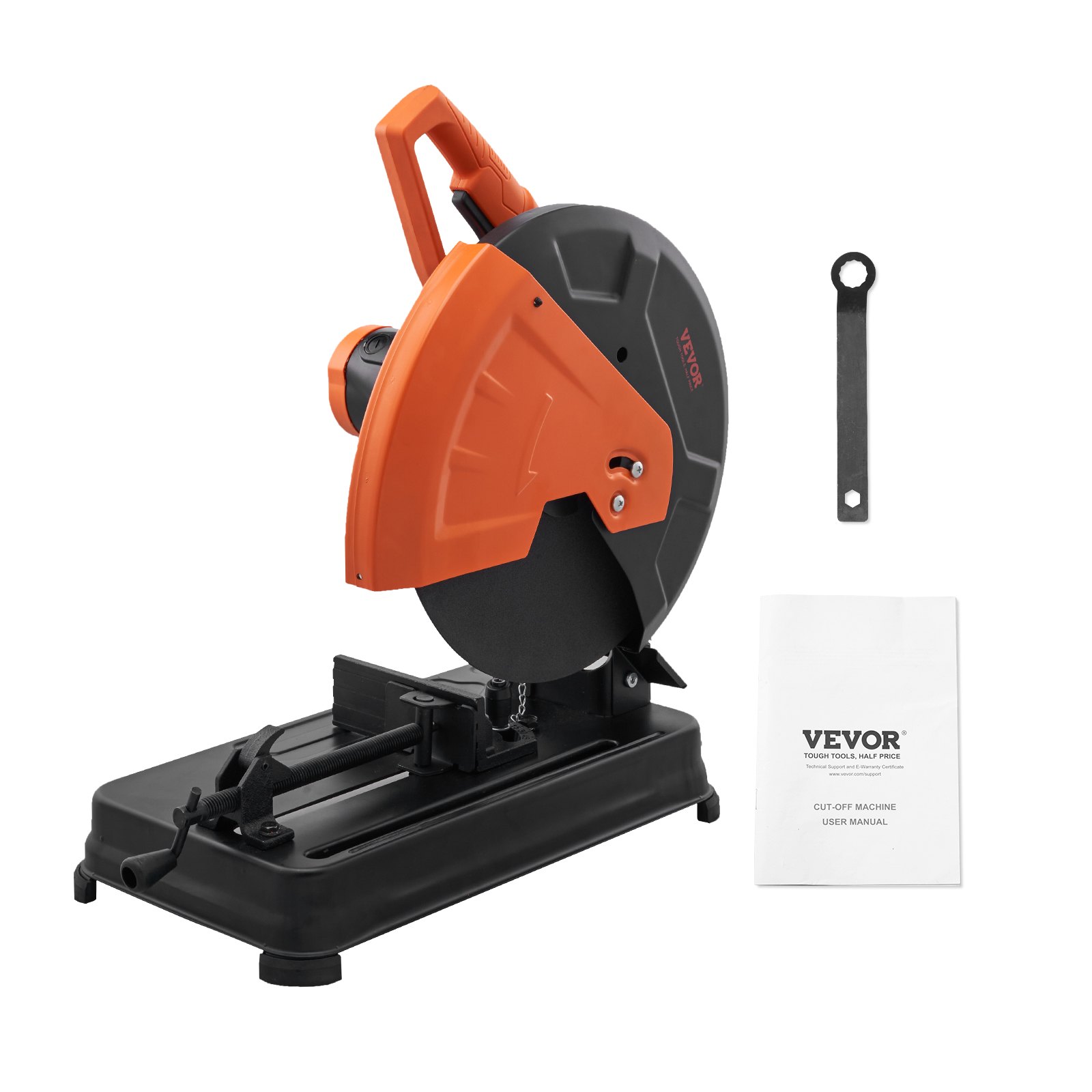 Abrasive Chop Saw, 14'355mm Blade Diameter Cut Off Saw, 2300W 3600RPM Steel Cutting Machine, 0-45' Adjustable Angle Miter Saw For Metal Saw For Steel,Rebar,Iron,Aluminum$145.99
 View on Mallflare
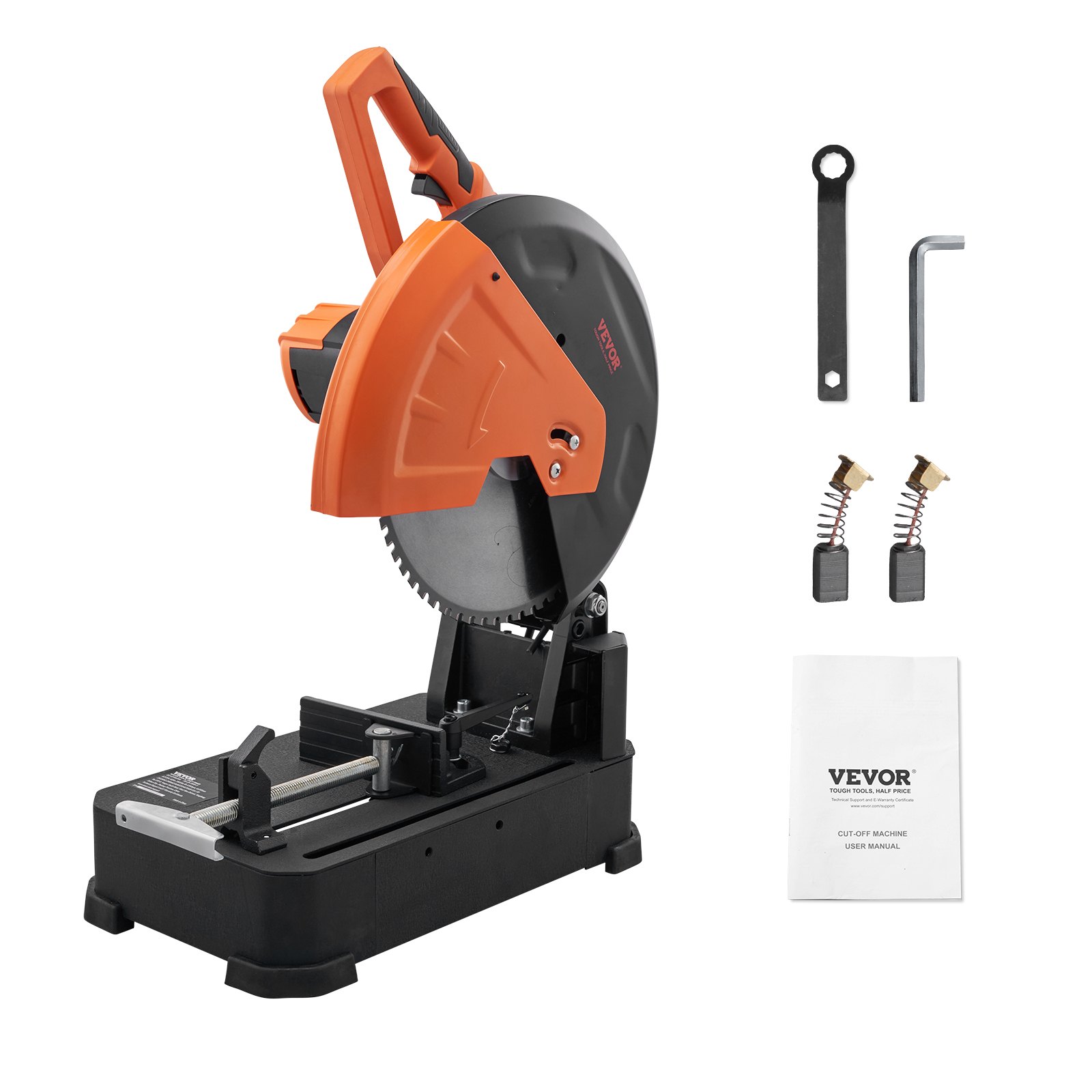 Chop Saw,14'355mm Blade Diameter Cut Off Saw, 2800W 1200RPM Steel Cutting Machine, 0-45' Adjustable Dry Cut Saw, Miter Saw For Metal Cold Cut Saw For Rebar, Iron, Aluminum$314.99View on Mallflare
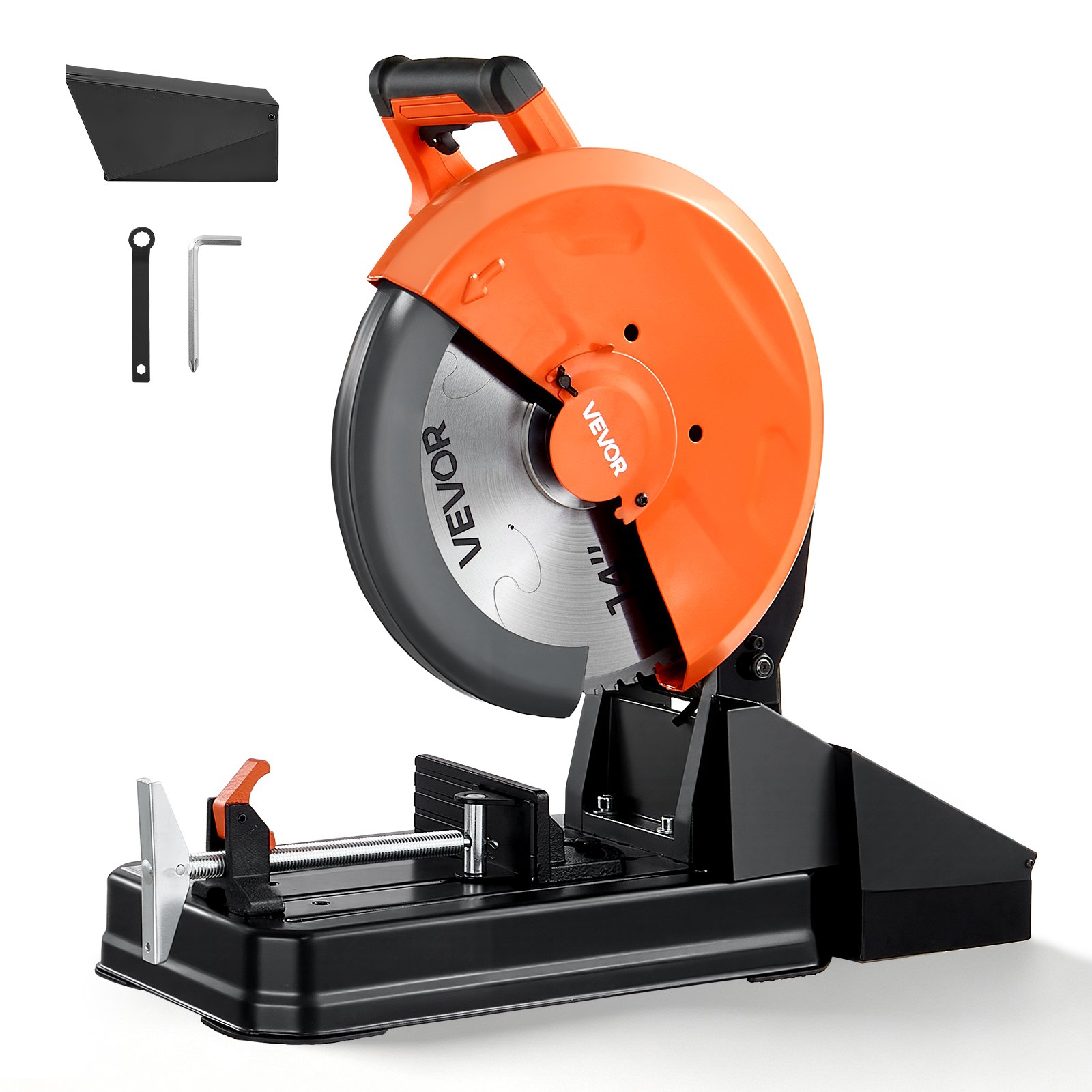 Chop Saw 14-inch Cold Cut Blade 3500 W Brushless Motor Cut Off Saw, For Cutting Metal, -45° to 45° Adjustable Angle, 750-1200 r/min Speed, Dry with Chip Collection Box$377.99View on Mallflare
Highlights
- Blade type drives performance: 14 in abrasive wheels cut fast but heat the work; 14–16 in carbide-tipped dry-cut blades run 1,200–1,500 rpm for cool, burr-free cuts.
- Motor architecture separates tiers: brushed 2,300–2,800 W motors are consumable; brushless 3,000–3,500 W units deliver longer life and consistent torque under load.
- Miter range defines versatility: 0–45° single-bevel covers most rebar and angle iron; -45° to +45° dual-bevel speeds up mirrored cuts without flipping stock.
- Guard and base rigidity determine safety and accuracy: cast aluminum or steel bases with tool-less clamps and thickened guards resist flex; stamped steel bases deflect under heavy stock.
Best use cases
- Pick a 14 in abrasive chop saw for occasional rebar, angle iron, and light steel where lowest upfront cost and fast cuts matter; skip it for production aluminum or finished cuts.
- Choose a 14 in dry-cut carbide saw (1,200–1,500 rpm) for clean, cool cuts in steel, aluminum, and channel; skip abrasive wheels if you need burr-free ends and less dust.
- Select a 16 in cold-cut saw with 3,000 W+ brushless motor and chip collection for repetitive metal fabrication and shop use; skip it for tight job sites needing portability.
- For cordless site work, pick an 8–9 in battery cut-off saw (e.g., M18 Fuel 9 in) with One-Key; skip corded models if power access is unreliable.
Buying tips
- For dry-cut carbide, keep surface speed in range: 14 in blade at 1,300–1,500 rpm; exceeding 1,500 rpm burns teeth and voids blade warranty.
- Size motor to duty cycle: 2,300–2,800 W brushed for intermittent DIY; 3,000 W+ brushless for daily fabrication and continuous cuts.
- Check miter stops: positive detents at 0°, 45°, and 90° with adjustable fence ensure repeatable angles; infinite miter without stops drifts under vibration.
Specs
| Blade Type | Abrasive vs Carbide Dry-Cut |
|---|---|
| Blade Diameter | 14 in / 16 in (355–406 mm) |
| Motor Type | Brushed 2,300–2,800 W vs Brushless 3,000 W+ |
| Miter Range | 0–45° single vs -45° to +45° dual |
Related searches
What to check before buying
- Measure bench or job-site space: 14 in saws need ~24 in width; 16 in cold saws need ~30 in plus stock clearance.
- Confirm power: corded 2,300–3,500 W saws require a 15–20 A circuit; cordless 18 V/20 V max batteries need 8–12 Ah for heavy cuts.
- Verify blade compatibility: abrasive wheels for ferrous only; carbide dry-cut blades for steel/aluminum; diamond for masonry.
- Check clamping: tool-less vise or quick-release clamp must hold irregular rebar and angle iron without shims.
FAQ
Data sources: eBay / Amazon listings and product attribute feeds Data updated Nov 20, 2026.
Some links on this page are affiliate links. If you buy after clicking one, we may earn a commission at no extra cost to you. This does not change which products appear here or their order. Affiliate disclosure.