Photos from current listings. Actual item, color, and included accessories may vary.
Drill Buying Guide
A drill is a rotation-and-impact power tool for boring holes and driving fasteners, and buyers face a core trade-off between brushed motors with plastic chucks and brushless motors with all-metal keyless chucks. The decision rule: choose brushless with a metal chuck and at least two battery packs for repeatable durability; treat brushed single-battery kits as light-duty compromises.

At a glance
- Category
- Power Tools
- Data updated
- Nov 20, 2026
Current offers
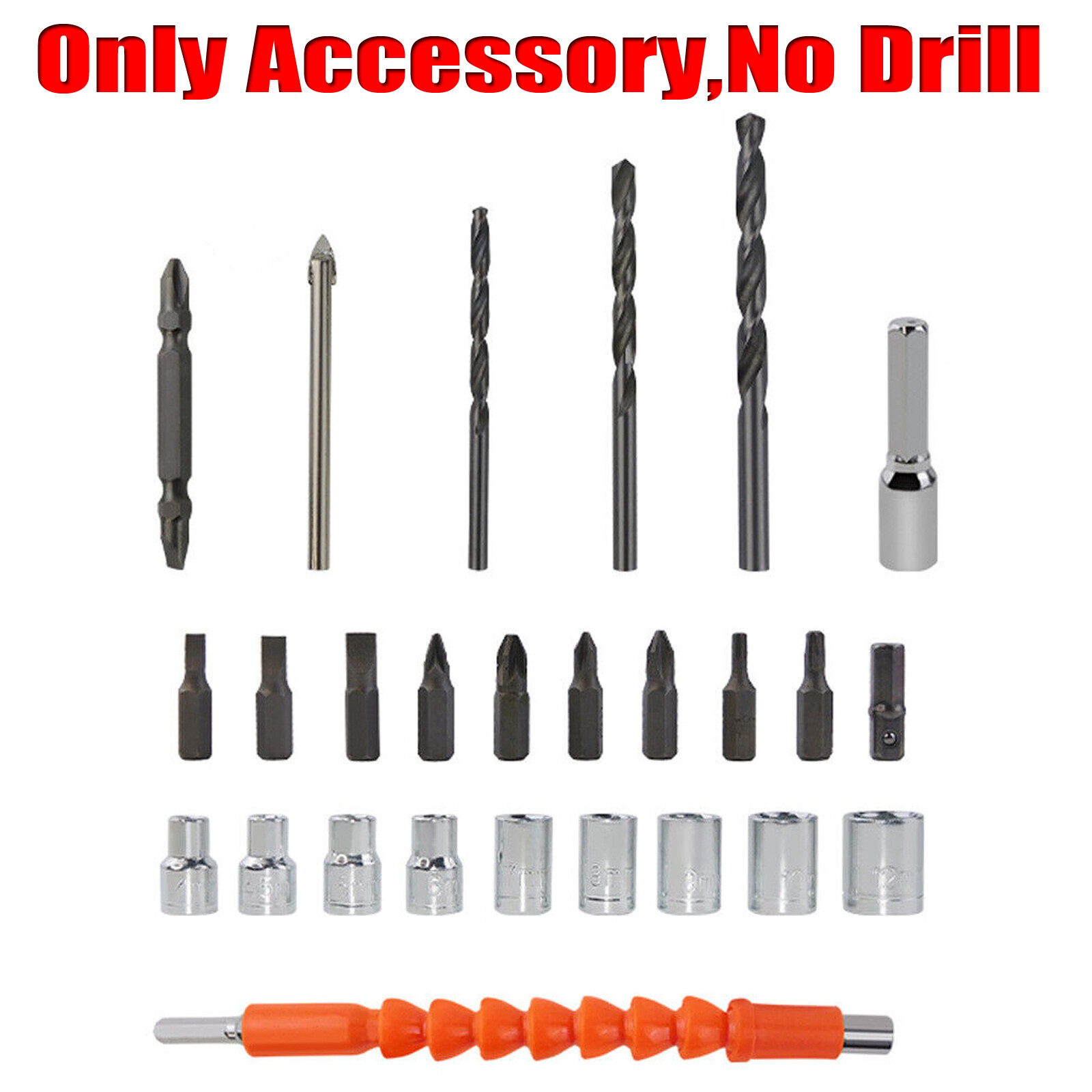 21V Max Cordless Drill Driver Set Impact Drill Tool Kit w/ 26 Pieces Accessories$10.23
 View on eBay
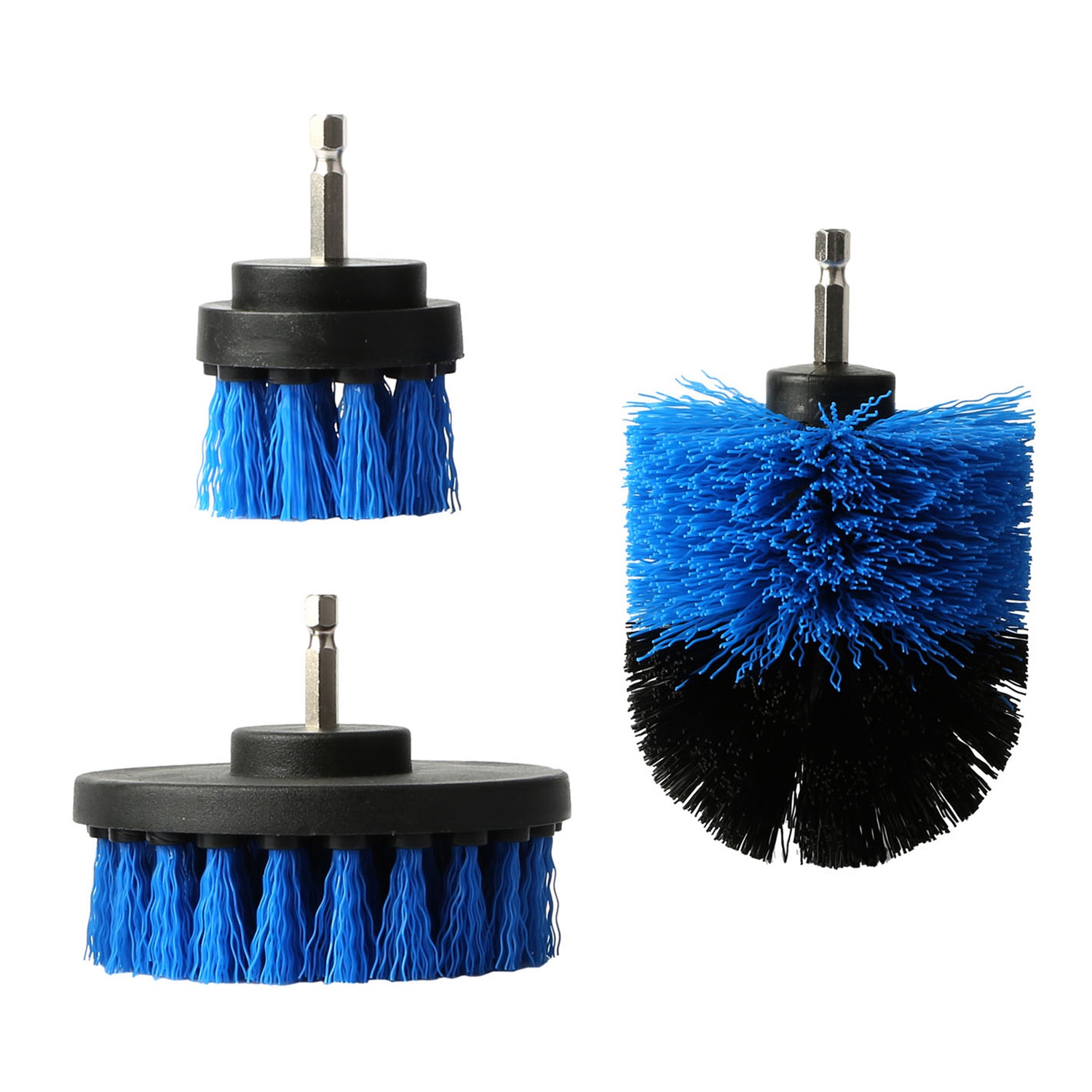 3Pcs Per Set Drill Brush Power Scrubber Cleaning For Car Carpet Wall Tile Tub Cleaner Combo Only$25.99
 View on Mallflare
 Cordless Brushless Drill Driver for Milwaukee M18 Battery-45N.m Torque Only Tool$10.80View on eBay
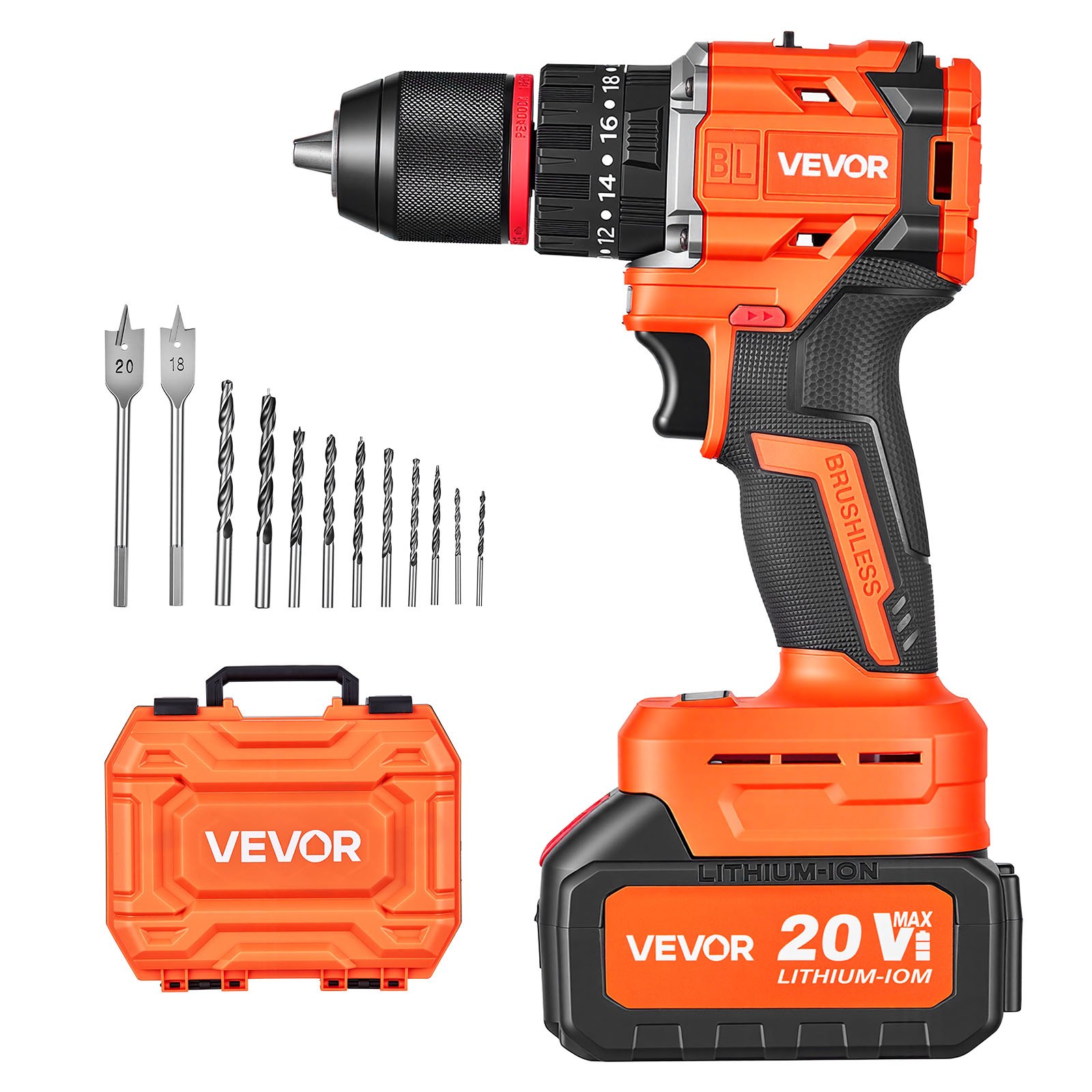 Hammer Drill 20V 1/2 in 30000 IPM Brushless Cordless Impact Kit, for Drilling Wood Metal Screw Driving, 4000 mAh Lithium-Ion Battery Pack and Charger, with All-Metal Chuck, Compact Design$56.99View on Mallflare
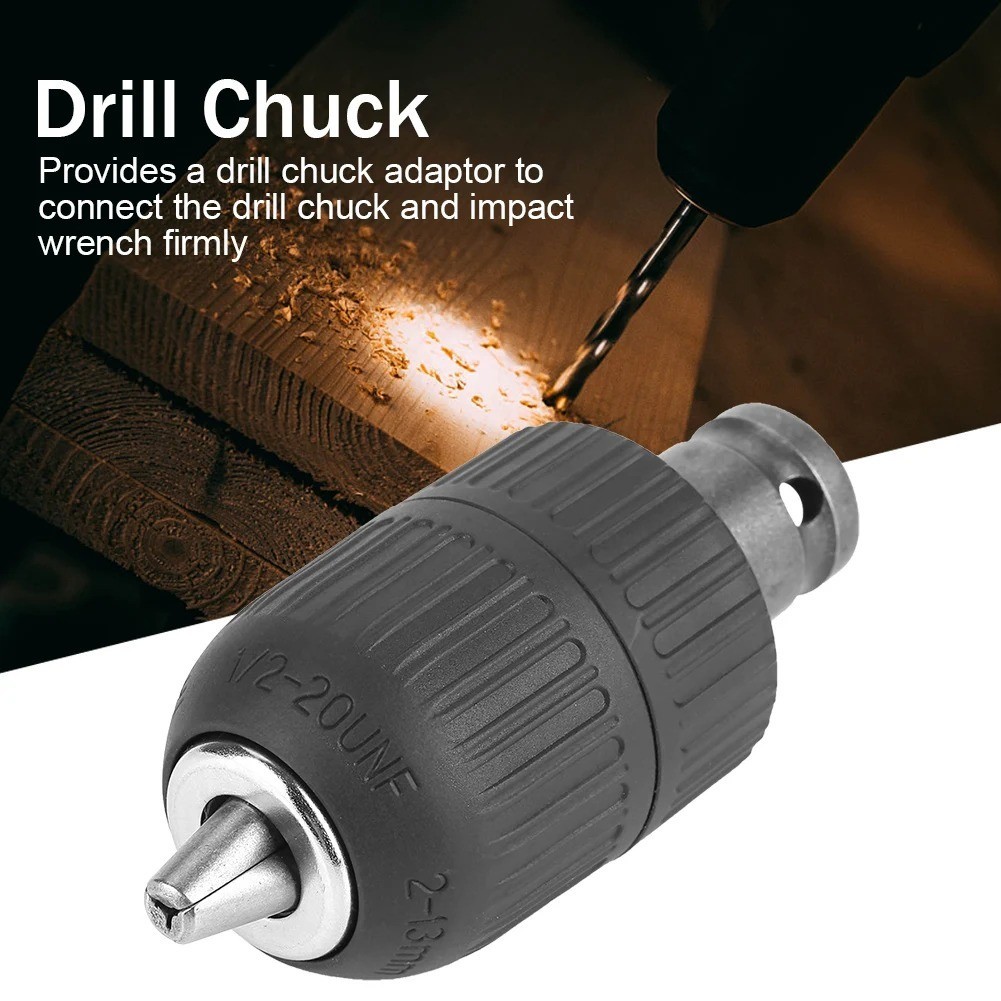 Keyless Drill Chuck 1/2" 2-13mm 1/2-20UNF Hammer drill Power Tools 630604$14.23Last checked Nov 19, 2026View on eBay
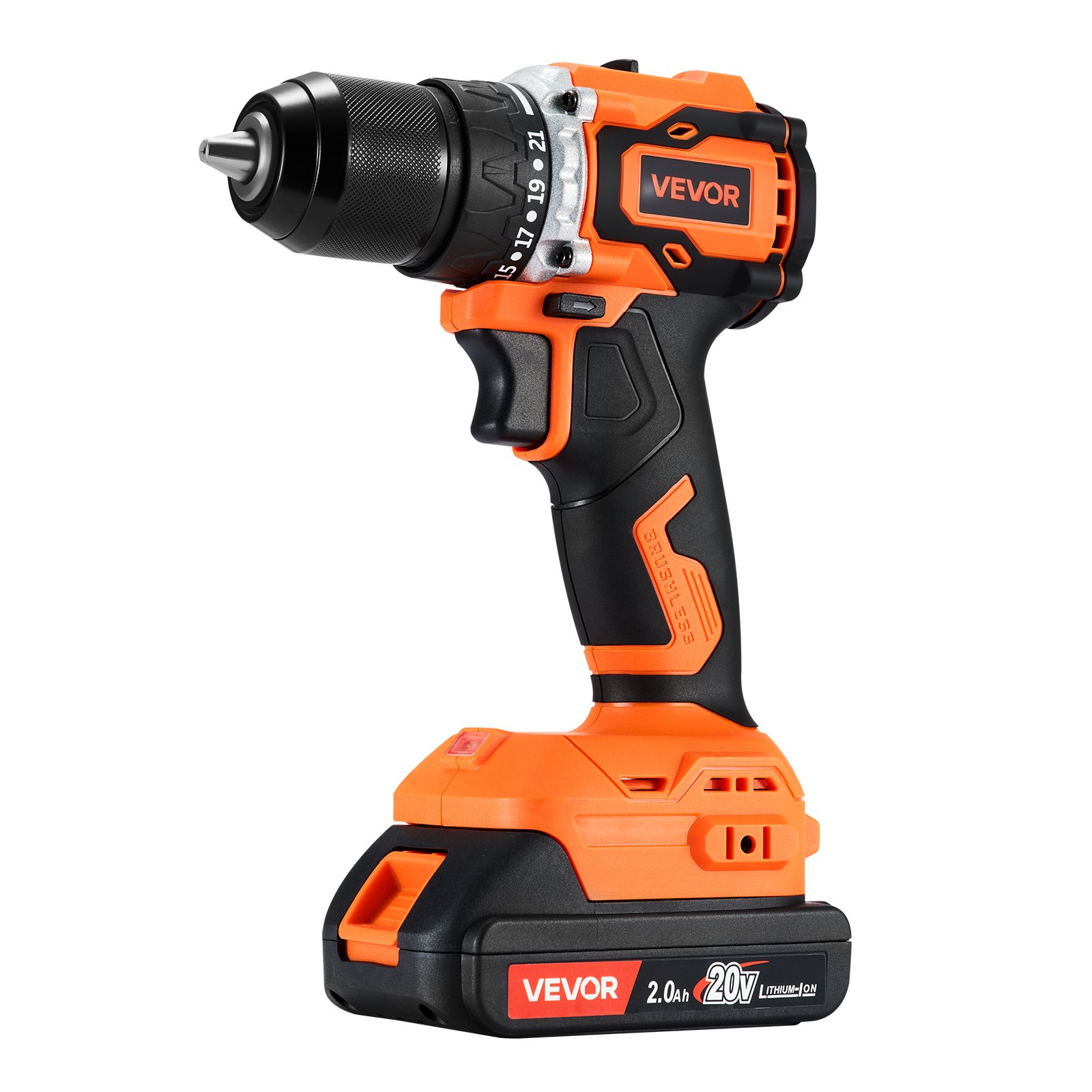 Cordless Drill Driver, 1/2 Inch Metal Chuck, Brushless Motor, Dual-Speed Variable, Kit With Lithium Battery And Charger, Tool Box, For Wood And Drilling, Screw Driving$57.99View on Mallflare
 18V Cordless Brushless Drill Driver Kit with Battery & Charger For Milwaukee M18$14.29View on eBay
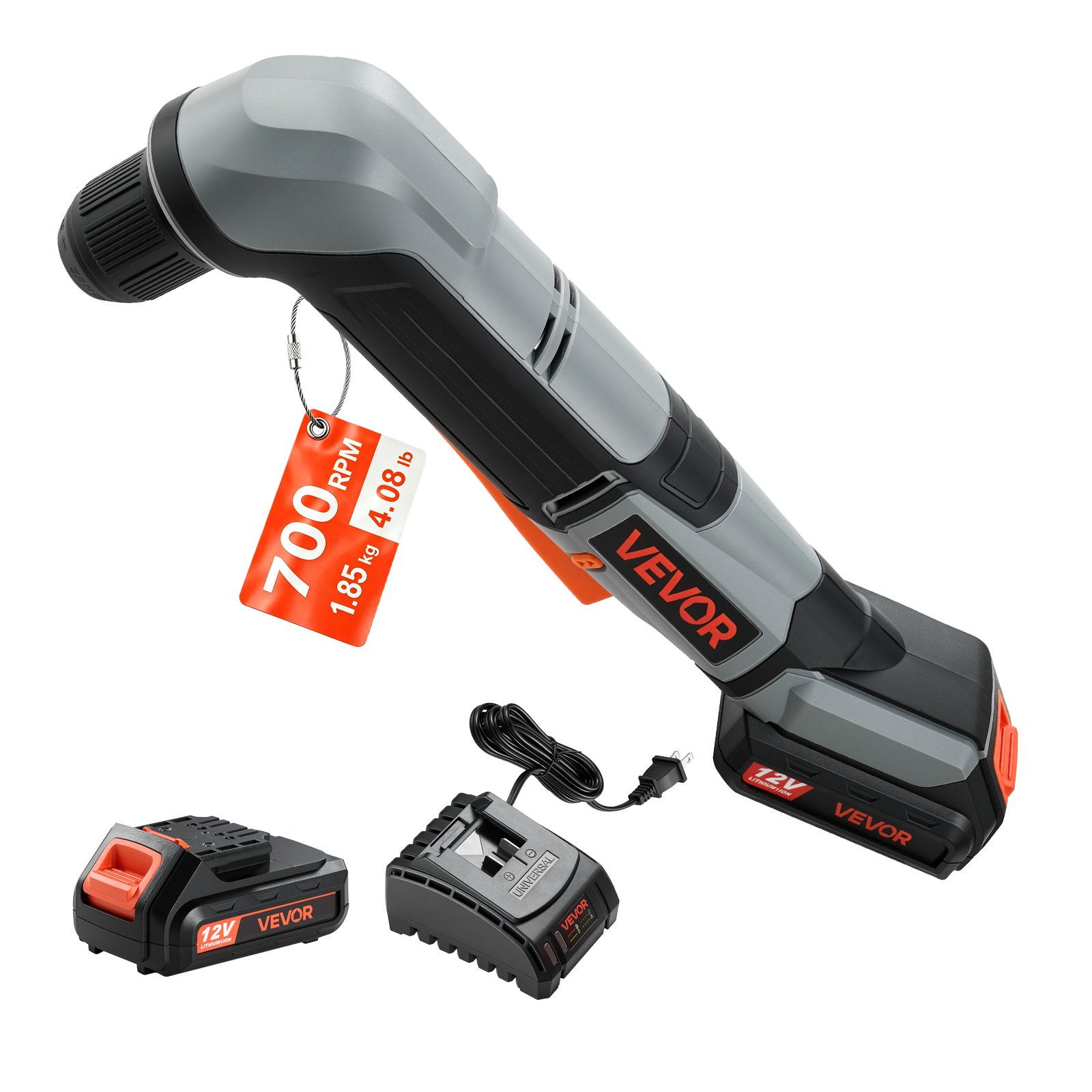 Right Angle Drill 3/8 Inch Chuck 90 Degree Cordless For Cabinets, Corners, Frames, Tight Spaces, Handles Both Wood and Metal Drilling, LED Lighting, with 2 Batteries and Charger$67.99View on Mallflare
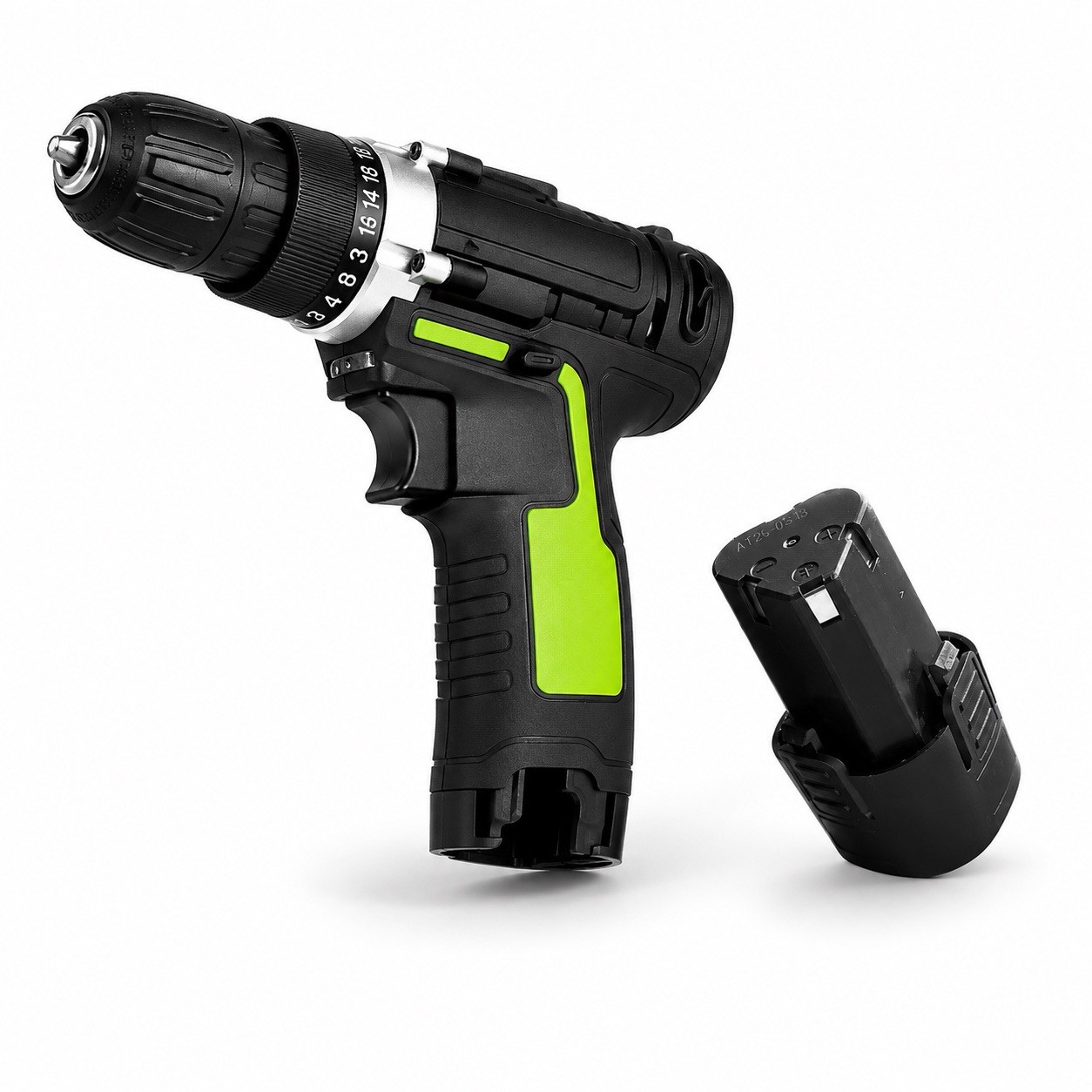 12v cordless drill Driver Kit With Battery, Charger Y Carry Case 2 Speed$14.99View on eBay
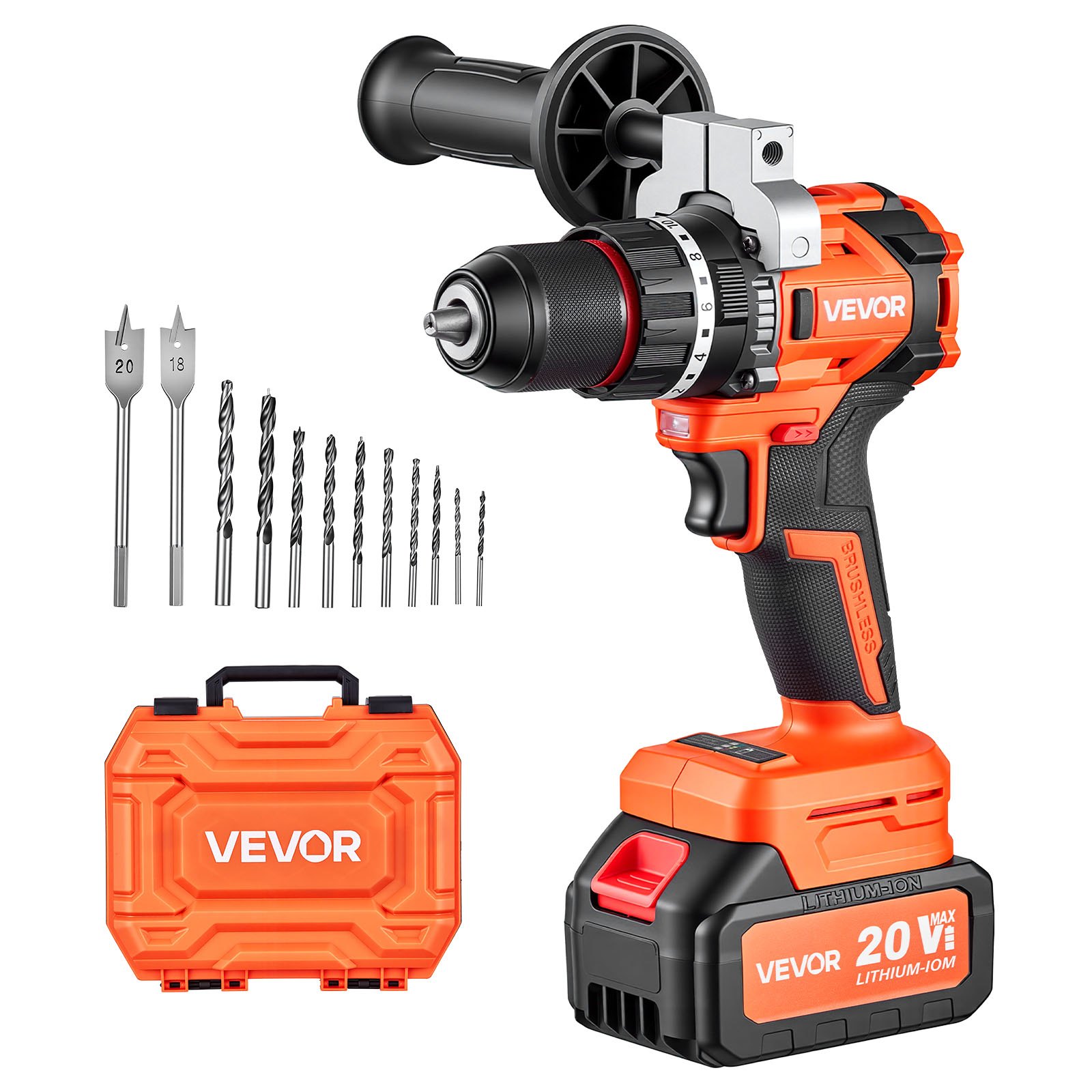 Hammer Drill 20V 1/2 in 26000 IPM Brushless Cordless Impact Kit, for Drilling Wood Metal Screw Driving, 4000 mAh Lithium-Ion Battery Pack and Charger, with All-Metal Chuck, Compact Design$72.99View on Mallflare
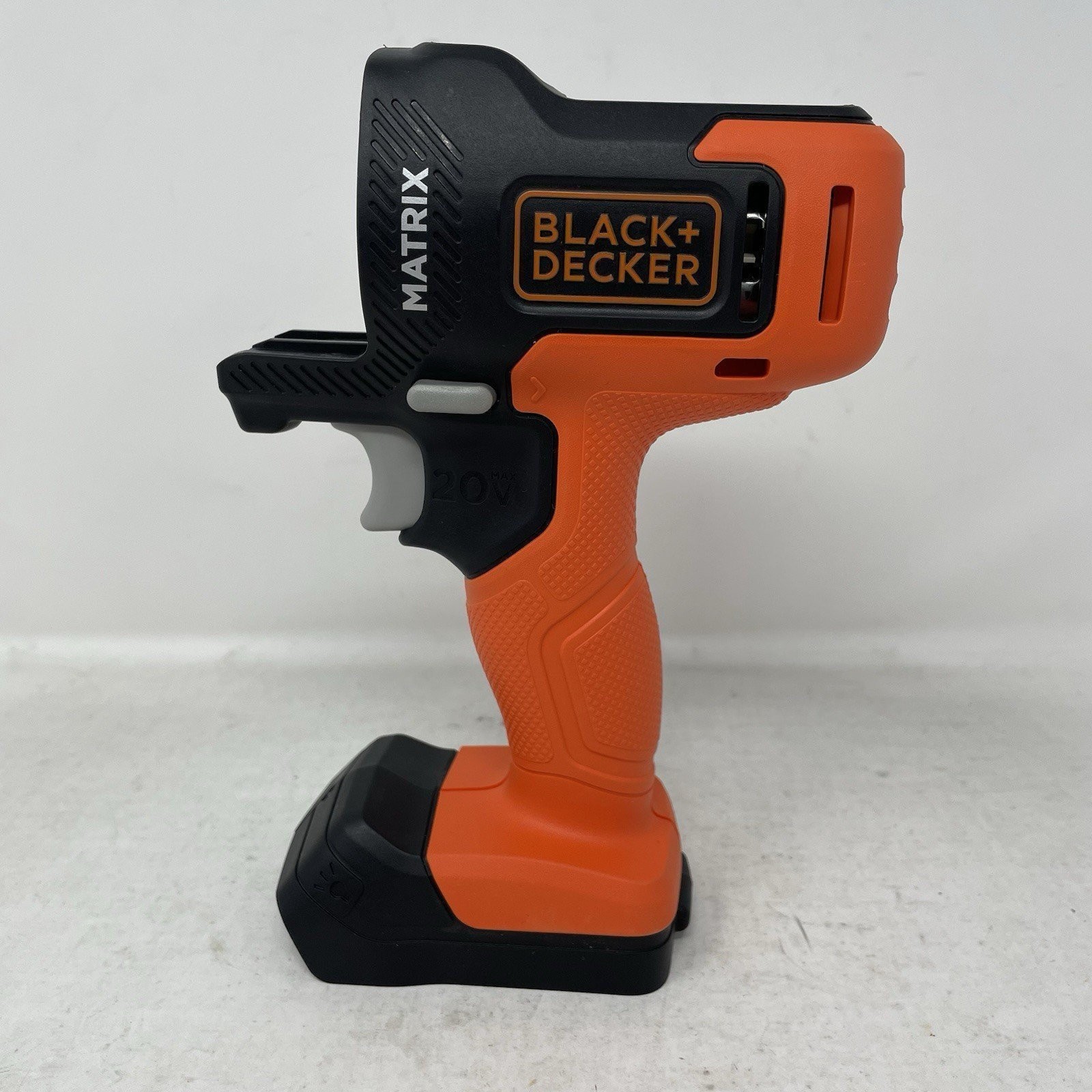 BLACK+DECKER Matrix BDCDMT120C 20V Cordless Lithium Drill *Base Only*$16.99View on eBay
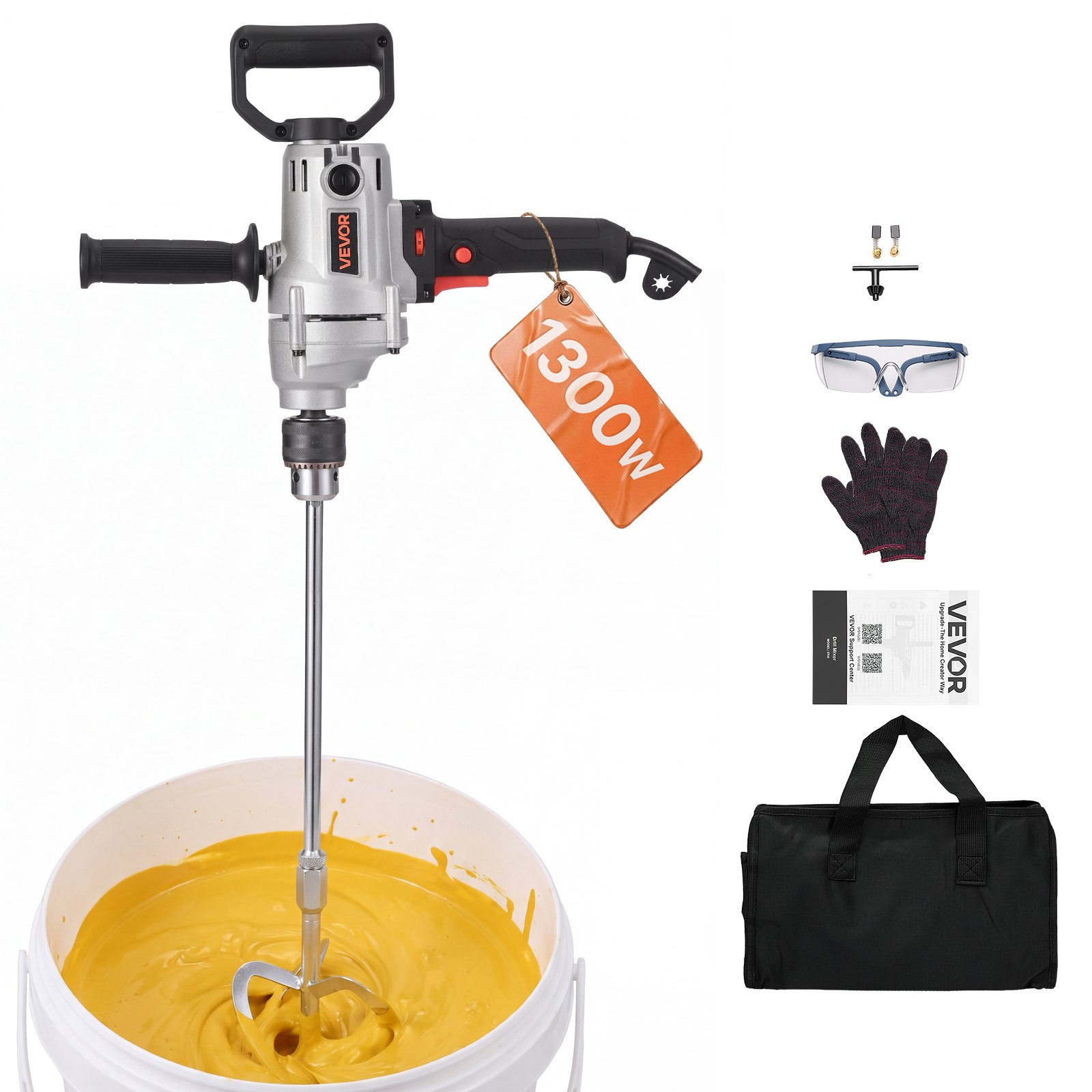 Drill Mixer 5/8 inch 11.7 Amp 1300 W Corded Electric Set, For Drilling & Mixing Cement Clay Paint, 0-1050 RPM 6-Speed Adjustment, Handheld with 360° Adjustable Handle$91.99View on Mallflare
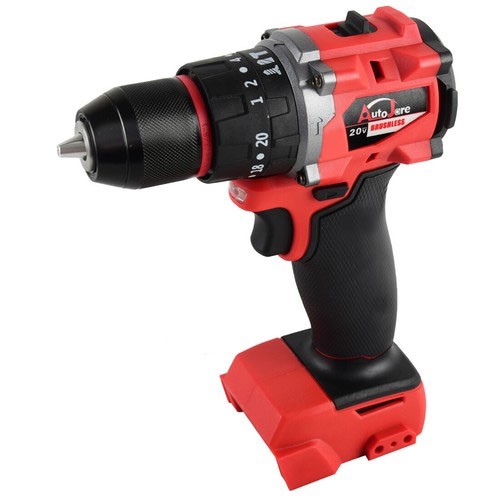 Cordless Brushless 3/8-inch Drill Driver for Milwaukee 18V Battery TOOL ONLY$18.99View on eBay
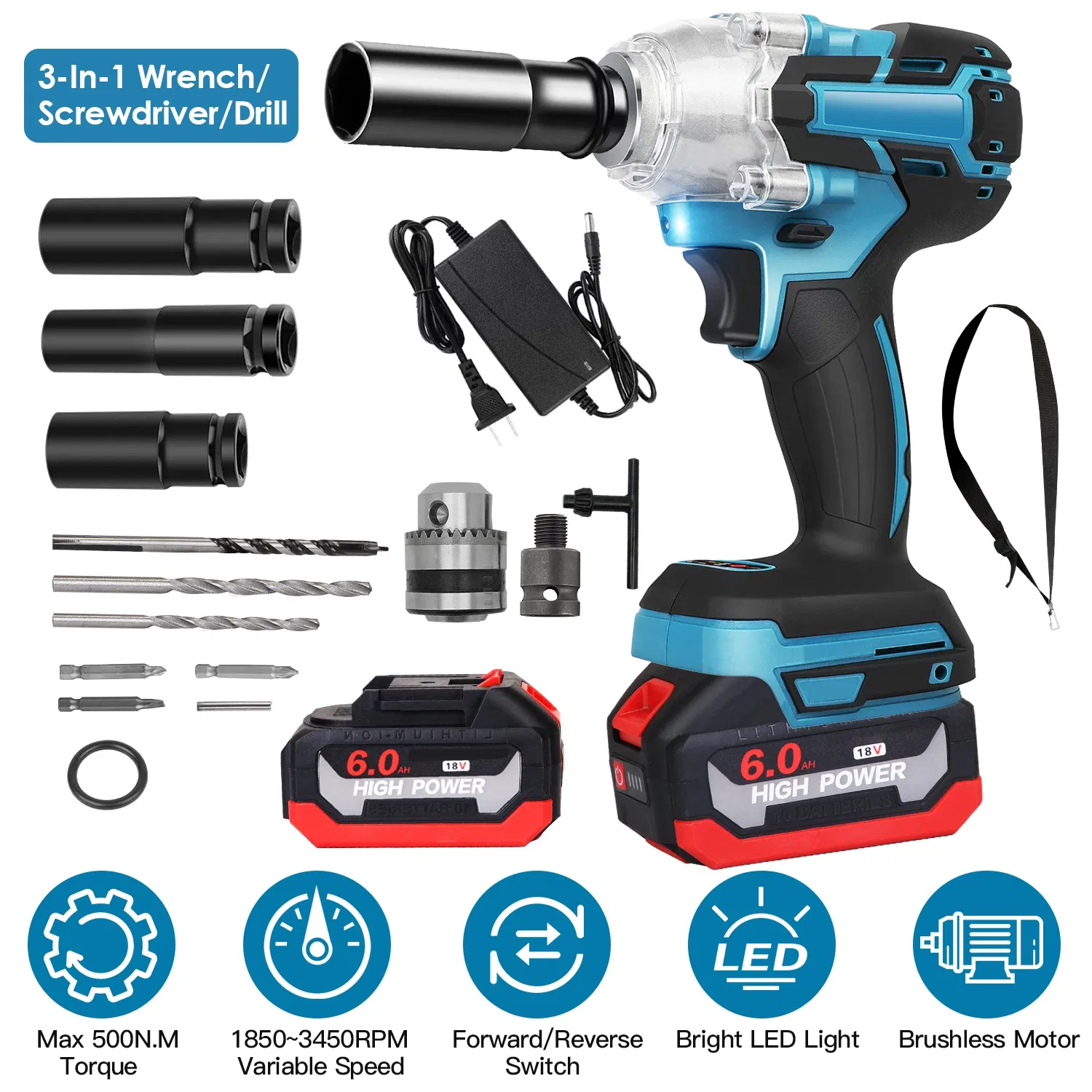 3-In-1 Cordless Electric Impact Wrench Drill Screwdriver with Brushless Motor Max 3450RPM Variable Speed 2Pcs 6.0Ah Batteries 3 Sockets 3 Bits 3$98.99View on Mallflare
 Cordless Brushless Impact Driver Hammer Drill Combo Kit with 2 Battery & Charger$19.99View on eBay
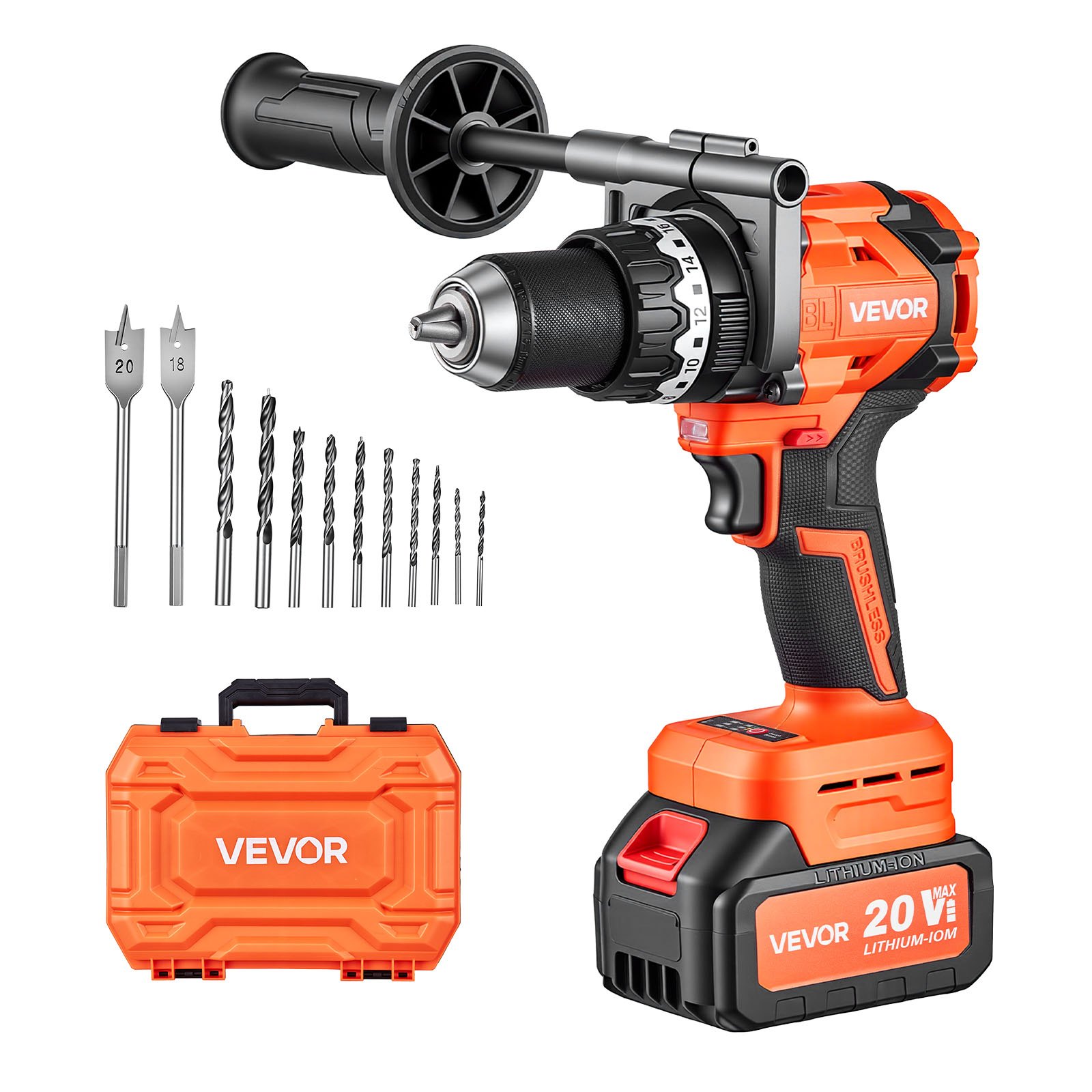 Hammer Drill 20V 1/2 in 24000 IPM Brushless Cordless Impact Kit, for Drilling Wood Metal Screw Driving, 4000 mAh Lithium-Ion Battery Pack and Charger, with All-Metal Chuck, Compact Design$104.99View on Mallflare
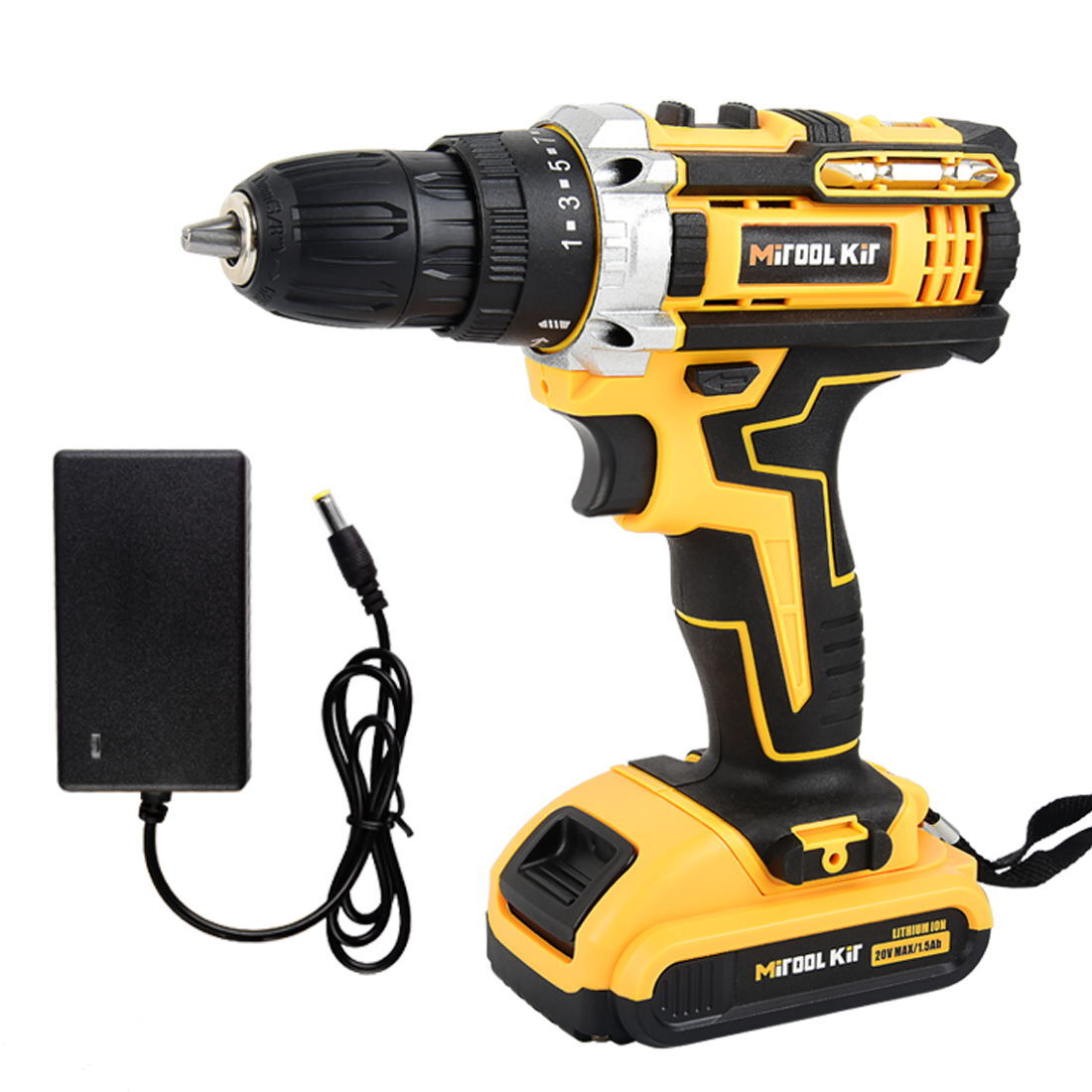 20V Cordless Drill & Screwdriver Kit with Battery & Charger -Fast Power Tool Set$21.90View on eBay
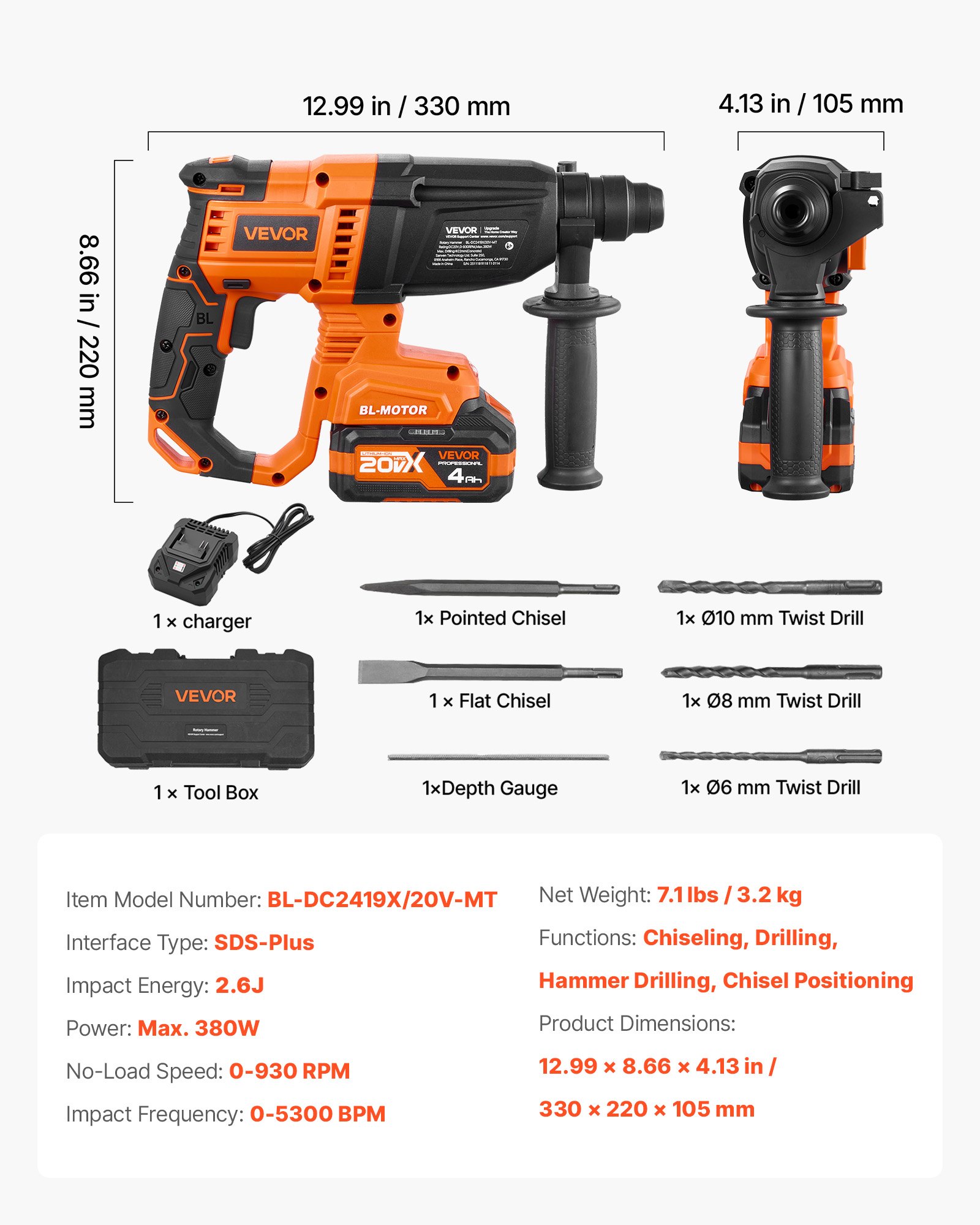 Rotary Hammer Drill, 7/8 In SDS-Plus Cordless, 20V Battery Powered Brushless, Including Charger, 3 Bits, Flat Chisel, Pointed Carrying Case, For Concrete$104.99View on Mallflare
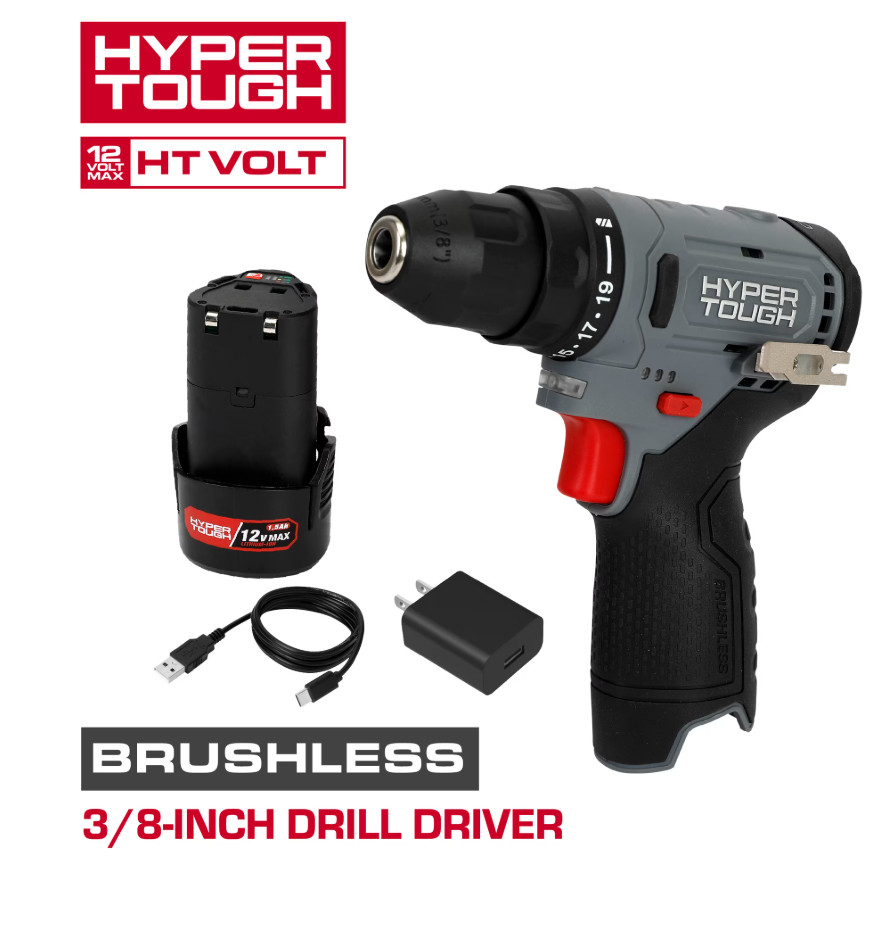 Hyper Tough 12V Brushless Cordless Drill Driver with 1.5Ah Battery$22.00View on eBay
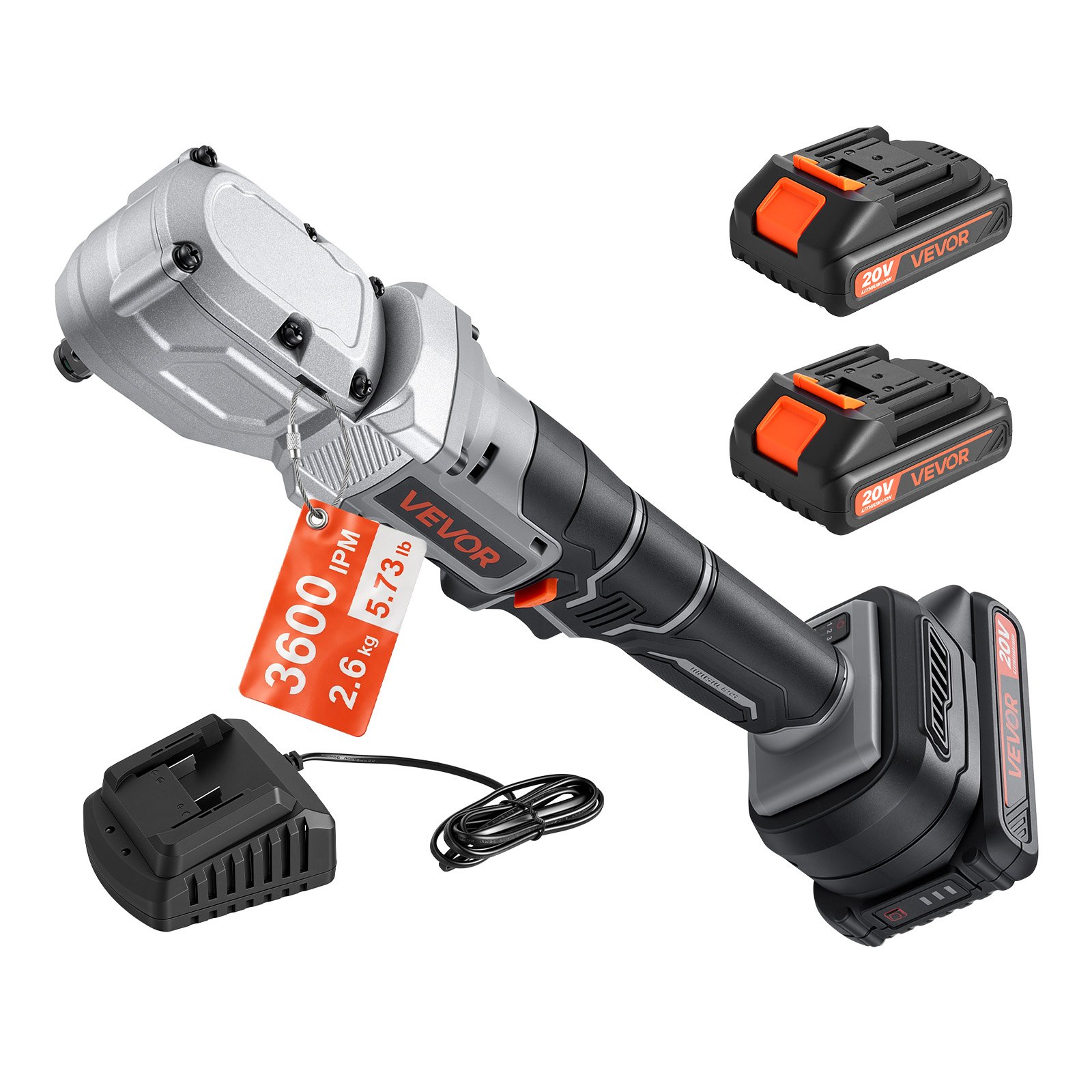 Right Angle Drill 1/2 in Square Drive 90 Degree Cordless For Cabinets, Corners, Frames, Tight Spaces, Brushless Motor, Adjustable Speed, LED Lighting, with 2 Batteries and Charger$115.99View on Mallflare
Highlights
- Brushless motors deliver 50-60% longer runtime and eliminate brush wear versus brushed motors, which are the first failure point in budget drills.
- All-metal 1/2-inch keyless chucks (2-13mm, 1/2-20UNF thread) resist bit slip and wobble; plastic or 3/8-inch chucks limit you to light bits and wear out faster.
- 18V/20V Max lithium-ion platforms are the mainstream standard; 12V subcompact drills trade torque for weight and fit tight cabinets and overhead work.
- Impact drivers deliver high rotational impacts for fasteners, while hammer drills add axial percussion for masonry; a drill-driver alone stalls in concrete.
Best use cases
- Homeowners doing mixed wood, drywall, and occasional masonry: pick an 18V/20V brushless hammer drill kit with two batteries and a metal 1/2-inch chuck; skip 12V single-battery kits.
- Furniture assembly and cabinet installs: choose a 12V subcompact brushless drill or a right-angle drill with a 3/8-inch chuck for tight corners; skip full-size hammer drills.
- Driving hundreds of deck or framing screws: use a dedicated impact driver (higher torque, no bit slip) alongside a drill; skip using a drill-driver as a primary fastener tool.
- Concrete or brick anchoring: select a corded SDS-plus rotary hammer or a 20V brushless hammer drill rated for masonry; skip standard drill-drivers, which lack percussion.
Buying tips
- Match battery platform first: 18V/20V Max cross-compatible packs (e.g., Milwaukee M18, DeWalt 20V Max) determine future bare-tool purchases; avoid orphan brands.
- Require a brushless motor and all-metal keyless chuck; brushed motors and plastic chucks are the durability ceiling on budget kits.
- Budget for two batteries and a fast charger; a single 2.0Ah pack limits runtime, and 4.0Ah+ packs add torque headroom for masonry and large bits.
- Check torque and speed specs: 45N·m+ for general drilling, dual-speed gearboxes (0-400/0-1,500 RPM) for control, and 30,000 IPM hammer rate for masonry.
Specs
| Motor Type | Brushless vs brushed |
|---|---|
| Chuck Size | 1/2 in metal vs 3/8 in |
| Voltage Class | 12V subcompact / 18V-20V Max |
| Battery Included | 2 batteries vs bare tool |
Related searches
What to check before buying
- Confirm your existing battery platform (M18, 20V Max, 12V) so bare tools and chargers stay interchangeable.
- Measure your chuck and bit needs: 1/2-inch chuck for hole saws and auger bits, 3/8-inch for subcompact and right-angle work.
- Verify voltage and plug standard: corded drills need 120V North American plugs; cordless kits include chargers matched to regional voltage.
- Plan for a companion impact driver if you drive fasteners regularly; a drill alone underperforms on long screws.
FAQ
Data sources: eBay / Amazon listings and product attribute feeds Data updated Nov 20, 2026.
Some links on this page are affiliate links. If you buy after clicking one, we may earn a commission at no extra cost to you. This does not change which products appear here or their order. Affiliate disclosure.