Photos from current listings. Actual item, color, and included accessories may vary.
Electric Wood Saw Buying Guide
An electric wood saw covers three distinct architectures: handheld circular saws for straight crosscuts and rips, compact chainsaws for limbing and firewood, and pole saws for overhead branches. The core trade-off is motor type and power delivery—brushed motors with small batteries stall under load, while brushless motors with high-discharge cells maintain torque and runtime. Buy brushless with a standard battery platform for real woodworking; skip brushed mini saws if you cut anything thicker than small branches.

At a glance
- Category
- Power Tools
- Data updated
- Nov 20, 2026
Current offers
 Electric Handheld Circular Saw, Woodworking Cutting Tool For Home DIY,wood, PVC$49.30
 View on eBay
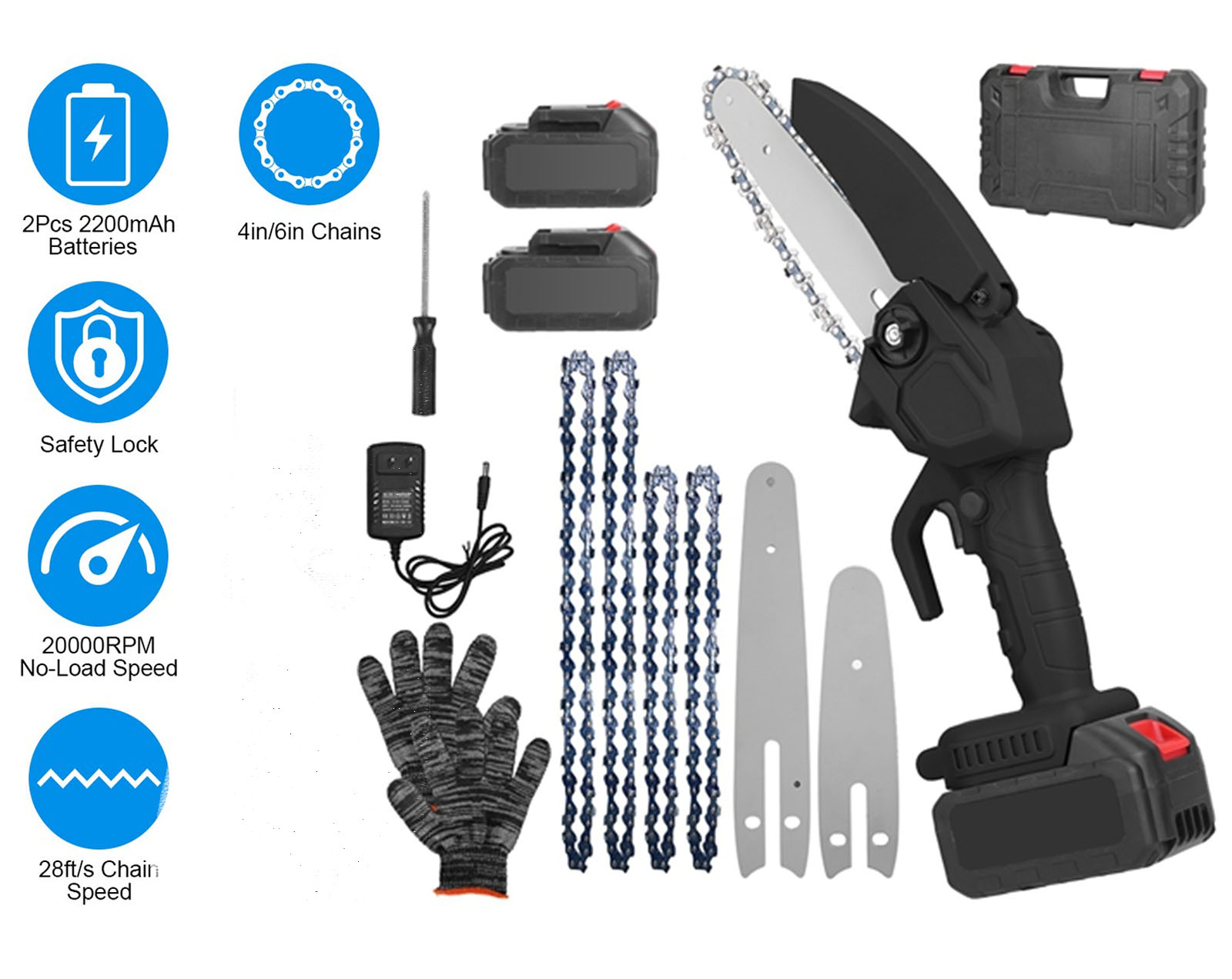 Mini 4In&6In Two Sizes Chainsaws Super Handheld Rechargeable Chain Saw With saw is an excellent tool Small Electric Battery Powered For Wood/Trees Cutting No shipments on weekend$79.99
 View on Mallflare
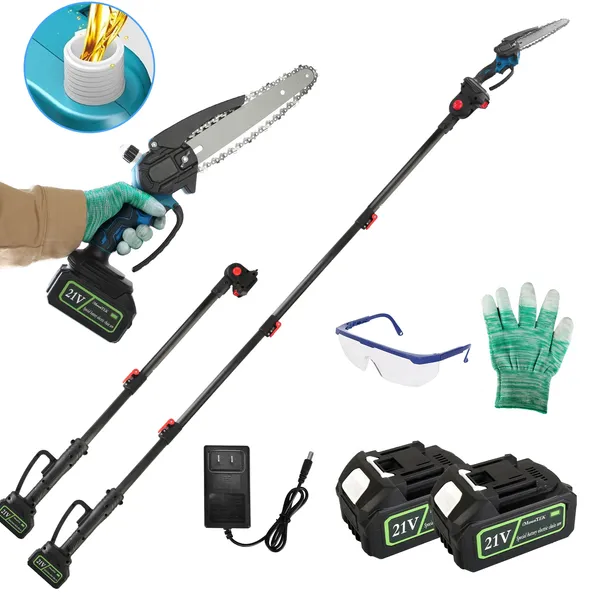 2-In-1 8' Cordless Electric Pole Saw And Mini Chainsaw With Extension Poles 2Pcs 21V 3.0Ah Batteries Adjustable Length Chain Saw Auto Oiler Safety Switch For Wood Cutting$132.99View on Mallflare
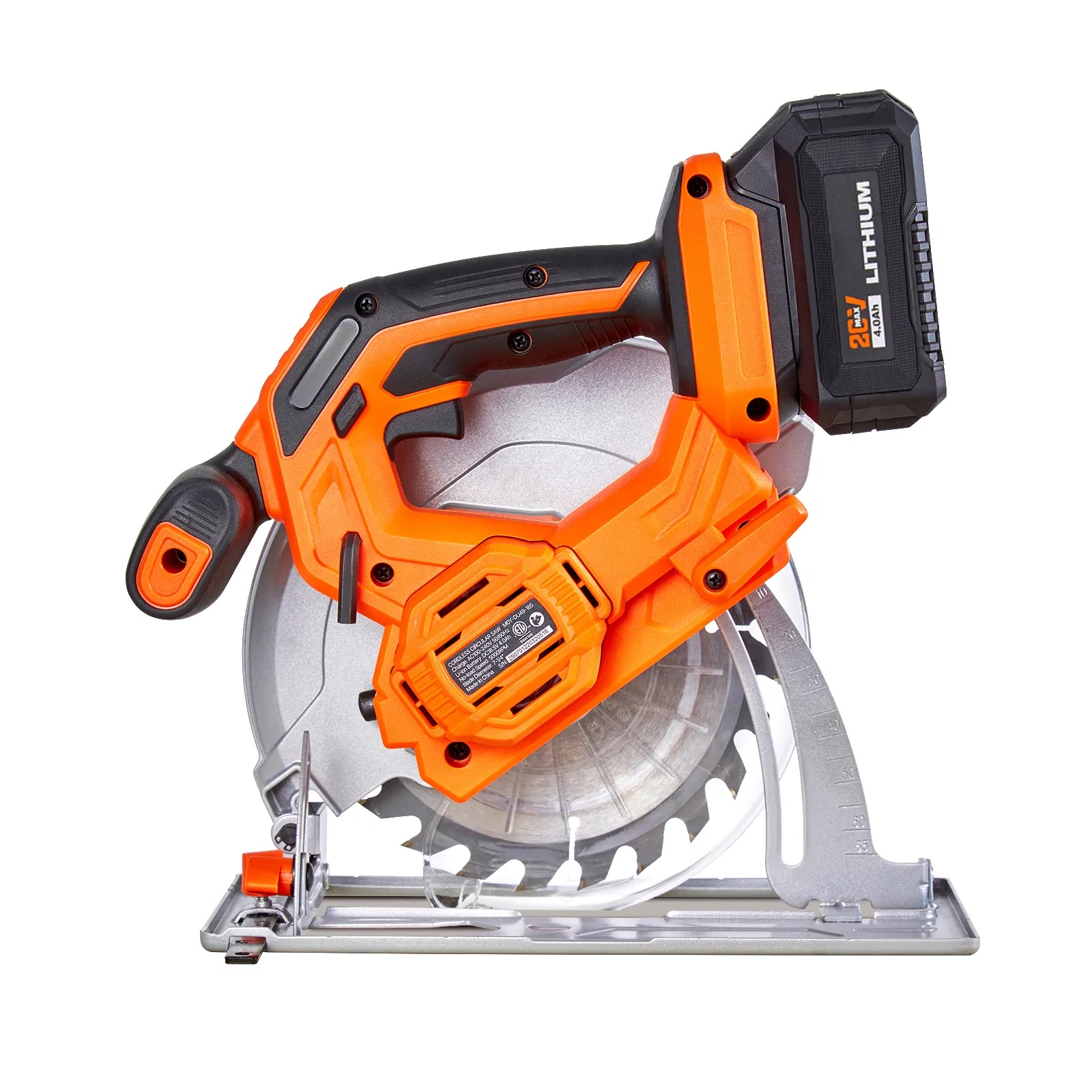 Cordless Circular Saw, 6.5 Inch Blade, 4700 RPM Speed, 45 Degree Bevel Capability, Brushless Motor, LED Light, Electric Saw Kit With Battery And Charger Included, For Wood Cutting$133.99View on Mallflare
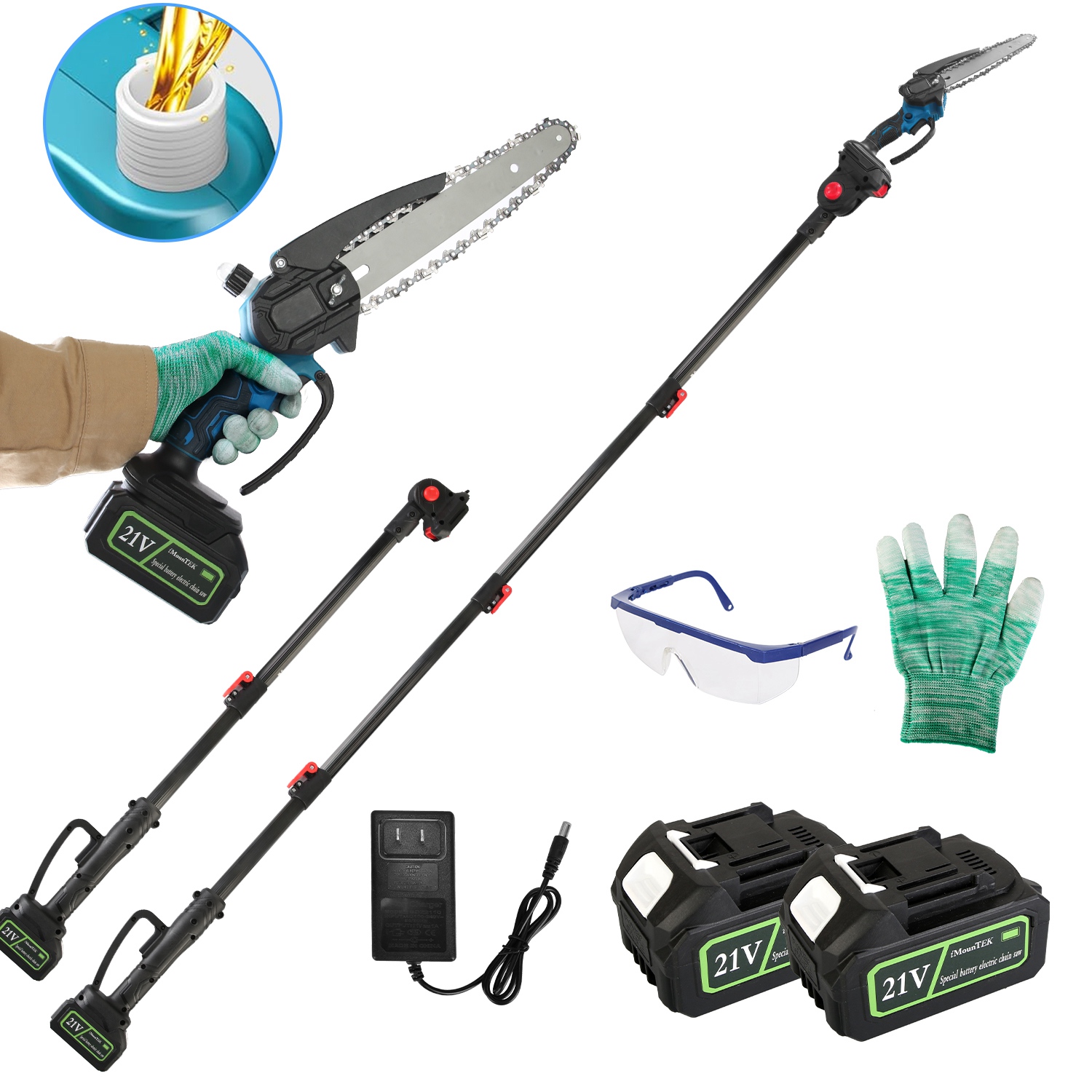 1Pc 2 In 1 8in Cordless Electric Pole Saw And Mini Chainsaw With Extension Poles 2Pcs 21V 3.0Ah Batteries Adjustable Length Chain Saw Auto Oiler Safety Switch For Wood Cutting$142.99View on Mallflare
Highlights
- Brushless motors deliver 30-50% more runtime and cooler operation than brushed motors, and they eliminate brush replacement—critical for continuous ripping and crosscutting.
- Circular saw blade size (6.5 in vs 7.25 in) sets max depth of cut: 6.5 in cuts ~2.25 in at 90 degrees, while 7.25 in reaches ~2.5 in—enough for 2x dimensional lumber.
- Battery voltage and cell discharge rating determine stall resistance: 18V/20V systems with 4.0Ah+ high-drain cells sustain cuts where 12V or generic 21V packs bog down.
- Pole saw chain pitch and bar length (6 in vs 8 in) govern limb capacity; 8 in bars with 3/8 in low-profile chain cut branches up to 6-8 in diameter without pinching.
Best use cases
- Best fit: cordless 6.5 in brushless circular saw with 45-degree bevel for decking, plywood, and 2x4 framing—skip brushed mini circular saws for anything beyond trim and paneling.
- Best fit: 8 in cordless pole saw with extension poles and auto-oiler for pruning overhead branches up to 15 ft—skip manual pole pruners if you have more than a few limbs to cut.
- Best fit: compact 6 in battery chainsaw for limbing, firewood bucking, and storm cleanup—skip 4 in mini chainsaws for trunks over 4 in diameter; they stall and overheat.
- Wrong fit: 2-in-1 pole saw/mini chainsaw kits with generic 21V batteries for daily professional use—the brushed motors and low-discharge cells overheat under continuous load.
Buying tips
- Match blade size to cut depth: 6.5 in circular saw for 2x material at 90 degrees, 7.25 in for 45-degree bevels through 2x stock; check the depth-of-cut spec at 45 degrees, not just 90.
- Choose a saw with a standard battery platform (18V/20V) shared across tools; proprietary 21V packs from white-label kits often lack replacement cells and discharge too slowly for sustained cutting.
- For chainsaws, prioritize chain speed (m/s) and bar length over motor wattage claims; 8 in bars with 3/8 in low-profile chain and automatic oilers cut faster and last longer than 4 in novelty saws.
- Verify bevel capacity on circular saws: 45-degree bevel is standard for trim and rafters; 50-55 degree bevel adds flexibility for specialty cuts but adds weight and cost.
Specs
| Motor Type | Brushless vs Brushed |
|---|---|
| Blade / Bar Size | 4-8 in (mini) / 6.5-7.25 in (circular) |
| Power Source | 18V/20V battery vs 21V generic |
| Bevel Capacity | 45° standard / 50-55° specialty |
Related searches
What to check before buying
- Measure your thickest regular cut: if you routinely cut 2x lumber at 45 degrees, you need a 7.25 in circular saw, not a 6.5 in—check depth at bevel before buying.
- Confirm your battery ecosystem: if you already own 18V/20V tools from a major brand, buy the bare tool; otherwise budget for a kit with at least two 4.0Ah batteries and a fast charger.
- For pole saws, measure the highest branch you need to reach from the ground and subtract your height plus arm reach; extension poles typically add 4-8 ft, so choose length accordingly.
- Check chain gauge and pitch for replacement: 3/8 in low-profile chain is common on 6-8 in bars, but verify your saw's drive link count and bar mount pattern before buying spares.
FAQ
Data sources: eBay / Amazon listings and product attribute feeds Data updated Nov 20, 2026.
Some links on this page are affiliate links. If you buy after clicking one, we may earn a commission at no extra cost to you. This does not change which products appear here or their order. Affiliate disclosure.