Photos from current listings. Actual item, color, and included accessories may vary.
Grinding Wheel Bench Grinder Buying Guide
Bench grinders are fixed-station sharpening and shaping machines defined by wheel diameter, motor type, and speed control. The core trade-off is high-speed dry grinding (fast but heat-prone) versus low-speed wet grinding (cool, burr-free edges). Buy a 6-inch induction model for general shop sharpening, an 8-inch for heavy stock removal, and a wet wheel system for knives and chisels that must not lose temper.


At a glance
- Category
- Power Tools
- Data updated
- Nov 20, 2026
Current offers
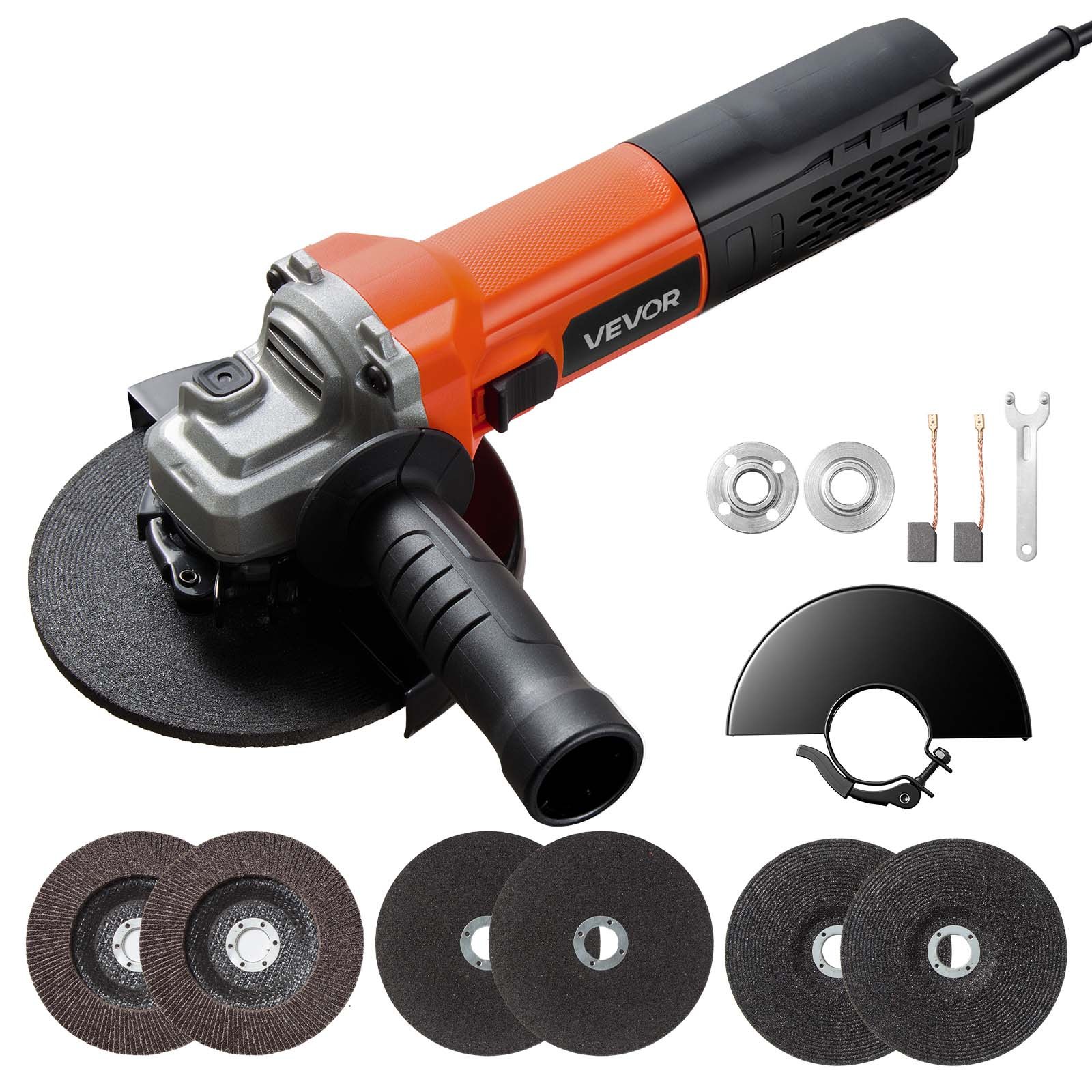 Angle Grinder, 6" Electric Power Tool, 1400W13Amps 10000RPM Corded Grinders with 2 Cutting Wheels, 2 Grinding & 2 Flap Discs for Metal Rust Removal$89.99
 View on Mallflare
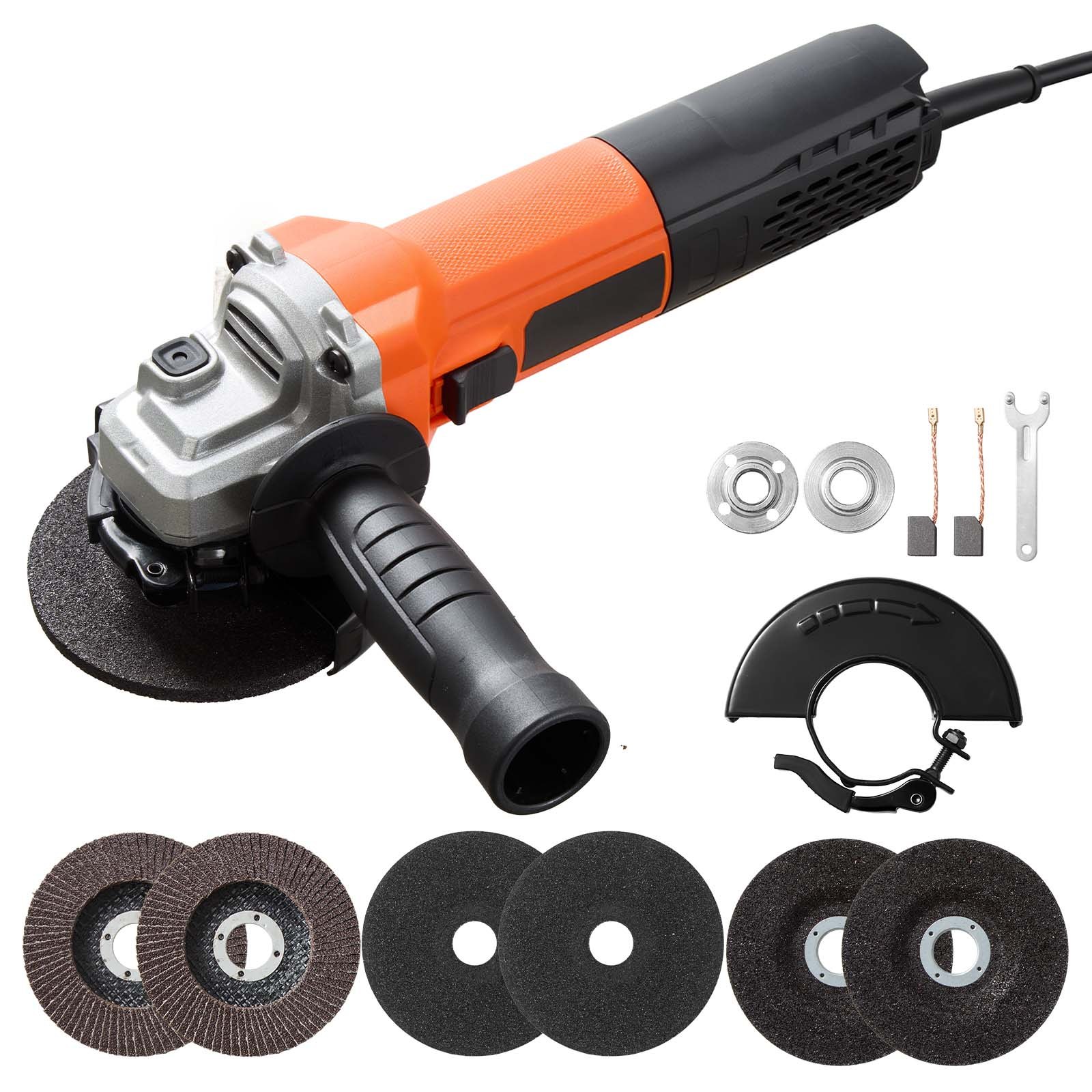 Angle Grinder, 4.5" Electric Power Tool, 1400W 13Amps 3000 - 12000RPM Variable Speed Grinders with 2 Cutting Wheels, 2 Grinding & 2 Flap Discs for Metal$90.99View on Mallflare
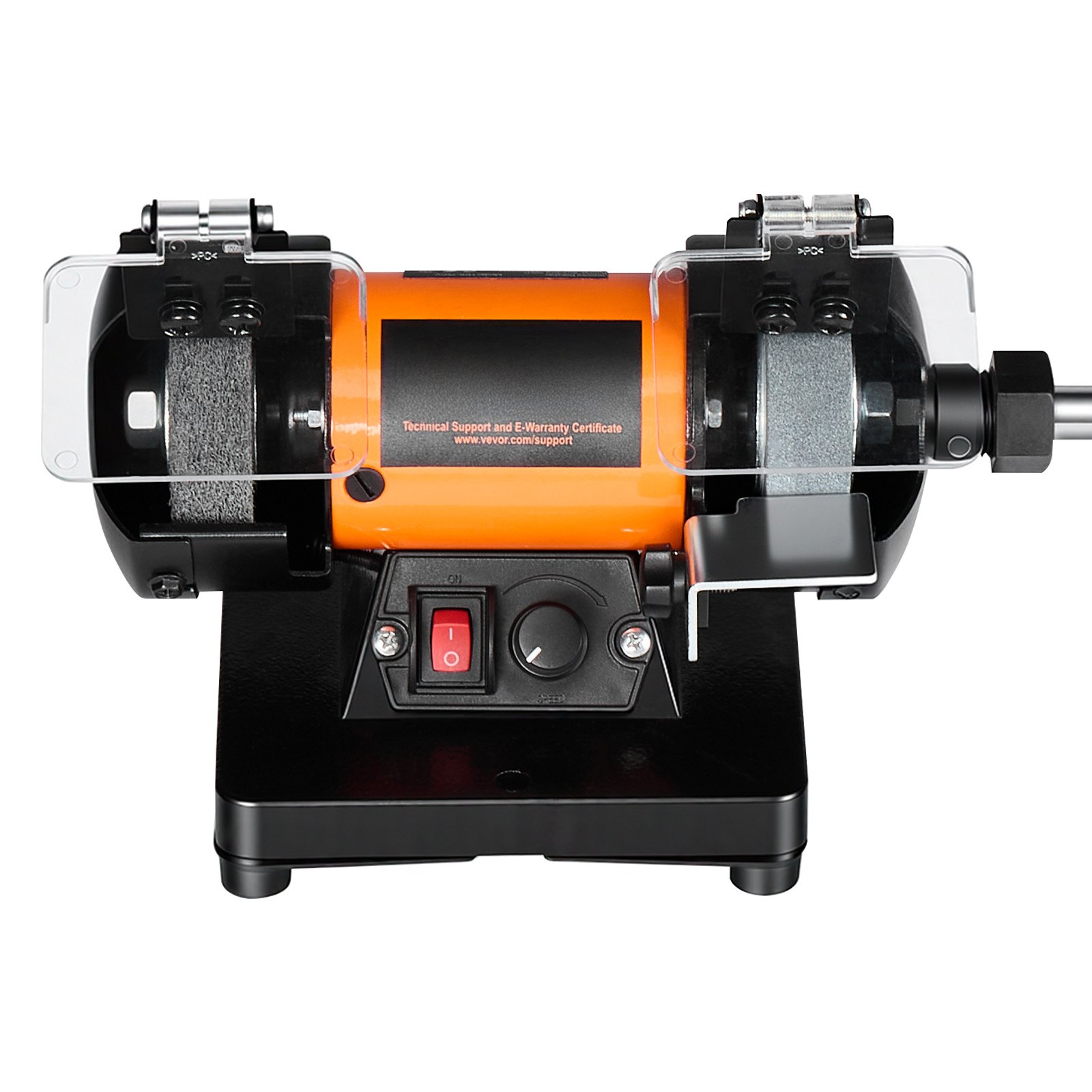 Bench Buffer Polisher, 8300-10600 RPM Adjustable Speed, Polishing & Buffing Machine With Grinding, Fiber, And Wool Wheels, 100-Piece Accessory Kit, For Jewelry, Wood, Metal, Raw Stone, Jade DIY$93.99View on Mallflare
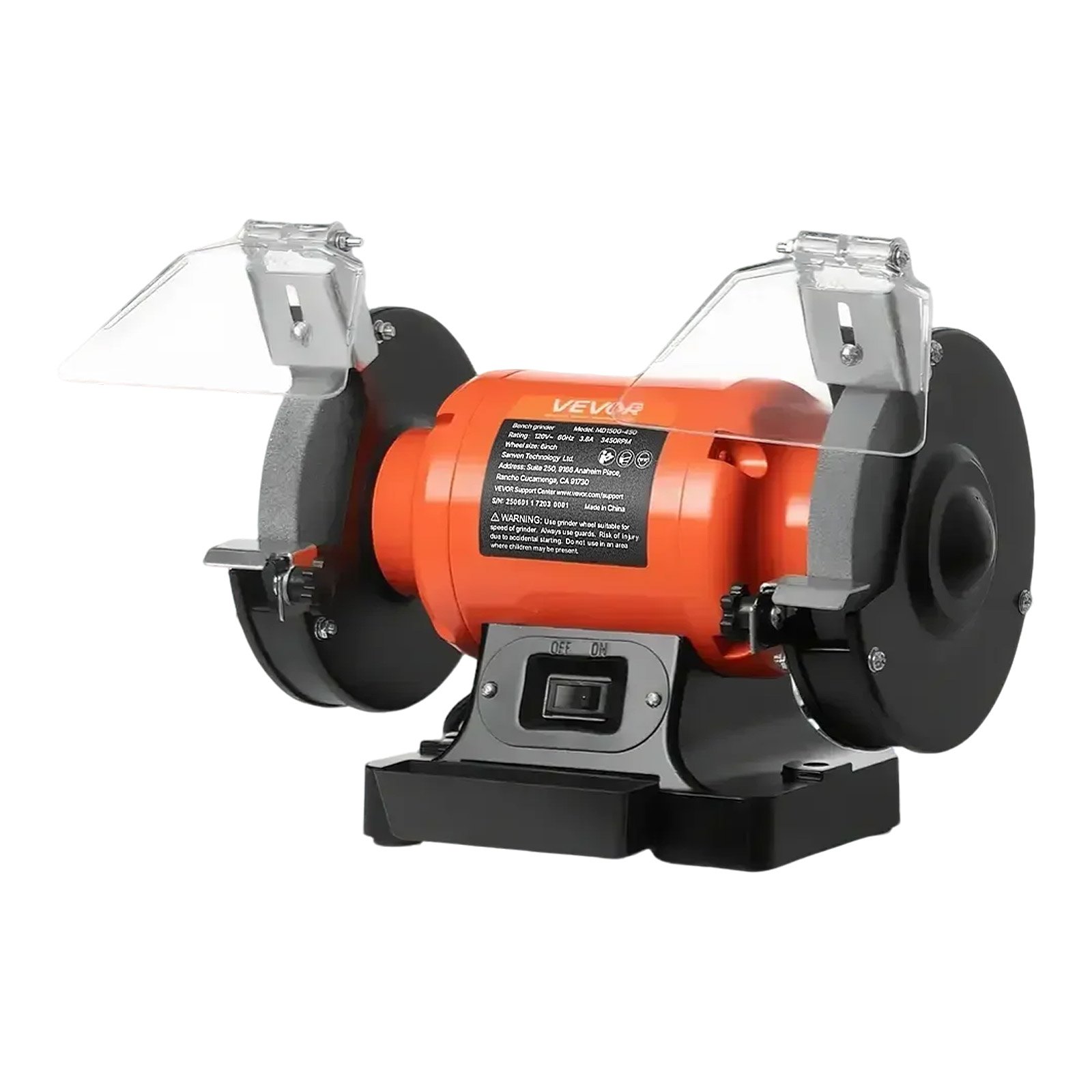 Bench Grinder, 6-inch Single Speed 3450RPM High-Speed Table Grinders With 450W 3.8A Induction Motor, 36/60-Grit Grinding Wheel & Adjustable Eye Shield For Fast Sharpening$104.99View on Mallflare
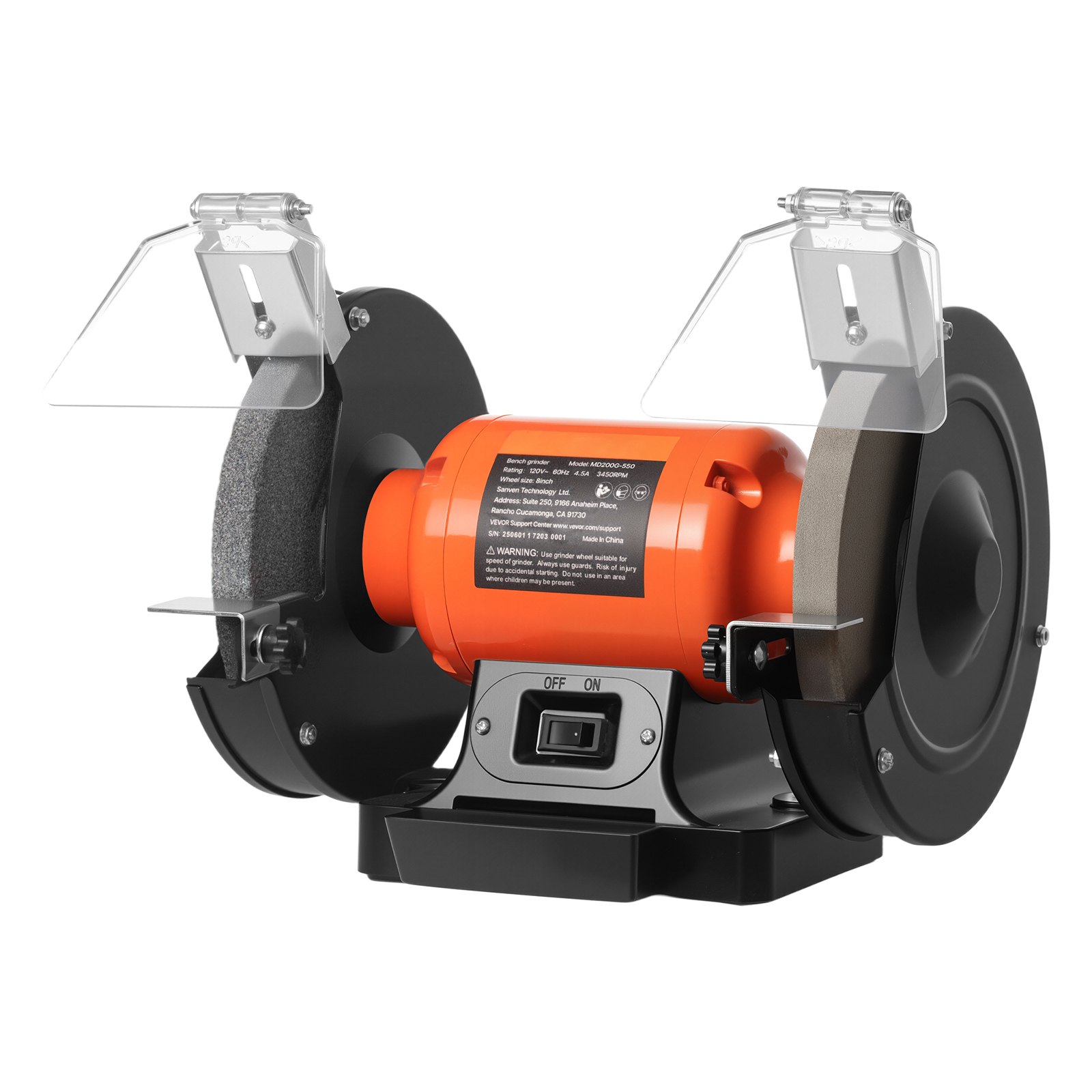 Bench Grinder, 8-inch Single Speed 3450RPM High-Speed Table Grinders With 550W 4.5A Induction Motor, 36/60-Grit Grinding Wheel & Adjustable Eye Shield For Fast Sharpening$117.99View on Mallflare
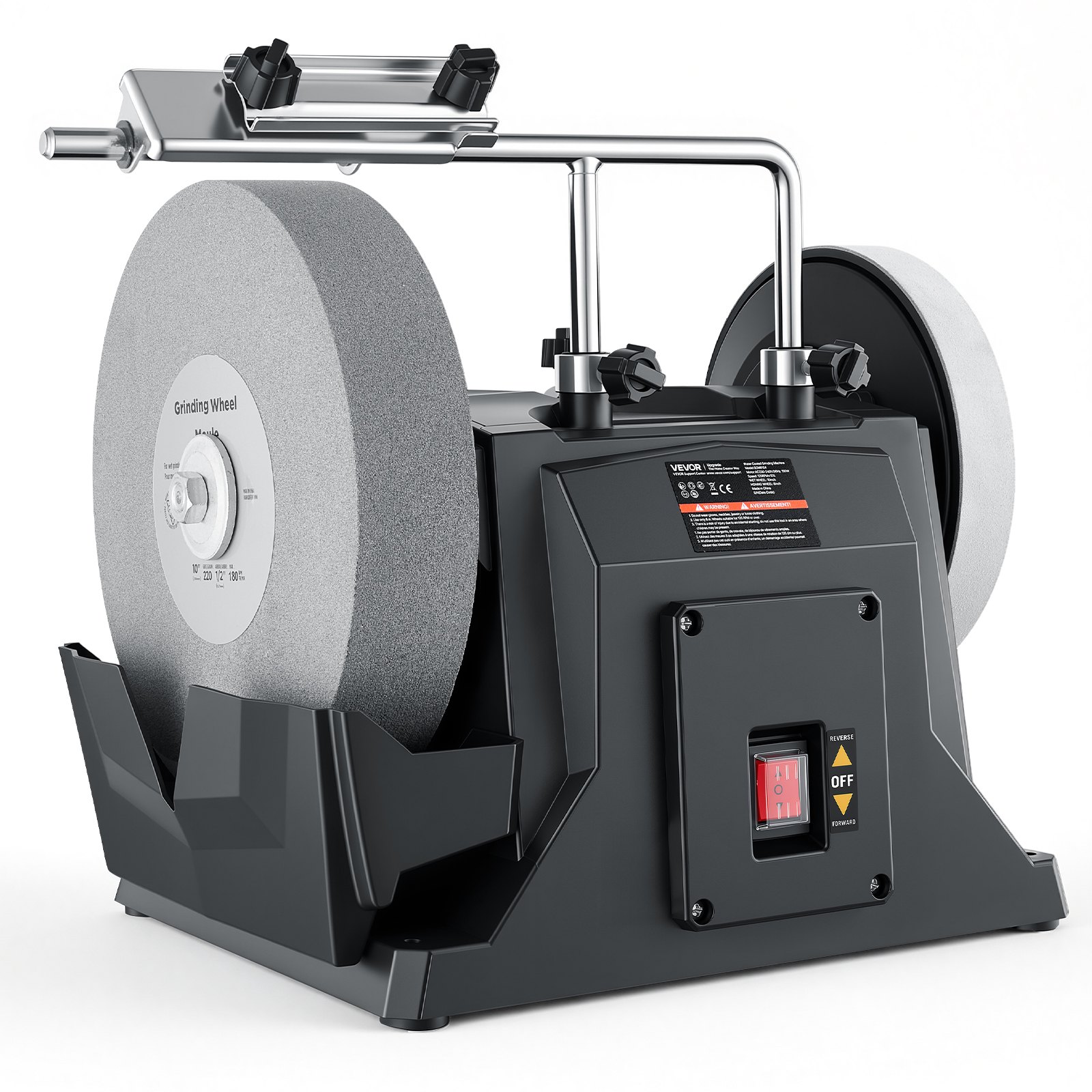 Water-Cooled Grinding Machine, 1.6A 145RPM Knife Sharpening 10" Wet Wheel & 8" Leather Stropping Wet/Dry Stone Grinder with Water-Cooling Tray for Knives Chisels, 120V$179.99View on Mallflare
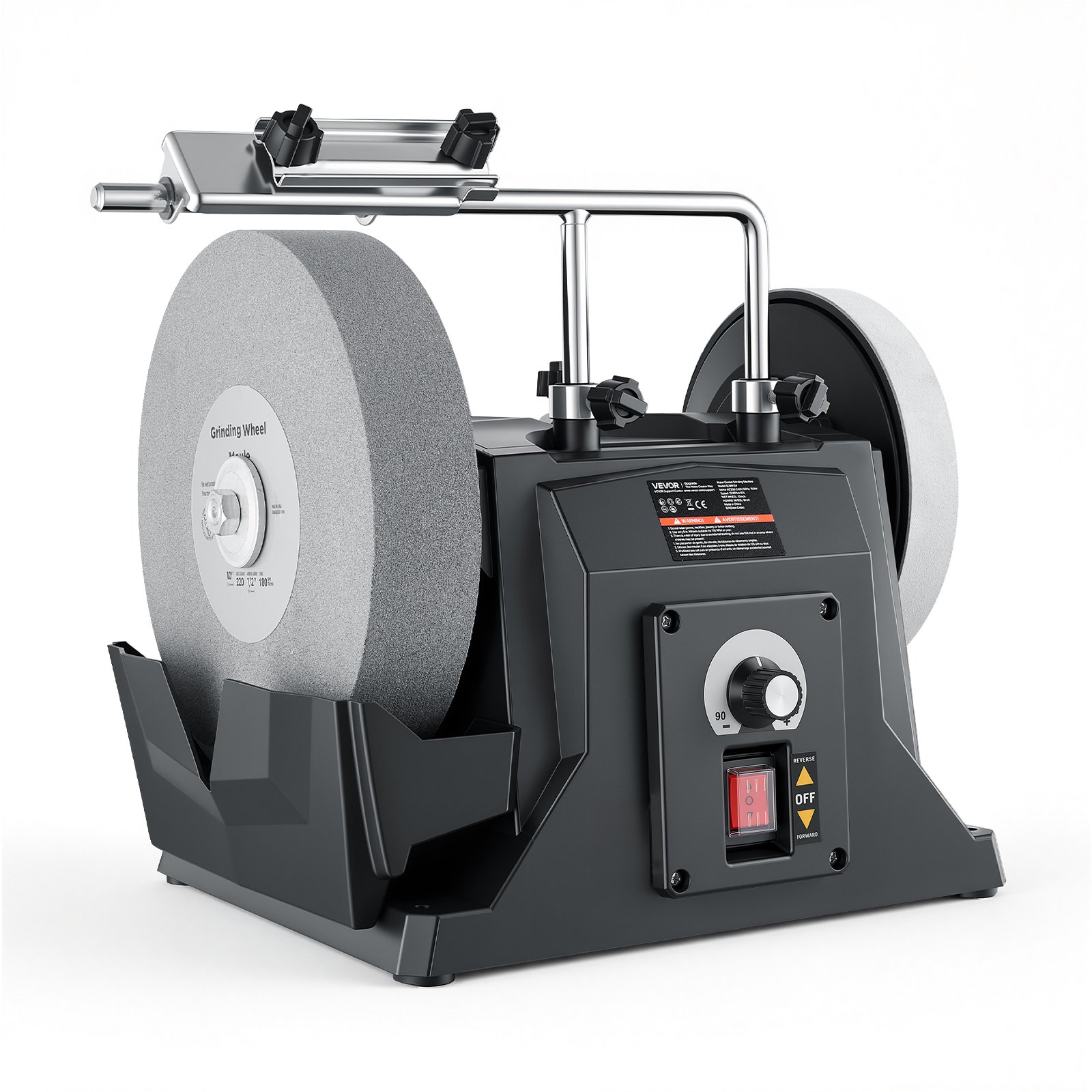 Water-Cooled Grinder Knife Sharpener 1.2A 90–160 RPM Variable Speed, 10" Wet Grinding Wheel & 8" Leather Stropping Wet/Dry Stone Machine with Water Tray for Knives Chisels, 120V$197.99View on Mallflare
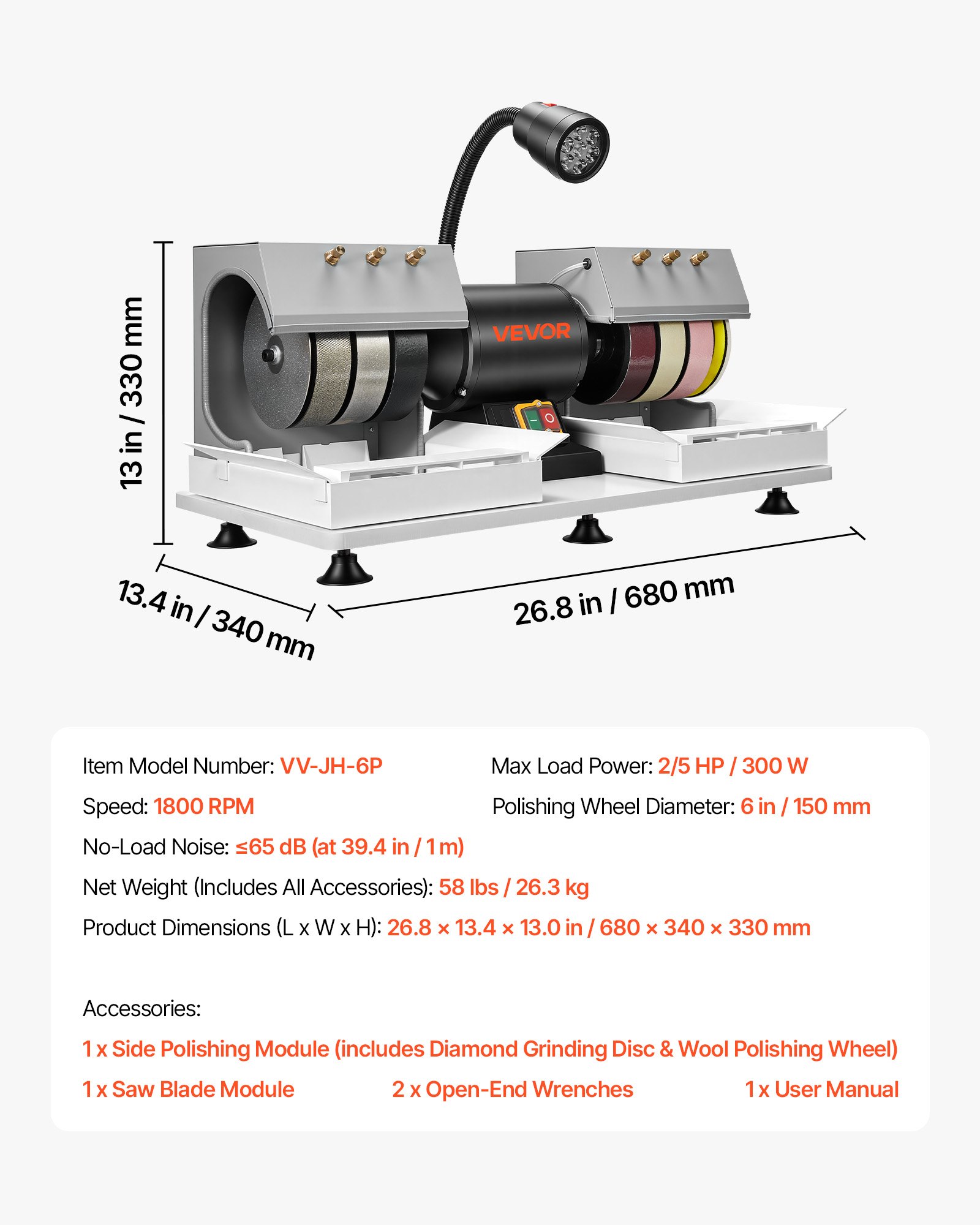 Cabbing Machine, 6" 2/5 HP 1800 RPM Efficient, Lapidary Rock Grinder Polisher With Diamond And Resin Wheels, LED Lamp, Water System, Equipment For Gemstone Grinding, Stone Polishing$1,372.99View on Mallflare
Highlights
- Wheel diameter sets surface speed and clearance: 6-inch wheels reach ~3,400 RPM at 3,450 RPM motor speed; 8-inch wheels cover more surface but demand a 550W+ motor.
- Induction motors (450W–550W, 3.4–4.5A) run quieter and cooler than universal motors; capacitor-start induction delivers torque under load without brush wear.
- Grit pairing determines function: 36-grit for rough shaping and edge repair, 60-grit for sharpening; finer than 80-grit on dry wheels risks overheating hardened steel.
- Wet-wheel systems run 90–160 RPM with a 10-inch stone and water tray; the low speed prevents temper loss on knives, chisels, and plane irons.
Best use cases
- General shop sharpening of mower blades, axes, and drill bits: choose a 6-inch 3450 RPM induction bench grinder with 36/60-grit wheels and adjustable eye shields.
- Heavy stock removal and large tool reshaping: choose an 8-inch 550W induction grinder; the extra wheel diameter maintains speed under pressure where 6-inch models bog down.
- Knife, chisel, and plane-iron honing: choose a 10-inch wet wheel system at 90–160 RPM with leather stropping wheel; skip dry high-speed grinders that draw temper at the edge.
- Jewelry, gemstone, and lapidary work: choose a dedicated cabbing machine with diamond and resin wheels plus water system; a standard bench grinder's abrasive wheels contaminate stone.
Buying tips
- Match wheel bore to arbor: most 6-inch and 8-inch bench grinders use a 1/2-inch arbor, but verify wheel bore (often 1 inch) and use reducing bushings to center the wheel.
- Size the motor to wheel diameter: 6-inch needs at least 450W/3.8A; 8-inch needs 550W/4.5A; undersized motors stall and overheat during sustained grinding.
- Choose variable speed only for wet or polishing work; single-speed 3,450 RPM is correct for dry grinding, while wet systems need 90–160 RPM ranges.
- Confirm wheel grit and replacement availability: standard 36/60-grit wheels are widely stocked; proprietary arbor sizes or odd diameters make replacements expensive and scarce.
Specs
| Wheel Diameter | 6 in / 8 in dry; 10 in wet |
|---|---|
| Motor Type | Induction AC vs brushed universal |
| No-Load Speed | 3,450 RPM dry; 90-160 RPM wet |
| Arbor / Bore | 1/2 in arbor; 1 in wheel bore |
Related searches
What to check before buying
- Measure bench space and mounting: 8-inch grinders need roughly 18–20 inches of width and a rigid bench that can be bolted down to resist vibration.
- Verify electrical supply: corded bench grinders in North America are 120V; confirm circuit amperage supports the motor's running amps plus startup surge.
- Check wheel guards and eye shields are adjustable and included; exposed wheels without shields are a fragment-ejection hazard at 3,450 RPM.
- For wet systems, confirm water tray capacity and drainage placement fit your workflow; the tray must sit level to keep the stone uniformly wet.
FAQ
Data sources: eBay / Amazon listings and product attribute feeds Data updated Nov 20, 2026.
Some links on this page are affiliate links. If you buy after clicking one, we may earn a commission at no extra cost to you. This does not change which products appear here or their order. Affiliate disclosure.