Photos from current listings. Actual item, color, and included accessories may vary.
Hammer Drill Buying Guide
A hammer drill combines rotary drilling with a piston-driven hammer action to bore into masonry, brick, and concrete while still driving screws and drilling wood or metal. The core trade-off is between corded AC power for sustained concrete work and cordless brushless convenience with lower sustained torque. Buyers should prioritize a brushless motor, a 1/2-inch all-metal keyless chuck, and a documented impact energy (J) or IPM rating over vague voltage claims.

At a glance
- Category
- Power Tools
- Data updated
- Nov 20, 2026
Current offers
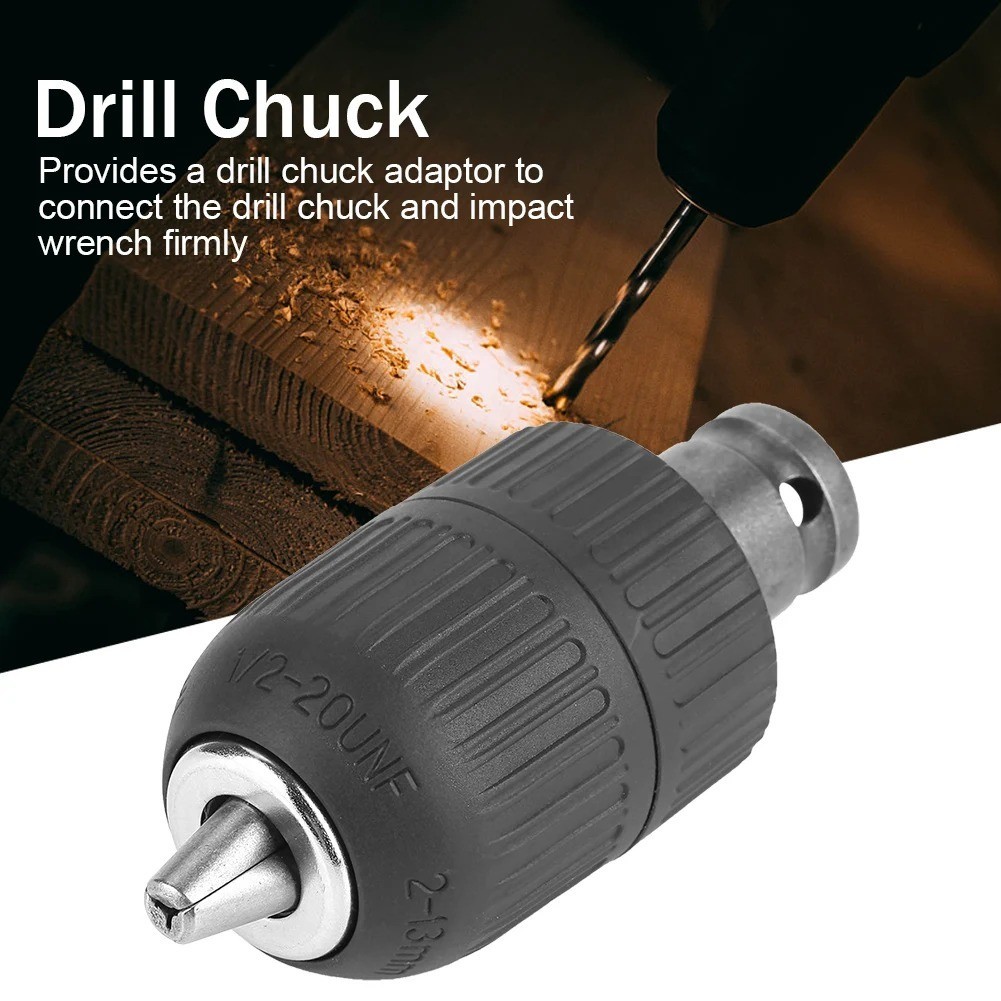 Keyless Drill Chuck 1/2" 2-13mm 1/2-20UNF Hammer drill Power Tools 630604$14.23Last checked Nov 19, 2026
 View on eBay
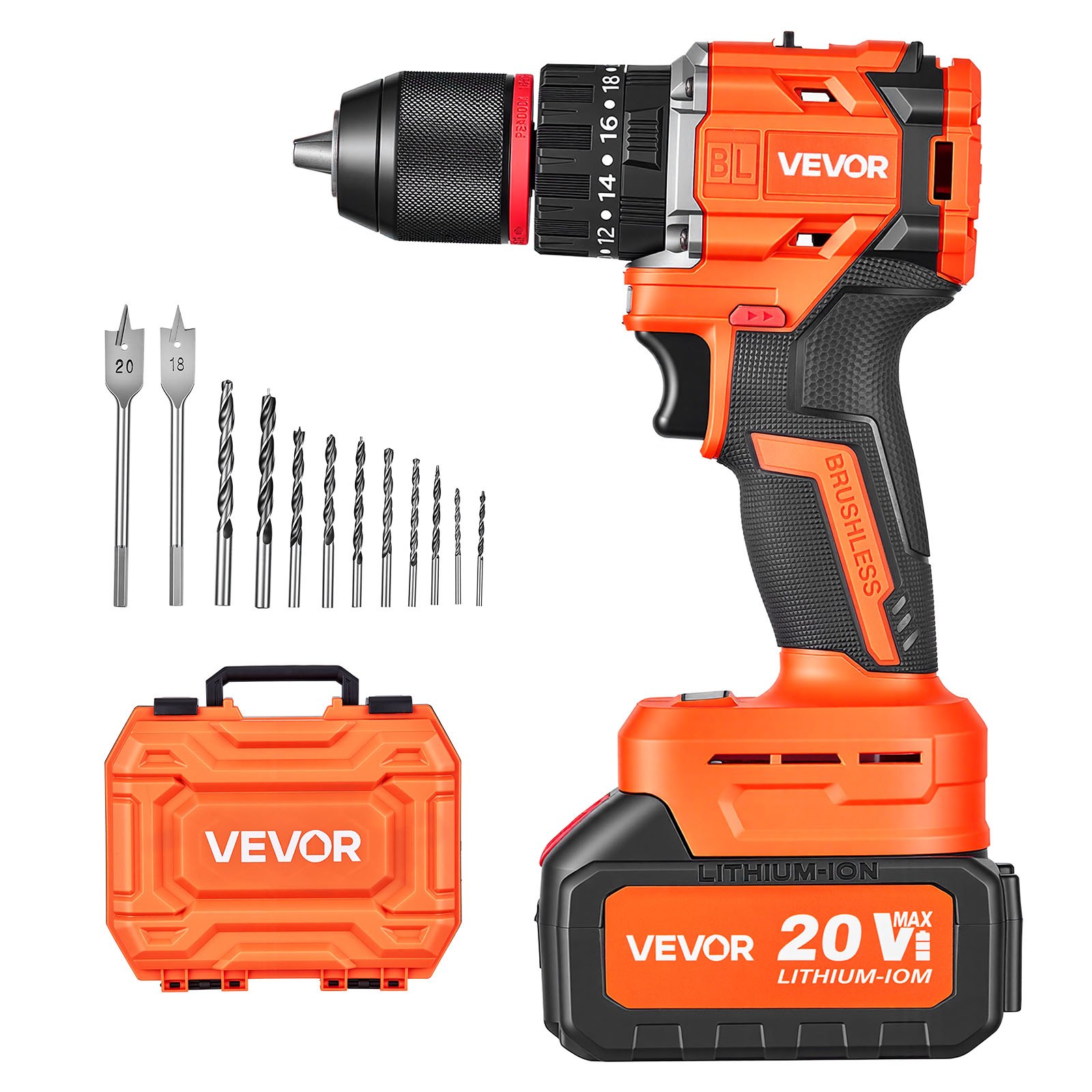 Hammer Drill 20V 1/2 in 30000 IPM Brushless Cordless Impact Kit, for Drilling Wood Metal Screw Driving, 4000 mAh Lithium-Ion Battery Pack and Charger, with All-Metal Chuck, Compact Design$56.99
 View on Mallflare
 21V Cordless Hammer Drill Set Electric Impact Driver Screwdriver & 1/2 Battery$18.93View on eBay
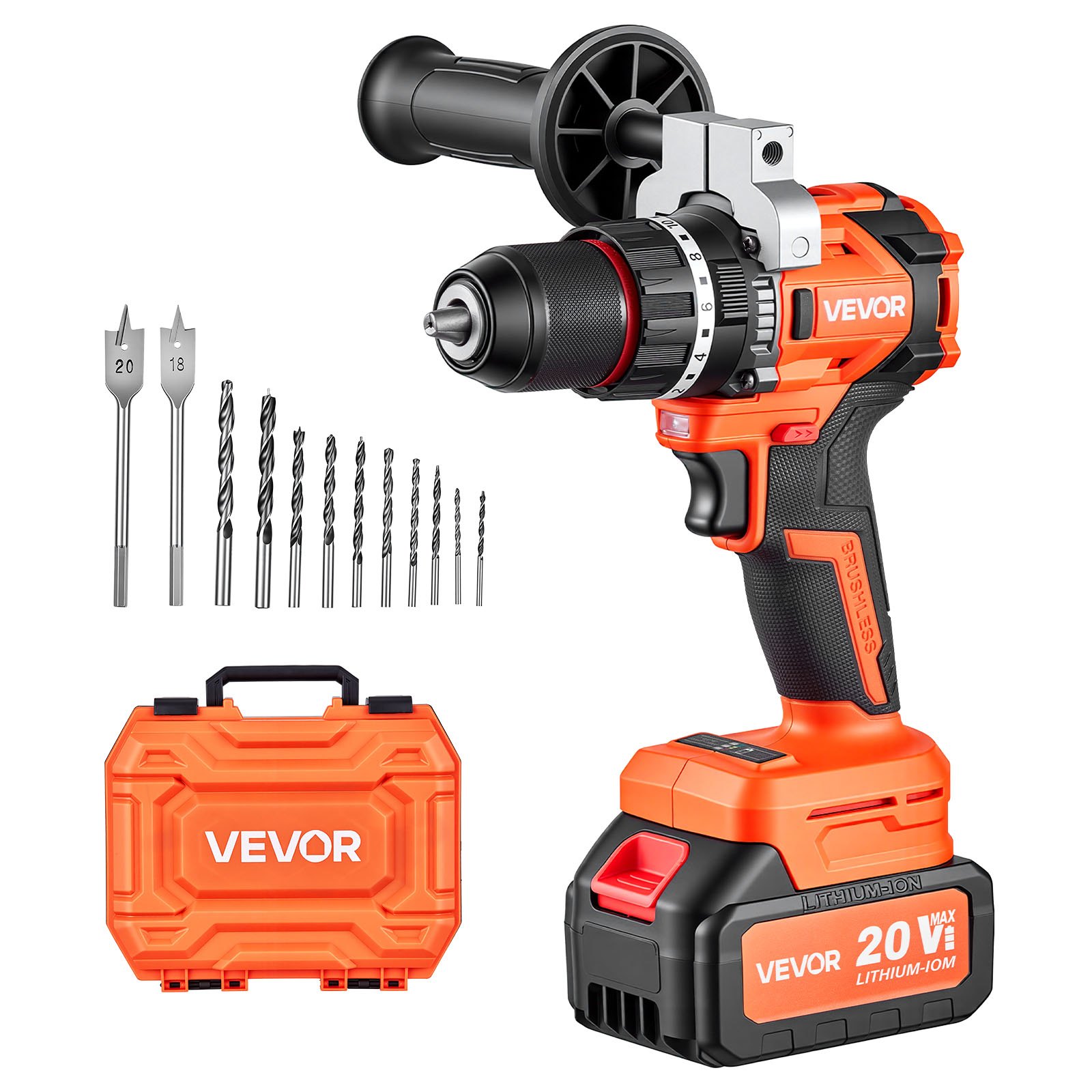 Hammer Drill 20V 1/2 in 26000 IPM Brushless Cordless Impact Kit, for Drilling Wood Metal Screw Driving, 4000 mAh Lithium-Ion Battery Pack and Charger, with All-Metal Chuck, Compact Design$72.99View on Mallflare
 Cordless Brushless Impact Driver Hammer Drill Combo Kit with 2 Battery & Charger$19.99View on eBay
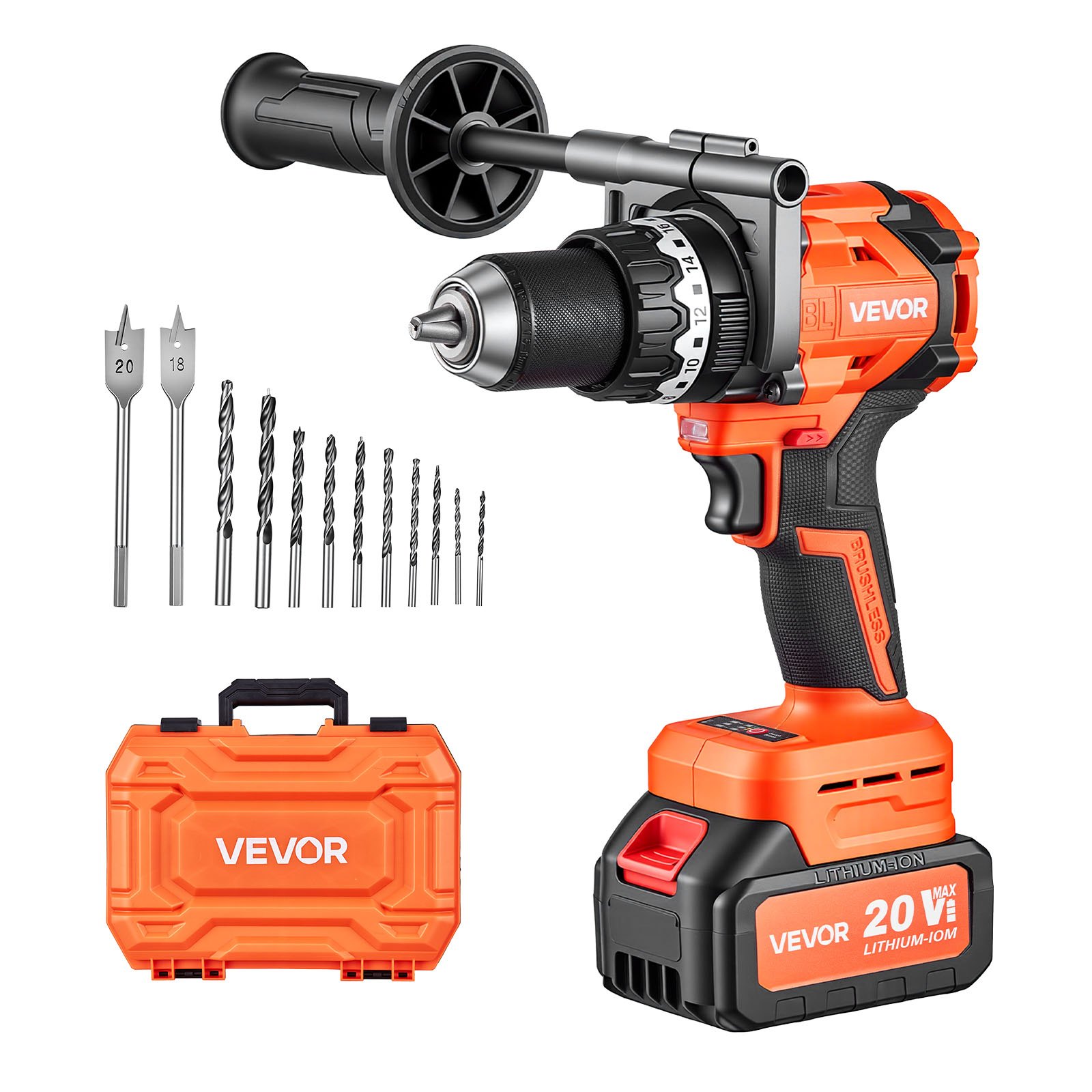 Hammer Drill 20V 1/2 in 24000 IPM Brushless Cordless Impact Kit, for Drilling Wood Metal Screw Driving, 4000 mAh Lithium-Ion Battery Pack and Charger, with All-Metal Chuck, Compact Design$104.99View on Mallflare
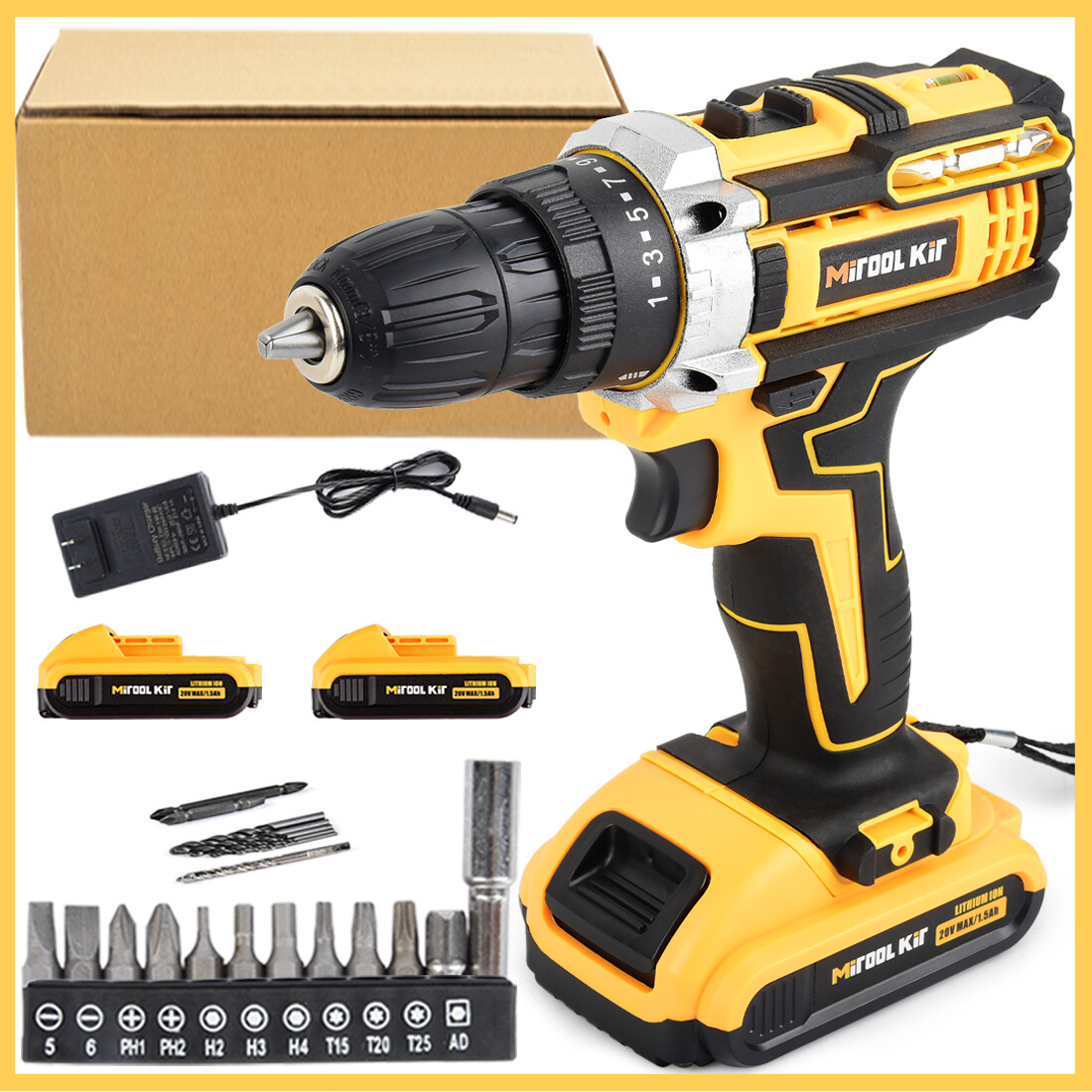 Cordless Brushless Impact Driver Hammer Drill Combo Kit with 2 Battery & Charger$23.99View on eBay
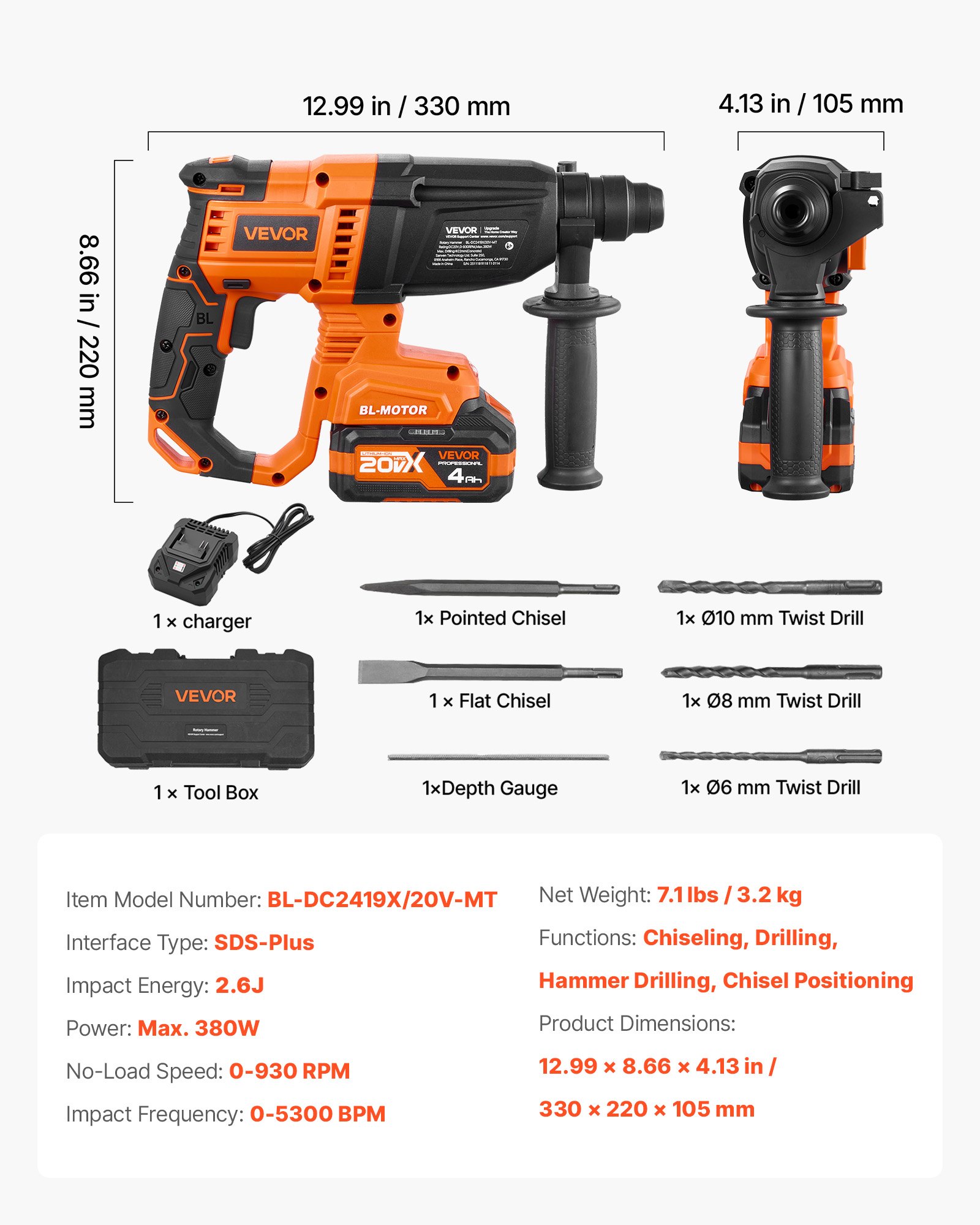 Rotary Hammer Drill, 7/8 In SDS-Plus Cordless, 20V Battery Powered Brushless, Including Charger, 3 Bits, Flat Chisel, Pointed Carrying Case, For Concrete$104.99View on Mallflare
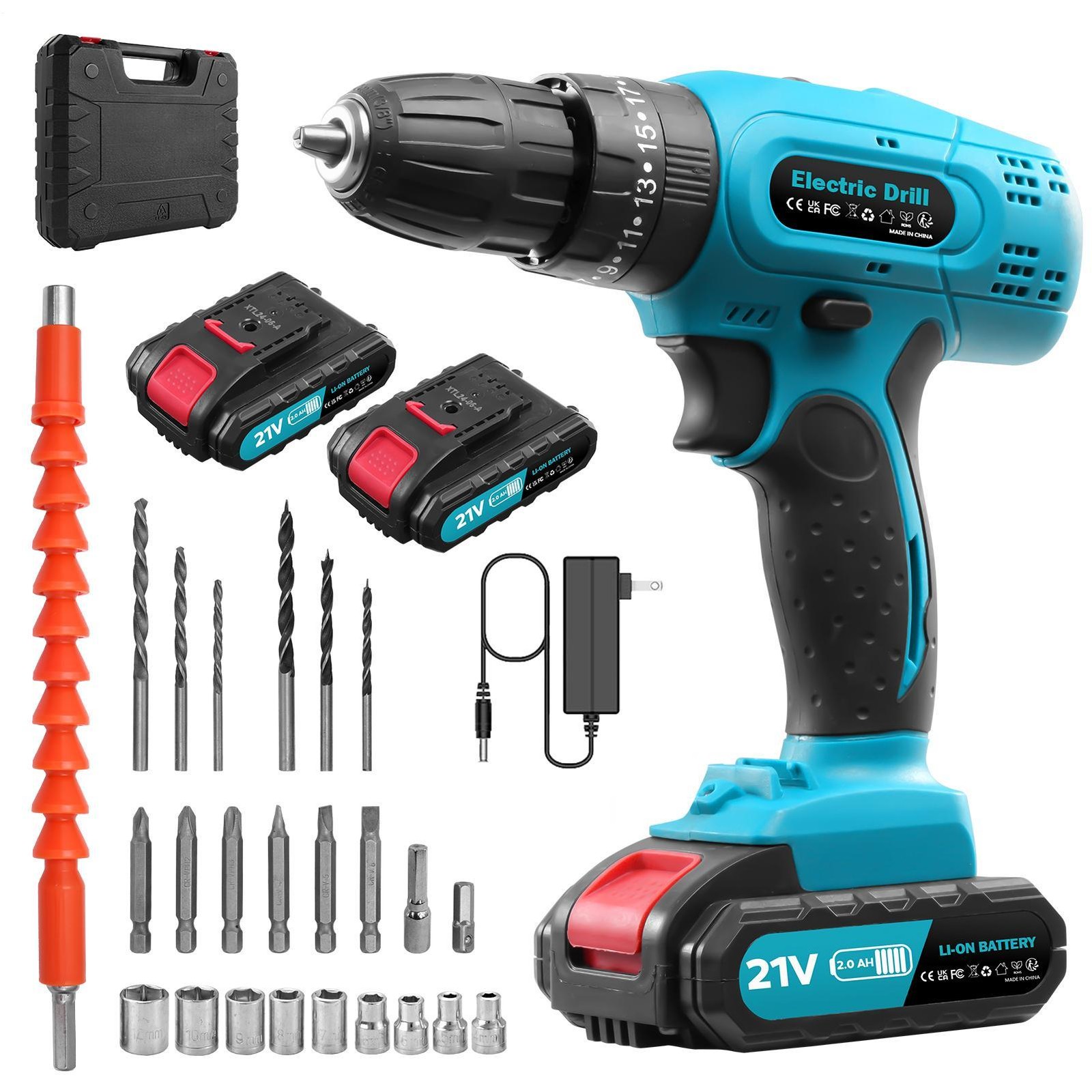 Hammer Drill Cordless Brushless Impact Driver Combo Kit With 2 Battery & Charger$25.99View on eBay
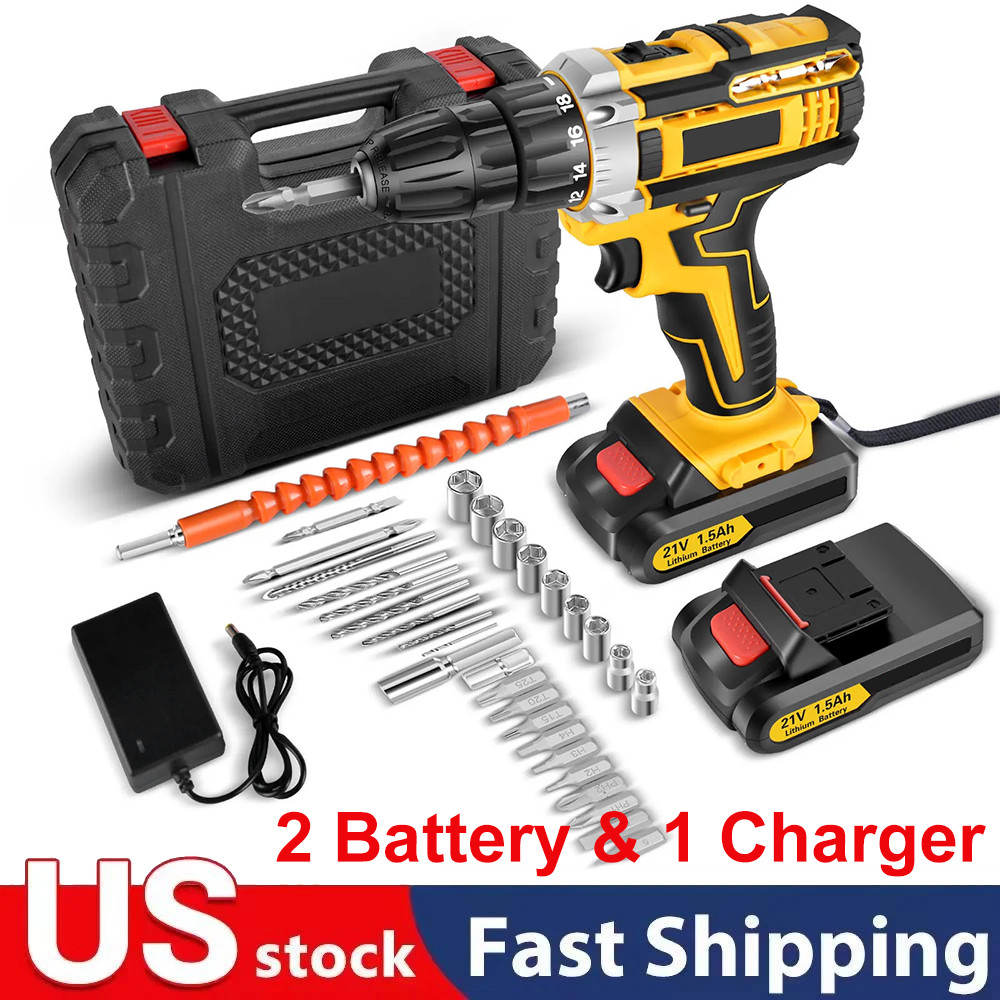 Cordless Brushless Impact Driver Hammer Drill Combo Kit with 2 Battery & Charger$30.98View on eBay
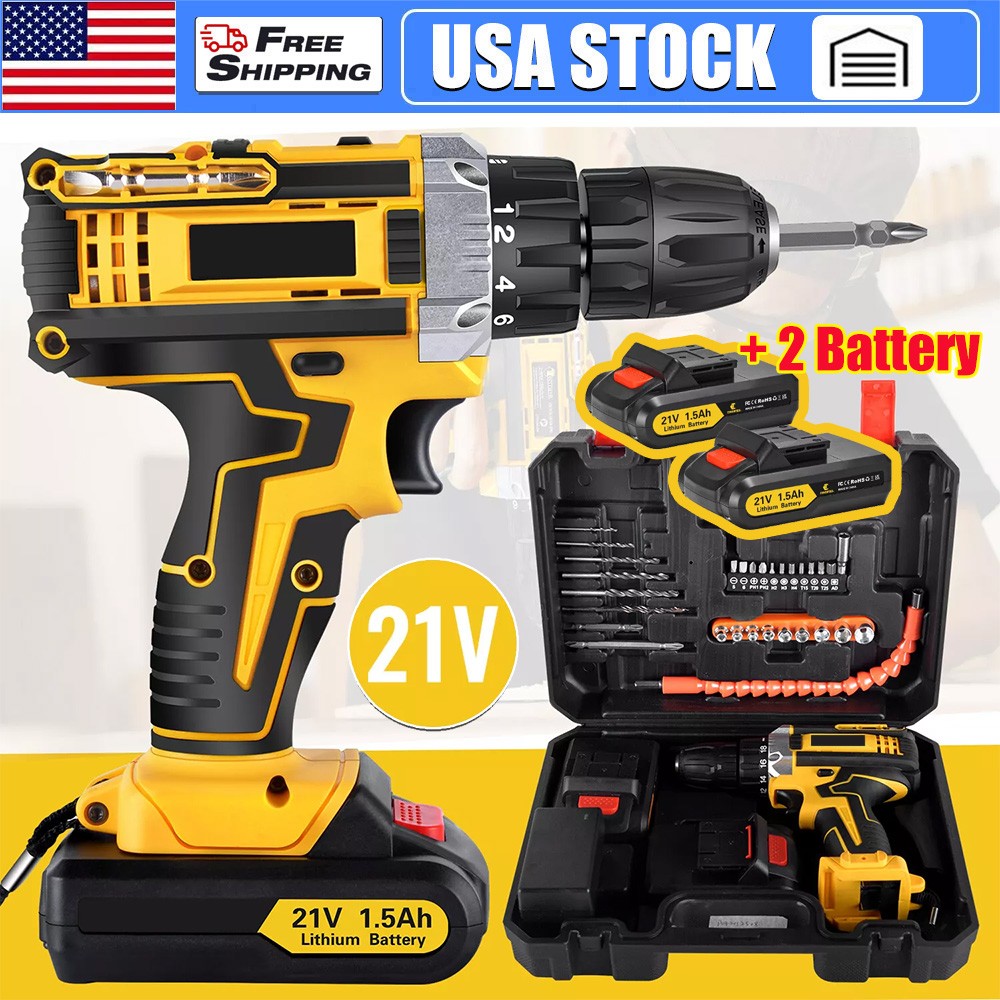 Cordless Brushless Impact Driver Hammer Drill Combo Kit with 2 Battery & Charger$30.98View on eBay
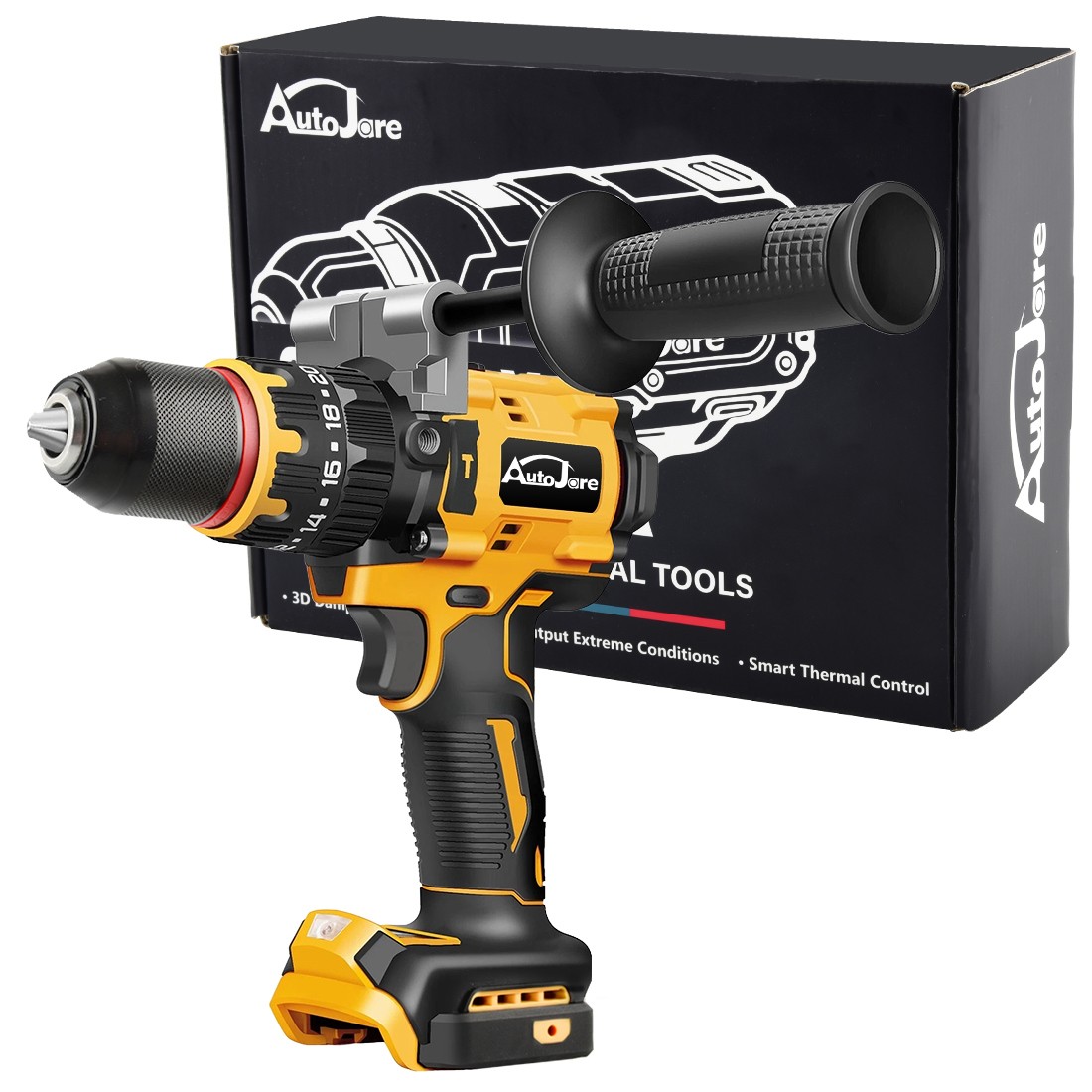 1/2" Cordless Hammer Drill/Driver Brushless For DEWALT 20V MAX Battery 2-Speed$35.49View on eBay
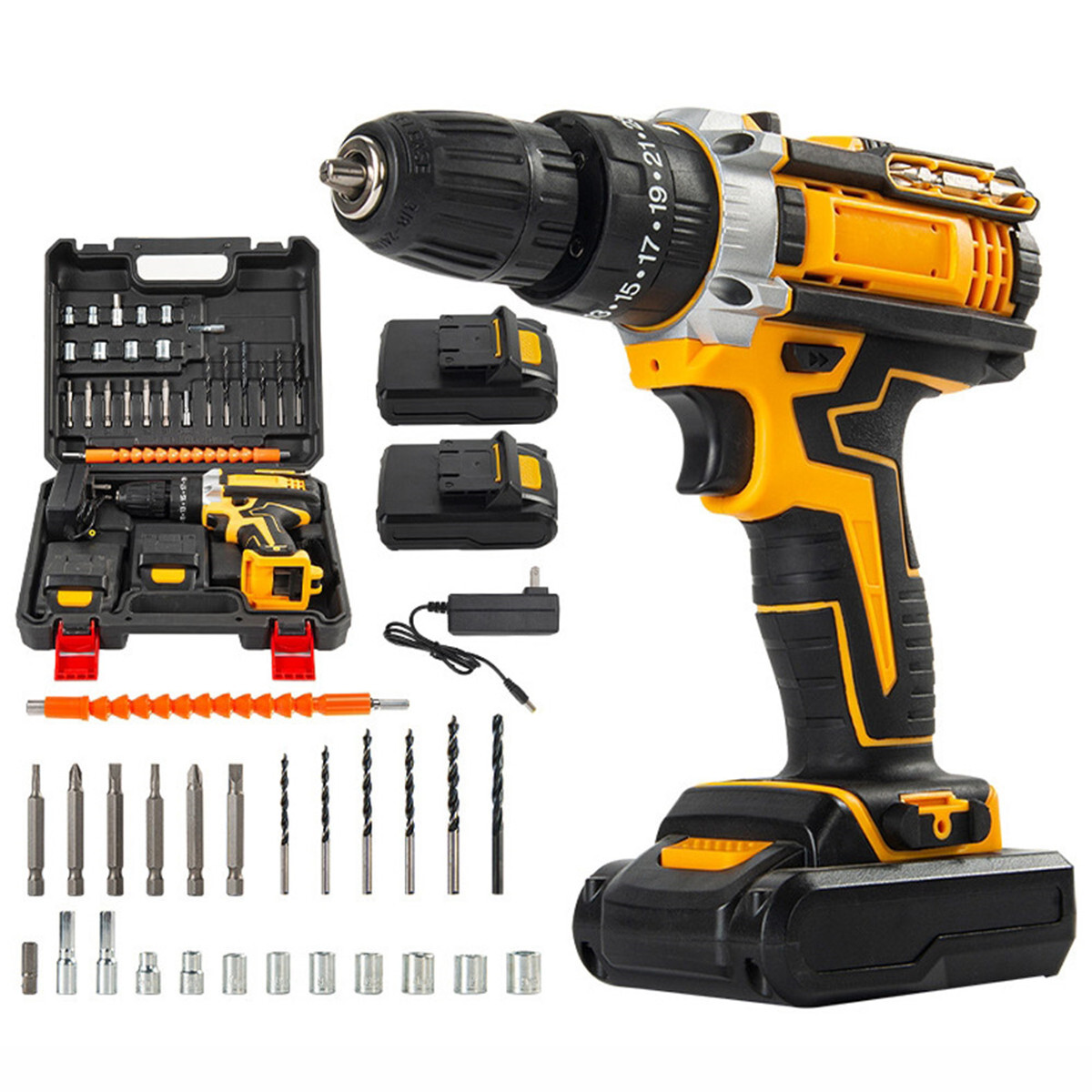 Hammer Drill Cordless Brushless Impact Driver Combo Kit With 2 Battery & Charger$36.89View on eBay
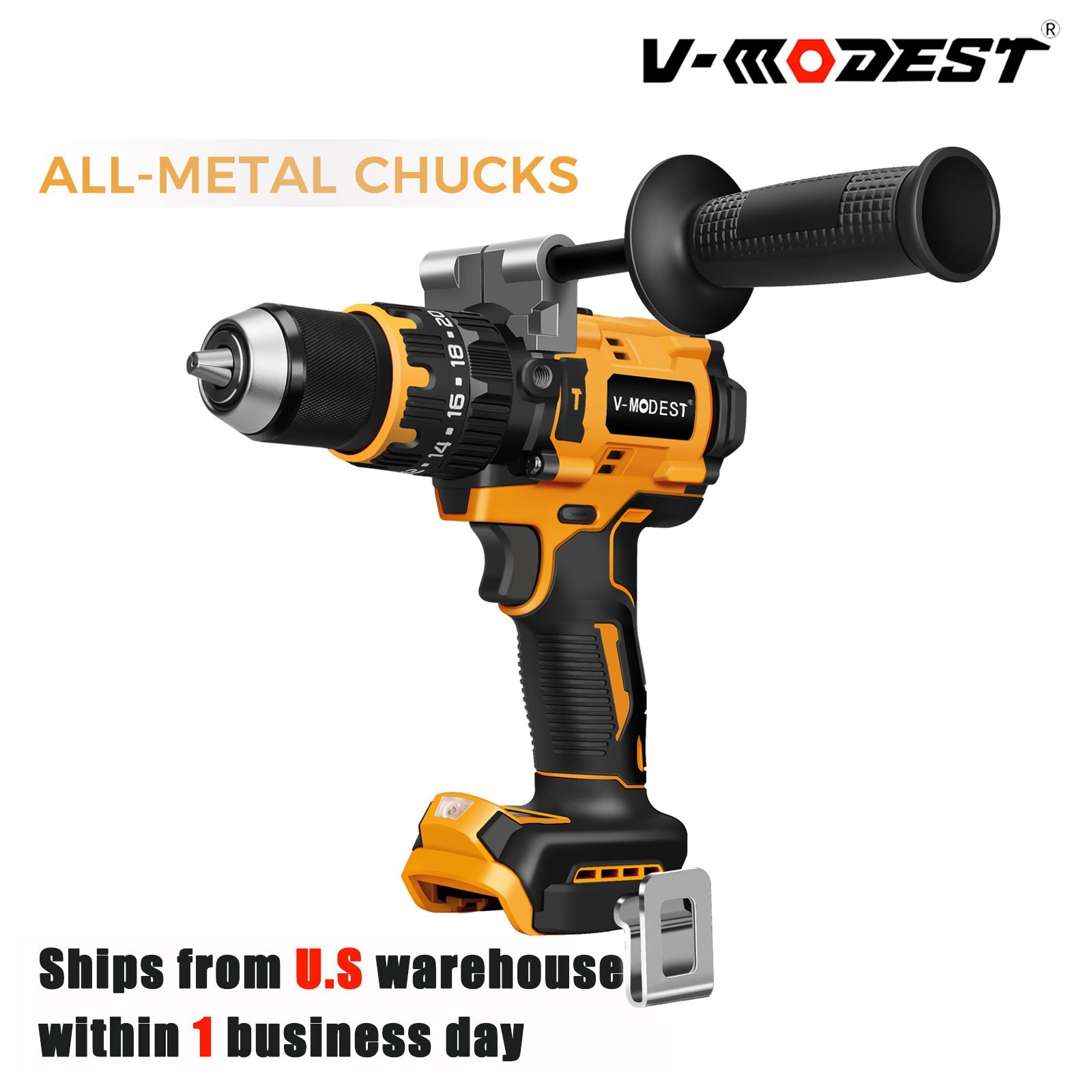 1/2" Cordless Hammer Drill/Driver Brushless For DEWALT 20V MAX Battery 2-Speed$38.99View on eBay
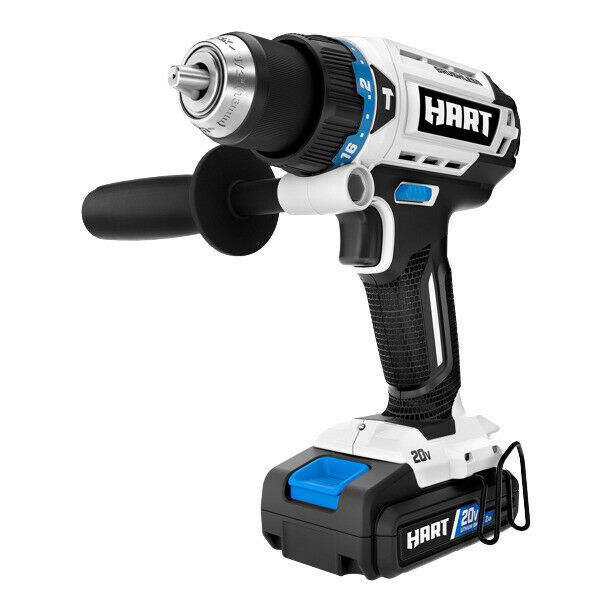 HART HPHD25B 20-Volt Brushless 1/2 Inch Hammer Drill Tool Only Read Description$39.99View on eBay
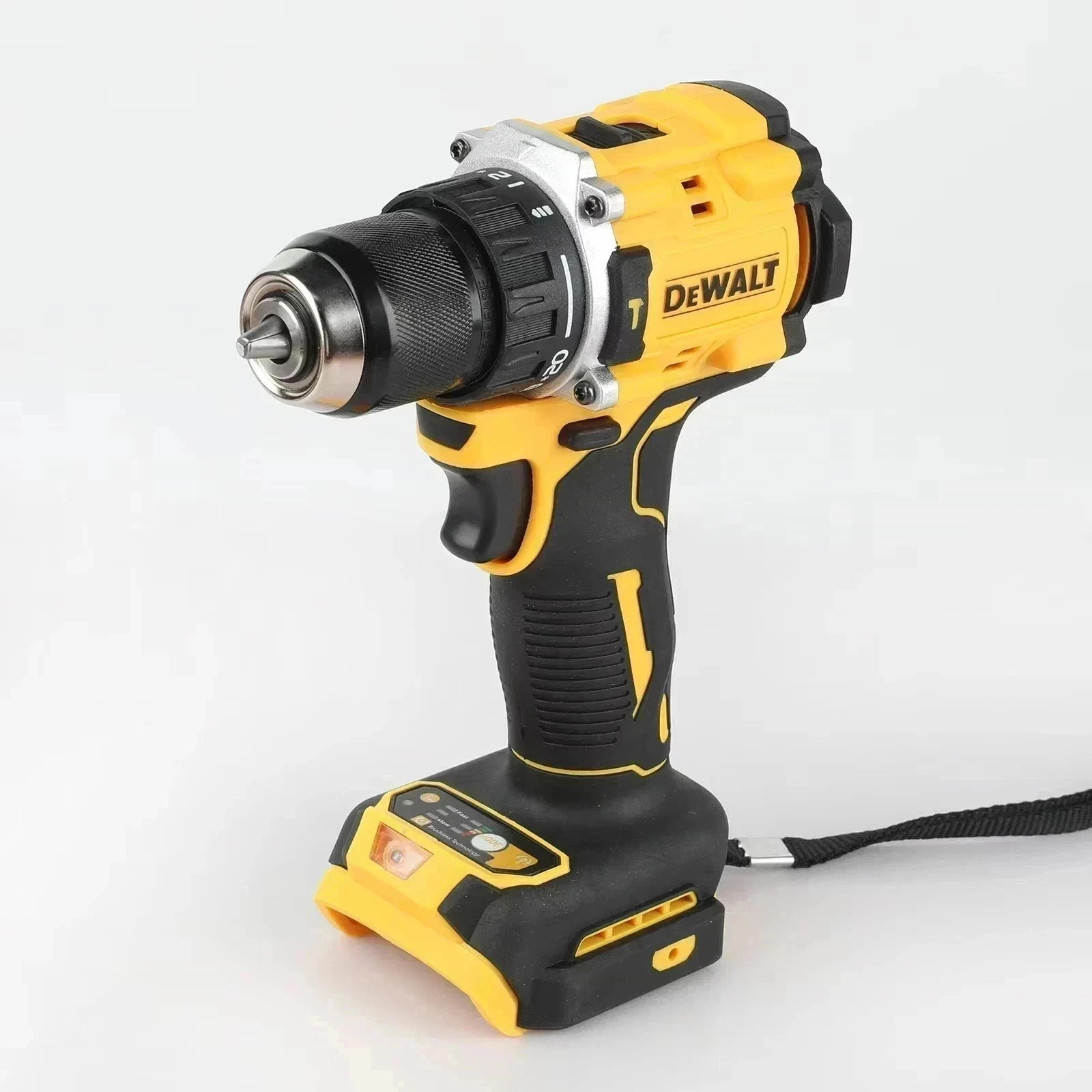 DEWALT DCD805 MAX XR 20V Brushless Cordless 1/2" Hammer Drill Driver (Only Tool)$50.49View on eBay
 DEWALT DCD805 MAX XR 20V Brushless Cordless 1/2" Hammer Drill Driver (Only Tool)$52.49View on eBay
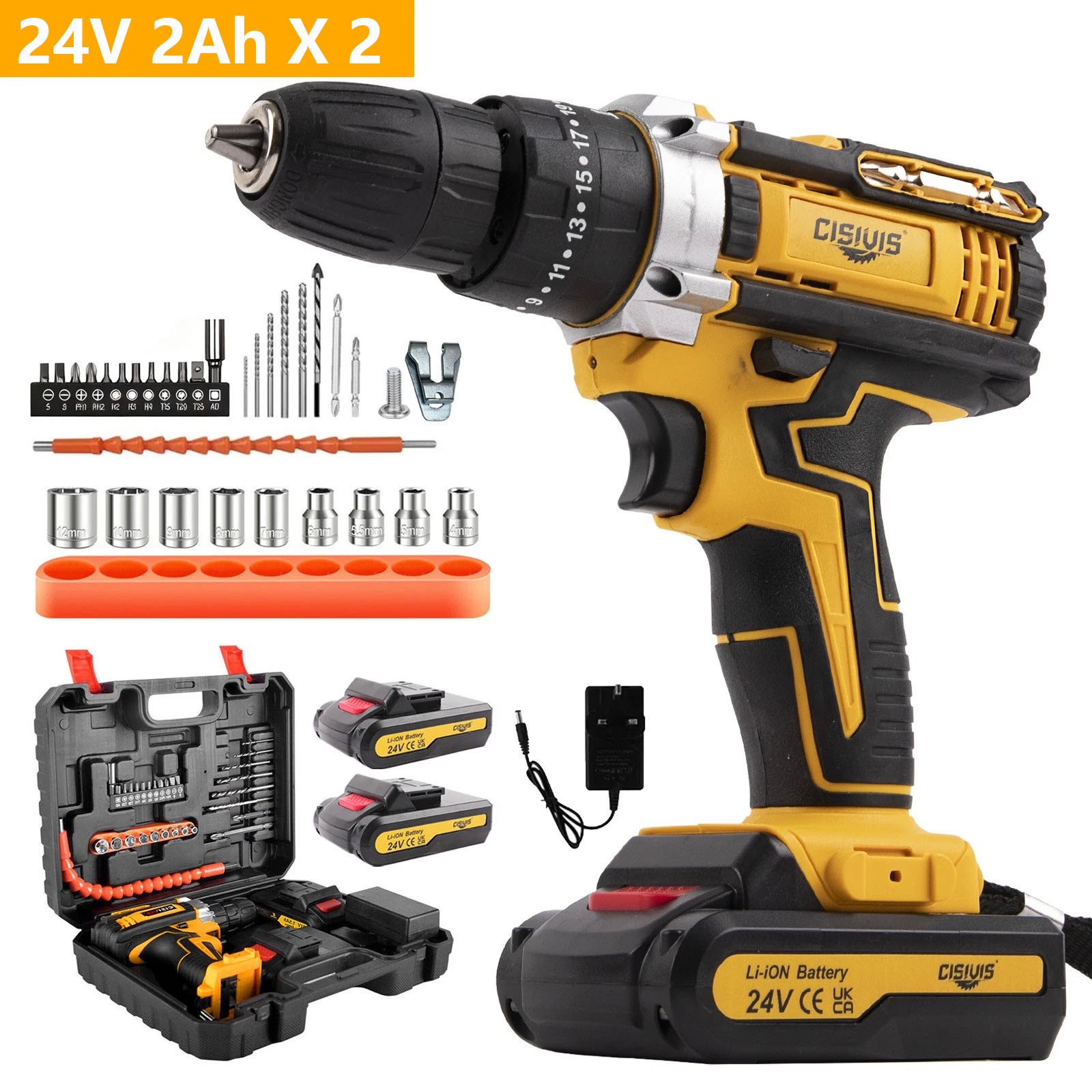 Cordless Brushless Impact Driver Hammer Drill Combo Kit with 2 Battery & Charger$59.13View on eBay
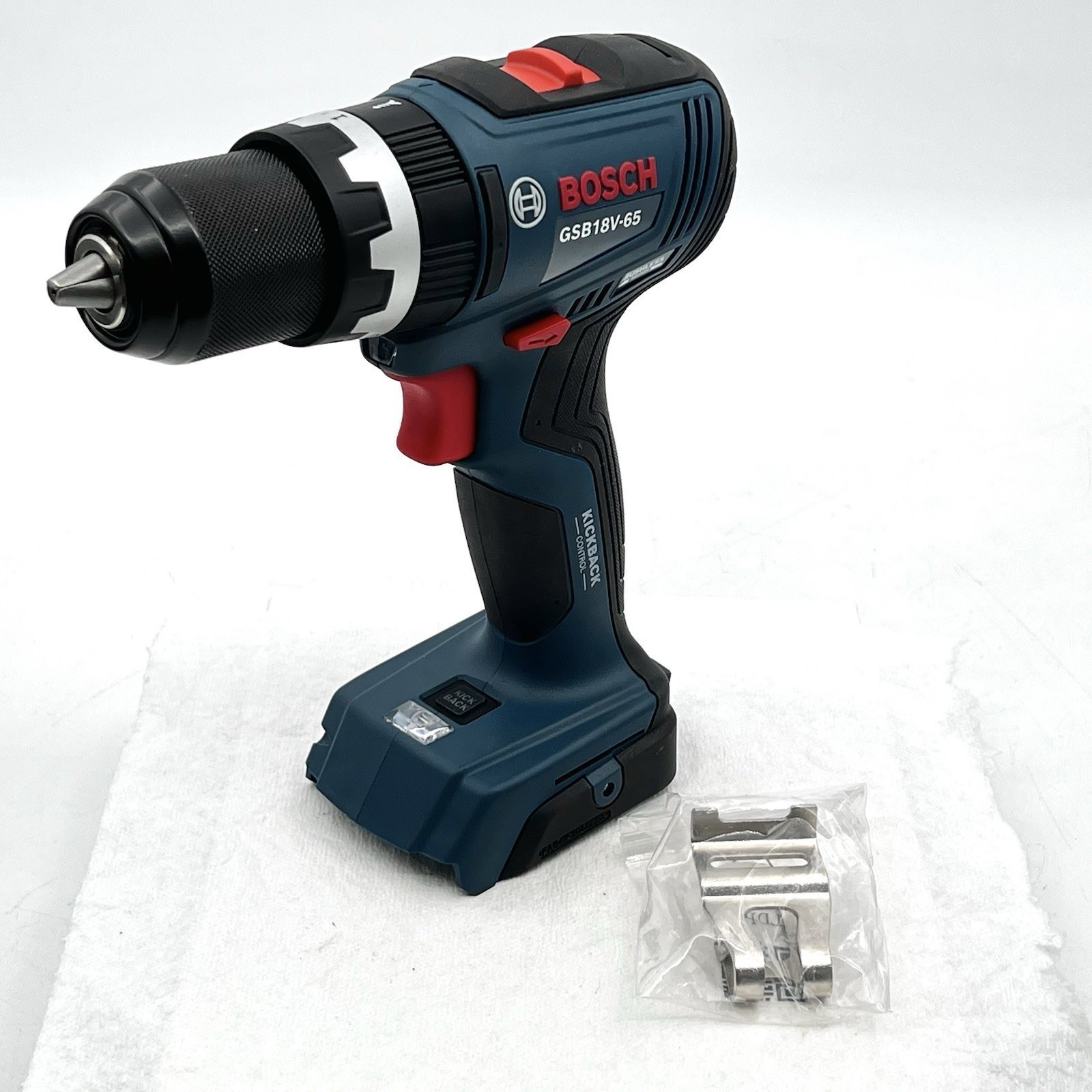 Bosch GSB18V-65 Professional 18V 1/2" Brushless Hammer Drill/Driver Bare Tool$59.95View on eBay
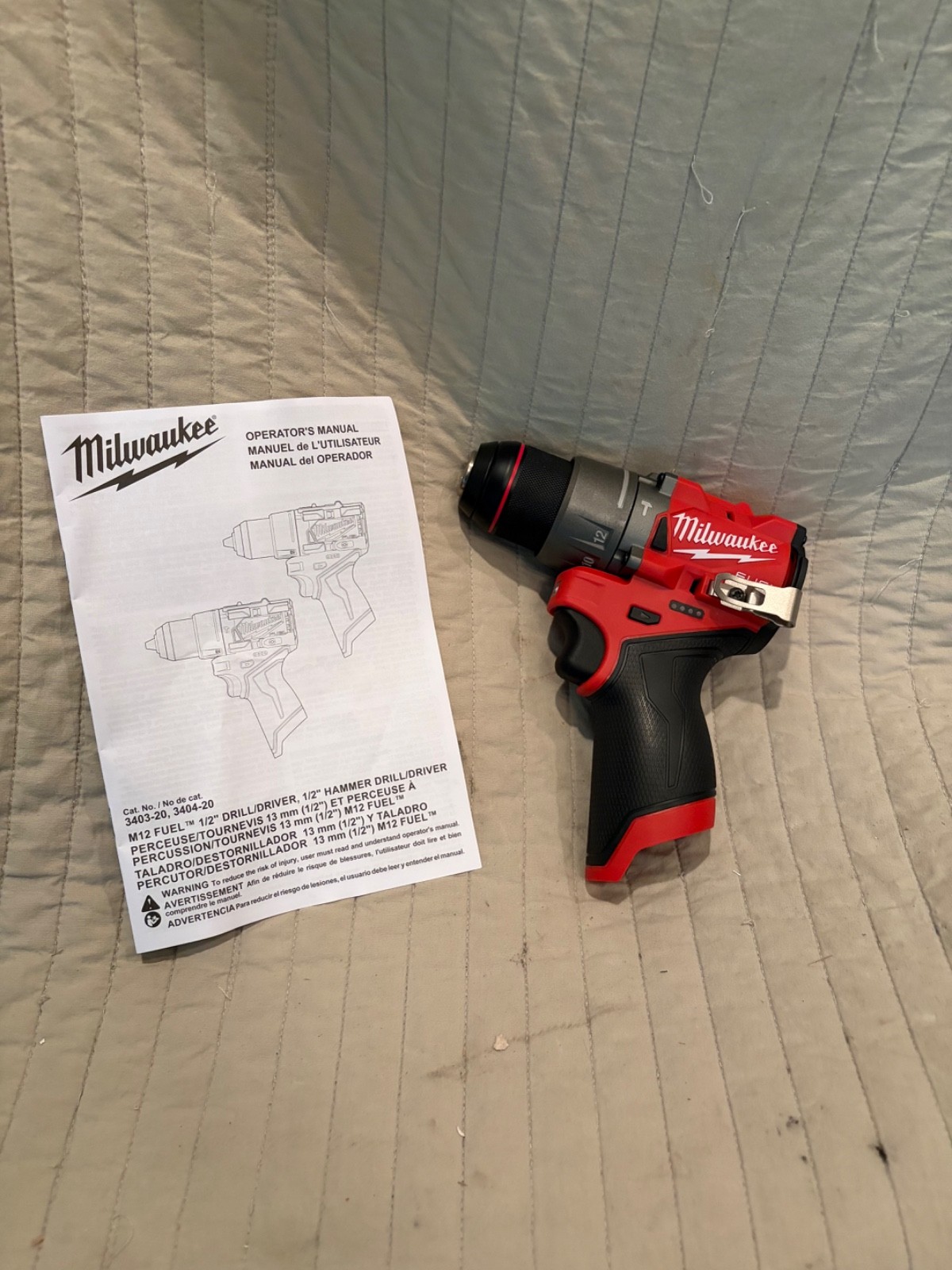 Milwaukee M12 FUEL Hammer Drill/Driver 3404-20 Tool Only$65.00View on eBay
Highlights
- Brushless motors run cooler and deliver 20-30% longer runtime per charge than brushed motors, and eliminate carbon brush replacement.
- Impact energy in joules (J) is the true masonry metric; 1.5-2.0 J suits light brick, 2.0-3.0 J handles standard concrete, and 3.0 J+ is SDS-plus rotary hammer territory.
- Cordless hammer drills are 18V/20V max (same cell platform, different marketing) or 12V subcompact; corded units deliver 6-8A at 120V for continuous duty.
- A 1/2-inch all-metal keyless chuck with carbide jaws accepts round and hex shanks; SDS-plus chuck systems are reserved for rotary hammers, not standard hammer drills.
Best use cases
- Best fit: cordless brushless 18V/20V hammer drill for homeowners drilling occasional brick anchors, deck ledger pilot holes, and mixed wood/metal/screwdriving tasks.
- Best fit: corded 1/2-inch hammer drill for renovators drilling dozens of concrete anchor holes per session where runtime and sustained torque matter more than portability.
- Wrong fit: SDS-plus rotary hammer tasks (core drilling, chipping, >1/2-inch concrete holes) — a standard hammer drill lacks the hammer mechanism and bit interface.
- Wrong fit: precision cabinet or furniture work — a compact 12V drill driver or impact driver gives better control and lower weight than a hammer drill.
Buying tips
- Match battery platform first: an 18V/20V system with at least 4.0Ah packs gives usable runtime; 2.0Ah compact packs suit light drilling but fade under hammer load.
- Check impact energy: choose 1.5-2.0 J for brick and block, 2.0-3.0 J for standard concrete anchors; below 1.5 J is wood/metal drilling with incidental masonry use.
- Prefer all-metal 1/2-inch keyless chucks with carbide-tipped jaws; plastic or hybrid chucks slip under hammer vibration and wear out.
- For corded use, confirm 120V/60Hz and a 6-8A motor; a 1/2-inch chuck with 0-3,000 RPM and 0-48,000 BPM covers general masonry.
Specs
| Power Source | Corded 120V AC vs 18V/20V cordless |
|---|---|
| Motor Type | Brushless vs brushed DC |
| Chuck Size | 1/2 in keyless vs 3/8 in |
| Impact Energy | 1.5-3.0 J hammer class |
Related searches
What to check before buying
- Measure the hole diameter and depth you need; hammer drills top out around 1/2-inch in concrete, while 5/8-inch or larger requires SDS-plus.
- Confirm your existing battery platform voltage and connector type so new bare tools share packs and chargers.
- Check wall plug voltage and amperage for corded models (120V/60Hz in North America) and whether an extension cord gauge supports the motor draw.
- Verify chuck size (1/2-inch vs 3/8-inch) and whether you need a side handle and depth rod for accurate anchor holes.
FAQ
Data sources: eBay / Amazon listings and product attribute feeds Data updated Nov 20, 2026.
Some links on this page are affiliate links. If you buy after clicking one, we may earn a commission at no extra cost to you. This does not change which products appear here or their order. Affiliate disclosure.