Photos from current listings. Actual item, color, and included accessories may vary.
Power Tool Buying Guide
Power tools span corded high-torque workhorses, cordless battery platforms, and compact rotary/drill kits, each trading raw power against portability and battery ecosystem lock-in. The decisive split is between brushless motors with standard battery platforms and brushed motors with proprietary or generic packs. Buy brushless corded tools for continuous load, and commit to one 18V/20V battery family for cordless—rotary and mini kits are supplementary, not substitutes.

At a glance
- Category
- Power Tools
- Data updated
- Nov 20, 2026
Current offers
 Heavy Duty Power Tools 3x5 ft Flag Hand Tools Equipment Workshop Garage Banner$13.99
 View on eBay
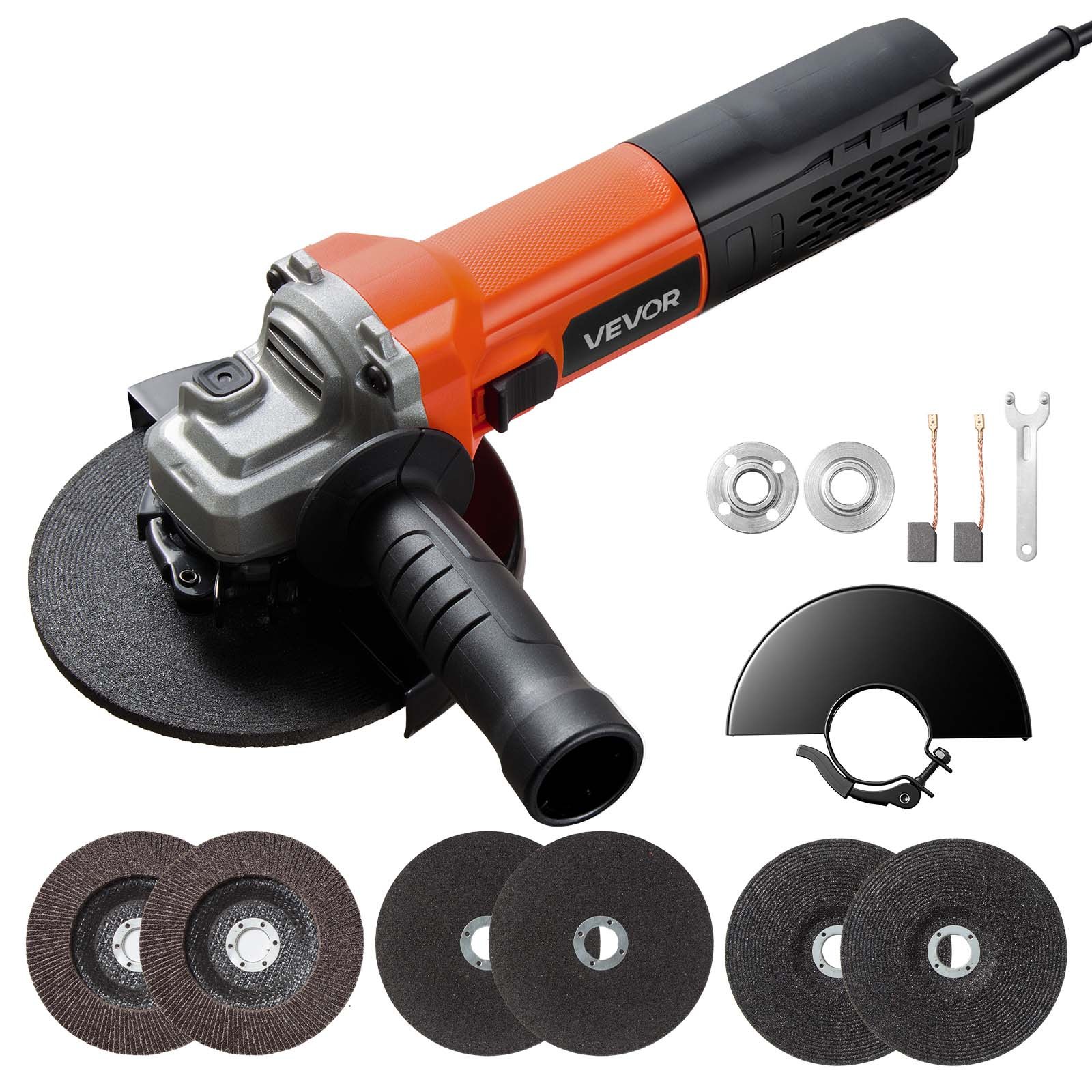 Angle Grinder, 6" Electric Power Tool, 1400W13Amps 10000RPM Corded Grinders with 2 Cutting Wheels, 2 Grinding & 2 Flap Discs for Metal Rust Removal$89.99
 View on Mallflare
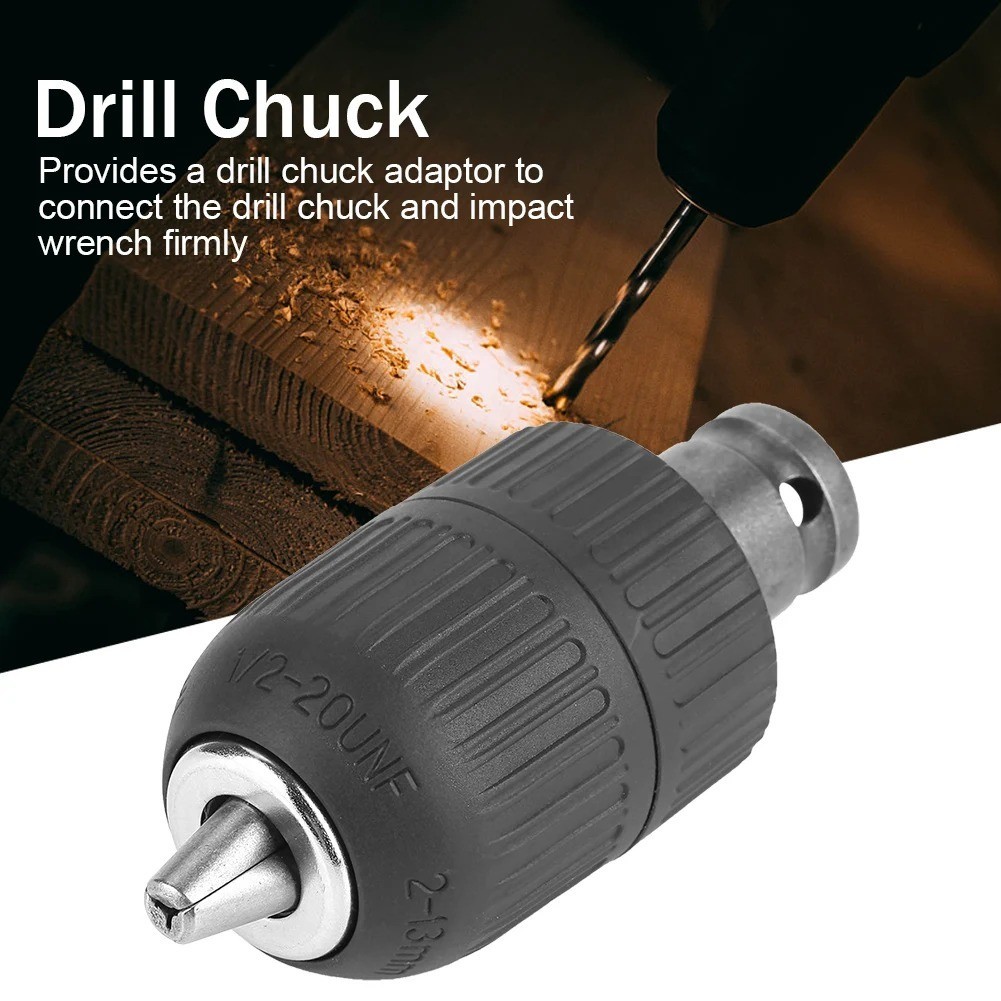 Keyless Drill Chuck 1/2" 2-13mm 1/2-20UNF Hammer drill Power Tools 630604$14.23Last checked Nov 19, 2026View on eBay
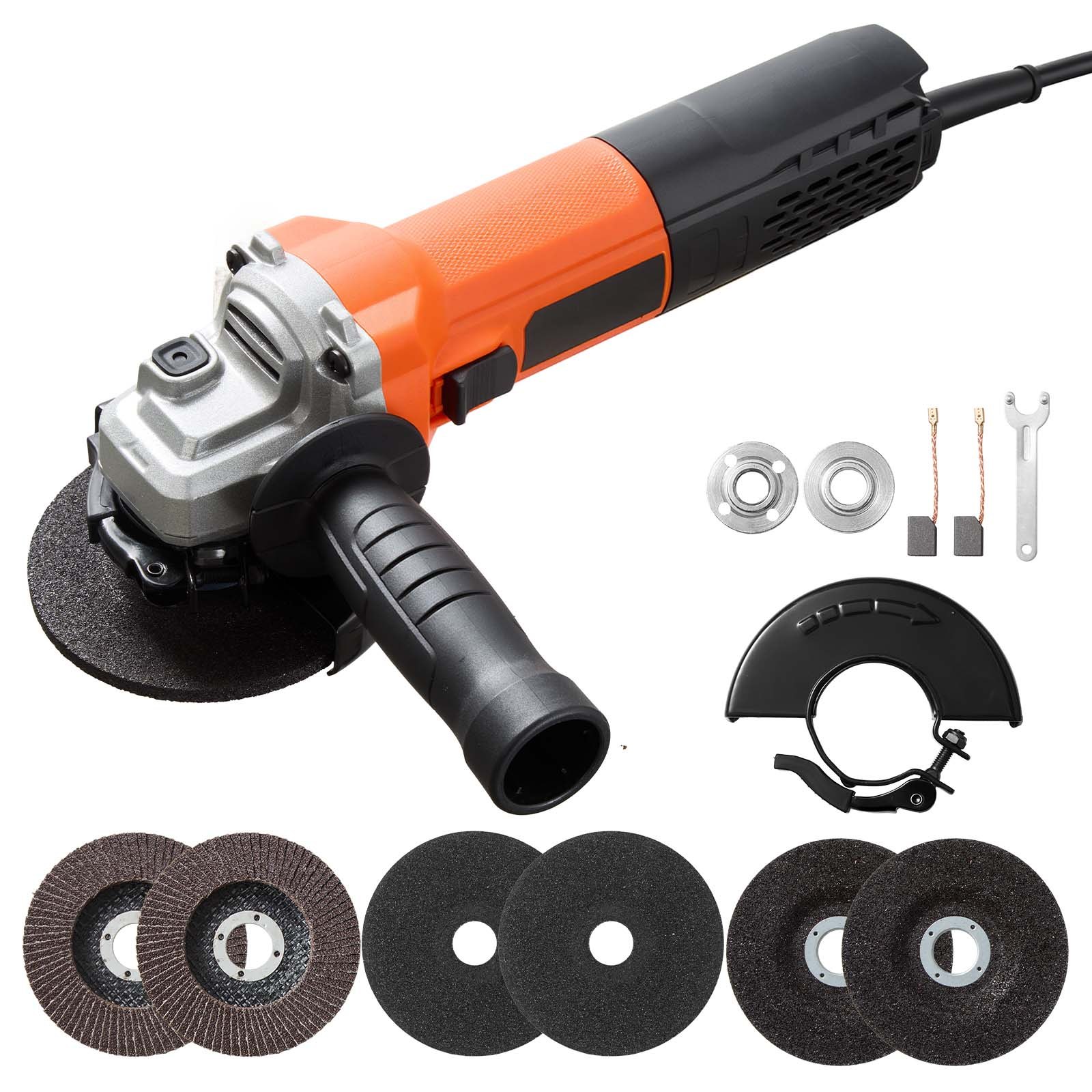 Angle Grinder, 4.5" Electric Power Tool, 1400W 13Amps 3000 - 12000RPM Variable Speed Grinders with 2 Cutting Wheels, 2 Grinding & 2 Flap Discs for Metal$90.99View on Mallflare
 Milwaukee Tools Flag Banner Flag 3x5 Feet Heavy Duty Power Tools Equipment$14.99View on eBay
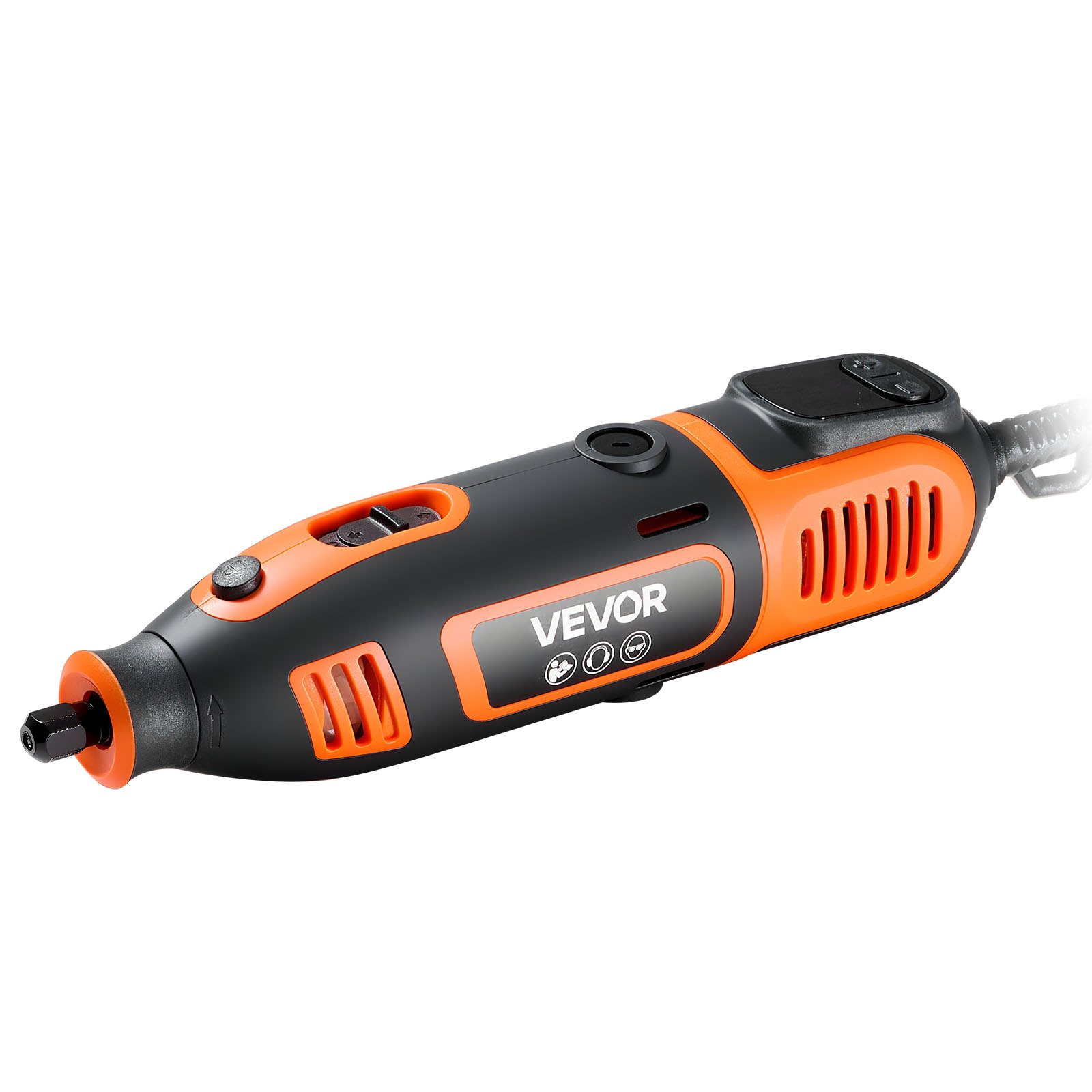 51-Piece Rotary Tool Kit, 200W Mini Power Corded, 8000-40000RPM Multi-Purpose DIY Tools With Universal Chuck For Engraving, Sanding, Grinding, Polishing, Cutting, DIY Crafts$44.99View on Mallflare
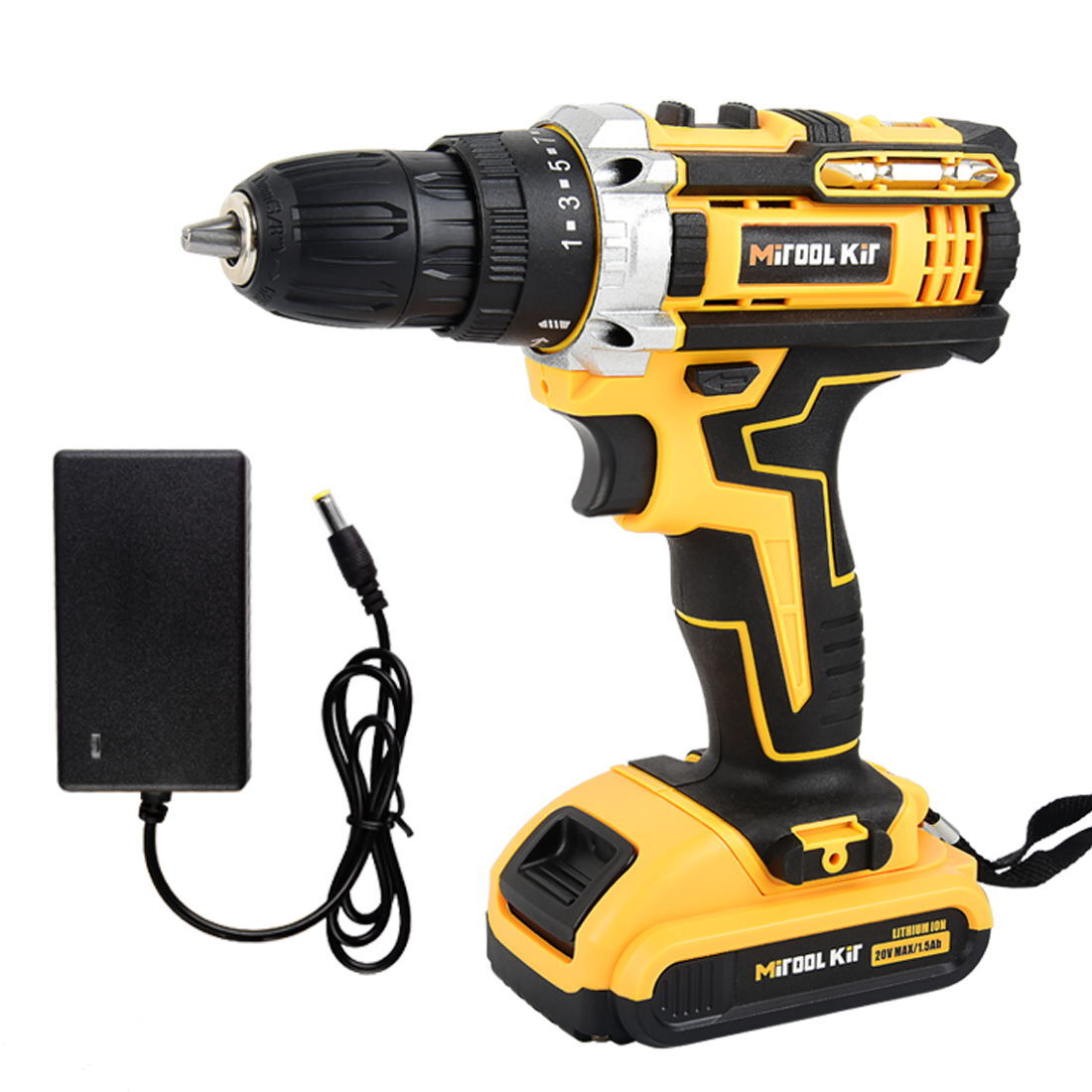 20V Cordless Drill & Screwdriver Kit with Battery & Charger -Fast Power Tool Set$21.90View on eBay
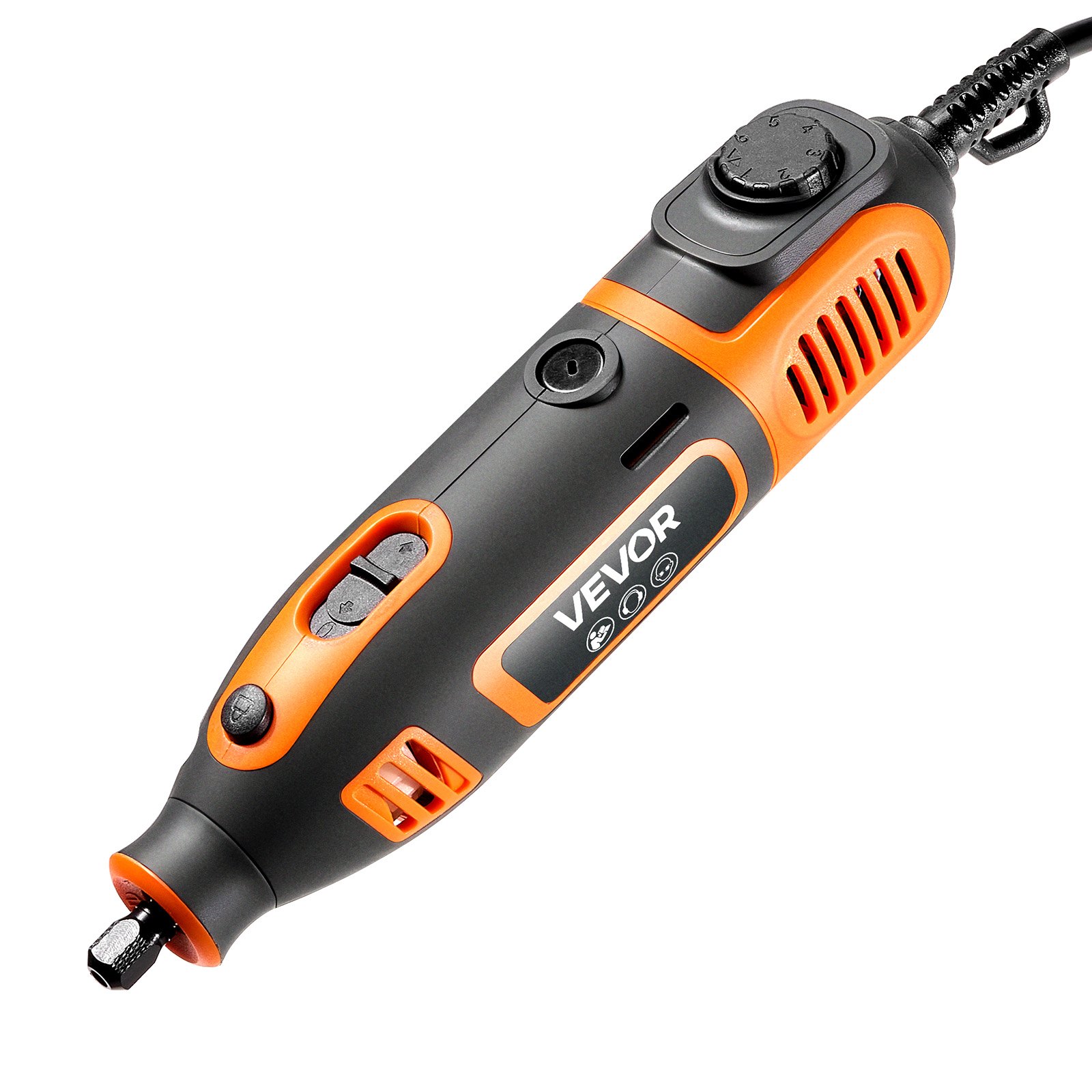 84-Piece Rotary Tool Kit, 200W Mini Power Corded , 6-Level Speed 8000-40000 RPM Multi-Purpose DIY Tools For Engraving, Sanding, Polishing, Carving, Grinding, Cutting, DIY Crafts$48.99View on Mallflare
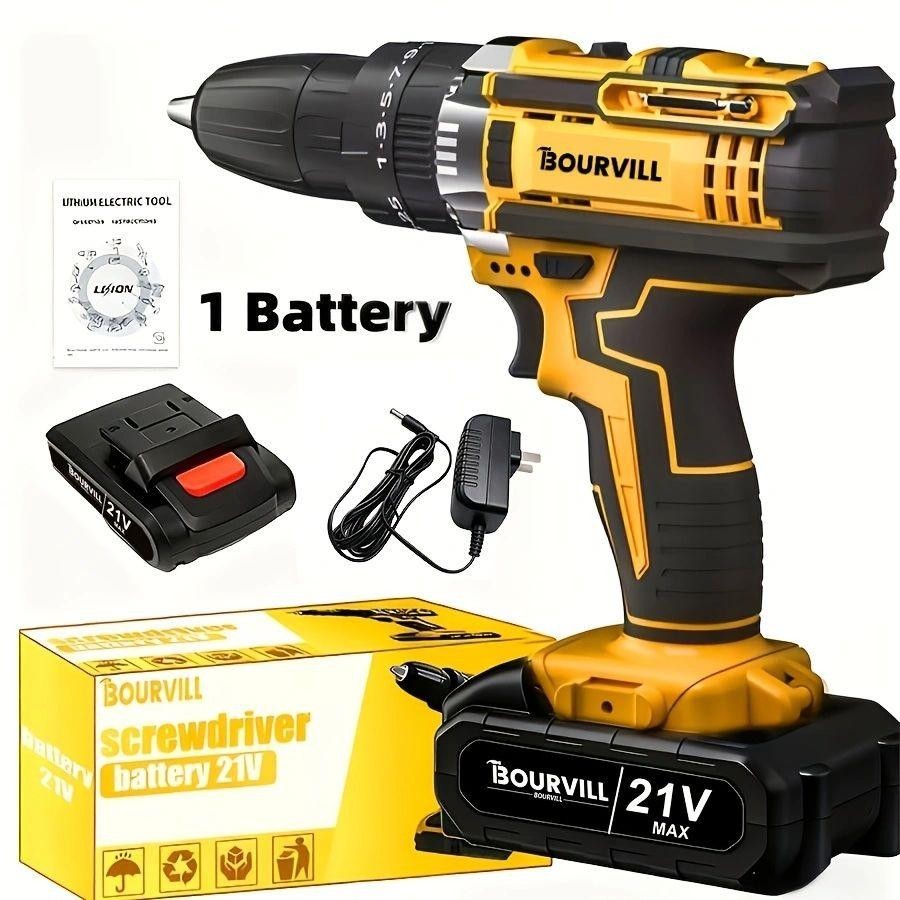 BOURVILL 21V Cordless Impact Drill Set, Wireless Drill Set, Household Power Tool$23.99Last checked Nov 18, 2026View on eBay
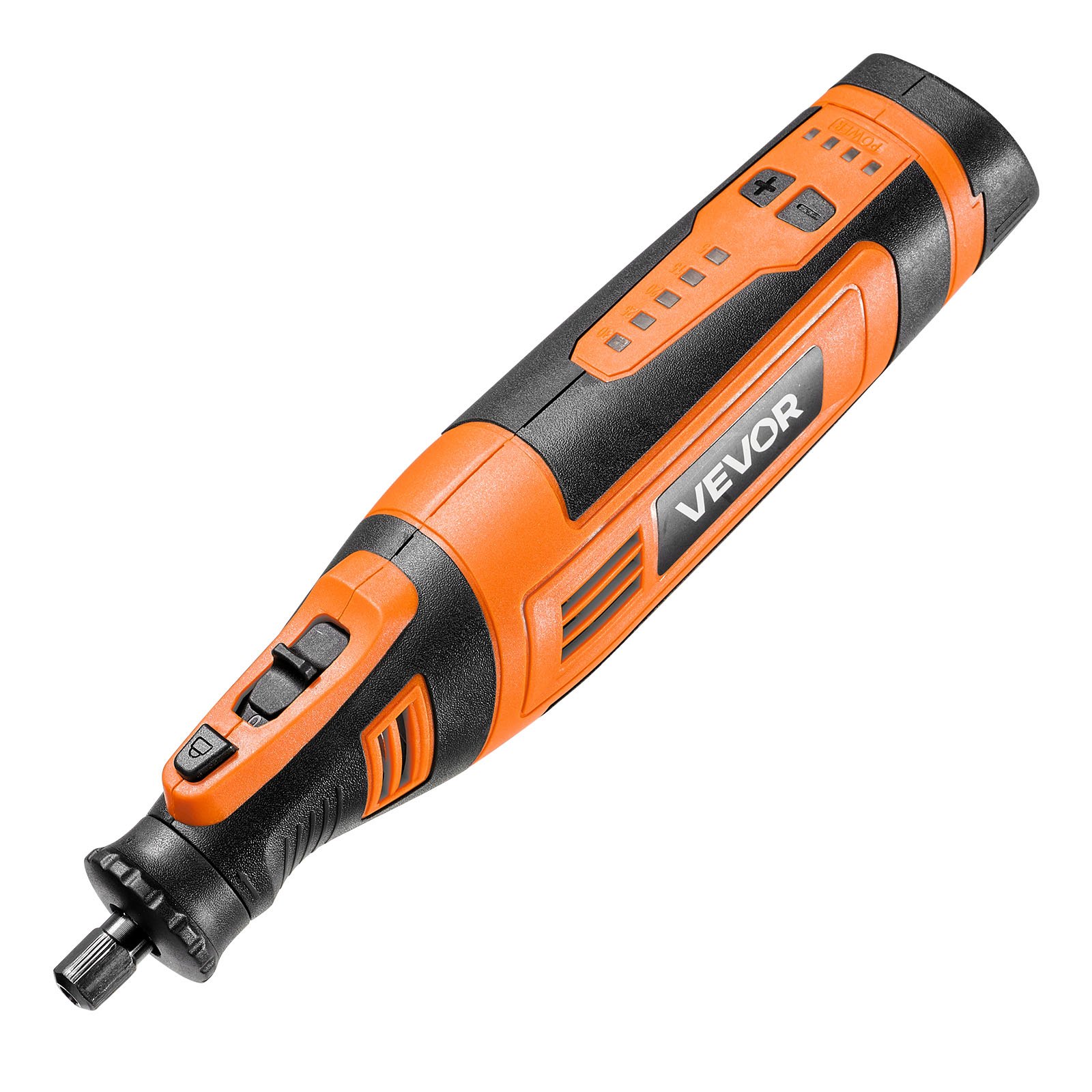 136-Piece Cordless Rotary Tool Kit, DC8V Portable Mini Power 5 Speeds 5000-30000RPM Multi-Purpose DIY Tools For Engraving, Sanding, Polishing, Carving, Grinding, Cutting, DIY Craft$59.99View on Mallflare
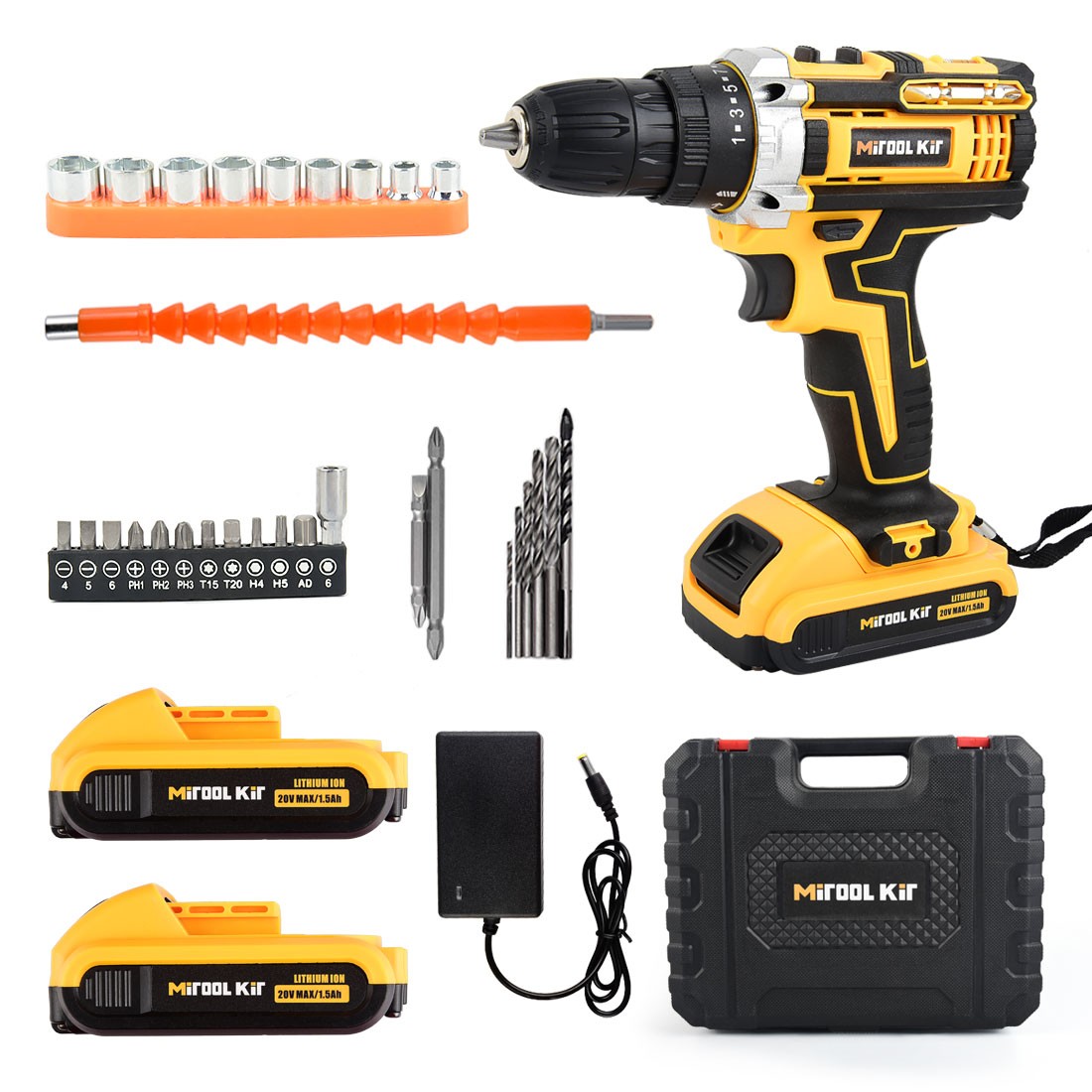 20V Electric Drill Cordless Fast Screwdriver Set Power Tool w/ Battery & Charger$26.59View on eBay
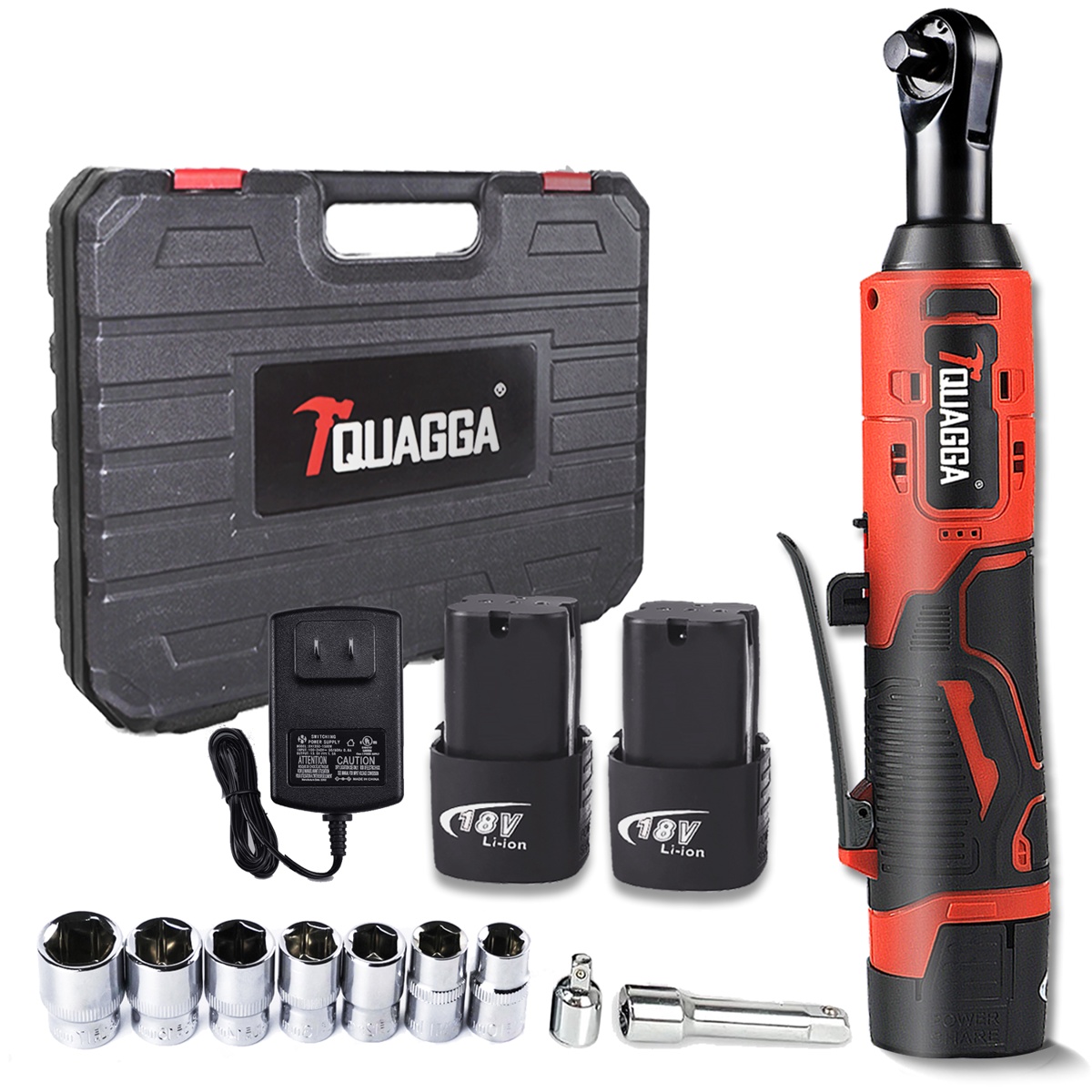 TQUAGGA 18V Cordless Electric Ratchet Wrench Set, Power Wrench,Variable Speed With Batteries2,Torque 45ftlbs,Car Repair Tools, Tools,Hardware,Heavy Duty,Portable,Quick Charger$60.99View on Mallflare
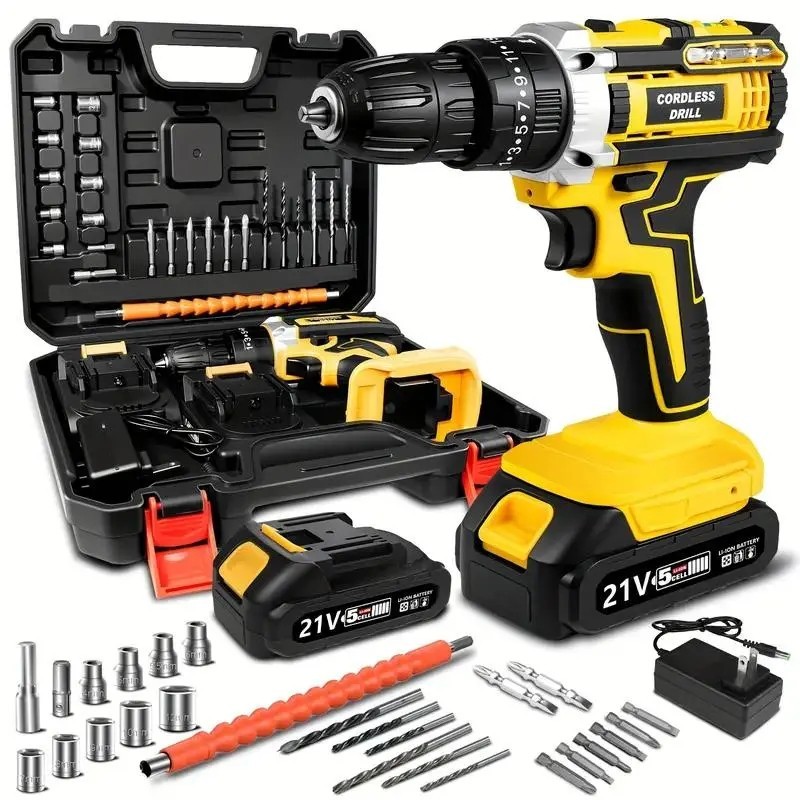 36V Cordless Impact Drill Set, Wireless Drill Set, Household Power Tool$26.99View on eBay
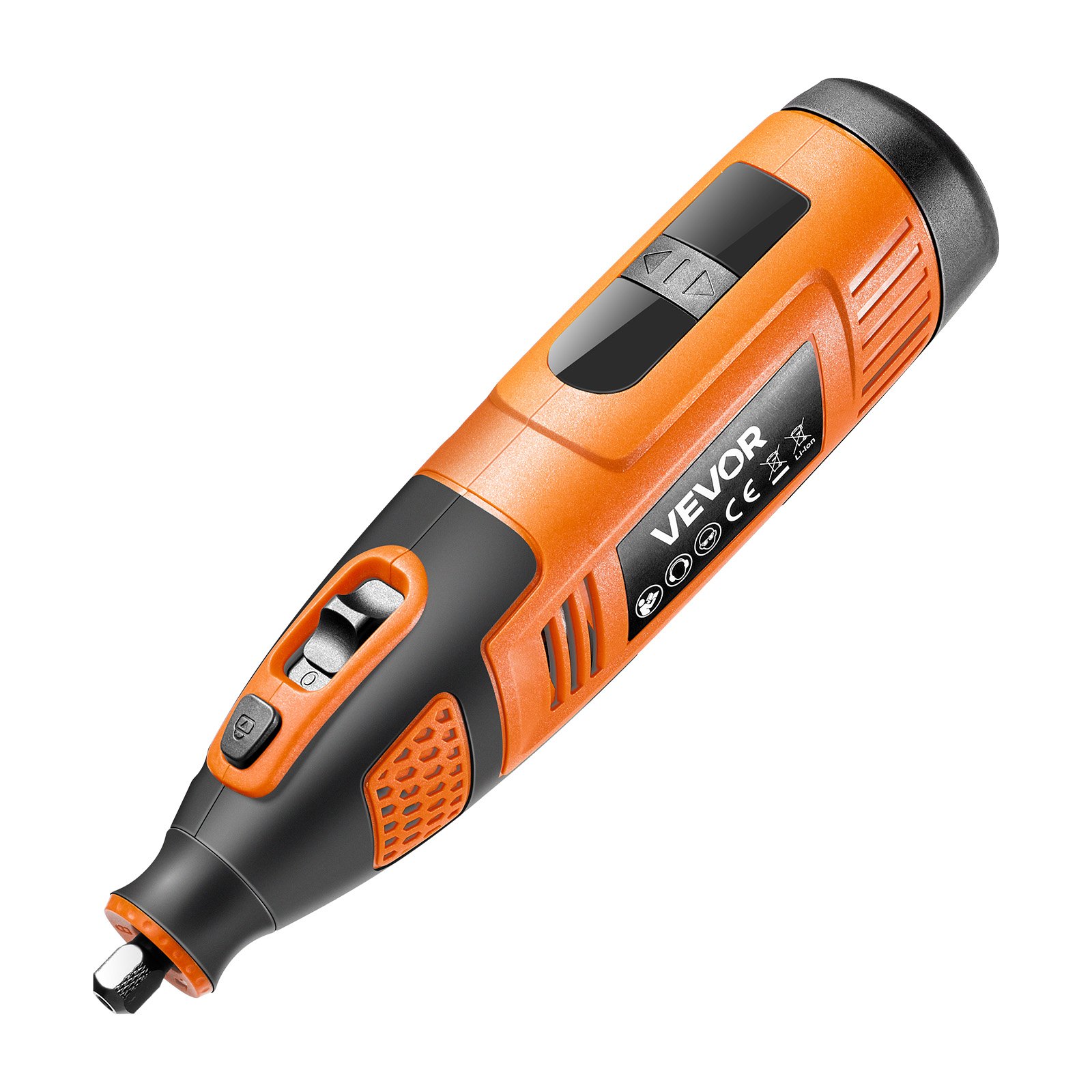 119-Piece Cordless Rotary Tool Kit, DC12V Portable Mini Power 28-Level Speed 5000-32000 RPM Multi-Purpose DIY Tools For Engraving, Sanding, Polishing, Carving, Cutting, DIY Crafts$71.99View on Mallflare
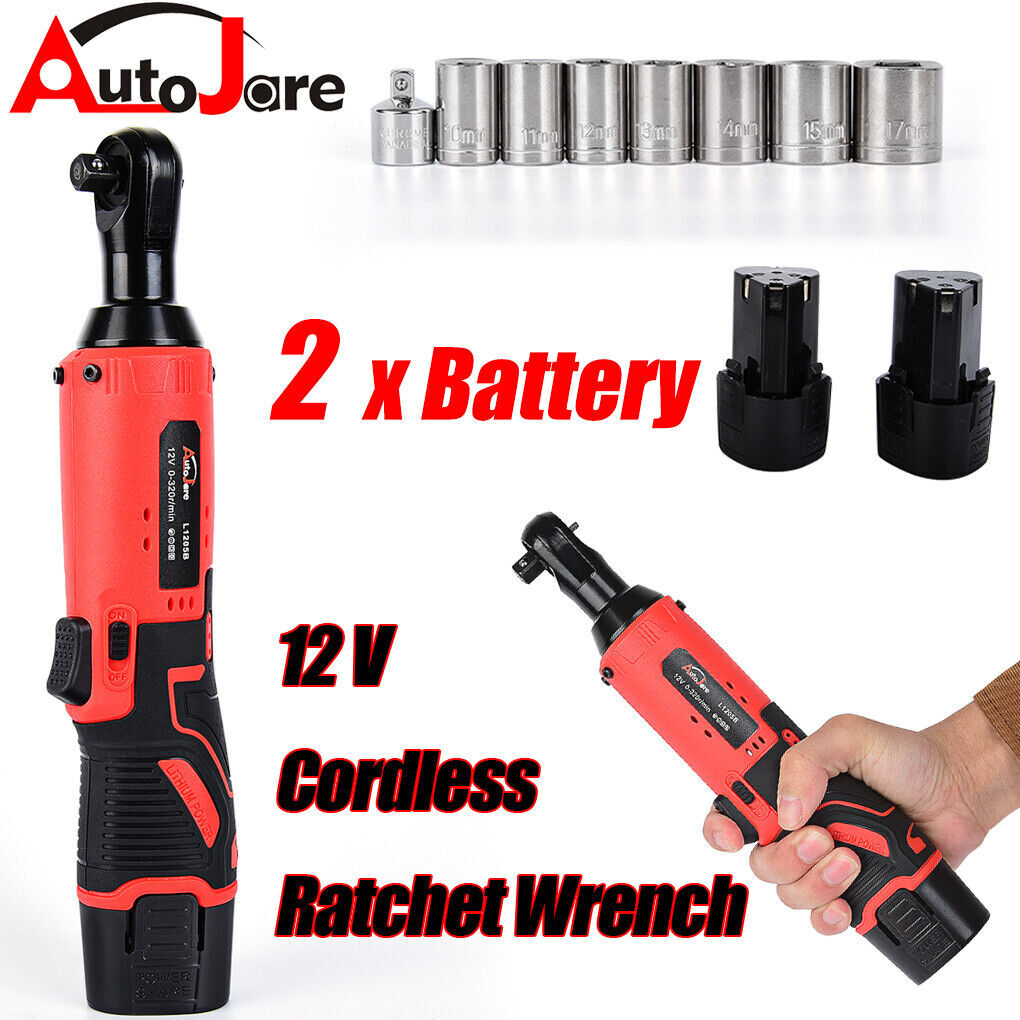 Electric Cordless Ratchet 3/8" Right Angle Wrench Impact Power Tool + 2 Battery$36.99View on eBay
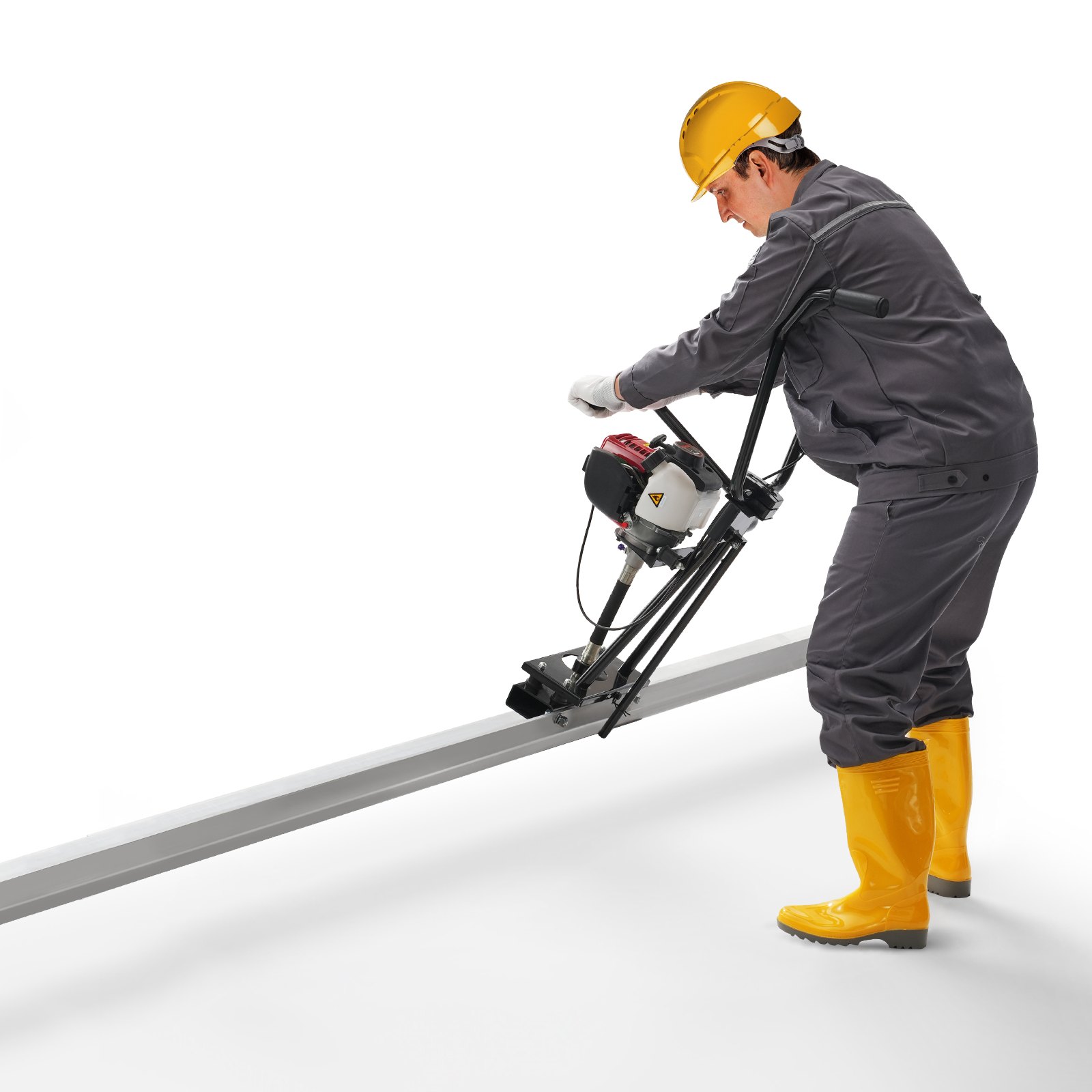 Gas Concrete Power Screed, 11ft Aluminum Board Straight Edge Bar Set, 4 Stroke Cement Finishing Vibrating Motor With Height Adjustable Handles, High Efficient Tools 6500RPM$828.99View on Mallflare
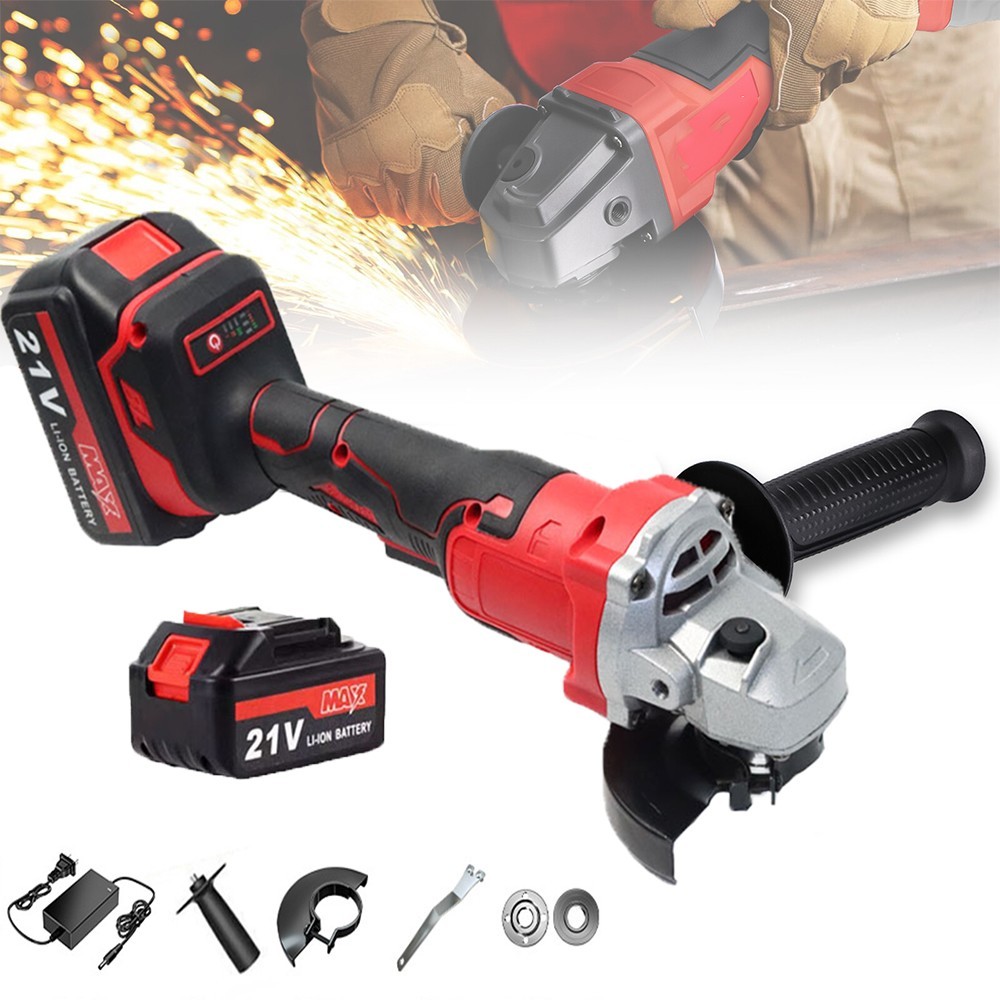 21V Cordless Angle Grinder Kit Power Tool Sander 1000RPM With Battery & Charger$38.98Last checked Nov 19, 2026View on eBay
 18V 2Battery Electric Cordless Ratchet 3/8" Right Angle Wrench Impact Power Tool$39.99View on eBay
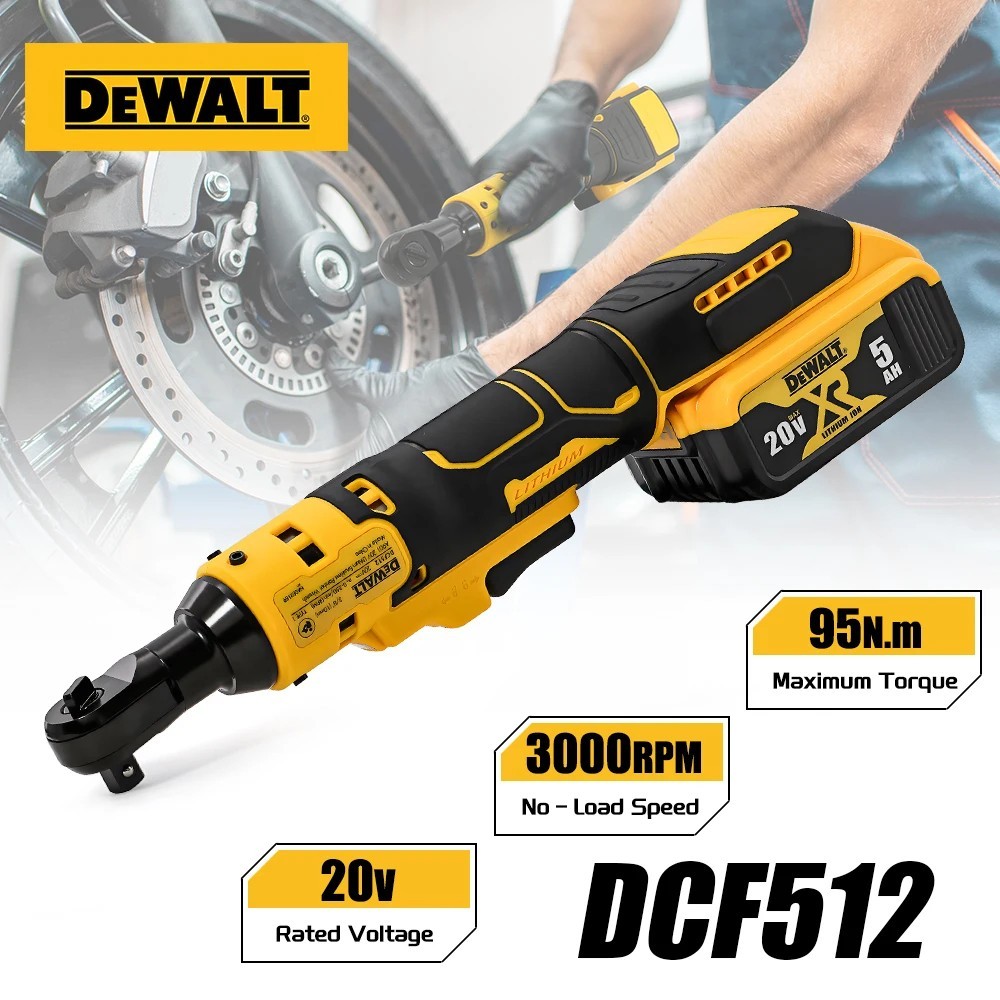 DeWalt DCF512 20V Cordless Brushless Ratchet Wrench 1/2" Power Tool Bare Tool$73.99View on eBay
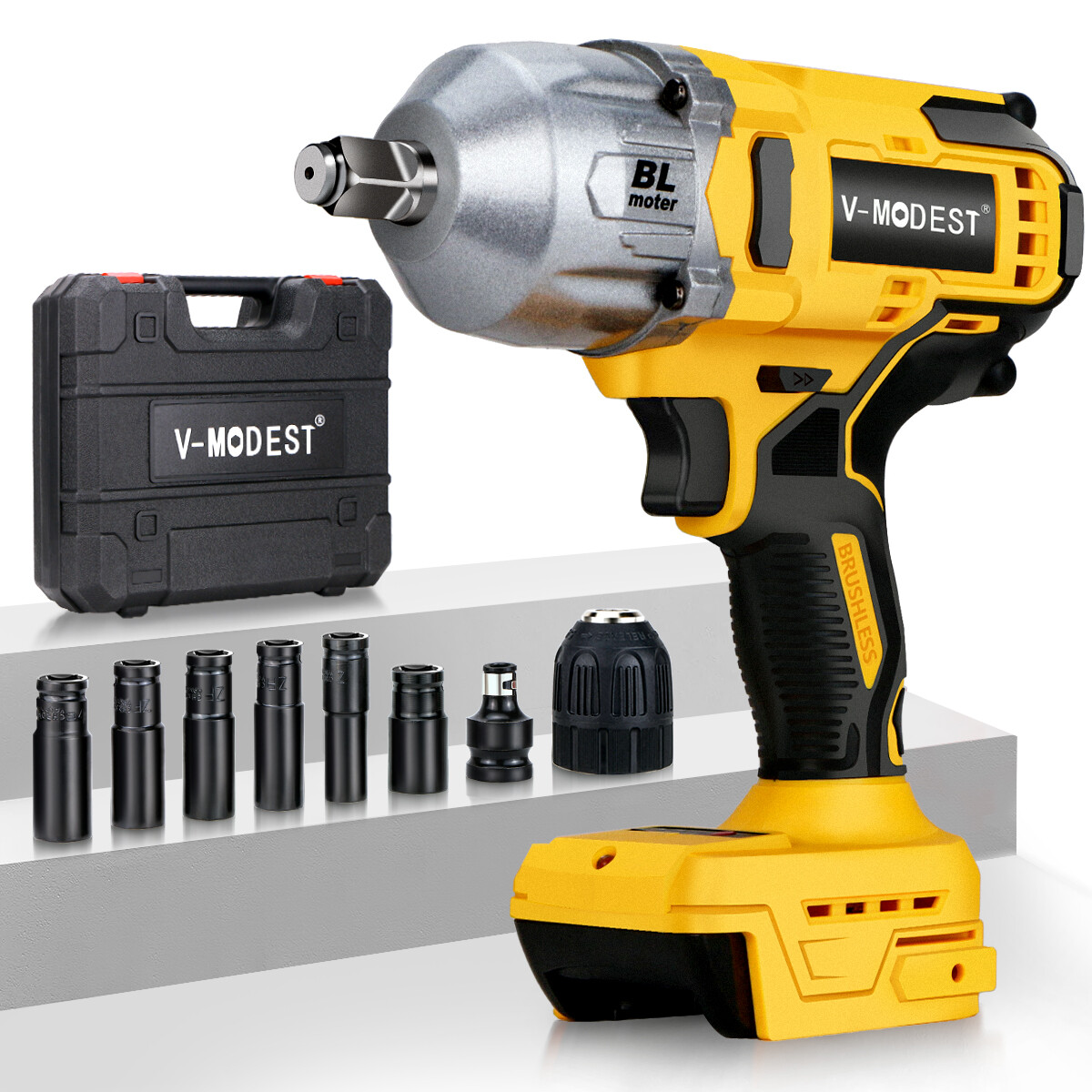 Cordless Angle Grinder/Impact Wrench Power Tool Combo For Dewalt 20v Battery$89.99View on eBay
Highlights
- Brushless motors deliver 50-60% longer runtime and cooler operation than brushed; brushed motors are cheaper but wear carbon brushes and lose torque under load.
- Corded angle grinders at 1400W/13A and 10,000-12,000 RPM handle continuous metal cutting; cordless grinders trade runtime for portability and cost more per watt.
- 18V/20V max battery platforms (DeWalt 20V MAX, Makita 18V LXT, Milwaukee M18) use slide-on packs—cross-brand adapters void warranties and underperform.
- Rotary tool kits run 200W corded at 8,000-40,000 RPM or 8V cordless at 5,000-30,000 RPM; collet size (1/8" standard) determines bit compatibility.
Best use cases
- Metal cutting, rust removal, and heavy grinding: choose a corded 4.5" or 6" angle grinder at 1400W/13A with variable speed—skip low-watt cordless grinders for sustained work.
- Drilling and driving around the home: pick an 18V/20V brushless drill/driver combo kit with two batteries—avoid 12V or 8V mini drivers for masonry or deck screws.
- Engraving, polishing, and craft detail: a 200W corded rotary tool at 8,000-40,000 RPM with 1/8" collet outperforms 8V cordless kits on sustained torque—cordless suits light touch-up only.
- Professional jobsite use: commit to one 18V/20V platform (DeWalt 20V MAX, Makita LXT, Milwaukee M18) and buy bare tools—skip generic 21V drop-ship drills with no battery ecosystem.
Buying tips
- Match battery voltage to task: 12V for light assembly and cabinet work, 18V/20V for drilling, driving, and sawing—21V generic packs rarely meet stated capacity.
- Verify chuck and collet standards: 1/2" keyless chucks with 1/2-20UNF threads fit most drill bits; rotary tools use 1/8" (3.2mm) collets unless a universal chuck is included.
- For corded grinders, confirm disc arbor size (7/8" for 4.5" discs, 1" for 6") and spindle thread (5/8"-11) before buying wheels.
- Check charger compatibility: DeWalt DCB112 charges 10.8V-20V MAX Li-ion packs; mixing brands requires matched chargers—never charge unattended with generic adapters.
Specs
| Motor Type | Brushless vs Brushed |
|---|---|
| Power Source | Corded 120V vs 18V/20V Battery |
| Chuck/Collet | 1/2" keyless / 1/8" collet |
| Grinder Disc Size | 4.5" vs 6" (7/8" arbor) |
Related searches
What to check before buying
- Measure your work area and power access: corded tools need a nearby outlet and 13A circuit for 1400W grinders; cordless needs a charging station within reach.
- Confirm battery platform lock-in: count existing packs and chargers—buying into a new 18V/20V family means replacing all batteries and chargers.
- Verify disc and bit sizes against the tool: 4.5" grinder takes 4.5" discs with 7/8" arbor; 1/2" drill chuck takes bits up to 1/2" shank.
- Check voltage and plug standard for your region: 120V/60Hz US plugs differ from 230V/50Hz EU—corded tools are region-specific, cordless chargers too.
FAQ
Data sources: eBay / Amazon listings and product attribute feeds Data updated Nov 20, 2026.
Some links on this page are affiliate links. If you buy after clicking one, we may earn a commission at no extra cost to you. This does not change which products appear here or their order. Affiliate disclosure.