Photos from current listings. Actual item, color, and included accessories may vary.
Right Angle Drill Buying Guide
A right angle drill is a compact, geared drilling/driving tool whose 90-degree head lets you work flush against studs, cabinets, and joists where a standard pistol-grip drill cannot fit. The core trade-off is head size and torque delivery: inline planetary-gear heads stay short but deliver lower torque, while offset/angle-head designs reach deeper but add bulk and cost. Buy a brushless, dedicated right-angle tool with a metal gearbox for repeated tight-space work; skip brushed, single-speed, or hex-chuck conversions for anything beyond light assembly.

At a glance
- Category
- Power Tools
- Data updated
- Nov 20, 2026
Current offers
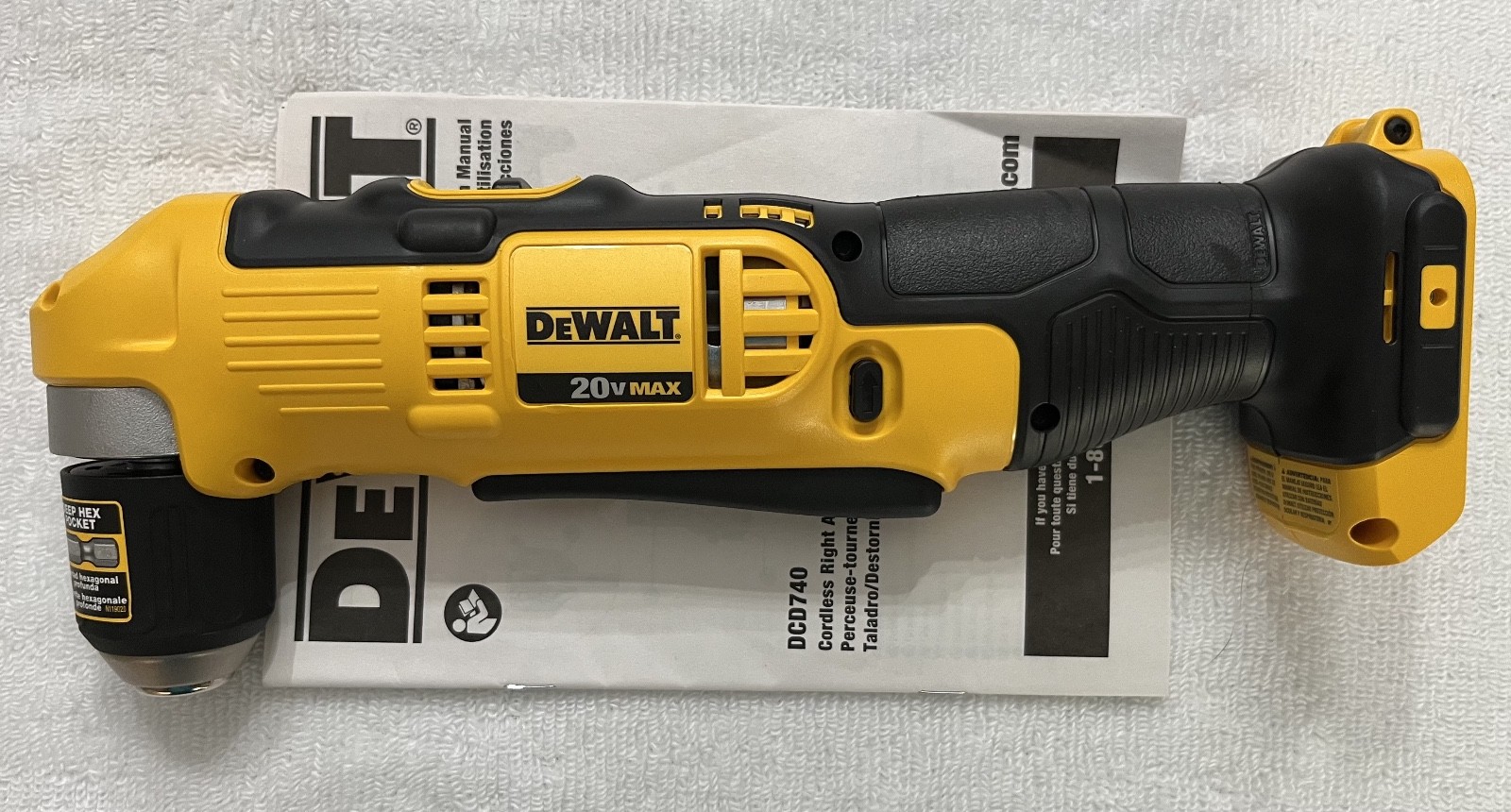 New Dewalt DCD740B 20 Volt Max 3/8" Right Angle Drill Driver Li-ion Cordless$126.89Last checked Nov 19, 2026
 View on eBay
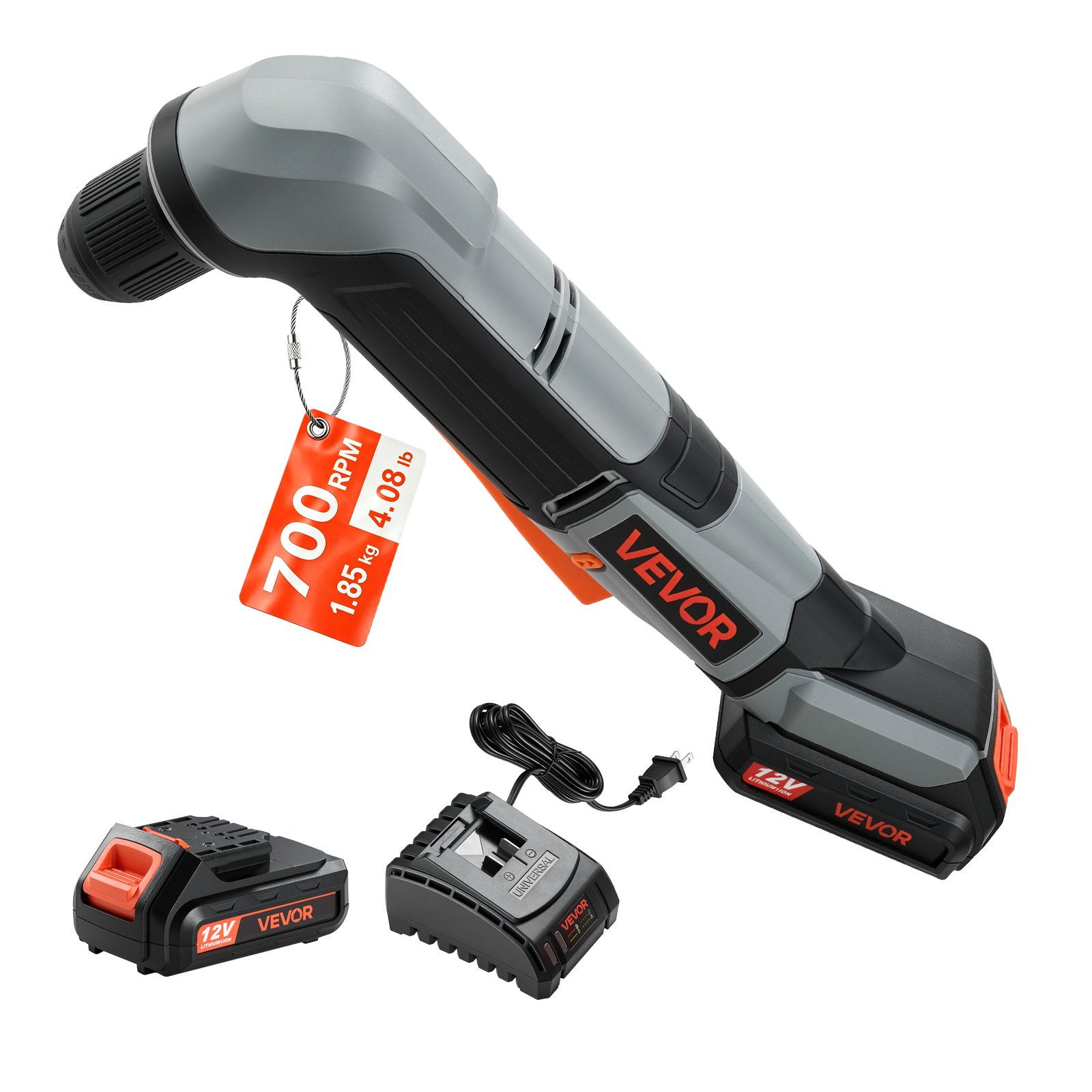 Right Angle Drill 3/8 Inch Chuck 90 Degree Cordless For Cabinets, Corners, Frames, Tight Spaces, Handles Both Wood and Metal Drilling, LED Lighting, with 2 Batteries and Charger$67.99
 View on Mallflare
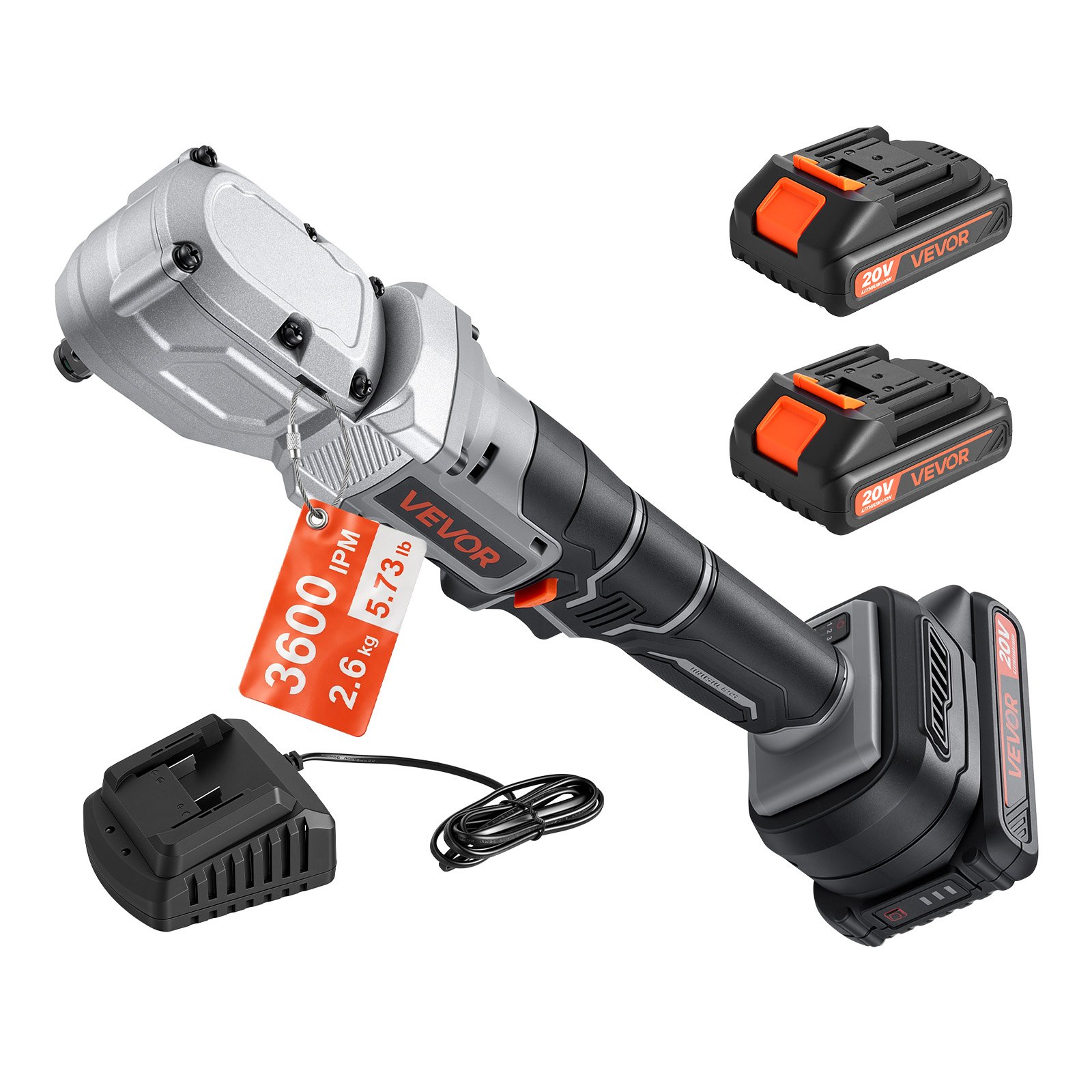 Right Angle Drill 1/2 in Square Drive 90 Degree Cordless For Cabinets, Corners, Frames, Tight Spaces, Brushless Motor, Adjustable Speed, LED Lighting, with 2 Batteries and Charger$115.99View on Mallflare
Highlights
- Chuck style splits the segment: 3/8 in keyless or keyed chucks accept twist and auger bits, while 1/2 in square-drive anvils are impact-style drivers for sockets and lag screws only.
- Brushless motors run cooler and roughly 50% longer per charge than brushed motors, and are the practical threshold for continuous cabinet, framing, and plumbing work.
- Head height, not overall length, determines fit: compact angle heads sit near 2 in tall and clear 2x4 stud bays and cabinet interiors that block 7 in pistol drills.
- Cordless platforms are 12V, 18V/20V Max, or 20V-class; the Dewalt DCD740B is a 20V MAX 3/8 in bare tool, so battery and charger are separate purchases.
Best use cases
- Cabinet and furniture installs: pick a 3/8 in chuck brushless cordless with LED and two batteries; skip 1/2 in square-drive models because they cannot grip drill bits.
- Plumbing and electrical between studs: pick a compact 18V/20V right angle drill with a keyed or keyless metal chuck and variable-speed trigger; skip 12V brushed units for repeated hole sawing.
- Deck framing and lag screws: pick a 1/2 in square-drive impact-style right angle driver with adjustable speed; skip 3/8 in drill chucks, which slip under high torque.
- Light flat-pack assembly or one-off tight spots: a 12V brushed right angle drill is adequate; skip premium brushless tiers if the tool sees only occasional use.
Buying tips
- Match the chuck to the task: 3/8 in (0.375 in) chuck for bits up to 3/8 in shank; 1/2 in square drive for sockets and lag screws, not drill bits.
- For cordless, stay inside a battery platform you already own; bare-tool purchases need the matching battery and charger, which often cost as much as the tool.
- Choose brushless and a metal gearbox for daily use; brushed motors and plastic gear housings are for occasional light-duty assembly only.
- Check head height and reach against your tightest gap: under 2 in head height clears most cabinet and stud-bay work; deeper offset heads reach farther but need more clearance.
Specs
| Chuck / Drive | 3/8 in chuck or 1/2 in square drive |
|---|---|
| Motor Type | Brushless vs brushed |
| Power Platform | 12V / 18V / 20V MAX cordless |
| Head Clearance | Under 2 in compact to 3 in offset |
Related searches
What to check before buying
- Measure the tightest gap you will drill in; the tool's head height plus chuck must fit with the bit installed.
- Confirm battery platform and voltage (12V, 18V, or 20V MAX) and whether the tool is bare or includes batteries and charger.
- Verify chuck type and capacity: 3/8 in keyless/keyed for drill bits, 1/2 in square drive for sockets.
- Check LED placement and variable-speed trigger if working in dark cabinets or between studs.
FAQ
Data sources: eBay / Amazon listings and product attribute feeds Data updated Nov 20, 2026.
Some links on this page are affiliate links. If you buy after clicking one, we may earn a commission at no extra cost to you. This does not change which products appear here or their order. Affiliate disclosure.