Photos from current listings. Actual item, color, and included accessories may vary.
Siding Nail Gun Buying Guide
A siding nail gun is a pneumatic coil nailer built to drive corrosion-resistant nails through fiber-cement, cedar, engineered wood, and vinyl siding without denting the face. The core trade-off is fastener capacity and wear parts versus portability: full-size 15-degree coil guns deliver 2 to 3-1/4 inches and long service life, while compact models cover 1-1/4 to 2-1/2 inches for sheathing and trim. The durable choice is a tool-less depth-adjust coil nailer rated 70–120 PSI with a hardened driver blade and full sequential or bump-fire trigger.


At a glance
- Category
- Power Tools
- Data updated
- Nov 20, 2026
Current offers
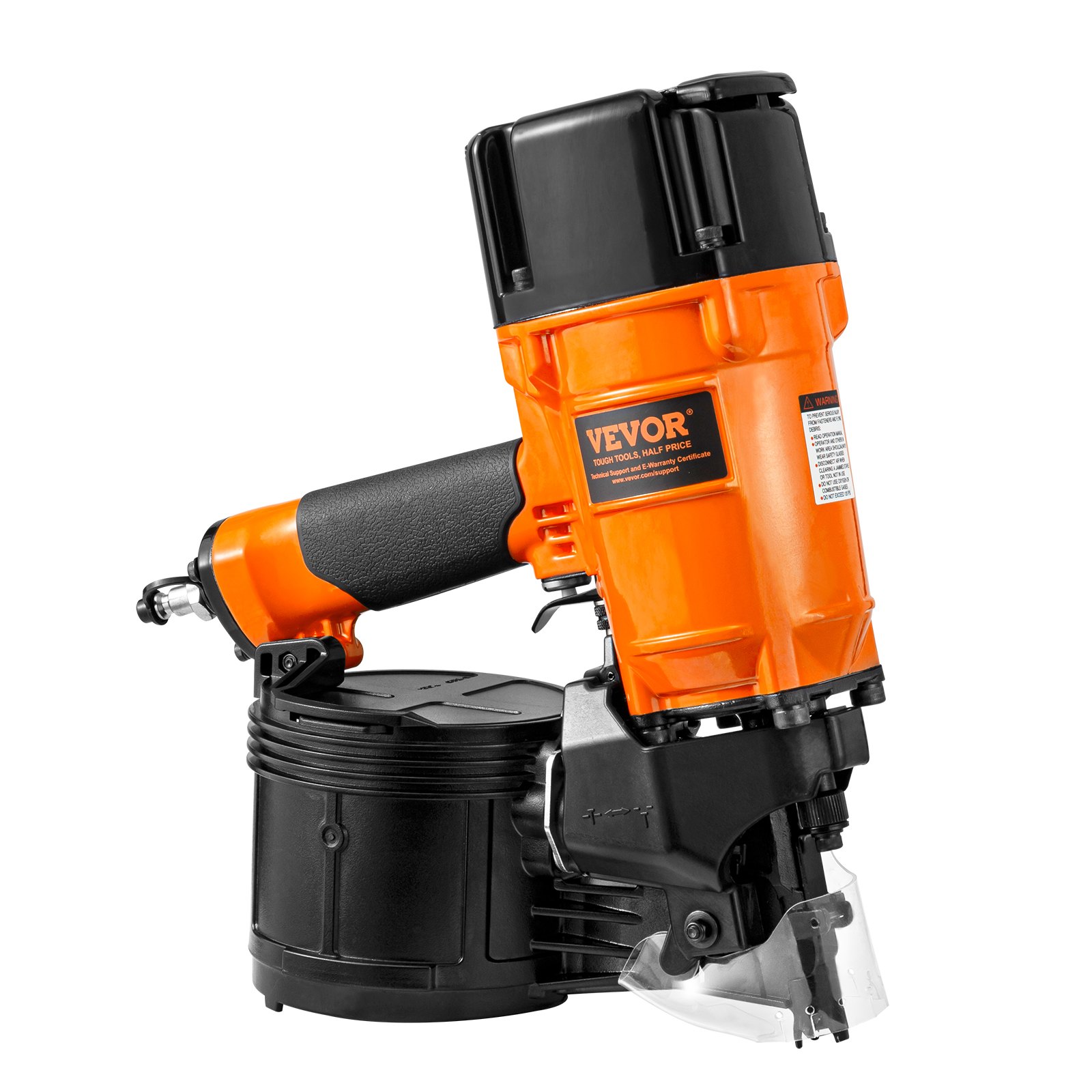 Coil Siding/Framing Nailer CN83N, 2" To 3-1/4" 15 Degree Pneumatic Siding Nail Gun With Tool-Less Depth Adjustment, 70-120PSI Air For Sheathing Wooding Fencing Decking$225.99
 View on Mallflare
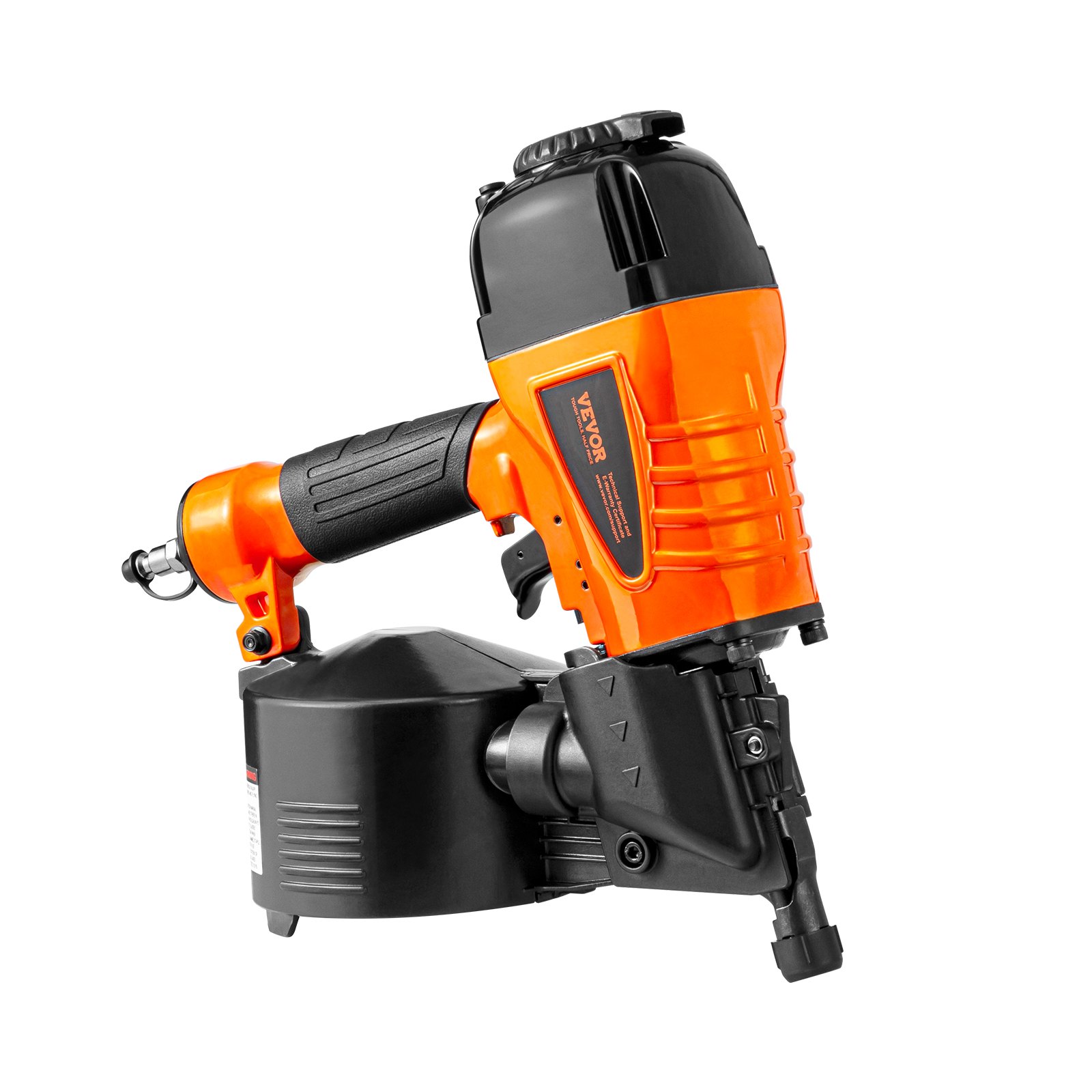 Coil Siding Nailer CN65, 1-1/4" To 2-1/2" 15 Degree Pneumatic Nail Gun With Tool-Less Depth Adjustment, 70-120PSI Air For Pallet Sheathing, Wooding, Fencing, Decking$170.99View on Mallflare
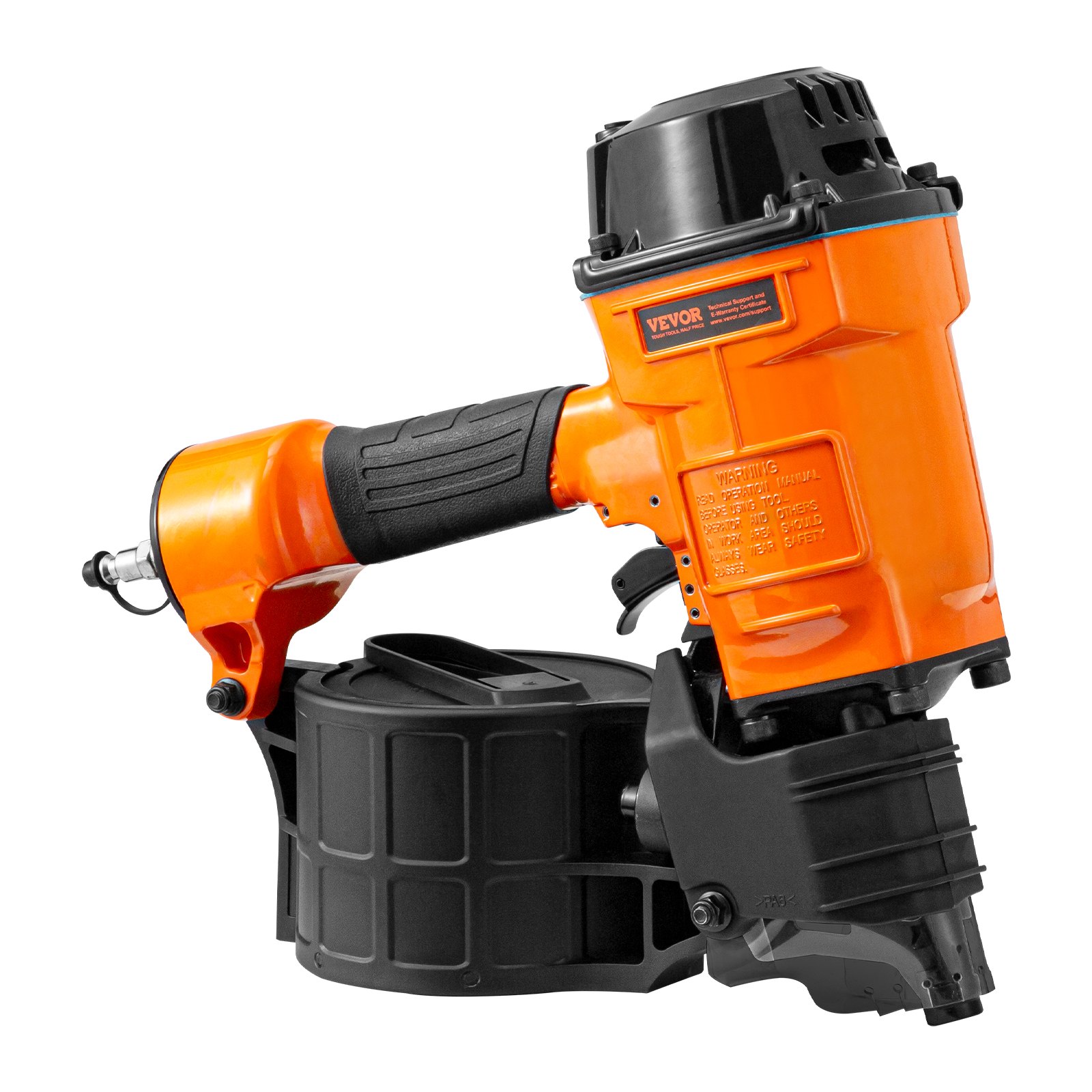 Coil Siding Nailer MCN70, 1-3/4" To 2-3/4" 15 Degree Pneumatic Nail Gun, 70-120PSI Air For Pallet, Crating, Framing, And Fencing$185.99View on Mallflare
Highlights
- 15-degree wire-collated coil magazine is the siding standard: tighter 1-1/4 to 1-3/4 inch coil spacing allows more nails per load than 16-degree stick or 15-degree plastic-collated framing nails.
- Nail length determines use: 1-1/4 to 2-1/2 inch covers sheathing, pallets, fencing, and 5/16-inch siding; 2 to 3-1/4 inch covers 3/4-inch cedar, fiber-cement, and decking.
- Operating pressure of 70–120 PSI pairs with a 3/8-inch ID air hose and 4–6 CFM compressor output; lower pressure causes proud heads and fiber-cement cracking.
- Tool-less depth adjustment on the nose adjusts drive depth without wrenches—critical for not overdriving fiber-cement or cedar, which crushes and cracks at the face.
Best use cases
- Best fit: fiber-cement lap siding, cedar shingles, and deck boards up to 1 inch thick—choose the 2 to 3-1/4 inch full-size coil nailer with 70–120 PSI and full sequential trigger.
- Best fit: 1/2 to 5/8 inch OSB sheathing, pallet assembly, crating, and 5/16-inch vinyl siding—choose the 1-1/4 to 2-1/2 inch compact coil nailer for lighter weight and tighter 15-degree coil loading.
- Wrong fit: structural framing with 3-1/2 inch nails—a siding coil nailer maxes at 3-1/4 inch; use a dedicated 21-degree framing nailer or 30-degree clipped-head framing gun instead.
Buying tips
- Match nail length to substrate: measure the siding thickness, then add 3/4 to 1-1/4 inch for penetration into the sheathing—fiber-cement of 5/16 inch needs 1-3/4 to 2 inch coil nails.
- Prefer full round-head or clipped-head wire-collated siding nails with hot-dip galvanized or stainless coating; electro-galvanized nails rust at the head in treated lumber and coastal air.
- Check the magazine coil angle and capacity: 15-degree wire-collated coils hold roughly 300–400 nails and must match the gun's 15-degree canister and nail shank diameter.
- Look for a hardened driver blade and rebuildable O-ring kit; siding nailers fire thousands of nails per job, so replaceable wear parts separate a multi-season tool from a disposable one.
Specs
| Fastener Type | 15-degree wire-collated coil nails |
|---|---|
| Nail Length Range | 1-1/4–2-1/2 in compact / 2–3-1/4 in full |
| Operating Pressure | 70–120 PSI, 3/8-in ID hose |
| Drive Depth Control | Tool-less nose adjustment |
Related searches
What to check before buying
- Compressor output: confirm at least 4–6 CFM at 90 PSI and a 3/8-inch ID hose; a 70–120 PSI tool starves on a pancake compressor and misfires.
- Nail collation match: verify the gun accepts 15-degree wire-collated coil nails in the exact shank diameter and length range you need (1-1/4 to 2-1/2 inch compact vs 2 to 3-1/4 inch full-size).
- Substrate thickness and exposure: measure siding thickness and confirm hot-dip galvanized or stainless fasteners for coastal, treated-lumber, or high-moisture installs.
- Trigger and safety: choose a sequential trigger for fiber-cement and cedar to prevent double-fires and overdrive; bump-fire is for speed on sheathing and pallets only.
FAQ
Data sources: eBay / Amazon listings and product attribute feeds Data updated Nov 20, 2026.
Some links on this page are affiliate links. If you buy after clicking one, we may earn a commission at no extra cost to you. This does not change which products appear here or their order. Affiliate disclosure.