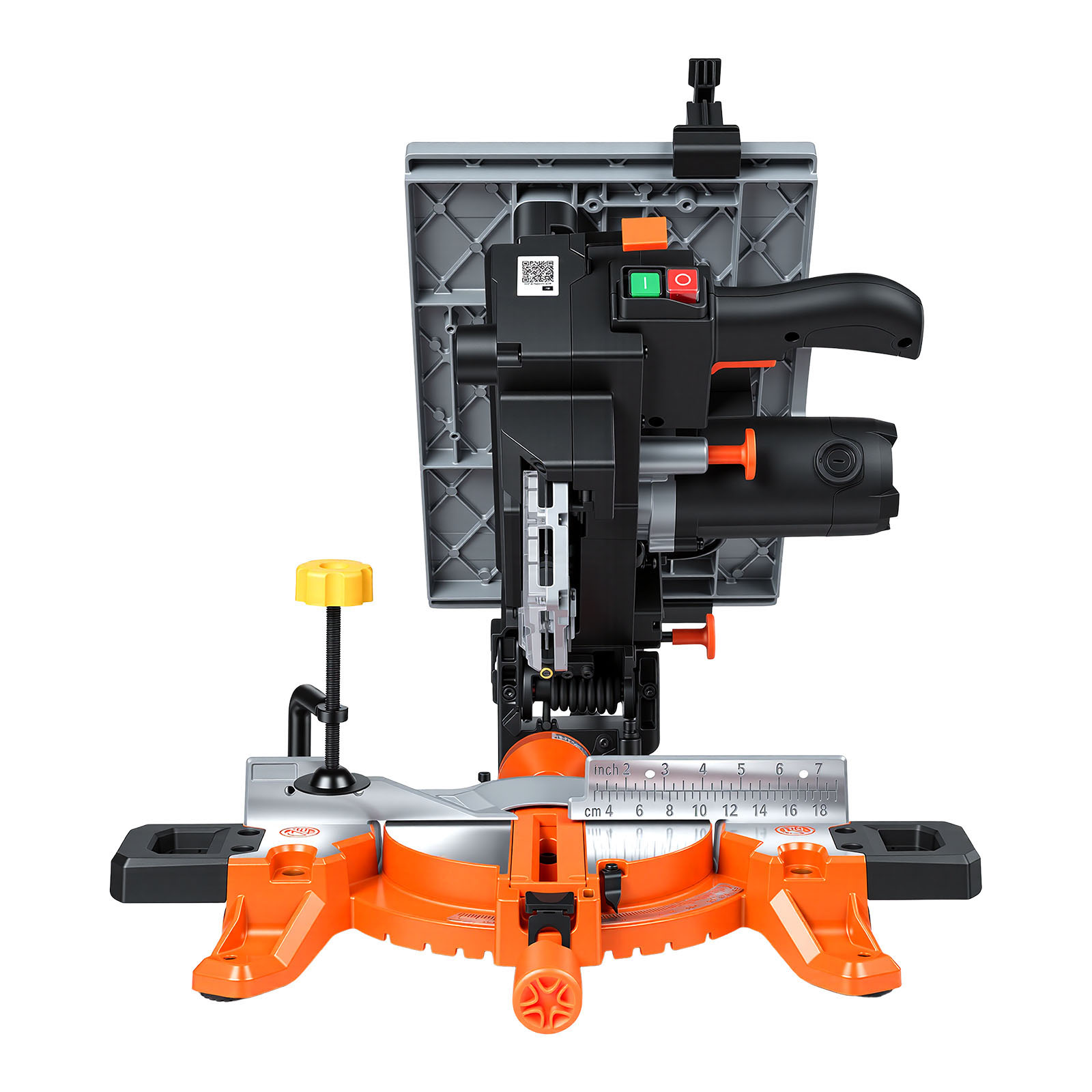

Photos from current listings. Actual item, color, and included accessories may vary.
Table Saw Buying Guide
A table saw is a stationary cutting machine whose rip-fence rigidity, trunnion stability, and blade-brake electronics separate precise, repeatable rips from frustrating near-misses. The core trade-off is cast-iron or steel trunnion mass and a Biesemeyer-style fence versus stamped-steel portability and lower cost. Buy a belt-driven induction-motor cabinet or hybrid saw with a square, lockable fence if you cut sheet goods weekly; accept a direct-drive jobsite saw only if truck-portability outweighs fence deflection and noise.


At a glance
- Category
- Power Tools
- Data updated
- Nov 20, 2026
Current offers
Highlights
- Cabinet saws use belt-driven induction motors (1.75–5 HP, 230V) with cast-iron tops and trunnions mounted to the cabinet for vibration damping and blade alignment that stays true under load.
- Jobsite saws use universal brushed motors (15 A, 120 V) direct-driving the arbor; they are light and portable but louder, less precise, and limited to thin kerf blades and shallow depth of cut.
- Hybrid saws bridge the classes: induction motor and belt drive in a sub-300-lb open stand, but trunnions often mount to the table rather than the cabinet, so alignment shifts when the top is loaded.
- A Biesemeyer-style T-square fence with a cam lock and magnified cursor holds repeatability within a few thousandths; stamped-steel fences deflect under lateral pressure and drift when unlocked.
Best use cases
- Buy a 3–5 HP cabinet saw on 230 V if you rip hardwood and sheet goods weekly and can dedicate floor space and a dust-collection drop; skip jobsite saws for production ripping.
- Buy a 10-inch jobsite saw with a rolling stand only if you cut on site or in a shared garage and must move the tool after every session; skip it if fence deflection would ruin cabinet-grade joinery.
- Buy a hybrid saw with a T-square fence if you need induction-motor smoothness but lack 230 V; accept the lighter trunnion assembly and plan to recheck blade alignment after heavy sheet-goods runs.
Buying tips
- Match blade diameter to depth of cut: a 10-inch blade gives roughly 3–3.125 inches at 90 degrees; a 12-inch gives about 4 inches but demands more power and a larger table footprint.
- Require a riving knife that rises and falls with the blade and sits within a blade-width of the teeth; a fixed splitter cannot follow through-cuts and increases kickback risk.
- Check arbor and miter-slot standards: 5/8-inch arbor with 3/4-by-3/8-inch miter slots accepts common aftermarket gauges and tenoning jigs; proprietary slots lock you out of crosscut sleds.
- Size the electrical circuit before the saw: 1.75–2 HP induction motors run on 120 V/15 A in many hybrids, but 3 HP and above require a 230 V/20 A circuit with a dedicated breaker.
Specs
| Motor Type | Belt-drive induction vs direct-drive universal |
|---|---|
| Blade Size | 10 in standard / 12 in heavy-duty |
| Rip Capacity | 30–52 in right of blade |
| Fence Type | T-square cam-lock vs stamped steel |
Related searches
What to check before buying
- Measure the infeed and outfeed clearance: ripping an 8-foot sheet needs about 8 feet behind the blade plus 4 feet in front, plus table width for the fence rail.
- Confirm floor flatness and level: cast-iron cabinet saws weigh 300–600 lb and need a level slab or shimmed mobile base to keep the trunnions from twisting.
- Verify the voltage and plug: 120 V jobsite and hybrid saws use NEMA 5-15; 230 V cabinet saws need a NEMA 6-15 or 6-20 receptacle and a circuit sized to the motor's nameplate amps.
- Plan dust collection: a 4-inch cabinet port needs a 400–650 CFM collector; a 2.5-inch jobsite port works with a shop vacuum but will clog on long rips in green wood.
FAQ
Data sources: eBay / Amazon listings and product attribute feeds Data updated Nov 20, 2026.
Some links on this page are affiliate links. If you buy after clicking one, we may earn a commission at no extra cost to you. This does not change which products appear here or their order. Affiliate disclosure.