Photos from current listings. Actual item, color, and included accessories may vary.
Tile Saw Buying Guide
A tile saw is a specialized wet-cutting power tool that uses a diamond-impregnated blade and water cooling to slice ceramic, porcelain, and natural stone without chipping or overheating. The primary trade-off is between a benchtop wet saw (precision, clean edges, high torque) and a hand-held grinder with a diamond wheel (speed, portability, but dustier and less accurate). Buy a true wet saw for any installation where visible cut quality matters; choose a grinder only for rough notches or rapid stock removal.


At a glance
- Category
- Power Tools
- Data updated
- Nov 20, 2026
Current offers
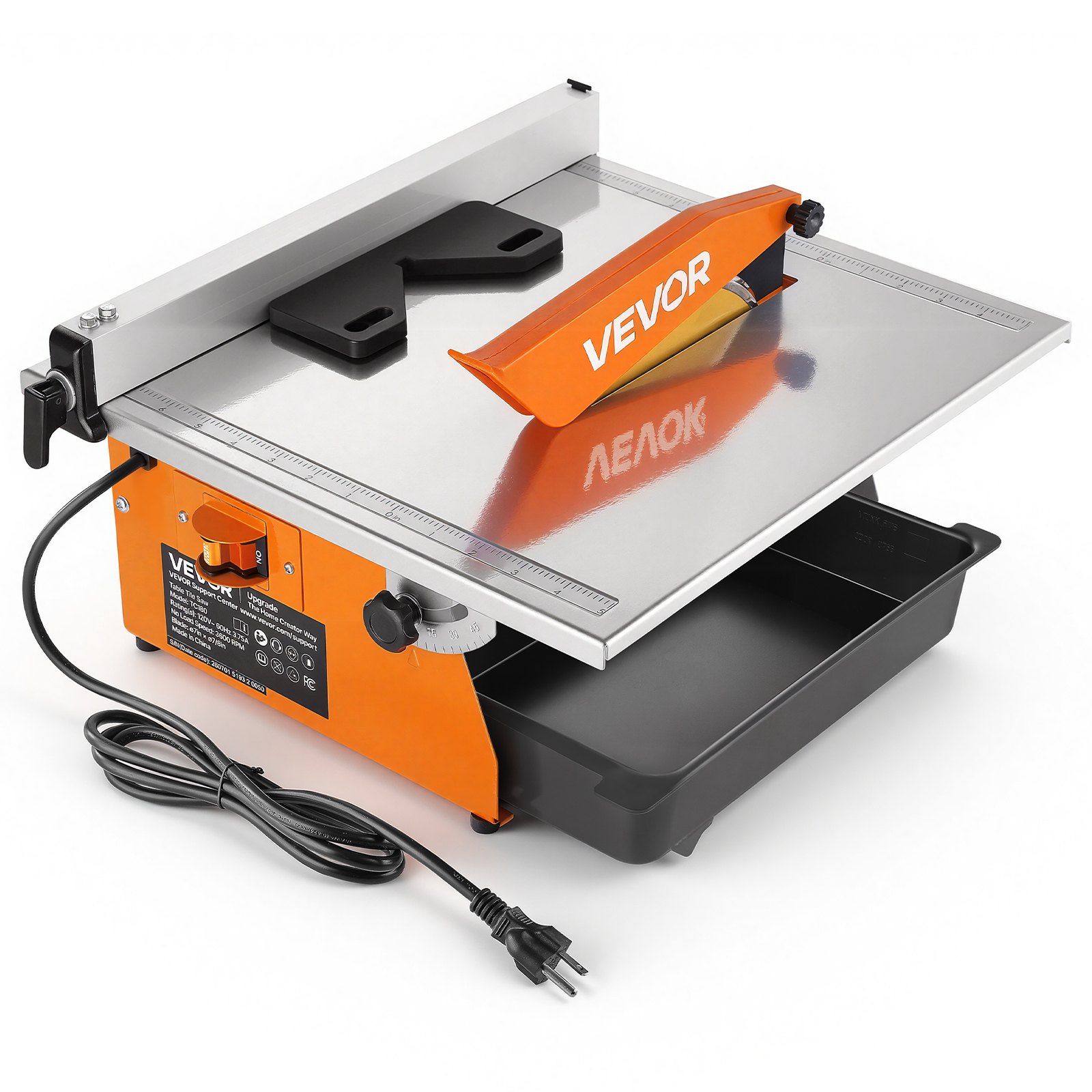 Wet Tile Saw 7 Inch 65Mn Steel Blade 3600 RPM Cutter Wet Saw, for Cutting Tiles and Stones, 0-45° Adjustable Bevel Cut, Powerful Motor, Detachable Water Reservoir, for DIY Enthusiasts$120.99
 View on Mallflare
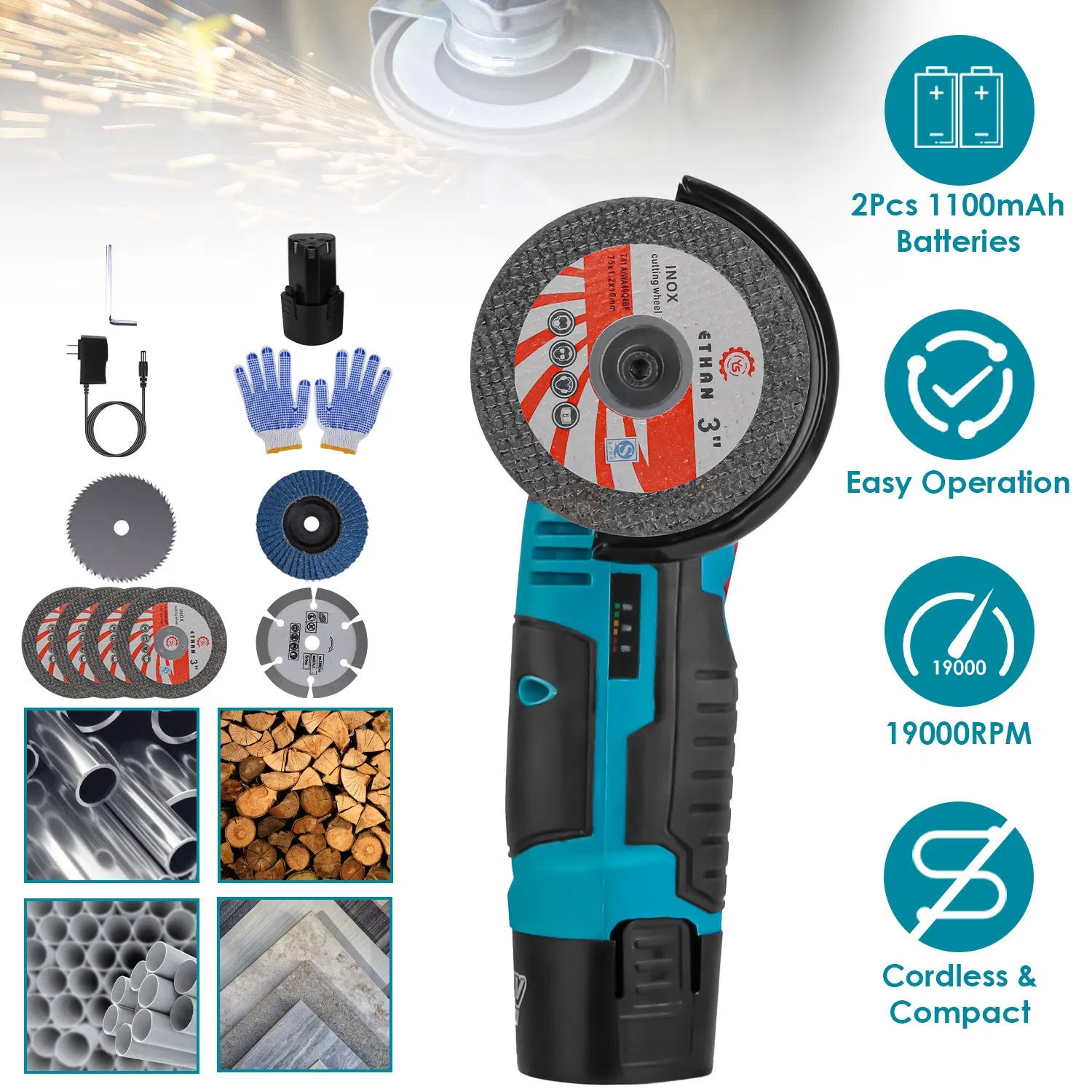 Cordless Mini Grinder Kit (3-Inch) - 19000RPM Pure Copper Motor, 2x12V 1100mAh Batteries, 90° Rotatable Guard - 4 Metal Cutting Wheels + Saw Blade + Sanding Disc for Metal/Wood/Tile Projects$53.99View on Mallflare
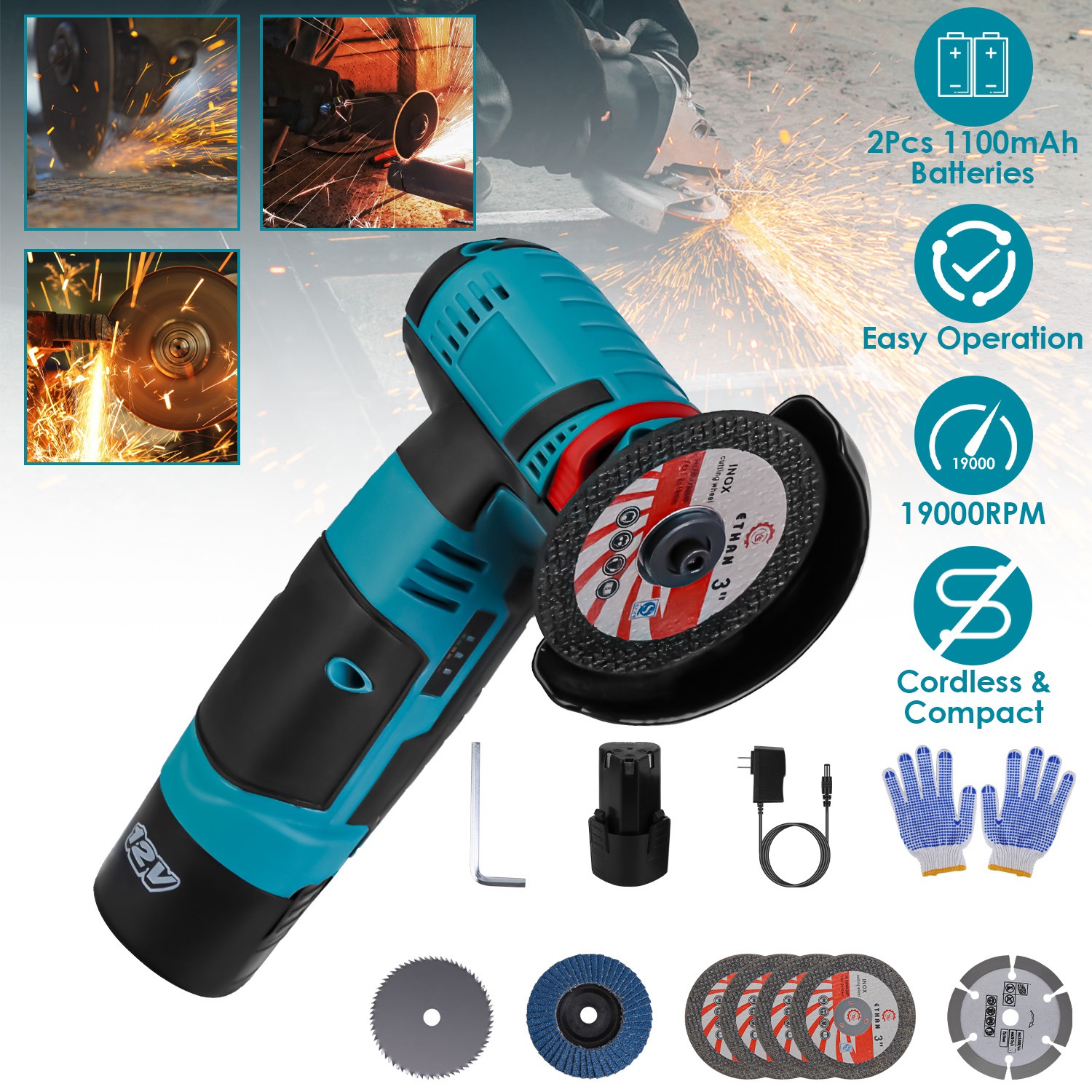 Cordless Mini Angle Grinder- 2x12V 1100mAh Batteries , 19000RPM Motor, Air Vents for Heat Dissipation - Includes Cutting Wheels/Saw Blade/Sanding Disc for Metal/Wood/Tile$68.99View on Mallflare
Highlights
- Diamond blade abrasive grit—not the steel body—determines cut speed and finish: continuous rim for clean porcelain, segmented rim for fast tile and stone roughing.
- Wet saws use a water reservoir or pump to cool the blade and suppress silica dust; dry grinders require a dust shroud and respirator.
- Bevel capacity (0–45°) and sliding table travel define maximum tile size and miter cuts; direct-drive motors with thermal protection last longer than exposed brushed motors.
- Blade arbor size (typically 5/8 in or 20 mm) and RPM rating must match the saw’s spindle; a 7-inch blade at 3,600 RPM is standard for benchtop wet saws.
Best use cases
- For kitchen or bathroom tile with visible cut edges on porcelain or marble: pick a 7-inch benchtop wet saw with a continuous-rim diamond blade and adjustable bevel fence—skip any dry grinder-only setup.
- For large-format tile (24 in and above) or diagonal cuts: choose a sliding-table wet saw with at least 24 in rip capacity and a locking miter guide; a fixed-table saw will not support the tile.
- For rough notching around outlets, cutting metal studs, or quick stone shaping where dust control is managed: a cordless 3-inch grinder with diamond wheel works, but skip it for finish cuts on glazed tile.
- For professional daily use on hard porcelain: select a saw with a water pump (not just a reservoir) and a brushless or direct-drive motor rated for continuous duty; DIY occasional use tolerates a reservoir-fed brushed motor.
Buying tips
- Measure your largest tile diagonally: the saw’s rip capacity and table travel must exceed that dimension by at least 2 inches for safe, straight cuts.
- Match blade arbor: most 7-inch wet saws use a 5/8 in arbor; 4- to 5-inch grinders use 7/8 in or 22.23 mm—buy the correct diamond blade for the tool, not an adapter.
- For porcelain (harder than ceramic), use a continuous-rim diamond blade rated for porcelain; segmented blades chip glaze and are for stone or rough tile only.
- Check motor wattage and duty cycle: benchtop wet saws in the 1–1.5 HP range handle 3/8 in porcelain; continuous-duty direct-drive motors outperform brushed motors for repeated cuts.
Specs
| Blade Type | Continuous rim vs segmented diamond |
|---|---|
| Wet/Dry Operation | Water-cooled wet saw vs dry grinder |
| Max Rip Capacity | Up to 24 in (sliding table) |
| Bevel Capacity | 0–45° adjustable miter |
Related searches
What to check before buying
- Confirm your tile’s largest dimension (including diagonal) fits the saw’s rip capacity and sliding table travel.
- Verify available power: most 7-inch wet saws require a 120 V grounded outlet; check amperage against your circuit.
- Ensure water supply or reservoir capacity suits your session length; a pump-fed system needs a bucket or direct hookup.
- Plan dust and water containment: wet saws need a drainage tray and splash guard; grinders need a dust shroud and GFCI outlet.
FAQ
Data sources: eBay / Amazon listings and product attribute feeds Data updated Nov 20, 2026.
Some links on this page are affiliate links. If you buy after clicking one, we may earn a commission at no extra cost to you. This does not change which products appear here or their order. Affiliate disclosure.