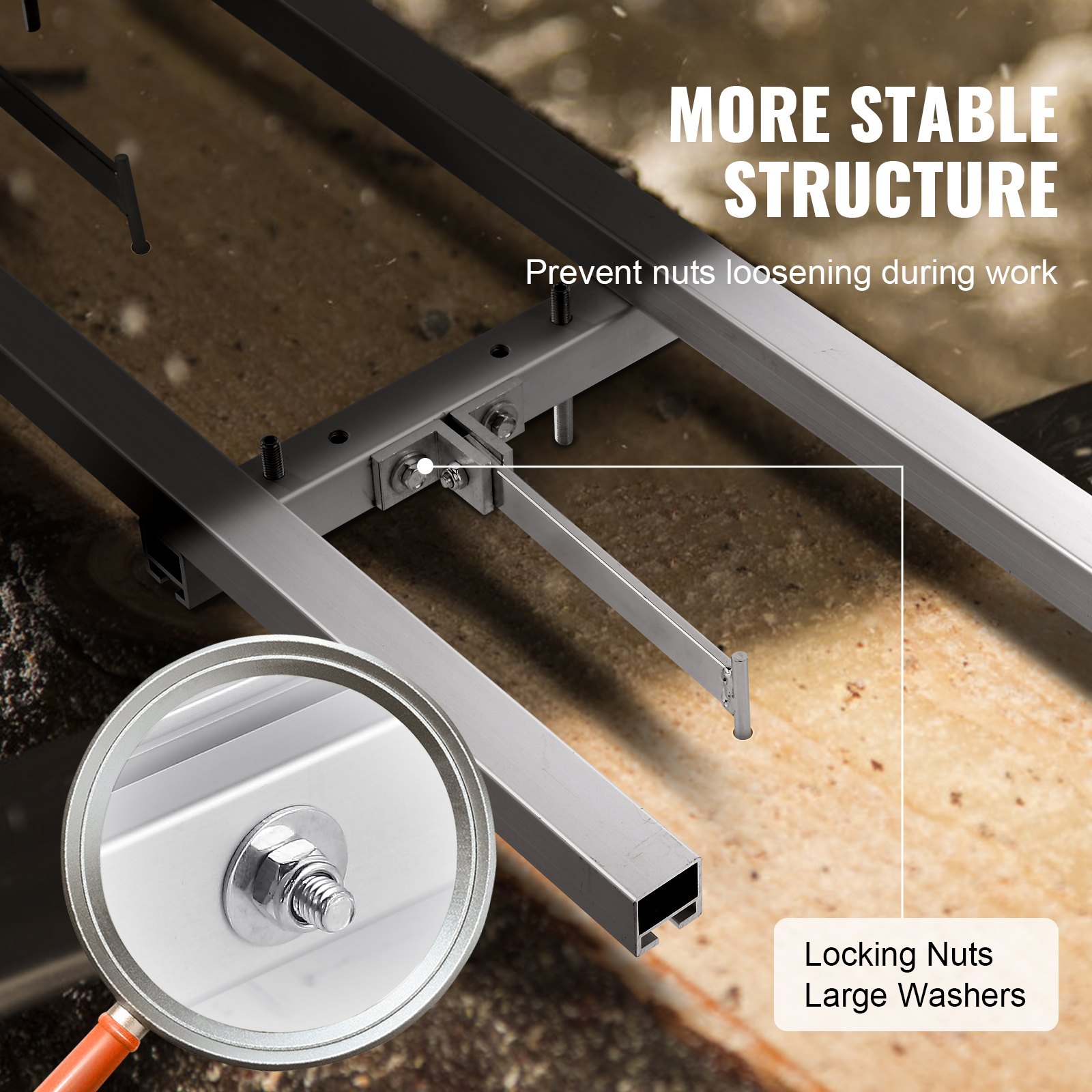

Photos from current listings. Actual item, color, and included accessories may vary.
Chainsaw Buying Guide
Chainsaws are portable, engine- or battery-powered saws defined by bar length, power source, and safety chain brake. The primary trade-off is between gas power for heavy felling and electric convenience for yard and property maintenance, with battery voltage and bar size dictating real cutting capacity. A durable saw has an inertia or manual chain brake, a metal or reinforced polymer body, and a bar length matched to the wood diameter you routinely cut.


At a glance
- Category
- Woodworking Saws & Planers
- Data updated
- Nov 20, 2026
Current offers
Highlights
- Gas saws from 30-45cc suit limbing and felling up to 16-inch bars; 50cc+ pro saws run 20-24 inch bars in hardwood.
- Battery saws at 18V cut limbs under 6 inches; 40V-80V platforms with 16-18 inch bars handle storm cleanup and firewood.
- Inertia chain brakes stop the chain in under 0.15 seconds on kickback; manual-only brakes are reserved for light homeowner saws.
- Professional saws use magnesium crankcases and adjustable oilers; consumer saws use polymer housings and fixed or preset oilers.
Best use cases
- Best fit: 16-18 inch battery or 40cc gas saw for homeowners cutting firewood and storm limbs under 12 inches diameter.
- Best fit: 20-24 inch 60cc+ pro gas saw for felling medium hardwoods and bucking logs over 16 inches diameter.
- Wrong fit: a 12-inch top-handle arborist saw for ground felling or firewood processing; it lacks bar length and anti-vibration for sustained cutting.
- Skip: 18V compact saws for anything over 6-inch hardwood; the motor stalls and battery drains in minutes under continuous load.
Buying tips
- Match bar length to your typical cut: bar should be at least 2 inches longer than the log diameter for safe bucking.
- Choose 50:1 or 40:1 two-stroke mix per manufacturer; ethanol-free fuel prevents carburetor degradation in gas saws stored over 30 days.
- Battery voltage determines cut speed: 18V for pruning, 40V+ for firewood, and 80V for near-gas torque in 16-inch bars.
- Chain pitch and gauge must match the bar: 3/8 low-profile for homeowner saws, .325 or 3/8 standard for pro saws; never mix.
Specs
| Power Source | Gas 2-stroke / Battery / Corded |
|---|---|
| Bar Length | 12-24 in (match log dia +2 in) |
| Engine Displacement | 30-45cc homeowner / 50-70cc pro |
| Chain Brake | Inertia auto / manual on light saws |
Related searches
What to check before buying
- Measure your largest regular log diameter; add 2 inches to select minimum bar length.
- Confirm power source: gas requires fuel mixing and vented storage; battery requires same-platform batteries and charger.
- Check chain brake type: inertia brake is mandatory for any saw over 30cc; test it engages manually before each use.
- Verify replacement chain specs: pitch, gauge, and drive link count stamped on the bar must match the chain you buy.
FAQ
Data sources: eBay / Amazon listings and product attribute feeds Data updated Nov 20, 2026.
Some links on this page are affiliate links. If you buy after clicking one, we may earn a commission at no extra cost to you. This does not change which products appear here or their order. Affiliate disclosure.