Photos from current listings. Actual item, color, and included accessories may vary.
Saw Buying Guide
A woodworking saw is a cutting tool—hand or powered—where the primary trade-off is cut quality and control versus speed and capacity. Durable options use hardened steel teeth, brushless or induction motors, and rigid cast or extruded bodies; compromises use soft stamped steel, universal brushed motors, and flex-prone plastic frames. Choose a hand saw for precision joinery and low dust, or a track/table saw for repeatable straight cuts and sheet-goods breakdown.

At a glance
- Category
- Woodworking Saws & Planers
- Data updated
- Nov 20, 2026
Current offers
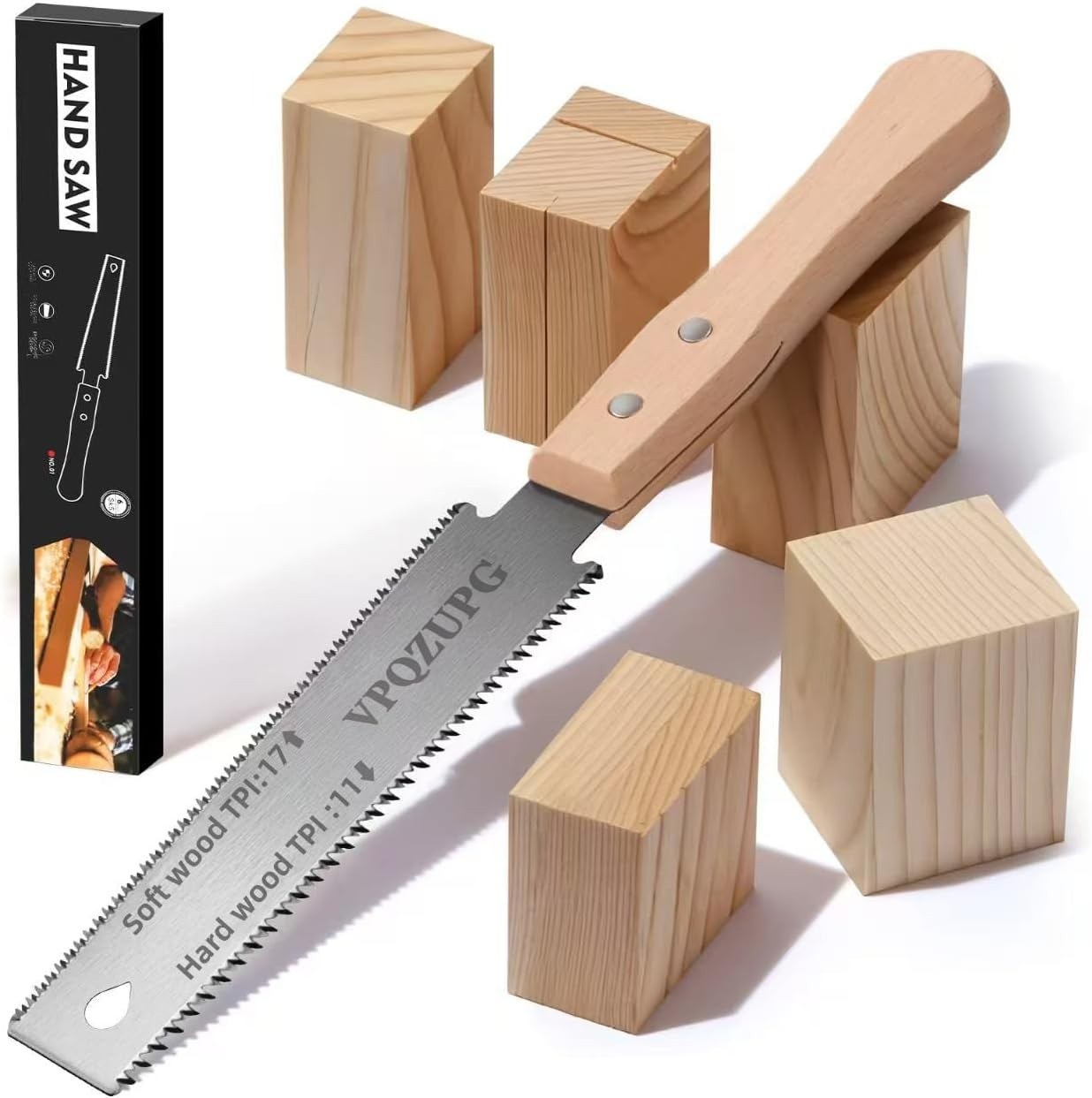 6 Inch Japanese Pull Saw,Hand Saw Woodworking Tools,Wood Handle, Sharp & Ligh...$5.89
 View on eBay
 VEVOR 50PCS Oscillating Saw Blades, Universal Quick Release Saw Multitool Tool For Wood Plastic Aluminum$31.99
 View on Mallflare
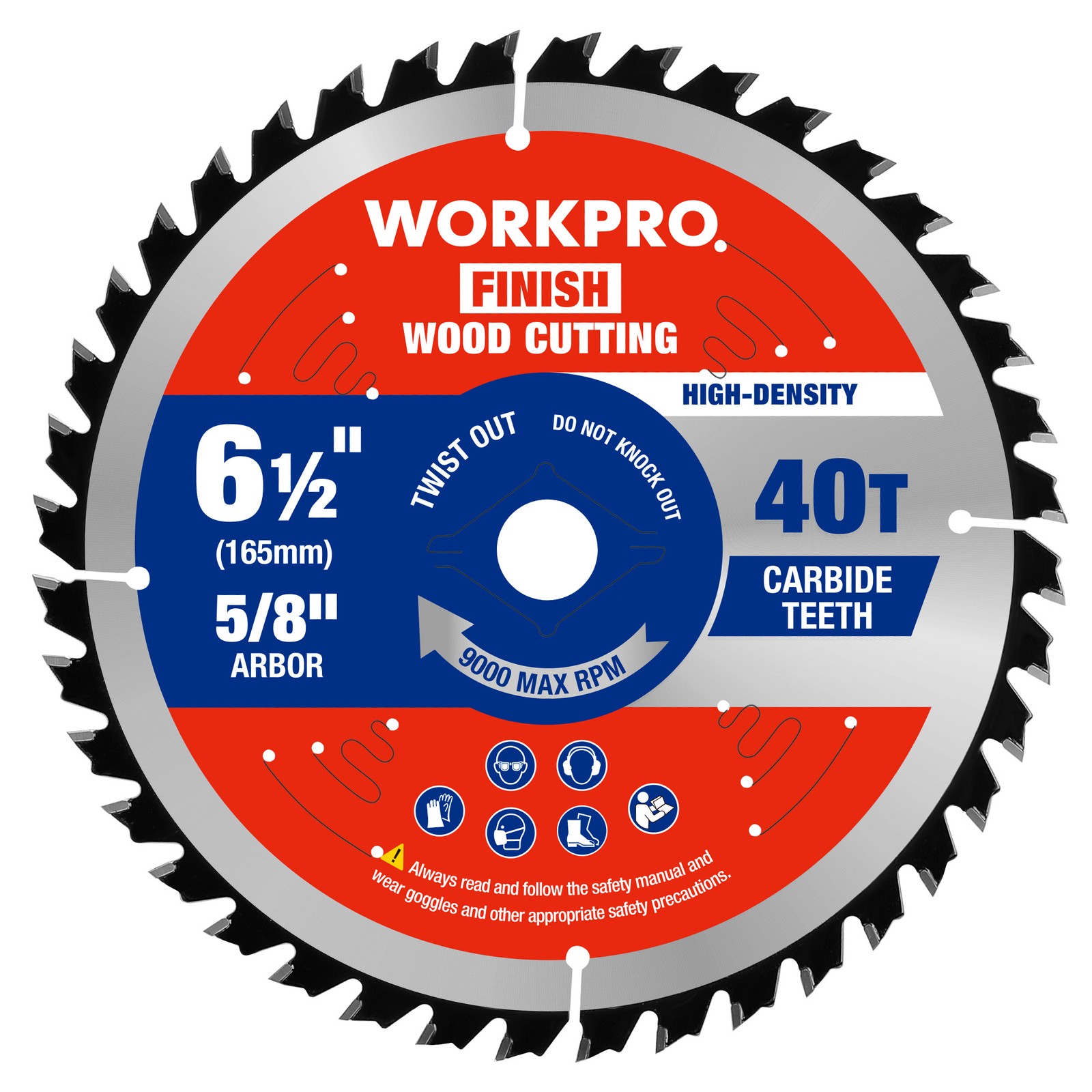 WORKPRO 6-1/2'' Woodworking Circular Saw Blade 40T General Purpose Wood Cutting$11.99View on eBay
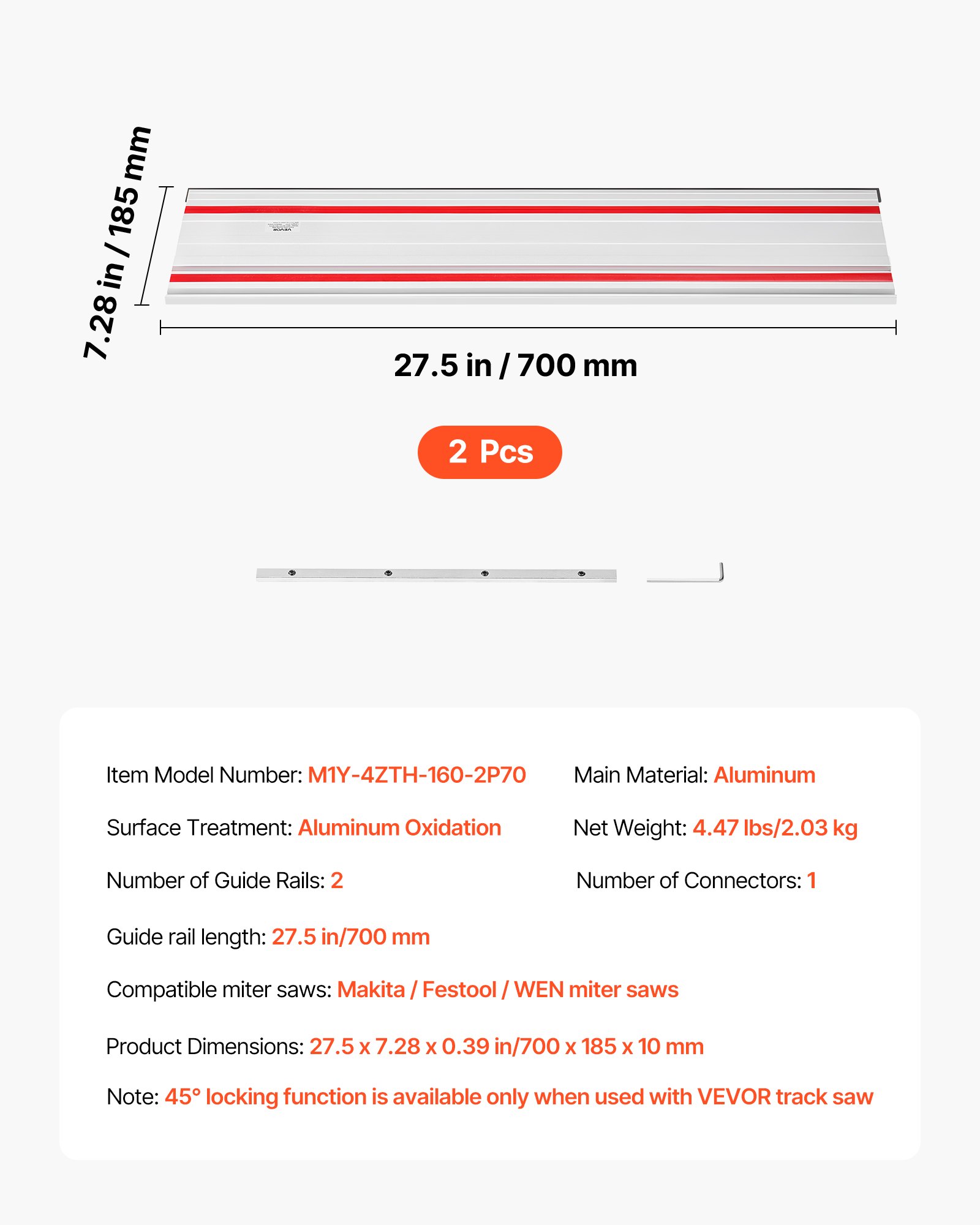 Track Saw Guide Rail, 55-Inch Cutting Range, Kit Includes 2 X 27.5 In Aluminum Extruded Rails And 1 Connector, Compatible With Makita, Festool & WEN Saws, For Woodworking Projects$57.99View on Mallflare
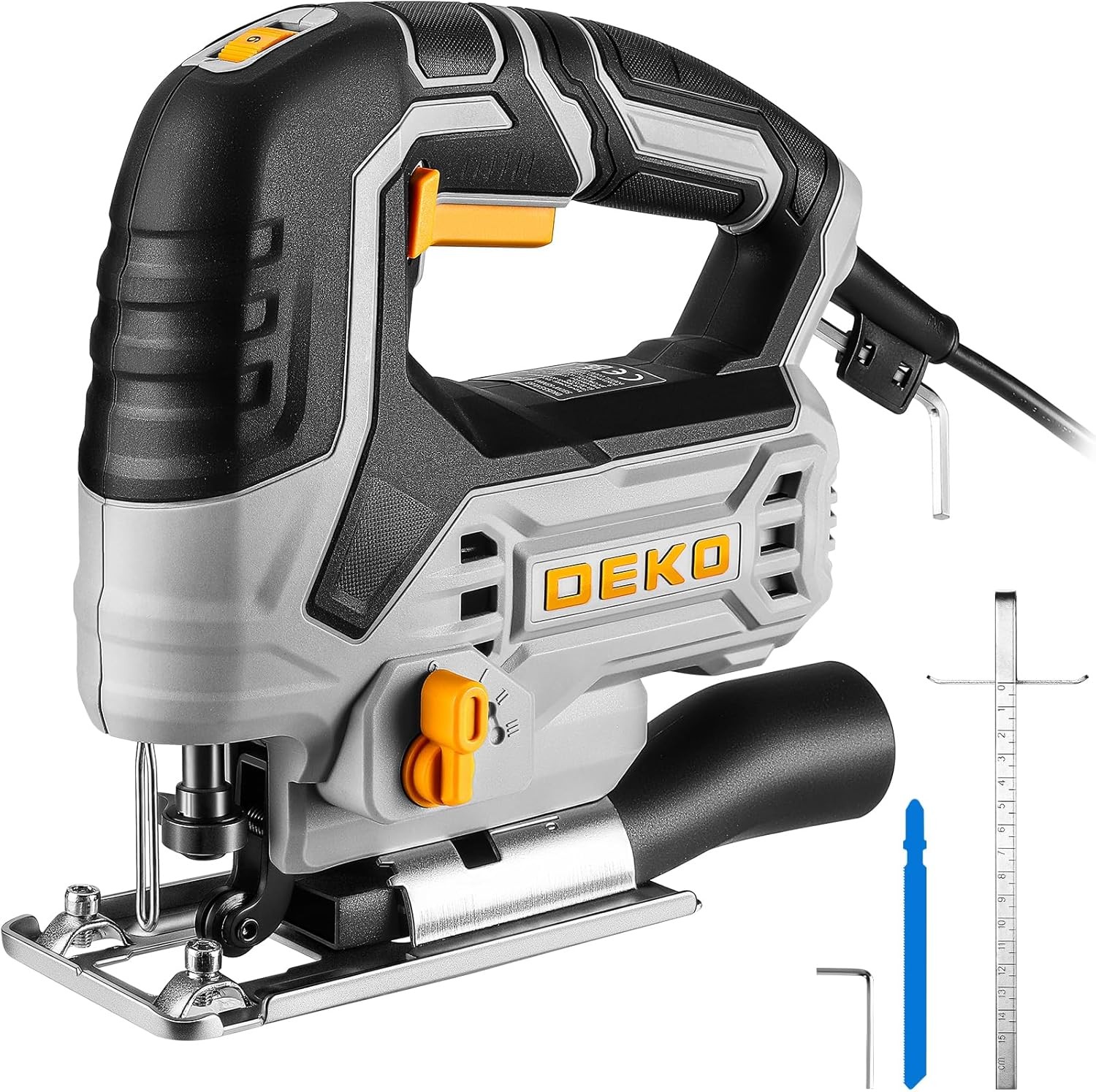 DEKOPRO Electric Jigsaw Tool Power Jig Saws for Woodworking 6 Variable Speed$25.99View on eBay
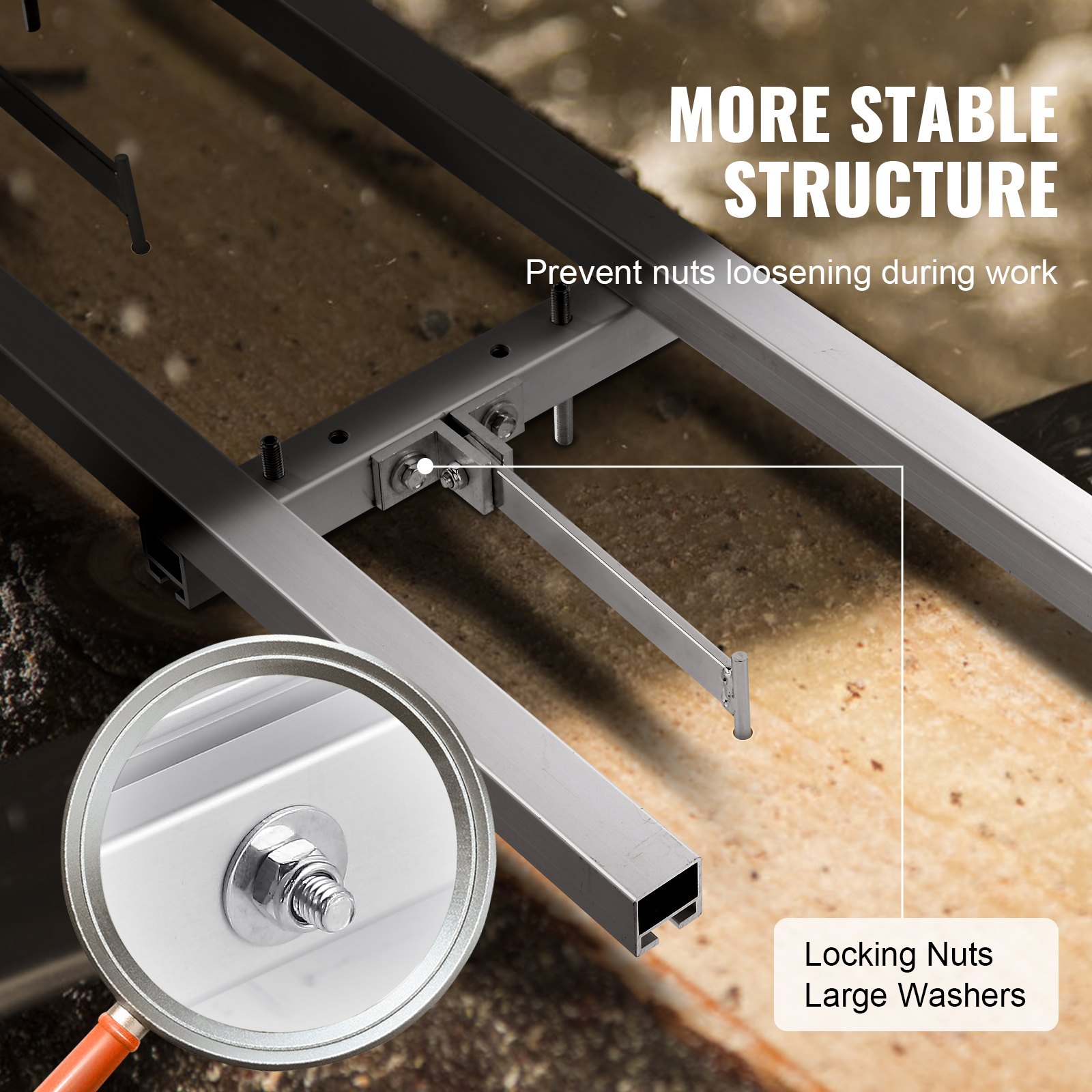 Rail Mill Guide System, 9 Ft Milling 4 Crossbar Kits Chainsaw Aluminum Adjustable Saw Work With Mills For Builders And Woodworkers$97.99View on Mallflare
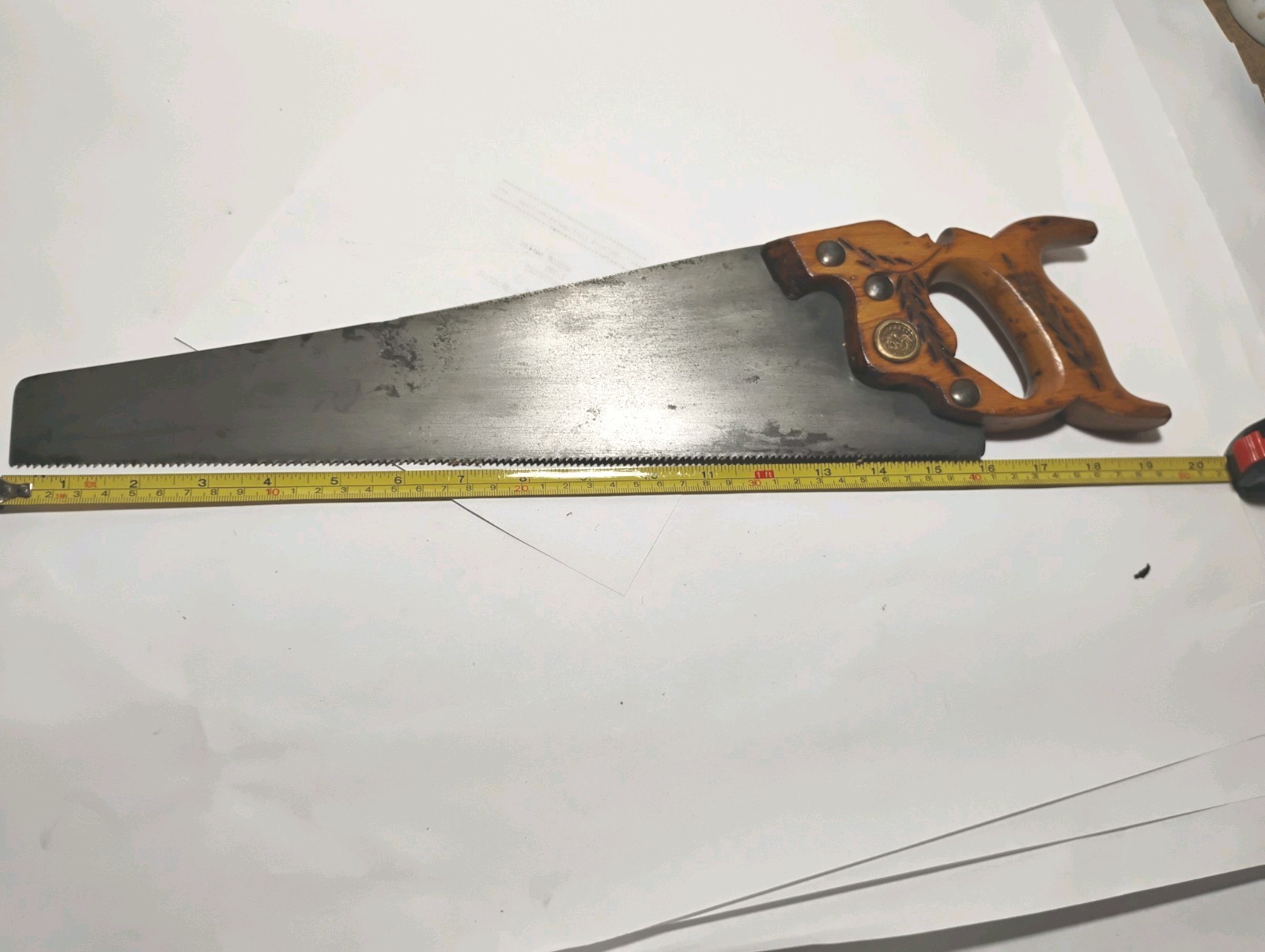 Vintage Warranted Superior 16" short panel saw - Restored & Sharpened$34.50View on eBay
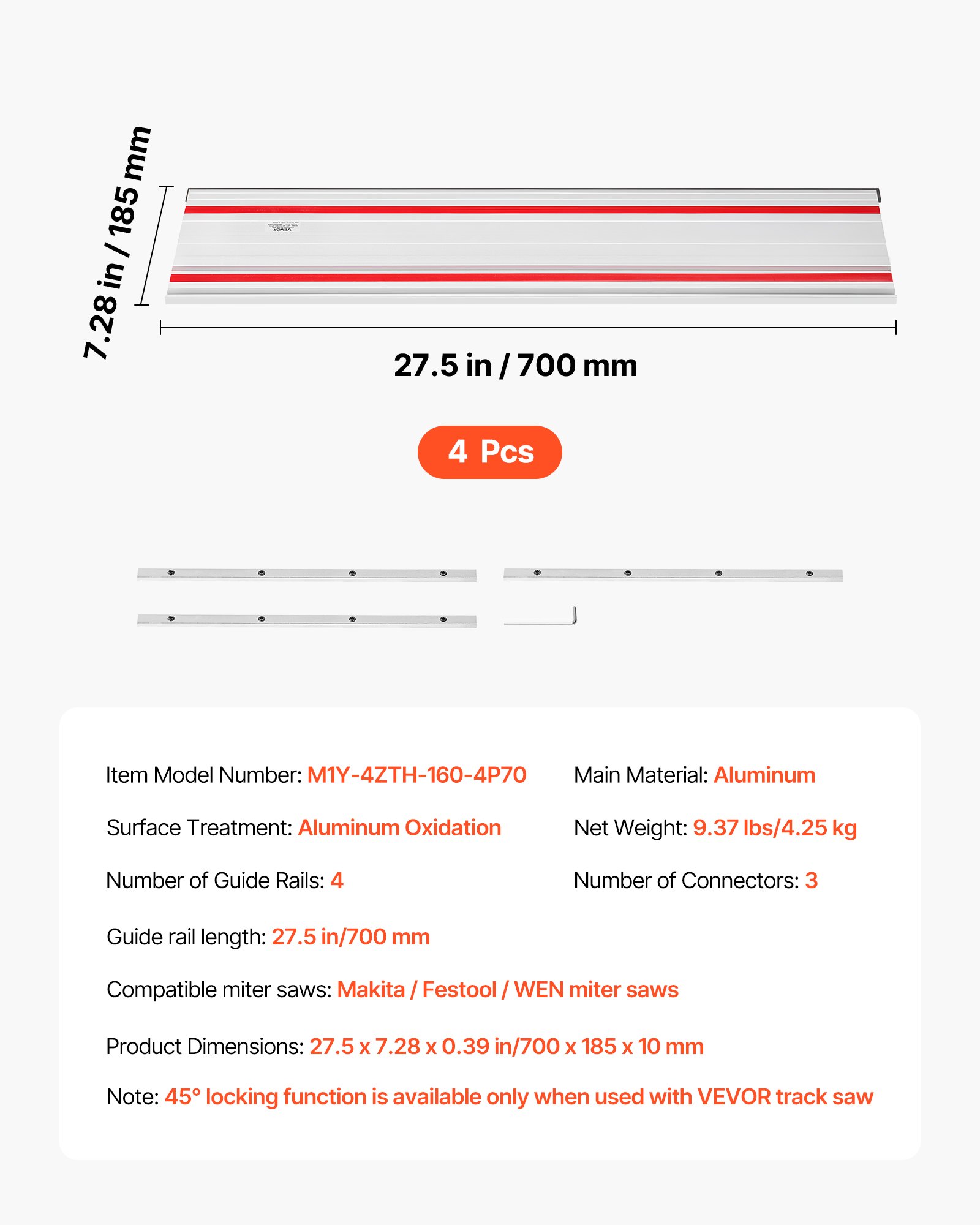 Track Saw Guide Rail, 110-Inch Cutting Range, Kit Includes 4 X 27.5 In Aluminum Extruded Rails And 3 Connectors, Compatible With Makita, Festool & WEN Saws, For Woodworking Projects$105.99View on Mallflare
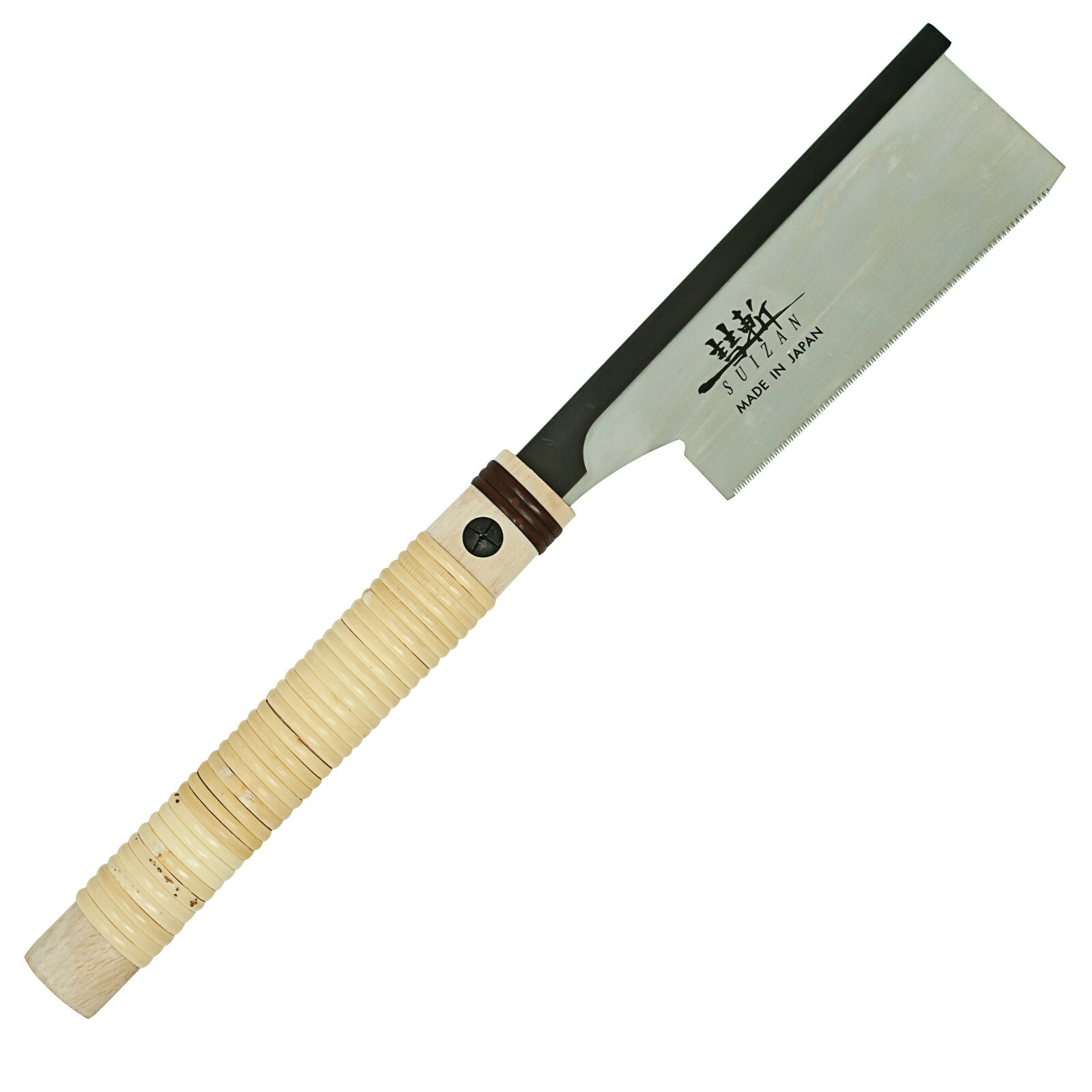 SUIZAN Japanese Dozuki Dovetail Hand Saw 6 Inch Pull Saw for Woodworking$38.80View on eBay
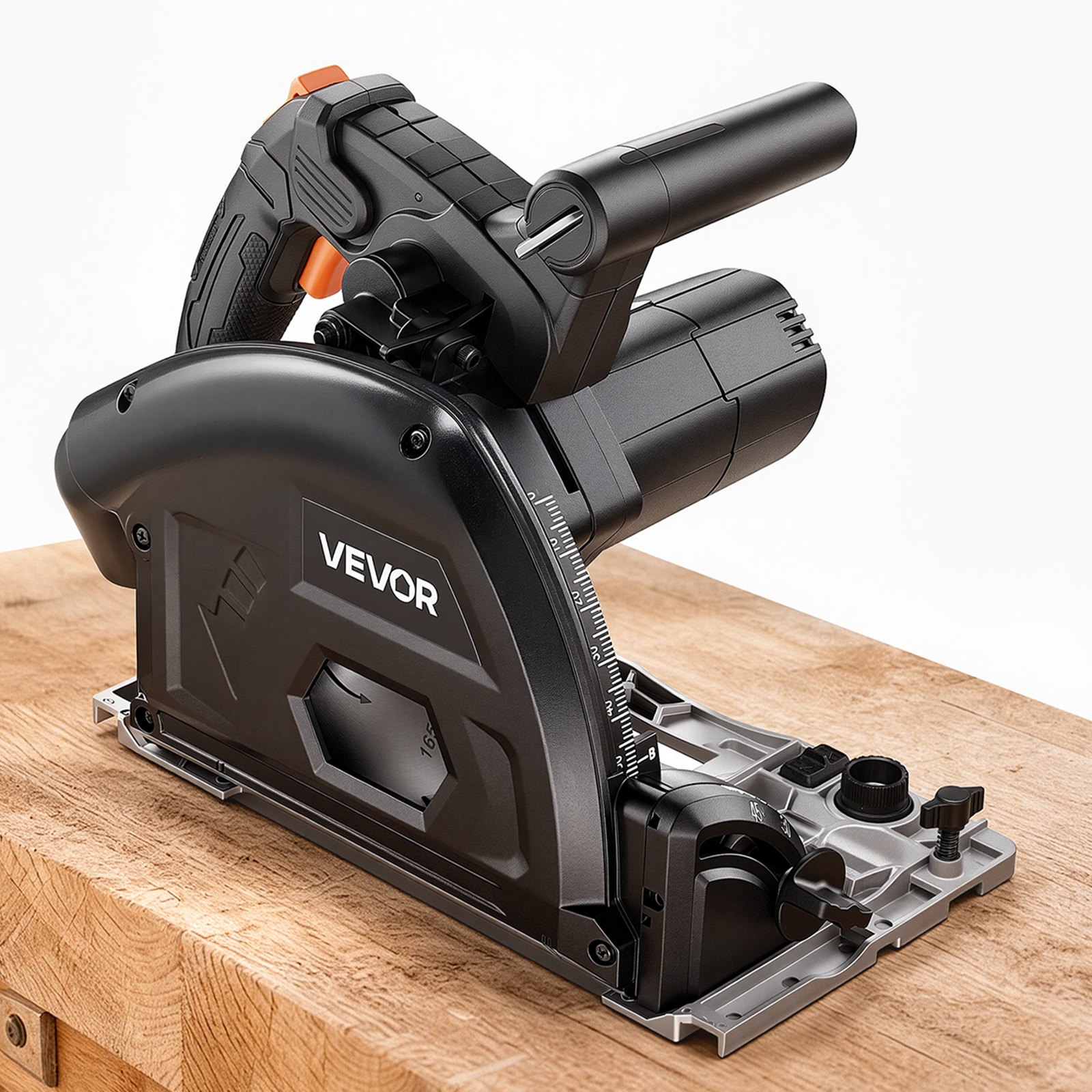 Track Saw 6-1/2-Inch Plunge-Cut Circular Saw with 48-Tooth Blade, for Wood Plastic, 1400W Motor, 5500 RPM Max, 0-45° Angle Adjustment, 2.16 in Cutting Depth, Guide Rail Not Included, Black$118.99View on Mallflare
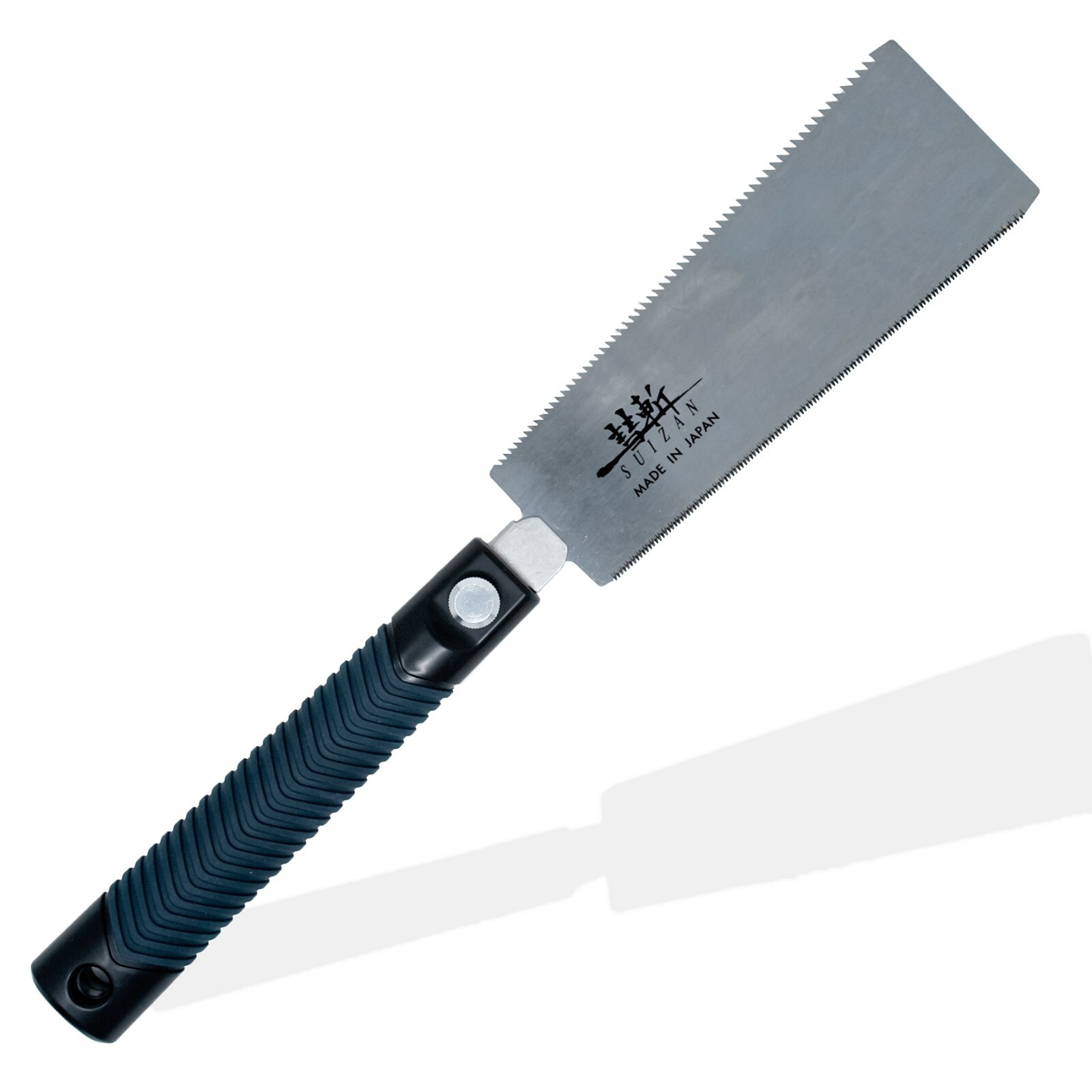 SUIZAN Japanese Pull Saw Hand Saw 7 Inch Ryoba Double Edge for Woodworking$38.80View on eBay
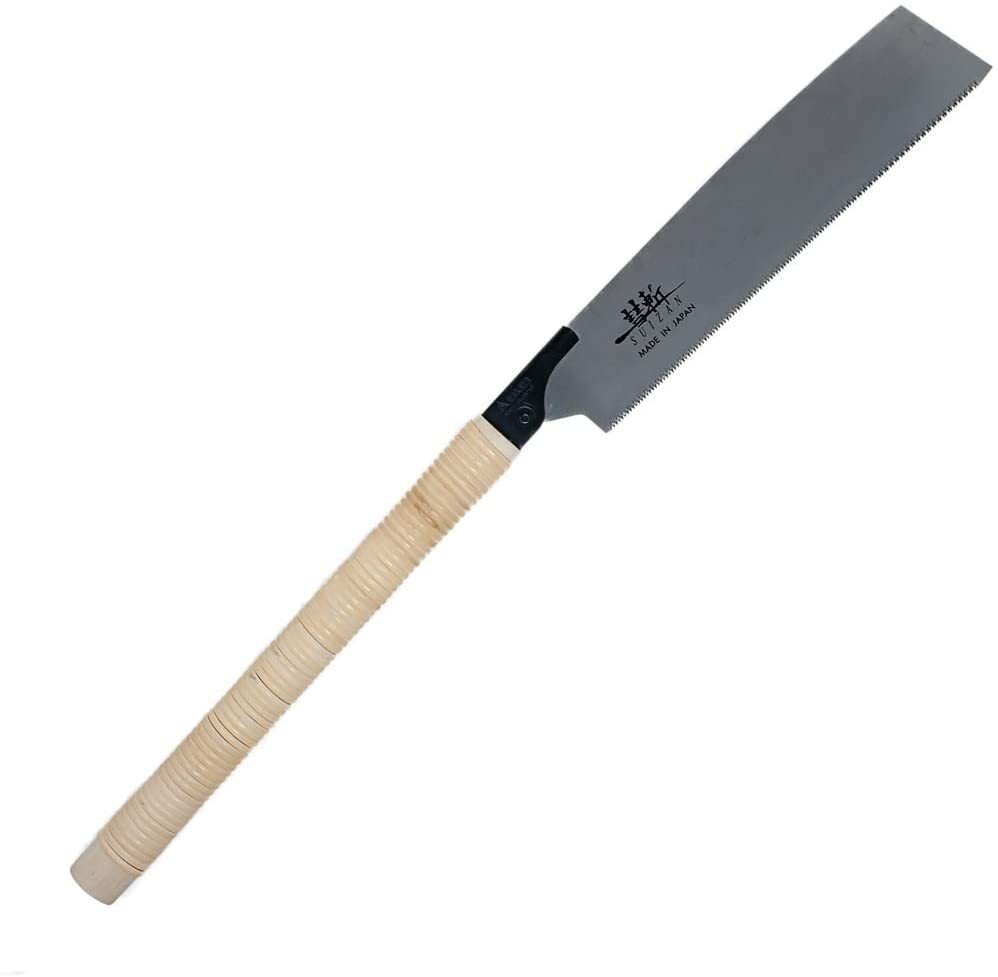 SUIZAN Japanese Hand Saw 10.5 Inch Kataba Single Edge Pull Saw for Woodworking$44.80View on eBay
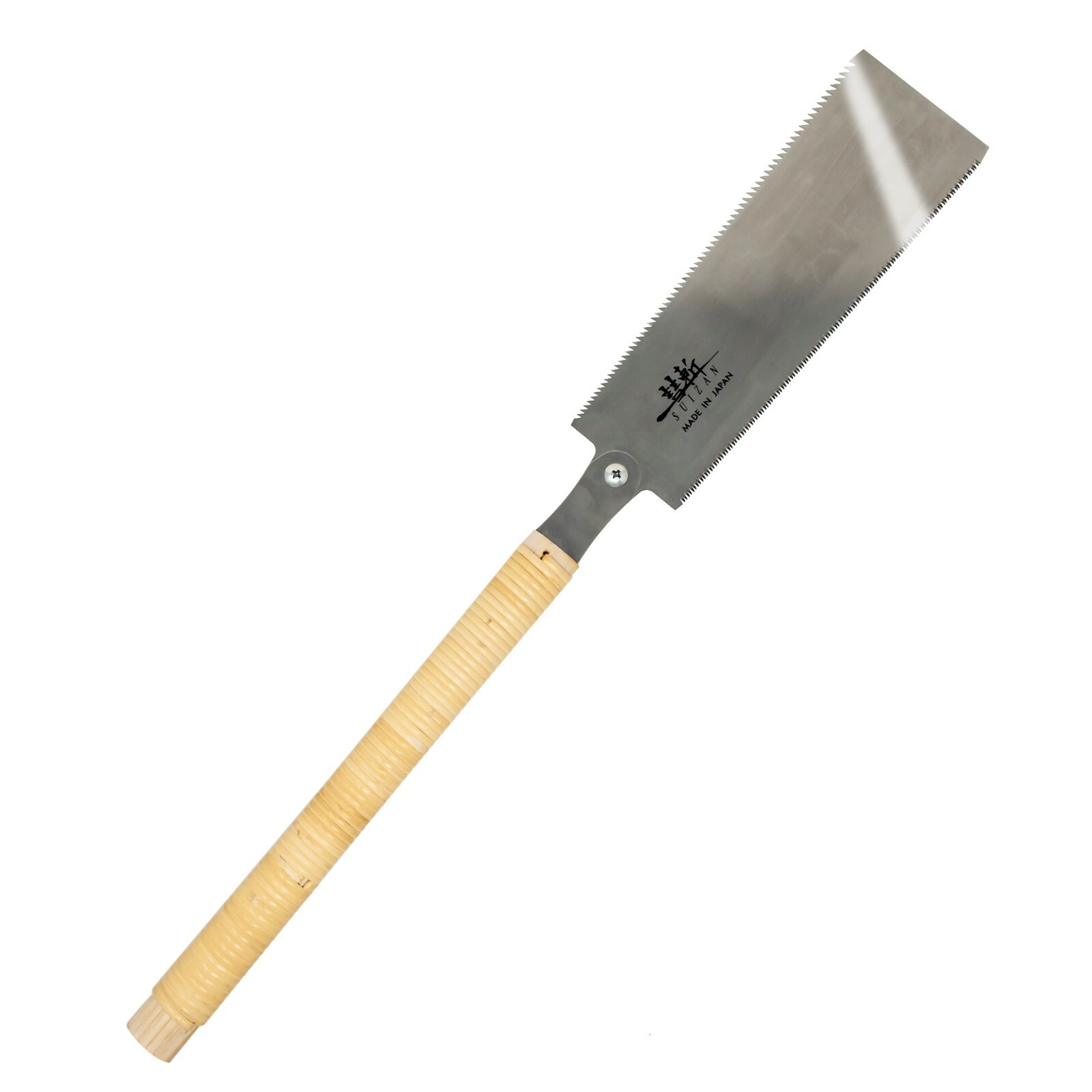 SUIZAN Japanese Pull Saw Hand Saw 9.5 Inch Ryoba Double Edge for Woodworking$49.80View on eBay
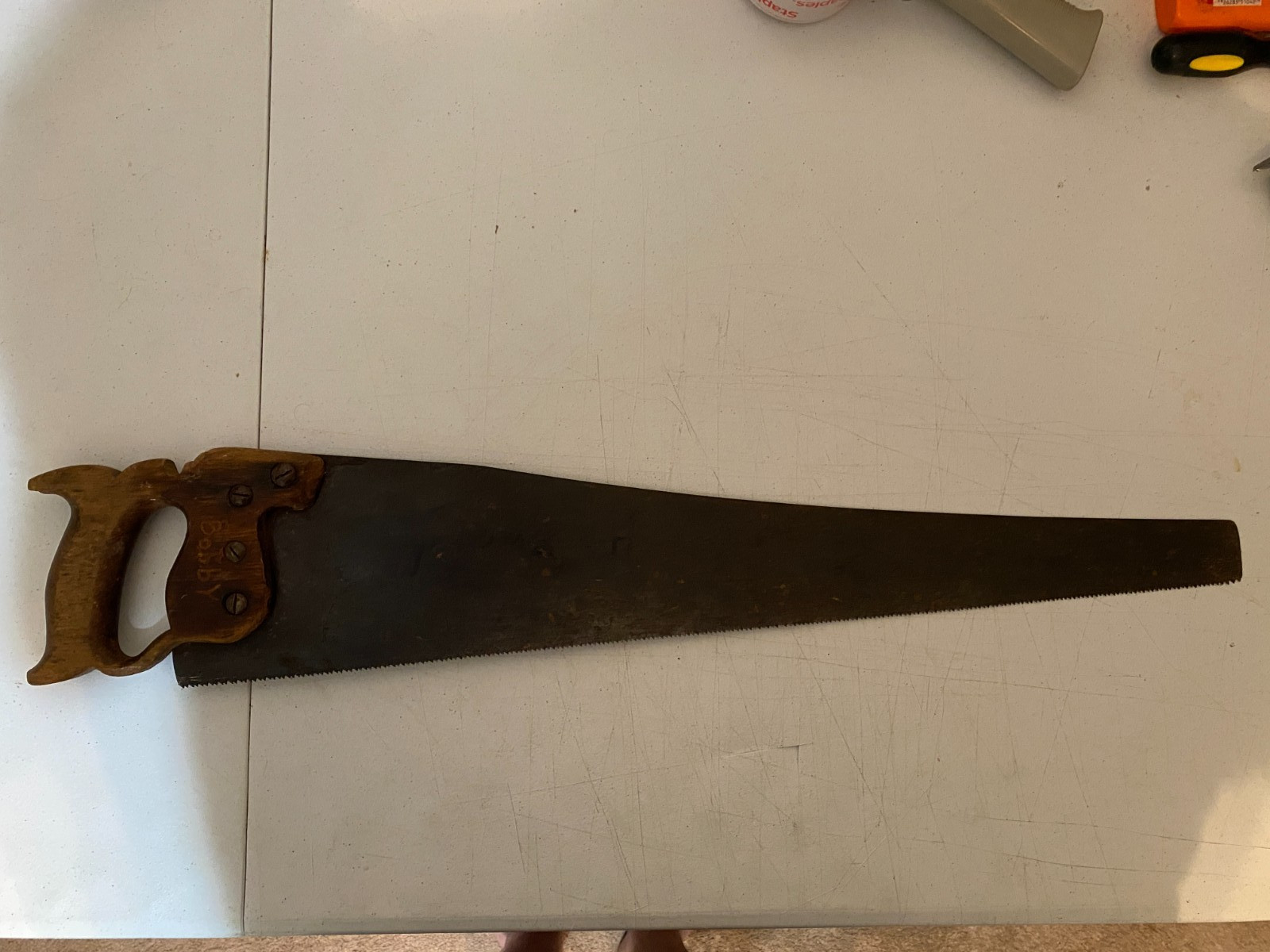 Antique Disston Hand Saw 26” Wheat Carved Handle Brass Medallion Panel Saw$58.00View on eBay
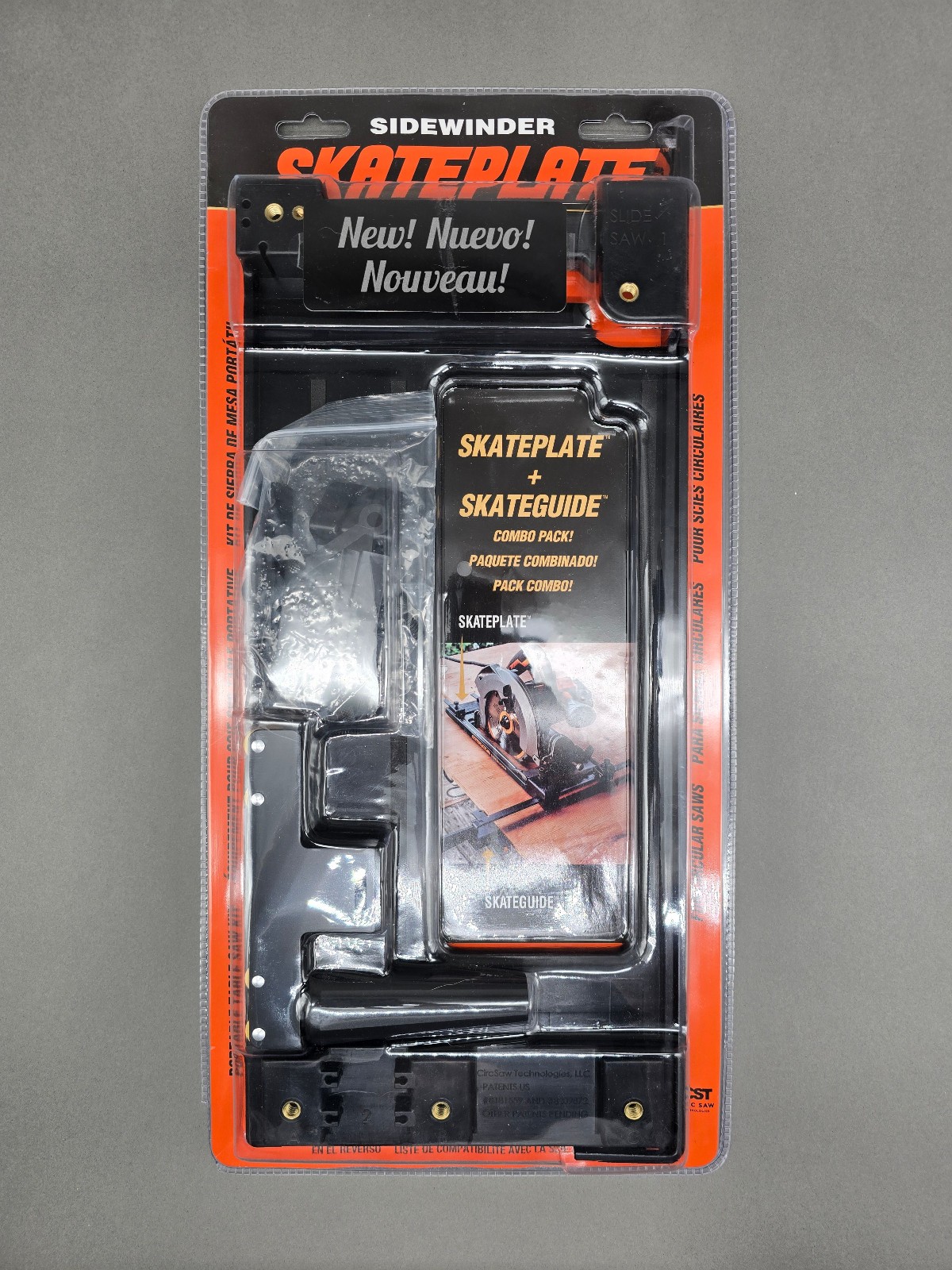 Sidewinder Skateplate Skateguide Combo Pack Circular Saw Guide Woodworking Tool$59.97View on eBay
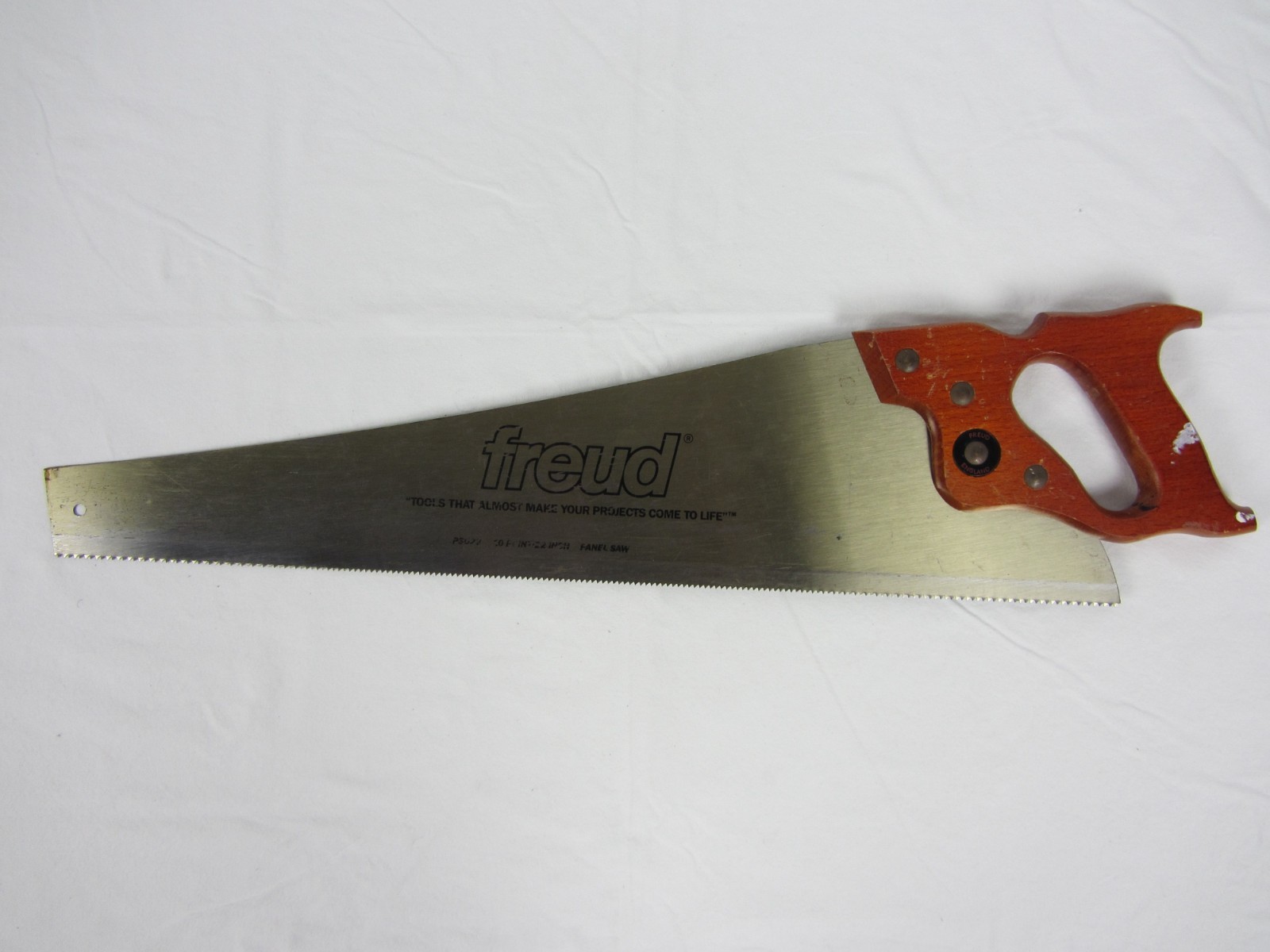 Freud England 22 Inch Crosscut Panel Saw PS022 10 Point Vintage Used$69.00View on eBay
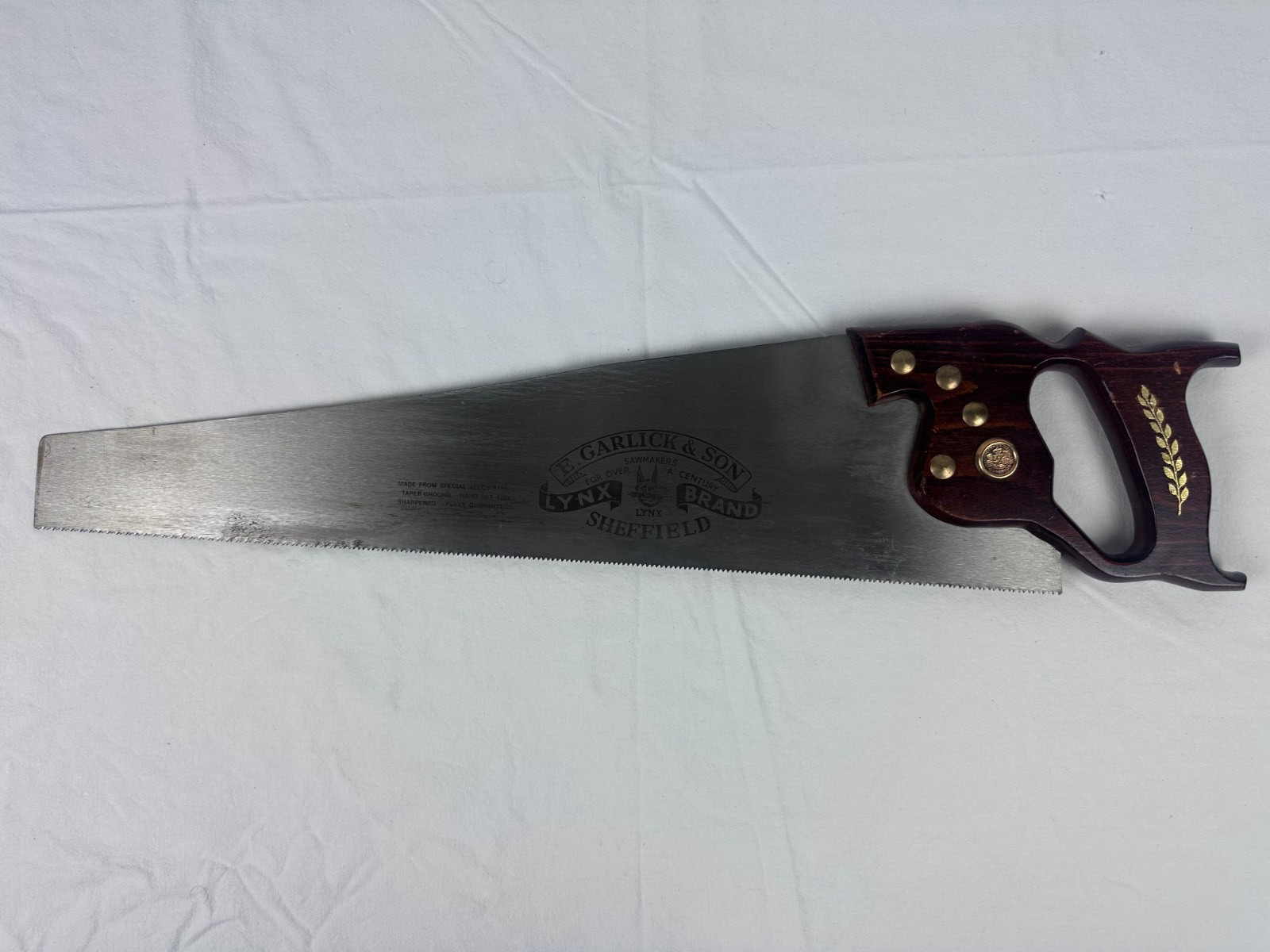 Garlick & Son Lynx Brand Sheffield England 10 tpi 22" Cross Cut Panel Saw$79.00View on eBay
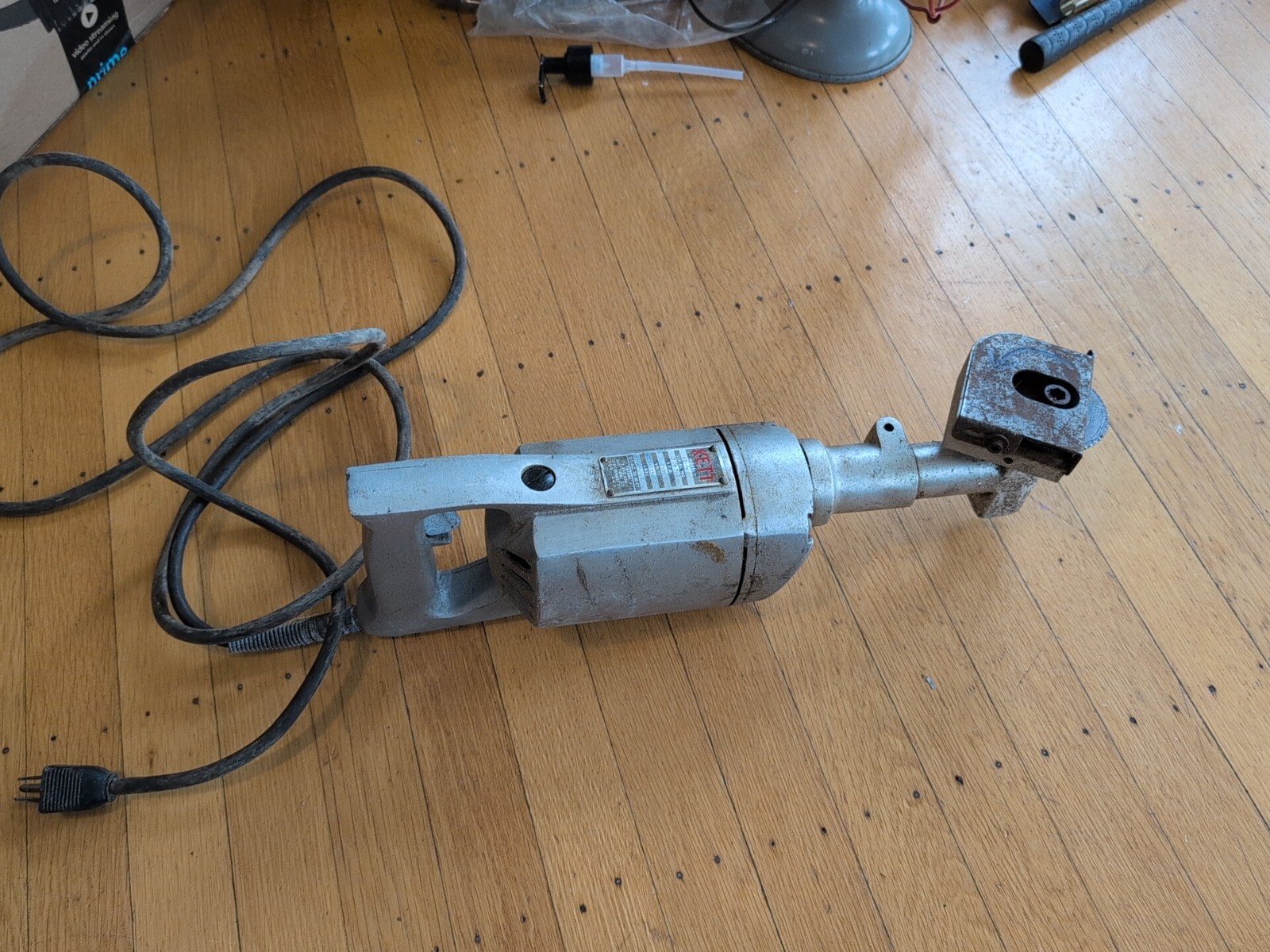 Kett | KS-3AM | Panel Saw | Used$79.99View on eBay
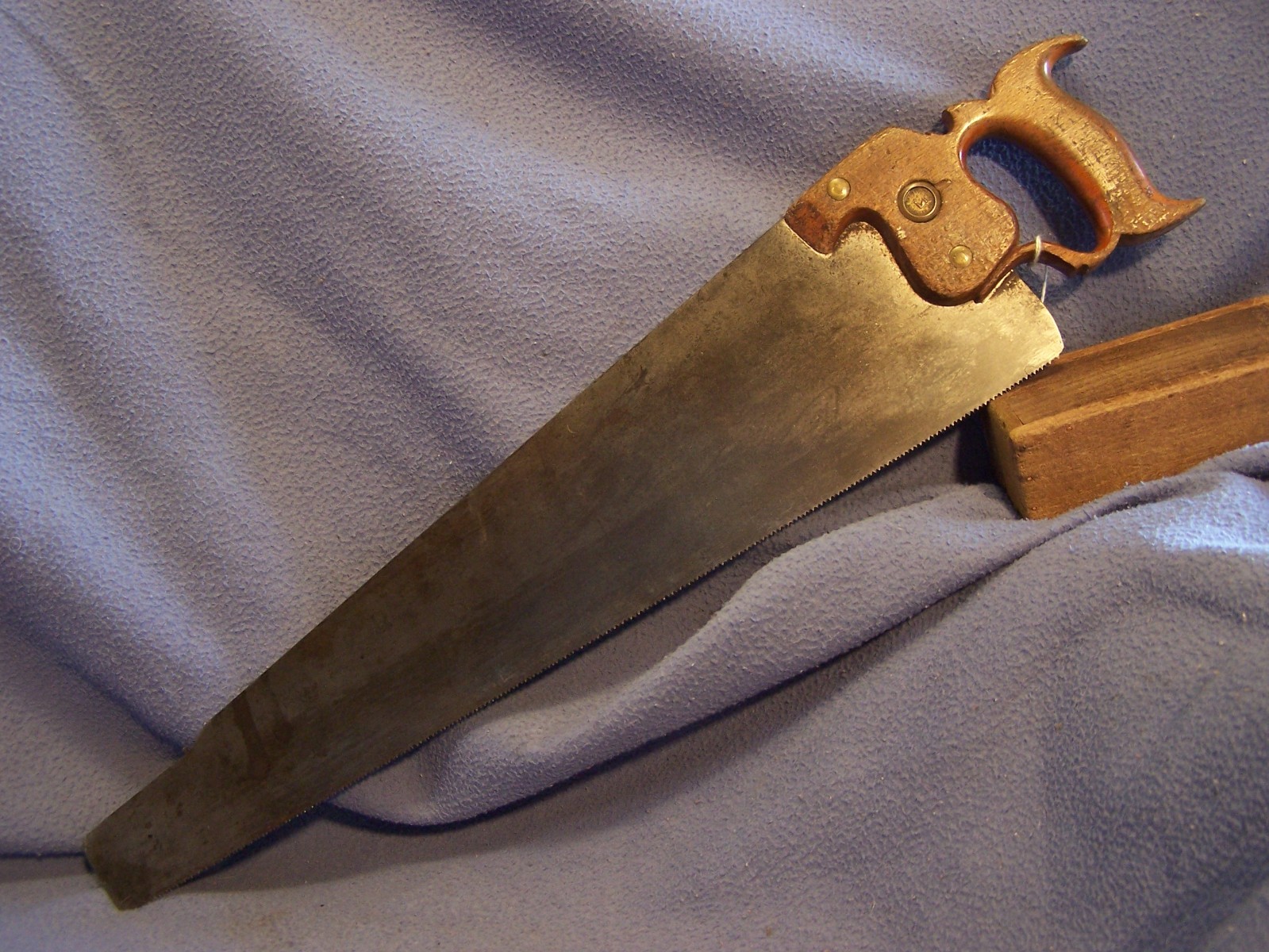 Harvey W. Peace No 35 panel saw 22 inch 12 ppi 1869 pat medallion nib intact$119.99View on eBay
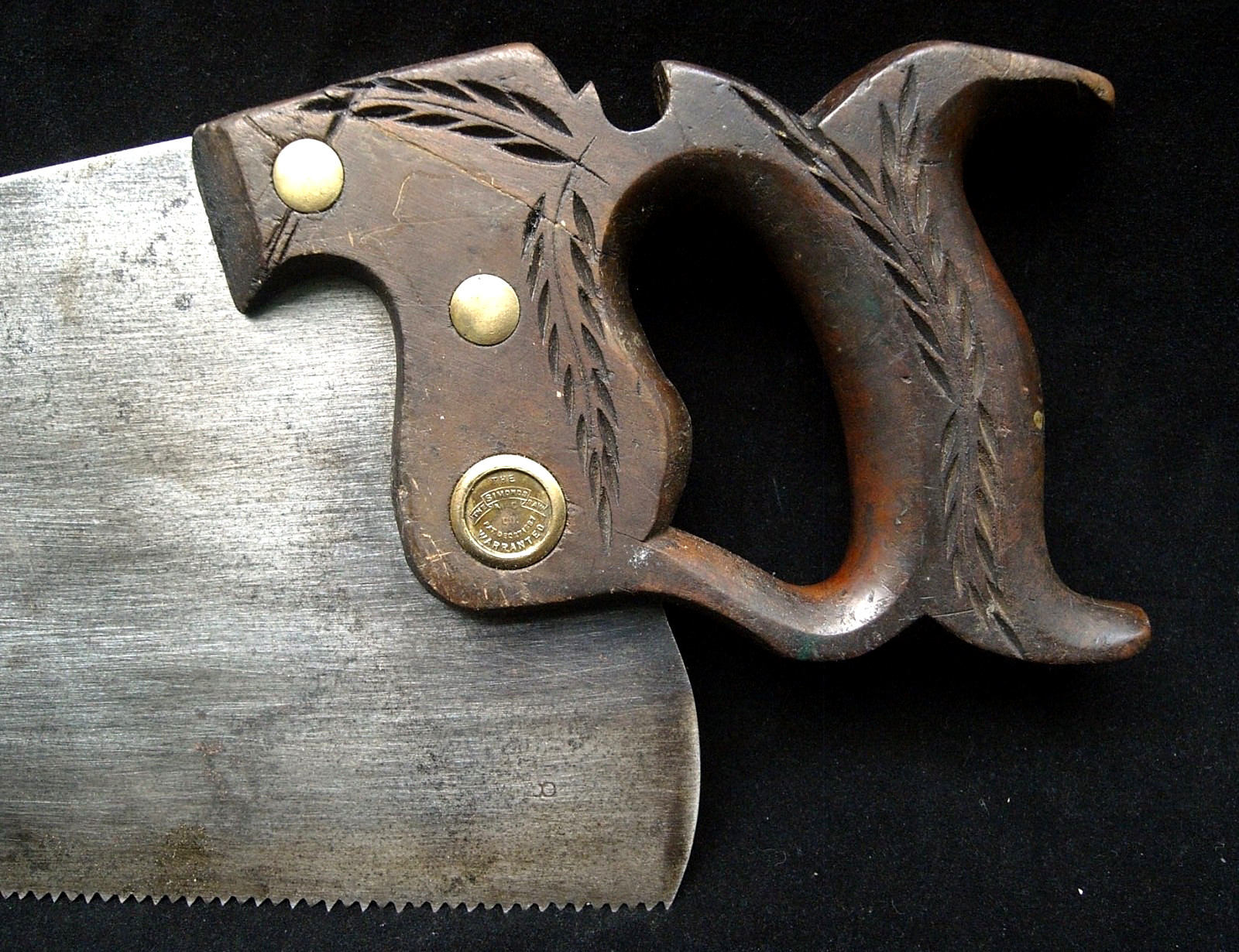 SIMONDS -1887- 24" 8 TPI STRAIGHT BACK PANEL SAW with HARDWOOD WHEAT HANDLE$145.00View on eBay
Highlights
- Japanese pull saws cut on the pull stroke with 0.3–0.5 mm kerf, reducing binding and enabling flush cuts; Western push saws use thicker 0.8–1.2 mm plates for rougher framing work.
- Track saw guide rails are aluminum extrusion with a splinter guard; 55-inch rails suit 4-foot sheet goods, 110-inch rails break down 8-foot sheets with connectors.
- Circular saw blades are graded by tooth count: 24T for framing rip cuts, 40T for general crosscuts, 60T+ for finish trim; carbide tips outlast steel 10:1.
- Plunge-cut track saws use 1,200–1,400 W motors at 5,500 RPM with 0–45° bevel; table saws use induction motors rated by rip capacity (e.g., 30-inch vs 52-inch fence).
Best use cases
- Best fit: Japanese pull saw (Dozuki 6-inch for dovetails, Ryoba for general joinery) for furniture and trim work—skip Western panel saws unless cutting construction lumber.
- Best fit: 6-1/2-inch plunge-cut track saw with 55-inch rail for breaking down plywood and melamine in a small shop—skip if you regularly cut 8-foot sheets without joining rails.
- Best fit: 10-inch table saw with 30-inch rip fence for repeated rips and dados—skip benchtop jobsite saws if you need full-sheet capacity and cast-iron flatness.
- Wrong fit: oscillating multitool blades for structural cuts—they are for flush trimming and plunge cuts in installed material, not dimensioning lumber.
Buying tips
- Match blade diameter to task: 6-1/2-inch circular saws cut 2.16 inches at 90°; 7-1/4-inch saws cut 2-3/8 inches and are the framing standard.
- For track saws, confirm rail compatibility: Makita, Festool, and WEN use a 1-1/4-inch guide rib; generic rails fit only saws with matching base groove width.
- Hand saw tooth pitch: 15–20 TPI for fine joinery (Dozuki), 8–10 TPI for general crosscuts (Ryoba), 5–7 TPI for rip cuts and green wood.
- Choose carbide-tipped blades for hardwood and manufactured boards; high-speed steel (HSS) is acceptable only for softwood and occasional use.
Specs
| Saw Type | Hand / Circular / Track / Table |
|---|---|
| Blade Diameter | 6-1/2 to 10 in |
| Tooth Count | 24T rip / 40T crosscut / 60T+ finish |
| Motor / Power | 1,200–1,800 W brushed or brushless |
Related searches
What to check before buying
- Measure your workspace and infeed/outfeed clearance: a 110-inch rail needs at least 10 feet of floor space; a table saw needs 8 feet around the blade for sheet goods.
- Confirm power: track saws and table saws draw 1,200–1,800 W and require a 15 A circuit; check plug type (NEMA 5-15) and avoid shared circuits with dust collection.
- Verify rail or fence compatibility with your existing saw base groove before buying separate guide rails or replacement splinter guards.
- Check blade arbor size: 5/8-inch is standard for 6-1/2 to 10-inch saws; 20 mm and 30 mm arbors require bushing adapters.
FAQ
Data sources: eBay / Amazon listings and product attribute feeds Data updated Nov 20, 2026.
Some links on this page are affiliate links. If you buy after clicking one, we may earn a commission at no extra cost to you. This does not change which products appear here or their order. Affiliate disclosure.