Photos from current listings. Actual item, color, and included accessories may vary.
Hand Saw Buying Guide
Hand saws span two distinct architectures: Western push-stroke saws with thick, hardened plate and Japanese pull-stroke saws with thin, taper-ground blades that cut on the pull. The core trade-off is plate thickness and tooth geometry—thin 0.5–0.6 mm pull blades track straight with less effort but demand technique, while 1.0–1.2 mm push blades survive rough framing and resharpen but remove more kerf. Buy Japanese pull saws for joinery and fine crosscuts, Western panel saws for demolition and site work; skip anything with induction-hardened teeth if you plan to resharpen.


At a glance
- Category
- Woodworking Saws & Planers
- Data updated
- Nov 20, 2026
Current offers
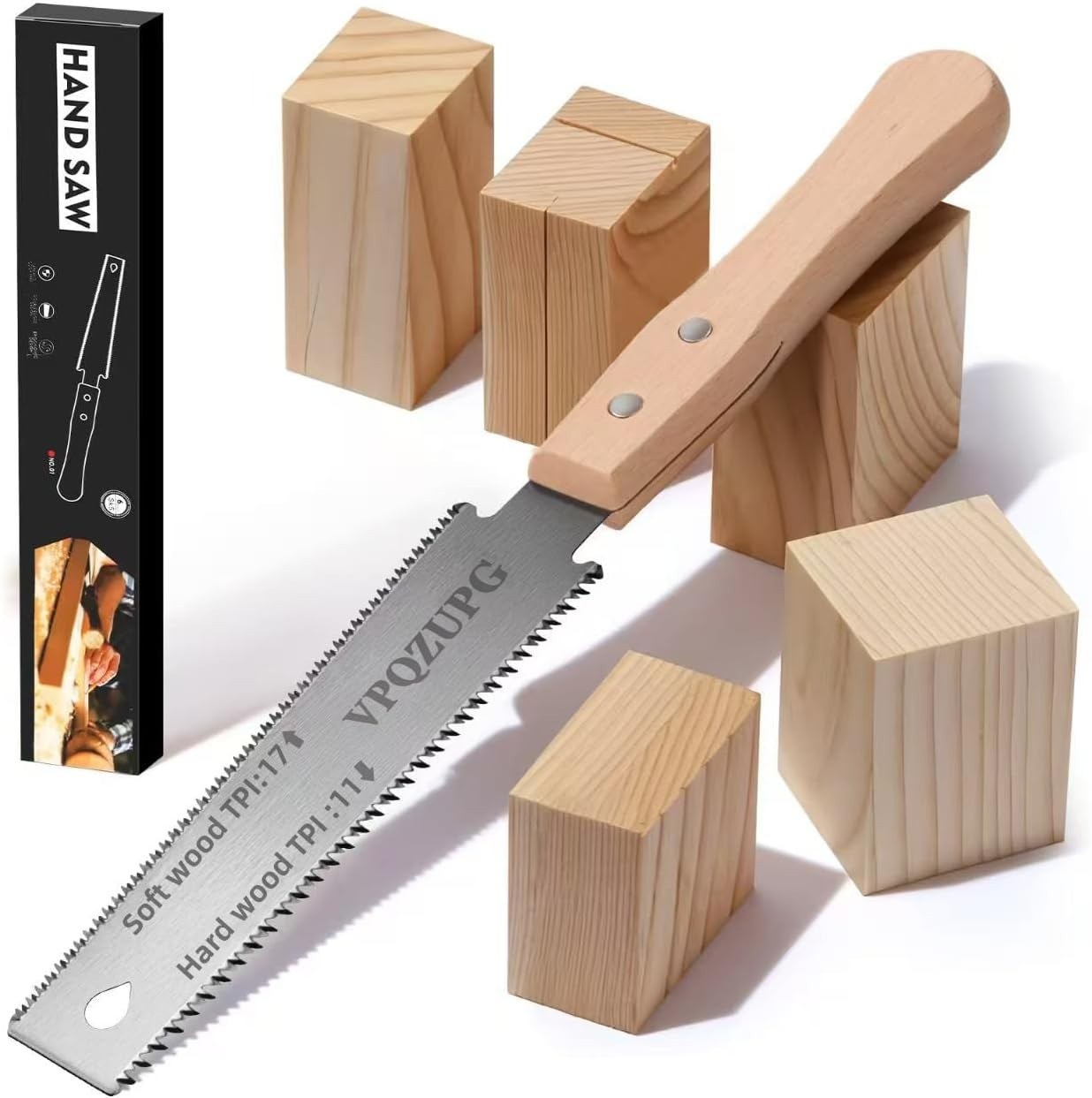 6 Inch Japanese Pull Saw,Hand Saw Woodworking Tools,Wood Handle, Sharp & Ligh...$5.89
 View on eBay
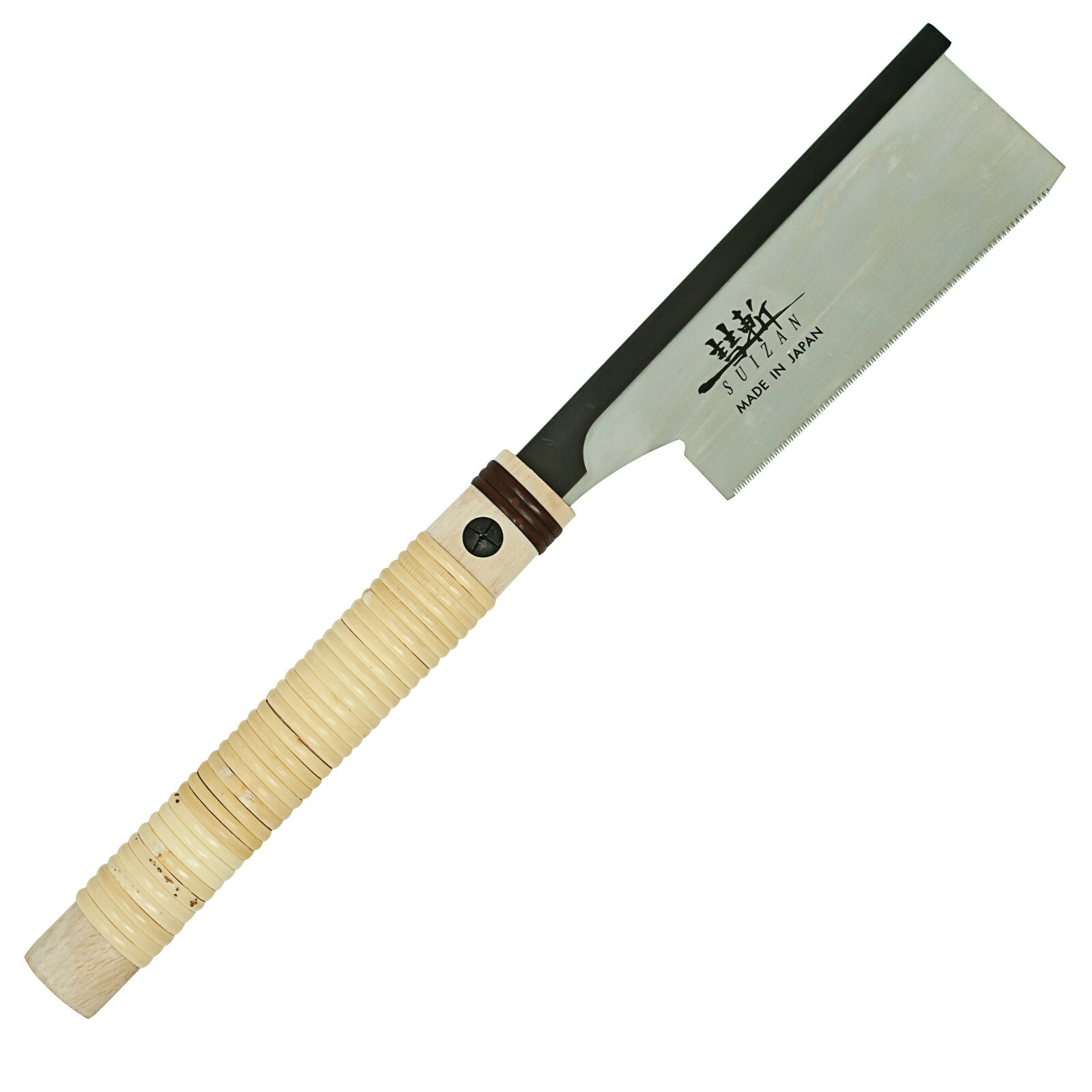 SUIZAN Japanese Dozuki Dovetail Hand Saw 6 Inch Pull Saw for Woodworking$38.80View on eBay
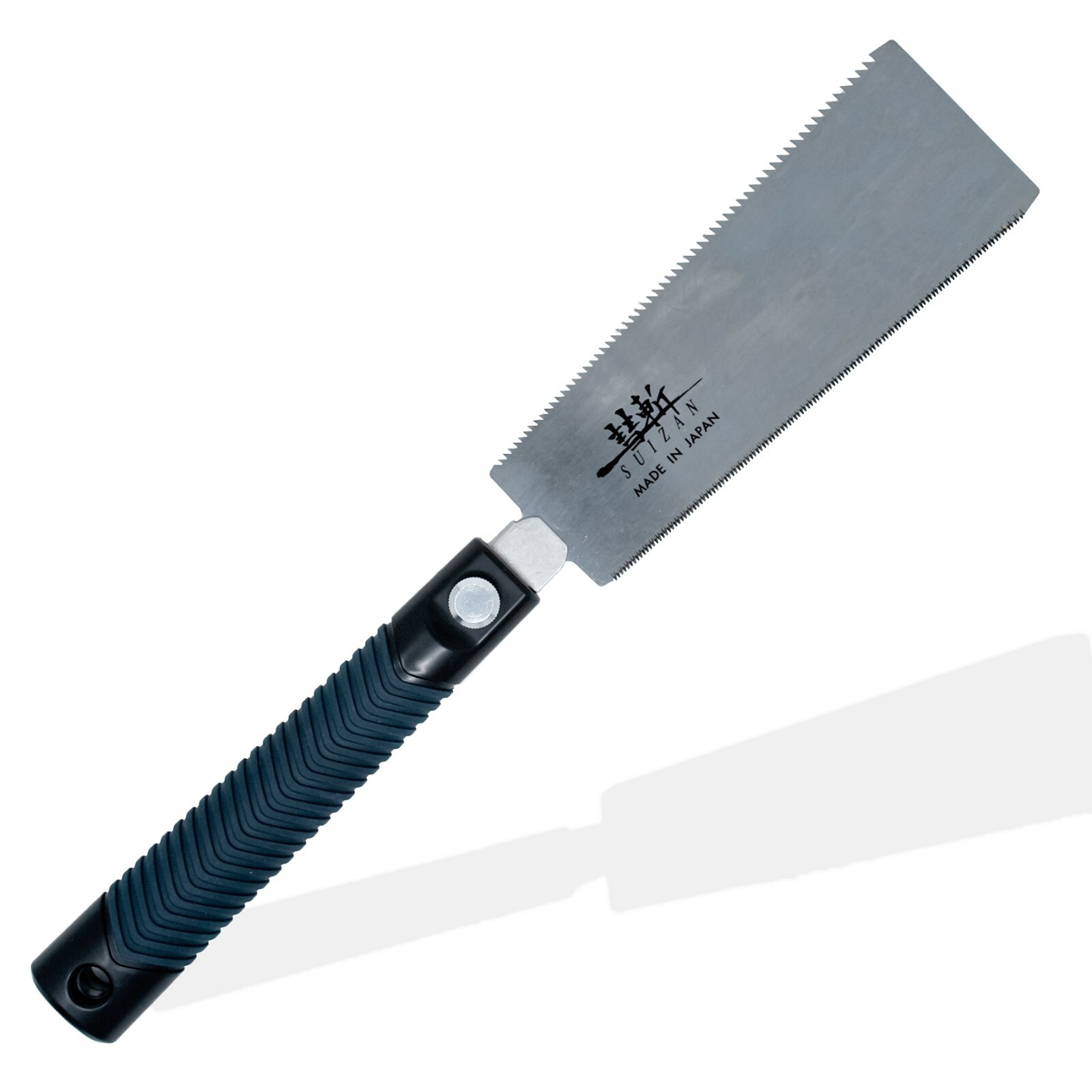 SUIZAN Japanese Pull Saw Hand Saw 7 Inch Ryoba Double Edge for Woodworking$38.80View on eBay
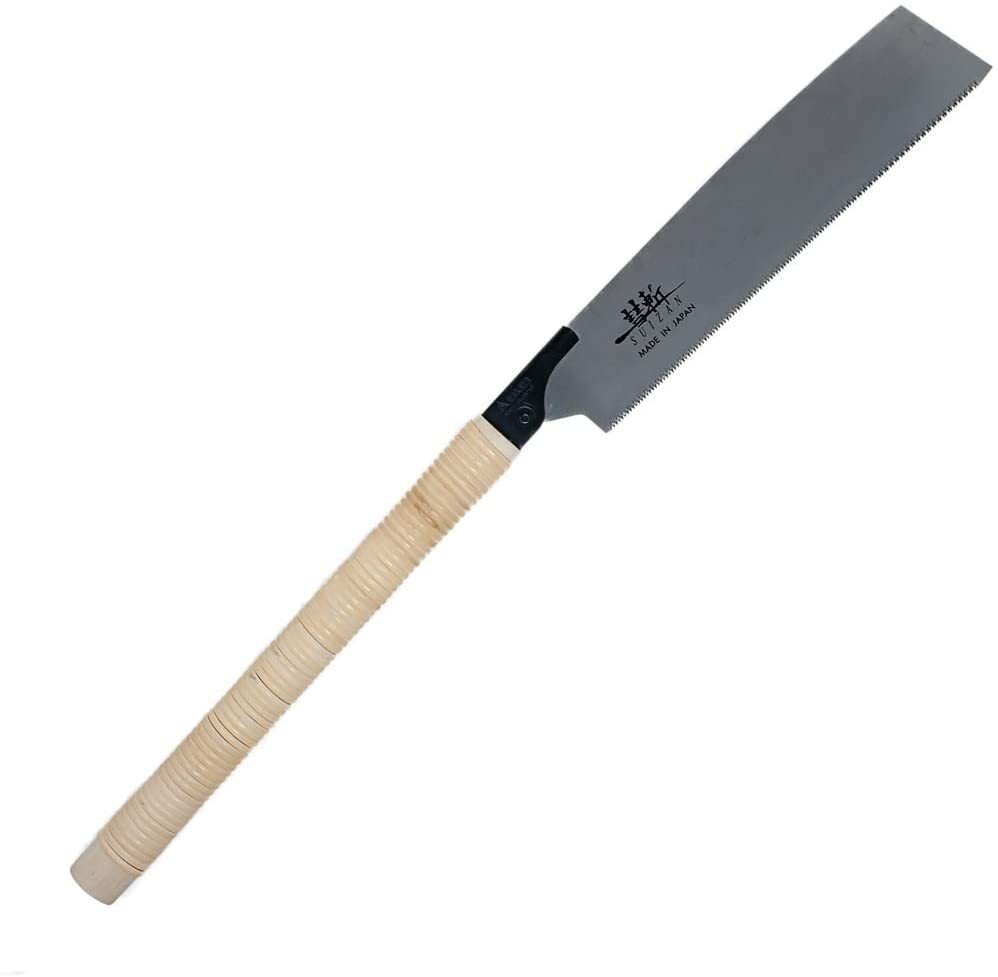 SUIZAN Japanese Hand Saw 10.5 Inch Kataba Single Edge Pull Saw for Woodworking$44.80View on eBay
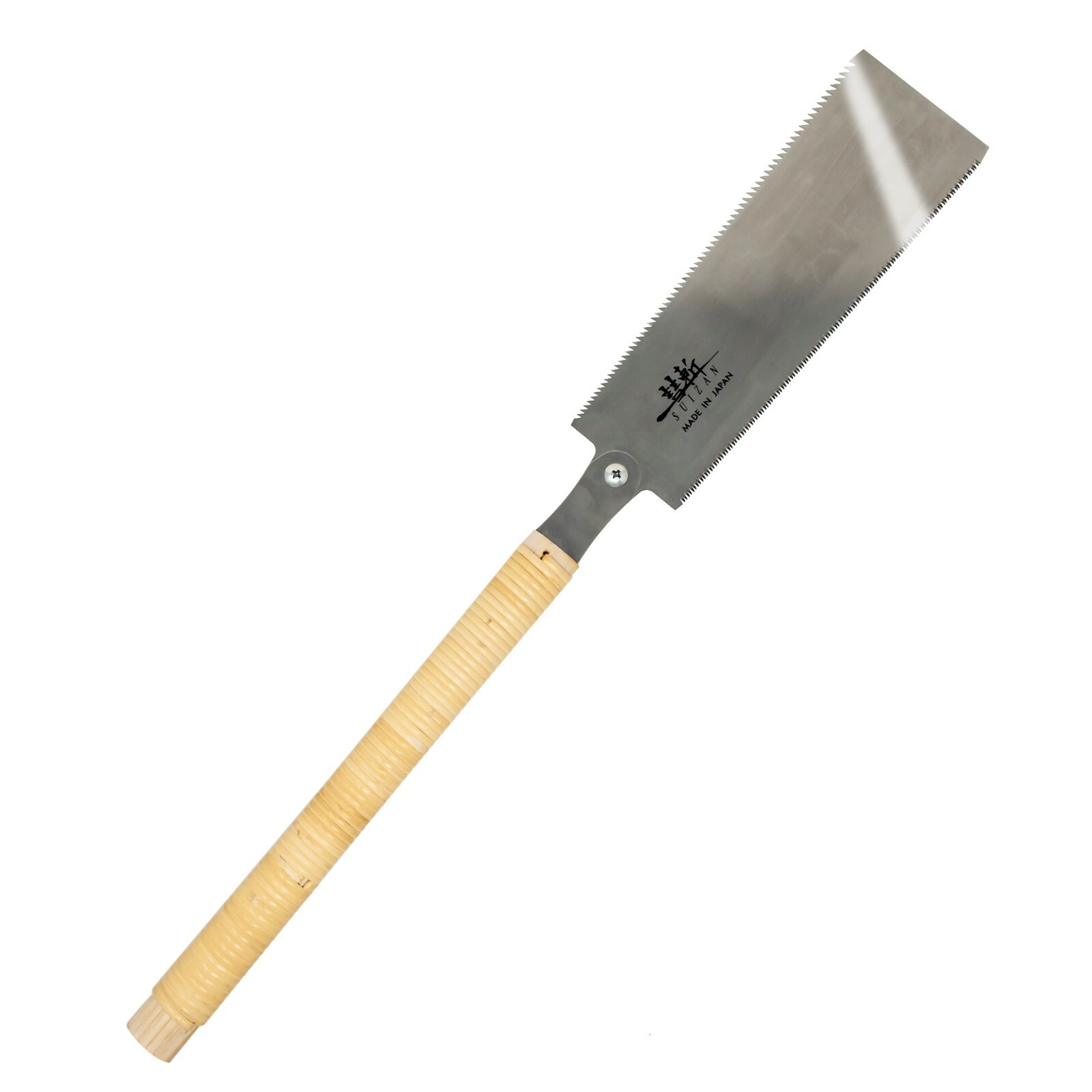 SUIZAN Japanese Pull Saw Hand Saw 9.5 Inch Ryoba Double Edge for Woodworking$49.80View on eBay
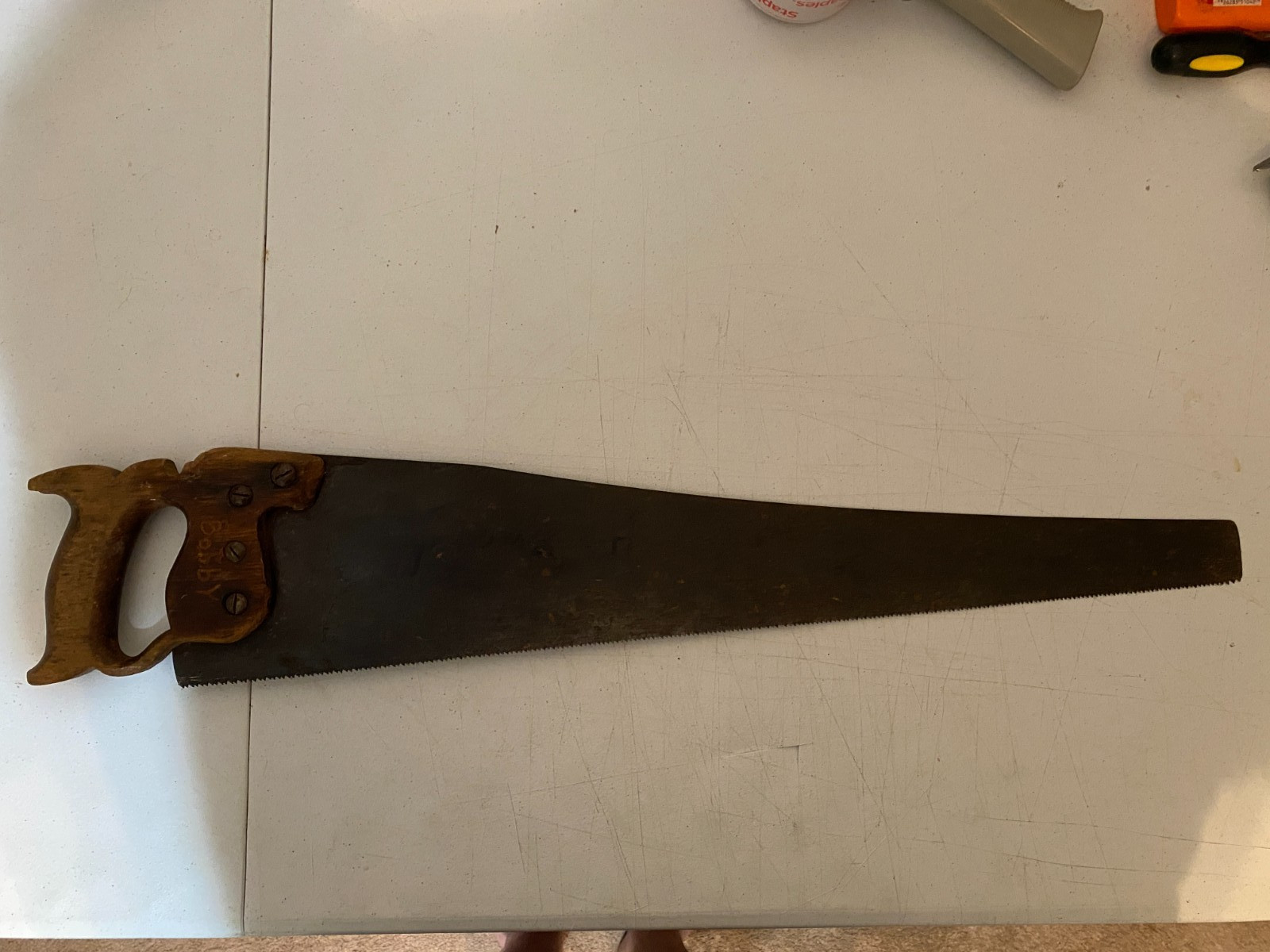 Antique Disston Hand Saw 26” Wheat Carved Handle Brass Medallion Panel Saw$58.00View on eBay
Highlights
- Japanese pull saws use 0.5–0.6 mm taper-ground steel plates; Western panel saws use 1.0–1.2 mm plates, so pull saws cut 2–3× faster with less set and narrower kerf.
- Ryoba blades are double-edged: 12–15 TPI crosscut teeth on one edge, 6–10 TPI rip teeth on the other; Kataba and Dozuki are single-edge, with Dozuki adding a rigid spine for dovetail accuracy.
- Hardened impulse teeth (common on Western saws) stay sharp 3–5× longer but cannot be filed; non-hardened Japanese blades can be resharpened with a feather file.
- Handle material and attachment determine lifespan: wood handles with through-tangs and brass ferrules resist loosening; plastic or glued-in tangs fail first under lateral load.
Best use cases
- Furniture joinery and dovetails: choose a Dozuki (6–9.5 in, 20–25 TPI, splined back) for clean shoulder cuts; a Ryoba is the one-saw compromise for crosscut and rip work in 1–2 in stock.
- Framing, decking, and demolition: pick a 20–26 in Western panel saw at 7–8 TPI with hardened teeth; Japanese pull saws are too thin for nail-embedded lumber and aggressive force.
- Trim, PVC, and laminate: use a 9.5–10.5 in Kataba with 14–17 TPI and no spine so the blade can cut flush past an obstruction; skip the Dozuki here because its spine blocks through-cuts.
- Skip Japanese pull saws entirely for green wood, frozen lumber, or masonry-adjacent work—the thin plate kinks permanently under side load and cannot be straightened.
Buying tips
- Match blade length to stock: 6–7 in saws suit stock under 1 in; 9.5–10.5 in handles 2×4 crosscuts; 12 in+ Kataba covers 4×4 posts and deep tenons.
- Choose tooth count by task: 20–25 TPI for dovetails and veneer, 14–17 TPI for general crosscut and trim, 6–10 TPI for ripping and fast removal.
- Japanese saws cut on the pull—confirm the handle is a full through-tang with a replaceable blade system (common on SUIZAN and similar lines) so a broken blade is a swap, not a new saw.
- For Western saws, buy non-hardened 1095 or similar carbon steel at 7–8 TPI if you intend to sharpen; hardened impulse teeth are disposable by design.
Specs
| Stroke Type | Japanese pull vs Western push |
|---|---|
| Blade Plate | 0.5–0.6 mm pull / 1.0–1.2 mm push |
| Tooth Count | 6–10 TPI rip / 14–25 TPI crosscut |
| Blade Length | 6–7 in joinery / 9.5–26 in site |
Related searches
What to check before buying
- Measure your maximum cut depth: a Dozuki spine limits depth to roughly the blade width below the spine—verify it clears your dovetail baseline.
- Check blade replacement availability: common Japanese saws use standardized 0.5–0.6 mm blades; confirm a spare blade exists before buying the handle.
- Confirm handle fit for your hand size: Japanese saw handles are sized for one- or two-hand grip; Western panel saws need 4–5 in of clearance behind the cut.
- For antique Western saws, inspect tooth line for missing teeth and plate for kinks—a 26 in Disston panel saw is restorable only if the plate is straight and the handle is intact.
FAQ
Data sources: eBay / Amazon listings and product attribute feeds Data updated Nov 20, 2026.
Some links on this page are affiliate links. If you buy after clicking one, we may earn a commission at no extra cost to you. This does not change which products appear here or their order. Affiliate disclosure.