Photos from current listings. Actual item, color, and included accessories may vary.
Circular Saw Cutting Guide Buying Guide
A circular saw cutting guide is a straight-edge system—either a dedicated guide rail or a clamp-on edge guide—that constrains a sidewinder or plunge saw to a precise line, eliminating freehand wander. The core trade-off is between a full plunge-track-saw system (rail + saw, best dust control and plunge safety) and a bolt-on guide for an existing sidewinder (cheaper but flex-prone and depth-limited). The decision rule: buy a dedicated track-saw system if you cut sheet goods weekly and need splinter-free edges; buy a clamp-on guide only if you already own a good sidewinder and cut under 2 ft of stock at a time.

At a glance
- Category
- Woodworking Saws & Planers
- Data updated
- Nov 20, 2026
Current offers
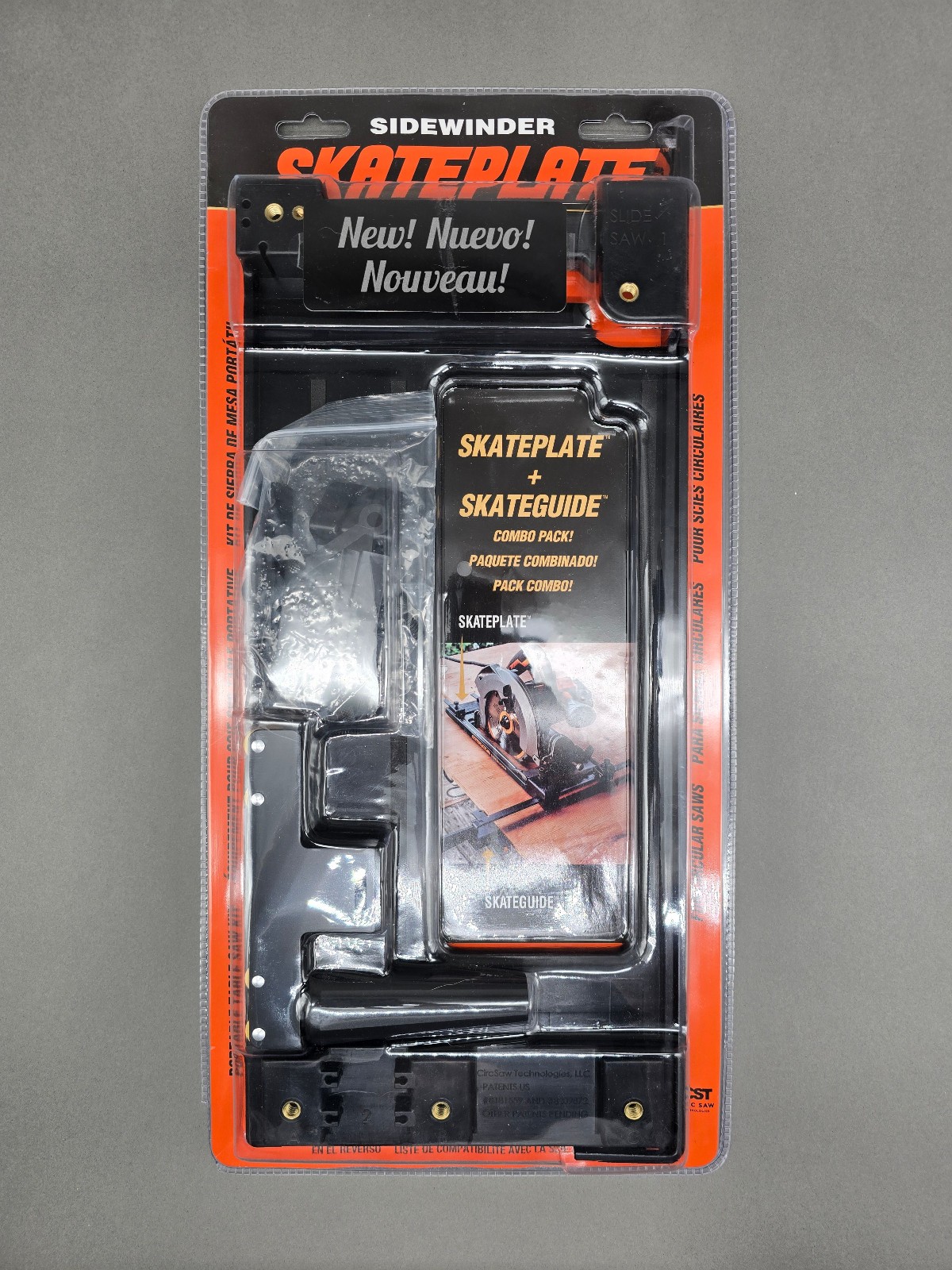 Sidewinder Skateplate Skateguide Combo Pack Circular Saw Guide Woodworking Tool$59.97
 View on eBay
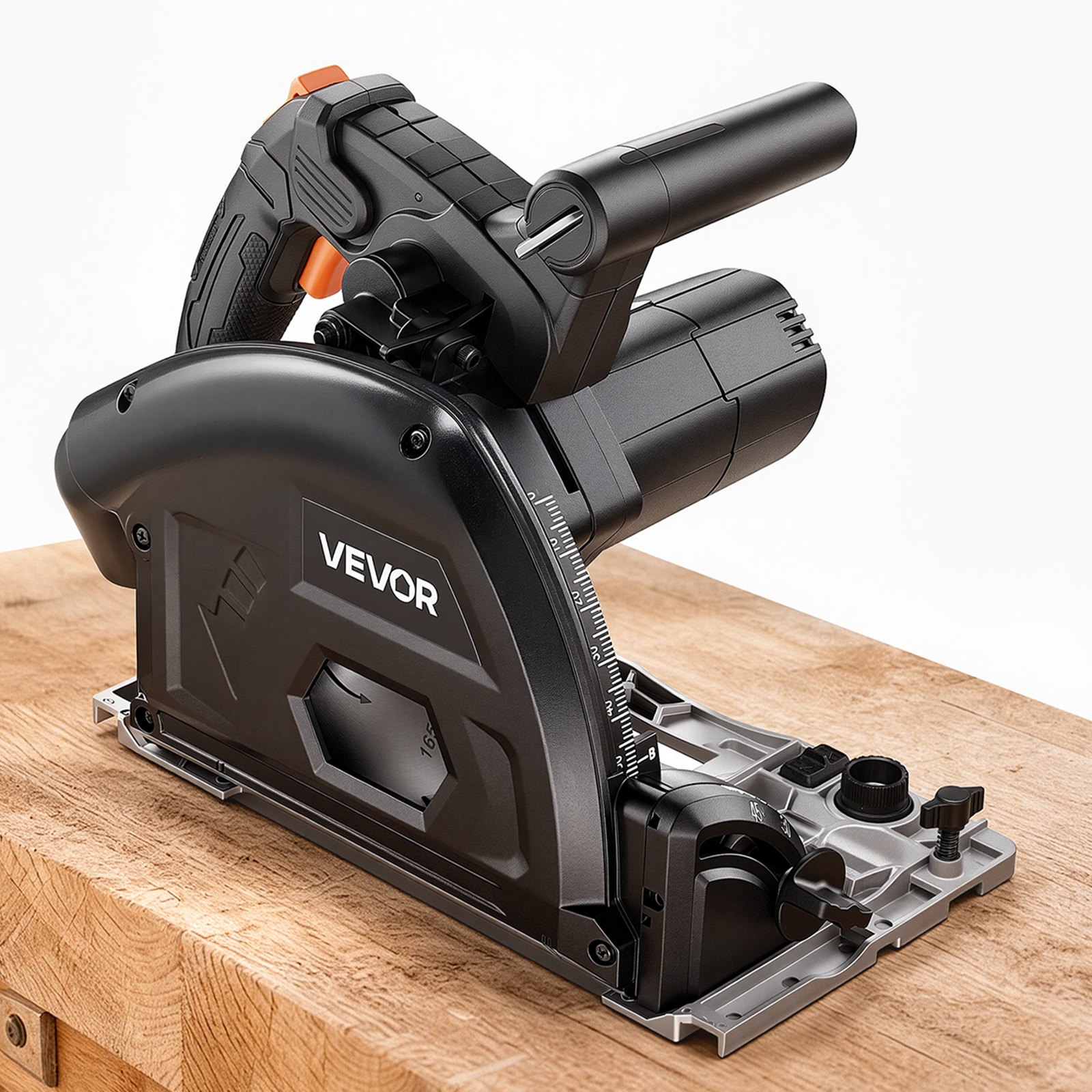 Track Saw 6-1/2-Inch Plunge-Cut Circular Saw with 48-Tooth Blade, for Wood Plastic, 1400W Motor, 5500 RPM Max, 0-45° Angle Adjustment, 2.16 in Cutting Depth, Guide Rail Not Included, Black$118.99
 View on Mallflare
Highlights
- Guide rails use a rib-and-groove interface: the saw base has a shallow channel that rides the rail's raised spine, keeping the blade parallel within a few thousandths of an inch over the full rail length.
- Aluminum extrusion thickness drives rigidity—1.5 mm wall rails flex on long rips, while 2 mm+ anodized extrusions stay straight across a 55-inch cut; cheap stamped-steel edge guides bow under clamp pressure.
- Dedicated plunge track saws add a spring-loaded plunge mechanism with riving knife and anti-kickback pawls; a sidewinder bolted to an edge guide keeps the blade exposed and cannot plunge safely.
- Rail length math matters: a 55-inch rail covers a 48-inch crosscut on 4x8 sheet goods with 3–4 inches of overhang for clamps; two 27.5-inch rails joined with a connector bar give the same reach but introduce a joint that must be aligned perfectly.
Best use cases
- Best fit: cabinet and furniture builders breaking down 4x8 plywood sheets weekly—choose a 6-1/2-inch plunge track saw with a 55-inch rail and 48-tooth blade for splinter-free veneer cuts.
- Best fit: trim carpenters and DIYers who already own a reliable sidewinder—choose a clamp-on aluminum edge guide or skateplate for straight rips under 8 ft, and skip the full track system.
- Wrong fit: anyone cutting thick hardwoods (8/4+) or needing bevel cuts beyond 45 degrees—a 6-1/2-inch track saw's 2.16-inch depth at 90 degrees drops to roughly 1.5 inches at 45 degrees; step up to a 7-1/4-inch sidewinder with a guide.
- Wrong fit: finish carpenters needing dead-on repeatable crosscuts on narrow stock—a track saw rail is awkward on stock under 6 inches wide; use a miter saw or a dedicated crosscut sled instead.
Buying tips
- Match blade size to depth: a 6-1/2-inch blade gives about 2.16 inches at 90 degrees but only ~1.5 inches at 45 degrees—choose 7-1/4-inch if you routinely cut 2x lumber on a bevel.
- Check motor wattage against material: 1400W handles plywood and softwood; 1800W+ is needed for continuous rips in hardwood or thick composite without bogging.
- Confirm rail compatibility: rails are brand-specific—a Makita rail will not accept a Festool saw base and vice versa; buy the saw and rail as a matched system or verify the base channel profile.
- For clamp-on guides, insist on 2 mm+ aluminum extrusion with a raised spine and at least two clamp slots; thinner guides deflect under clamp pressure and ruin the cut line.
Specs
| Guide Type | Plunge track saw vs clamp-on edge guide |
|---|---|
| Blade Size | 6-1/2 in (2.16 in depth) / 7-1/4 in |
| Rail Length | 55 in single / 2 x 27.5 in joined |
| Motor Power | 1400W–1800W, 5500 RPM |
Related searches
What to check before buying
- Measure your widest cut: rail length must exceed the cut by at least 3 inches on each side for clamp clearance—a 55-inch rail covers a 48-inch crosscut on sheet goods.
- Verify your saw's base plate: sidewinder base plates vary in width and slot position; a clamp-on guide must match your base width or it will not seat squarely.
- Check your power supply: 1400W–1800W saws draw 12–15 amps; confirm a 15A circuit or 20A dedicated outlet, and use a 12-gauge extension cord under 50 ft.
- Confirm rail joinery if using two short rails: a connector bar must be straight and the joint aligned with a straightedge—misaligned joints cause the saw to catch and kick back.
FAQ
Data sources: eBay / Amazon listings and product attribute feeds Data updated Nov 20, 2026.
Some links on this page are affiliate links. If you buy after clicking one, we may earn a commission at no extra cost to you. This does not change which products appear here or their order. Affiliate disclosure.