Photos from current listings. Actual item, color, and included accessories may vary.
Circular Saw Guide Rail Buying Guide
A circular saw guide rail is a straight-edge track that constrains a circular saw's base to make accurate, splinter-free rip and crosscuts without a table saw. The core trade-off is track-to-saw compatibility and rail rigidity: dedicated plunge/track saws use a grooved base that locks into a rail, while sidewinder circular saws need an adapter skate or a rail with a universal edge. Buy a rail system only when the saw base is designed for it or a proven adapter exists; otherwise you are buying a loose straightedge that will drift.

At a glance
- Category
- Woodworking Saws & Planers
- Data updated
- Nov 20, 2026
Current offers
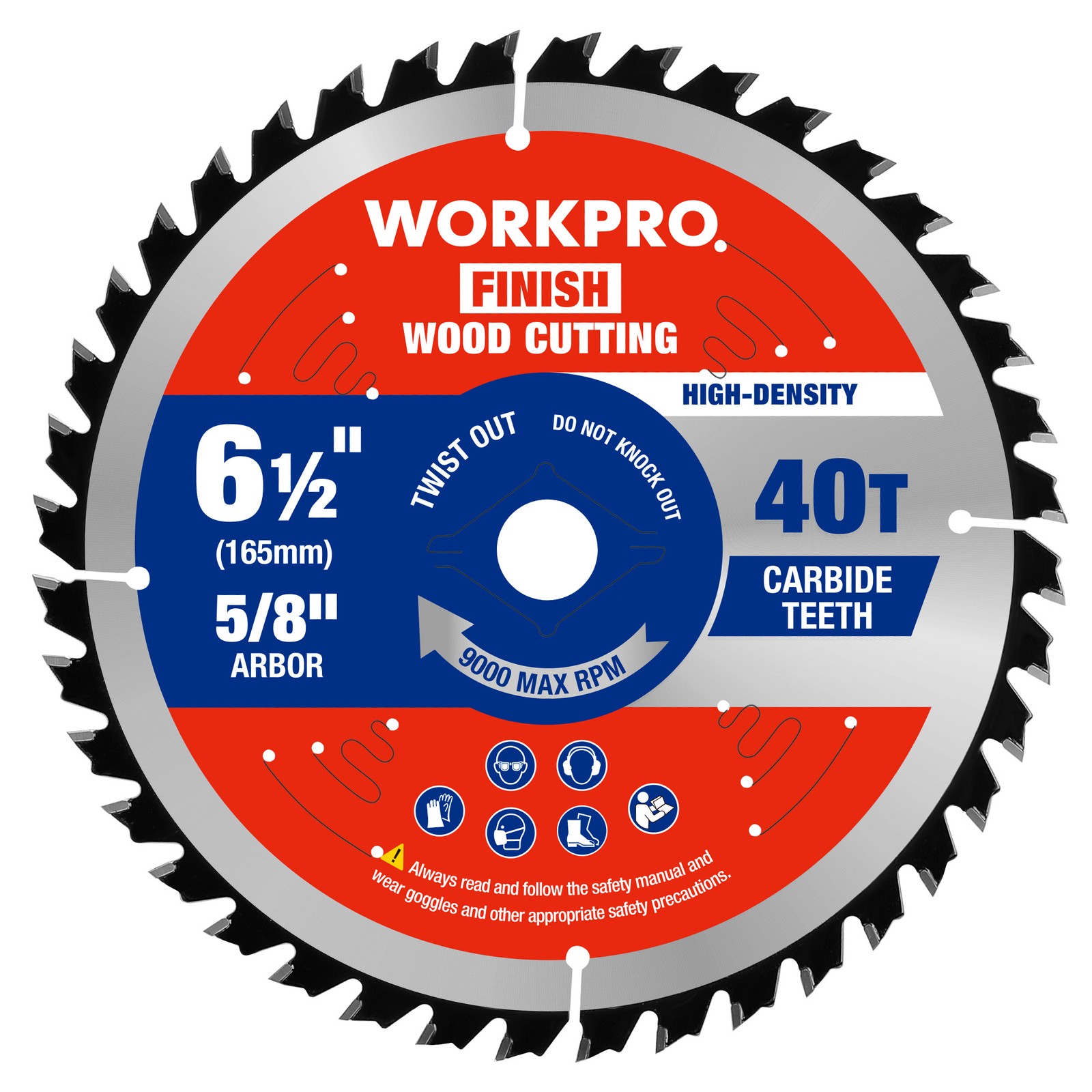 WORKPRO 6-1/2'' Woodworking Circular Saw Blade 40T General Purpose Wood Cutting$11.99
 View on eBay
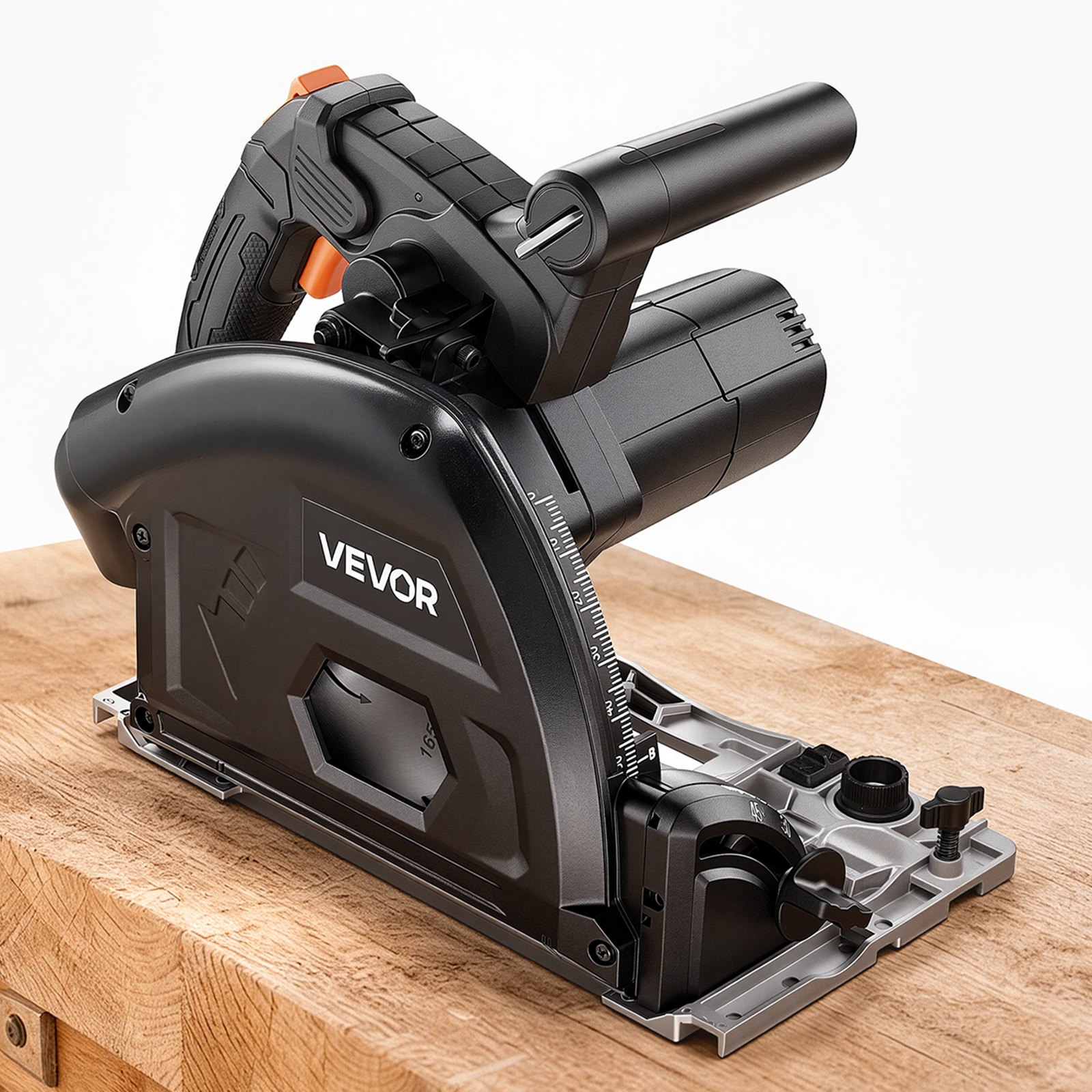 Track Saw 6-1/2-Inch Plunge-Cut Circular Saw with 48-Tooth Blade, for Wood Plastic, 1400W Motor, 5500 RPM Max, 0-45° Angle Adjustment, 2.16 in Cutting Depth, Guide Rail Not Included, Black$118.99
 View on Mallflare
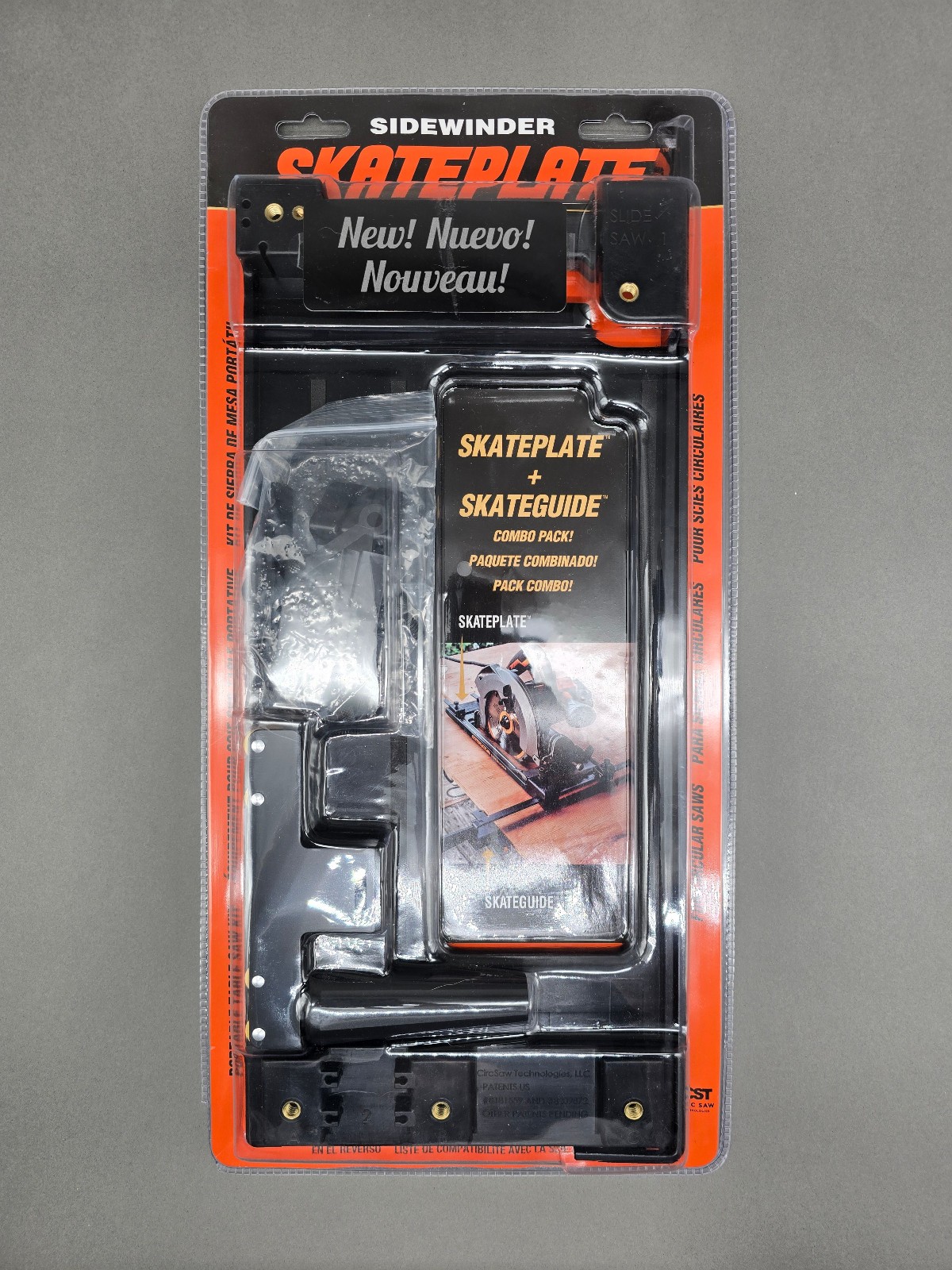 Sidewinder Skateplate Skateguide Combo Pack Circular Saw Guide Woodworking Tool$59.97View on eBay
Highlights
- Dedicated track saws use a 1400W-class motor, 6-1/2 in blade, 5500 RPM, and a grooved base that registers on the rail's ribs for zero-clearance tracking; sidewinder saws lack this registration.
- Rail material is almost universally extruded aluminum; rigidity comes from wall thickness and rib profile, not color, and 55 in rails are commonly shipped as two 27.5 in sections joined by a connector.
- Splinter guards (replaceable rubber strips) are what deliver tear-out-free cuts; they are consumables and must be trimmed on first use with the saw that will ride the rail.
- Guide-rail capacity is set by rail length minus saw base overhang; a 55 in rail yields roughly 48-50 in of supported cut, so sheet goods need two rails joined or a longer single rail.
Best use cases
- Best fit: breaking down plywood and MDF sheet goods — choose a dedicated plunge track saw with a 55 in rail (or two joined) and a fresh splinter guard; skip sidewinder-plus-skate adapters for finish cuts.
- Best fit: finish carpentry and cabinet installs where a table saw cannot reach — pick a rail system whose saw base is grooved for that exact rail family; skip universal clamp-on straightedges that rely on friction alone.
- Wrong fit: heavy daily framing and rough dimensional lumber — a circular saw guide rail is slower than a worm-drive or sidewinder freehand cut; use a speed square or straightedge instead.
- Wrong fit: cutting thick hardwoods or metal — 6-1/2 in track saws top out near 2.16 in depth at 90 degrees and far less at 45; step up to a 7-1/4 in sidewinder or a different tool.
Buying tips
- Match the saw base to the rail family first: a grooved plunge-saw base registers on the rail ribs, while a flat sidewinder base needs a skate/adapter plate or a rail with a raised universal edge.
- Size rail length to the cut, not the workpiece: a 55 in rail supports about 48-50 in of cut; for 8 ft sheet goods, join two rails with a connector and verify straightness with a level.
- Check depth capacity against stock: 6-1/2 in track saws cut about 2.16 in at 90 degrees and roughly 1.5 in at 45 degrees, so 2x lumber at bevel needs a larger blade class.
- Prefer rails with replaceable splinter guards and anti-friction glide strips; these control tear-out and sliding effort, and both wear out before the aluminum does.
Specs
| Saw Compatibility | Grooved track saw vs adapter skate |
|---|---|
| Rail Material | Extruded aluminum, ribbed profile |
| Rail Length | 27.5 in / 55 in / joined pairs |
| Blade & Depth | 6-1/2 in, ~2.16 in at 90° |
Related searches
What to check before buying
- Measure your saw's base plate width and confirm it is grooved for the rail family or that a matched adapter skate exists; a flat base will not self-align.
- Confirm rail length covers your typical cut plus saw overhang — 55 in rails handle 4 ft crosscuts, but 8 ft rips need two rails and a connector.
- Plan clamping: most rails rely on friction strips plus F-clamps or quick clamps at the ends; verify clamp throat depth clears your workpiece thickness.
- Check blade and power standard for your region — 6-1/2 in blades with the correct arbor bore, and 120V/60Hz or 230V/50Hz motor per your outlet.
FAQ
Data sources: eBay / Amazon listings and product attribute feeds Data updated Nov 20, 2026.
Some links on this page are affiliate links. If you buy after clicking one, we may earn a commission at no extra cost to you. This does not change which products appear here or their order. Affiliate disclosure.