Photos from current listings. Actual item, color, and included accessories may vary.
Corded Hand Planer Buying Guide
A corded hand planer is a handheld power tool that removes material in passes using a rotating cutter drum, delivering far more stock removal than a block plane. The primary trade-off is motor amperage and cutterhead architecture against weight and cut-width: 3-1/4-inch drums dominate, while 7-amp motors hold RPM under load that 5-amp units lose. Choose a dual-blade 7-amp unit with a machined aluminum shoe and adjustable depth for durable work; skip single-blade or plastic-shoe planers for anything beyond light trim.

At a glance
- Category
- Woodworking Saws & Planers
- Data updated
- Nov 20, 2026
Current offers
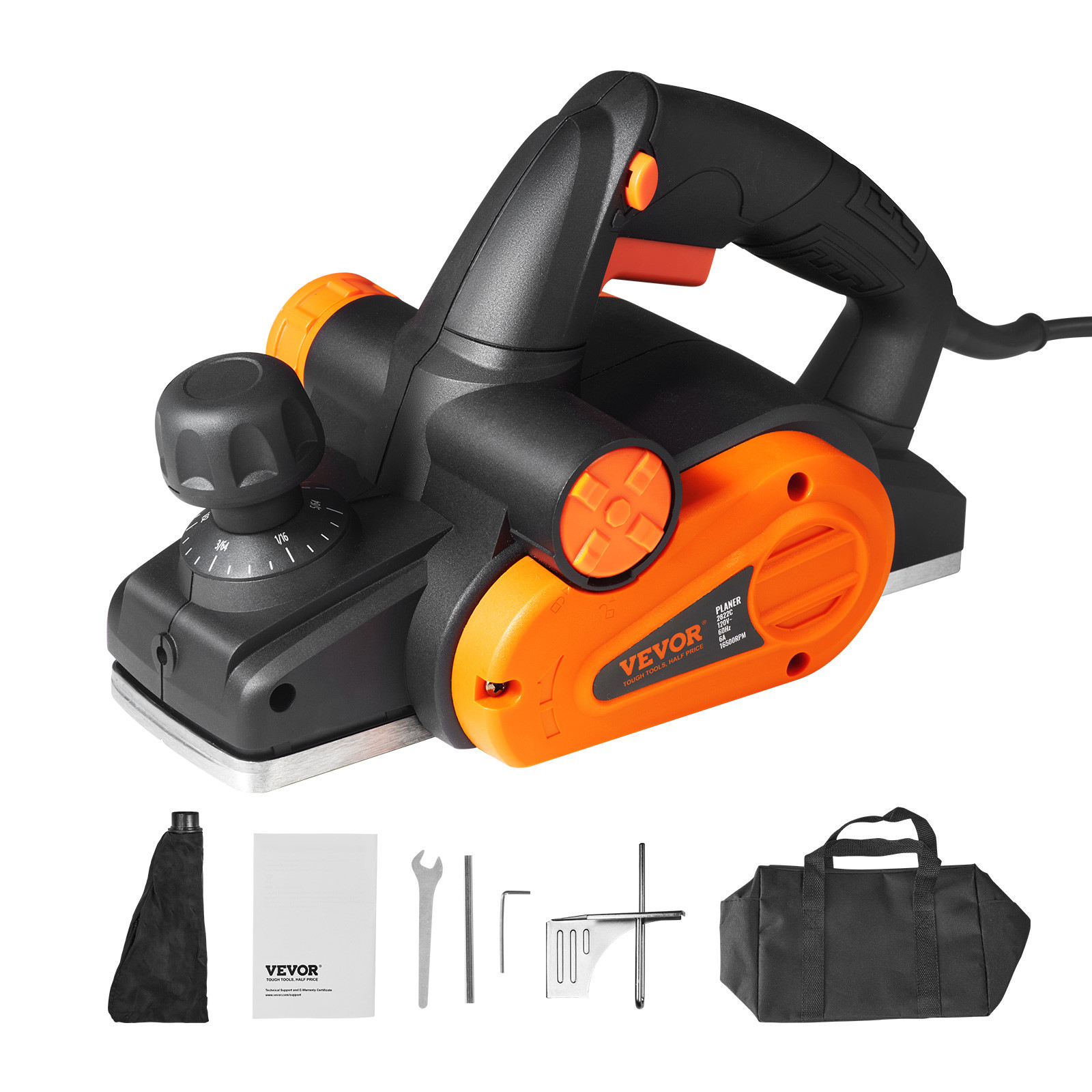 VEVOR Hand Planer Corded Electric Hand Planer 3-1/4" 16500 RPM Woodworking DIY$34.83
 View on eBay
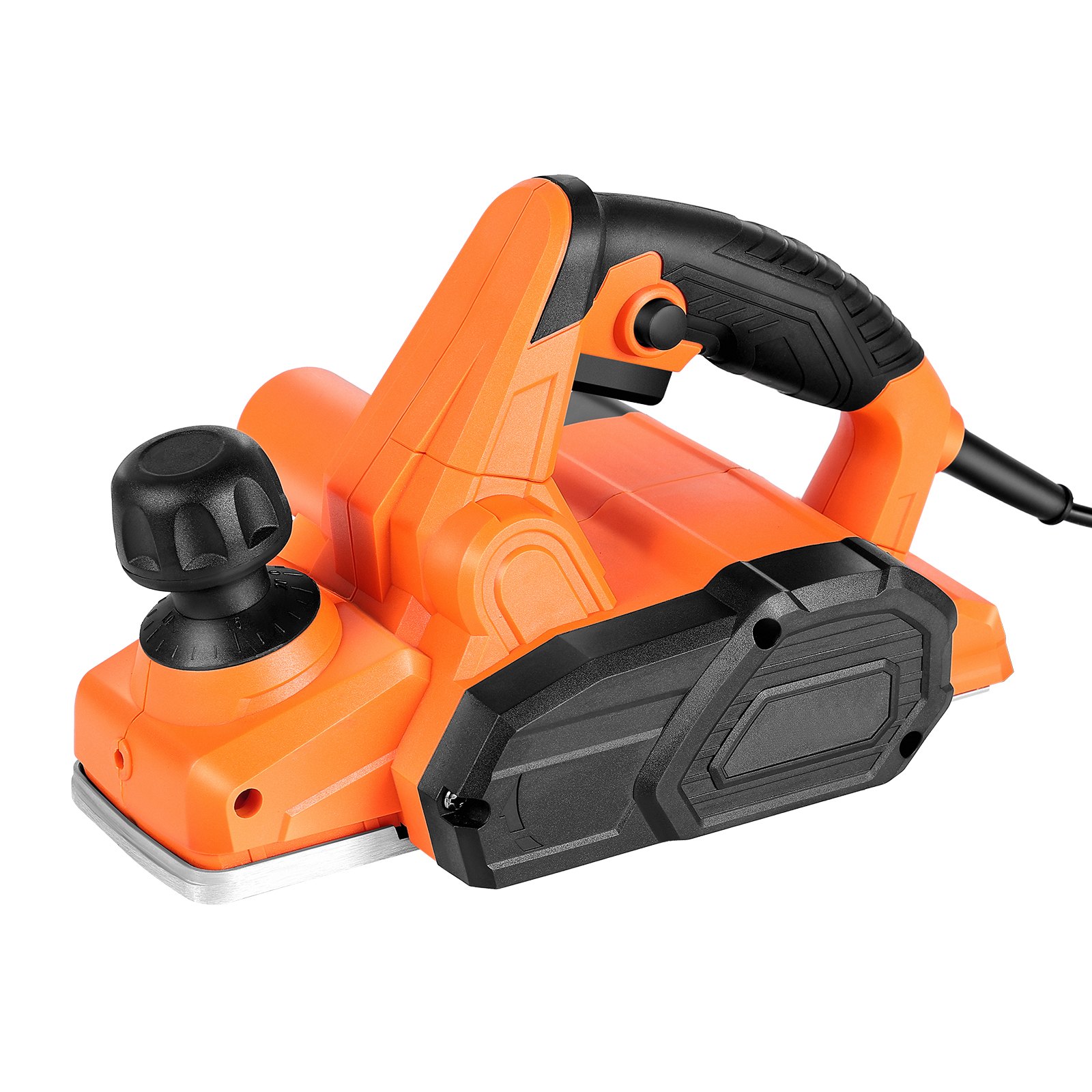 Electric Hand Planer, 3-1/4-Inch Cut Width, 7-Amp 16800 RPM Corded Power Handheld For Wood, With Adjustable Cut Depth, 2 Blades, For Woodworking Chamfer DIY Smooth Finish Carpentry$61.99
 View on Mallflare
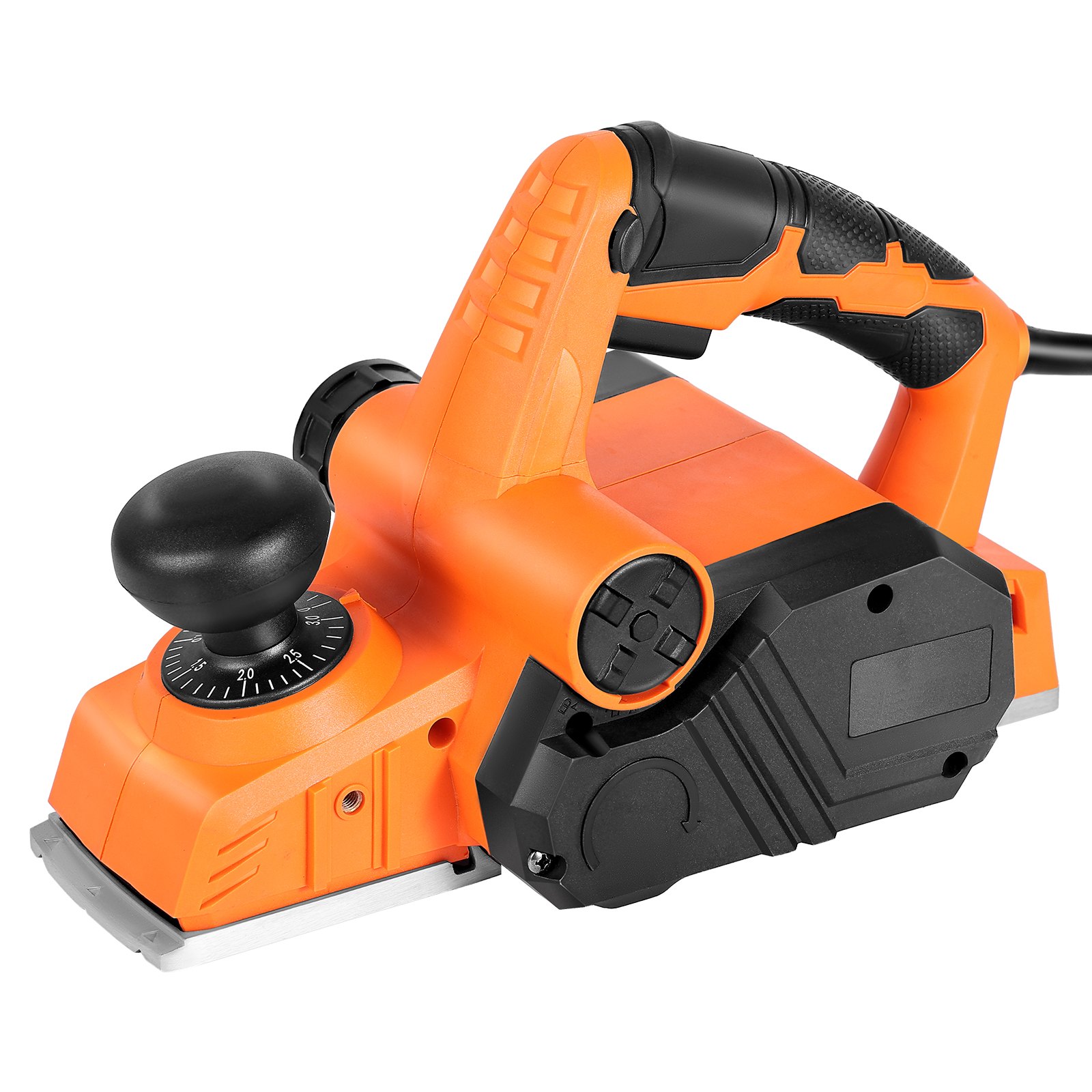 Electric Hand Planer, 3-1/4-Inch Cut Width, 7-Amp 14500 RPM Corded Power Handheld For Wood, With Adjustable Cut Depth, 2 Blades, For Woodworking Chamfer DIY Smooth Finish Carpentry$61.99View on Mallflare
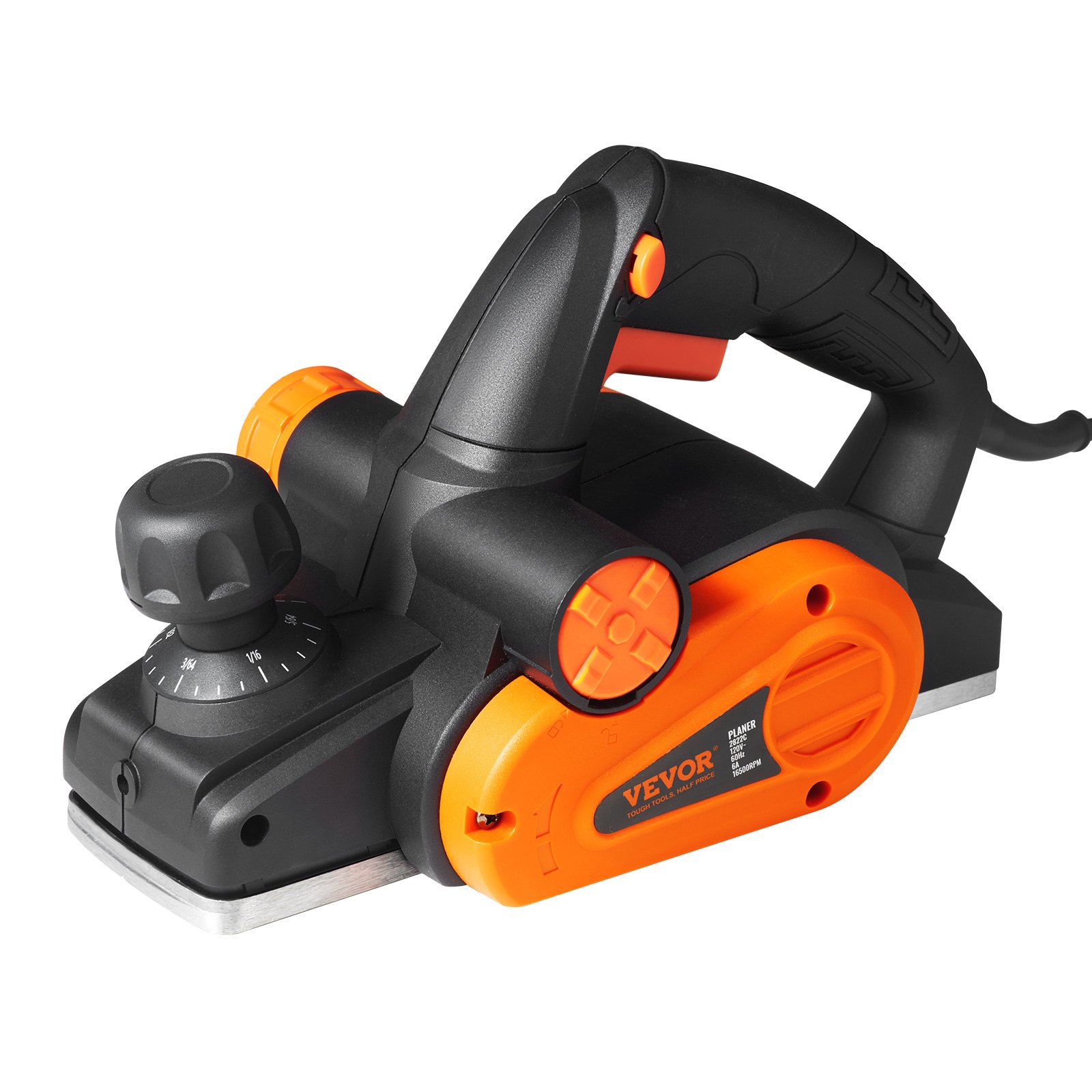 Electric Hand Planer, 3-1/4" Width Corded 16500 RPM High-Speed Powerful Handheld Planers For Woodworking, Wood Chamfer DIY, Smooth Finish Carpentry Tool, FCC-SDoC$67.99View on Mallflare
Highlights
- Cut width: 3-1/4 in (82 mm) is the standard drum width; 4-3/8 in models exist but add weight and cost without proportional benefit.
- Motor class: 7-amp motors sustain 14,500-16,800 RPM no-load; 5-amp units bog down in hardwood and leave gouges.
- Cutterhead: dual reversible HSS blades are the baseline; single-blade drums cut slower and wear faster, while carbide inserts suit abrasive stock.
- Shoe: machined aluminum or die-cast sole keeps the drum parallel; stamped-steel or plastic shoes flex and produce tapered passes.
Best use cases
- Best fit: door and slab trimming where a 3-1/4-inch, 7-amp dual-blade planer with 0-1/16-inch depth per pass removes material fast; skip 5-amp single-blade units.
- Best fit: chamfering and easing edges on framing lumber — pick a planer with a front chamfer groove and adjustable depth; skip fixed-depth trim planers.
- Wrong fit: finish smoothing of figured hardwood — a hand planer leaves scallops; use a bench plane or drum sander instead of any corded planer.
- Wrong fit: site work without mains power — corded planers need 120 V AC; a cordless planer is the only viable option.
Buying tips
- Match amperage to stock: 7-amp for hardwood and continuous passes; 5-amp only for softwood trim and occasional use.
- Confirm dual-blade reversible HSS cutters — single-blade drums cut slower and cost more to replace over the tool's life.
- Check depth-of-cut range: 0-1/16 in (0-1.5 mm) per pass is typical; a rebate depth of 1/8 in or more enables rabbet work.
- Insist on a machined aluminum shoe and a dust port sized for 1-1/4 in or 35 mm hose; plastic shoes and proprietary ports limit use.
Specs
| Cut Width | 3-1/4 in (82 mm) standard; 4-3/8 in wide |
|---|---|
| Motor Amperage | 5-amp light duty / 7-amp continuous |
| Cutterhead | Dual reversible HSS vs single blade |
| Max Depth of Cut | 0-1/16 in (0-1.5 mm) per pass |
Related searches
What to check before buying
- Measure the widest board you will plane: 3-1/4 in covers most trim; wider stock needs multiple passes or a 4-3/8 in model.
- Verify a 120 V 60 Hz grounded outlet within cord reach; most corded planers ship with a 6-10 ft cord.
- Check your dust extractor hose diameter against the planer port — 1-1/4 in and 35 mm are common; adapters are often needed.
- Confirm blade availability: standard 3-1/4 in reversible HSS blades are widely stocked; proprietary profiles are not.
FAQ
Data sources: eBay / Amazon listings and product attribute feeds Data updated Nov 20, 2026.
Some links on this page are affiliate links. If you buy after clicking one, we may earn a commission at no extra cost to you. This does not change which products appear here or their order. Affiliate disclosure.