Photos from current listings. Actual item, color, and included accessories may vary.
Cordless Handheld Planer Buying Guide
Cordless handheld planers free you from a power cord for chamfering, scribing, and light stock removal, but the platform voltage and battery kit decide real capability. The core trade-off is 12V compactness versus 18V/20V cutting power and runtime, with brushless motors now standard at both tiers. Buy the battery platform you already own at 18V for serious work, or a complete 12V kit only for trim and chamfer tasks.


At a glance
- Category
- Woodworking Saws & Planers
- Data updated
- Nov 20, 2026
Current offers
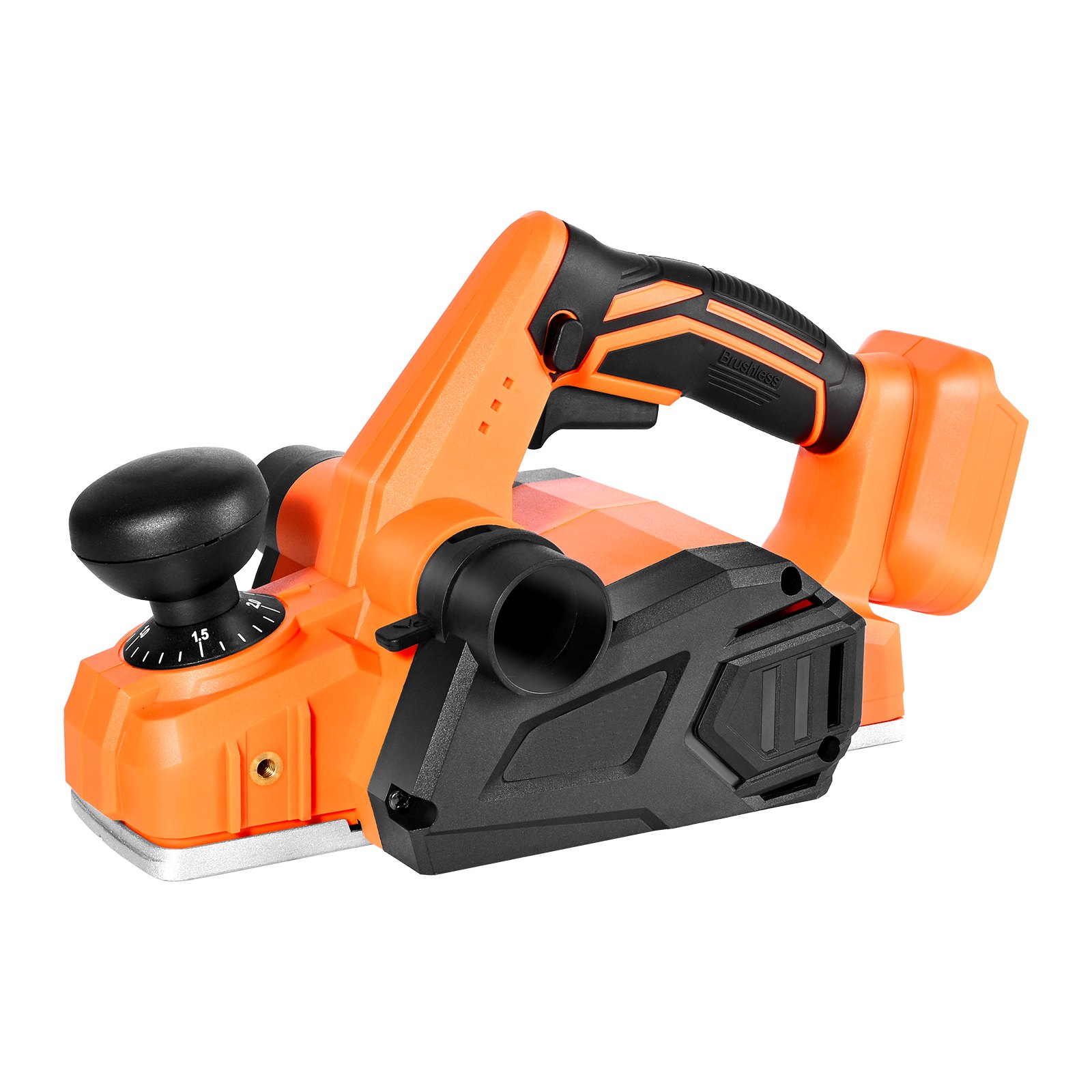 Cordless Handheld Planer, 3-1/4-Inch Cut Width, 15000 RPM Electric Hand Wood With Brushless Motor, Adjustable Cut Depth For Woodworking, Compatible 18V Battery (Bare Tool Only)$52.99
 View on Mallflare
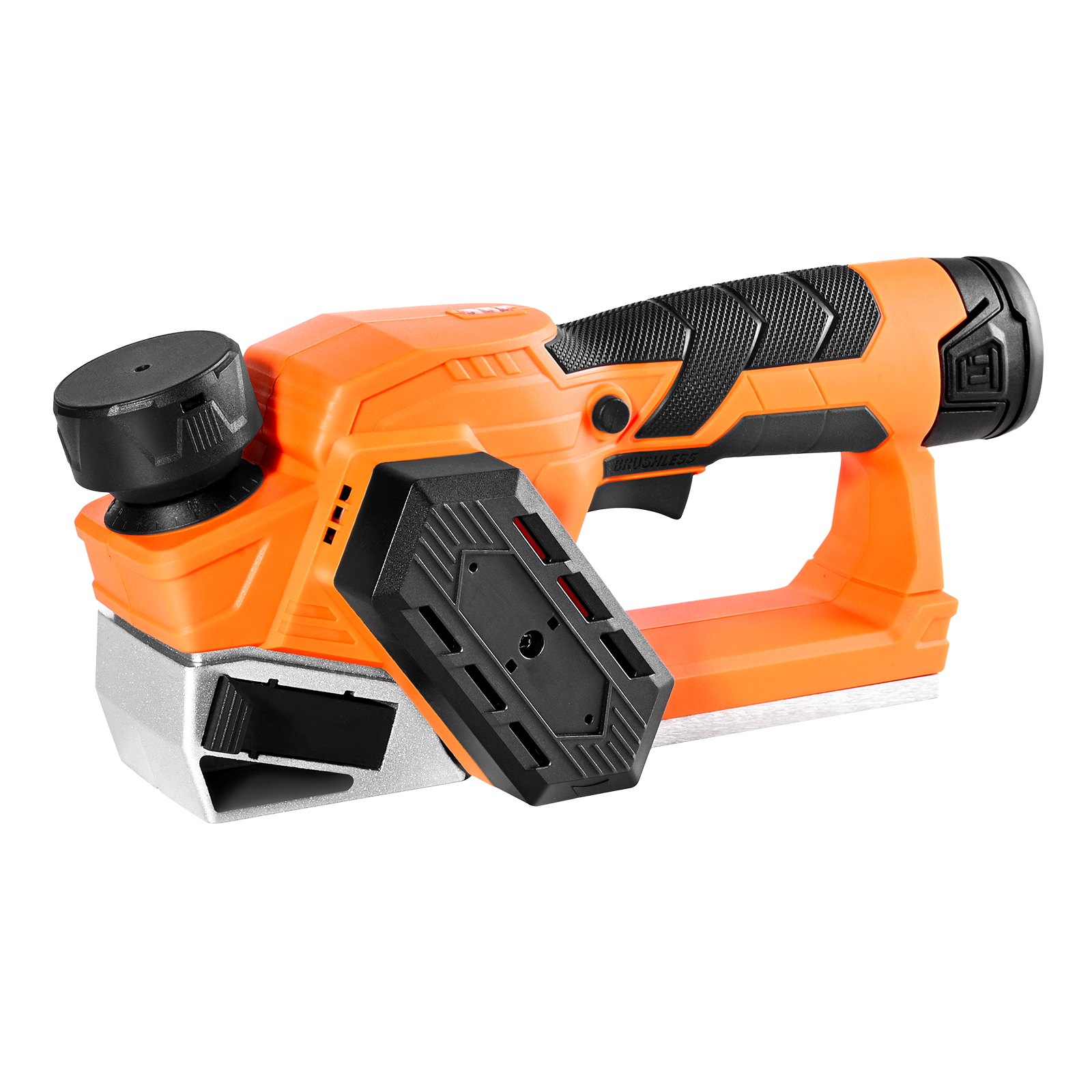 Cordless Handheld Planer, 2-1/5-Inch Cut Width, 14500 RPM Electric Hand Wood With 2 Ah 12V Lithium Battery, Brushless Motor, Adjustable Cut Depth, 2 Blades, For Woodworking Chamfer$81.99View on Mallflare
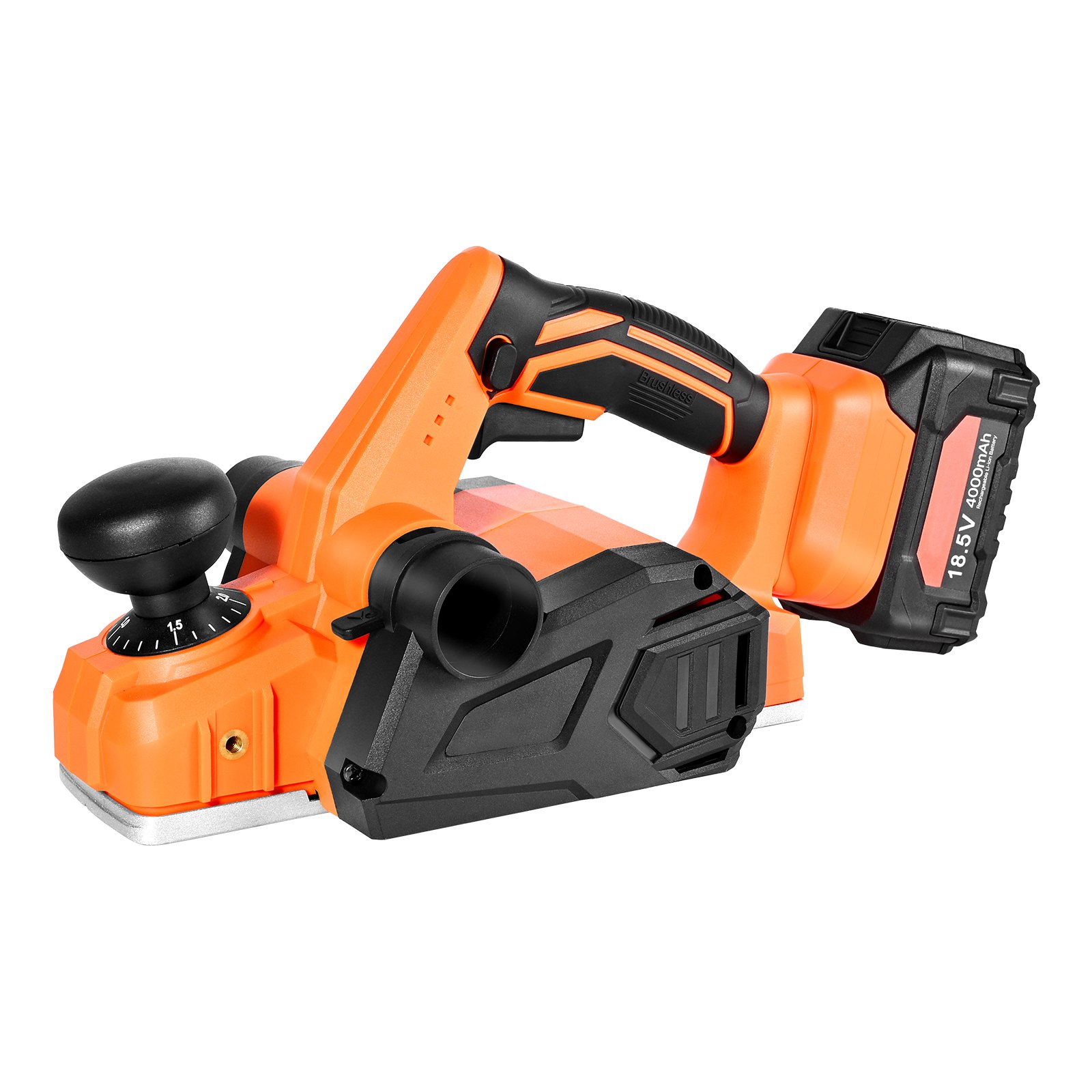 Cordless Handheld Planer, 3-1/4-Inch Cut Width, 15000 RPM Electric Hand Wood With 4.0 Ah 18V Lithium Battery, Brushless Motor, Adjustable Cut Depth, Dust Collection Bag, For Woodworking$118.99View on Mallflare
Highlights
- 18V/20V platforms deliver roughly 14,500-15,000 RPM and a 3-1/4 in (82 mm) cut width, which is the standard full-size hand planer capacity for stock removal and door trimming.
- 12V platforms typically run 14,000-15,000 RPM with a 2-1/5 in (56 mm) cut width, suited to chamfers and light edge work but slower on wide faces.
- Brushless motors are the durability baseline: they eliminate brush wear, run cooler, and convert battery energy more efficiently than brushed motors.
- Bare-tool vs kit is the decider: bare tools require an existing same-voltage battery and charger, while kits include a 2.0-4.0 Ah pack and charger at the cost of added weight.
Best use cases
- Pick an 18V bare tool with 3-1/4 in cut width if you already own 18V batteries and need door trimming, joist scribing, or stock removal.
- Pick a 12V complete kit at 2-1/5 in cut width for chamfering, small trim, and overhead work where low weight matters more than width.
- Skip 18V bare tools if you have no matching battery platform—the added battery and charger cost erases the bare-tool savings.
- Skip 12V planers for flattening wide boards or heavy material removal; the narrow cut and lower torque make wide-face work slow.
Buying tips
- Match battery voltage to your existing platform first: 18V/20V for full-size 3-1/4 in planers, 12V for compact 2-1/5 in models—cross-platform batteries do not fit.
- Choose brushless motors over brushed for runtime and motor life; at these RPMs brushed motors wear faster and drain packs quicker.
- Check adjustable cut depth range (typically 0-2 mm or 0-1/16 in per pass) and confirm the depth scale is tool-free for on-the-fly chamfer changes.
- Prefer models with a dust-collection port or bag; planing produces heavy chip volume and a chip ejector keeps the cut line visible.
Specs
| Platform Voltage | 12V compact vs 18V/20V full-size |
|---|---|
| Cut Width | 2-1/5 in (56 mm) vs 3-1/4 in (82 mm) |
| No-Load Speed | 14,000-15,000 RPM |
| Motor Type | Brushless (standard) vs brushed |
Related searches
What to check before buying
- Confirm your existing battery voltage and shoe interface match the bare tool—18V/20V and 12V packs are not interchangeable across brands.
- Measure the widest board or door edge you plan to plane; 3-1/4 in covers standard door thickness, while 2-1/5 in is for edges and chamfers.
- Verify replacement blades are available in the correct size (common 82 mm or 56 mm) and that the blade system is reversible or resharpenable.
- Check the tool's weight with your battery installed; an 18V 4.0 Ah pack adds substantial front-end weight for overhead or vertical work.
FAQ
Data sources: eBay / Amazon listings and product attribute feeds Data updated Nov 20, 2026.
Some links on this page are affiliate links. If you buy after clicking one, we may earn a commission at no extra cost to you. This does not change which products appear here or their order. Affiliate disclosure.