Photos from current listings. Actual item, color, and included accessories may vary.
Electric Hand Planer Buying Guide
Electric hand planers are handheld power tools that smooth, dimension, and chamfer lumber with a rotating cutter head, replacing manual planes for speed. The core trade-off is corded power and continuous runtime versus cordless freedom, with brushless motors and cut width driving performance and durability. Buy corded if you work near outlets on large boards; choose cordless only if you already own a compatible battery platform and need portability.

At a glance
- Category
- Woodworking Saws & Planers
- Data updated
- Nov 20, 2026
Current offers
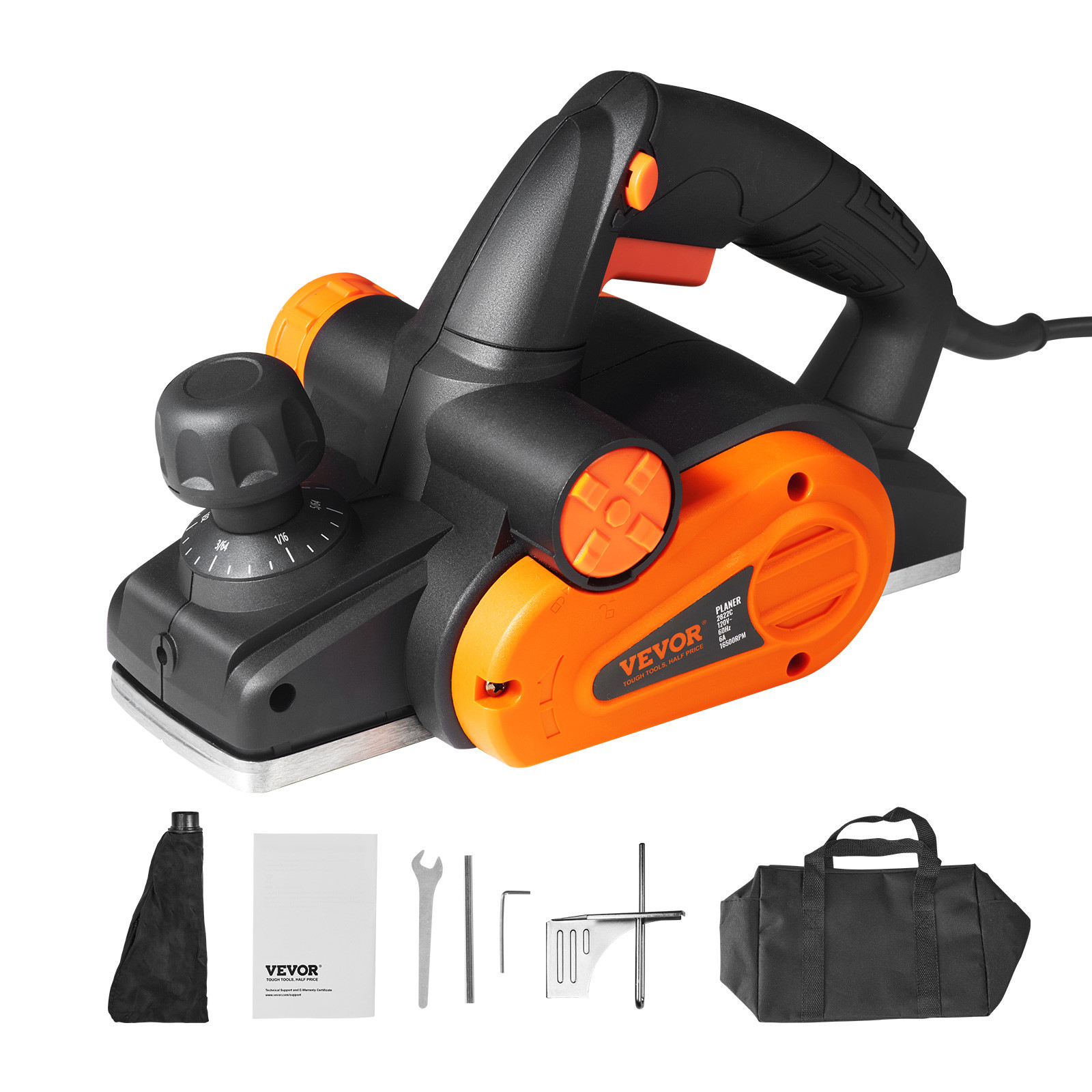 VEVOR Hand Planer Corded Electric Hand Planer 3-1/4" 16500 RPM Woodworking DIY$34.83
 View on eBay
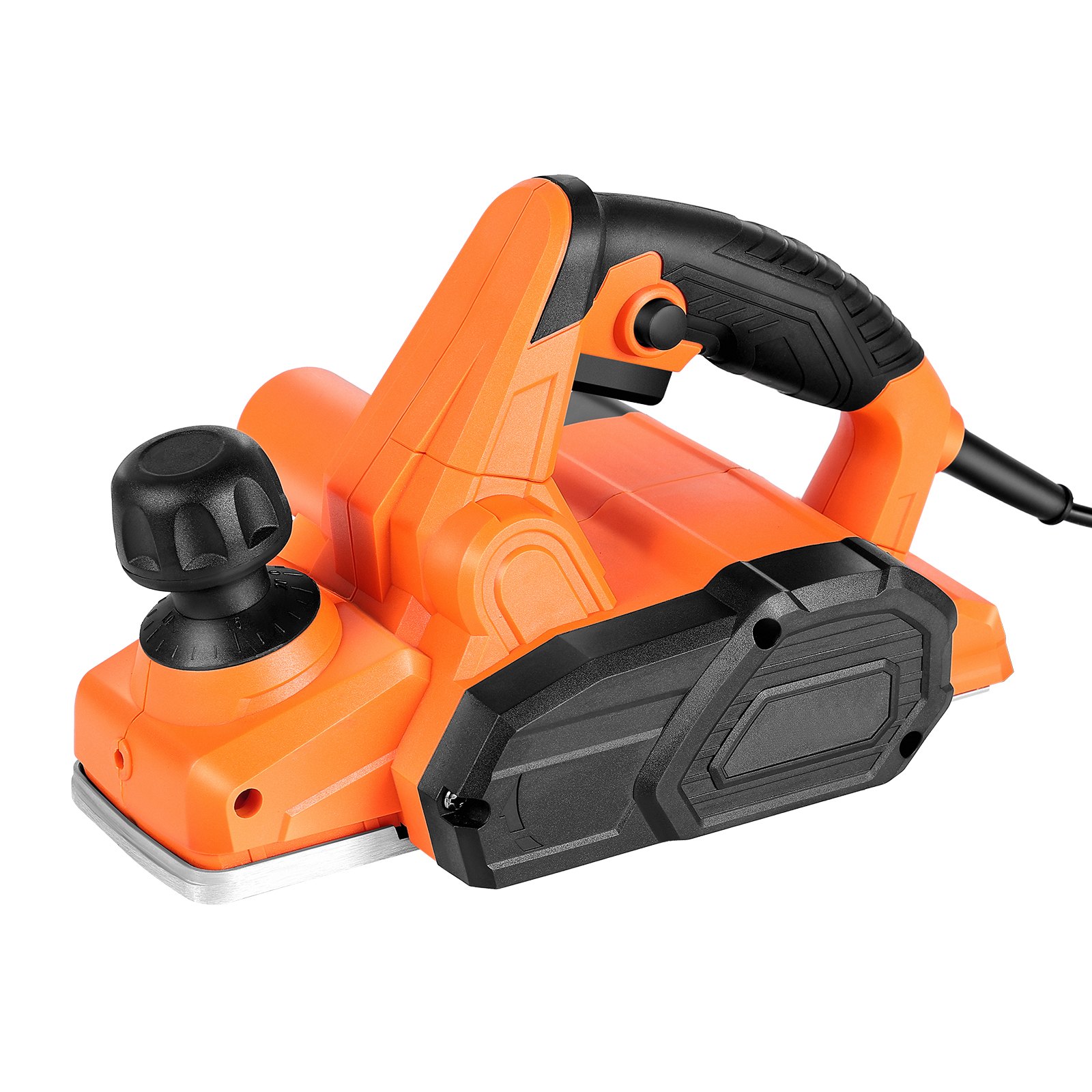 Electric Hand Planer, 3-1/4-Inch Cut Width, 7-Amp 16800 RPM Corded Power Handheld For Wood, With Adjustable Cut Depth, 2 Blades, For Woodworking Chamfer DIY Smooth Finish Carpentry$61.99
 View on Mallflare
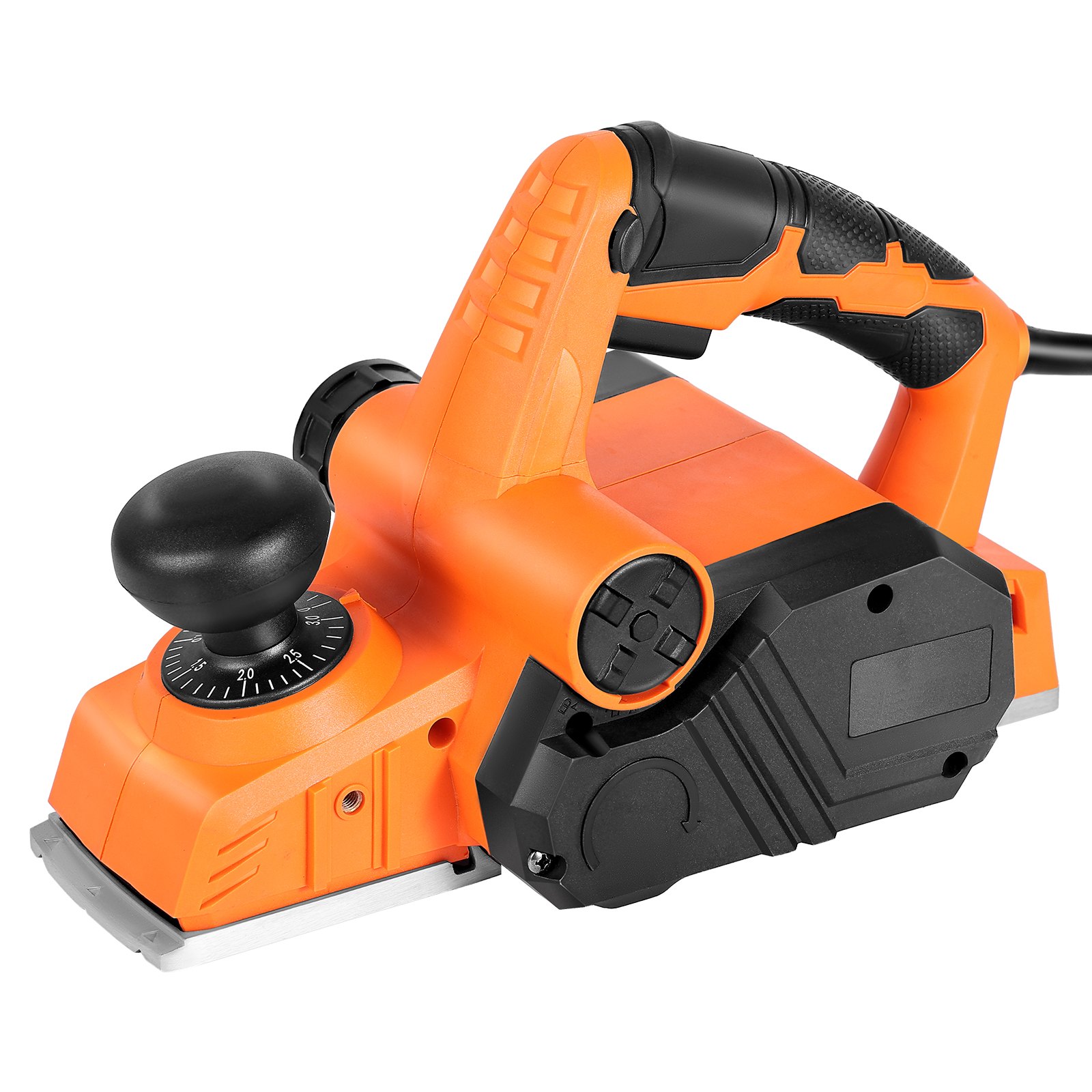 Electric Hand Planer, 3-1/4-Inch Cut Width, 7-Amp 14500 RPM Corded Power Handheld For Wood, With Adjustable Cut Depth, 2 Blades, For Woodworking Chamfer DIY Smooth Finish Carpentry$61.99View on Mallflare
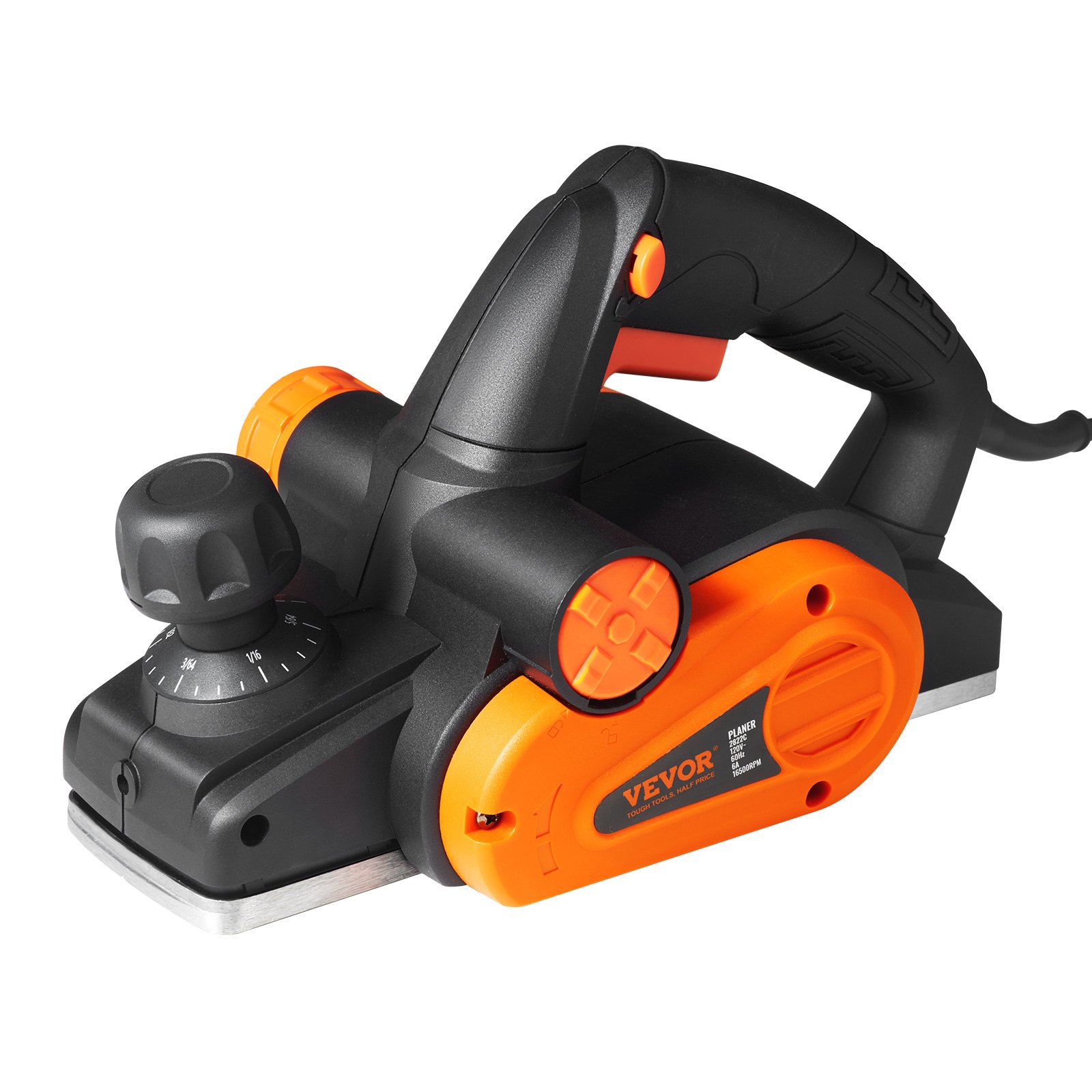 Electric Hand Planer, 3-1/4" Width Corded 16500 RPM High-Speed Powerful Handheld Planers For Woodworking, Wood Chamfer DIY, Smooth Finish Carpentry Tool, FCC-SDoC$67.99View on Mallflare
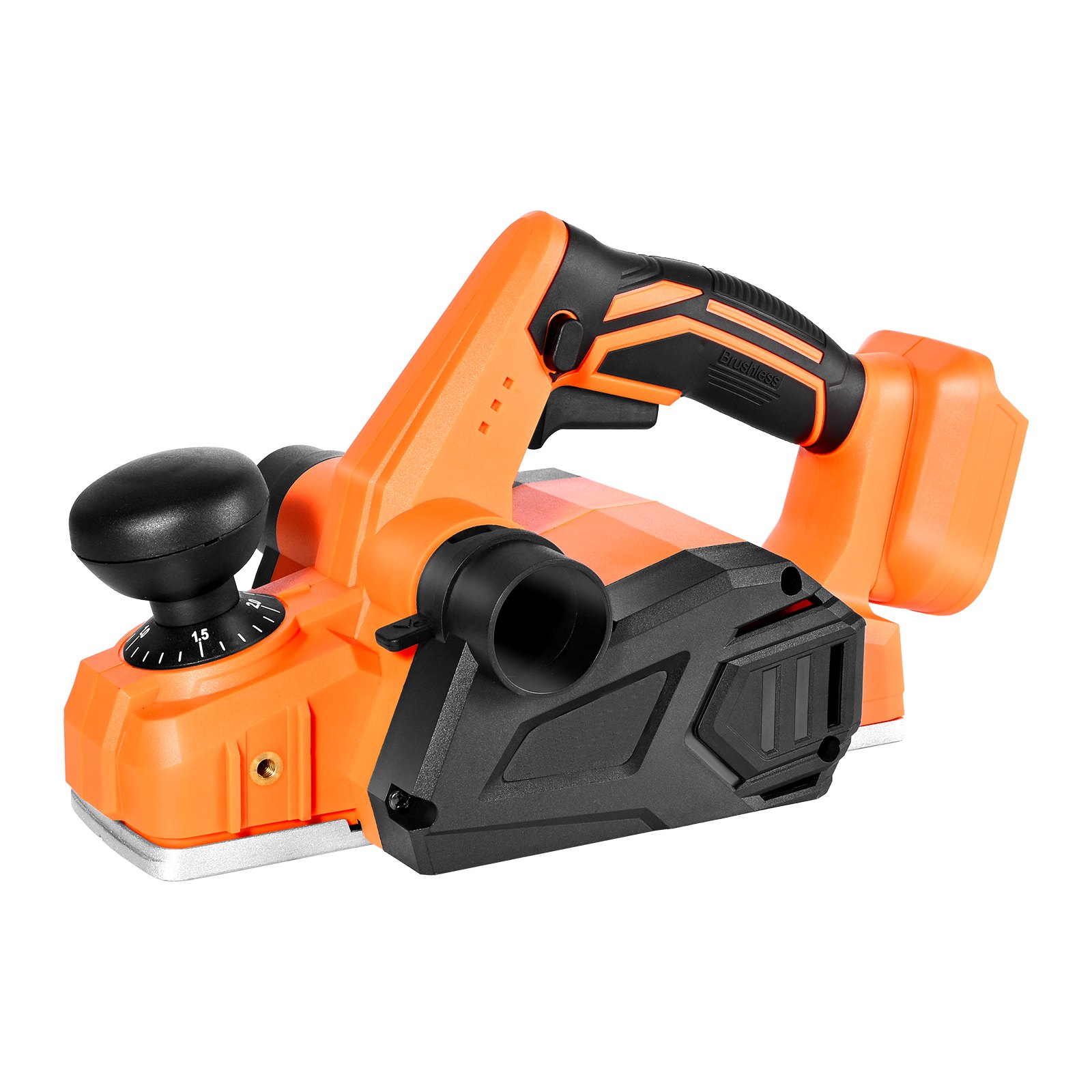 Cordless Handheld Planer, 3-1/4-Inch Cut Width, 15000 RPM Electric Hand Wood With Brushless Motor, Adjustable Cut Depth For Woodworking, Compatible 18V Battery (Bare Tool Only)$52.99View on Mallflare
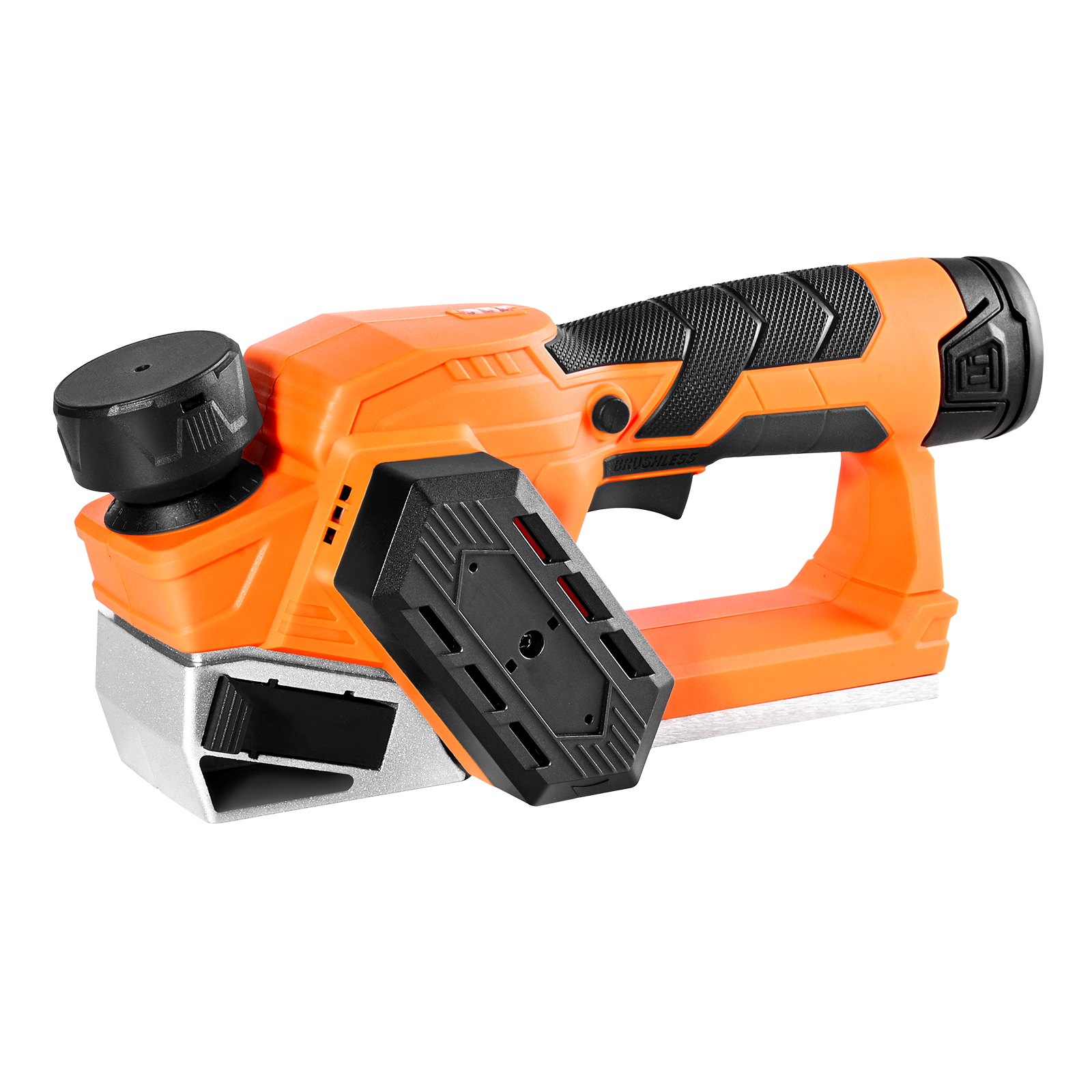 Cordless Handheld Planer, 2-1/5-Inch Cut Width, 14500 RPM Electric Hand Wood With 2 Ah 12V Lithium Battery, Brushless Motor, Adjustable Cut Depth, 2 Blades, For Woodworking Chamfer$81.99View on Mallflare
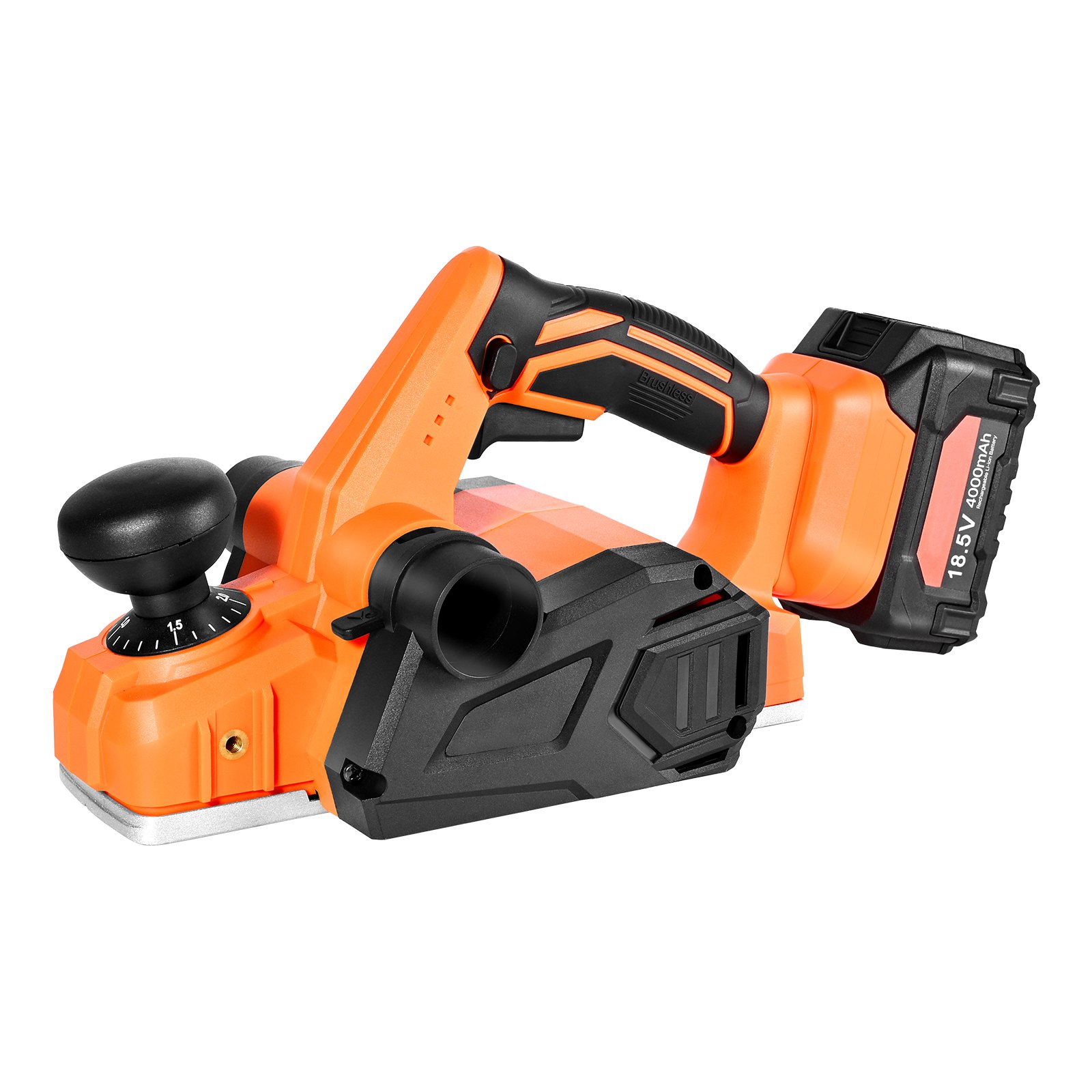 Cordless Handheld Planer, 3-1/4-Inch Cut Width, 15000 RPM Electric Hand Wood With 4.0 Ah 18V Lithium Battery, Brushless Motor, Adjustable Cut Depth, Dust Collection Bag, For Woodworking$118.99View on Mallflare
Highlights
- Cut width is the primary capacity spec: 3-1/4 in (82 mm) handles standard dimensional lumber and door edges, while 2-1/5 in (56 mm) is for light trim and chamfering.
- Corded models deliver 7 A and 14,500–16,800 RPM for sustained stock removal; cordless brushless models run 15,000 RPM but depend on battery amp-hours.
- Brushless motors run cooler and last longer than brushed motors, but cordless brushless planers are sold bare-tool or with 2.0–4.0 Ah batteries.
- Adjustable cut depth (typically 0–2 mm) and dual reversible blades determine finish quality; dust-collection bags or ports reduce chip scatter.
Best use cases
- Best fit: corded 3-1/4 in planer for door trimming, joist smoothing, and large board flattening where continuous power matters — skip 2-1/5 in models for this work.
- Best fit: bare-tool cordless 3-1/4 in brushless planer if you already own 18V batteries from a major platform — avoid buying a new battery system just for occasional use.
- Wrong fit: 12V 2.0 Ah cordless planer for extended stock removal — choose an 18V 4.0 Ah kit with dust bag for longer runtime and better chip management.
Buying tips
- Match cut width to the job: 3-1/4 in covers standard 2x lumber and door edges; 2-1/5 in is only for chamfering and light trim.
- Prefer brushless motors for runtime and longevity, especially on cordless models where efficiency directly extends battery life.
- For cordless, buy into an 18V platform with 4.0 Ah batteries or higher; 12V 2.0 Ah kits are limited to light, short passes.
- Confirm blade type and availability: dual reversible carbide blades are standard; check that replacements are commonly stocked.
Specs
| Cut Width | 3-1/4 in (82 mm) vs 2-1/5 in (56 mm) |
|---|---|
| Power Source | Corded 7 A vs 18V/12V cordless |
| Motor Type | Brushless vs brushed |
| Speed / Depth | 14,500–16,800 RPM; 0–2 mm depth |
Related searches
What to check before buying
- Measure your widest board or door edge: if over 2-1/5 in, you need the 3-1/4 in cut-width model.
- For cordless, confirm you already own compatible 18V batteries and a charger — bare-tool listings include neither.
- Check workspace power: corded planers need a nearby outlet and draw 7 A, so avoid long thin extension cords.
- Plan for chip management: a dust bag or shop-vac adapter port keeps shavings controlled indoors.
FAQ
Data sources: eBay / Amazon listings and product attribute feeds Data updated Nov 20, 2026.
Some links on this page are affiliate links. If you buy after clicking one, we may earn a commission at no extra cost to you. This does not change which products appear here or their order. Affiliate disclosure.