Photos from current listings. Actual item, color, and included accessories may vary.
Hand Held Power Planer Buying Guide
A hand held power planer is a portable, motorized tool that removes material from wood surfaces to flatten, chamfer, or size boards—defined by cut width, motor type, and blade system. The primary trade-off is between brushed corded motors with 3-1/4-inch cut widths (adequate for light DIY) versus brushless or wider 4-inch models (needed for sustained stock removal and hardwoods). The decision rule: choose a planer with a machined aluminum or magnesium base, dual-blade or helical cutterhead, and at least 6 amps for softwoods; step up to 7+ amps or brushless for hardwood and continuous use.


At a glance
- Category
- Woodworking Saws & Planers
- Data updated
- Nov 20, 2026
Current offers
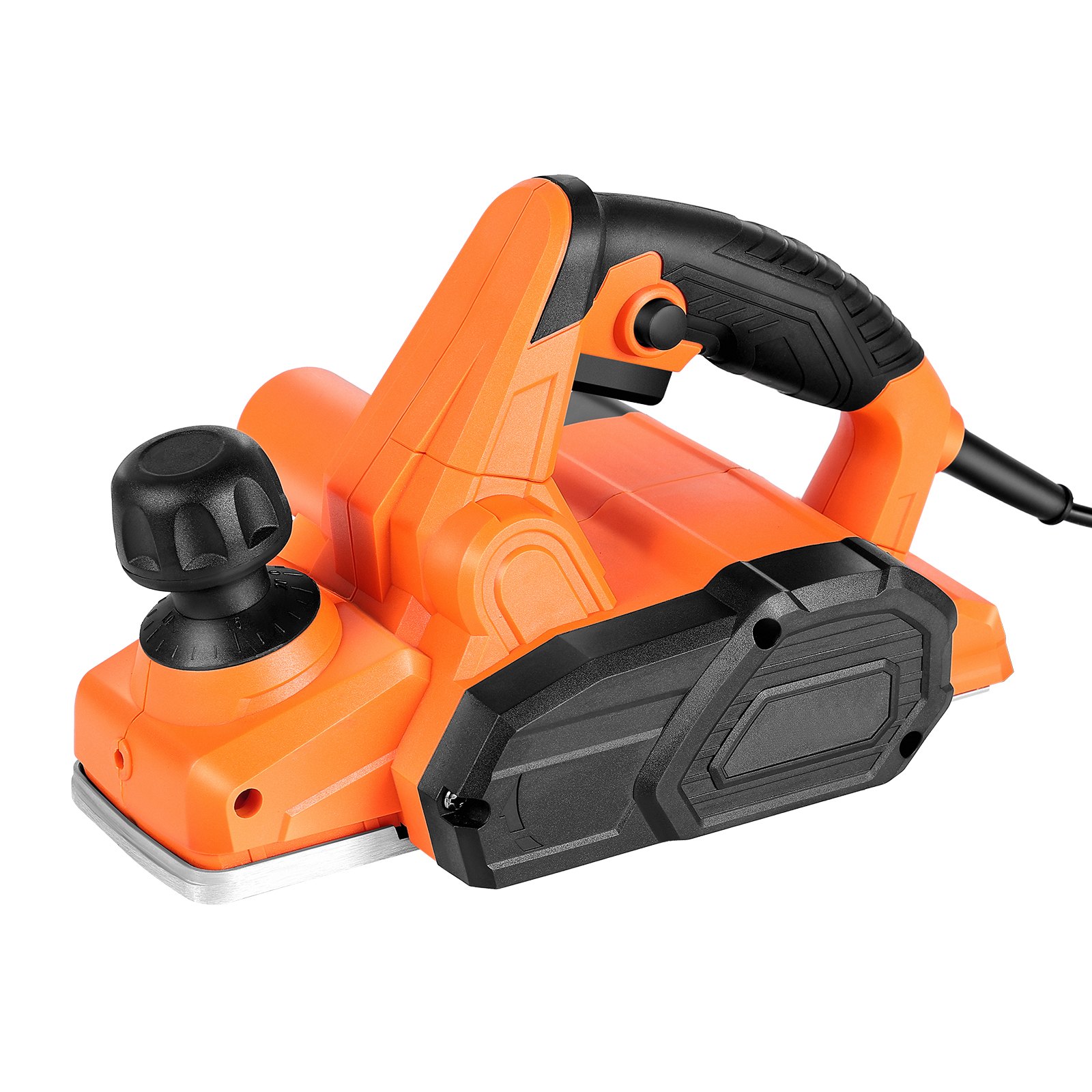 Electric Hand Planer, 3-1/4-Inch Cut Width, 7-Amp 16800 RPM Corded Power Handheld For Wood, With Adjustable Cut Depth, 2 Blades, For Woodworking Chamfer DIY Smooth Finish Carpentry$61.99
 View on Mallflare
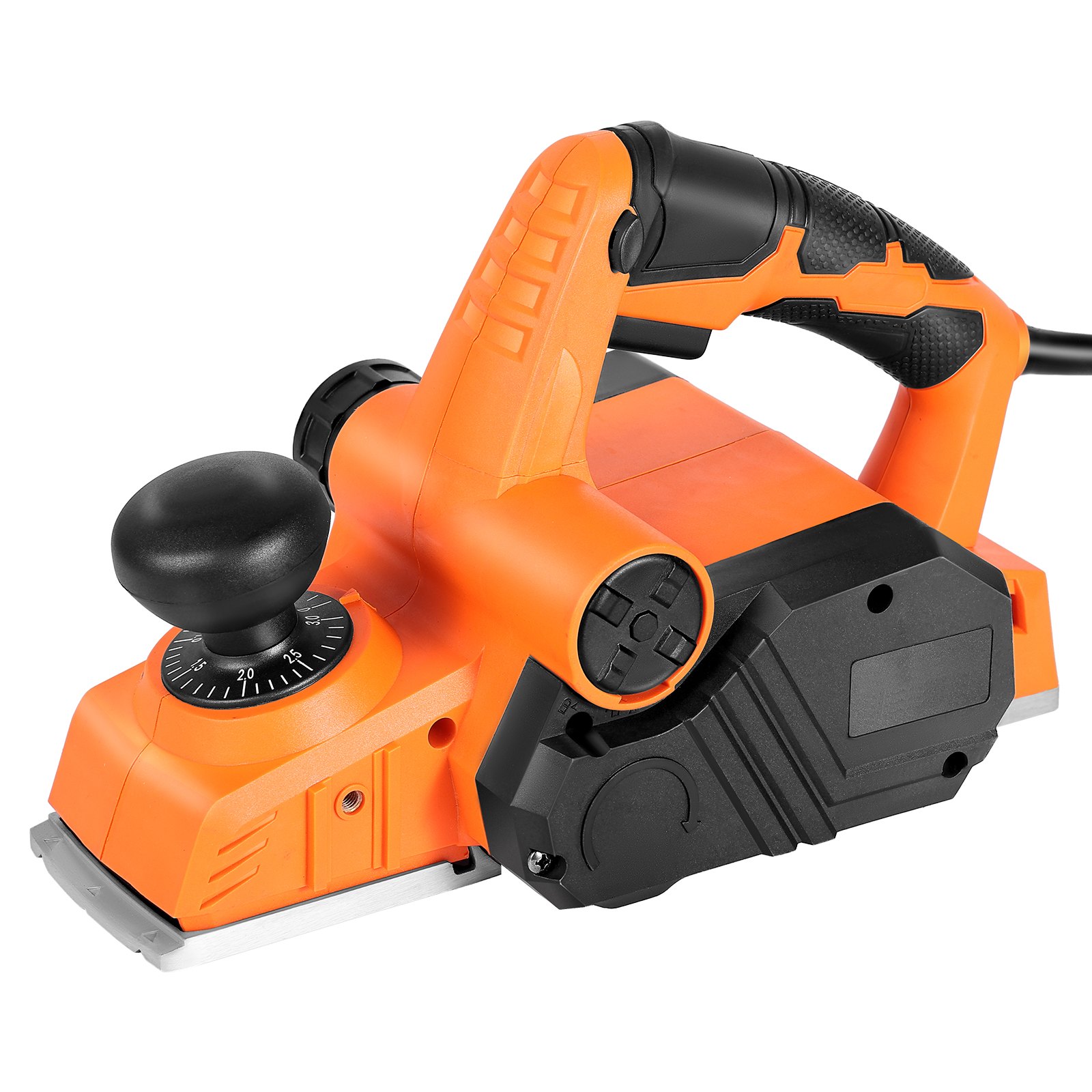 Electric Hand Planer, 3-1/4-Inch Cut Width, 7-Amp 14500 RPM Corded Power Handheld For Wood, With Adjustable Cut Depth, 2 Blades, For Woodworking Chamfer DIY Smooth Finish Carpentry$61.99View on Mallflare
Highlights
- Cut width is the primary capacity limit: 3-1/4-inch models handle edge and small-surface work, while 4-inch models cover wider boards and door trimming.
- Motor type determines duty cycle: brushed motors (6-7 amps) suit intermittent DIY; brushless motors deliver longer runtime and consistent torque under load.
- Cutterhead design affects finish and consumable cost: dual straight-blade systems are cheap and fast to replace, while helical/spiral cutterheads reduce tear-out and noise.
- Base material and flatness control accuracy: die-cast aluminum or magnesium bases resist flex and stay flat; stamped steel bases deflect under pressure and produce tapered cuts.
Best use cases
- Best fit for door trimming and edge chamfering: pick a 3-1/4-inch, 6-7 amp corded model with adjustable depth and a chamfer groove—skip 4-inch models if you only work edges.
- Best fit for flattening slabs and wide boards: choose a 4-inch cut width with a helical cutterhead and 7+ amps; skip 3-1/4-inch models because they require overlapping passes that risk ridges.
- Wrong fit for continuous production or hardwood milling: brushed 6-amp models overheat; step up to brushless or a corded 7+ amp unit with sealed bearings.
- Best fit for jobsite portability: corded models with a rebate depth of 1/16 to 1/8 inch and a dust port; skip battery-powered planers unless you already own a high-capacity platform.
Buying tips
- Match cut width to your widest common board: 3-1/4 inches covers 1x4 and edge work; 4 inches covers 1x6 and door bottoms without overlap ridges.
- Check amperage against wood species: 6 amps is adequate for pine and cedar; 7 amps or brushless is required for oak, maple, and continuous passes.
- Verify blade type and replacement cost: dual reversible straight blades are inexpensive and widely stocked; helical inserts cost more upfront but last longer and cut quieter.
- Confirm depth adjustment mechanism: a calibrated knob with positive stops (0 to 1/8 inch) is more repeatable than a friction lever for consistent chamfers and rebates.
Specs
| Cut Width | 3-1/4 in vs 4 in |
|---|---|
| Motor Type | Brushed 6-7A vs Brushless |
| Cutterhead | Dual straight blade vs Helical |
| Base Material | Die-cast aluminum vs Stamped steel |
Related searches
What to check before buying
- Measure your widest board and door thickness: cut width must exceed board width by at least 1/4 inch for full coverage in one pass.
- Check your power source: corded planers draw 6-7 amps at 120V; confirm a grounded outlet or 12-gauge extension cord within reach of your work area.
- Verify dust collection compatibility: most models use a 1-1/4-inch or 1-3/4-inch port; confirm it matches your shop vac hose or plan for a chip bag.
- Inspect base flatness and fence: a machined aluminum base and parallel fence are required for accurate chamfers; stamped bases flex and cause tapered cuts.
FAQ
Data sources: eBay / Amazon listings and product attribute feeds Data updated Nov 20, 2026.
Some links on this page are affiliate links. If you buy after clicking one, we may earn a commission at no extra cost to you. This does not change which products appear here or their order. Affiliate disclosure.