Photos from current listings. Actual item, color, and included accessories may vary.
Woodworking Planer Buying Guide
A woodworking planer removes material to flatten, dimension, or chamfer stock; the core trade-off is between hand planes (full control, low removal rate), handheld power planers (fast edge work, limited width), and benchtop thickness planers (parallel faces, high capacity). Buy a benchtop thickness planer for dimensioning boards, a 3-1/4-inch handheld power planer for chamfering and door fitting, and a hand plane only for fine tuning and finish work.

At a glance
- Category
- Woodworking Saws & Planers
- Data updated
- Nov 20, 2026
Current offers
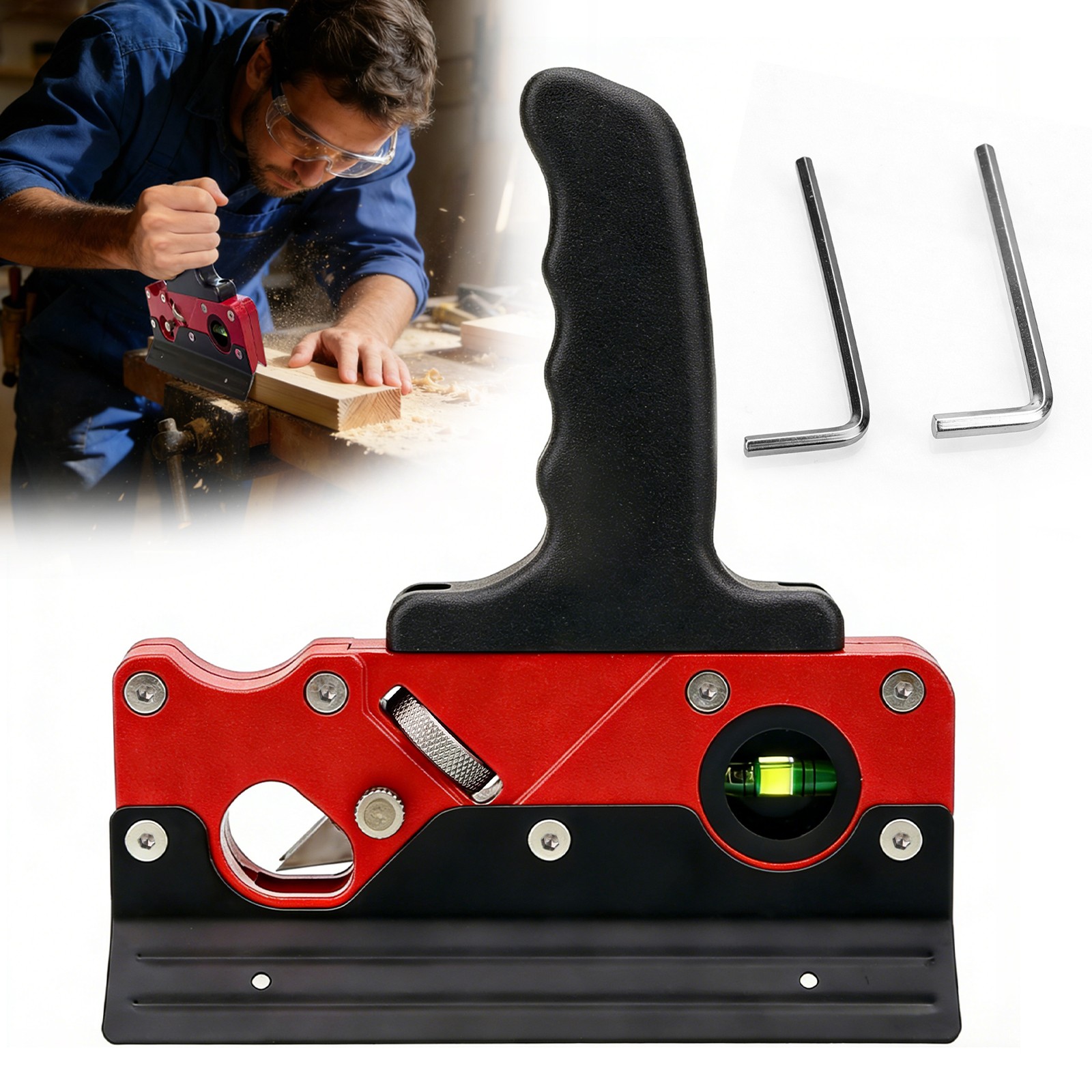 Woodworking Chamfer Hand Planer Edge Corner Flattening Tool Adjustable Depth$23.48
 View on eBay
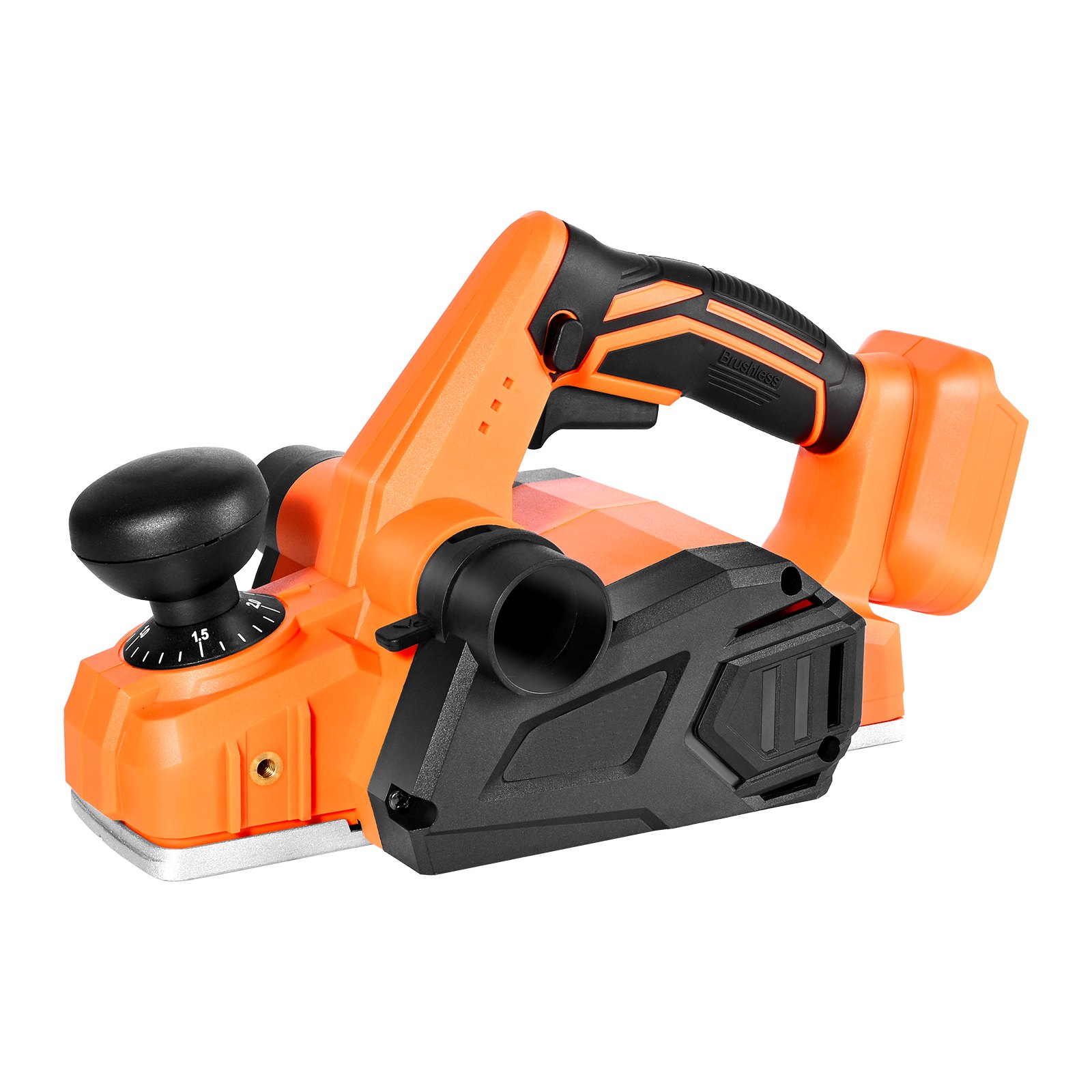 Cordless Handheld Planer, 3-1/4-Inch Cut Width, 15000 RPM Electric Hand Wood With Brushless Motor, Adjustable Cut Depth For Woodworking, Compatible 18V Battery (Bare Tool Only)$52.99
 View on Mallflare
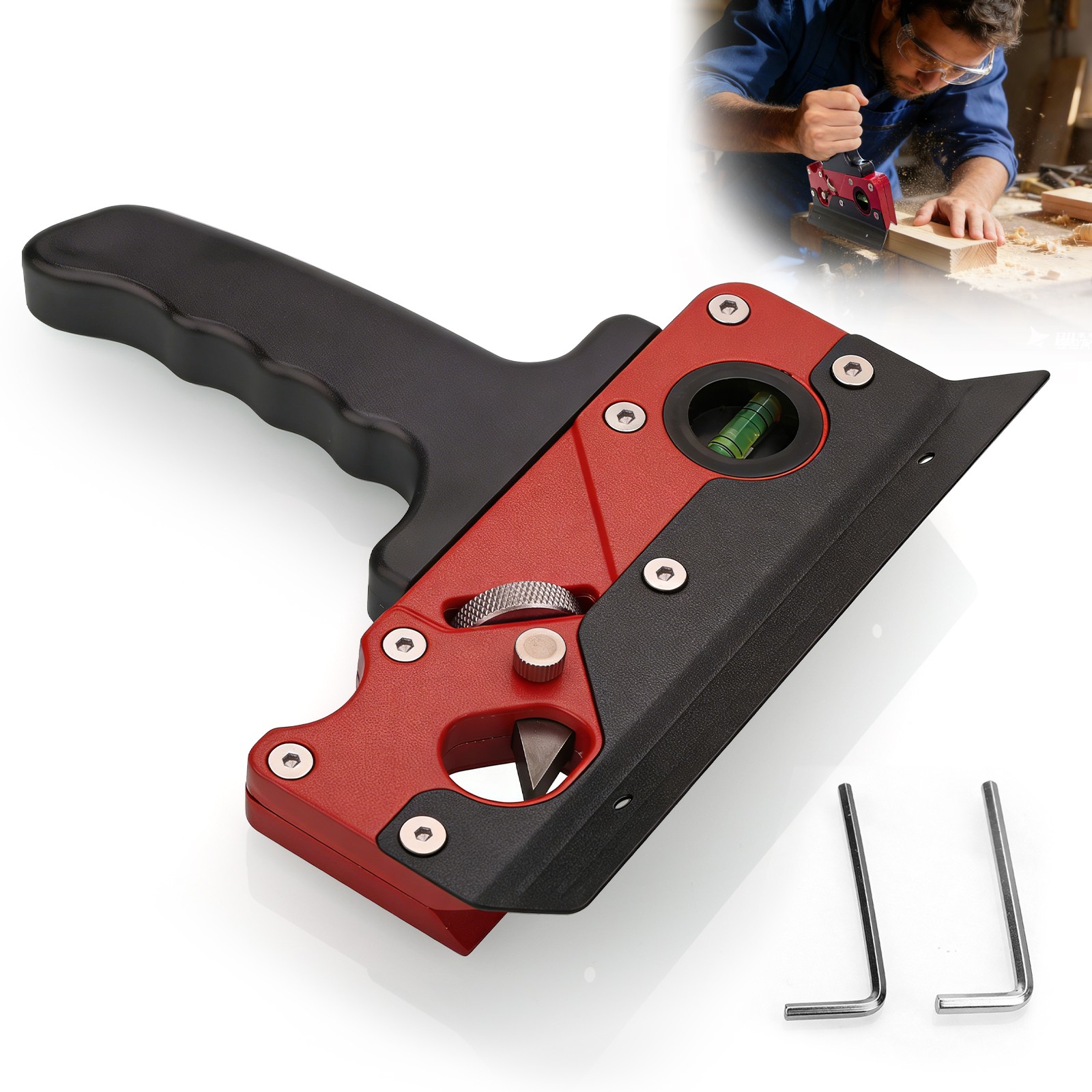 Chamfer Plane Hand Chamfering Wood Planer Woodworking Edge Corner Tool w/ Levels$23.48View on eBay
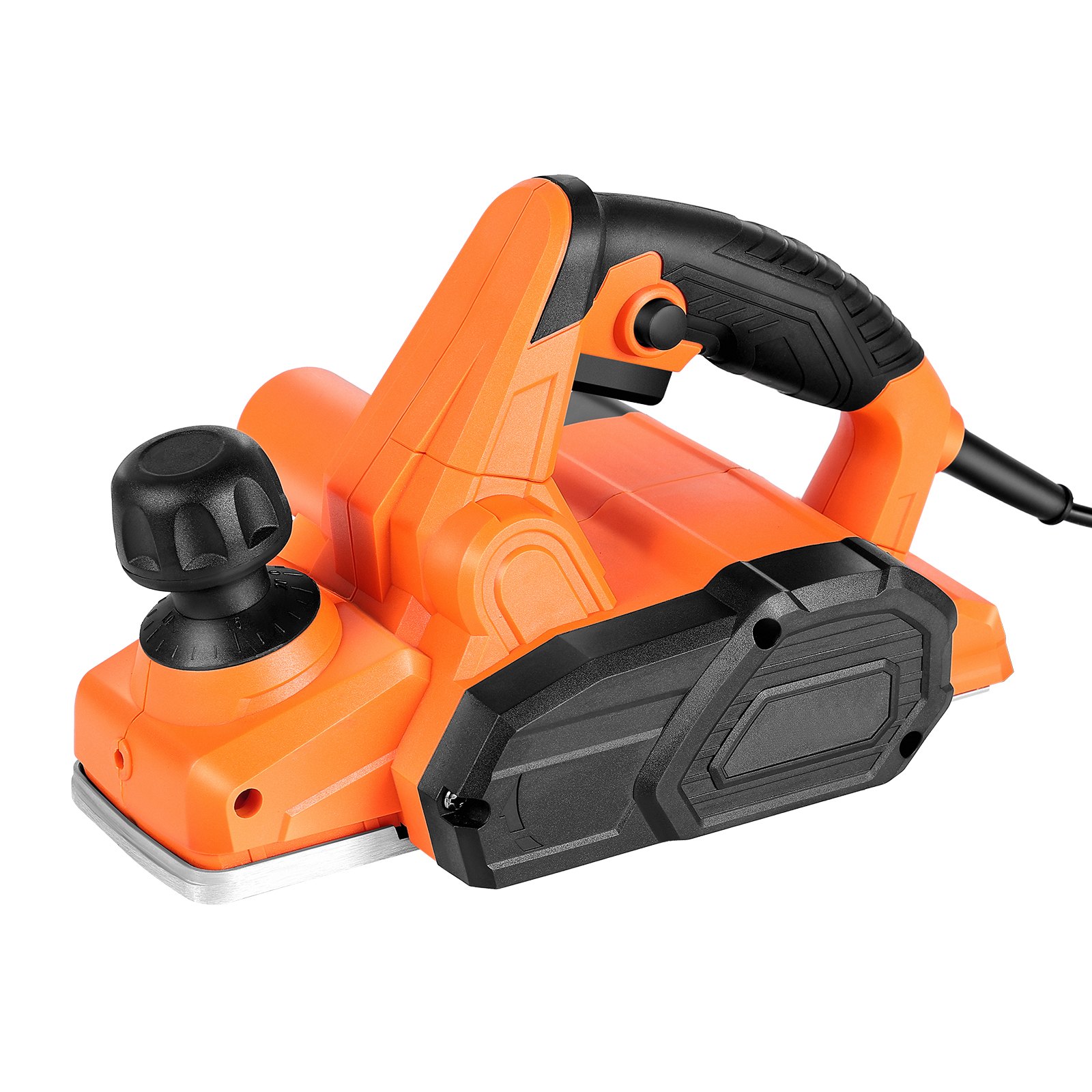 Electric Hand Planer, 3-1/4-Inch Cut Width, 7-Amp 16800 RPM Corded Power Handheld For Wood, With Adjustable Cut Depth, 2 Blades, For Woodworking Chamfer DIY Smooth Finish Carpentry$61.99View on Mallflare
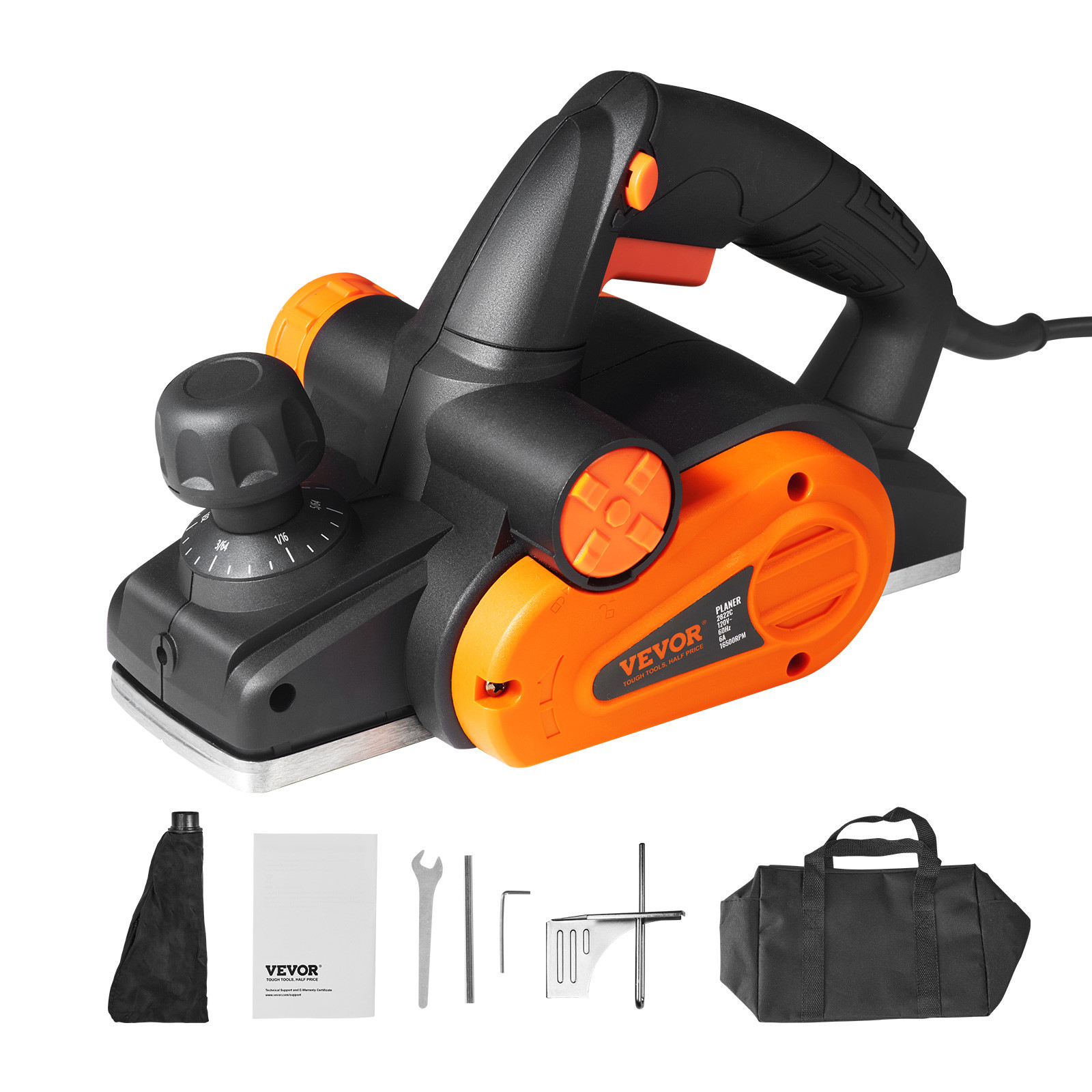 VEVOR Hand Planer Corded Electric Hand Planer 3-1/4" 16500 RPM Woodworking DIY$34.83View on eBay
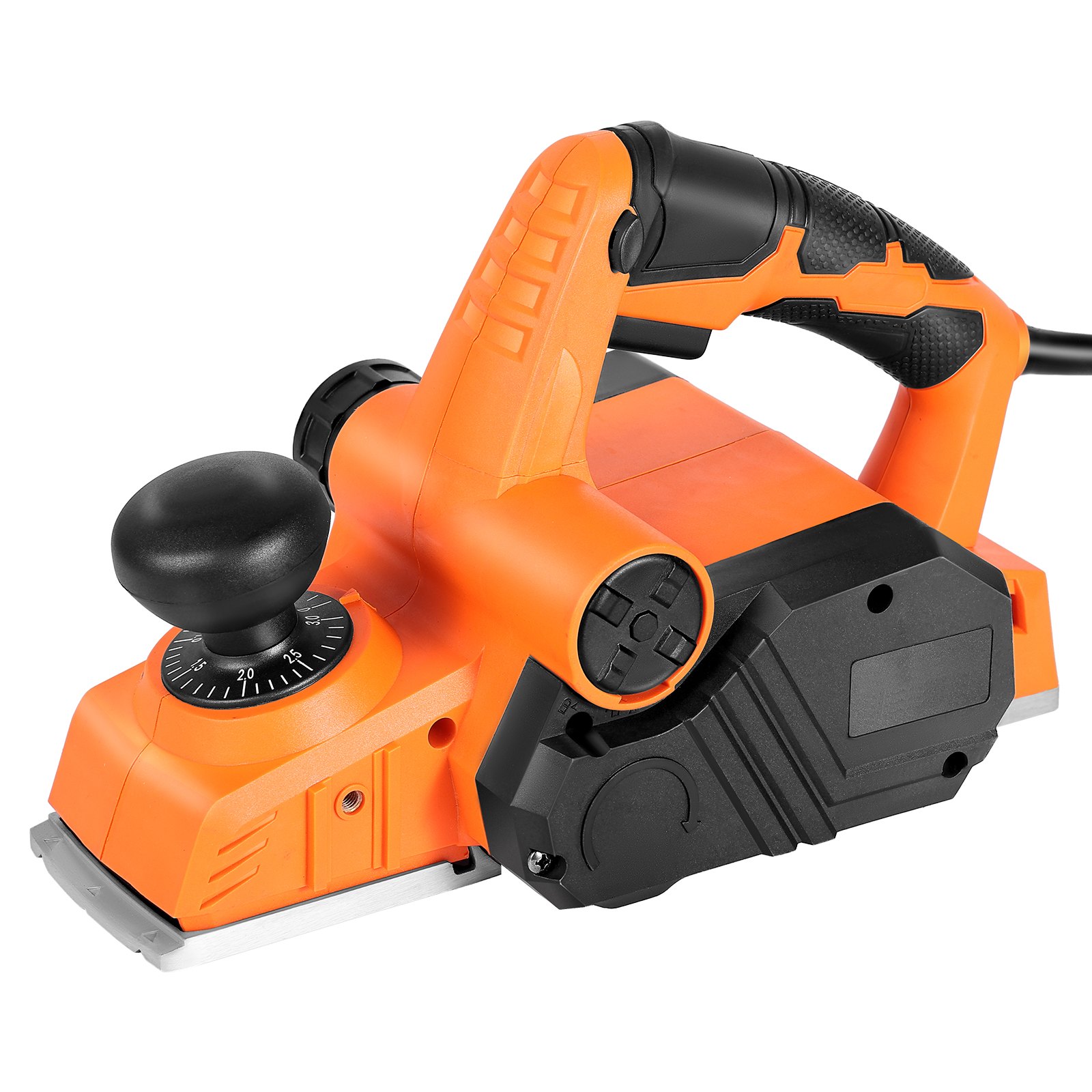 Electric Hand Planer, 3-1/4-Inch Cut Width, 7-Amp 14500 RPM Corded Power Handheld For Wood, With Adjustable Cut Depth, 2 Blades, For Woodworking Chamfer DIY Smooth Finish Carpentry$61.99View on Mallflare
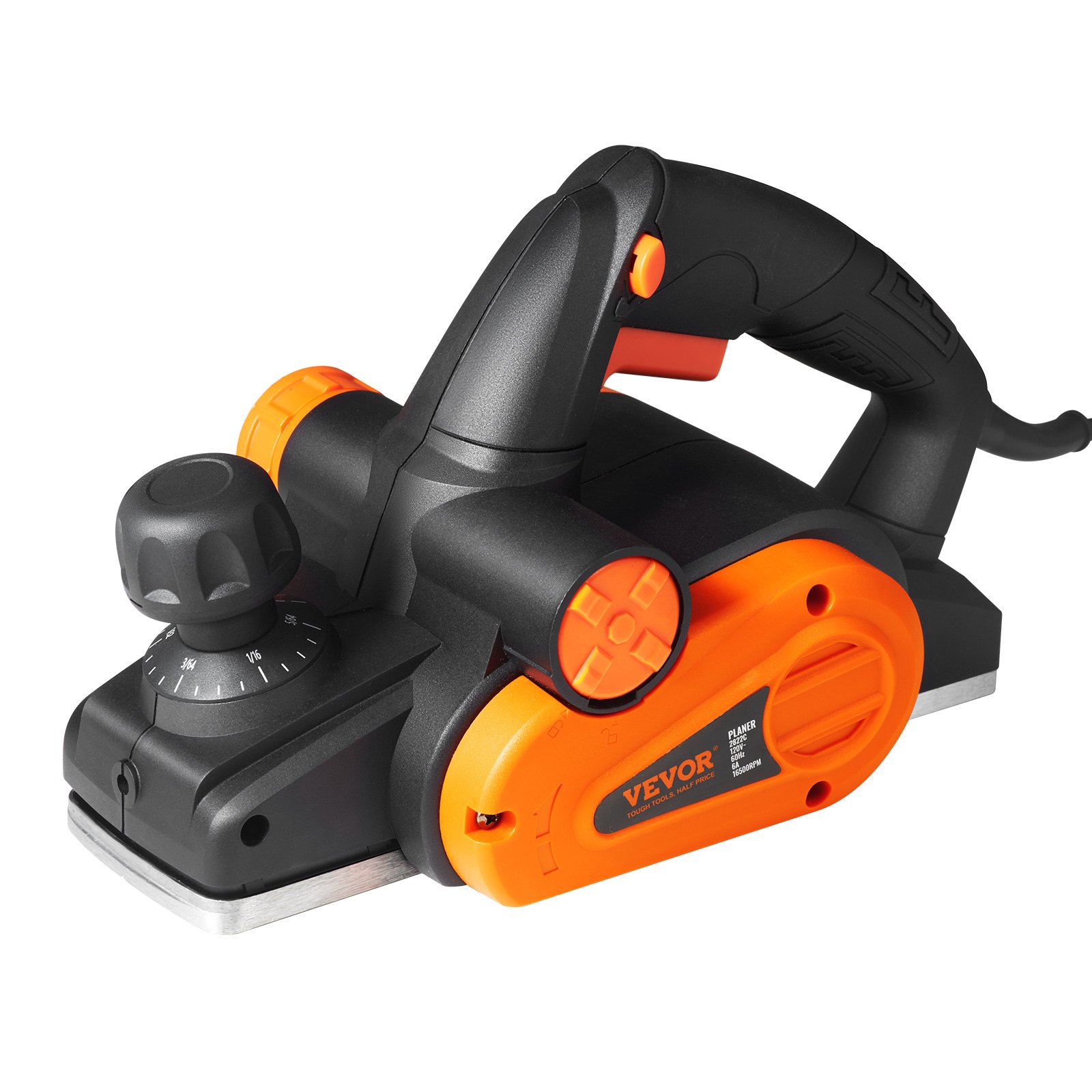 Electric Hand Planer, 3-1/4" Width Corded 16500 RPM High-Speed Powerful Handheld Planers For Woodworking, Wood Chamfer DIY, Smooth Finish Carpentry Tool, FCC-SDoC$67.99View on Mallflare
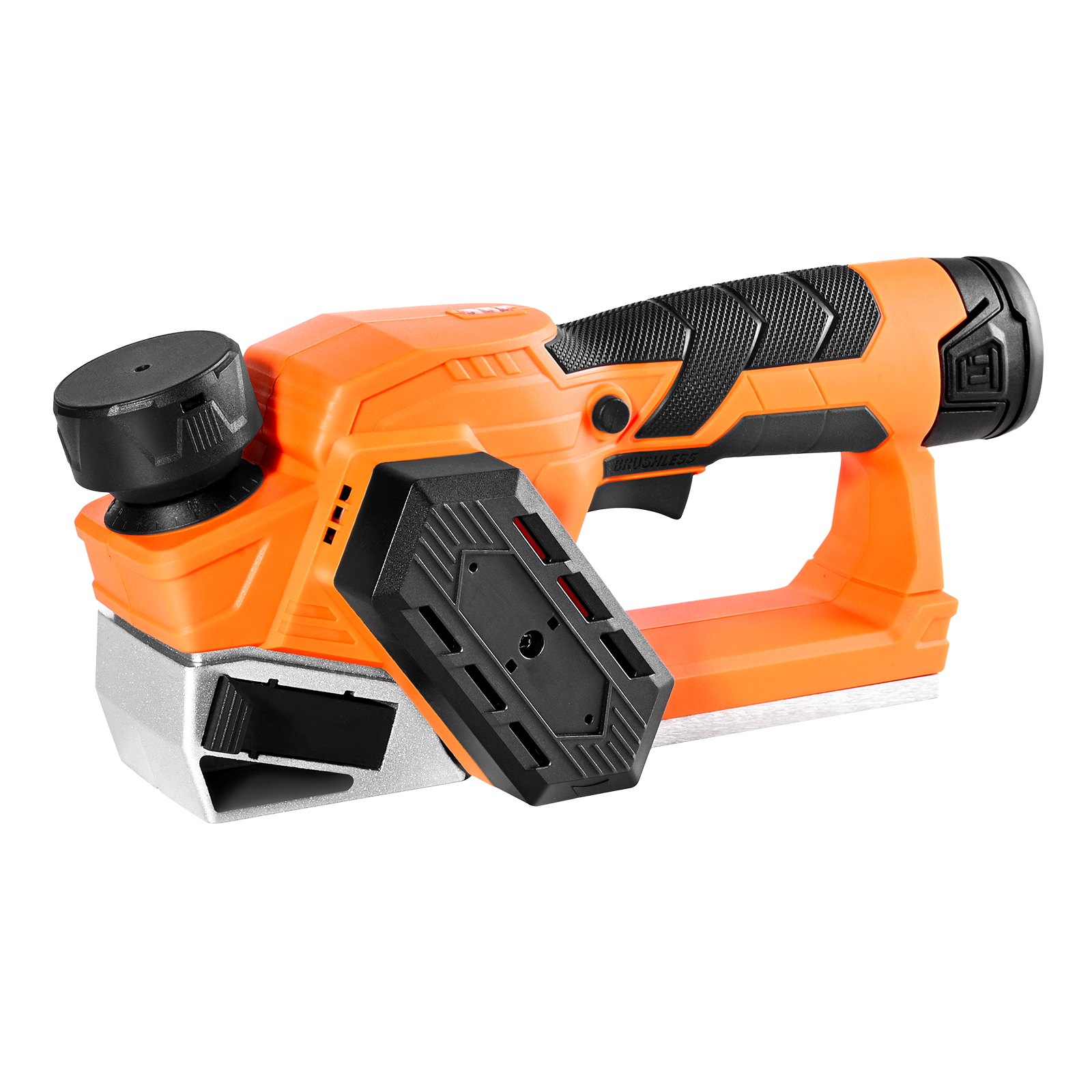 Cordless Handheld Planer, 2-1/5-Inch Cut Width, 14500 RPM Electric Hand Wood With 2 Ah 12V Lithium Battery, Brushless Motor, Adjustable Cut Depth, 2 Blades, For Woodworking Chamfer$81.99View on Mallflare
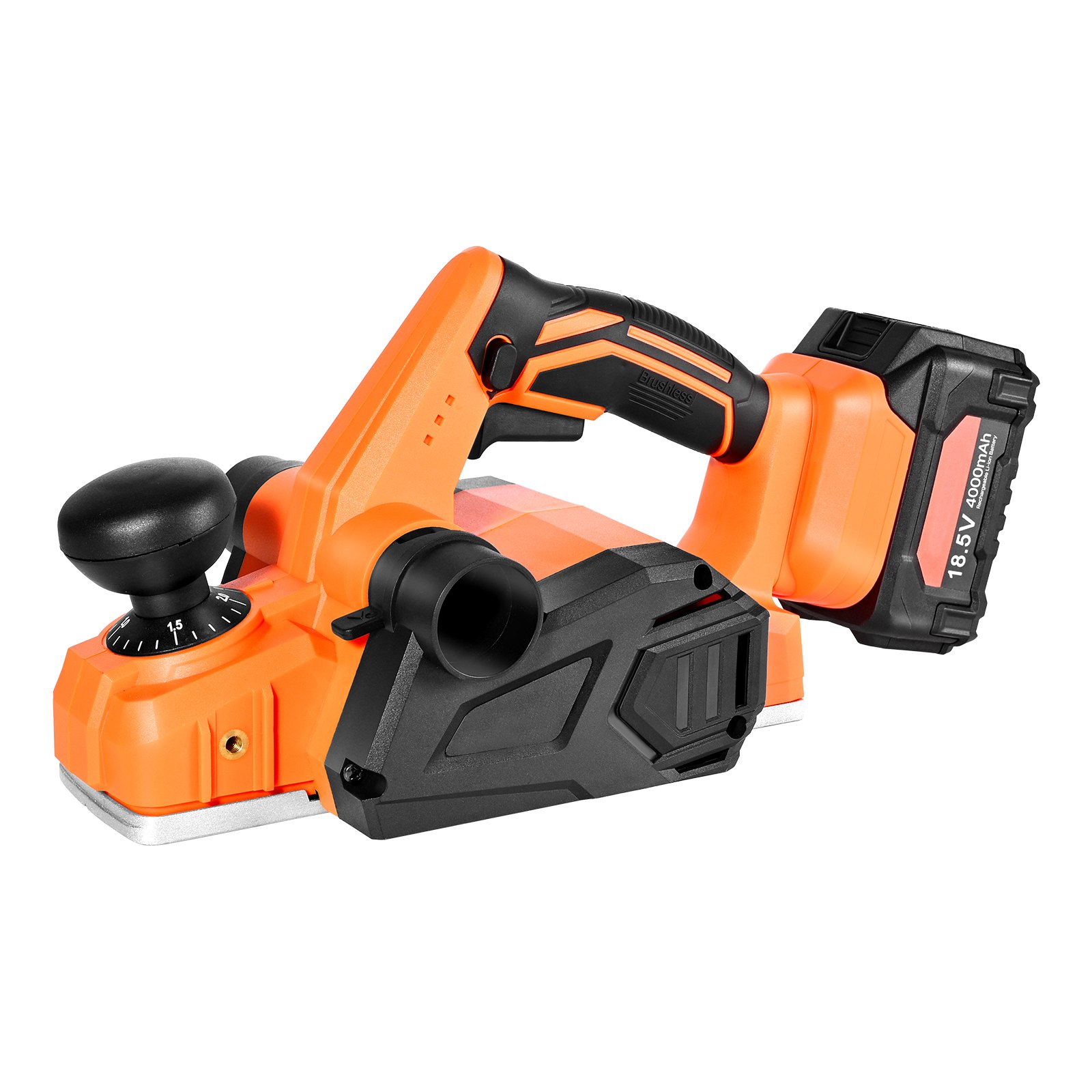 Cordless Handheld Planer, 3-1/4-Inch Cut Width, 15000 RPM Electric Hand Wood With 4.0 Ah 18V Lithium Battery, Brushless Motor, Adjustable Cut Depth, Dust Collection Bag, For Woodworking$118.99View on Mallflare
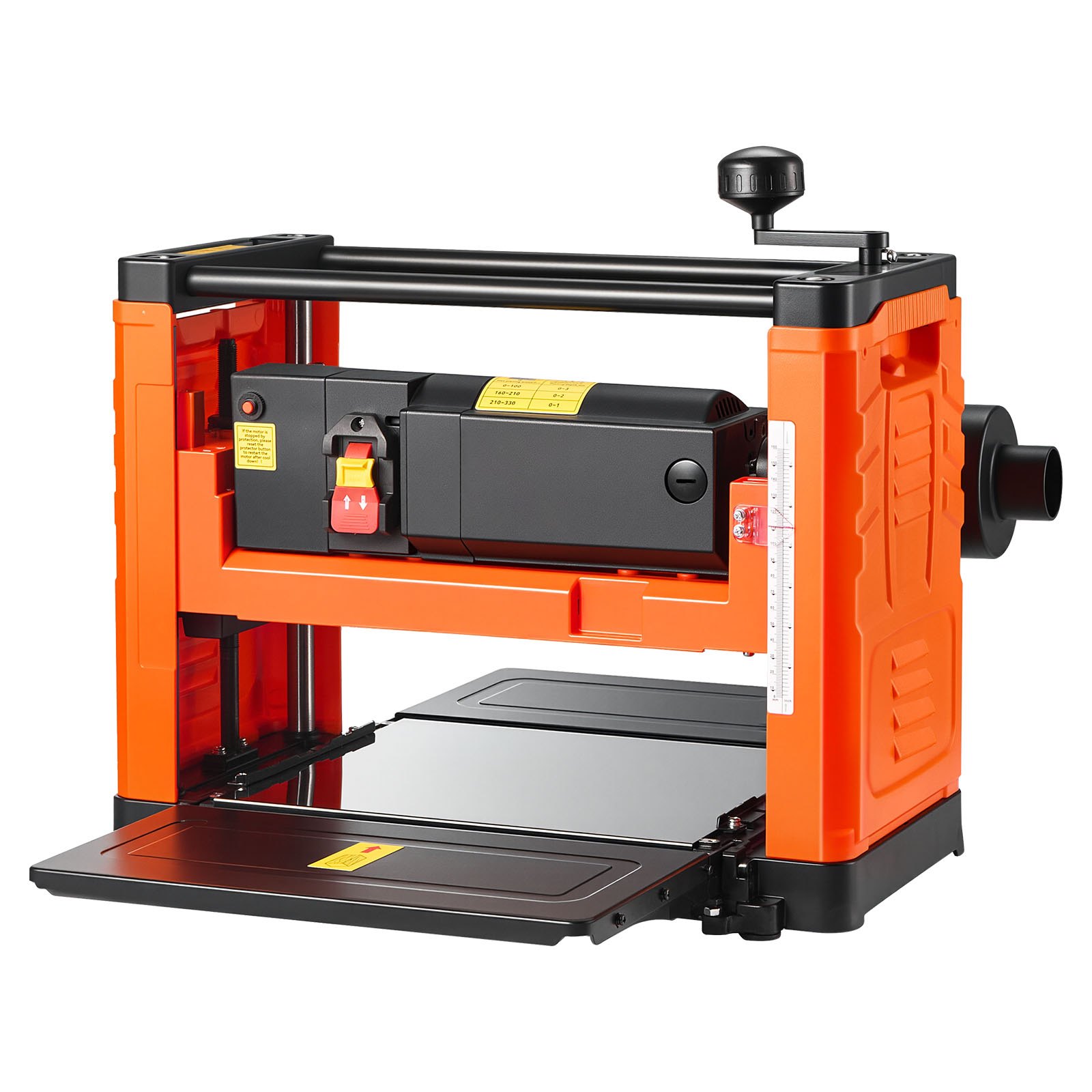 Thickness Planer, Two-Blade, 13-Inch Width Worktable Power Benchtop 1800W 23500 RPM Powerful Motor, Dual Rollers, Over Protection, Single Speed Woodworking, For Hard & Soft Wood Material$389.99View on Mallflare
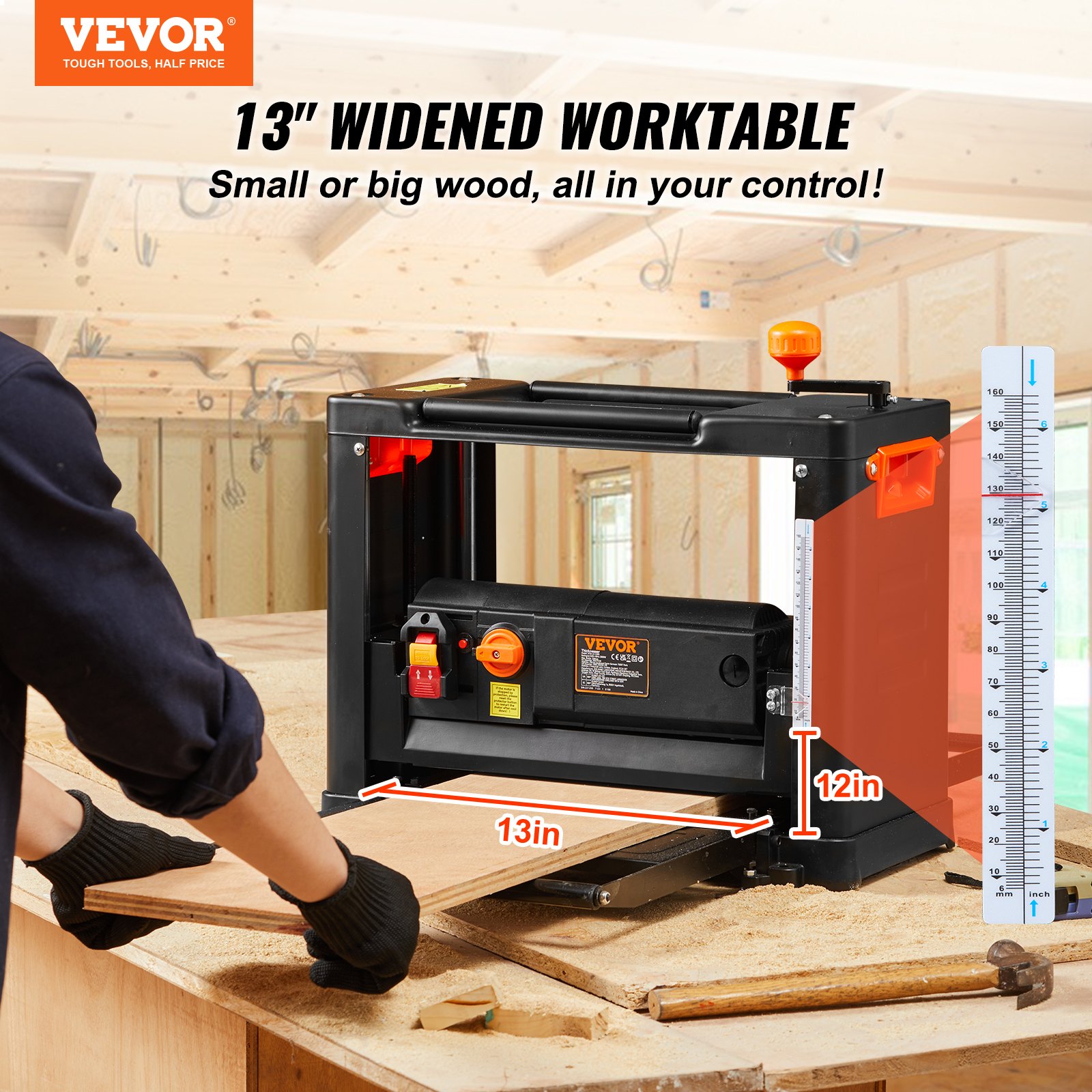 Thickness Planer 13-Inch Two-Speed Three-Blade 15-Amp For Woodworking$420.99View on Mallflare
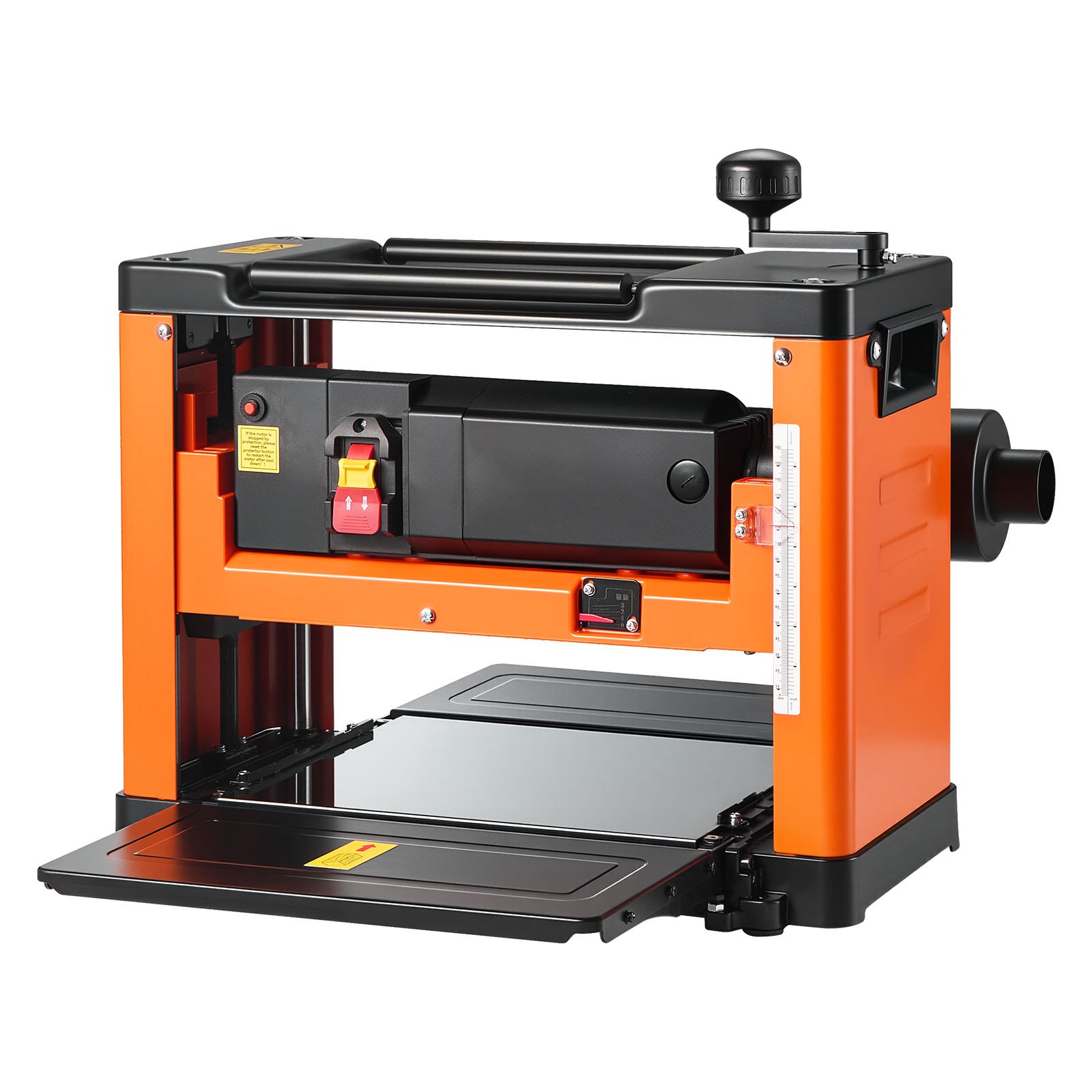 Thickness Planer, 13-Inch Width Worktable, Woodworking Power Benchtop Spiral-Style Cutterhead With 24 Inserts, 2000W 23500 RPM Powerful Motor, Single Speed, For Hard & Soft Wood Material$506.99View on Mallflare
Highlights
- Handheld power planers use 3-1/4-inch (82mm) or 2-1/5-inch (56mm) cut widths; 3-1/4-inch is the standard for door trimming and chamfering.
- Benchtop thickness planers run 13-inch width capacity with 1800W-class motors and dual feed rollers for parallel-face dimensioning of hard and soft woods.
- Cordless planers run on 18V or 12V battery platforms at 14,500-15,000 RPM; bare-tool versions require an existing same-voltage battery and charger.
- Corded handheld planers deliver 7A at 14,500-16,800 RPM with two reversible blades; brushless motors add runtime and service life on cordless units.
Best use cases
- Dimensioning rough lumber to consistent thickness: choose a 13-inch benchtop thickness planer with dual rollers; skip handheld units, which cannot produce parallel faces.
- Trimming doors, chamfering edges, and scribing cabinets: choose a 3-1/4-inch corded or 18V cordless handheld planer; skip 2-1/5-inch models for anything wider than light trim.
- Fine-tuning joints and finish surfaces: choose an adjustable-depth hand chamfer plane in aluminum alloy or metal; skip it for bulk material removal.
- Occasional DIY chamfering in a home shop: choose a corded 7A handheld planer for constant power; skip bare cordless tools unless you already own that battery platform.
Buying tips
- Match cut width to task: 3-1/4-inch (82mm) covers door edges and standard chamfers; 2-1/5-inch (56mm) only suits light trim and small stock.
- For cordless planers, confirm your existing battery voltage (18V or 12V) and buy bare tool only if you own compatible batteries and a charger.
- Thickness planers need 13-inch width capacity and dual rollers for parallel faces; single-roller or narrower units flex on wide hardwoods.
- Hand plane bodies in aluminum alloy or metal resist wear; plastic-bodied planes flex and lose depth accuracy under load.
Specs
| Planer Type | Handheld / Benchtop thickness / Hand |
|---|---|
| Cut Width | 2-1/5 in / 3-1/4 in / 13 in |
| Power Source | Corded 7A / 18V / 12V cordless |
| Motor & Speed | Brushed 14.5k-16.8k RPM; brushless |
Related searches
What to check before buying
- Measure bench or shop space: benchtop thickness planers need clearance for 13-inch-wide stock plus infeed and outfeed support.
- Confirm power: corded planers need a standard 120V outlet; cordless units need the correct 12V or 18V battery platform and charger.
- Check stock size against cut width: boards wider than 3-1/4 inches require a thickness planer, not a handheld unit.
- For dust control, verify the planer includes a dust bag or port sized to your shop vacuum hose.
FAQ
Data sources: eBay / Amazon listings and product attribute feeds Data updated Nov 20, 2026.
Some links on this page are affiliate links. If you buy after clicking one, we may earn a commission at no extra cost to you. This does not change which products appear here or their order. Affiliate disclosure.