Photos from current listings. Actual item, color, and included accessories may vary.
Handheld Planer Buying Guide
A handheld planer is a portable electric tool that surfaces, chamfers, and dimensionally sizes lumber with a rotating cutter drum, and the primary trade-off is corded power versus cordless freedom: corded units deliver consistent 7-amp-class torque for continuous stock removal, while cordless brushless models trade peak power for portability. The clear decision rule is simple: buy a corded 3-1/4-inch planer for sustained bench work and hardwoods, and buy a cordless brushless planer only when jobsite mobility matters more than maximum depth of cut per pass.


At a glance
- Category
- Woodworking Saws & Planers
- Data updated
- Nov 20, 2026
Current offers
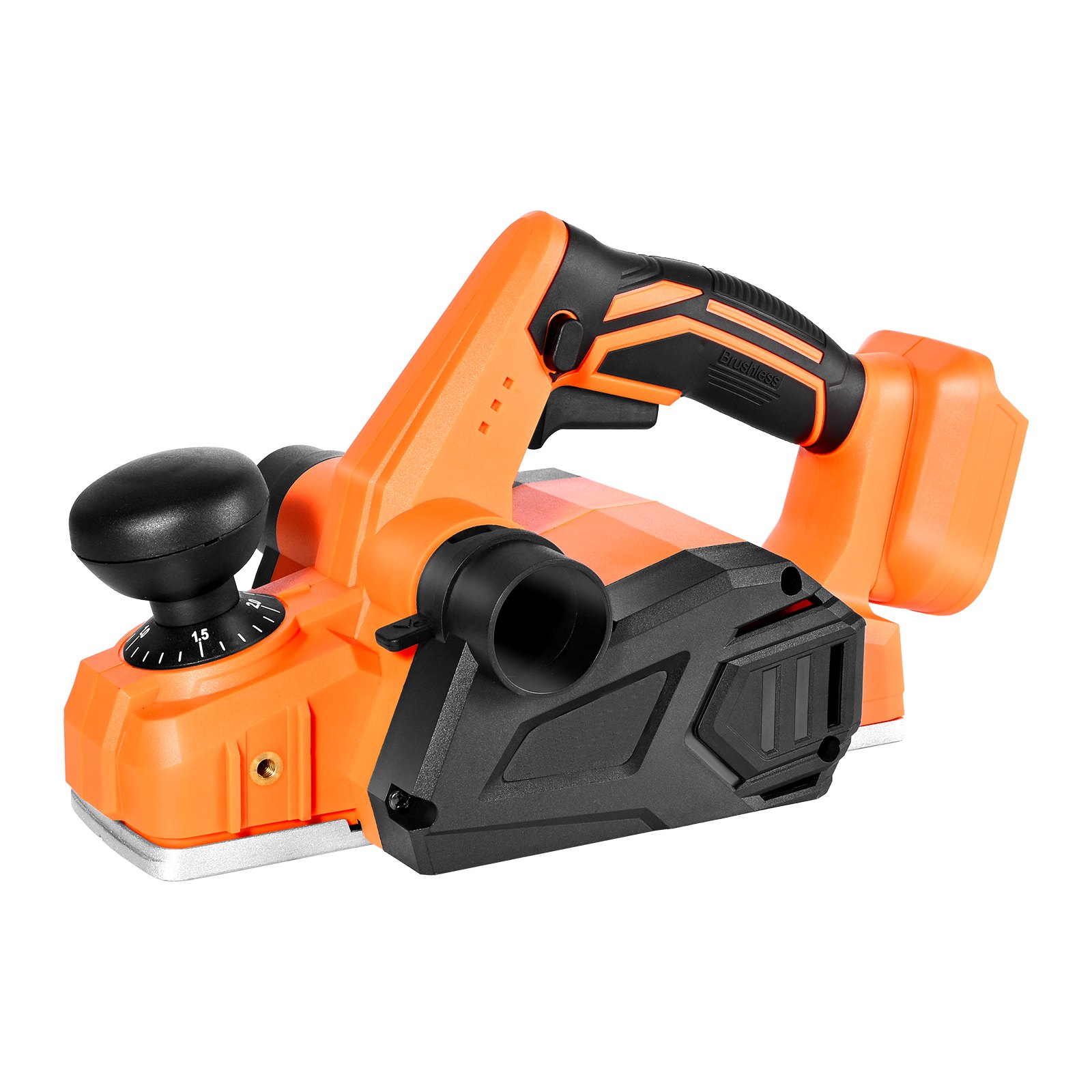 Cordless Handheld Planer, 3-1/4-Inch Cut Width, 15000 RPM Electric Hand Wood With Brushless Motor, Adjustable Cut Depth For Woodworking, Compatible 18V Battery (Bare Tool Only)$52.99
 View on Mallflare
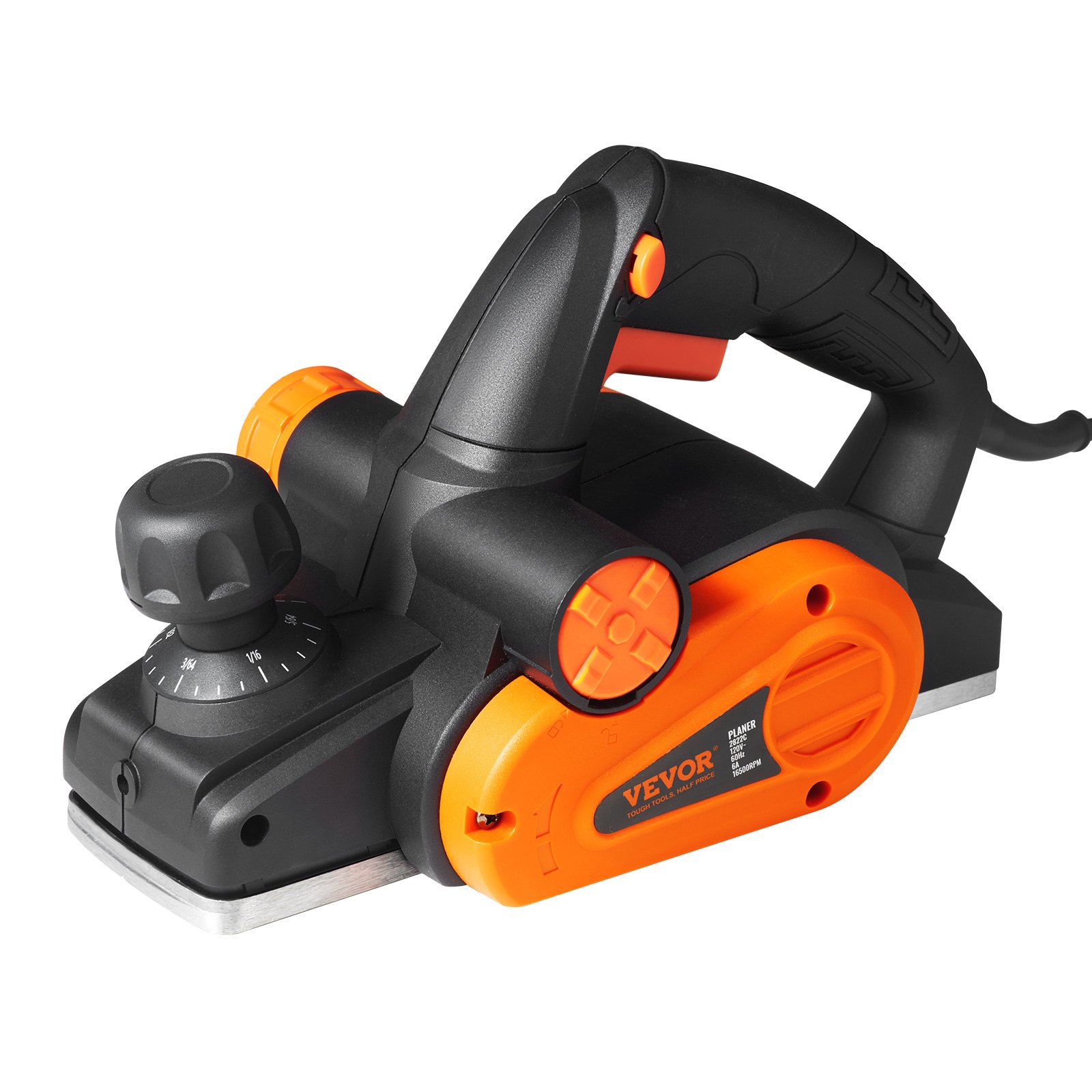 Electric Hand Planer, 3-1/4" Width Corded 16500 RPM High-Speed Powerful Handheld Planers For Woodworking, Wood Chamfer DIY, Smooth Finish Carpentry Tool, FCC-SDoC$67.99View on Mallflare
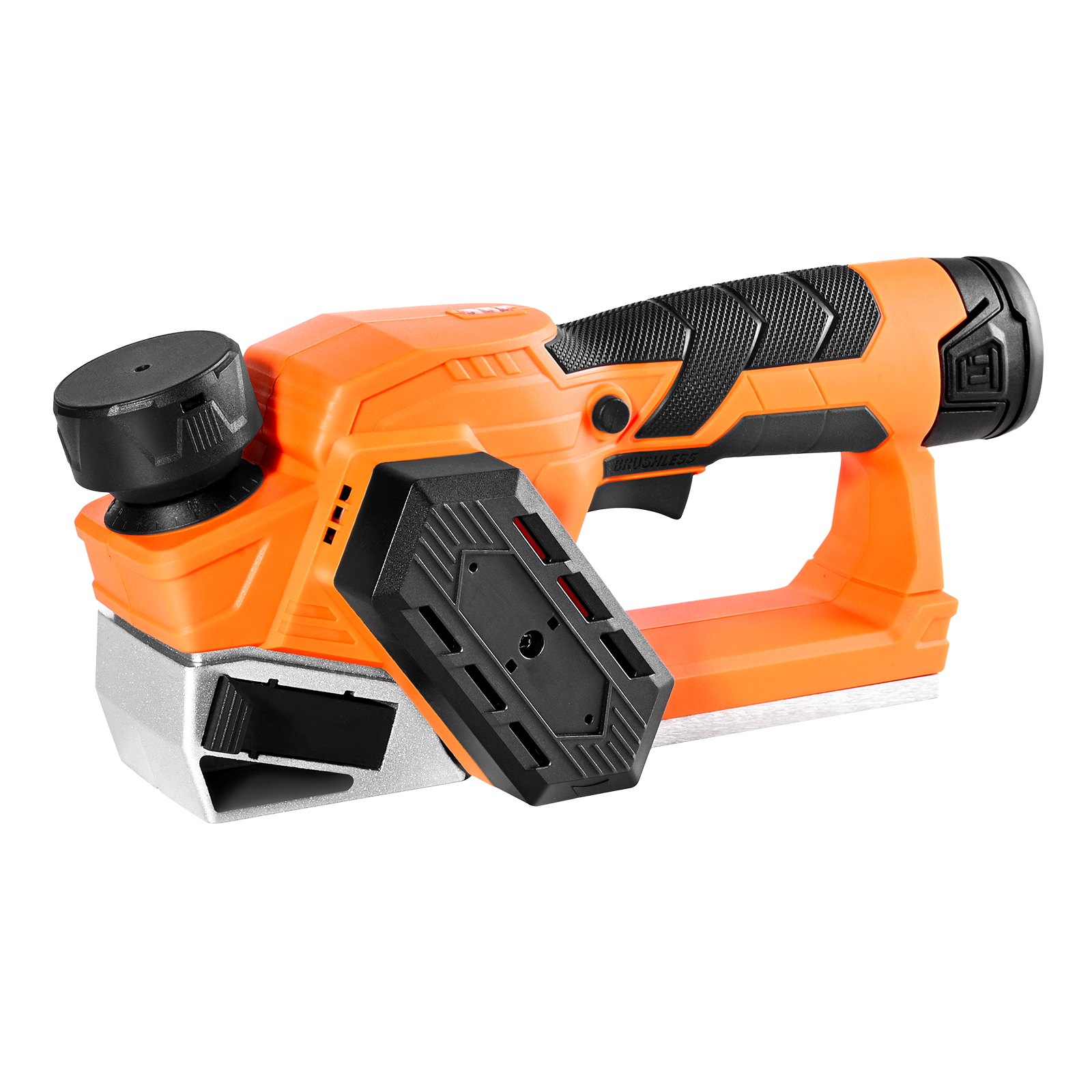 Cordless Handheld Planer, 2-1/5-Inch Cut Width, 14500 RPM Electric Hand Wood With 2 Ah 12V Lithium Battery, Brushless Motor, Adjustable Cut Depth, 2 Blades, For Woodworking Chamfer$81.99View on Mallflare
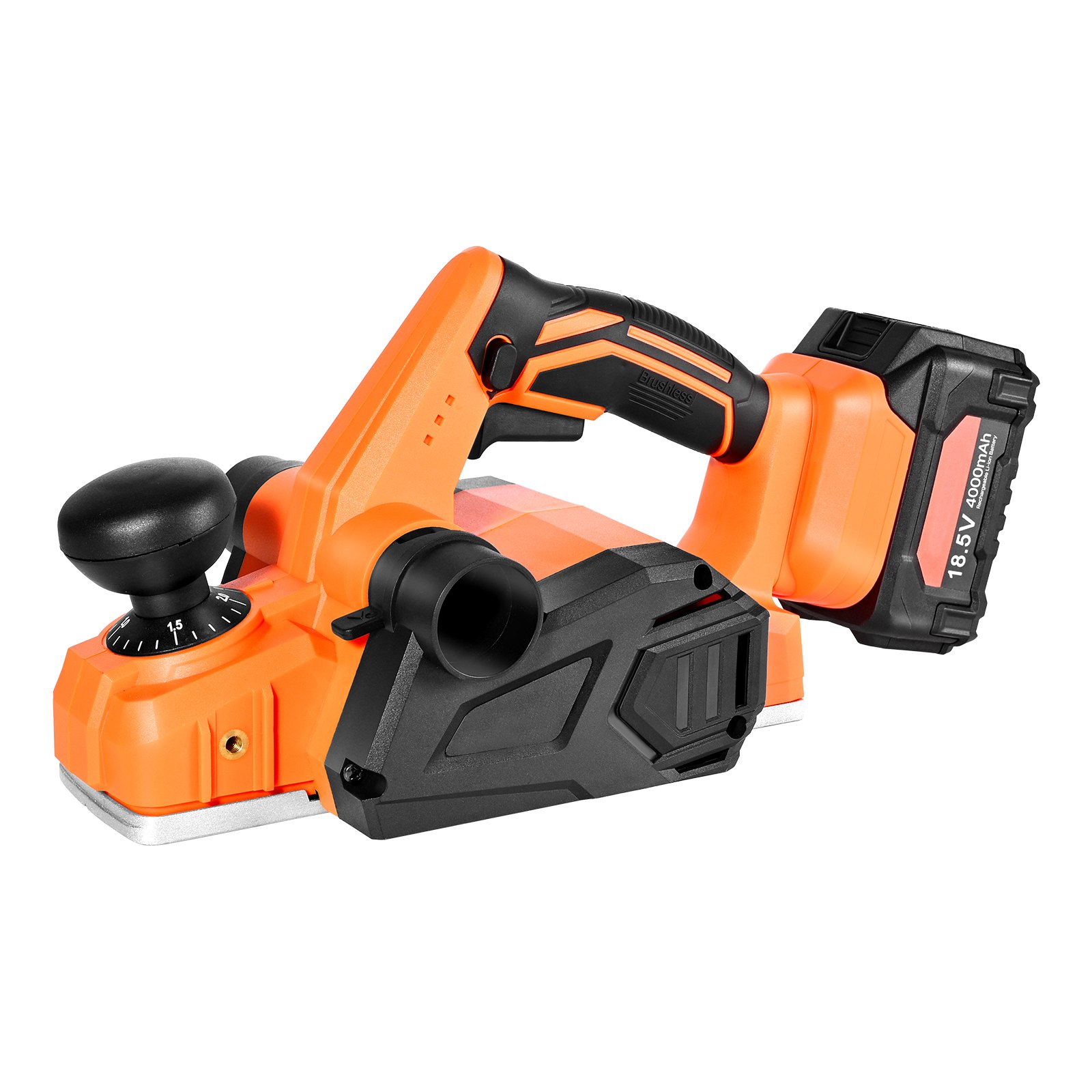 Cordless Handheld Planer, 3-1/4-Inch Cut Width, 15000 RPM Electric Hand Wood With 4.0 Ah 18V Lithium Battery, Brushless Motor, Adjustable Cut Depth, Dust Collection Bag, For Woodworking$118.99View on Mallflare
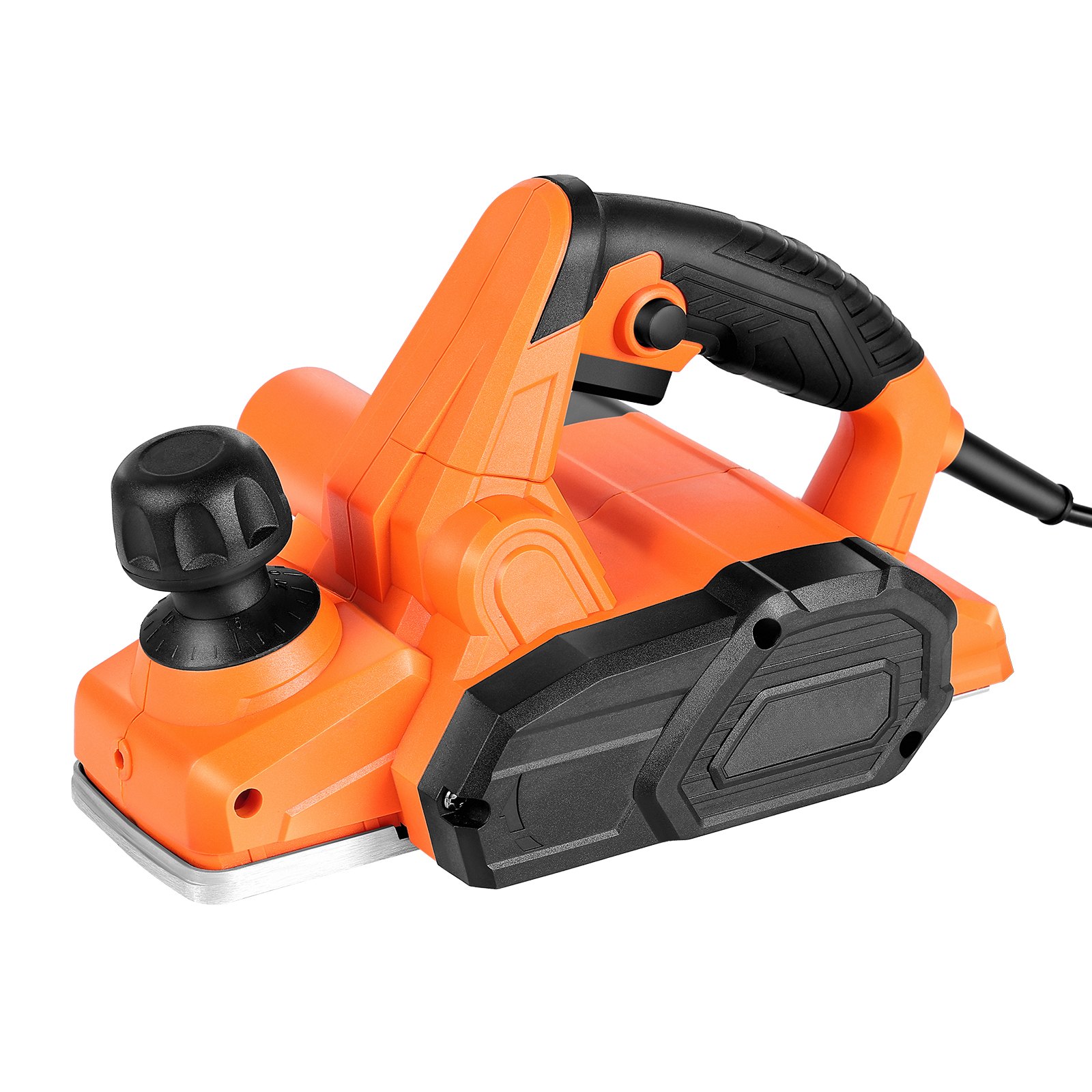 Electric Hand Planer, 3-1/4-Inch Cut Width, 7-Amp 16800 RPM Corded Power Handheld For Wood, With Adjustable Cut Depth, 2 Blades, For Woodworking Chamfer DIY Smooth Finish Carpentry$61.99View on Mallflare
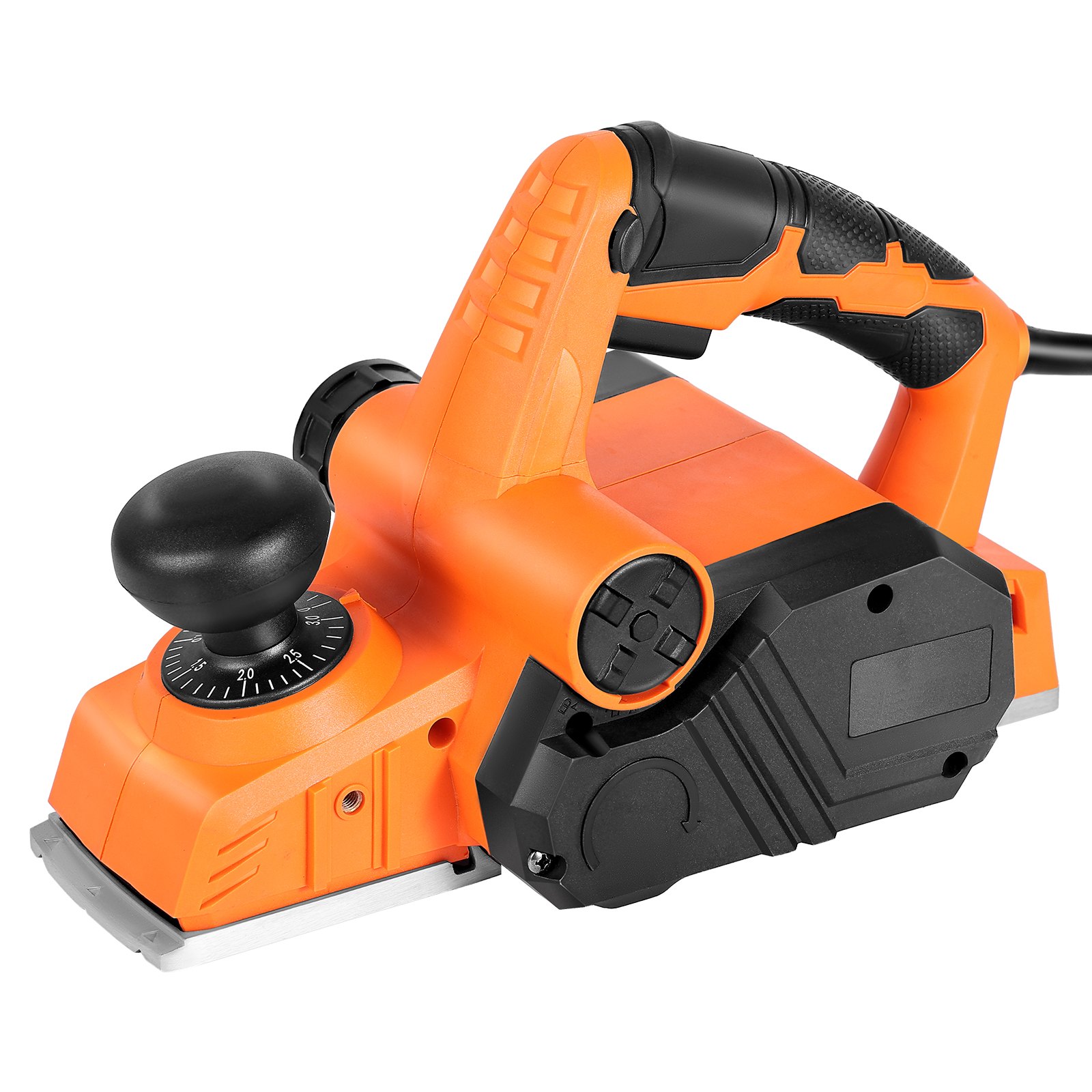 Electric Hand Planer, 3-1/4-Inch Cut Width, 7-Amp 14500 RPM Corded Power Handheld For Wood, With Adjustable Cut Depth, 2 Blades, For Woodworking Chamfer DIY Smooth Finish Carpentry$61.99View on Mallflare
Highlights
- Cut width is the defining capacity spec: 3-1/4 in (82 mm) handles standard 1x and 2x lumber and edge-jointing, while 2-1/5 in (56 mm) subcompact models are limited to chamfers and narrow trim.
- Corded models run 7-amp motors at 14,500-16,800 RPM for continuous stock removal; cordless brushless units run 14,500-15,000 RPM but lose torque under load as battery voltage sags.
- Cutterhead configuration matters more than blade count marketing: two reversible high-speed-steel knives are standard, and dual-blade drums with adjustable depth (0-1/16 in per pass typical) give the smoothest finish.
- Battery platform compatibility is a hard constraint: 18V bare-tool planers require the same-brand 18V pack, while 12V 2.0Ah kits are lighter but deliver markedly fewer board-feet per charge.
Best use cases
- Best fit: corded 7-amp, 3-1/4-inch planer for workshop door trimming, joist scribing, and hardwood edge work where continuous power and dust-bag collection matter — skip it only if you have no outlet access.
- Best fit: 18V brushless 3-1/4-inch bare-tool planer for remodelers already invested in an 18V battery platform who need overhead or remote cuts — skip the 12V kit version unless ultra-light one-handed trim work is the only job.
- Best fit: 12V 2.0Ah compact 2-1/5-inch planer for chamfering, scribing cabinet fillers, and light trim — wrong fit for flattening slabs, taking deep passes in oak, or any task needing full 3-1/4-inch width.
- Wrong fit to avoid: buying a cordless bare tool with no matching battery platform, or expecting a 2-1/5-inch subcompact to dimension 2x4 stock — neither will deliver the capacity or runtime the job requires.
Buying tips
- Match cut width to stock: 3-1/4 in covers nominal 1x/2x lumber and edge jointing; 2-1/5 in is for chamfers and trim only — never size a planer below the board width you routinely work.
- For continuous or hardwood work choose corded 7-amp; for mobility choose 18V brushless — and budget for at least two 4.0Ah packs, since a single 2.0Ah pack yields limited board-feet per charge.
- Buy bare tools only if you already own same-voltage, same-brand batteries and chargers; otherwise a kit with battery and charger is the cheaper complete path.
- Prioritize adjustable depth-of-cut with a positive stop and a chip-ejection port that accepts a dust bag or vac hose — fixed-depth or side-ejection-only designs choke and leave tearout.
Specs
| Cut Width | 3-1/4 in (82 mm) vs 2-1/5 in (56 mm) |
|---|---|
| Power Source | Corded 7-amp vs 18V/12V brushless |
| No-Load Speed | 14,500-16,800 RPM |
| Depth of Cut | Adjustable, up to ~1/16 in per pass |
Related searches
What to check before buying
- Confirm your stock widths: measure the widest board or door edge you plan to plane and select 3-1/4 in unless every task is narrow trim (then 2-1/5 in is acceptable).
- Verify battery platform voltage and brand if going cordless — an 18V bare tool will not run on 12V packs, and cross-brand packs do not fit.
- Check workspace power: corded planers need a nearby outlet and a 15-amp circuit; cordless needs a charging station and spare packs for multi-hour sessions.
- Plan dust management: confirm the tool includes or accepts a dust bag or vac adapter, and that you have a vac or bag capacity for the board-feet you will remove.
FAQ
Data sources: eBay / Amazon listings and product attribute feeds Data updated Nov 20, 2026.
Some links on this page are affiliate links. If you buy after clicking one, we may earn a commission at no extra cost to you. This does not change which products appear here or their order. Affiliate disclosure.