Photos from current listings. Actual item, color, and included accessories may vary.
Japanese Pull Saw Buying Guide
Japanese pull saws cut on the draw stroke with a thin, tensioned blade, delivering cleaner joinery and faster crosscuts than Western push saws. The core trade-off is blade geometry versus disposable cost: impulse-hardened teeth stay sharp for years but cannot be resharpened, while traditional blades cut finer but demand maintenance. Buy an impulse-hardened Ryoba for general work, a Dozuki for joinery, and a Kataba for deep single-edge cuts.


At a glance
- Category
- Woodworking Saws & Planers
- Data updated
- Nov 20, 2026
Current offers
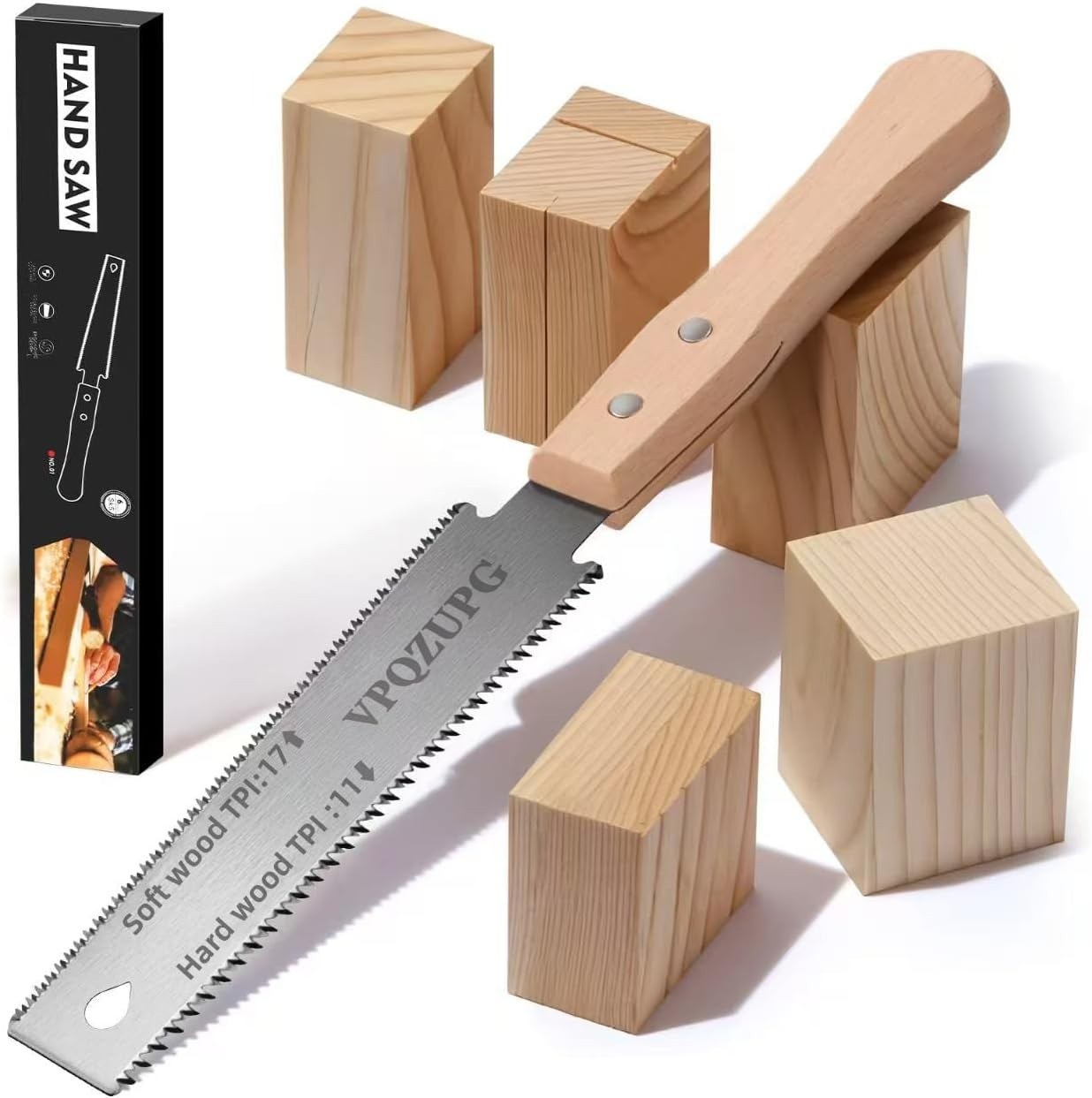 6 Inch Japanese Pull Saw,Hand Saw Woodworking Tools,Wood Handle, Sharp & Ligh...$5.89
 View on eBay
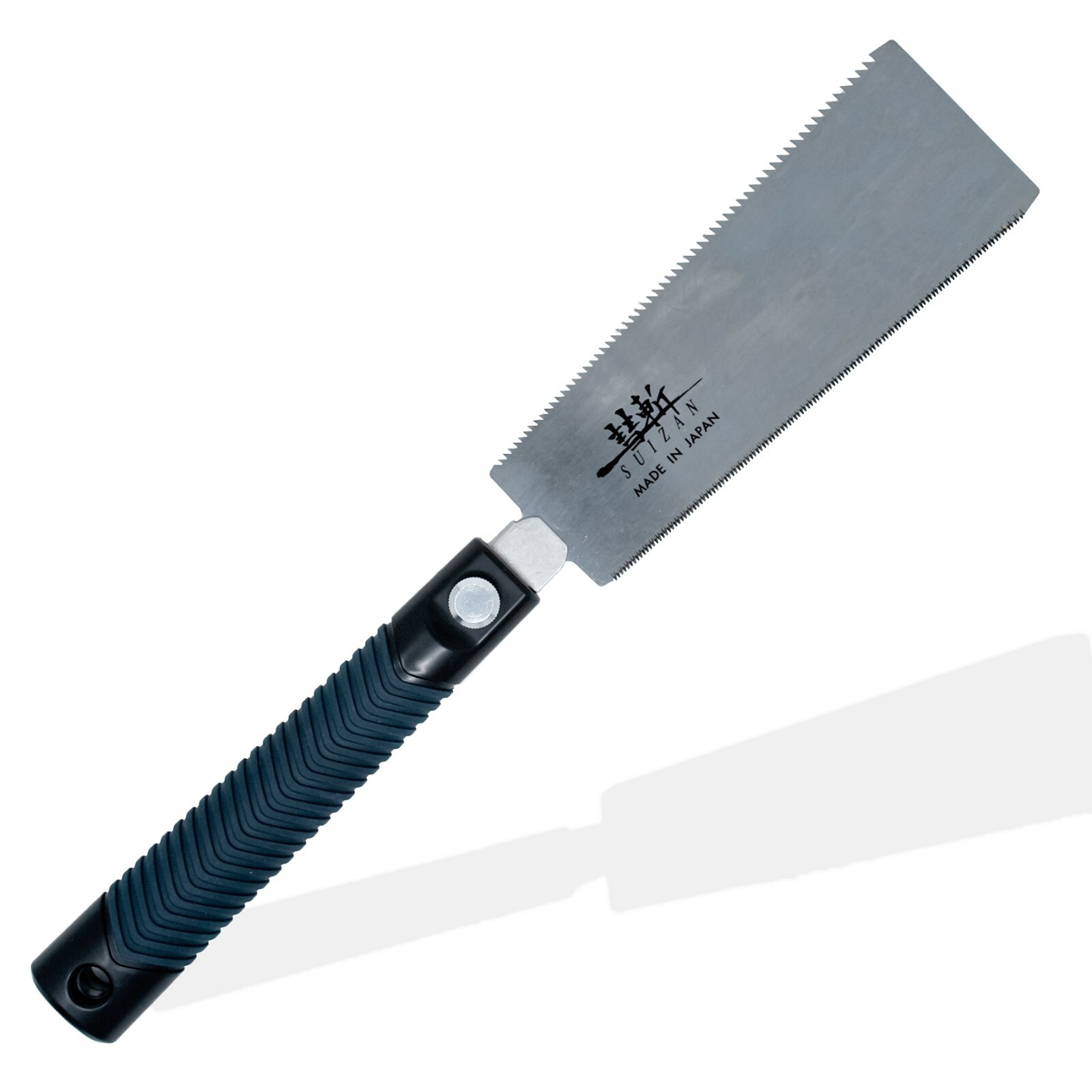 SUIZAN Japanese Pull Saw Hand Saw 7 Inch Ryoba Double Edge for Woodworking$38.80View on eBay
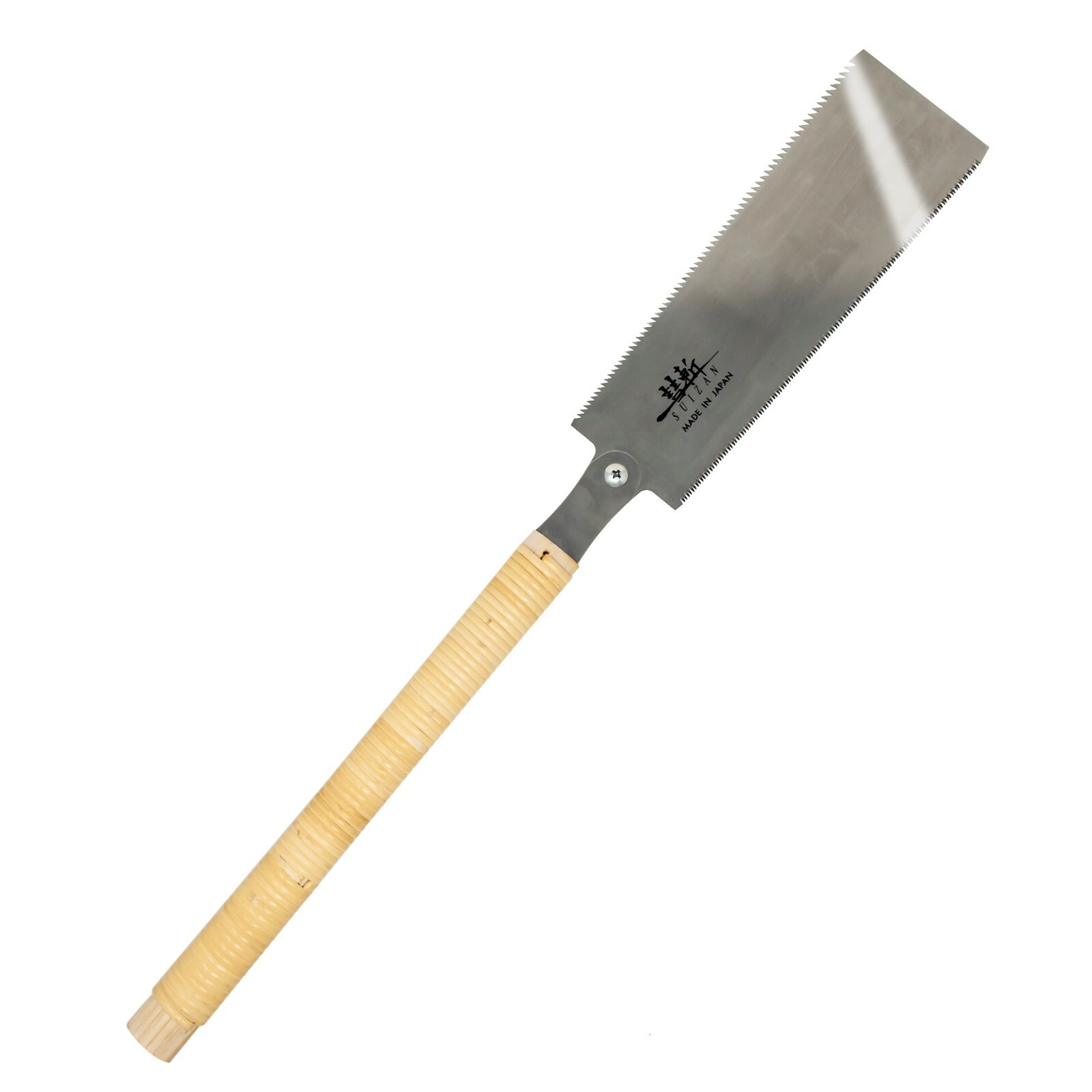 SUIZAN Japanese Pull Saw Hand Saw 9.5 Inch Ryoba Double Edge for Woodworking$49.80View on eBay
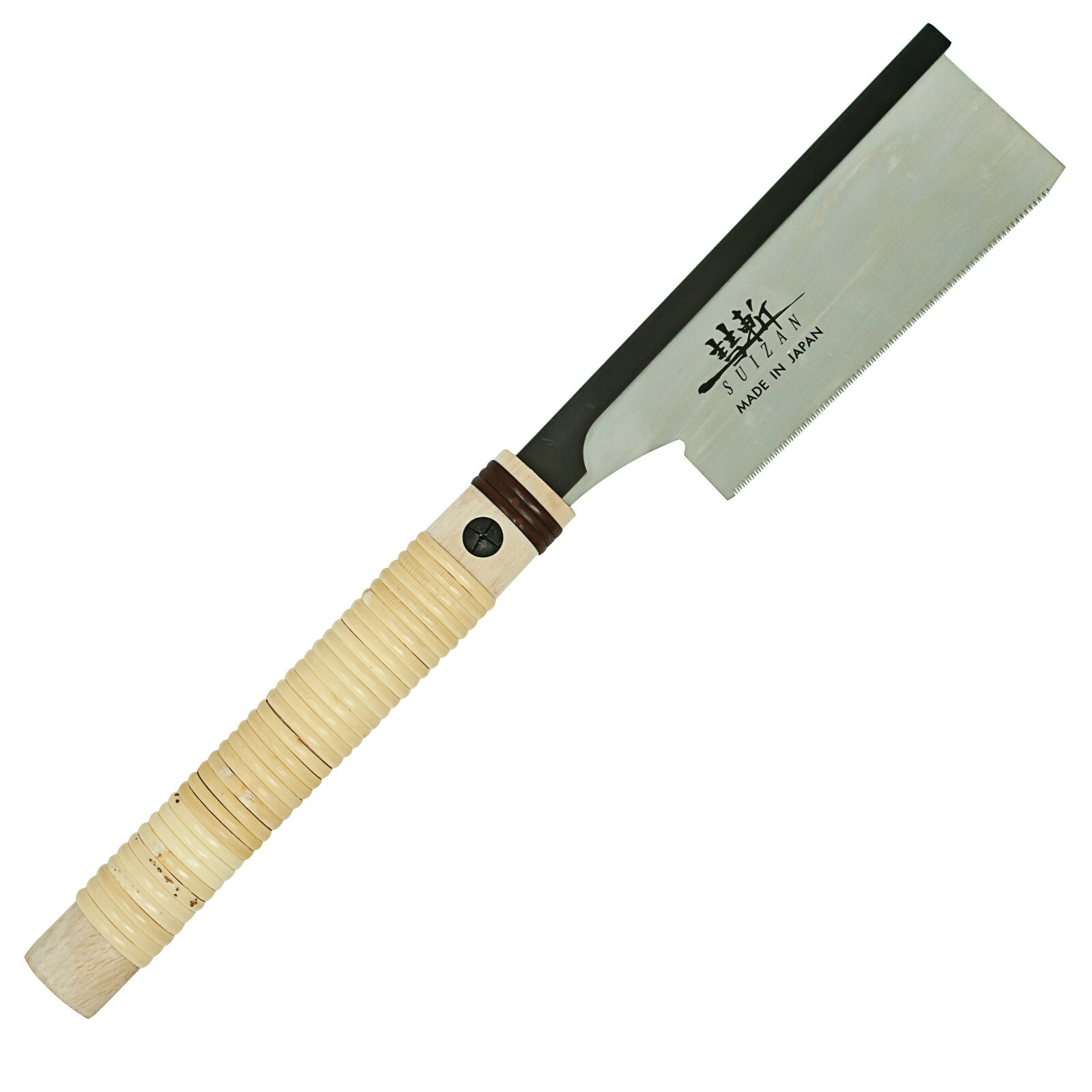 SUIZAN Japanese Dozuki Dovetail Hand Saw 6 Inch Pull Saw for Woodworking$38.80View on eBay
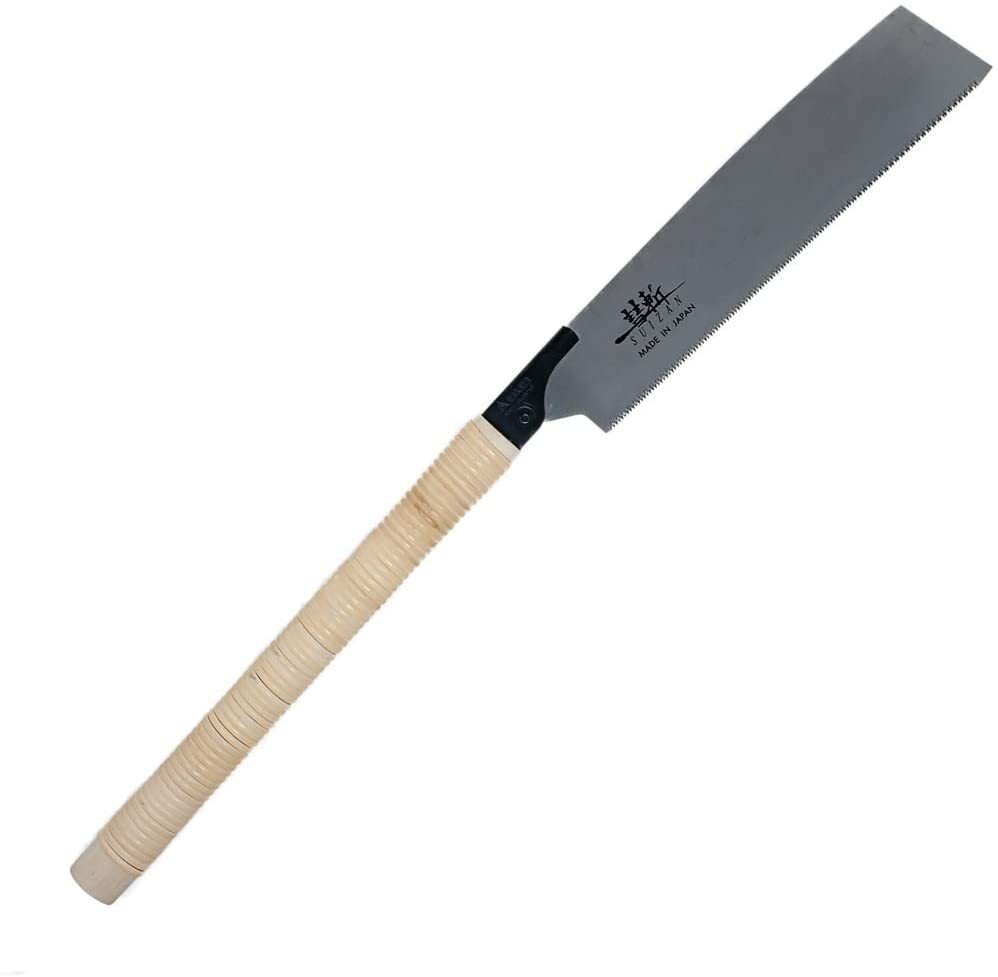 SUIZAN Japanese Hand Saw 10.5 Inch Kataba Single Edge Pull Saw for Woodworking$44.80View on eBay
Highlights
- Ryoba saws have crosscut teeth on one edge (12-15 TPI) and rip teeth on the other (8-10 TPI), covering both grain directions in one tool.
- Dozuki dovetail saws use a stiffened back spine and 0.2-0.3 mm blade plate for 0.5 mm kerfs and precise, shallow joinery cuts.
- Kataba single-edge saws carry no back spine, allowing through-cuts deeper than the blade width, such as flush trimming dowels and tenons.
- Impulse-hardened teeth (often 65-68 HRC) stay sharp 3-5x longer than non-hardened steel but cannot be filed; traditional blades are resharpened with a feather file.
Best use cases
- Furniture and dovetail joinery: pick a Dozuki with a back spine and 0.5 mm kerf; skip a Ryoba for fine joinery because its wider set and greater flex rough up socket walls.
- General crosscutting and ripping on a workbench: pick a 9.5-inch Ryoba with dual-edge teeth; skip short 6-inch saws that bottom out on stock thicker than 25 mm.
- Flush-cutting dowels, tenons, and trim: pick a Kataba without a spine so the blade passes through the cut; skip a backed Dozuki that stops at its spine depth.
- Heavy site framing or reclaimed lumber with nails: skip all Japanese pull saws; impulse-hardened teeth chip on metal and the thin plate kinks under prying force.
Buying tips
- Match blade length to stock: 6-inch saws suit stock up to 25 mm and fine joinery; 9.5-10.5-inch saws handle 50-75 mm cuts with a full draw stroke.
- Choose tooth pitch by task: 15-17 TPI for dovetails and tenons, 12-14 TPI for general crosscuts, and 8-10 TPI rip teeth for fast grain-direction cuts.
- Select impulse-hardened teeth for low maintenance and long life, or traditional non-hardened steel if you plan to resharpen with a feather file.
- Confirm handle style: wrapped rattan or cane grips absorb shock and suit prolonged pull strokes, while hardwood handles are more durable but transmit more vibration.
Specs
| Saw Type | Ryoba dual-edge / Dozuki backed / Kataba single-edge |
|---|---|
| Blade Length | 6-10.5 in (150-270 mm) |
| Tooth Hardness | Impulse-hardened 65-68 HRC vs fileable steel |
| Kerf Width | 0.5 mm Dozuki to 0.9 mm Ryoba |
Related searches
What to check before buying
- Measure your thickest stock: a saw blade must exceed stock thickness by at least 25 mm for the teeth to exit the cut on a full pull stroke.
- Check the kerf against your joinery layout: 0.5 mm Dozuki kerfs preserve thin dovetail pins; 0.7-0.9 mm Ryoba kerfs remove more waste.
- Confirm the handle fits your grip: Japanese saws are pulled, so a handle shorter than your palm width causes blistering on long sessions.
- Verify blade replacement availability: many Ryoba and Kataba blades are replaceable; Dozuki blades are often model-specific and sold separately.
FAQ
Data sources: eBay / Amazon listings and product attribute feeds Data updated Nov 20, 2026.
Some links on this page are affiliate links. If you buy after clicking one, we may earn a commission at no extra cost to you. This does not change which products appear here or their order. Affiliate disclosure.