Photos from current listings. Actual item, color, and included accessories may vary.
Japanese Saw Buying Guide
Japanese saws are pull-stroke cutting tools with hardened, thin-plate blades tensioned by a rattan-wrapped or hardwood handle, delivering cleaner kerfs and less effort than Western push saws. The core trade-off is blade disposability and tooth geometry: impulse-hardened blades stay sharp for years but cannot be resharpened, while standard steel blades dull faster but accept a file. Buy a hardened-blade saw sized to your cut depth for a durable, low-effort tool; skip long, flexible blades on hard knots or site work where replaceable Western saws win.


At a glance
- Category
- Woodworking Saws & Planers
- Data updated
- Nov 20, 2026
Current offers
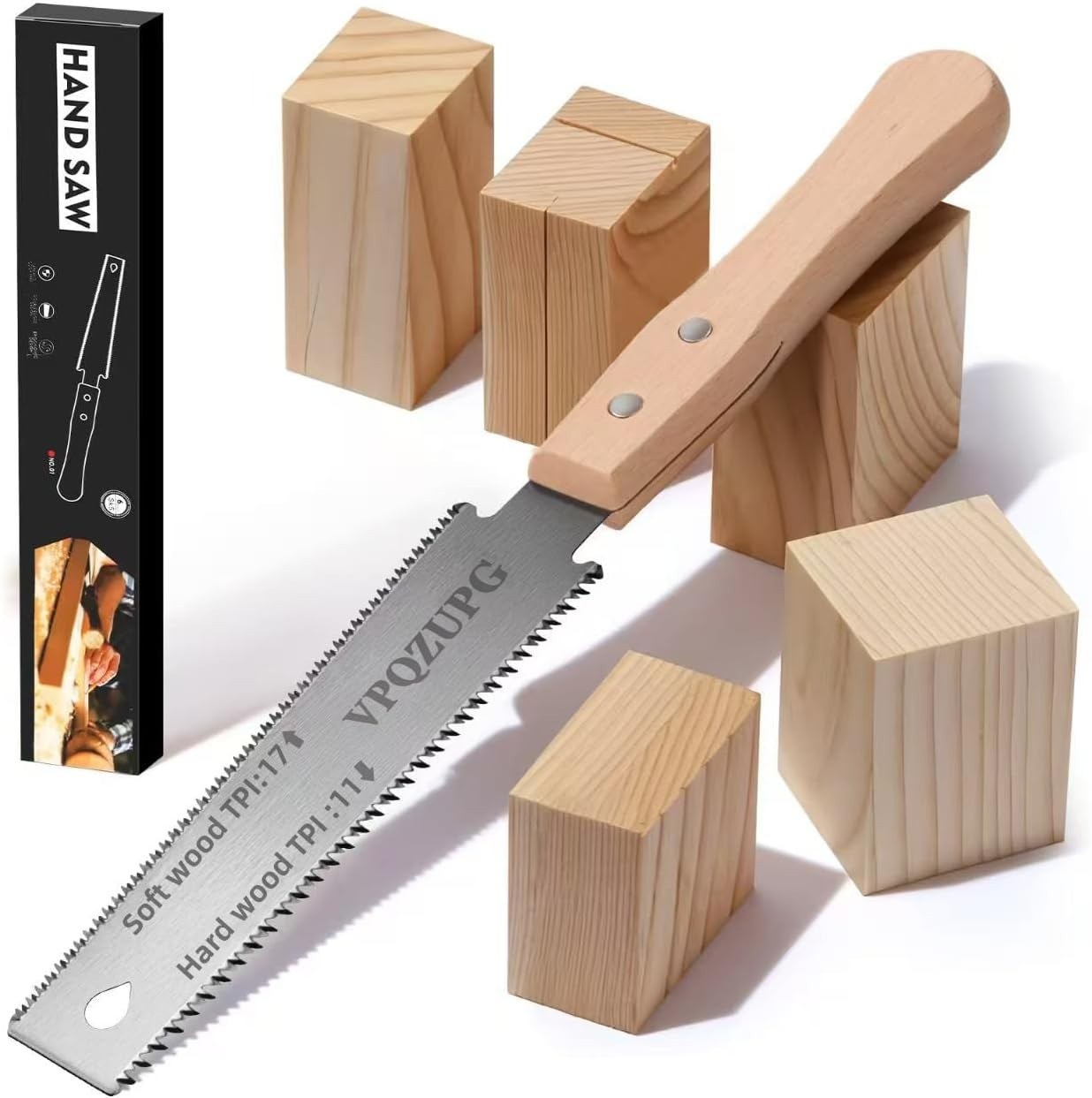 6 Inch Japanese Pull Saw,Hand Saw Woodworking Tools,Wood Handle, Sharp & Ligh...$5.89
 View on eBay
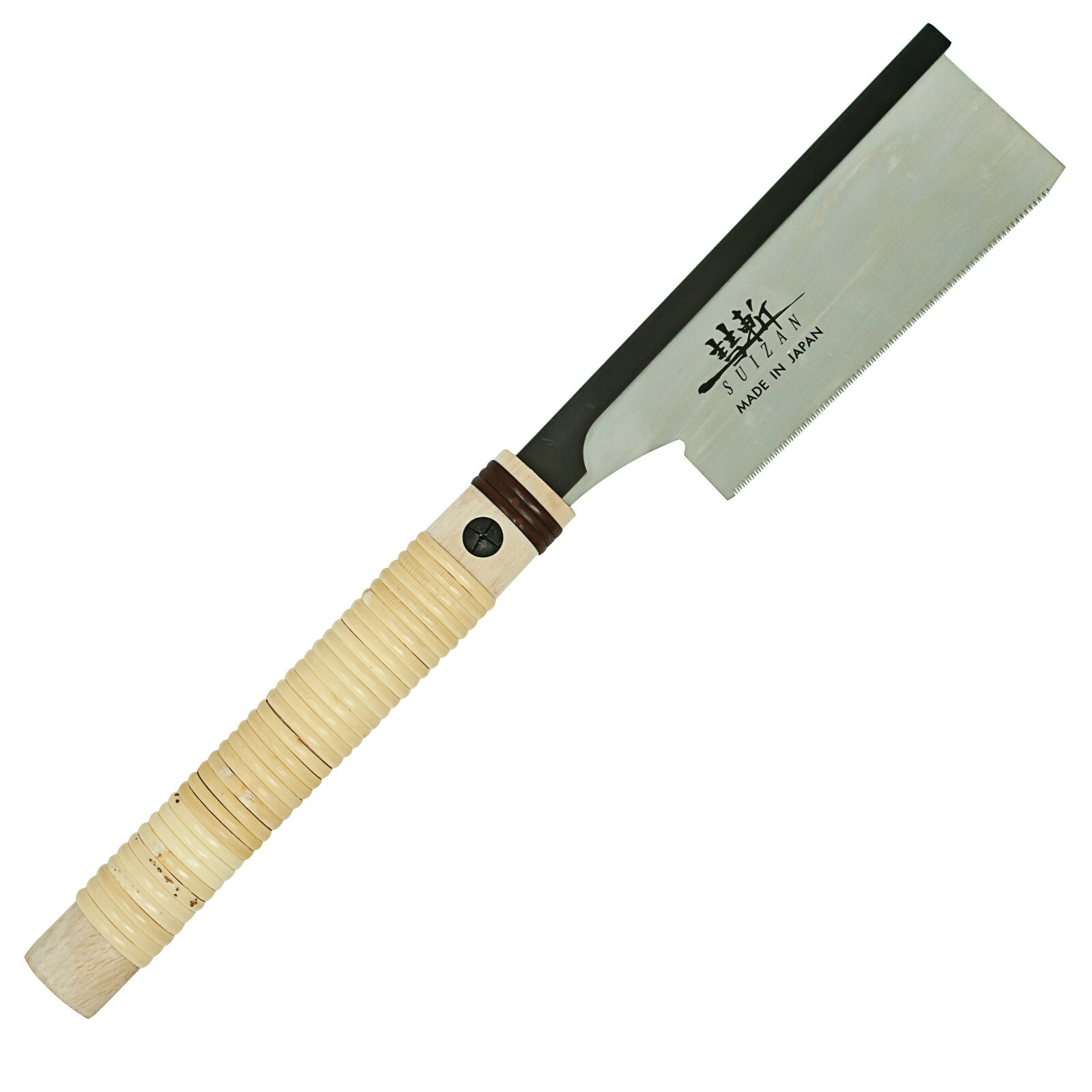 SUIZAN Japanese Dozuki Dovetail Hand Saw 6 Inch Pull Saw for Woodworking$38.80View on eBay
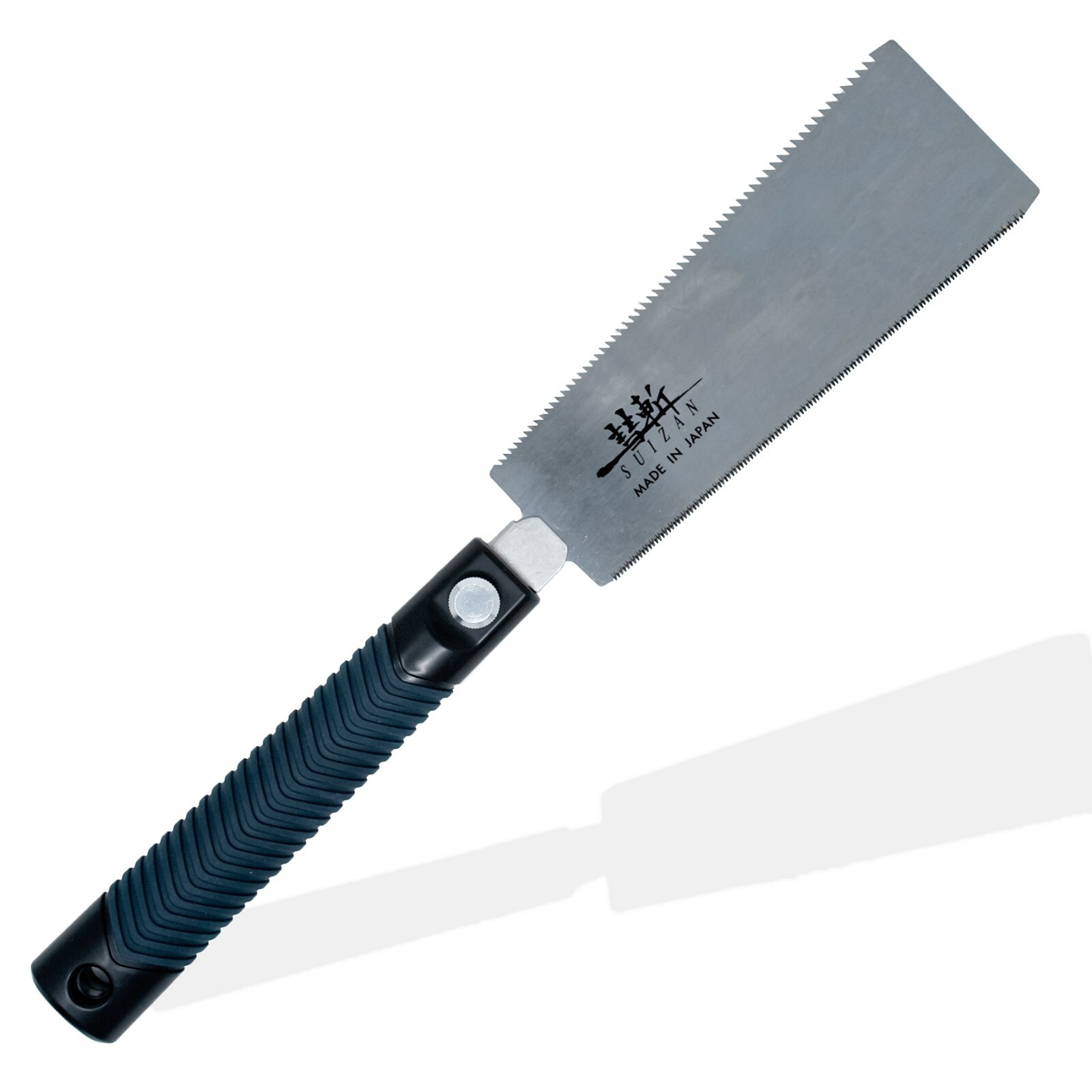 SUIZAN Japanese Pull Saw Hand Saw 7 Inch Ryoba Double Edge for Woodworking$38.80View on eBay
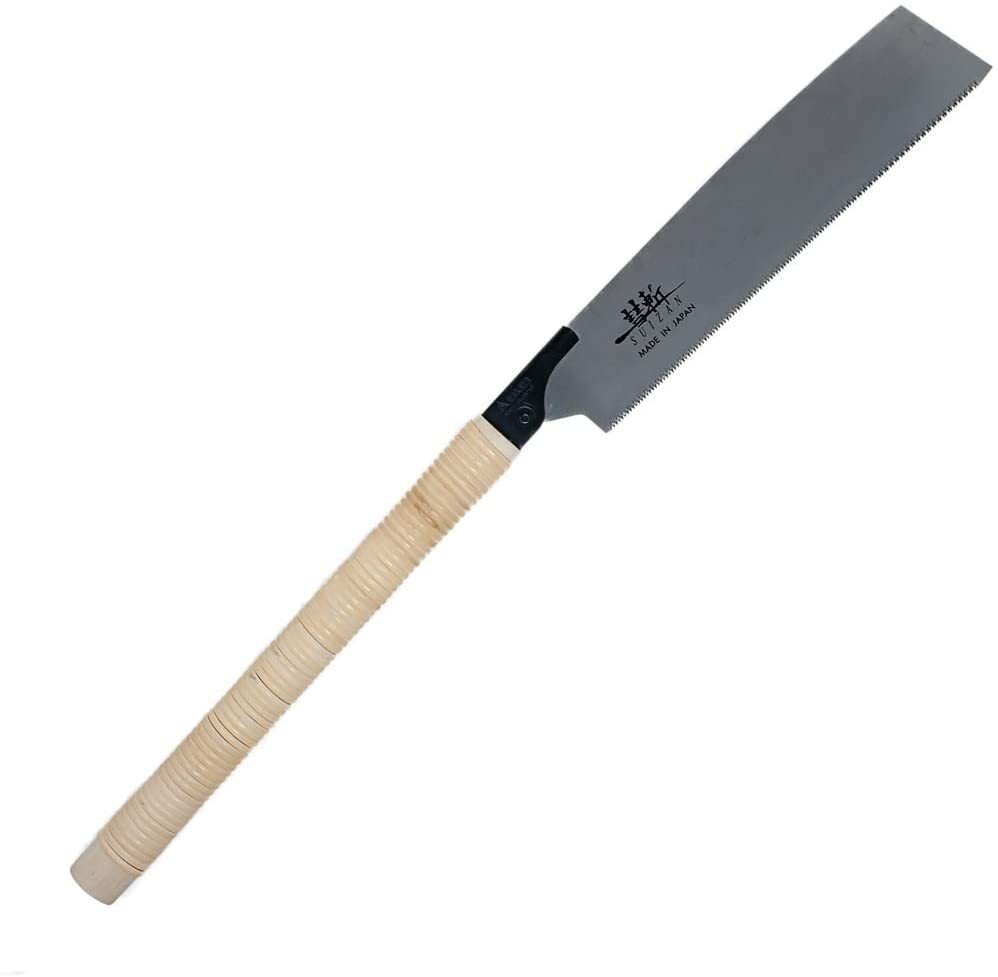 SUIZAN Japanese Hand Saw 10.5 Inch Kataba Single Edge Pull Saw for Woodworking$44.80View on eBay
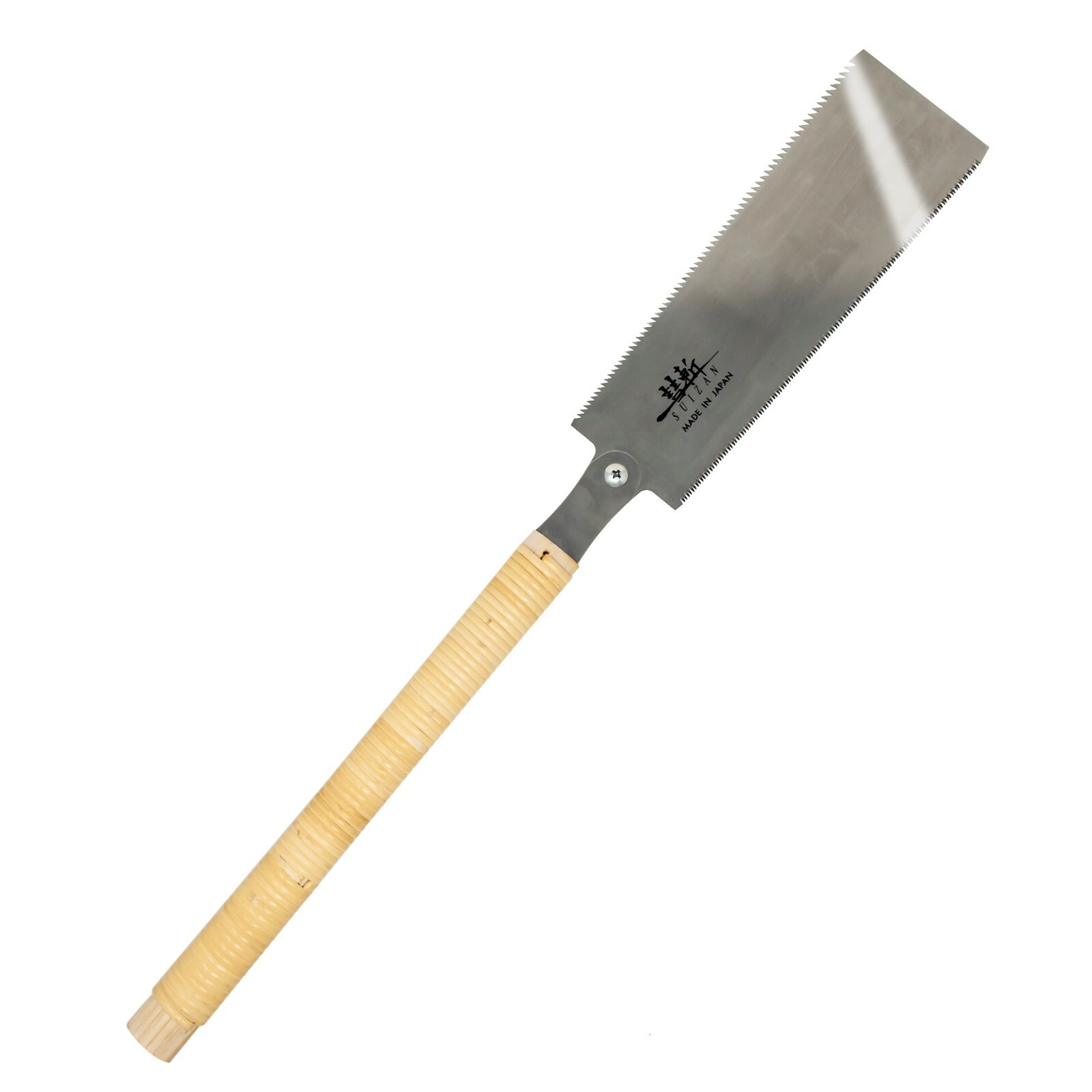 SUIZAN Japanese Pull Saw Hand Saw 9.5 Inch Ryoba Double Edge for Woodworking$49.80View on eBay
Highlights
- Blade tooth hardness: impulse-hardened (black or blue oxide teeth) lasts 3-5x longer than non-hardened steel but is file-proof and must be replaced as a unit.
- Ryoba double-edge saws carry crosscut teeth on one edge and rip teeth on the other; blade length 9.5-10.5 in covers most bench work, 7 in suits trim and detail.
- Dozuki (back-stiffened) blades have a rigid spine for controlled dovetail and tenon walls; Kataba single-edge blades lack a spine for deep, flush crosscuts.
- Blade plate thickness of 0.3-0.5 mm and a 0.2-0.3 mm set produce kerfs under 1 mm — roughly half a Western panel saw — preserving joinery layout lines.
Best use cases
- Dovetails and fine tenons: pick a 6-9.5 in Dozuki with a rigid back spine; skip flexible Ryoba blades, which wander on 1:6 dovetail slopes.
- General bench crosscutting and ripping: a 9.5-10.5 in Ryoba double-edge covers both grain directions; skip single-edge Kataba unless you cut flush dowels and plugs.
- Site framing, reclaimed lumber with nails, or green wood: use a Western handsaw or a coarse non-hardened Kataba; hardened Japanese teeth chip on embedded grit and metal.
- Flush-cutting dowels, pegs, and tenon ends: choose a 6 in Kataba or flush-cut saw with zero-set teeth; skip standard Ryoba, which mar the surrounding surface.
Buying tips
- Match blade length to cut depth: 6 in for stock under 1-1/2 in, 7 in for 2x trim, 9.5-10.5 in for bench work up to 3-4 in thick.
- Choose impulse-hardened teeth for clean, long-life crosscuts in dry hardwood; choose non-hardened steel only if you plan to sharpen with a feather file.
- Confirm handle type: rattan-wrapped hardwood resists slip and swells to fit; plain lacquered wood is cheaper but slick under sweat.
- Check replacement-blade availability for the exact model — a hardened blade is a consumable, and a saw with no spare blade path becomes disposable.
Specs
| Saw Type | Ryoba / Kataba / Dozuki |
|---|---|
| Blade Length | 6 in / 7 in / 9.5-10.5 in |
| Tooth Hardness | Impulse-hardened vs fileable steel |
| Blade Plate | 0.3-0.5 mm, sub-1 mm kerf |
Related searches
What to check before buying
- Measure your thickest routine cut: blade length must exceed cut depth by at least 2 in for full stroke clearance.
- Verify replacement blades are sold separately for the model you pick before committing to a hardened-tooth saw.
- Confirm the handle grip diameter fits your hand; Japanese saws are pulled, so a loose grip loses control on the return stroke.
- Check tooth pitch (TPI): 15-20 TPI for joinery, 8-12 TPI for fast crosscuts and rip work in softwood.
FAQ
Data sources: eBay / Amazon listings and product attribute feeds Data updated Nov 20, 2026.
Some links on this page are affiliate links. If you buy after clicking one, we may earn a commission at no extra cost to you. This does not change which products appear here or their order. Affiliate disclosure.