Photos from current listings. Actual item, color, and included accessories may vary.
Straight Buying Guide
Straight woodworking saws and planers cover hand panel saws with straight backs and machines using straight-knife cutterheads, and the core trade-off is cut quality and setup speed versus cost and maintenance. Straight-knife systems are simpler, cheaper, and easier to sharpen, but they leave more tear-out and need more frequent knife changes than helical or spiral heads. The decision rule: buy straight-knife only if you work softwoods or painted stock and accept knife maintenance; choose helical/spiral for hardwoods, figured grain, or low-noise finishing.

At a glance
- Category
- Woodworking Saws & Planers
- Data updated
- Nov 20, 2026
Current offers
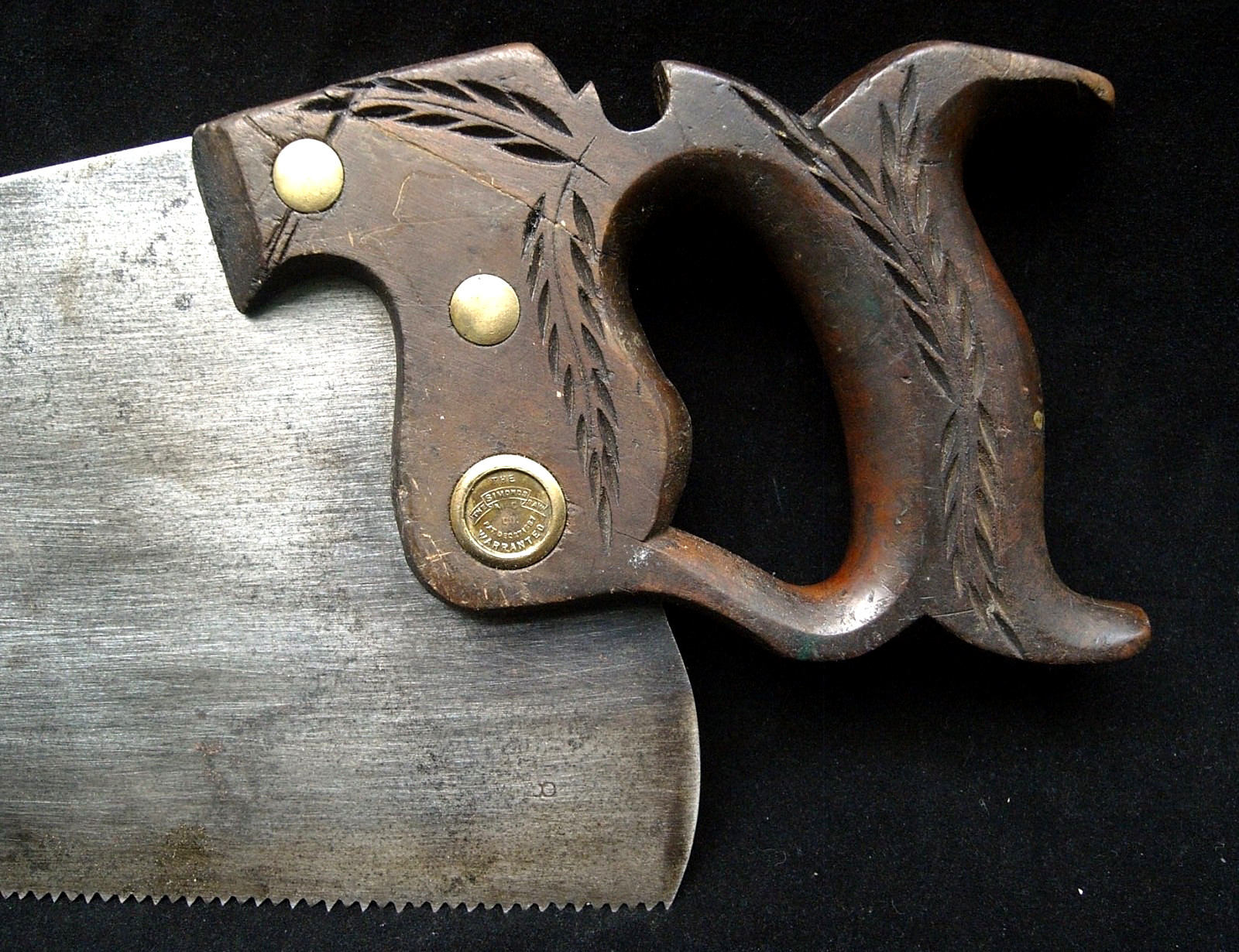 SIMONDS -1887- 24" 8 TPI STRAIGHT BACK PANEL SAW with HARDWOOD WHEAT HANDLE$145.00
 View on eBay
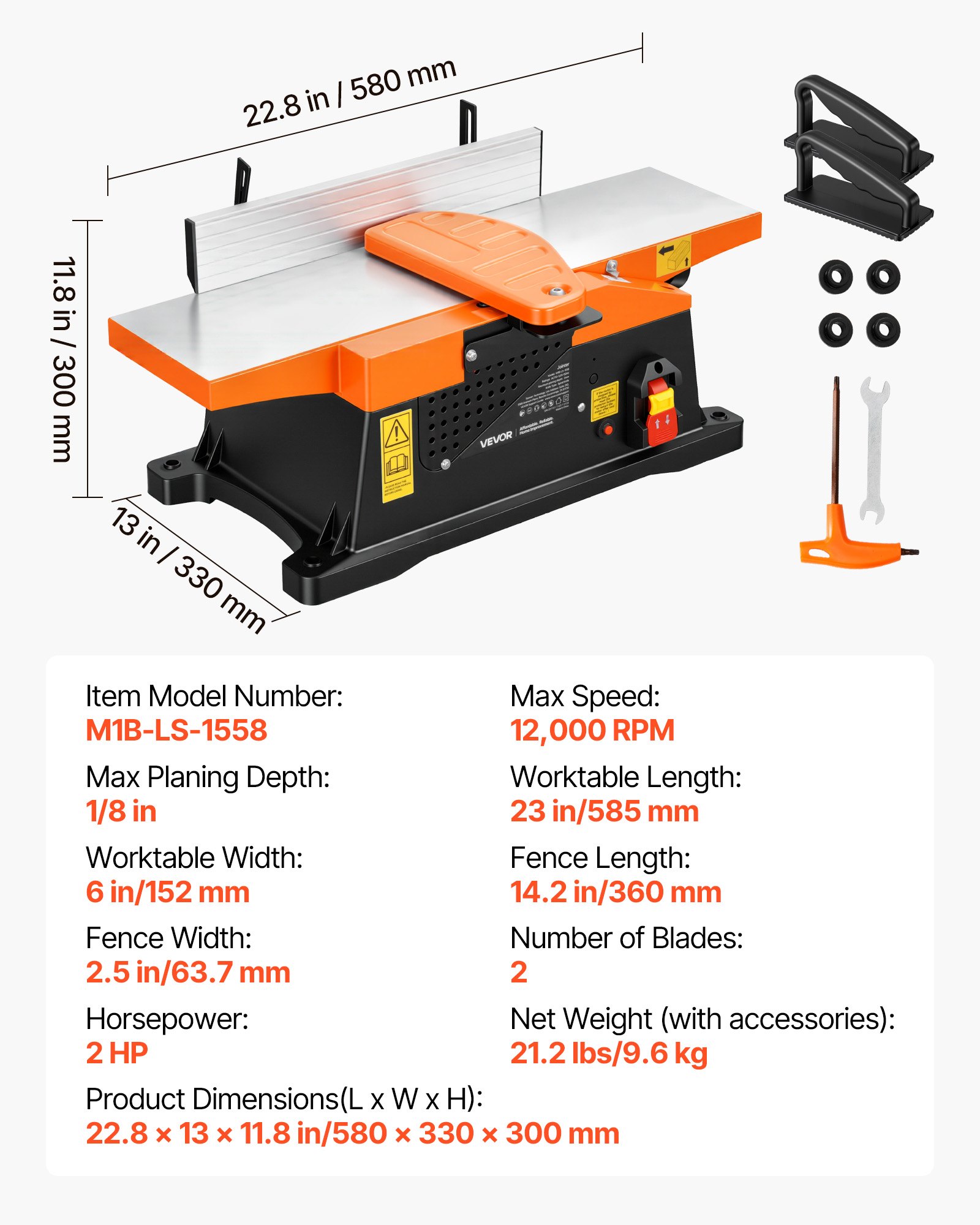 Benchtop Jointer, 6 In, 2 HP 12000 RPM Bench Top Wood With Straight Cutterhead, 2 HSS Blades, 6 X 23 In Cast Aluminum Table, Up To 1/8 In Depth, Adjustable Fence, For Woodworking DIY$244.99
 View on Mallflare
Highlights
- Straight-back panel saws use 8–10 TPI crosscut/rip hybrid teeth and a rigid spine to prevent blade flex in deep cuts.
- Benchtop jointers with straight cutterheads typically run 2 HSS knives at 10,000–12,000 RPM and cut up to 1/8 in depth per pass.
- Cast aluminum tables (6 x 23 in class) resist deflection better than stamped steel but still flex under heavy stock.
- Helical/spiral cutterheads use indexed carbide inserts that can be rotated four times, eliminating knife sharpening and reducing tear-out.
Best use cases
- Best fit: trim carpenters and DIYers cutting softwood, plywood, or painted stock — pick a straight-back panel saw and a 6-in straight-knife jointer for lowest entry cost.
- Best fit: cabinetmakers and furniture builders working hardwoods or figured grain — choose a helical-head jointer; skip straight-knife unless you plan to upgrade the head.
- Wrong fit: production shops running continuous hard maple or exotics — straight knives dull fast and cause tear-out; go helical/spiral with carbide inserts.
Buying tips
- Match jointer width to your widest common stock: 6-in handles edge jointing and up to 6-in faces; 8-in is needed for most glued-up panels.
- Verify cutterhead knife count and adjustment: 2-knife straight heads are common on benchtop units, 3-knife heads give smoother feed and longer life.
- For panel saws, pick 8 TPI for crosscutting and 10 TPI for finer finish; a straight back adds stiffness for cuts deeper than 2 in.
- Check that the jointer fence locks at 90° and tilts to 45°, and that the table length supports stock longer than 24 in without tipping.
Specs
| Cutterhead Type | Straight knife vs helical/spiral |
|---|---|
| Jointer Width | 6 in benchtop vs 8 in floor |
| Saw Teeth | 8–10 TPI straight-back panel |
| Knife Count | 2–3 straight knives / insert rows |
Related searches
What to check before buying
- Measure bench depth and height: benchtop jointers need 20–24 in front-to-back clearance and a stable surface for 6 x 23 in tables.
- Confirm power: 2 HP benchtop jointers require a dedicated 15–20 A 120 V circuit; shared circuits cause breaker trips under load.
- Verify blade/knife availability: straight knives come in standard lengths (6-1/8 in for 6-in jointers) and must match the cutterhead slot.
- Check dust collection: jointers and saws need a 2–4 in port connection; straight-knife jointers produce long chips that clog shop vacuums without a separator.
FAQ
Data sources: eBay / Amazon listings and product attribute feeds Data updated Nov 20, 2026.
Some links on this page are affiliate links. If you buy after clicking one, we may earn a commission at no extra cost to you. This does not change which products appear here or their order. Affiliate disclosure.