Photos from current listings. Actual item, color, and included accessories may vary.
Solder Buying Guide
Solder is the consumable alloy that forms the electrical and mechanical bond in electronics and stained-glass work, and the core trade-off is between tin-lead (SnPb) ease-of-use and lead-free (SAC) regulatory compliance, plus alloy ratio and flux core. The decision rule: for hand-soldering electronics and stained glass, eutectic 63/37 or 60/40 rosin-core solder in 0.6-1.0 mm delivers the lowest melting point and most forgiving flow; lead-free SAC305 is mandatory only where lead is restricted or regulated.

At a glance
- Category
- Soldering & Electronics Repair Tools
- Data updated
- Nov 20, 2026
Current offers
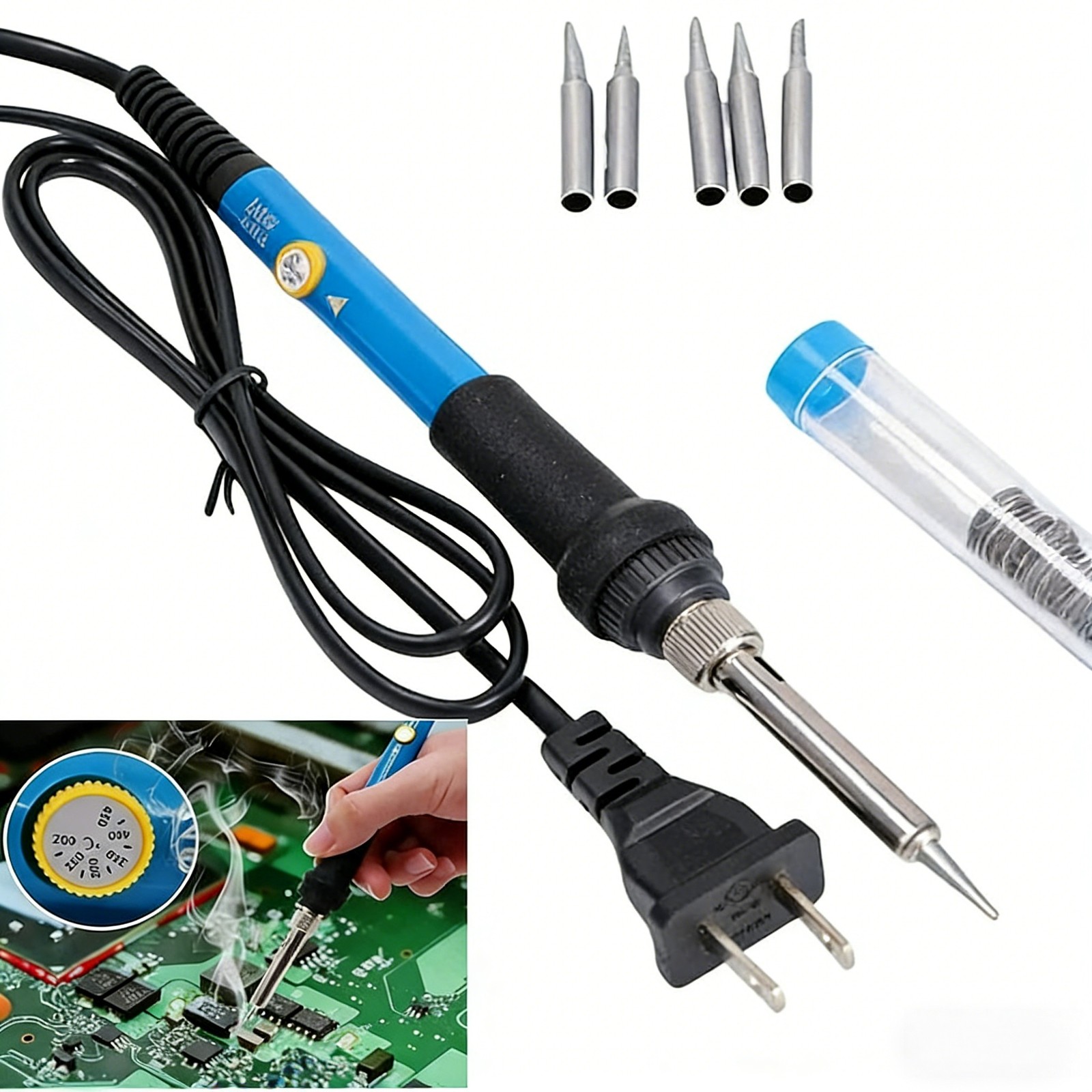 For Home DIY 60W Adjustable Temp Soldering Iron Electric Gun Solder Wire Kit$4.52
 View on eBay
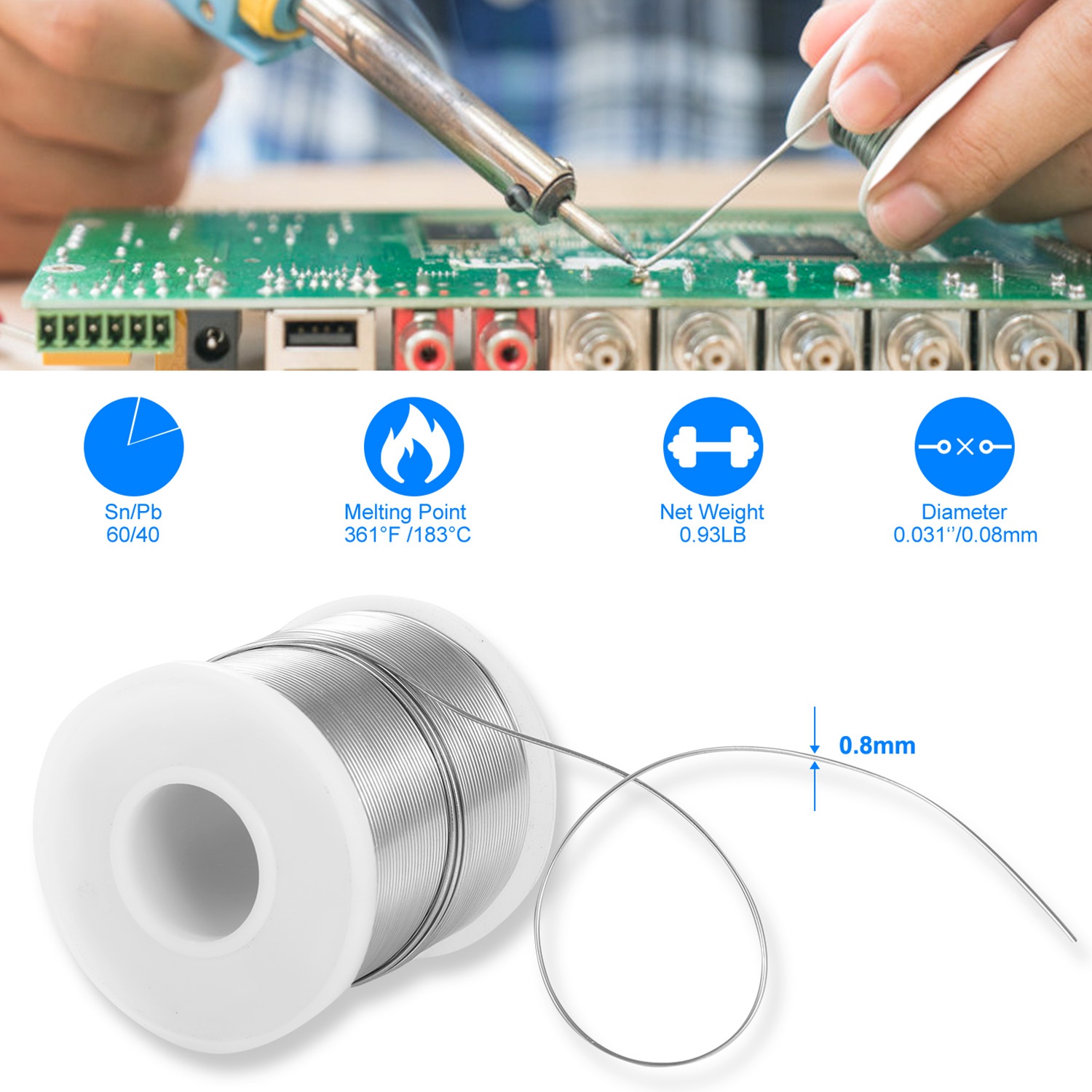 Soldering Wire 60 40 Tin Lead Rosin Core 0.031In 0.8mm 1.7 Percent Flux Electrical Solder Sn60 Pb40 1lb$35.99
 View on Mallflare
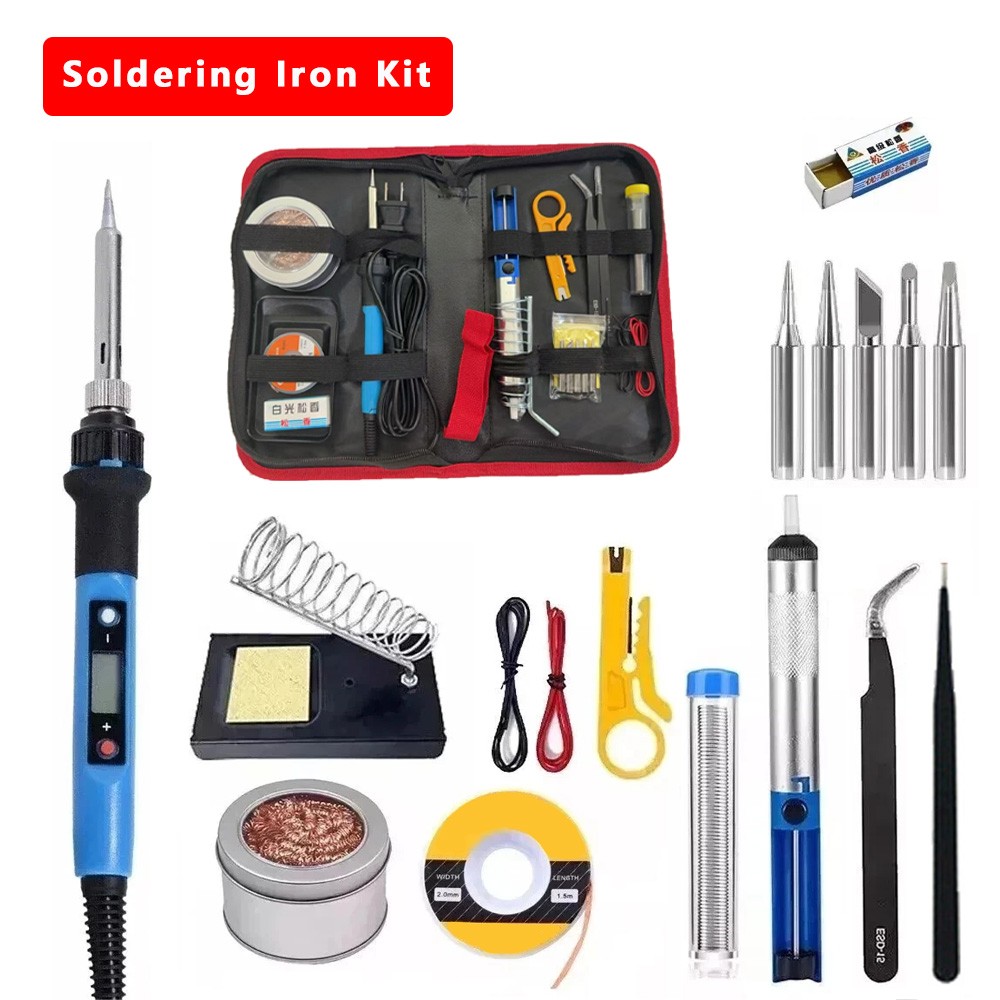 80W Electric Soldering Iron Welding Gun Tool Kit Solder Wire Desoldering Pumps$15.99View on eBay
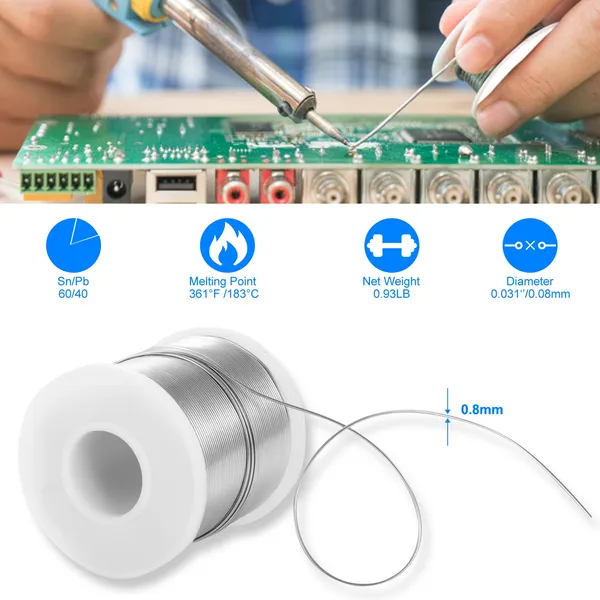 Soldering Wire 60/40 Tin Lead Rosin Core 0.031'/0.8mm 1.7% Flux Electrical Solder Sn60 Pb40 1lb$37.99View on Mallflare
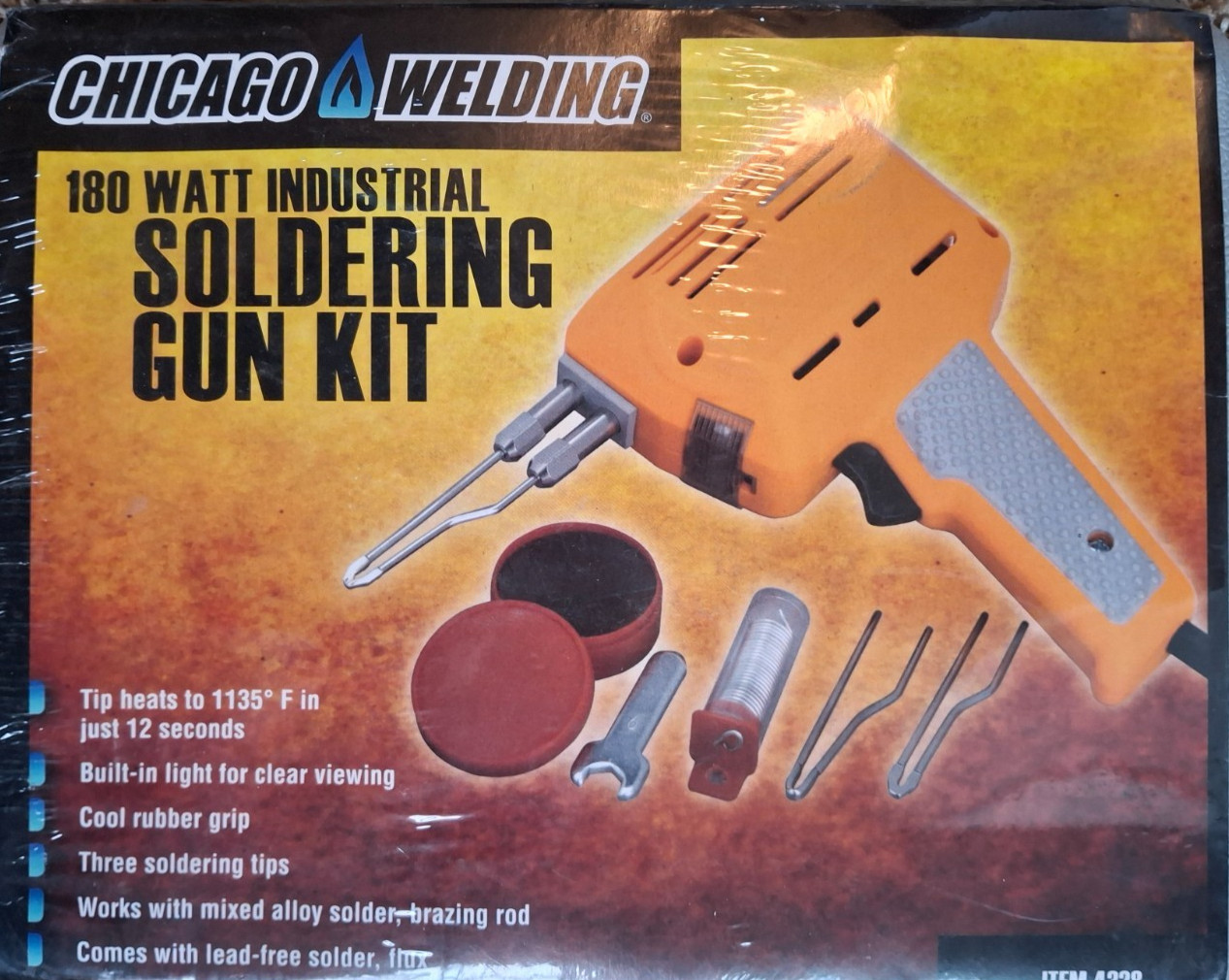 Chicago Electric Welding 180W Industrial Soldering Gun Kit w/ Tips Flux & Solder$19.99View on eBay
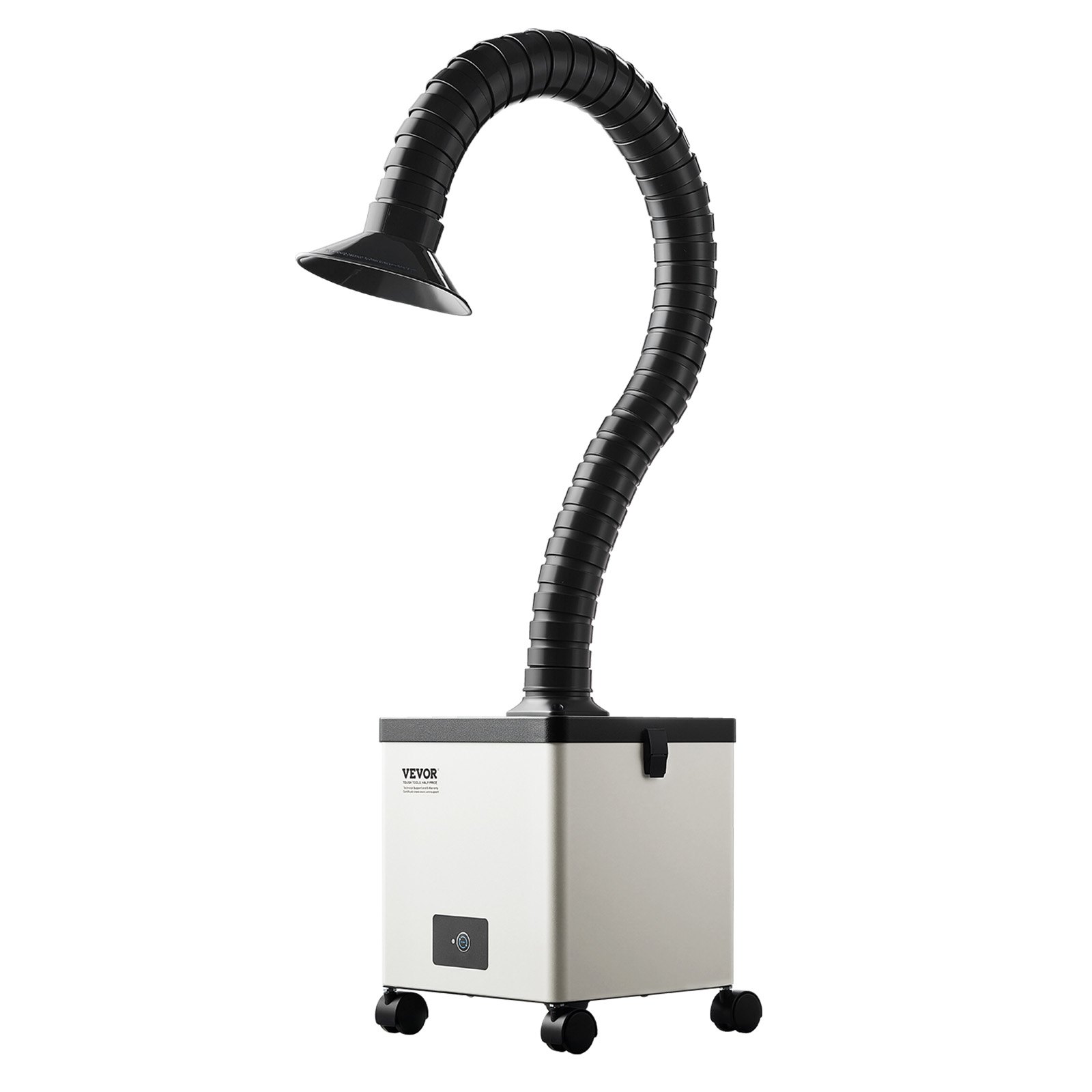 Solder Fume Extractor, 85W Brushless Soldering Smoke Absorber With 3-Stage Filters & 3-Speed Adjustment, 200m³/h Strong Suction Purifier For Engraving, DIY Welding, Salon$222.99View on Mallflare
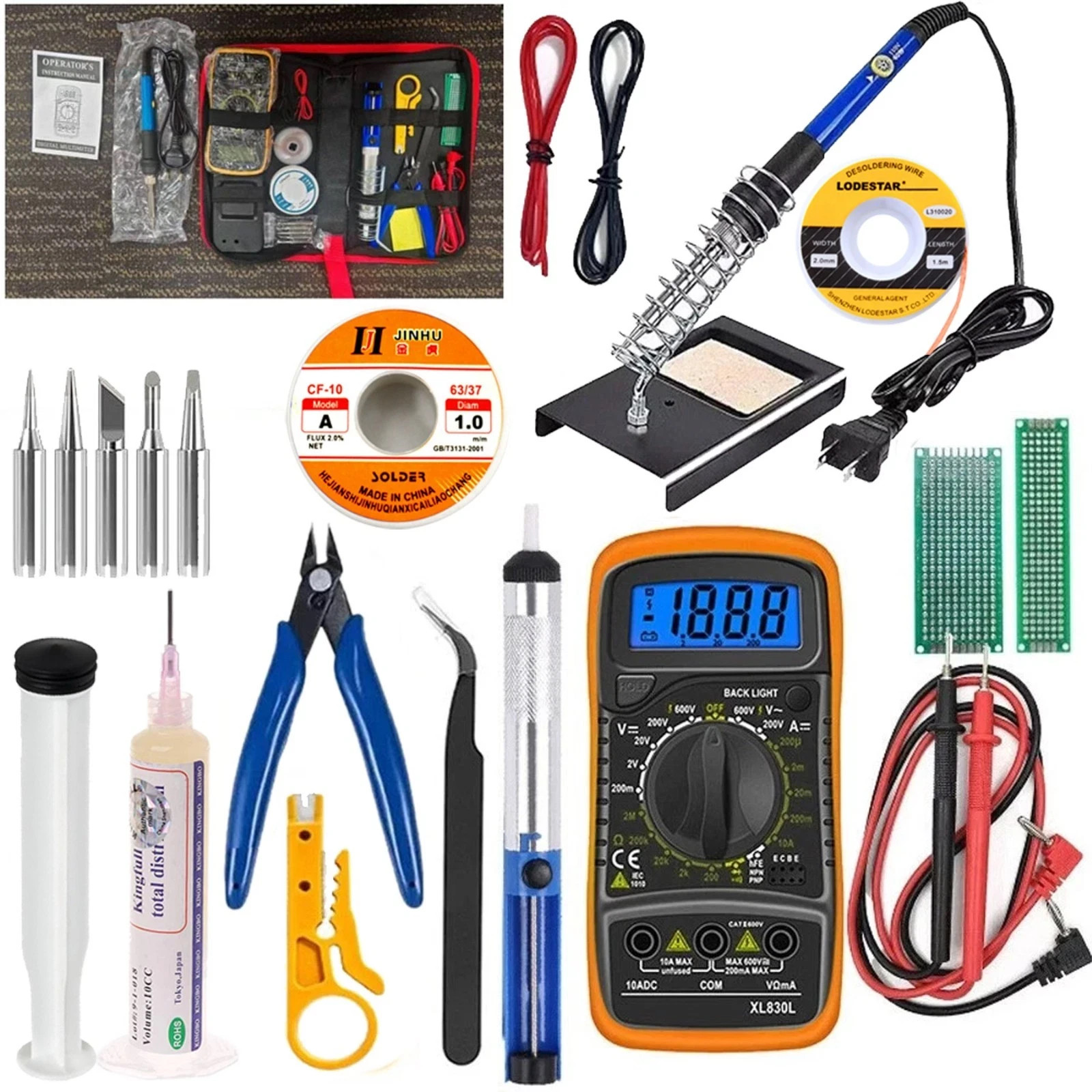 80W Electric Soldering Iron Welding Gun Tool Kit Solder Wire Desoldering Pumps$21.95View on eBay
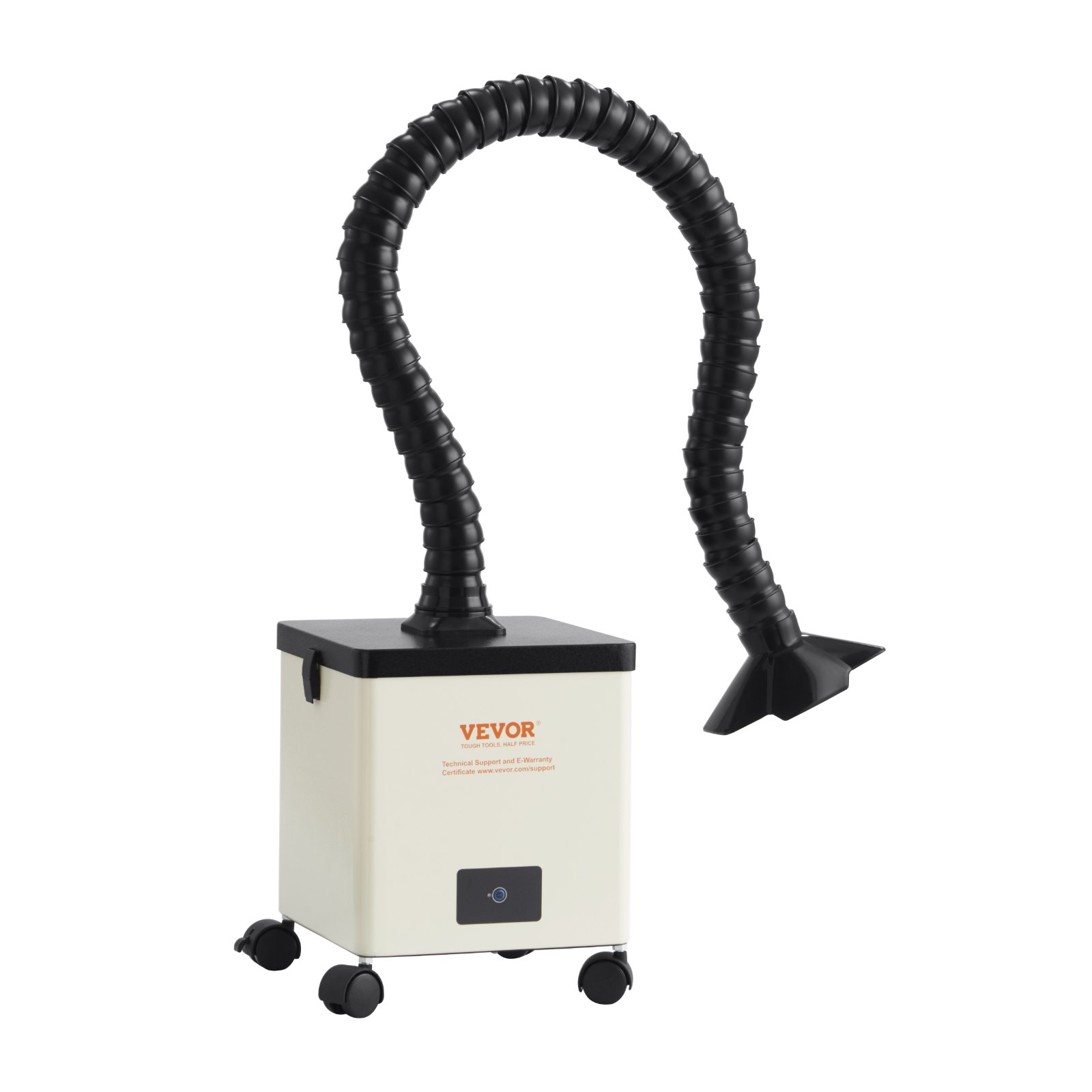 Solder Fume Extractor, 100W Soldering Smoke With 3-Stage Filters, 240 M³/h Strong Suction Absorber And Purifier For Engraving, DIY Welding, Salon$225.99View on Mallflare
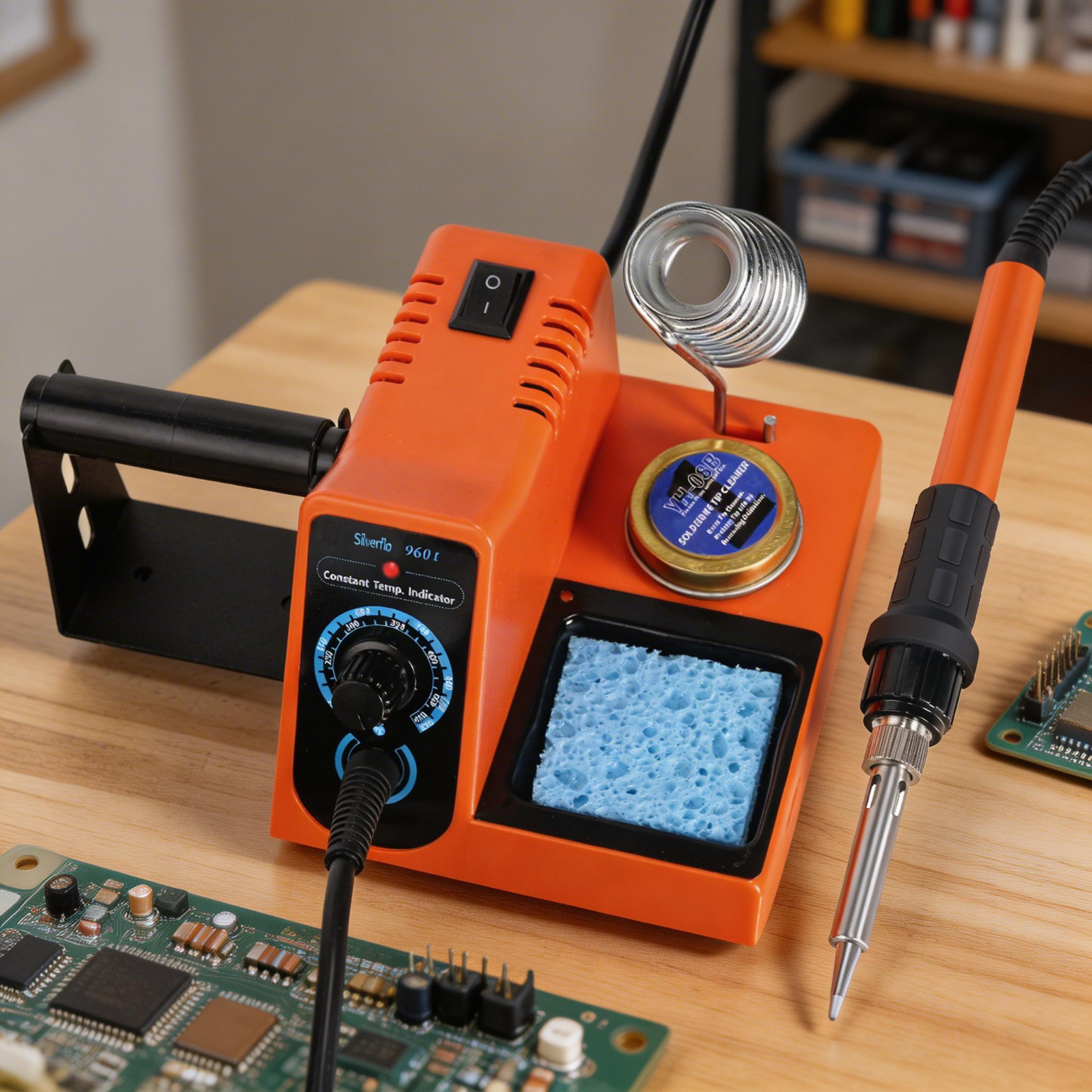 100W Digital or 60W solder iron110V Soldering Station Kit Adjustable Temperature$29.99View on eBay
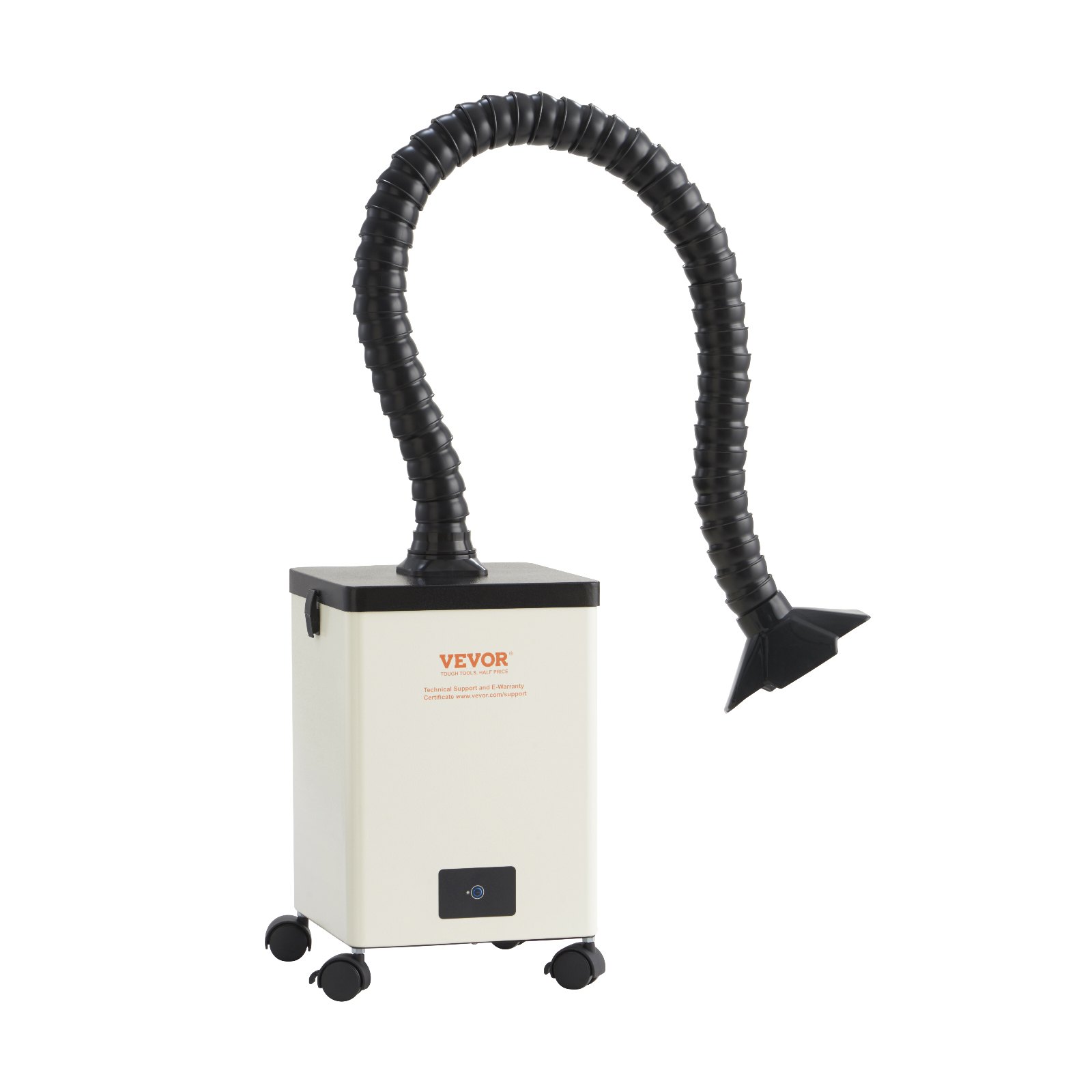 Solder Fume Extractor, 150W Soldering Smoke With 3-Stage Filters, 332 M³/h Strong Suction Absorber And Purifier For Engraving, DIY Welding, Salon$237.99View on Mallflare
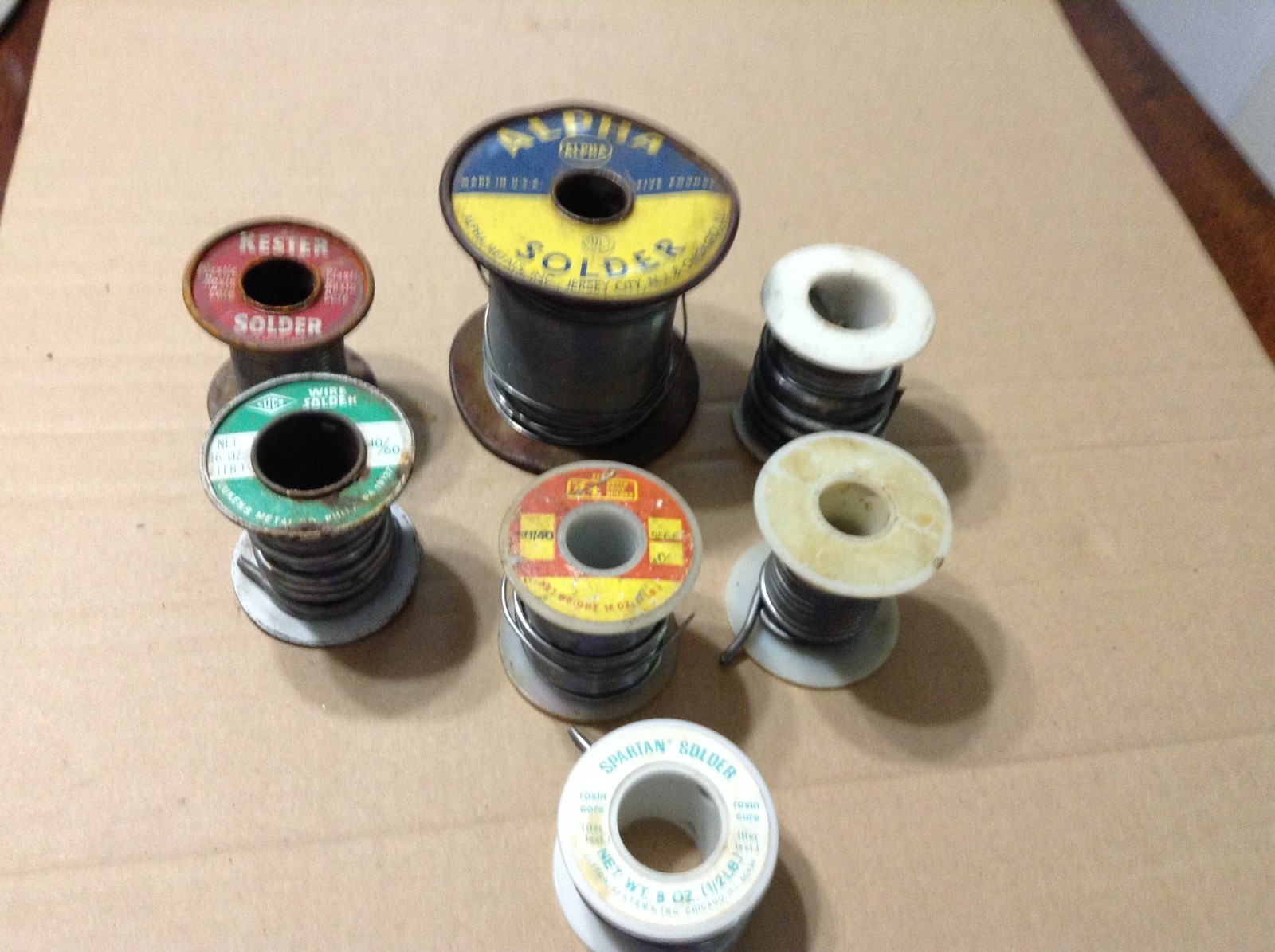 Lot of Solder Spools Over 6 Pounds! Various Sizes 7 Rolls Used SEE PICTURES !$32.00View on eBay
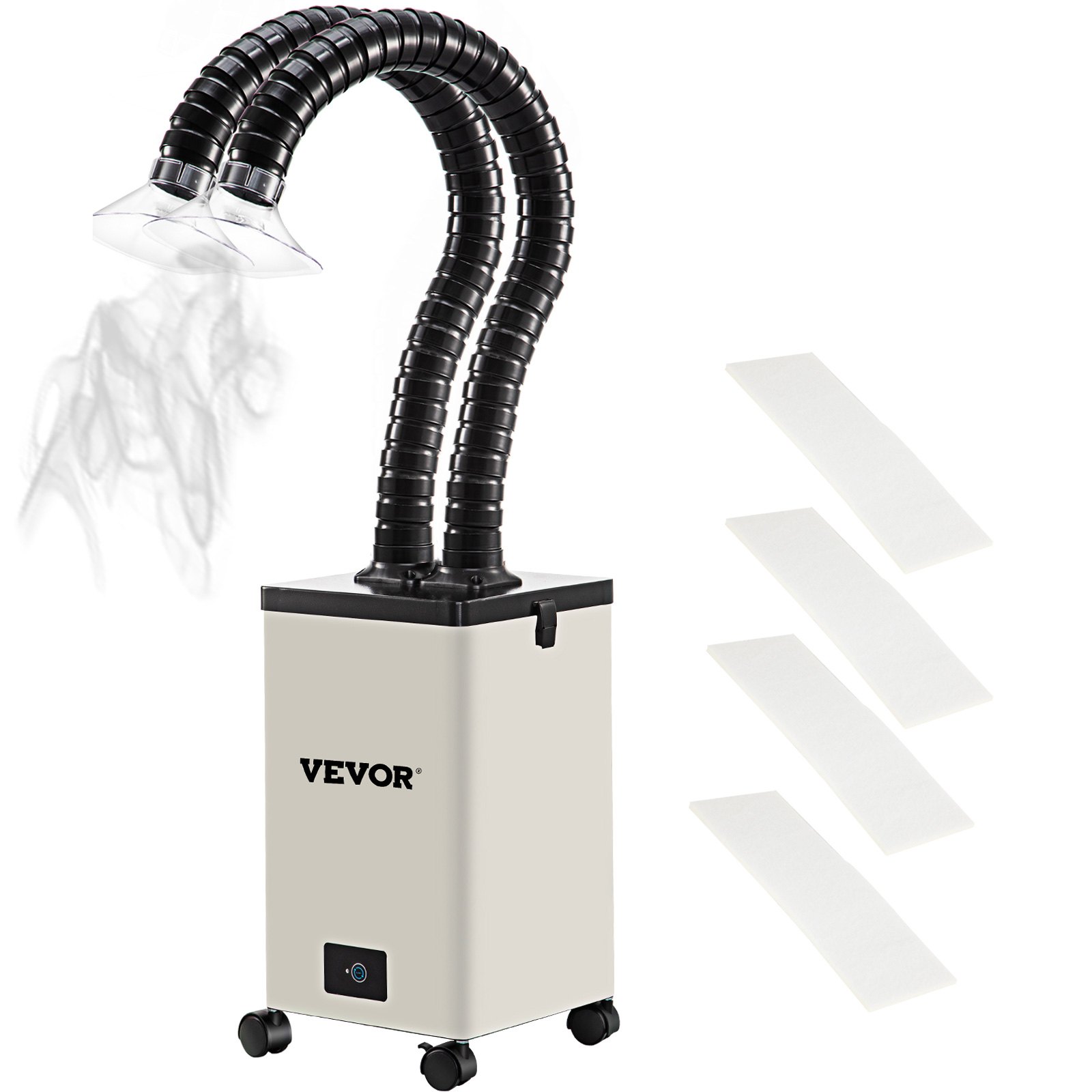 Solder Fume Extractor, 150W 165CFM Soldering Smoke With 3-Stage Filters, 3 Speed Adjustable Absorber And Purifier For Engraving, DIY Welding, Salon$325.99View on Mallflare
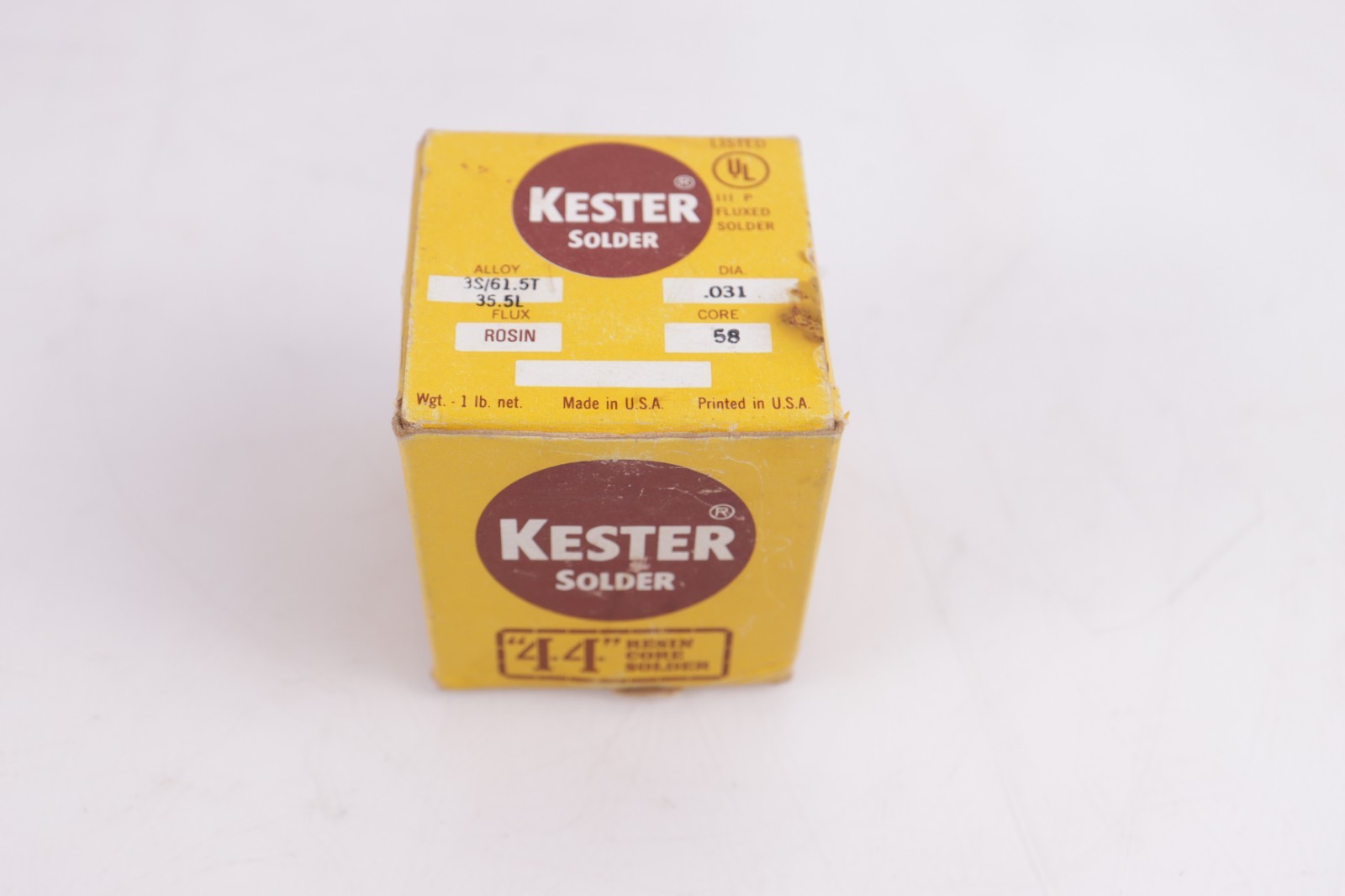 Kester 44 Rosin Core Solder – 1 lb Spool – .031" Diameter – USA Made$49.99View on eBay
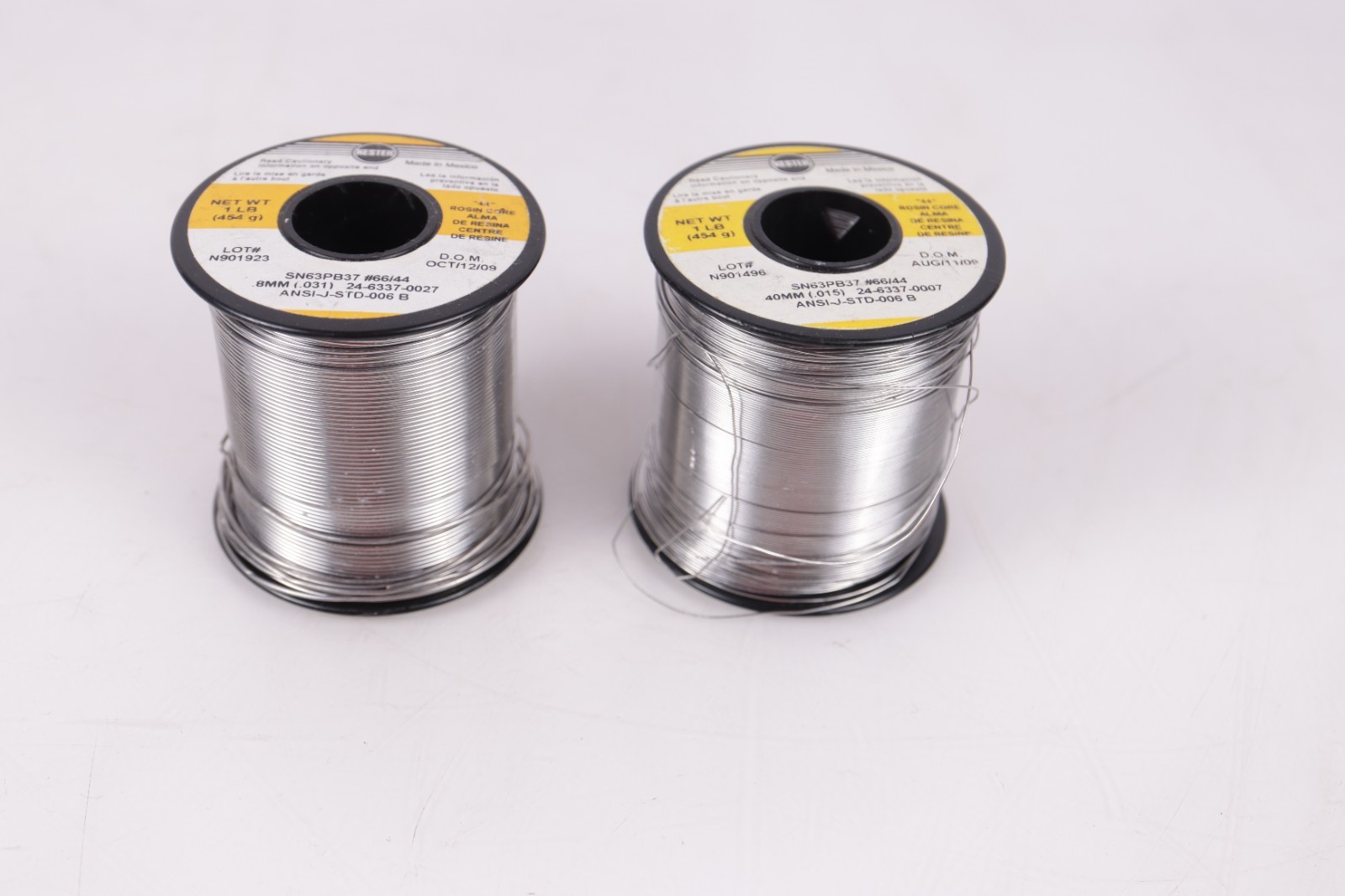 Kester 63/37 Rosin Core Solder – 1 lb Spools – .031 & .015 – Lot of 2$69.99View on eBay
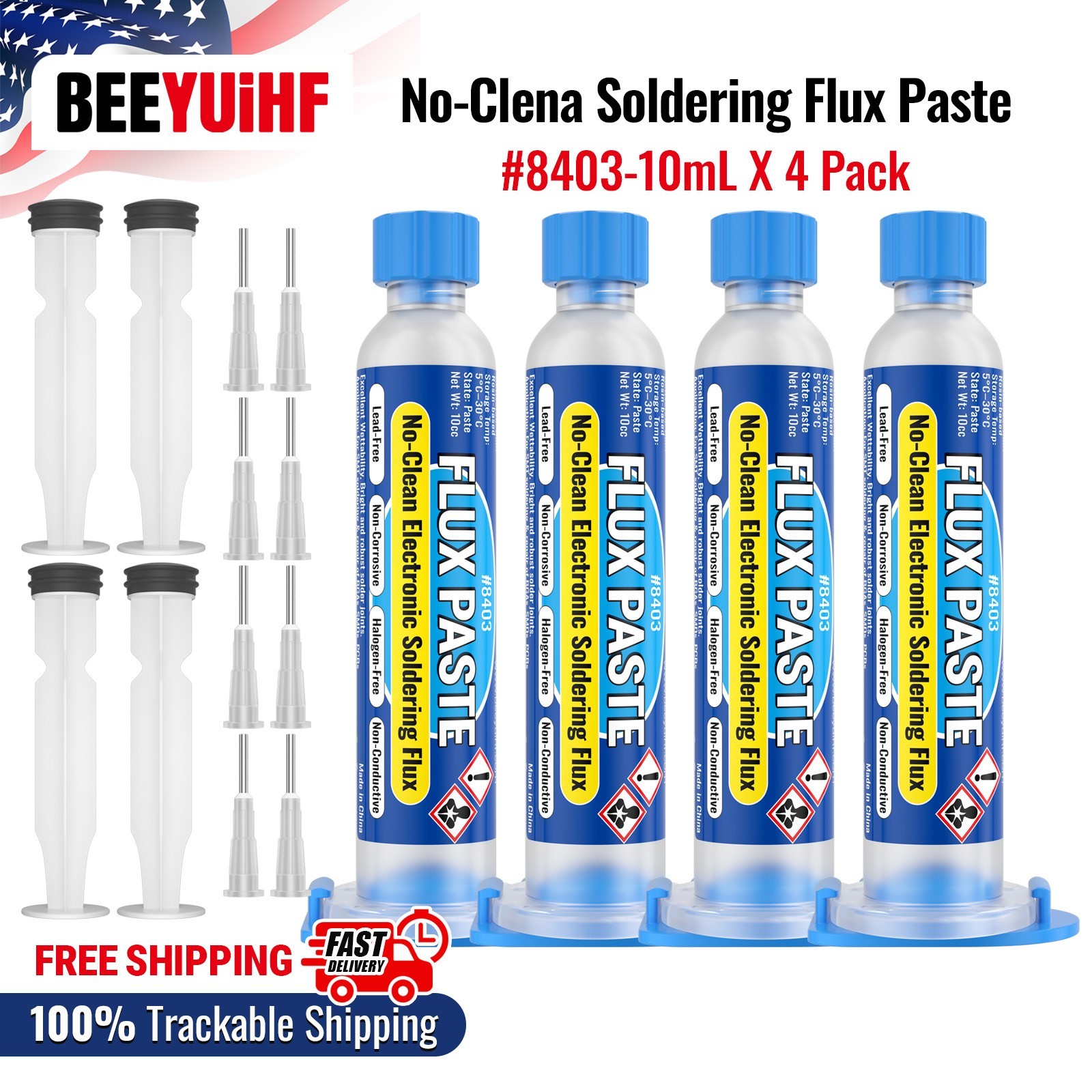 BEEYUIHF No Clean ROSIN Solder Flux Paste RMA Flux for Electronics 4PCS x 10mL$12.45View on eBay
Highlights
- Eutectic 63/37 SnPb melts at a single 183°C point with no plastic phase, giving instant solidification and minimal cold joints vs 60/40's 183-190°C slushy range.
- Lead-free SAC305 (96.5% Sn / 3% Ag / 0.5% Cu) melts at 217-220°C, requiring roughly 30-40°C higher iron tip temperature and more aggressive flux.
- Rosin-core flux content of 1.5-2% suits most hand soldering; no-clean and water-soluble cores trade residue cleanup for board compatibility.
- Wire diameter governs joint fit: 0.6-0.8 mm for through-hole and stained-glass seams, 0.3-0.5 mm for fine SMD and pad work, 1.0-1.5 mm for heavy lugs and ground planes.
Best use cases
- Best fit for PCB repair and DIY electronics: 63/37 or 60/40 rosin-core in 0.6-0.8 mm with a 60-80W temperature-controlled iron; skip lead-free until you have 350-380°C tip capability and practice.
- Best fit for stained glass: 60/40 solid or rosin-core in 1.0-1.5 mm for copper-foil and lead-came seams; skip 0.3 mm fine wire, which cannot feed fast enough on long seams.
- Best fit for regulated/RoHS production: SAC305 no-clean in 0.5-0.8 mm paired with a 350-400°C station; skip 60/40 entirely where lead-free compliance is contractually or legally required.
Buying tips
- Match alloy first: 63/37 for lowest melting point and easiest hand work, 60/40 for slightly wider plastic range and lower cost, SAC305 only for lead-free compliance.
- Size wire to joint: 0.6-0.8 mm covers most through-hole and stained-glass work; go 0.3-0.5 mm only for SMD and 1.0 mm+ for heavy connectors.
- Choose flux core deliberately: rosin (RMA) for general electronics, no-clean for boards that cannot be washed, water-soluble only when you will clean residues.
- Buy fresh spools from known alloy brands: oxidized or off-ratio solder causes cold joints, and unmarked spools cannot be trusted for alloy or diameter.
Specs
| Alloy | 63/37 SnPb, 60/40 SnPb, SAC305 Pb-free |
|---|---|
| Wire Diameter | 0.3-1.5 mm (0.6-0.8 mm general) |
| Flux Core | Rosin / No-clean / Water-soluble |
| Melting Point | 183°C SnPb vs 217-220°C SAC305 |
Related searches
What to check before buying
- Confirm your iron or station reaches 350-380°C for lead-free and 300-330°C for 63/37; underpowered irons cannot wet SAC305 joints.
- Check joint geometry and tip size: fine 0.3-0.5 mm wire needs a fine conical tip, while 1.0 mm+ wire needs a chisel tip for heat transfer.
- Verify ventilation or fume extraction for rosin flux, and skin/eye protection plus lead-free discipline if using SnPb around children or food areas.
- Confirm spool net weight (typically 0.5-1 lb), wire diameter marking, and alloy label before committing to a multi-spool lot.
FAQ
Data sources: eBay / Amazon listings and product attribute feeds Data updated Nov 20, 2026.
Some links on this page are affiliate links. If you buy after clicking one, we may earn a commission at no extra cost to you. This does not change which products appear here or their order. Affiliate disclosure.