Photos from current listings. Actual item, color, and included accessories may vary.
Solder Flux Buying Guide
Solder flux is the chemical agent that removes surface oxides so molten solder can wet and bond to pads and component leads; the core trade-off is activity versus residue—stronger rosin and acid fluxes clean oxidized joints but leave corrosive or conductive leftovers, while no-clean formulations are safer for fine electronics but demand clean, well-tinned surfaces. The decision rule: for PCB and component-level repair choose a no-clean or RMA rosin flux matched to your alloy and tip geometry, and reserve acid or highly active fluxes for non-electronic metalwork only.

At a glance
- Category
- Soldering & Electronics Repair Tools
- Data updated
- Nov 20, 2026
Current offers
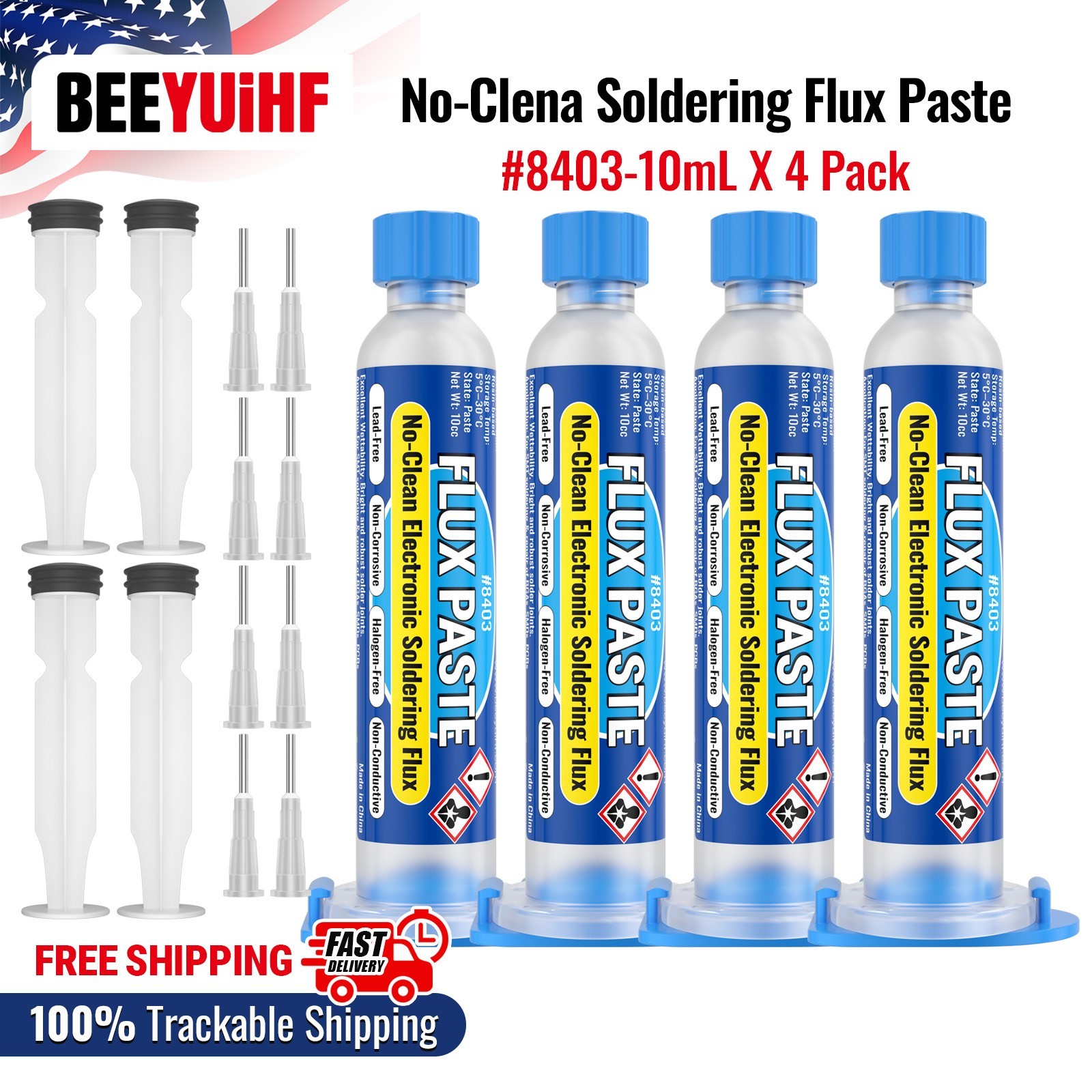 BEEYUIHF No Clean ROSIN Solder Flux Paste RMA Flux for Electronics 4PCS x 10mL$12.45
 View on eBay
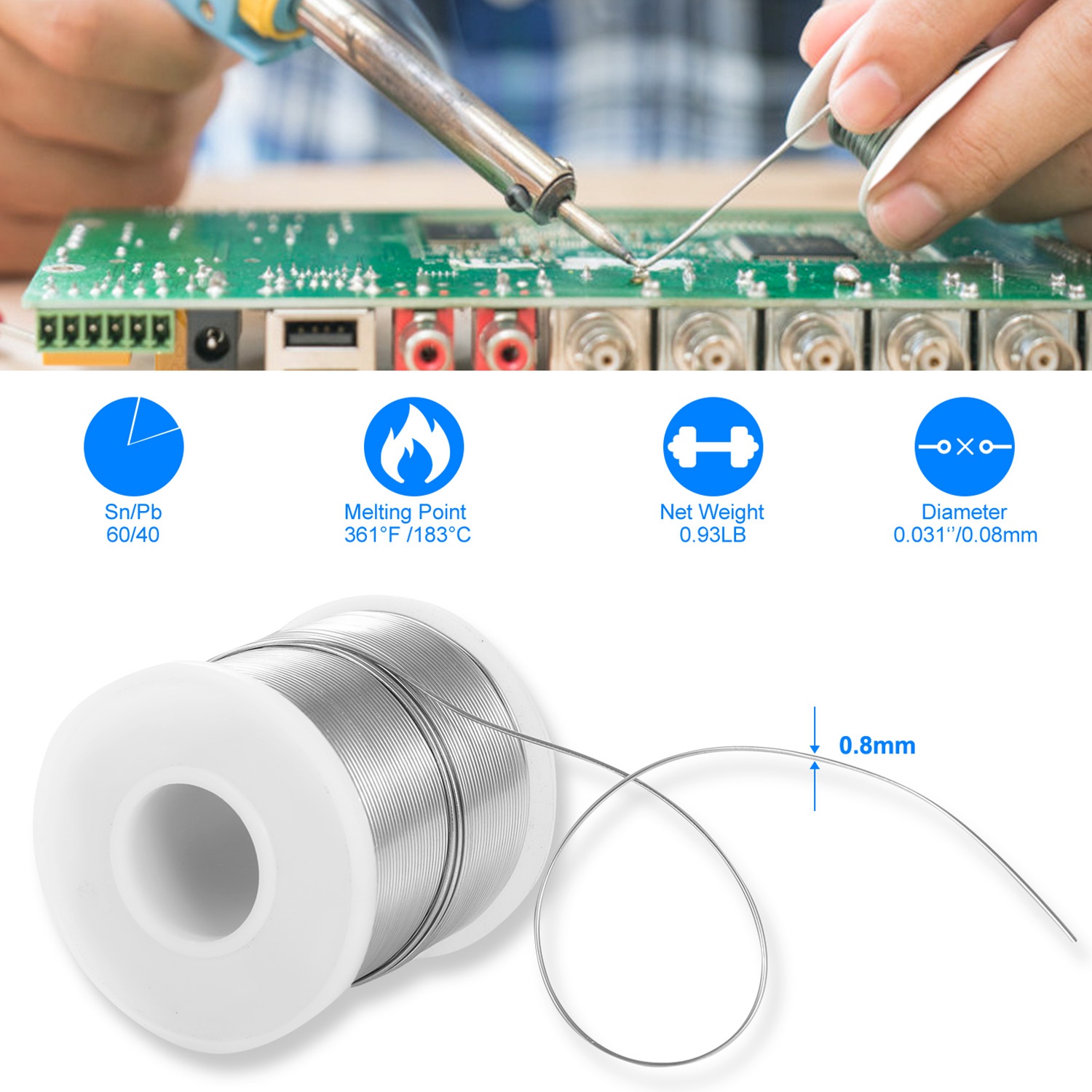 Soldering Wire 60 40 Tin Lead Rosin Core 0.031In 0.8mm 1.7 Percent Flux Electrical Solder Sn60 Pb40 1lb$35.99
 View on Mallflare
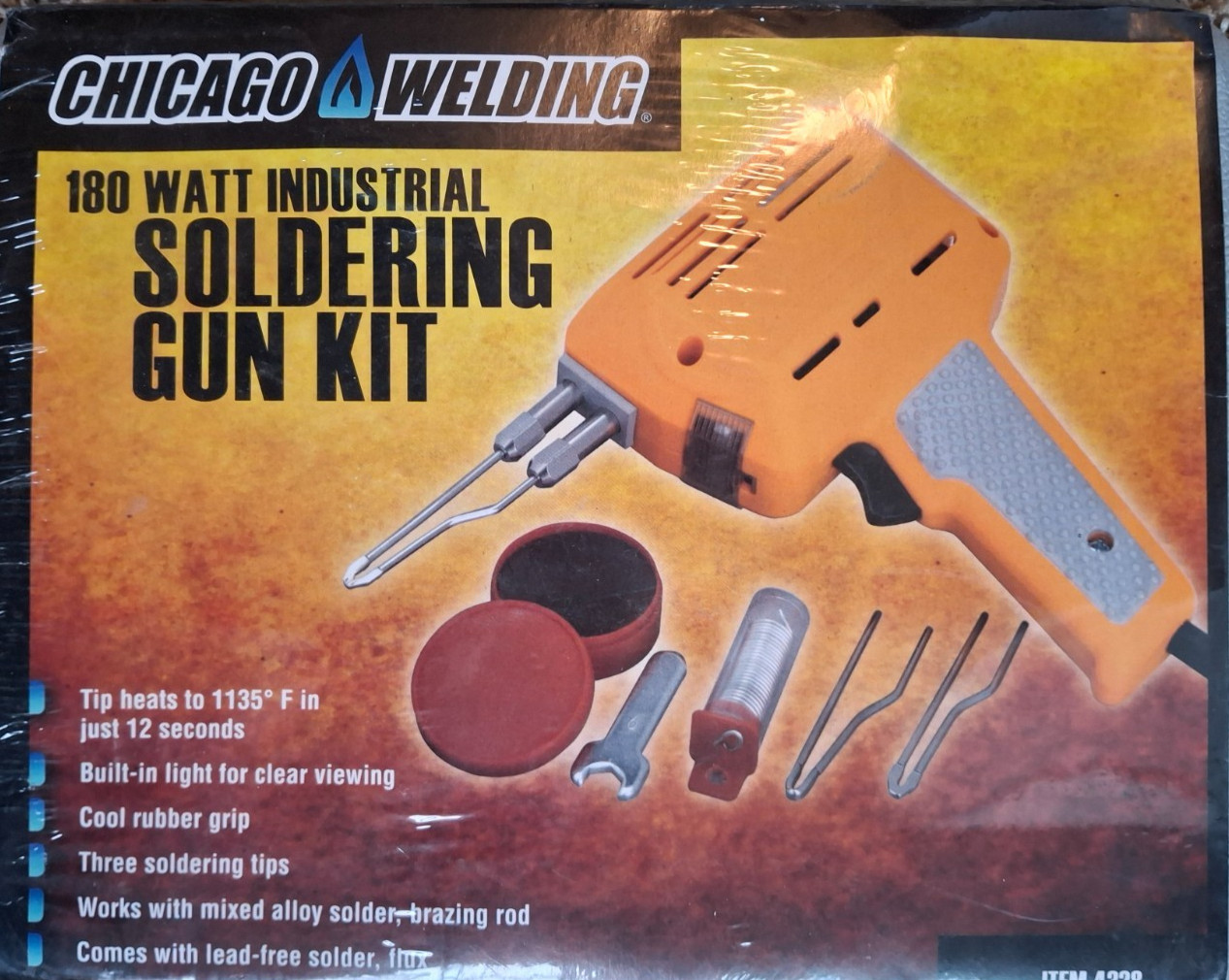 Chicago Electric Welding 180W Industrial Soldering Gun Kit w/ Tips Flux & Solder$19.99View on eBay
 Soldering Wire 60/40 Tin Lead Rosin Core 0.031'/0.8mm 1.7% Flux Electrical Solder Sn60 Pb40 1lb$37.99View on Mallflare
Highlights
- Flux activity tiers: R (rosin, mild), RMA (rosin mildly activated, general electronics), RA (rosin activated, stronger but residue must be cleaned), and water-soluble/organic (most active, mandatory cleaning).
- No-clean flux leaves benign, non-corrosive residue safe to leave on boards, but requires an already-clean, oxide-free surface and adequate tip temperature to wet properly.
- Form factor governs delivery: gel/paste fluxes stay put on vertical joints and rework pads, liquid pens/tubes flow into through-holes, and rosin-core solder carries flux internally for single-pass joints.
- Alloy compatibility matters: rosin and no-clean fluxes pair with Sn60/Pb40 and SAC305 lead-free alloys, but lead-free's higher melting point needs more active flux or higher tip temperature.
Best use cases
- Best fit: PCB rework, SMD drag-soldering, and header pins—pick a no-clean gel or RMA rosin paste in a syringe for precise placement; skip acid plumbing flux entirely.
- Best fit: through-hole and wire-to-pad joints—use 60/40 rosin-core solder (Sn60 Pb40, ~1.7% flux core) for one-step soldering; skip separate flux only if the joint is already clean and tinned.
- Wrong fit: stained-glass, sheet-metal, or plumbing work with no-clean electronics flux—choose a dedicated acid or high-activity flux for those metals and never introduce it to a PCB.
- Wrong fit: leaving RA or water-soluble flux residue on a finished board—these are corrosive/conductive and must be cleaned with isopropyl alcohol or dedicated flux remover.
Buying tips
- Match flux to alloy: use RMA or no-clean rosin flux with Sn60/Pb40 and SAC305; for lead-free, choose a no-clean flux rated for higher temperatures rather than increasing iron temperature alone.
- For SMD and fine-pitch rework, choose gel or paste flux in a syringe (roughly 10 mL tubes) for controlled deposition; for through-hole, a liquid flux pen or rosin-core solder is faster.
- Rosin-core solder flux percentage typically runs about 1.5–2% by weight; 1.7% Sn60 Pb40 rosin-core is a standard electronics grade for general repair.
- Avoid acid-core or plumber's flux on electronics; it leaves corrosive chloride residues that cause shorts and corrosion even after cleaning attempts.
Specs
| Flux Activity | R / RMA / RA / No-clean / Water-soluble |
|---|---|
| Form Factor | Gel paste / Liquid pen / Rosin core |
| Alloy Match | Sn60 Pb40 / SAC305 lead-free |
| Residue Handling | No-clean leave-on vs must-clean |
Related searches
What to check before buying
- Confirm your solder alloy (leaded Sn60/Pb40 vs lead-free SAC305) and pick a flux formulated for it—mismatched activity causes poor wetting or residue issues.
- Check workspace ventilation: rosin flux fumes are an irritant, so a fume extractor or open-window airflow is required for sustained bench work.
- Have isopropyl alcohol (90%+) or flux remover and swabs on hand if using RMA, RA, or water-soluble flux, since residue must be cleaned.
- Verify tip and iron compatibility: gel/paste flux needs a clean, tinned tip at the right temperature; rosin-core solder requires enough flux core for the joint size.
FAQ
Data sources: eBay / Amazon listings and product attribute feeds Data updated Nov 20, 2026.
Some links on this page are affiliate links. If you buy after clicking one, we may earn a commission at no extra cost to you. This does not change which products appear here or their order. Affiliate disclosure.