Photos from current listings. Actual item, color, and included accessories may vary.
Soldering Flux Paste Buying Guide
Soldering flux paste is the chemical enabler that removes oxidation and lowers surface tension so molten solder wets pads and component leads; it is not solder itself. The core trade-off is activity versus residue safety: high-activity inorganic or halide-rich pastes clean heavily oxidized joints but are corrosive and conductive if left on the board, while no-clean and rosin-based pastes are benign but demand clean, well-tinned surfaces. The decision rule: match flux class to joint cleanliness and post-solder cleaning capability—use no-clean or rosin (R/RMA) for repairable electronics you will not wash, and reserve water-soluble or high-activity pastes for bare metal prep and joints you can fully rinse and neutralize.

At a glance
- Category
- Soldering & Electronics Repair Tools
- Data updated
- Nov 20, 2026
Current offers
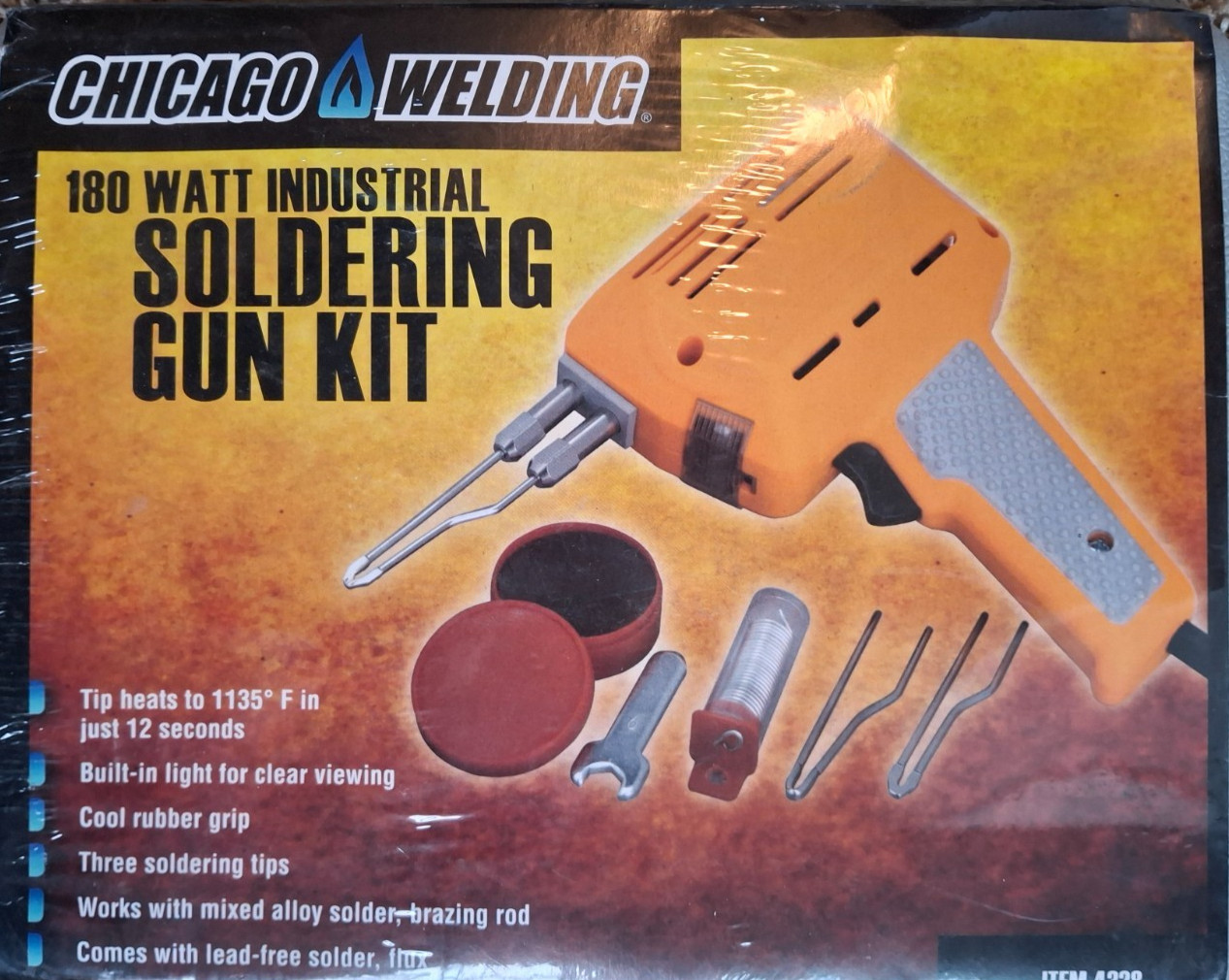 Chicago Electric Welding 180W Industrial Soldering Gun Kit w/ Tips Flux & Solder$19.99
 View on eBay
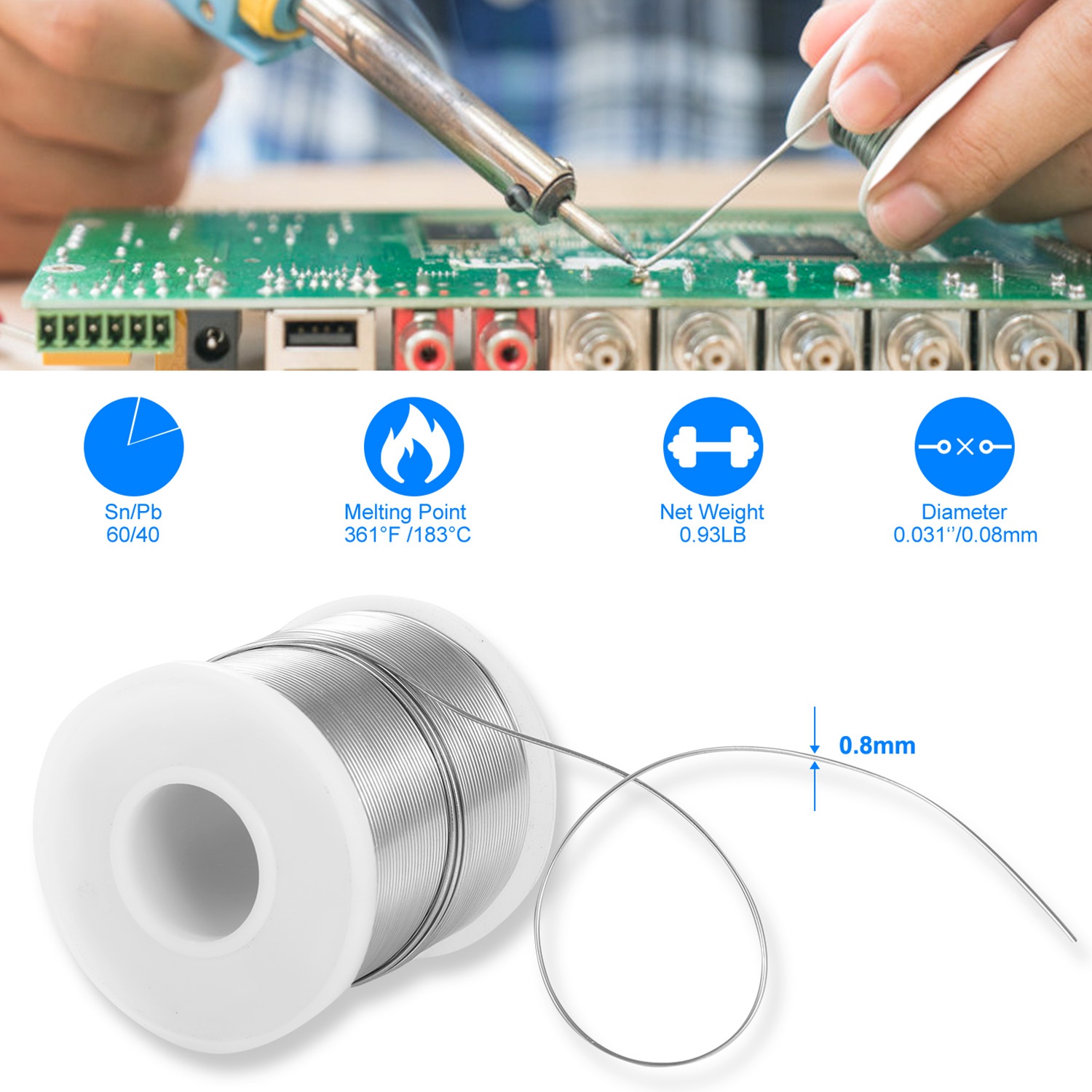 Soldering Wire 60 40 Tin Lead Rosin Core 0.031In 0.8mm 1.7 Percent Flux Electrical Solder Sn60 Pb40 1lb$35.99
 View on Mallflare
 Soldering Wire 60/40 Tin Lead Rosin Core 0.031'/0.8mm 1.7% Flux Electrical Solder Sn60 Pb40 1lb$37.99View on Mallflare
Highlights
- Flux activity is classified by standard: R (rosin) and RMA (moderately activated rosin) are mild and safe for electronics; RA and water-soluble pastes are highly active and require complete residue removal.
- Halide content drives corrosivity: no-clean pastes typically carry <0.5% halides by weight, while high-activity pastes can exceed 2% and will etch fine traces if left on the board.
- Paste viscosity matters as much as chemistry—thick gel pastes stay put for drag soldering and header pins, while low-viscosity liquid fluxes wick under SMD packages and into through-hole barrels.
- Rosin-core solder wire (e.g., Sn60/Pb40 with 1.7% flux core) delivers flux only at the joint during melting, whereas separate flux paste is required for pretinning pads, rework, and oxidized surfaces the wire cannot wet.
Best use cases
- Best fit: no-clean or RMA rosin paste in a syringe for SMD rework and through-hole repair where you cannot wash the board—pick a gel viscosity that holds a bead on the pad.
- Best fit: water-soluble or high-activity paste for pretinning oxidized copper pads, tarnished headers, and chassis grounds—only when you can rinse with distilled water and dry thoroughly.
- Wrong fit: high-activity RA or inorganic acid paste on populated PCBs with fine-pitch ICs—residue wicks under packages and causes dendritic shorts you cannot clean out.
- Wrong fit: relying on rosin-core wire alone for heavily oxidized or previously reworked joints—add separate paste flux to the pad, not more wire, to restore wetting.
Buying tips
- Match flux class to cleaning ability: choose no-clean or RMA paste for boards you will not wash; choose water-soluble only when a full distilled-water rinse and dry is practical.
- For electronics rework, select a gel or paste viscosity in a syringe or small tub—liquid fluxes run under components and are harder to control on vertical boards.
- Check the halide designation: no-clean paste should state low halide or halide-free; RA/water-soluble pastes will list active halide content and require removal.
- Do not substitute acid plumbing flux or inorganic paste on electronics—zinc chloride and similar activators are conductive and corrosive to copper traces and solder joints.
Specs
| Flux Class | Rosin R/RMA / No-clean / Water-soluble |
|---|---|
| Halide Content | No-clean <0.5% / High-activity >2% |
| Form & Viscosity | Gel paste / Liquid / Syringe / Tub |
| Activation Temp | 150–250°C typical rosin/no-clean |
Related searches
What to check before buying
- Confirm your iron or gun tip temperature reaches the paste's activation range—most rosin and no-clean pastes activate around 150–250°C and burn off above 350°C.
- Verify you have isopropyl alcohol (90%+) or a specified flux remover and swabs if using RMA or water-soluble paste, since residue must be removed.
- Check board accessibility: syringe or fine-tip applicator needed for fine-pitch SMD; tub or jar paste is fine for through-hole and wire tinning.
- Match solder alloy to flux compatibility—Sn60/Pb40 and Sn63/Pb37 rosin-core wires pair with rosin or no-clean paste; lead-free SAC alloys benefit from higher-activity no-clean paste.
FAQ
Data sources: eBay / Amazon listings and product attribute feeds Data updated Nov 20, 2026.
Some links on this page are affiliate links. If you buy after clicking one, we may earn a commission at no extra cost to you. This does not change which products appear here or their order. Affiliate disclosure.