Choosing between FDM 3D printers can feel like comparing machines from different lanes: do you need an industrial system for oversized parts, or a large-format printer for connected, mixed-material projects? The right answer depends less on the shared FDM label than on scale, workflow, and how narrowly your projects are defined.
Quick verdict
These two are not interchangeable purchases. The Large-Format Industrial FDM Printer is the scale-first choice; Flashforge Guider II is the connected, broad-audience choice. The listed price gap is substantial enough to act as a first filter. Start with the industrial model when a large single-piece format is central; start with Flashforge when the project mix is broader.
Listed-price and attribute snapshot
| Comparison | Large-Format Industrial FDM Printer | Flashforge Guider II |
|---|---|---|
| Listed price | USD 28,500.00 | USD 899.81 |
| 3D technology | FDM | FDM |
| Highlighted specifications | Dual extruder; adjustable layer thickness and print speed; 120°C bed | Wi-Fi; PLA, ABS, and PETG compatibility; 1.75 mm filament |
Where each one wins
Large-Format Industrial FDM Printer wins for full-scale tooling, oversized functional parts, and long-duration production because those are the jobs its description directly prioritizes. It also suits projects where making a component in one piece is more useful than planning around segmentation.
Flashforge Guider II wins for a wider audience: the description names serious hobbyists, makers, engineers, schools, and production environments. That positioning makes it the more natural match when one printer must cover several kinds of prototyping and general print work.
Large-Format Industrial FDM Printer
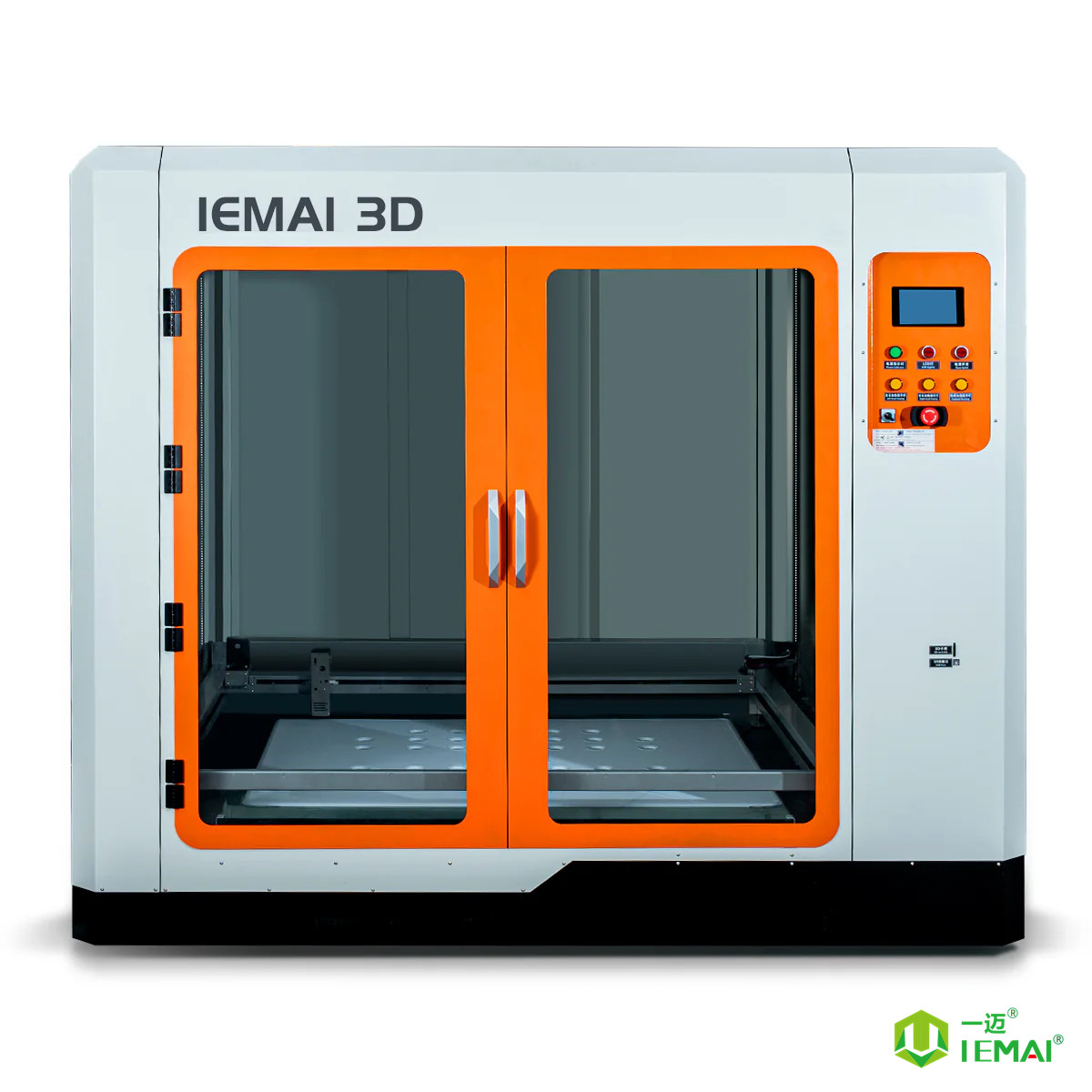
Choose the IEMAI YM-NT-1000 when your work depends on the stated scale and single-piece manufacturing. The printer is specified at 1000×1000×1000 mm, and its description emphasizes a heated chamber, fully enclosed construction, and long-duration production. That is the concrete reason to choose it: large components can be planned around the stated maximum print size rather than a segmented workflow. The limitation is physical commitment: the listed chassis measures 1890 mm long, 1450 mm wide, and 1600 mm high. That footprint deserves deliberate workspace planning, and the industrial scope may be unnecessary for smaller prototyping routines. Select it when the large-format brief is central, not merely nice to have.
Flashforge Guider II
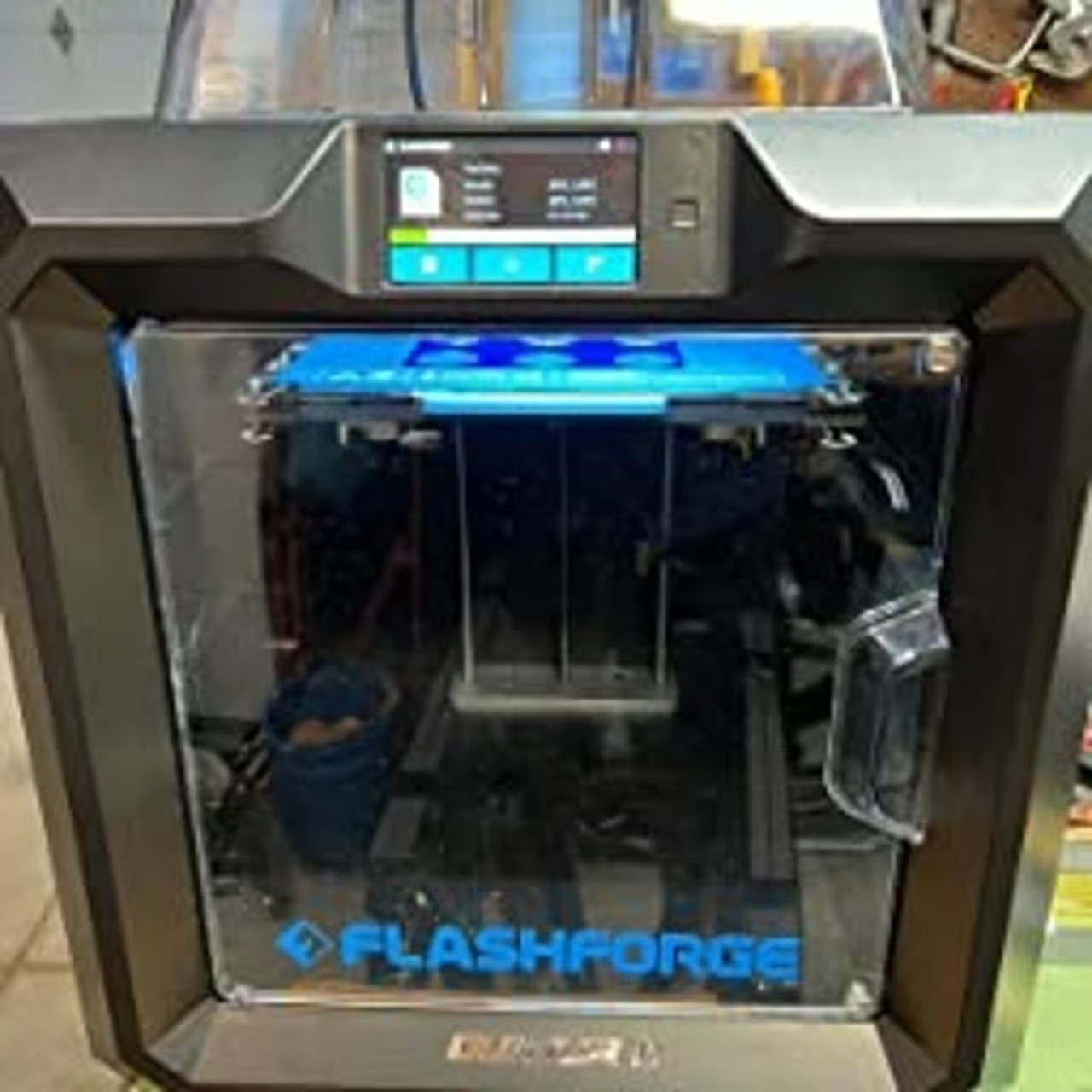
The Flashforge Guider II makes a clear case for a connected, broad-use workflow. Its named features include Wi-Fi connectivity, touchscreen controls, resume printing, and a heated build plate; its stated filament compatibility covers PLA, ABS, and PETG at 1.75 mm. The description also places it with serious hobbyists, makers, engineers, schools, and production environments. That makes it a sensible match for a varied project queue rather than a printer chosen solely for oversized tooling. The limitation is scope: the product presentation is not centered on the full-scale industrial tooling role emphasized by the IEMAI model. Choose the Guider II when its connectivity, touchscreen controls, and named filament range align with the work you plan to print.
Final choice by use case
- For tooling or oversized functional parts: choose the Large-Format Industrial FDM Printer, whose 1000×1000×1000 mm maximum print size and heated-chamber description directly match that brief.
- For hobbyist, maker, school, engineering, or varied prototyping work: choose Flashforge Guider II, because those audiences are explicitly named in its description.
- When workspace is a deciding constraint: favor Flashforge over the industrial model's listed 1890×1450×1600 mm chassis.
- When dual-nozzle production features matter: choose the Large-Format Industrial FDM Printer, which names a dual extruder in its specifications.
The cleanest decision rule is conditional: match the IEMAI machine to the industrial-scale brief, and match the Guider II to a broader printing routine.