Photos from current listings. Actual item, color, and included accessories may vary.
Bar Clamp Buying Guide
Bar clamps are the backbone of woodworking glue-ups and assembly, defined by their bar length, throat depth, and clamping force system. The primary trade-off is between lightweight one-handed quick-grip clamps with plastic bodies and lower load limits, and heavy-duty F-style or parallel bar clamps with cast-iron jaws and steel bars for high-pressure work. The clear decision rule: for glue-ups under 300 lbs and frequent repositioning, choose one-handed triggers; for cabinet, table, and joint work demanding 600 lbs or more, step up to cast-iron F-clamps or parallel clamps.

At a glance
- Category
- Woodworking Clamps, Jigs & Joinery
- Data updated
- Nov 20, 2026
Current offers
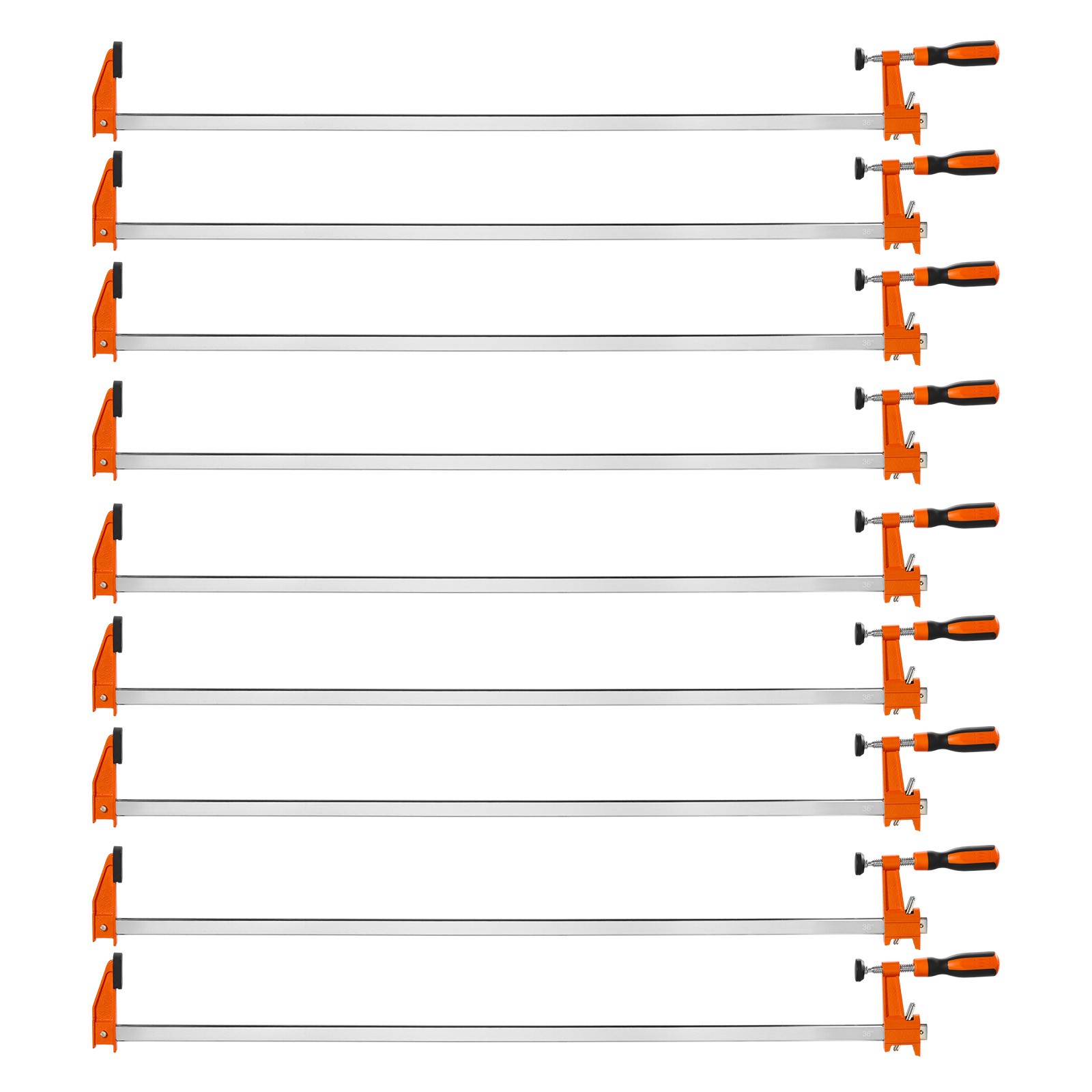 Uimoso 36" Woodworking Bar Clamps, 8-Pack, 600 lbs Load Capacity$64.99
 View on eBay
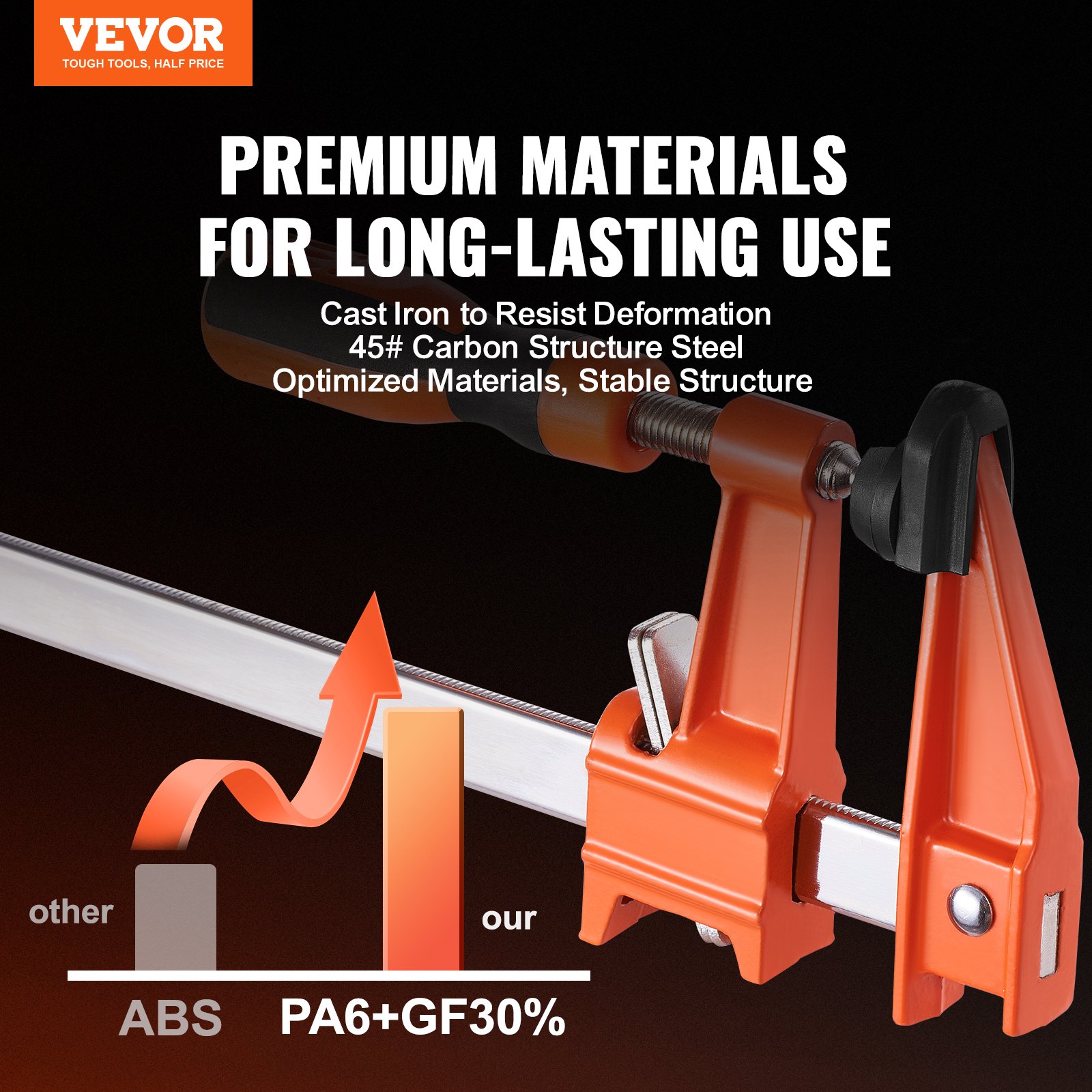 Bar Clamps For Woodworking, 2Pack Clamp Spreader, Quick-Change F With 600 Lbs Load Limit, Throat Depth, Cast Iron And Carbon Steel, Wood For Metal Working$27.99
 View on Mallflare
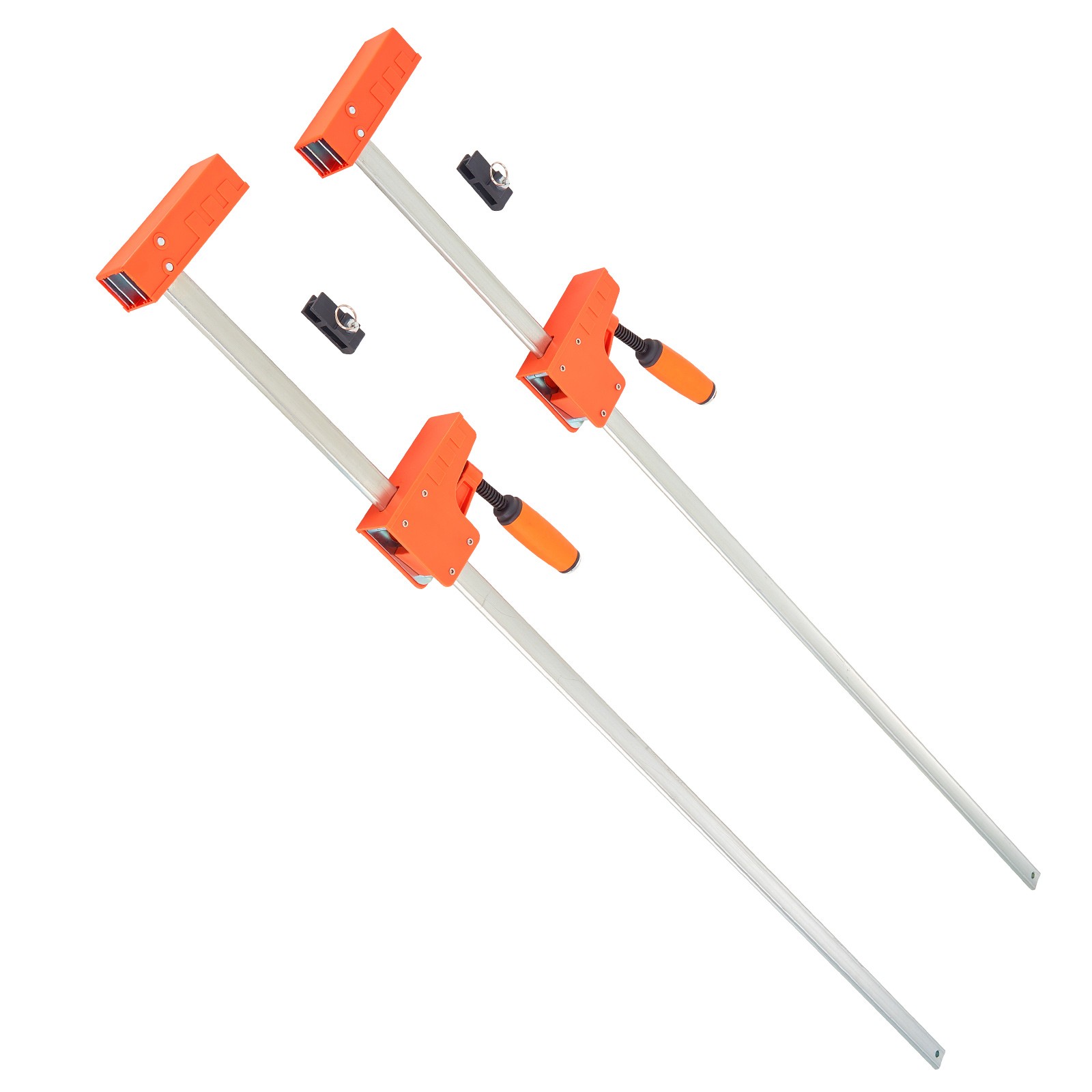 Bar Clamps for Woodworking 2-Pack 50" Parallel Clamp Set 1100 lbs Load$73.99View on eBay
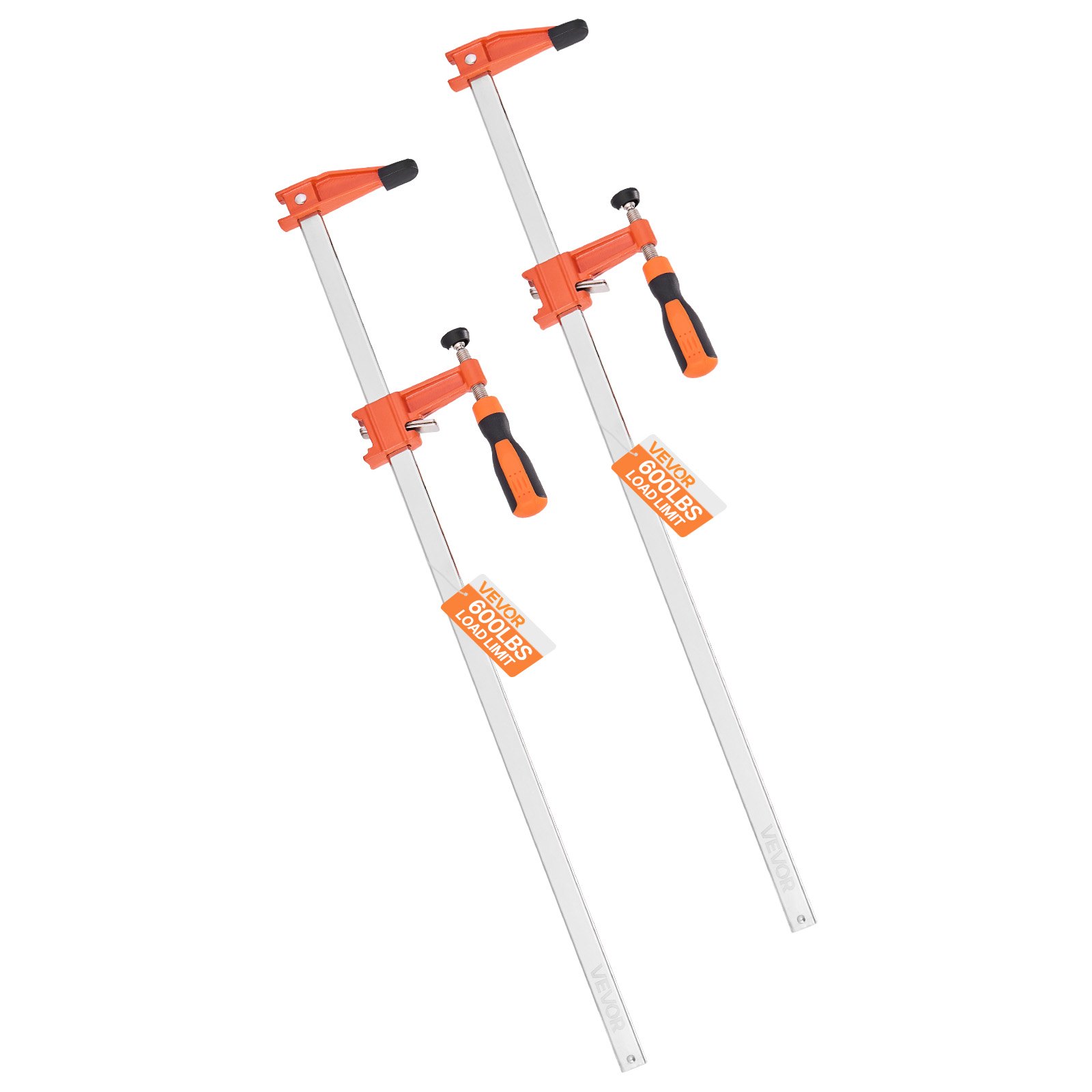 Bar Clamps For Woodworking, 2-Pack 24 Inch Opening, Lockable F-Clamp With 600 Lbs Load Limit, 2-1/2 Depth, Cast Iron And Carbon Steel, Easy To Use, Wood For Metal Working$27.99View on Mallflare
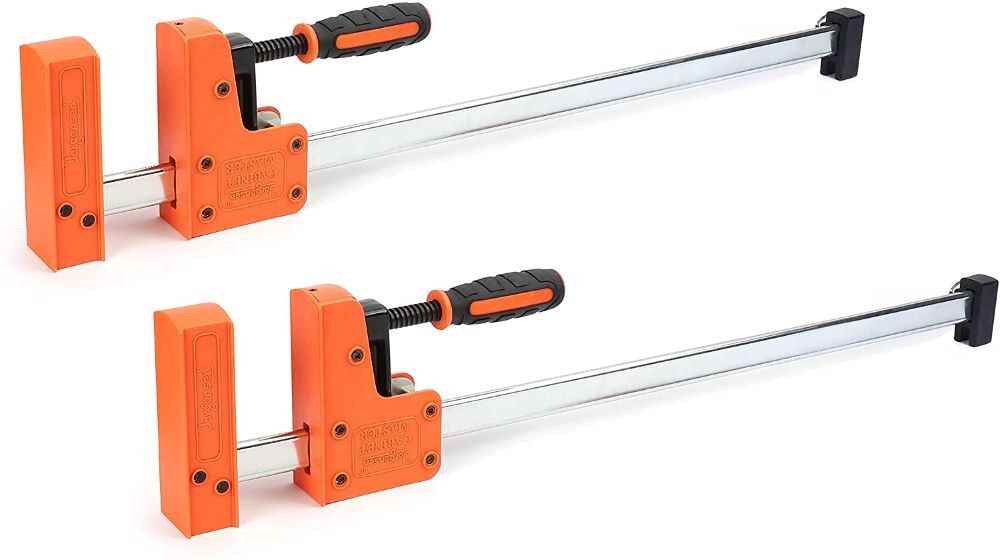 Jorgensen 24''/36''/48'' Bar Clamp 2-pack set 90° Parallel Jaw Clamp Woodworking$85.99View on eBay
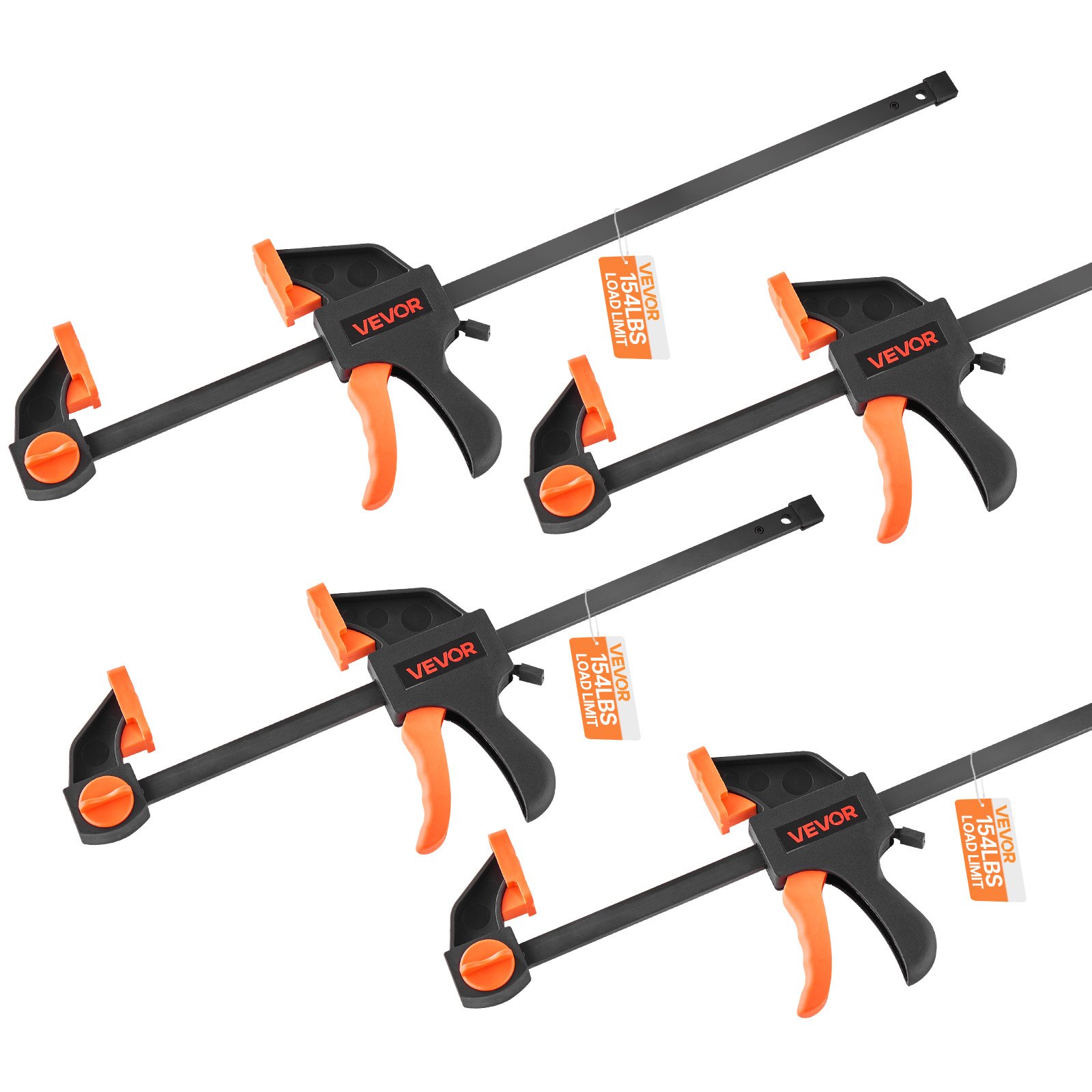 Bar Clamps For Woodworking, 2-Pack 12 Inch And 6 One-Handed Clamp/Spreader, Quick-Grip F-Clamp With 154 Lbs Load Limit, Premium Plastic And Steel, For Metal Working$28.99View on Mallflare
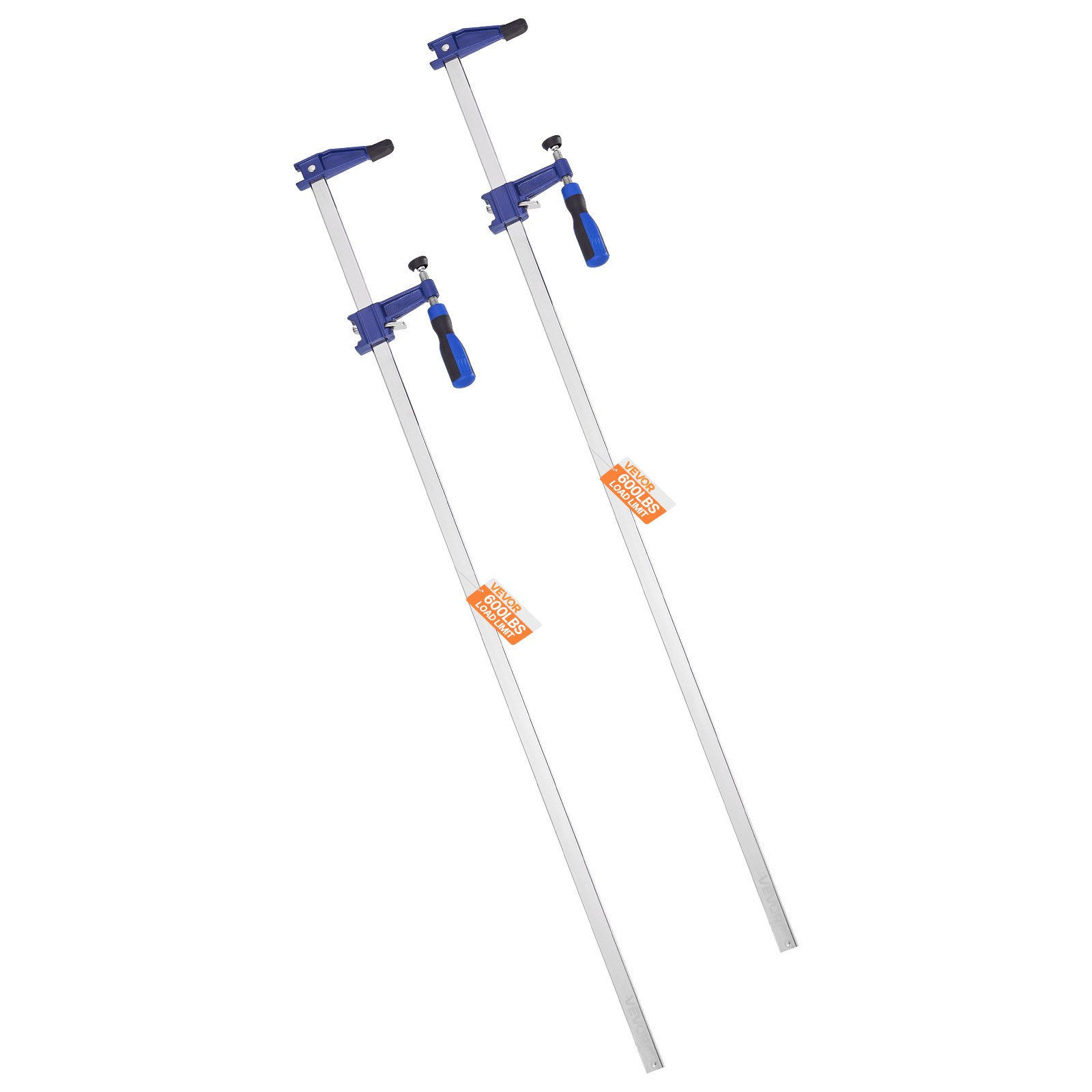 Bar Clamps For Woodworking, 2-Pack 36 Inch Opening, Lockable F-Clamp With 600 Lbs Load Limit, 2-1/2 Depth, Cast Iron And Carbon Steel, Easy To Use, Wood For Metal Working$29.99View on Mallflare
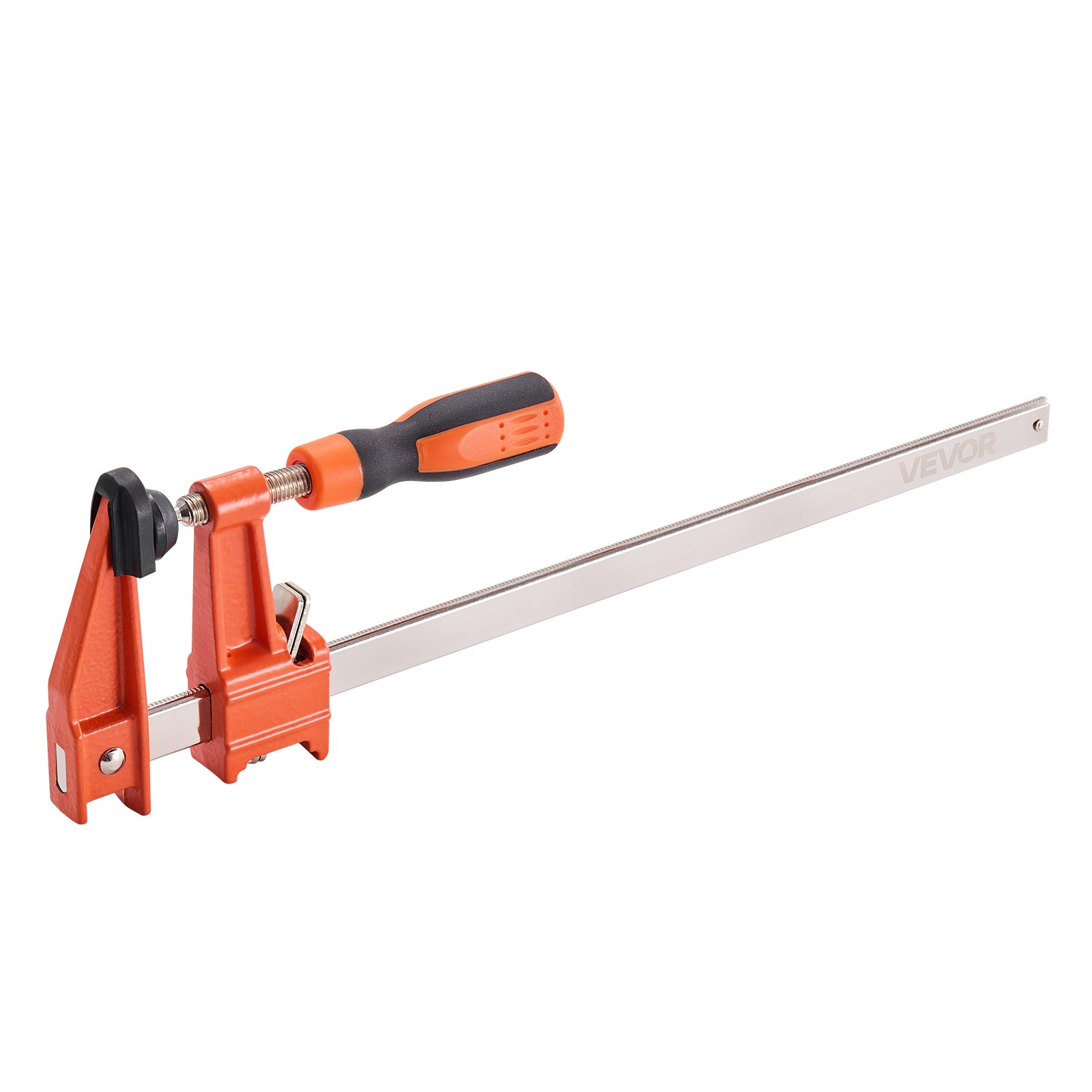 Bar Clamps For Woodworking 2-Pack 6 Inch And 12 Lockable F Clamp$33.99View on Mallflare
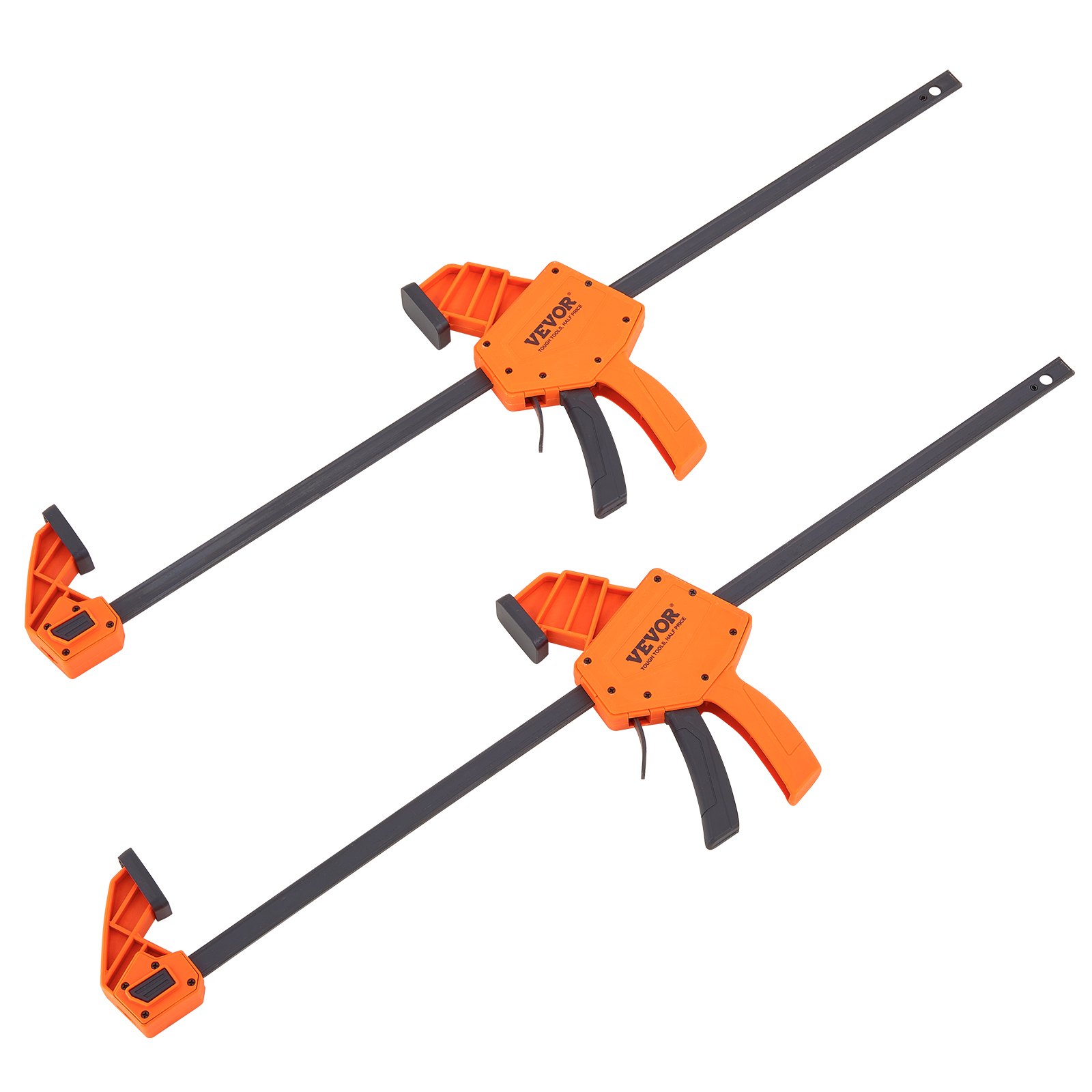 Bar Clamps For Woodworking, 2-Pack 24" One-Handed Clamp/Spreader, Quick-Change F Clamp With 300 Lbs Load Limit, High-strength Plastic And Carbon Steel, Wood For Metal Working$42.99View on Mallflare
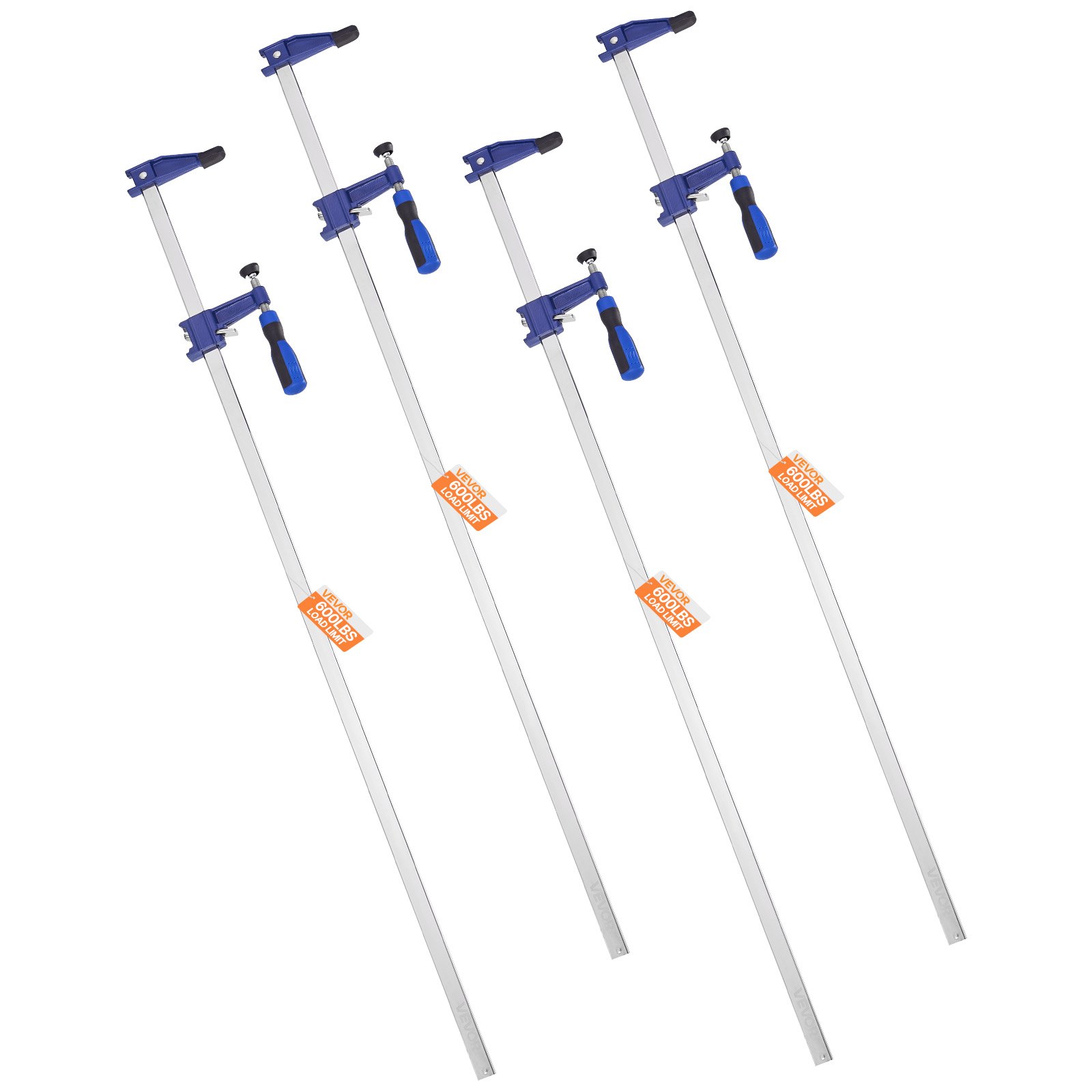 Bar Clamps For Woodworking, 4-Pack 36 Inch Opening, Lockable F-Clamp With 600 Lbs Load Limit, 2-1/2 Depth, Cast Iron And Carbon Steel, Easy To Use, Wood For Metal Working$47.99View on Mallflare
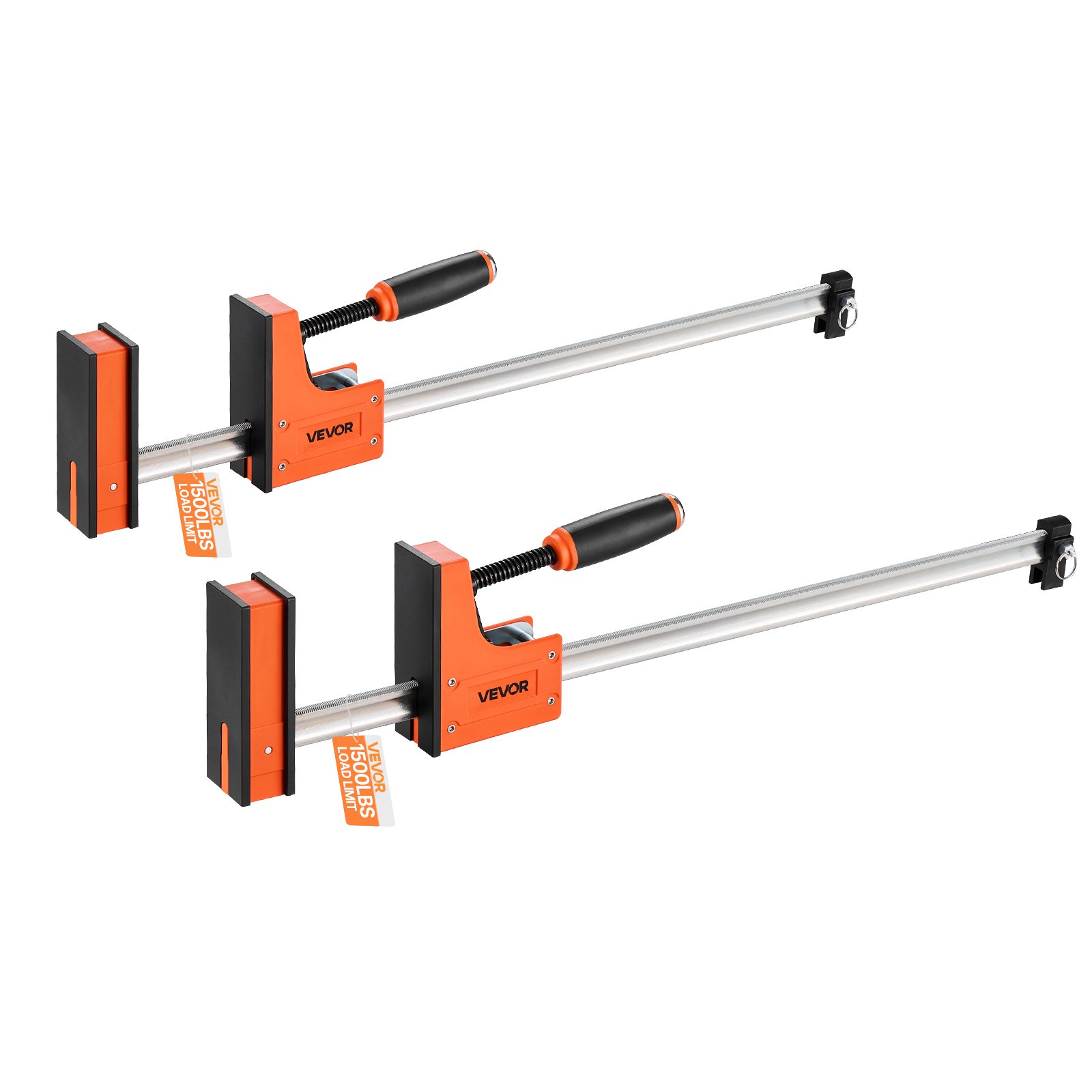 Bar Clamps For Woodworking, 2-Pack 24 Inch Parallel Clamp Set, F-Clamp With 1500 Lbs Load Limit, Even Pressure, High-strength Plastic And Carbon Steel, For Metal Working, Orange$68.99View on Mallflare
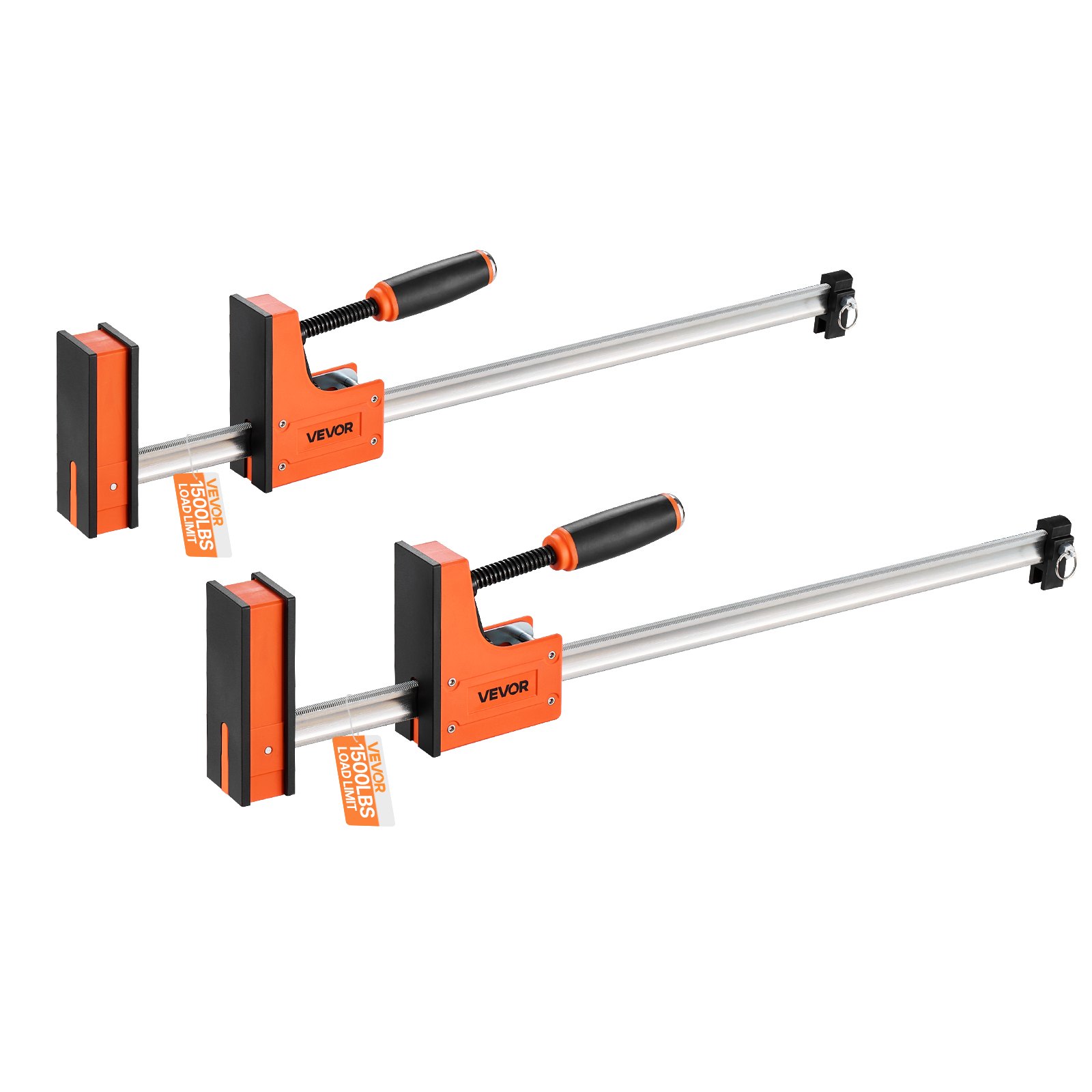 Bar Clamps For Woodworking, 2-Pack 30 Inch Parallel Clamp Set, F-Clamp With 1500 Lbs Load Limit, Even Pressure, High-strength Plastic And Carbon Steel, For Metal Working, Orange$72.99View on Mallflare
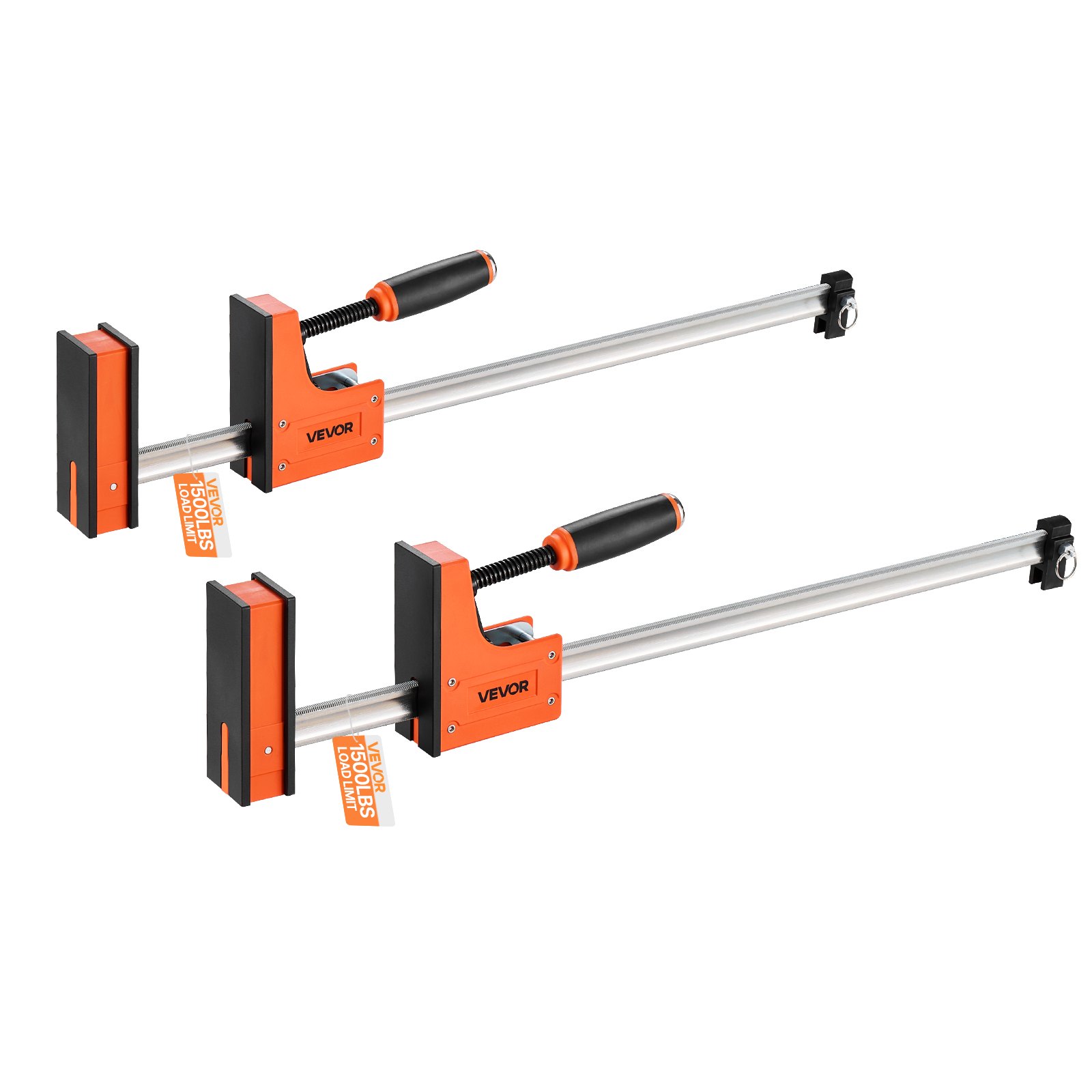 Bar Clamps For Woodworking, 2-Pack 36 Inch Parallel Clamp Set, F-Clamp With 1500 Lbs Load Limit, Even Pressure, High-strength Plastic And Carbon Steel, For Metal Working, Orange$82.99View on Mallflare
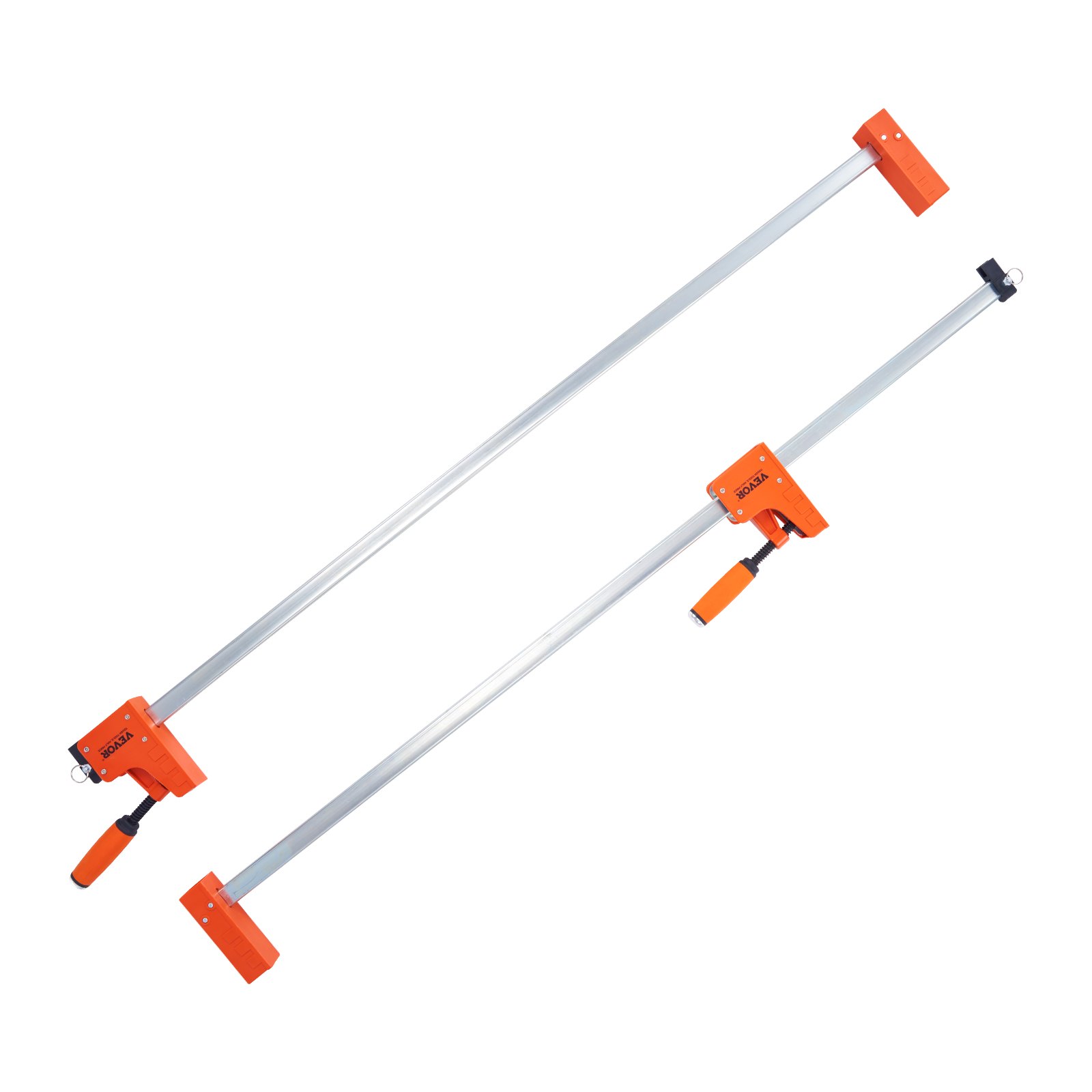 Bar Clamps For Woodworking, 2-Pack 50" Parallel Clamp Set, F With 1100 Lbs Load Limit, Even Pressure, High-strength Plastic And Carbon Steel, Wood For Metal Working$97.99View on Mallflare
Highlights
- F-style bar clamps with cast-iron jaw and carbon-steel bar typically carry 600 lb load limits, while one-handed plastic-body clamps max out around 150–340 lbs.
- Bar length determines maximum opening; 6, 12, 24, and 36 inch sizes cover most furniture and cabinetry glue-ups, with throat depth around 2-1/2 inches on standard F-clamps.
- Quick-change F-clamps allow the fixed jaw to be reversed into a spreader, doubling utility without a second tool.
- Parallel bar clamps maintain jaw parallelism under load for flat panel glue-ups, while standard F-clamps can rack slightly at high pressure.
Best use cases
- Best fit: 24–36 inch cast-iron F-clamps (600 lb) for table tops, cabinet carcasses, and edge glue-ups where high pressure and reach are required.
- Best fit: 6–12 inch one-handed quick-grip clamps (150–340 lb) for light assembly, holding small parts, and one-hand operation during dry fits.
- Wrong fit: using plastic-body one-handed clamps for thick hardwood edge joints—insufficient force leads to starved glue lines; switch to cast-iron F-clamps.
- Wrong fit: buying 36-inch clamps for small box work—excess bar weight and bulk reduce control; use 6–12 inch mini bar clamps instead.
Buying tips
- Match clamp opening to your widest glue-up plus 2 inches: a 24-inch clamp handles up to ~22 inches of actual opening after jaw thickness.
- For hardwood edge joints, choose clamps rated at 600 lbs and cast-iron jaws; plastic-body clamps under 340 lbs are for softwoods and light assemblies only.
- Prefer quick-change F-clamps with reversible jaws if you need both clamping and spreading; dedicated spreaders add cost and storage.
- Check bar material: carbon-steel or aluminum bars resist flex; thin aluminum bars may deflect at full extension under high load.
Specs
| Clamp Type | F-style / One-handed / Parallel |
|---|---|
| Load Limit | 150–600 lbs (plastic vs cast iron) |
| Bar Opening | 6 / 12 / 24 / 36 inch |
| Throat Depth | ~2-1/2 in standard F-clamp |
Related searches
What to check before buying
- Measure your project's maximum opening and add 2 inches; confirm the clamp's rated opening accounts for jaw thickness.
- Verify throat depth clears your workpiece height—standard F-clamps offer about 2-1/2 inches; deeper throats are needed for thick stock.
- Confirm your bench or assembly table can support the weight of multiple cast-iron clamps during large glue-ups.
- For one-handed clamps, check trigger and release ergonomics; plastic bodies vary in stiffness and can flex under load.
FAQ
Data sources: eBay / Amazon listings and product attribute feeds Data updated Nov 20, 2026.
Some links on this page are affiliate links. If you buy after clicking one, we may earn a commission at no extra cost to you. This does not change which products appear here or their order. Affiliate disclosure.