Photos from current listings. Actual item, color, and included accessories may vary.
C Clamp Buying Guide
A C-clamp is a U-shaped screw clamp for holding workpieces in woodworking, metalworking, and assembly; its core trade-off is cast-iron stiffness and thread quality versus stamped-steel or aluminum weight and cost. Durable clamps use ductile or malleable iron frames, rolled or Acme threads, and swivel pads that stay put; compromises show up as flexing frames, coarse threads that gall, and pads that mark or slip. Buy for the opening capacity and throat depth your joint actually needs, then step up to a forged or ductile-iron frame for repeated high-pressure work.


At a glance
- Category
- Woodworking Clamps, Jigs & Joinery
- Data updated
- Nov 20, 2026
Current offers
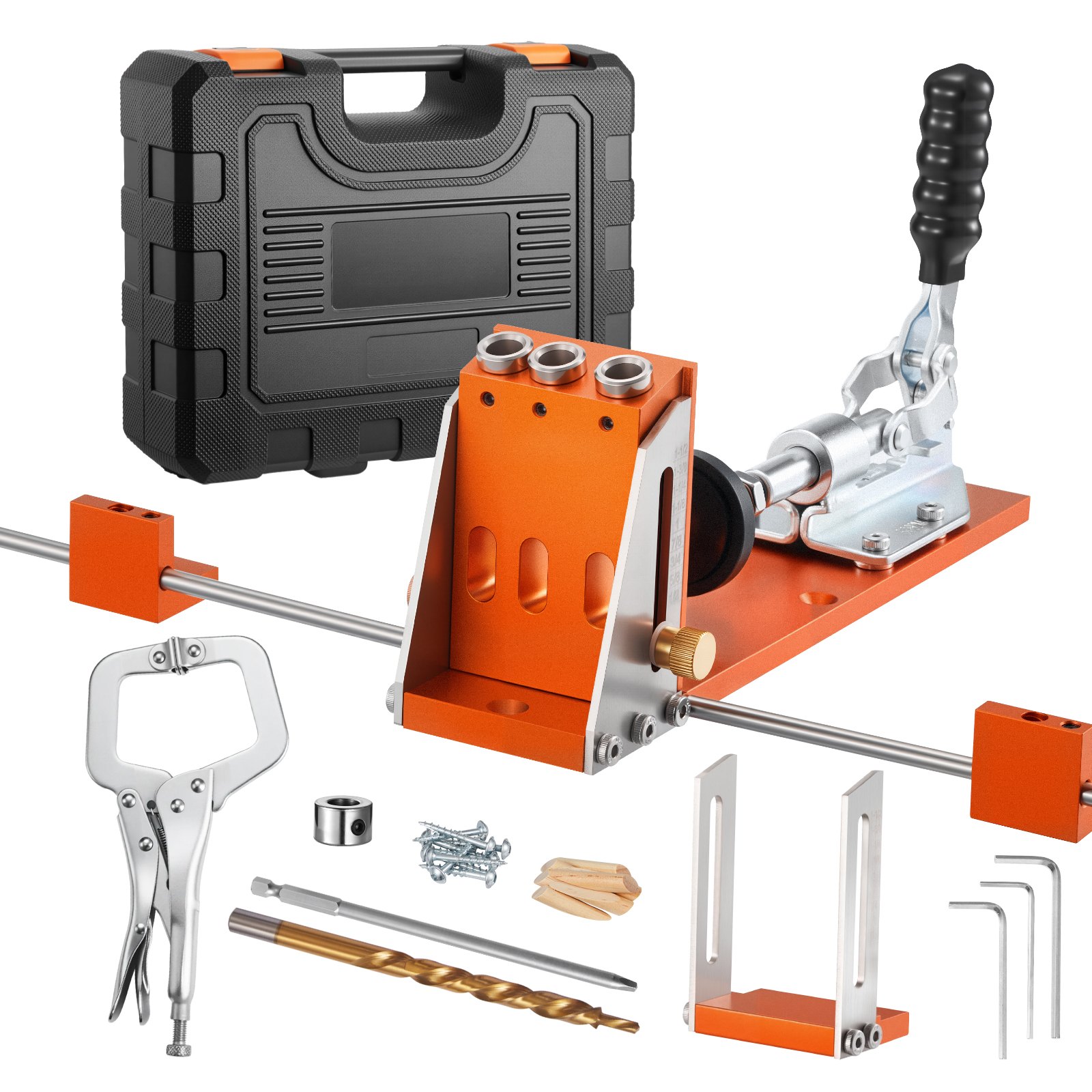 Pocket Hole Jig Kit, 1/2 To 1-1/2 In Adjustable, Jig System With Toolcase, C-Clamp, Step Drill, Hex Wrench, Stop Ring, Square Drive Bit, Reinforced Metal Frame, For Woodworking$53.99
 View on Mallflare
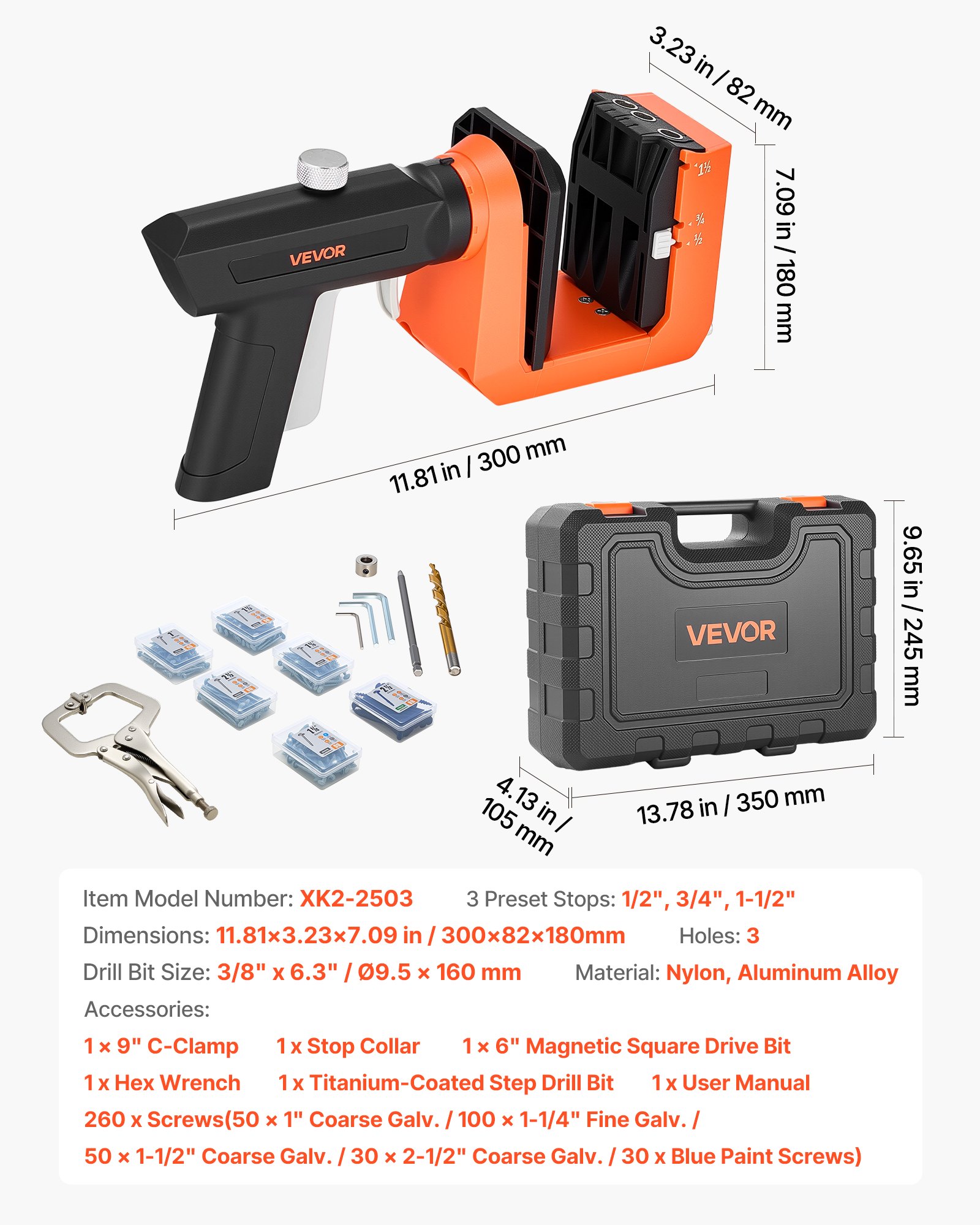 Pocket Hole Jig Kit, 1/2", 3/4", 1-1/2" Adjustable, 360° Rotating Handle, Jig System With 260 Screws, C-Clamp, Stop Collar, Drill Bit, Easy Clamping And Adjusting, For Woodworking$59.99View on Mallflare
Highlights
- Frame material drives strength: ductile/malleable cast iron and forged steel resist bending under load; stamped steel and aluminum flex and are for light duty only.
- Thread standard matters: rolled Acme or square threads deliver smooth, high clamping force with less wear; cheap coarse V-threads gall and strip under repeated use.
- Swivel pads distribute pressure and protect finishes; fixed or missing pads concentrate force and dent softwoods or mar surfaces.
- Deep-throat and heavy-duty patterns trade portability for reach and rigidity; standard light-duty clamps suit glue-ups and jig holding, not structural steel work.
Best use cases
- Best fit: light-duty woodworking glue-ups, jig holding, and pocket-hole assembly — pick standard cast-iron or stamped-steel C-clamps sized to the joint opening.
- Best fit: metalworking, welding, and brake/automotive work — choose forged or ductile-iron deep-throat clamps with high clamping force and protected threads.
- Wrong fit: structural steel or high-vibration fabrication with aluminum or stamped-steel clamps — step up to forged heavy-duty or sliding-arm bar clamps instead.
- Wrong fit: reaching across wide panels with a short-throat clamp — use deep-reach C-clamps or parallel bar clamps sized to the span.
Buying tips
- Match clamp opening to workpiece plus jaw thickness: measure the closed gap plus material stack, and add margin for pads and glue squeeze-out.
- Choose throat depth at least the distance from the edge to the joint; standard clamps reach a few inches, deep-throat models reach much further.
- For repeated high-force work, select ductile-iron or forged frames and rolled Acme threads; avoid stamped-steel bodies and coarse threads for daily use.
- Check swivel pad condition and thread lubrication; replacement pads and clean threads preserve clamping force and protect finishes.
Specs
| Frame Material | Ductile iron / forged steel vs stamped |
|---|---|
| Thread Type | Rolled Acme / square vs coarse V |
| Opening Capacity | Standard few-inch to deep-reach |
| Pad Type | Swivel pads vs fixed / none |
Related searches
What to check before buying
- Measure the workpiece stack and required reach: confirm clamp opening and throat depth exceed the joint dimensions with margin.
- Confirm frame material and thread type suit the duty cycle: ductile/forged iron and Acme threads for heavy or repeated use.
- Check pad type and jaw faces for your material: swivel pads for finished wood, protected faces for metal and automotive work.
- Verify compatibility with jigs, fixtures, and bench dogs: clamp body must clear the jig and fit the slot or table.
FAQ
Data sources: eBay / Amazon listings and product attribute feeds Data updated Nov 20, 2026.
Some links on this page are affiliate links. If you buy after clicking one, we may earn a commission at no extra cost to you. This does not change which products appear here or their order. Affiliate disclosure.