Photos from current listings. Actual item, color, and included accessories may vary.
Bench Vise Heavy Duty Buying Guide
A heavy-duty bench vise is a fixed workpiece-holding tool defined by jaw width, clamping force, and body material—typically cast iron or ductile iron—rather than by cosmetic finish. The core trade-off is between a lighter cast-iron hobby vise and a heavier ductile-iron or steel vise that resists jaw deflection under hammering and torque. The decision rule: choose ductile iron or steel above 30 lb with a sealed screw and swivel base for sustained metalwork; accept cast iron only for light woodworking and drilling.


At a glance
- Category
- Woodworking Clamps, Jigs & Joinery
- Data updated
- Nov 20, 2026
Current offers
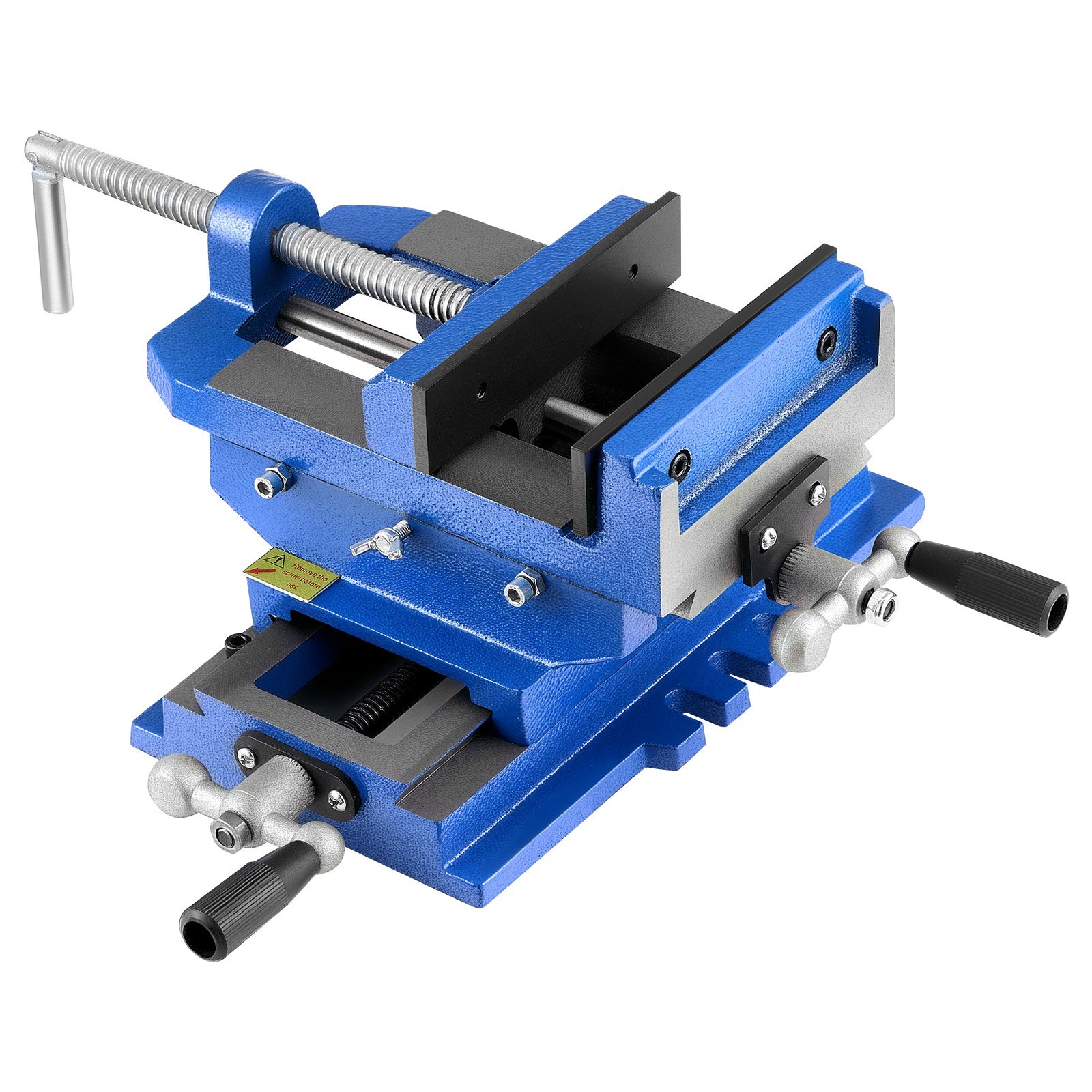 Cross Slide Drill Press Vise, 6 Inch Jaw Width, 2 Way X-Y Axis Bench 5.7 Max Jaw Opening, Heavy Duty Cast Iron, Workbench Vice Clamp, For Woodworking Drilling CNC Milling Machine$83.99
 View on Mallflare
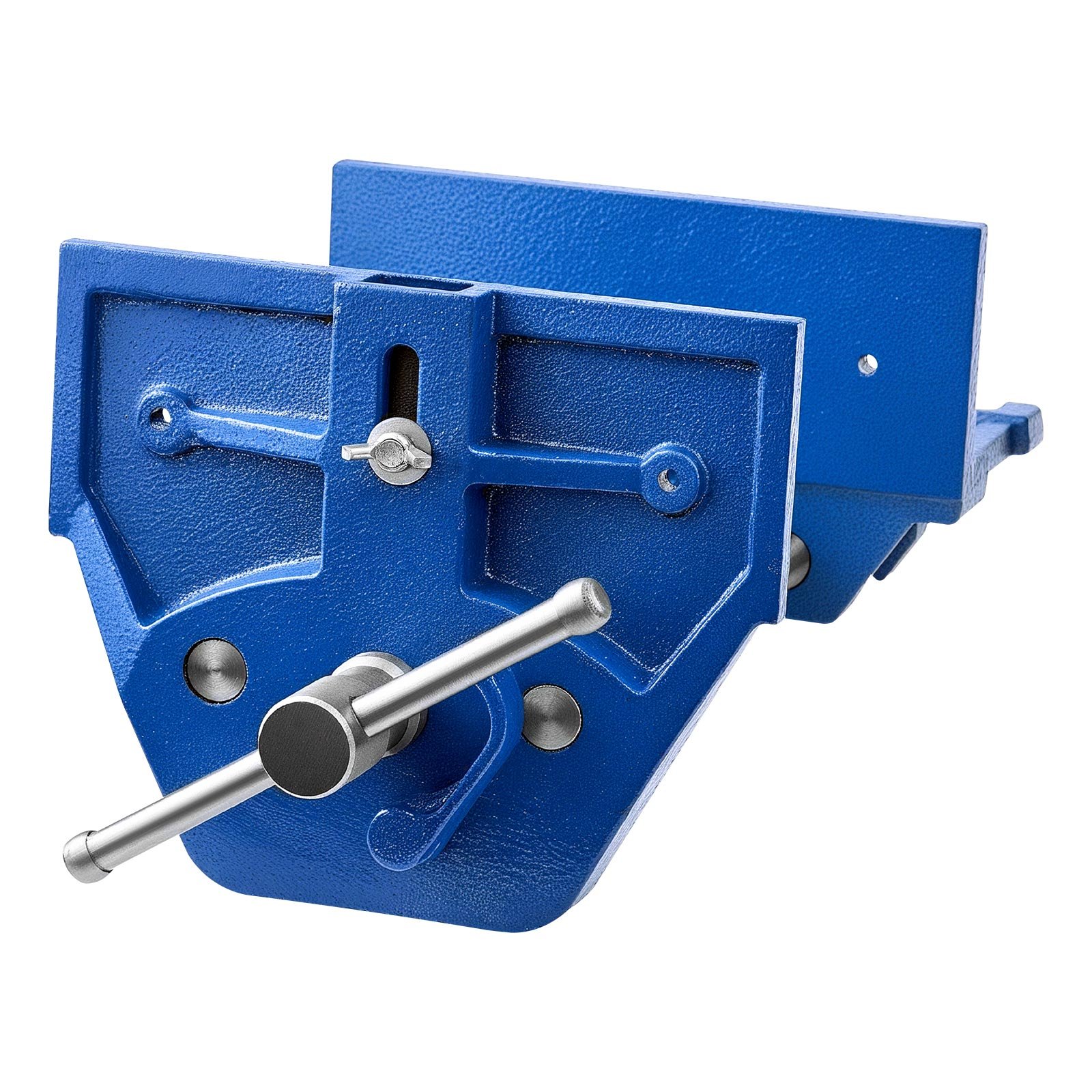 Woodworking Vise, 7 Inch Jaw Width, Quick Release Wood Bench 8 Max Jaw Opening, Heavy-duty Cast Iron Construction, Workbench Vice With Adjustable Front Stop, For Drilling$92.99View on Mallflare
Highlights
- Ductile iron (nodular) vises resist cracking under impact; grey cast iron is brittle and suits only light clamping and drilling.
- Jaw width of 6–8 in with a jaw opening at least 1.5× the width covers most furniture and fabrication tasks without overhang flex.
- A sealed, enclosed screw and a machined anvil surface distinguish heavy-duty vises from exposed-screw light-duty models.
- Swivel bases with lock-down bolts and 360-degree rotation let the vise index to the work; fixed-base vises are stronger but less versatile.
Best use cases
- Best fit: furniture and cabinet assembly—pick a 7–8 in jaw, quick-release screw, and wooden or removable jaw pads to protect finished stock.
- Best fit: metal fabrication and hammering—choose ductile iron or steel, 30 lb+, a fixed or heavy swivel base, and a machined anvil.
- Wrong fit: portable jobs or shared benches—a 20 lb+ heavy vise is overkill; a clamp-on or vacuum vise is lighter and repositions easily.
- Wrong fit: drilling-only use on a small bench—a 4–5 in cast-iron vise with a flat mounting footprint is sufficient and cheaper.
Buying tips
- Match jaw width to work: 4–5 in for small parts, 6 in for general woodworking, 7–8 in for cabinet doors and long stock.
- Require jaw opening of at least 1.5× jaw width for edge work; a 7 in jaw should open 10 in or more for door and panel clamping.
- Choose ductile iron or steel for impact work; grey cast iron is acceptable only for clamping and drilling without hammering.
- Verify mounting bolt pattern and bench overhang: a 7–8 in vise needs at least 2 in of clear bench edge and 3/8 in or larger lag bolts.
Specs
| Body Material | Ductile iron vs grey cast iron vs steel |
|---|---|
| Jaw Width / Opening | 4–8 in jaw; opening ≥1.5× width |
| Base Type | Fixed vs 360° swivel with lock-down |
| Screw Type | Sealed enclosed vs exposed quick-release |
Related searches
What to check before buying
- Measure bench thickness and edge overhang: heavy vises need 2–4 in of clear mounting surface and a solid hardwood or metal top.
- Confirm bench height versus vise height so the jaw sits at or slightly below your elbow for comfortable filing and sawing.
- Check jaw opening and throat depth against your thickest stock and longest project before selecting a 6, 7, or 8 in model.
- Plan for bolt-through or lag mounting with washers; a 30 lb+ vise requires backing plates or through-bolts, not screws.
FAQ
Data sources: eBay / Amazon listings and product attribute feeds Data updated Nov 20, 2026.
Some links on this page are affiliate links. If you buy after clicking one, we may earn a commission at no extra cost to you. This does not change which products appear here or their order. Affiliate disclosure.