Photos from current listings. Actual item, color, and included accessories may vary.
Pocket Hole Joinery Buying Guide
Pocket hole joinery uses an angled stepped drill bit to bore a counterbored pilot hole and a drive hole into one board, then drives a self-tapping washer-head screw into the mating board at 15 degrees. The core trade-off is guide-block material and clamp rigidity: cast aluminum or hardened steel guides hold drill alignment and survive hundreds of cycles, while reinforced nylon frames flex and ovalize. Buy a metal-bodied, single-piece or rigidly pinned guide system if you build furniture; choose a nylon mini-jig only for occasional, low-stress shop or DIY work.

At a glance
- Category
- Woodworking Clamps, Jigs & Joinery
- Data updated
- Nov 20, 2026
Current offers
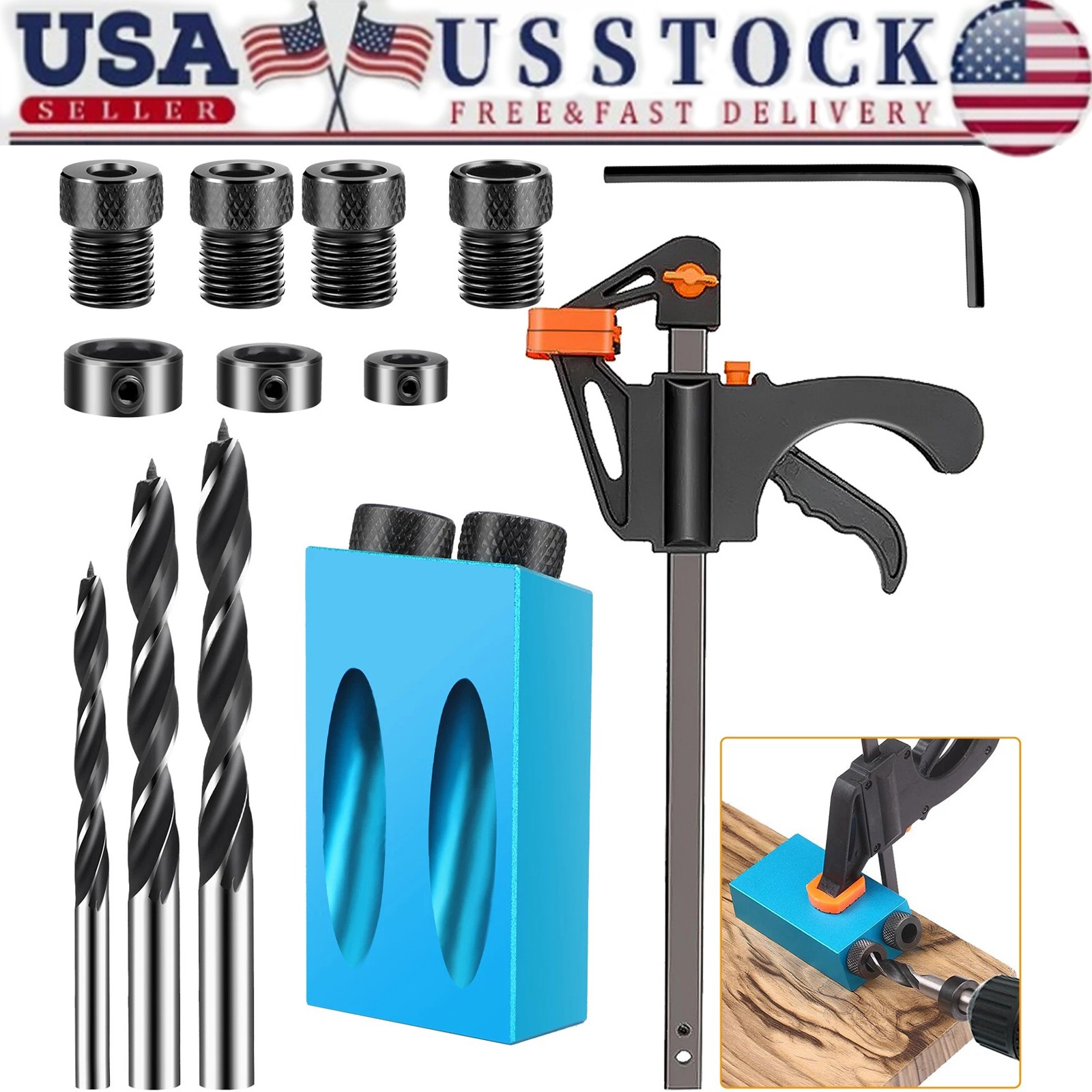 15 Pcs Pocket Hole Jig Kit 15 Degree Angle Drill Guide for Woodworking$10.59
 View on eBay
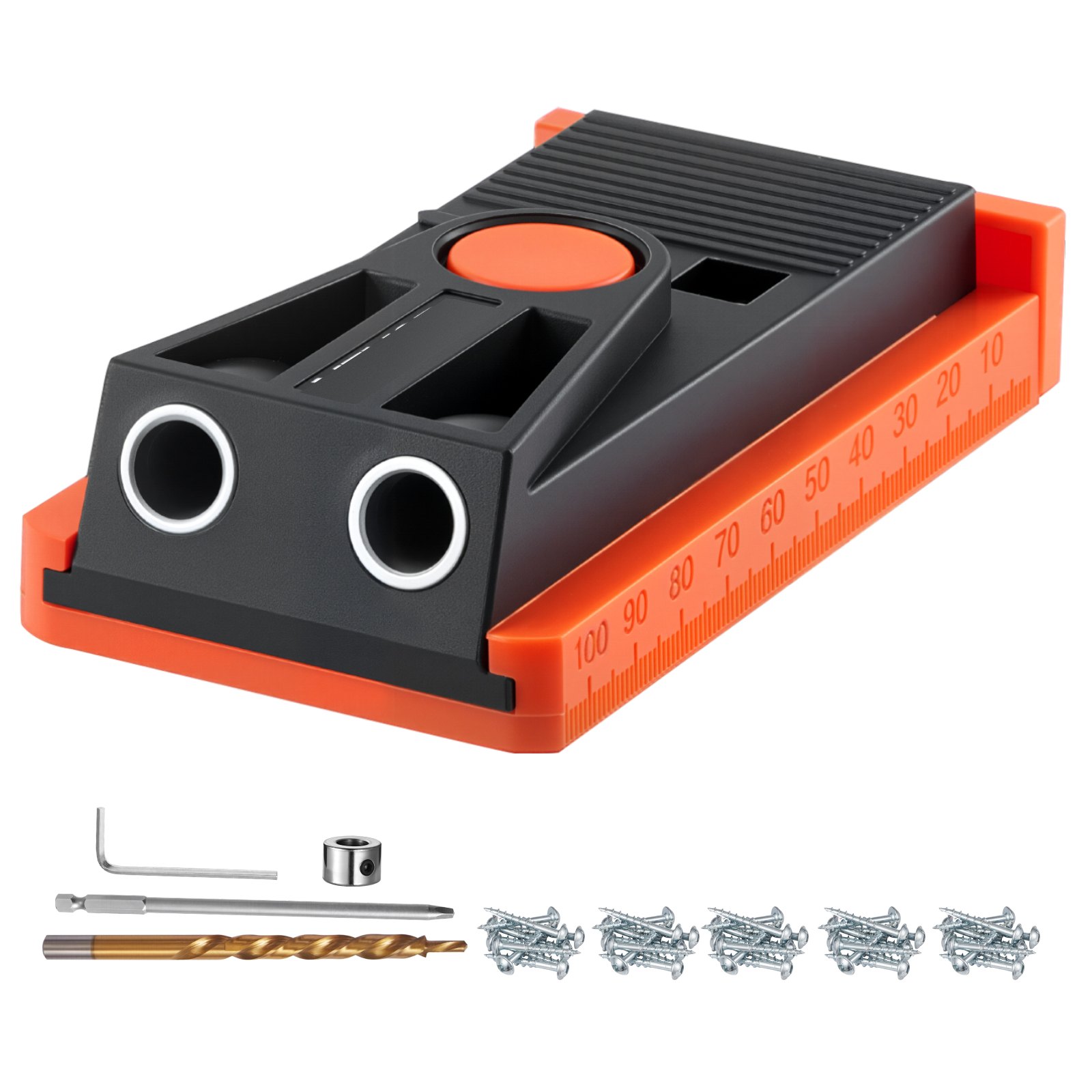 Pocket Hole Jig Kit, 1/2 To 1-1/2 In Adjustable, Mini Jig System With Step Drill, Hex Wrench, Stop Ring, Square Drive Bit, And Screws, Reinforced Nylon Frame, For Woodworking$18.99
 View on Mallflare
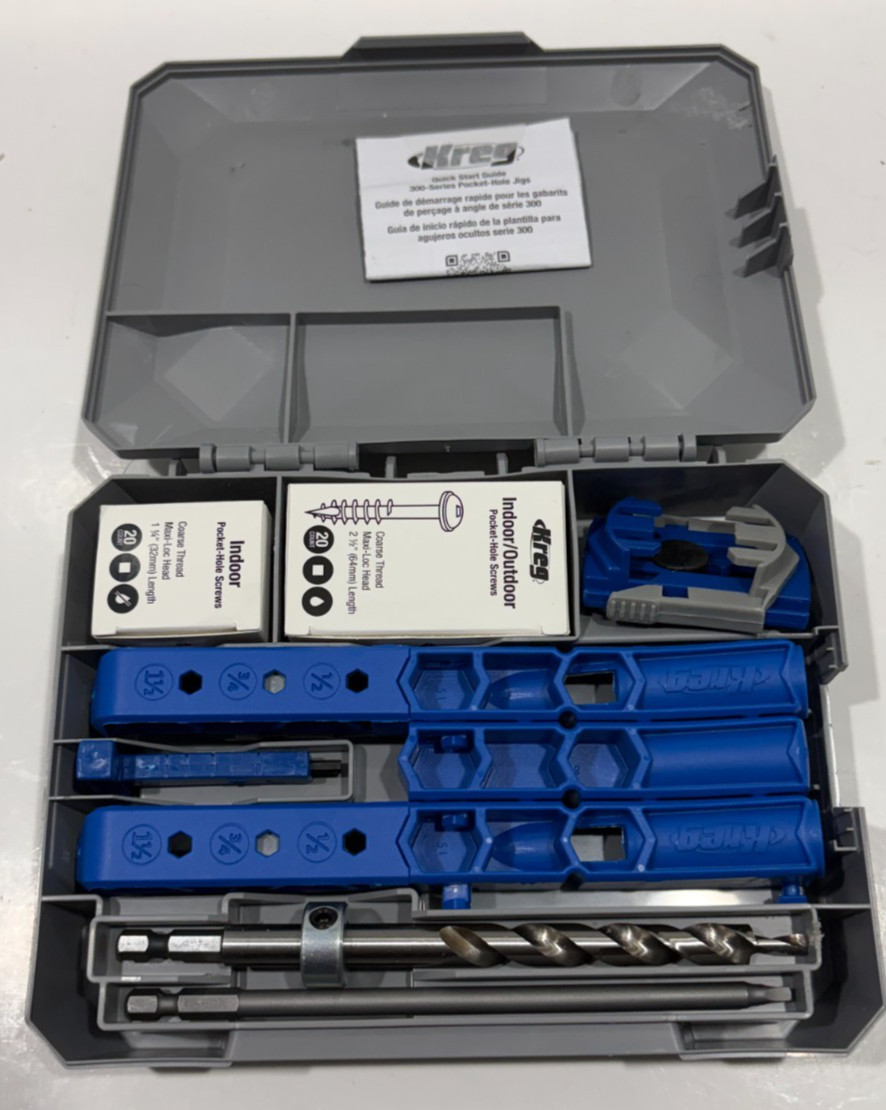 Kreg KPHJ320 Pocket-Hole Jig 320 Complete Kit & Case$17.09View on eBay
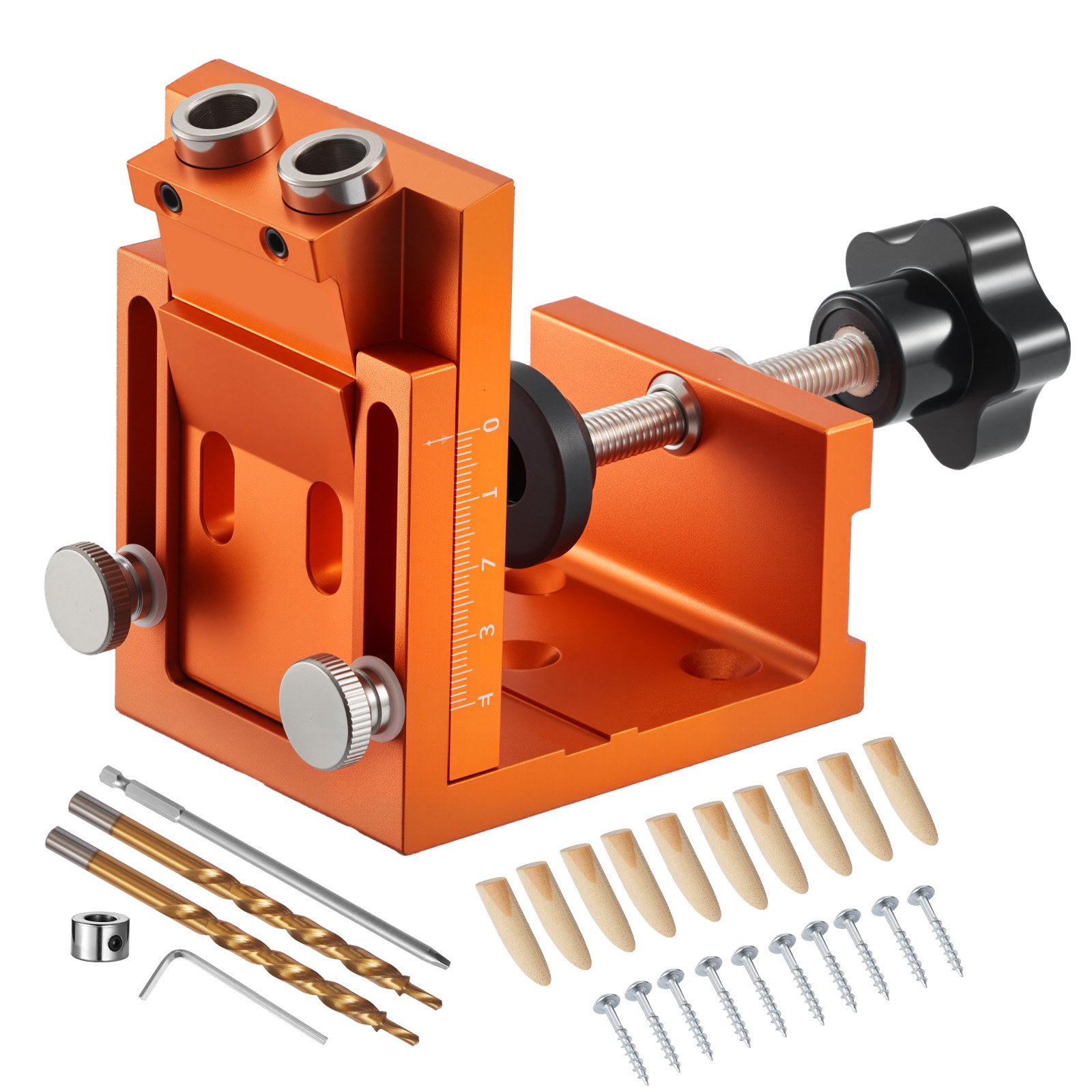 Pocket Hole Jig Kit, 0.47 To 1.89 In Adjustable, Jig System With Step Drill, Hex Wrench, Stop Ring, Square Drive Bit, Plugs And Screws, Reinforced Metal Frame, For Woodworking$31.99View on Mallflare
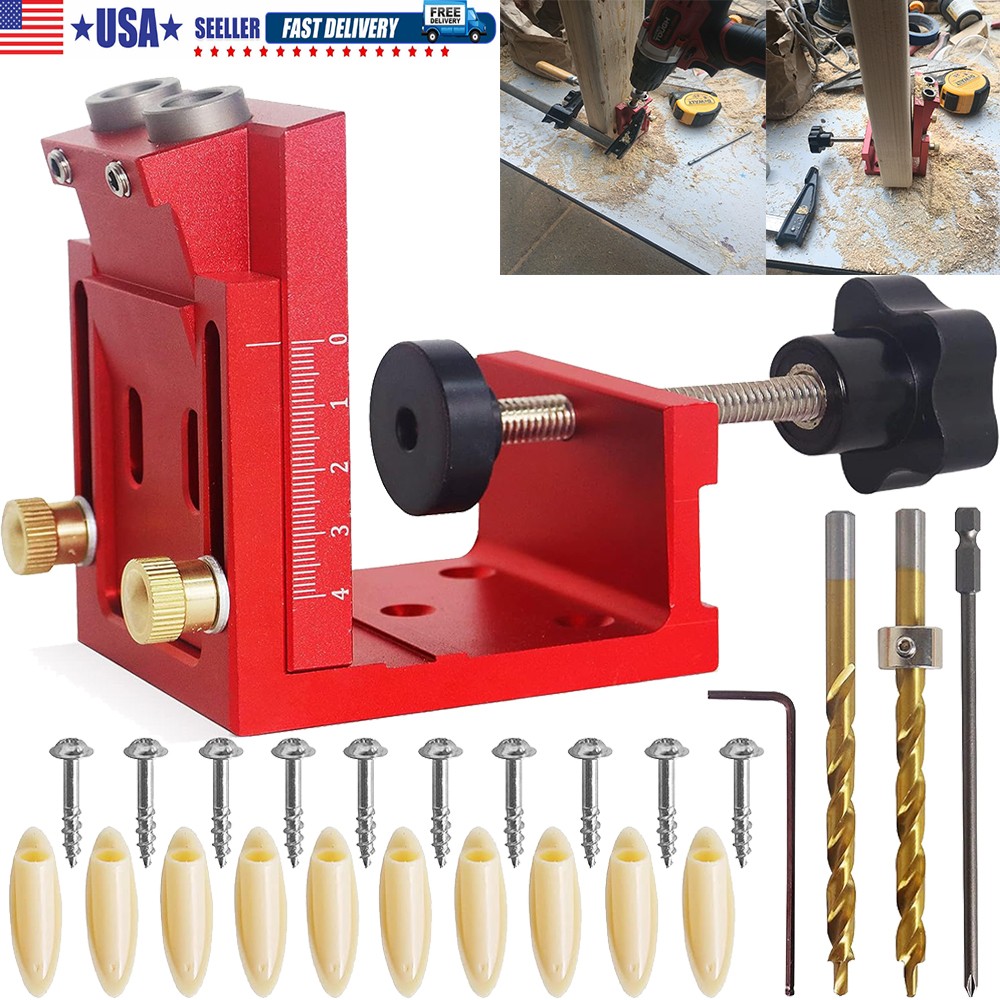 Pocket Hole Jig Kit Carpentry Joinery Woodworking System Adjustable Depth Tool$30.68View on eBay
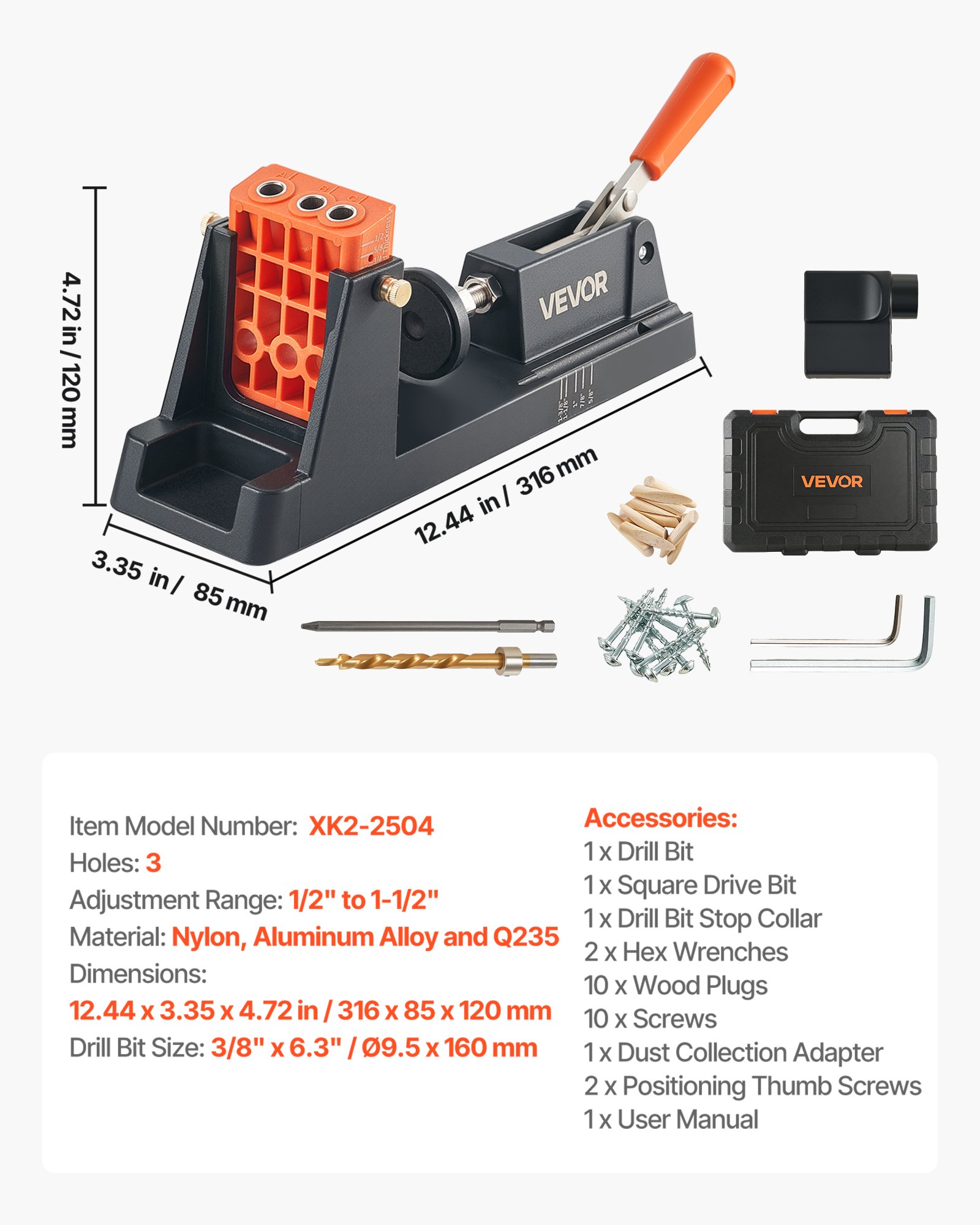 Pocket Hole Jig Kit, 1/2" To 1-1/2" Adjustable, Lightweight Jig System With Dust Collection Adapter, Detachable Guide Block, Drill Bit, Stop Collar, Easy Adjusting, For Woodworking$45.99View on Mallflare
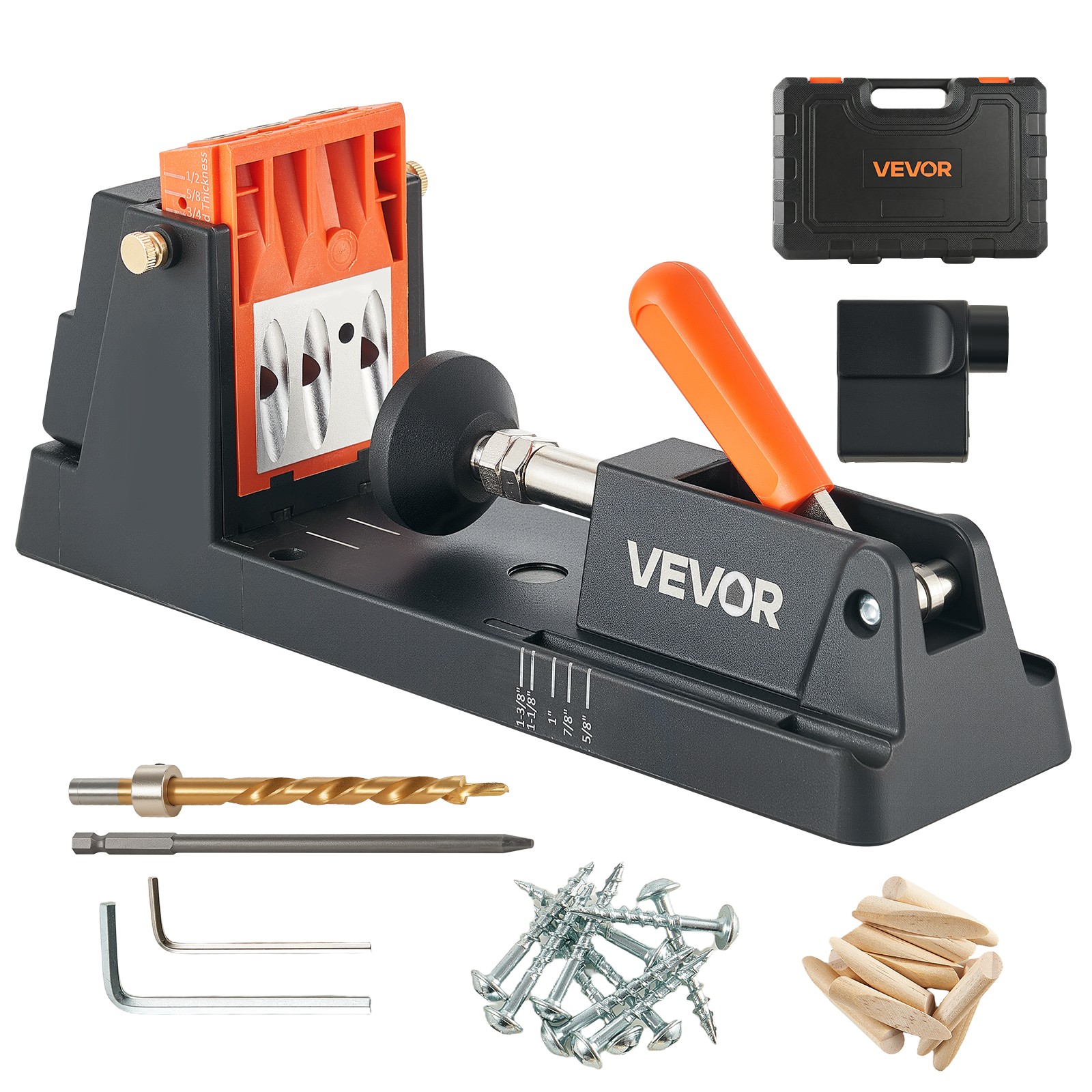 VEVOR Pocket Hole Jig Kit Jig Pocket Hole System Adjustable for Woodworking$37.90View on eBay
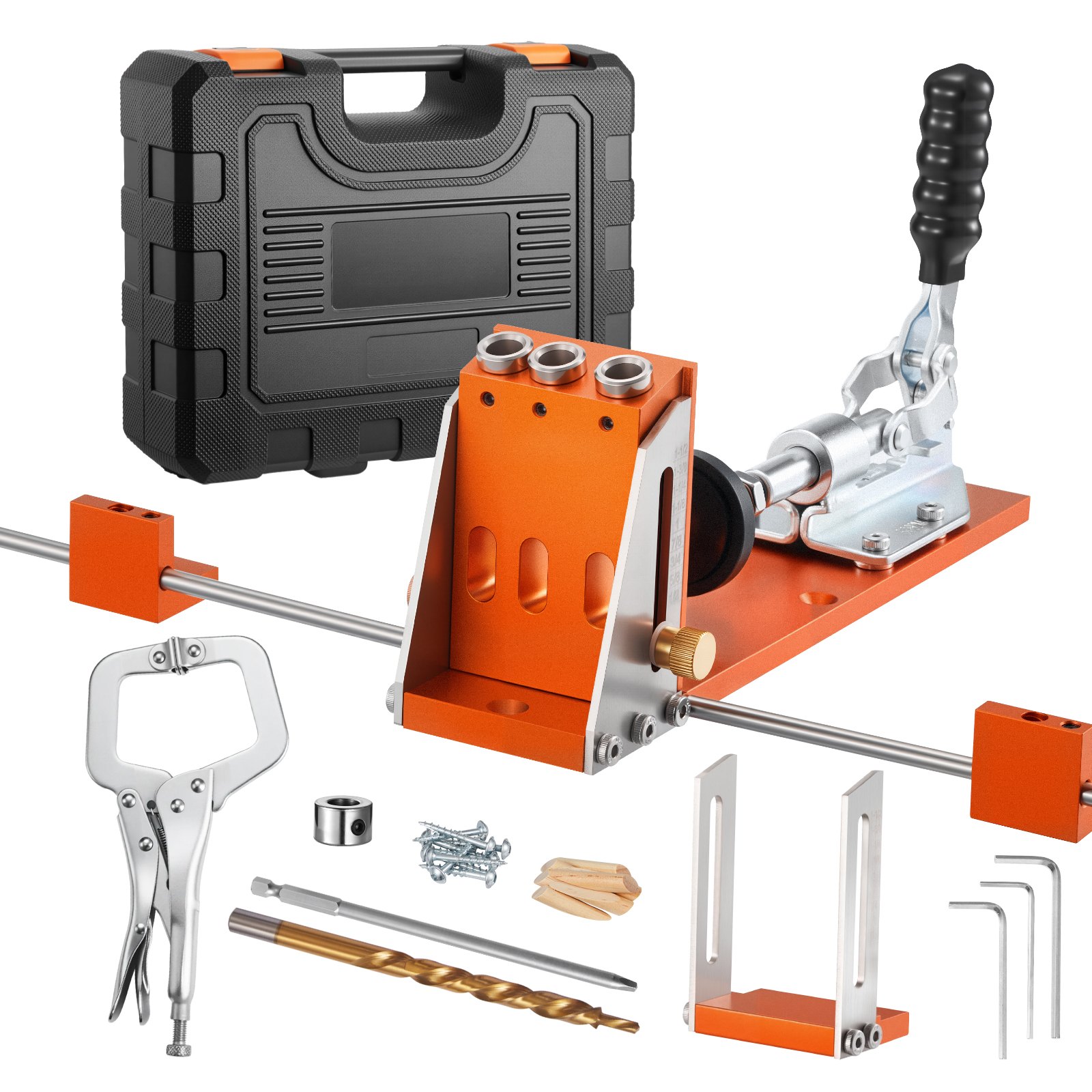 Pocket Hole Jig Kit, 1/2 To 1-1/2 In Adjustable, Jig System With Toolcase, C-Clamp, Step Drill, Hex Wrench, Stop Ring, Square Drive Bit, Reinforced Metal Frame, For Woodworking$53.99View on Mallflare
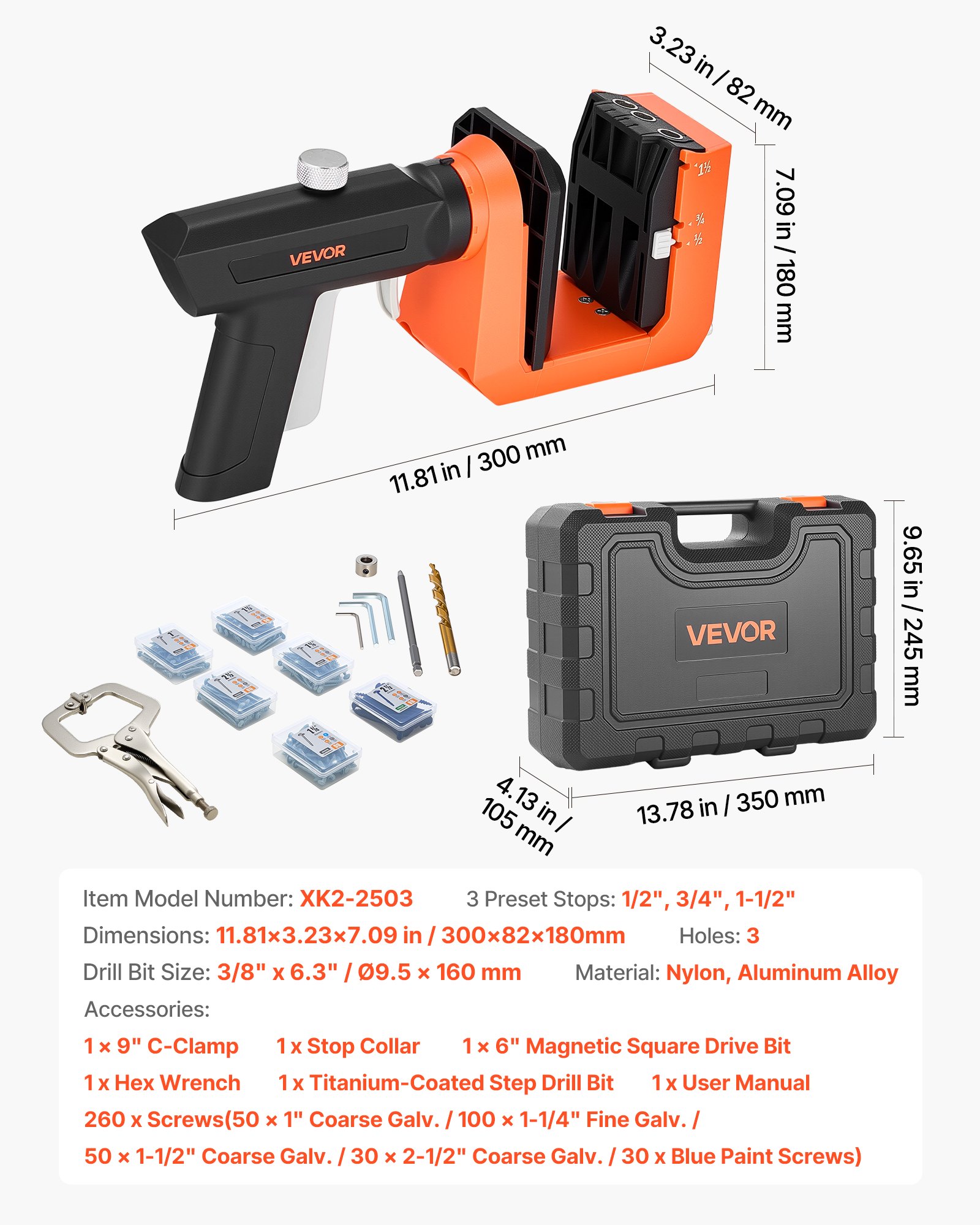 Pocket Hole Jig Kit, 1/2", 3/4", 1-1/2" Adjustable, 360° Rotating Handle, Jig System With 260 Screws, C-Clamp, Stop Collar, Drill Bit, Easy Clamping And Adjusting, For Woodworking$59.99View on Mallflare
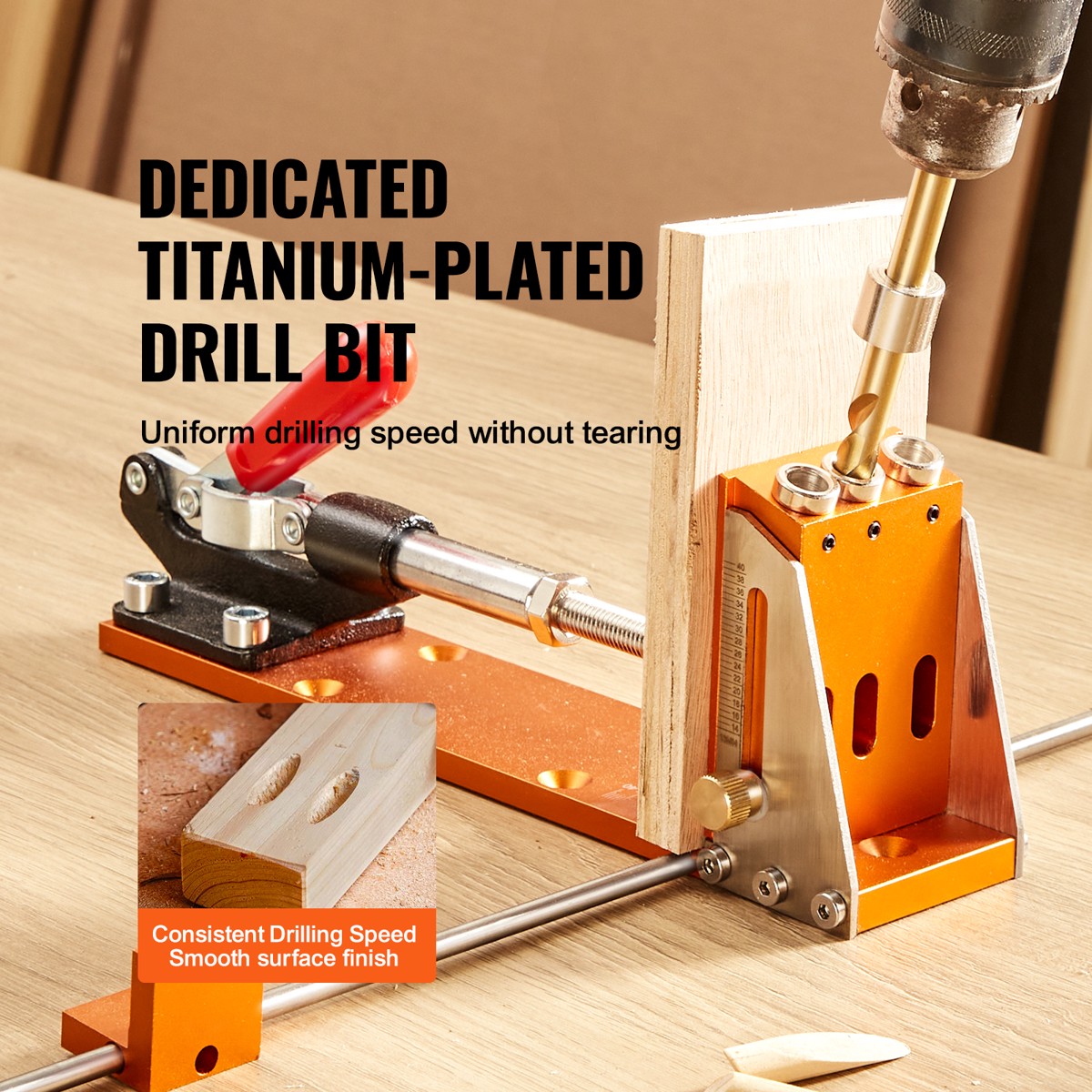 VEVOR Pocket Hole Jig Kit, 34 Pcs Jig System With Fixture, Step Drills, Wrenches, Drill Stop Rings, Square Drive Bits, Toolbox, Adjustable, For DIY Carpentry Projects$68.99View on Mallflare
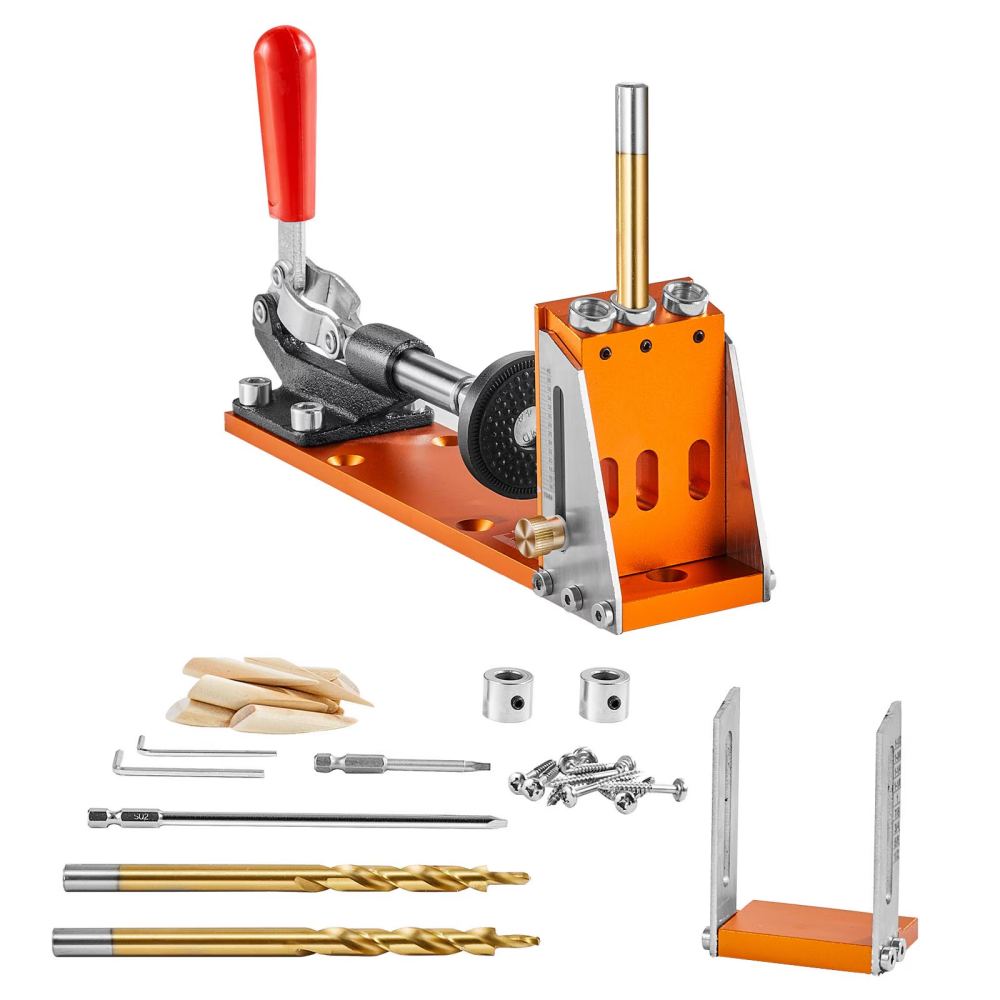 Pocket Hole Jig Kit Aluminum Alloy Adjustable Depth 1/2-1 1/2 Inch with 2 Step Drills for Woodworking$116.99View on Mallflare
Highlights
- Drill guide angle is standardized at 15 degrees for the Kreg-style system; any jig claiming a different angle requires proprietary screws and bits, so stay on the 15-degree platform.
- Guide block metallurgy separates tiers: hardened steel or cast aluminum inserts maintain bore concentricity over thousands of strokes, while reinforced-nylon frames wear at the drill exit and cause screw-head proudness.
- Step-drill geometry is fixed to screw gauge: 3/8-inch step drills match coarse-thread No. 7 and No. 8 pocket screws, while 1/2-inch step drills are for fine-thread and larger-diameter joinery screws.
- Material capacity is set by guide height and clamp window: standard jigs clamp stock from 1/2 inch to 1-1/2 inches, and thicker 2x material needs a jig with a taller fence and extended drill-bit reach.
Best use cases
- Face frames, cabinet boxes, and table aprons from 3/4-inch and 1-1/2-inch stock: pick a metal-bodied 3-hole or 4-hole jig with a built-in or included face clamp and depth collar; skip nylon mini-jigs that deflect under repeated drilling.
- On-site or small-shop work where the jig travels: choose a self-contained kit with a hard case, integrated clamp, and dust-collection port so the guide block, step drill, stop collar, and driver bit stay together.
- Trim, small boxes, and 1/2-inch plywood: use a mini-jig with a short guide block sized for thin stock; a full-size 1-1/2-inch-capacity jig will not clamp thin material securely and can split it at the screw exit.
Buying tips
- Match step-drill diameter to screw gauge before buying: 3/8-inch step drill for No. 7/No. 8 coarse pocket screws in softwoods, 1/2-inch step drill for fine-thread screws and harder stock.
- Set screw length by material thickness rule: screw length equals the mating board thickness plus 1/2 inch for 3/4-inch stock (1-1/4-inch screws) and plus 1/2 inch for 1-1/2-inch stock (2-1/2-inch screws).
- Choose cast aluminum or hardened-steel guide blocks over reinforced nylon when you expect more than a few hundred holes; nylon frames flex at the bushing and lose the 15-degree alignment.
- Confirm the jig includes a depth-stop collar and a square-drive bit; a jig without a stop collar cannot repeat hole depth, and a missing square-drive bit forces a separate purchase.
Specs
| Guide Angle | 15° standard (Kreg-compatible) |
|---|---|
| Guide Material | Hardened steel / cast aluminum vs nylon |
| Stock Capacity | 1/2 in to 1-1/2 in (std); 2 in heavy |
| Step Drill Size | 3/8 in (No. 7/8) or 1/2 in (fine) |
Related searches
What to check before buying
- Measure your thickest and thinnest stock: the jig must clamp from 1/2 inch to 1-1/2 inches for standard work, or reach 2 inches if you plan to join 2x lumber.
- Verify your drill chuck accepts the step-drill shank (typically 1/4-inch hex or 3/8-inch round) and that your driver accepts a 6-inch No. 2 square-drive bit.
- Check bench or workpiece clearance for the jig body plus face clamp; a 3-hole or 4-hole jig adds several inches of width and needs a stable surface at the drill height.
- Confirm screw availability in your area for the jig's screw gauge and thread type (coarse for softwood, fine for hardwood), since pocket screws are not interchangeable across gauges.
FAQ
Data sources: eBay / Amazon listings and product attribute feeds Data updated Nov 20, 2026.
Some links on this page are affiliate links. If you buy after clicking one, we may earn a commission at no extra cost to you. This does not change which products appear here or their order. Affiliate disclosure.