Photos from current listings. Actual item, color, and included accessories may vary.
Pocket Hole Kit Buying Guide
A pocket hole kit is a drilling jig system that guides a stepped drill bit at a fixed angle to bore angled pilot holes for hidden screw joinery in wood. The defining trade-off is guide-block rigidity versus adjustability: cast aluminum or reinforced metal blocks hold bit angle and depth repeatably, while nylon and plastic frames flex under load and drift on hardwood. Buy a metal-bodied jig with a hardened steel guide bushing and a depth-stop collar if you expect repeated use; choose a compact single-hole or two-hole nylon jig only for light trim and repair work.

At a glance
- Category
- Woodworking Clamps, Jigs & Joinery
- Data updated
- Nov 20, 2026
Current offers
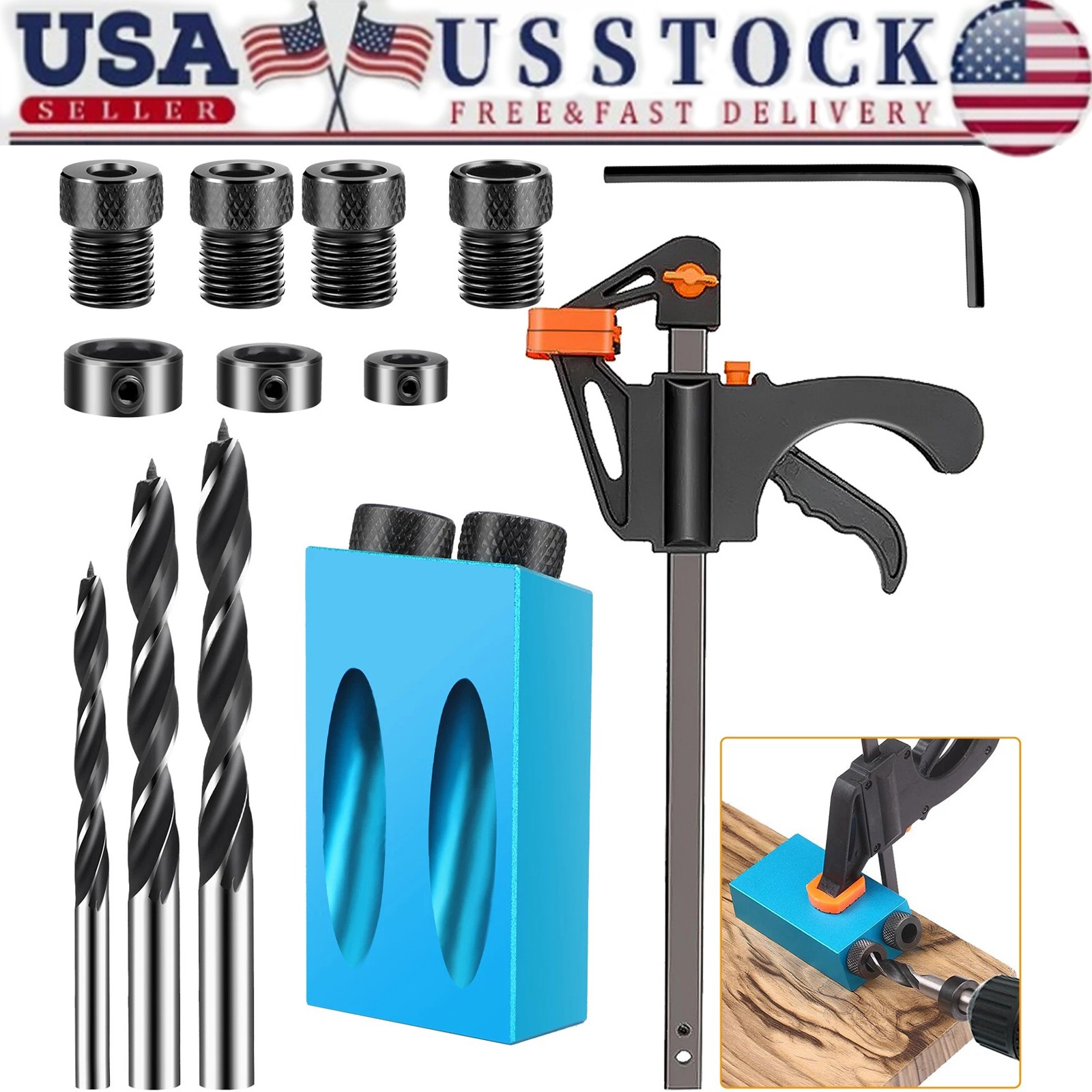 15 Pcs Pocket Hole Jig Kit 15 Degree Angle Drill Guide for Woodworking$10.59
 View on eBay
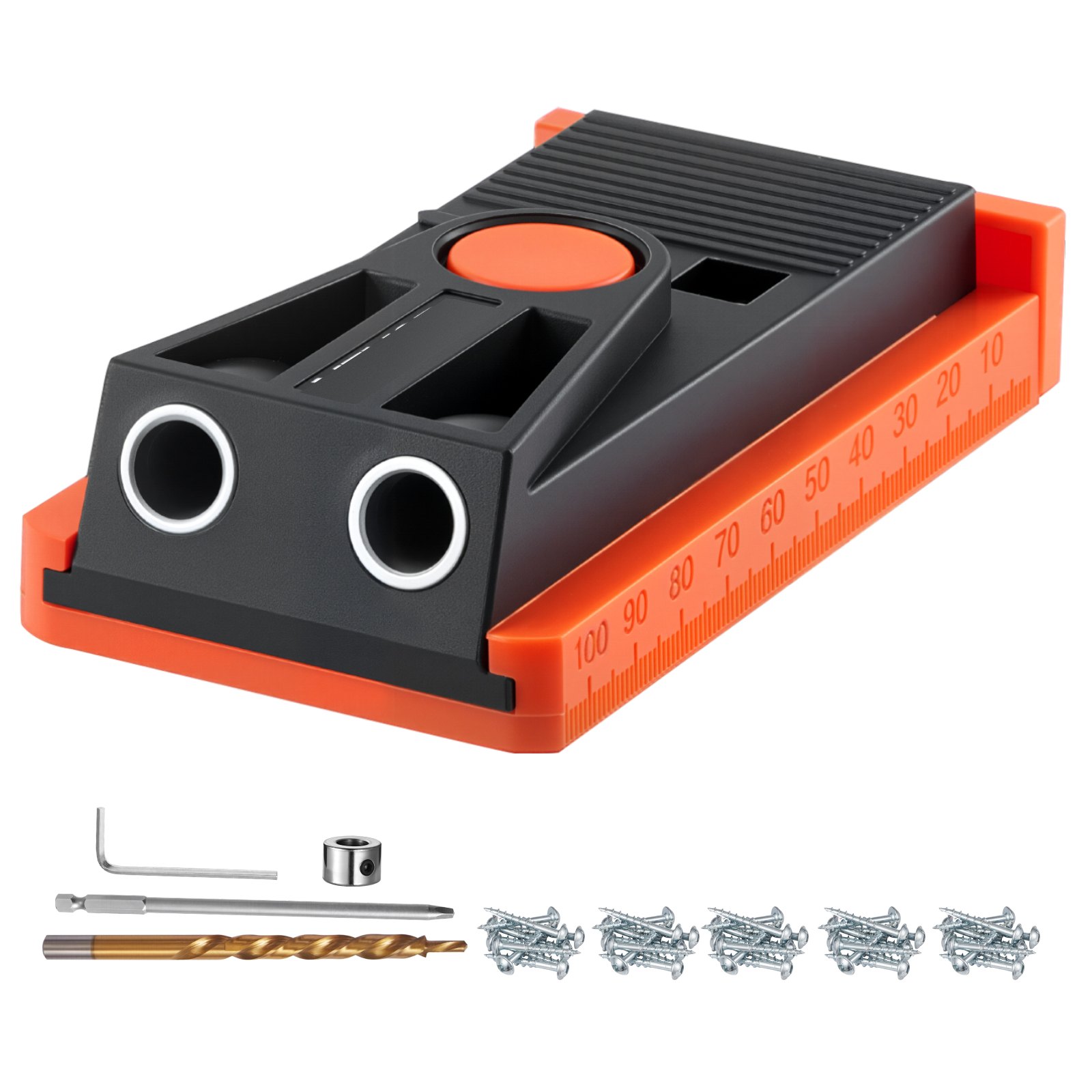 Pocket Hole Jig Kit, 1/2 To 1-1/2 In Adjustable, Mini Jig System With Step Drill, Hex Wrench, Stop Ring, Square Drive Bit, And Screws, Reinforced Nylon Frame, For Woodworking$18.99
 View on Mallflare
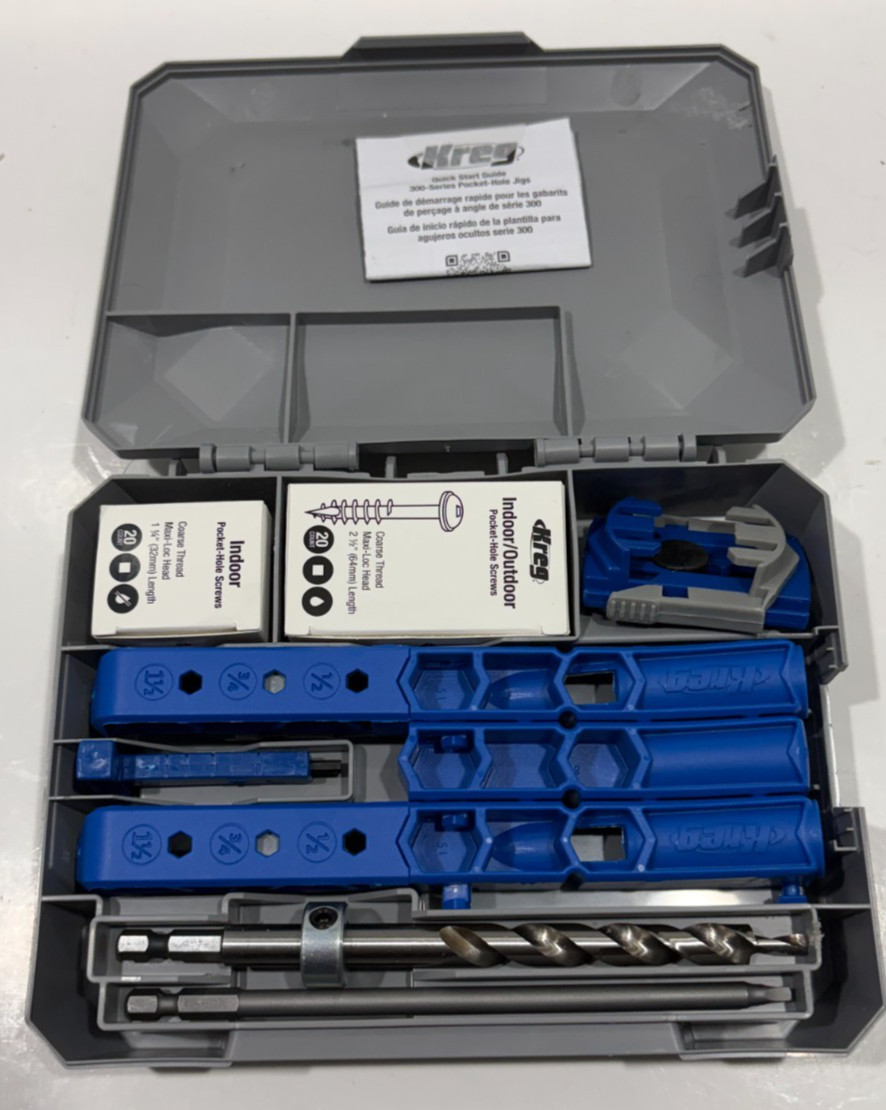 Kreg KPHJ320 Pocket-Hole Jig 320 Complete Kit & Case$17.09View on eBay
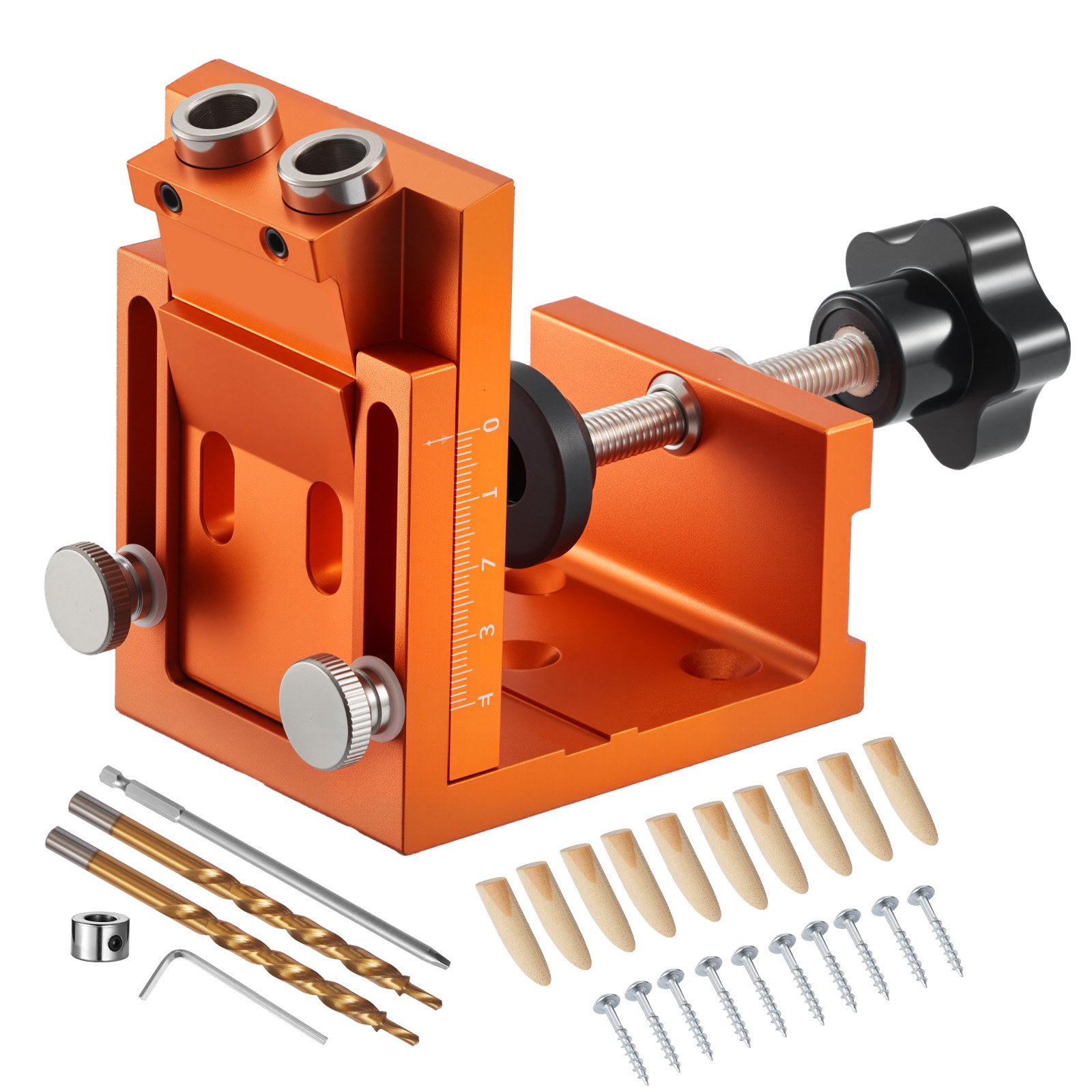 Pocket Hole Jig Kit, 0.47 To 1.89 In Adjustable, Jig System With Step Drill, Hex Wrench, Stop Ring, Square Drive Bit, Plugs And Screws, Reinforced Metal Frame, For Woodworking$31.99View on Mallflare
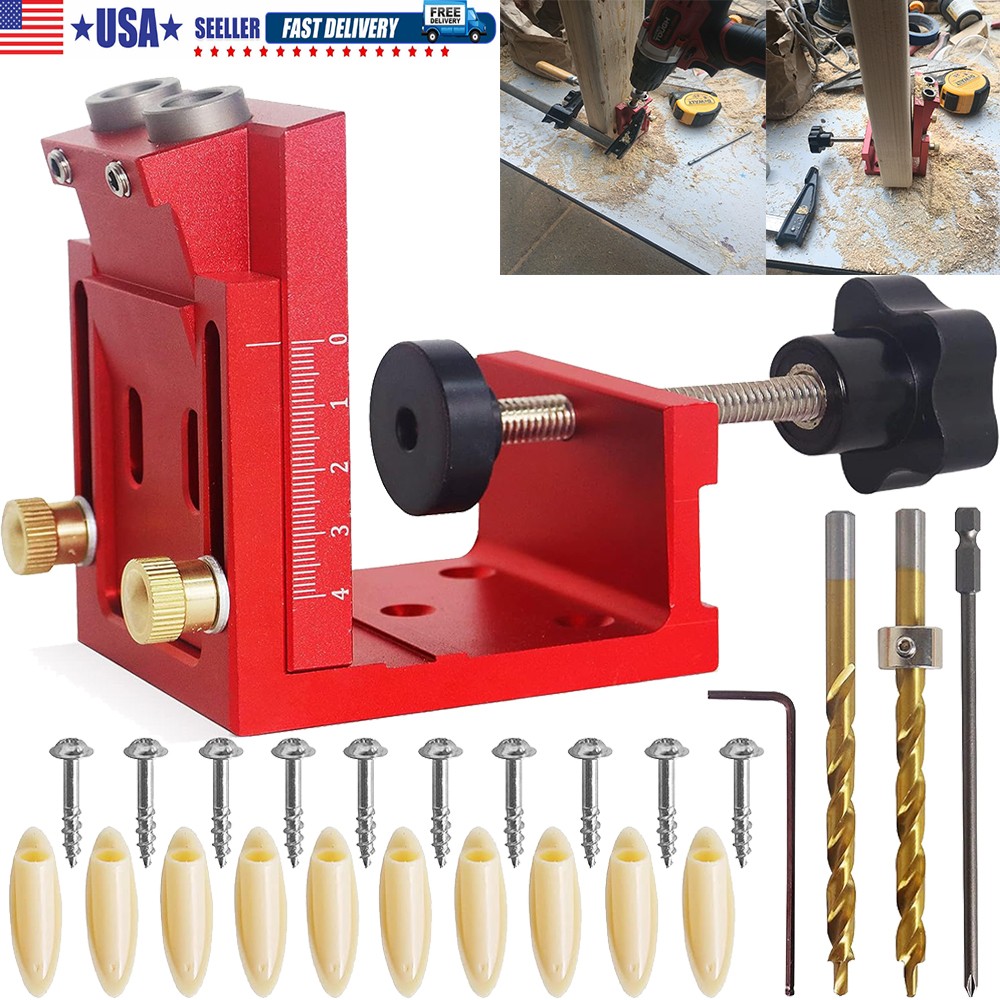 Pocket Hole Jig Kit Carpentry Joinery Woodworking System Adjustable Depth Tool$30.68View on eBay
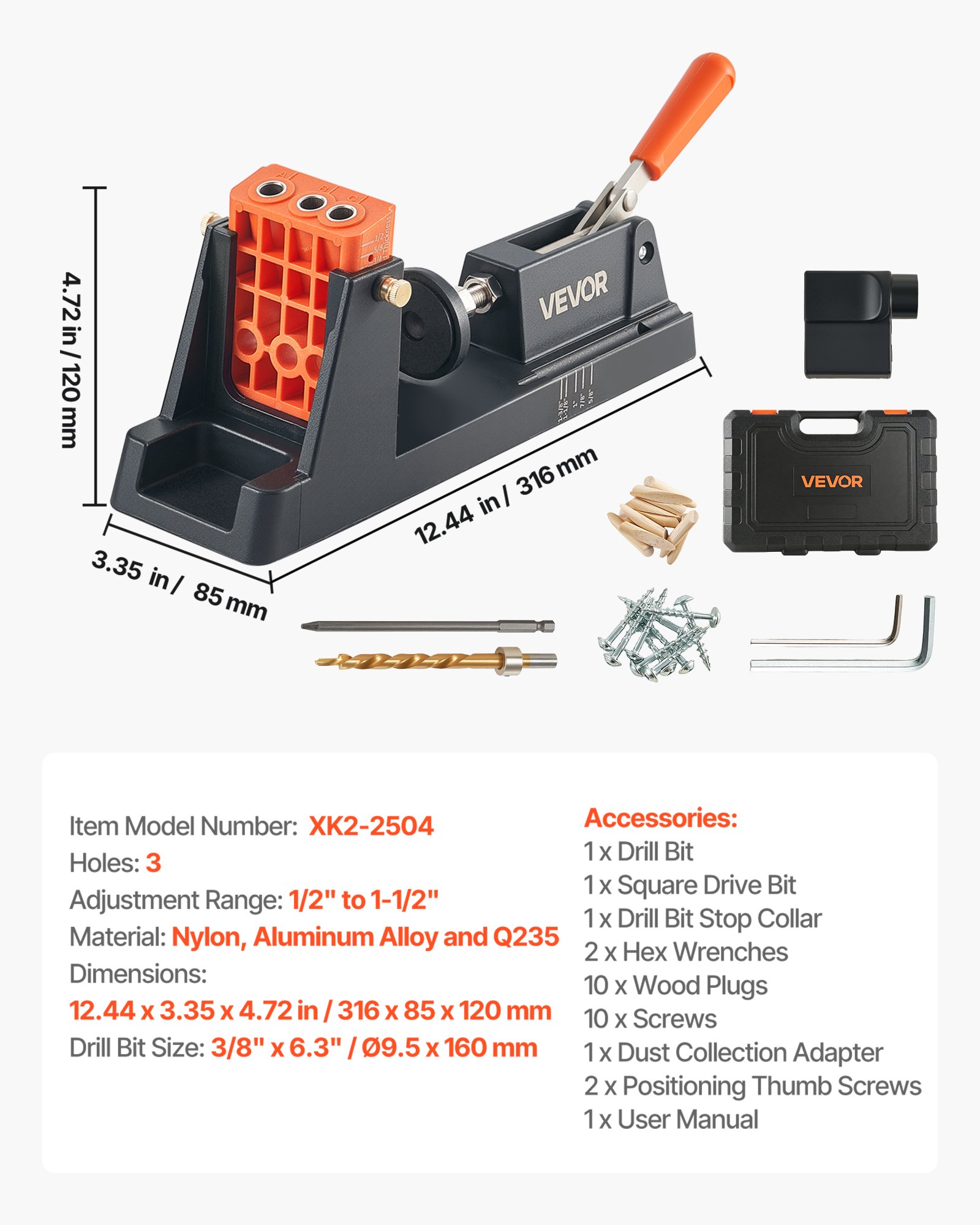 Pocket Hole Jig Kit, 1/2" To 1-1/2" Adjustable, Lightweight Jig System With Dust Collection Adapter, Detachable Guide Block, Drill Bit, Stop Collar, Easy Adjusting, For Woodworking$45.99View on Mallflare
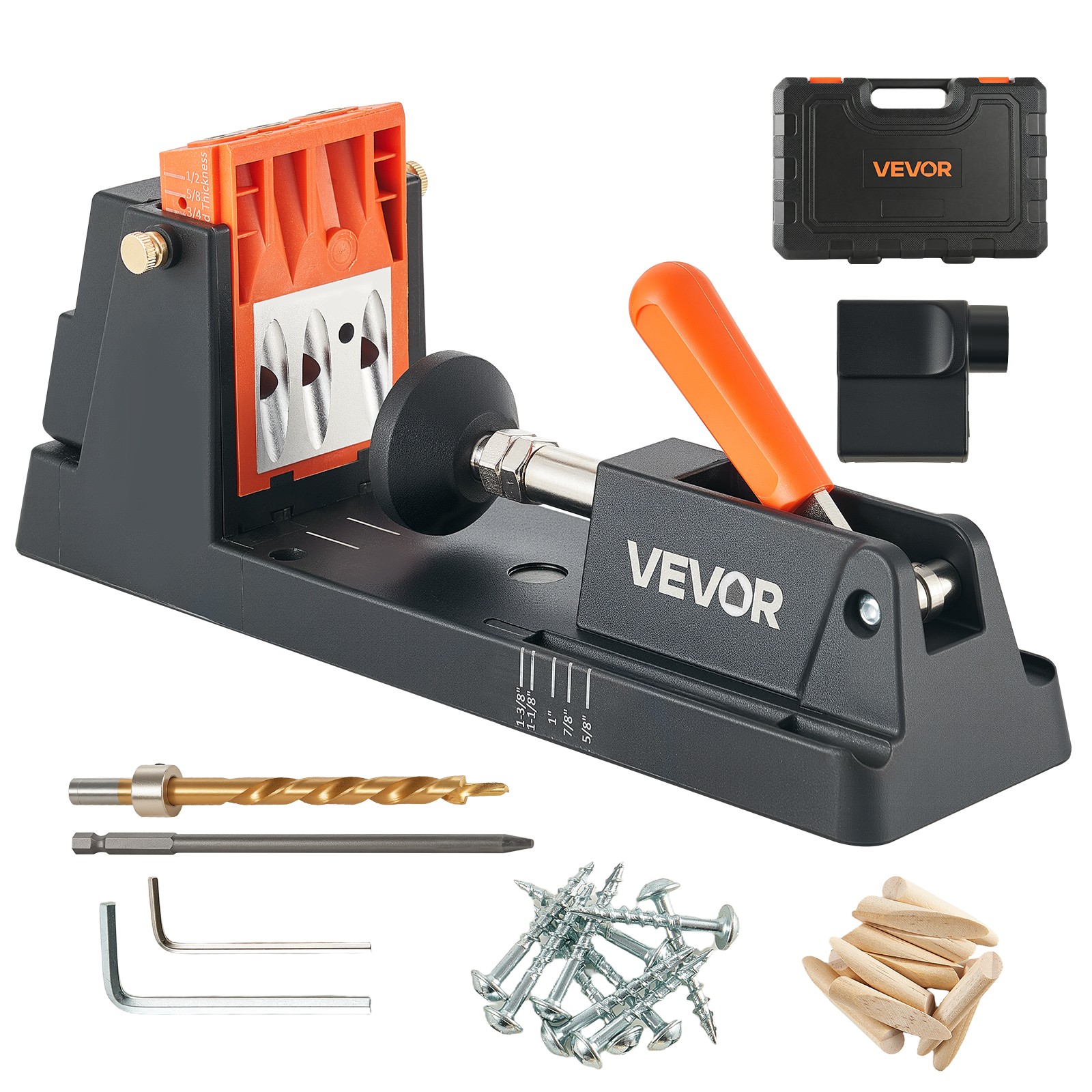 VEVOR Pocket Hole Jig Kit Jig Pocket Hole System Adjustable for Woodworking$37.90View on eBay
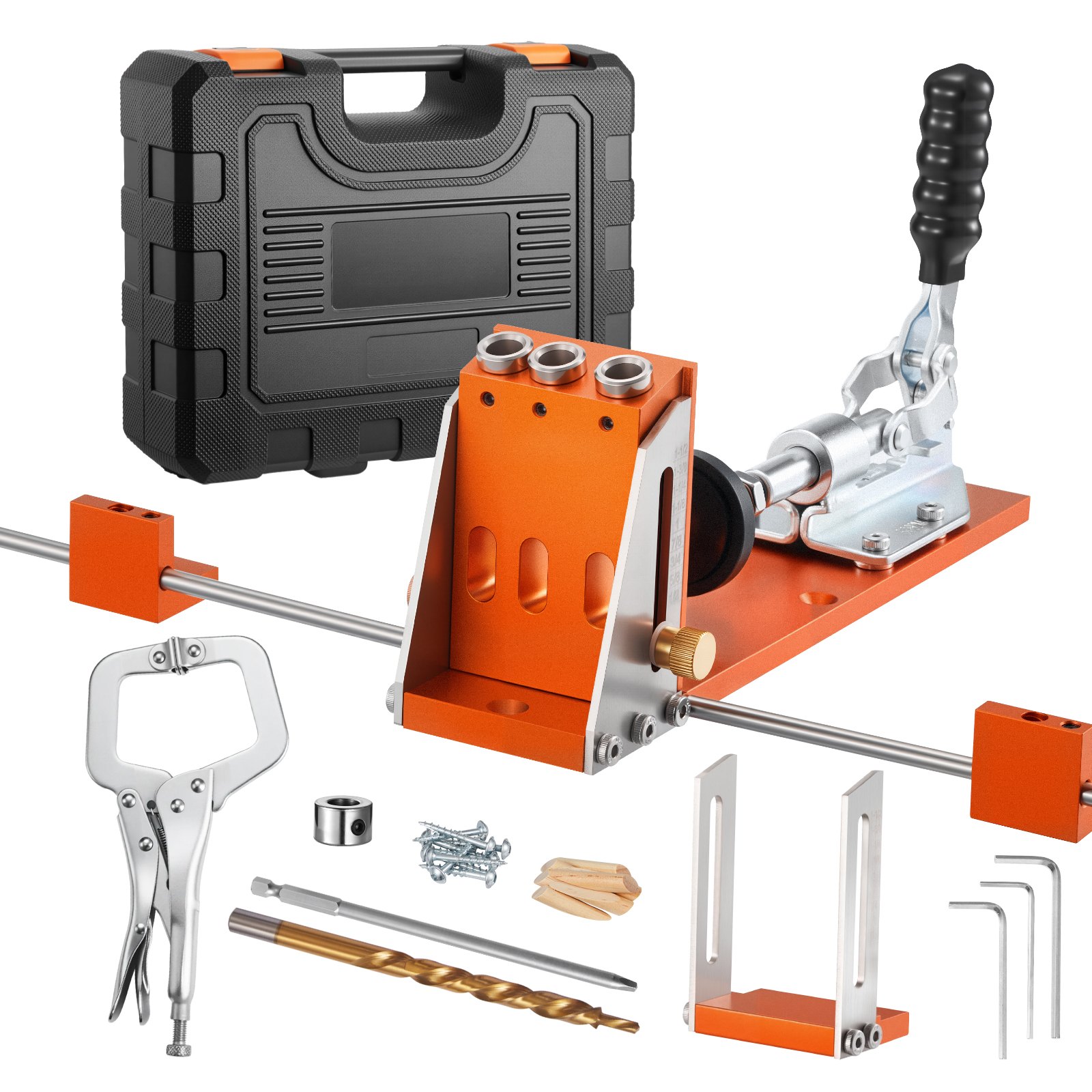 Pocket Hole Jig Kit, 1/2 To 1-1/2 In Adjustable, Jig System With Toolcase, C-Clamp, Step Drill, Hex Wrench, Stop Ring, Square Drive Bit, Reinforced Metal Frame, For Woodworking$53.99View on Mallflare
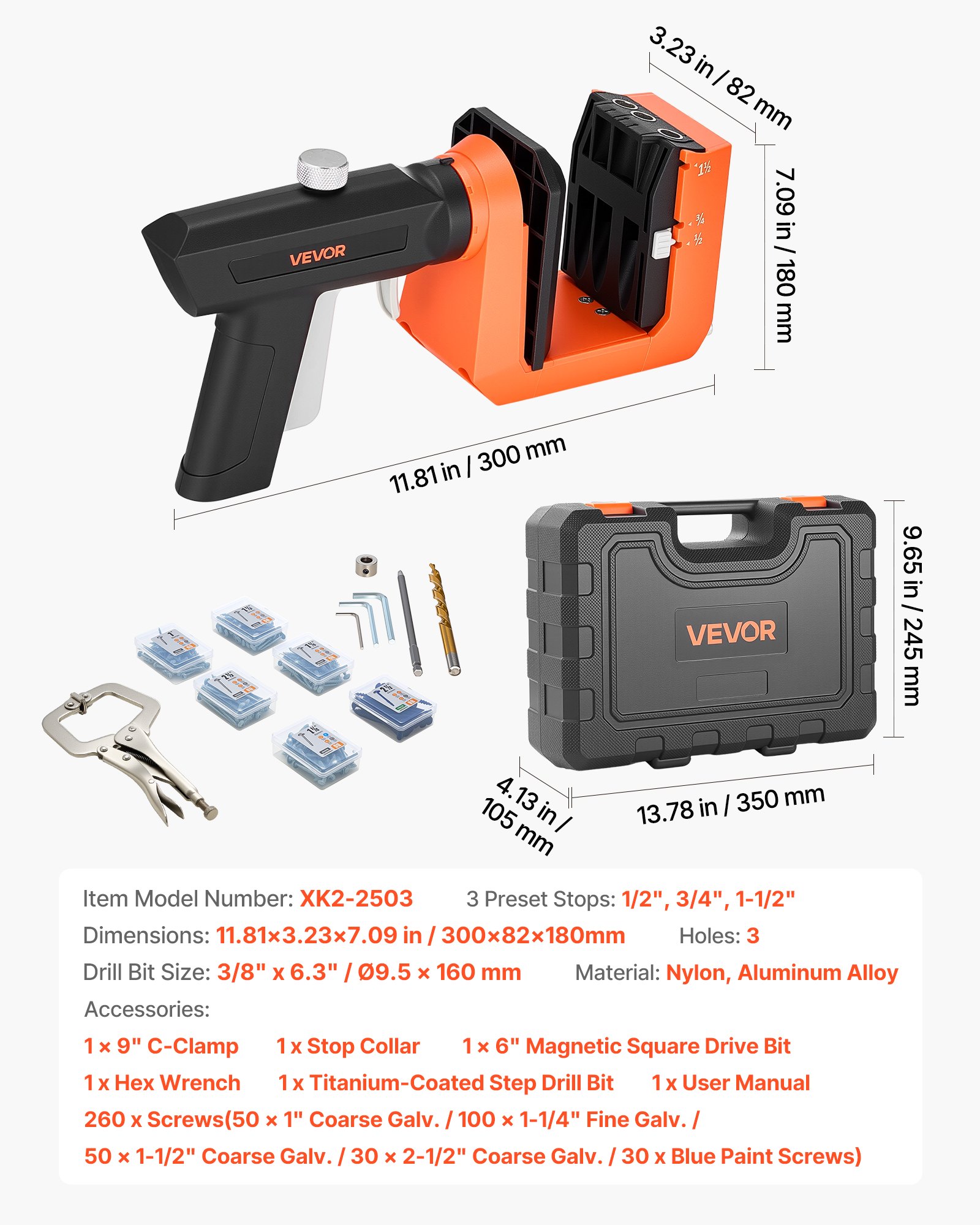 Pocket Hole Jig Kit, 1/2", 3/4", 1-1/2" Adjustable, 360° Rotating Handle, Jig System With 260 Screws, C-Clamp, Stop Collar, Drill Bit, Easy Clamping And Adjusting, For Woodworking$59.99View on Mallflare
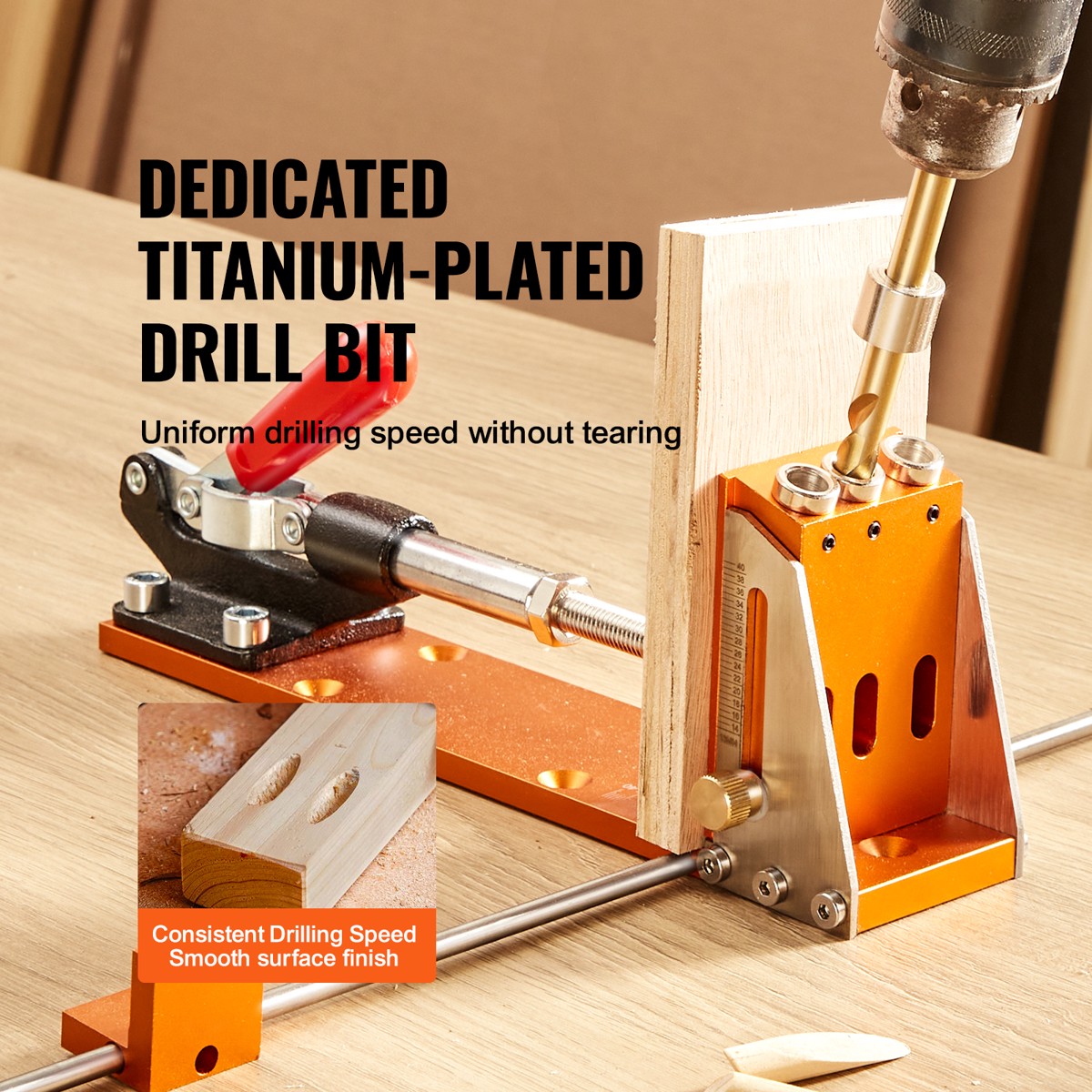 VEVOR Pocket Hole Jig Kit, 34 Pcs Jig System With Fixture, Step Drills, Wrenches, Drill Stop Rings, Square Drive Bits, Toolbox, Adjustable, For DIY Carpentry Projects$68.99View on Mallflare
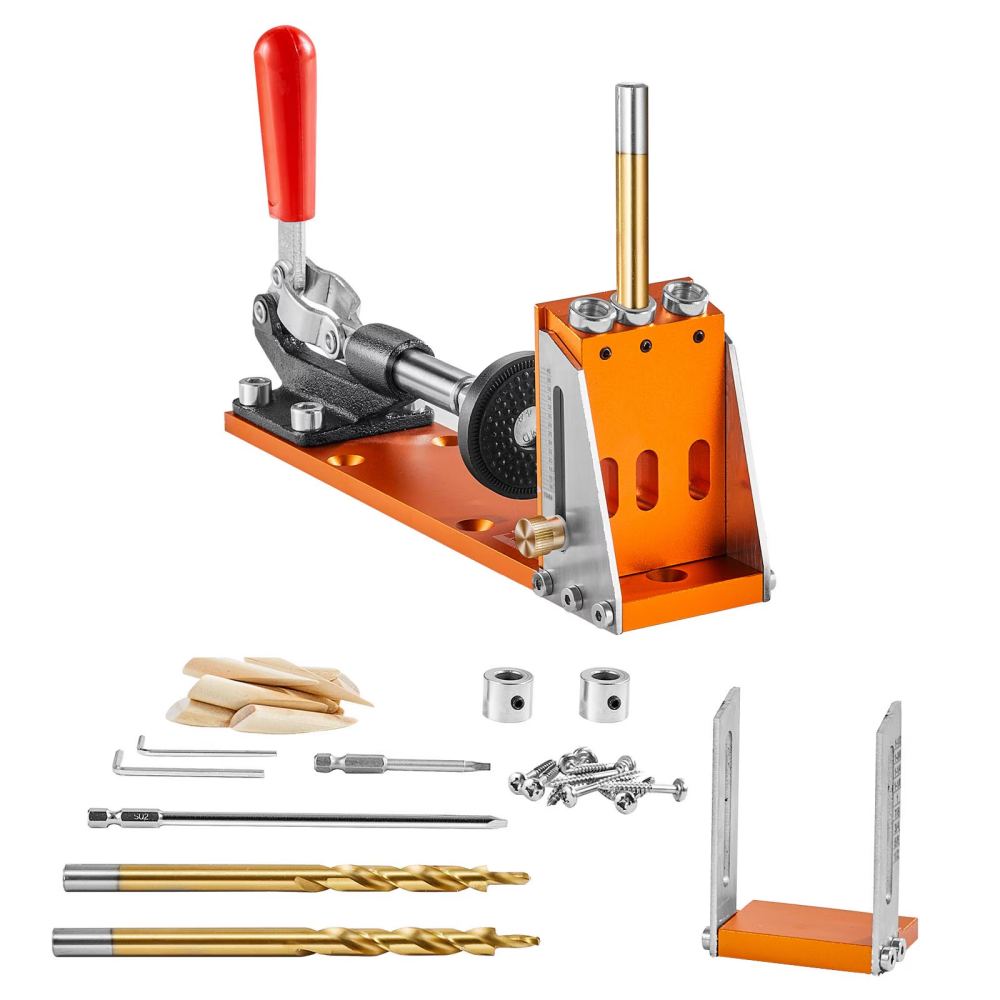 Pocket Hole Jig Kit Aluminum Alloy Adjustable Depth 1/2-1 1/2 Inch with 2 Step Drills for Woodworking$116.99View on Mallflare
Highlights
- Guide angle is standardized at 15 degrees; the jig's bushing material and wall thickness, not the angle, determine hole-to-hole consistency.
- Step drill bits are sized to screw gauge: 3/8 in shank bits suit 1-1/4 in screws, while 1/2 in shank bits cover 1-1/2 in and longer screws in 2x material.
- Guide blocks range from single-hole portable pucks to 3-hole and 4-hole fixed blocks; more holes per block mean faster panel assembly but require a wider clamping footprint.
- Depth-stop collars set screw length by material thickness; metal collars with a set screw hold position, while O-ring friction collars slip on hardwood.
Best use cases
- Cabinet and face-frame assembly: pick a metal 3-hole or 4-hole block jig with a toggle clamp and dust port; skip single-hole pucks that slow repeated panel work.
- Trim, repair, and small box work: a compact single-hole or 2-hole nylon jig with a step drill and stop collar is sufficient; skip large bench-mounted systems with long clamp bars.
- Hardwood and 2x framing: choose a reinforced metal frame rated for 1/2 to 1-1/2 in stock with a hardened bushing; skip plastic frames that flex and oval the guide hole under load.
Buying tips
- Match bit shank to screw: 3/8 in shank step drills for 1-1/4 in screws in 3/4 in stock; 1/2 in shank for 1-1/2 in and longer screws in 1-1/2 in stock.
- Count guide holes per block: 2-hole blocks suit narrow rails and stiles; 3-hole and 4-hole blocks cut assembly time on wide panels but need a longer clamp reach.
- Demand a hardened steel guide bushing pressed into a metal block; nylon bushings wear oval and cause screw heads to sit proud after a few hundred holes.
- Check the included stop collar type: a metal collar with a hex set screw holds depth on hard maple, while friction O-rings drift and require re-setting.
Specs
| Guide Angle | 15 degrees (standard) |
|---|---|
| Stock Capacity | 1/2 to 1-1/2 in typical |
| Guide Block | Metal vs nylon frame |
| Step Drill Shank | 3/8 in vs 1/2 in |
Related searches
What to check before buying
- Measure your thickest stock: jig adjustment range must cover it, typically 1/2 to 1-1/2 in for compact kits and up to 1-1/2 in or more for bench systems.
- Confirm clamp reach and throat depth clear your widest panel; a C-clamp or face clamp with at least 2 in throat is needed for 3/4 in stock.
- Verify the step drill shank matches your drill chuck: 3/8 in fits most cordless chucks, while 1/2 in shanks need a 1/2 in chuck or adapter.
- Check screw compatibility: kits supply coarse-thread screws for softwood and fine-thread for hardwood; confirm the kit includes the thread type for your material.
FAQ
Data sources: eBay / Amazon listings and product attribute feeds Data updated Nov 20, 2026.
Some links on this page are affiliate links. If you buy after clicking one, we may earn a commission at no extra cost to you. This does not change which products appear here or their order. Affiliate disclosure.