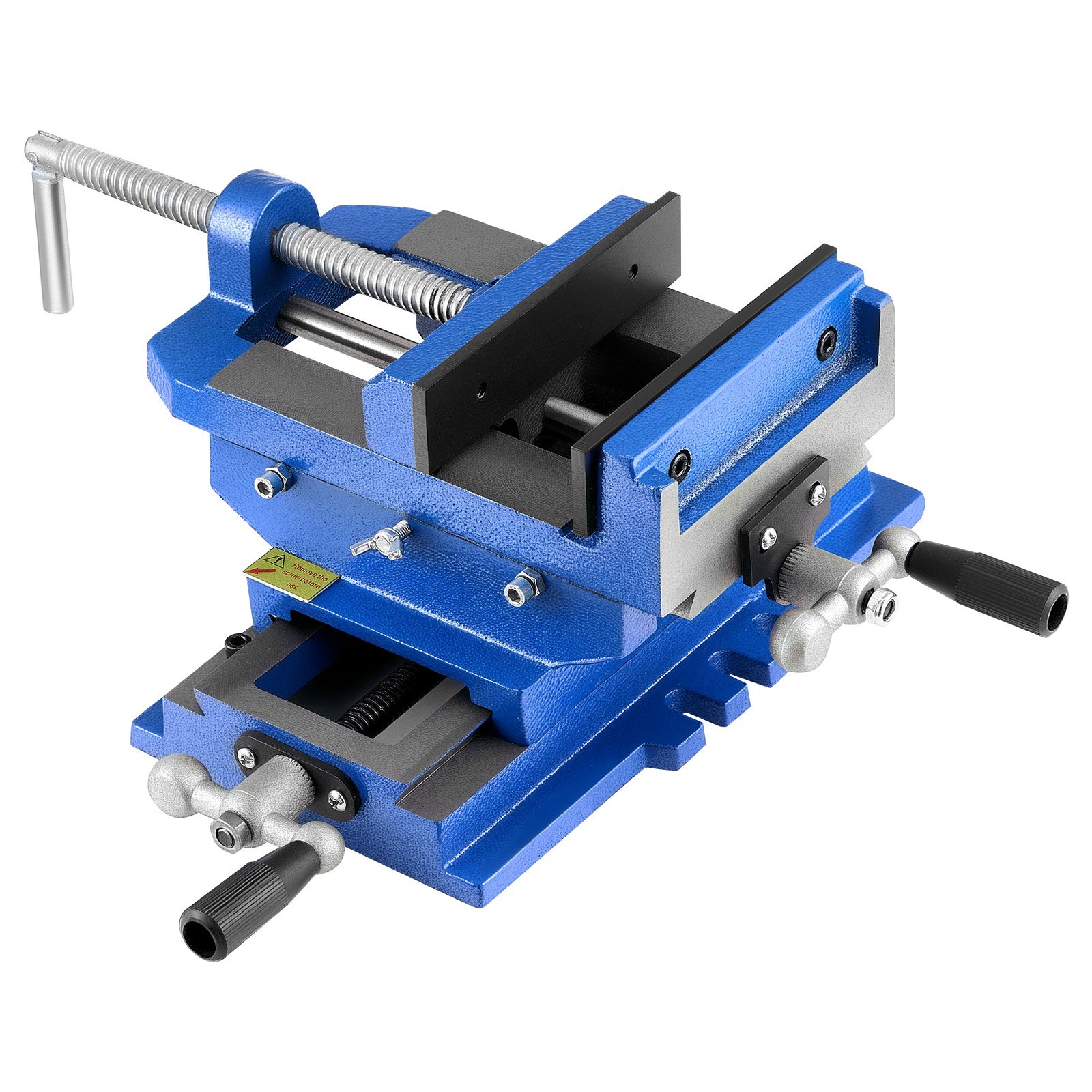

Photos from current listings. Actual item, color, and included accessories may vary.
Woodworking Bench Clamp Buying Guide
A woodworking bench clamp is a work-holding device that secures stock to a bench or drill-press table for planing, drilling, and joinery—ranging from quick-release hold-downs to X-Y cross-slide vises for precision positioning. The core trade-off is holding capacity and rigidity versus setup speed and bench space: iron vises offer maximum clamping force but are stationary, while hold-down clamps and sliding jigs trade some rigidity for portability and fast repositioning. Buy iron-bodied vises with replaceable jaws and sealed lead screws for heavy vibration work, and skip lightweight aluminum or plastic-bodied clamps only if you routinely plane or drill hardwoods.


At a glance
- Category
- Woodworking Clamps, Jigs & Joinery
- Data updated
- Nov 20, 2026
Current offers
Highlights
- Cast-iron vises with 6-inch jaw widths and 5.7-inch openings handle drilling and milling vibration; aluminum-bodied clamps flex under heavy planing loads.
- X-Y cross-slide vises use dual-axis lead screws with graduated dials for repeatable hole positioning; single-axis bench vises only clamp without lateral adjustment.
- Quick-release hold-down clamps with cam or toggle action set and release in under a second, while screw-type vise clamps need multiple turns per repositioning.
- Replaceable hardened-steel or hardwood jaw faces protect finished surfaces; fixed serrated jaws bite stock but mar softwoods and finished joinery.
Best use cases
- Drill-press and CNC work: choose an X-Y cross-slide vise with 6-inch jaws and a 5.7-inch opening for repeatable hole patterns; skip quick-release hold-downs that shift under lateral cutting forces.
- Hand-planing and joinery: choose a cast-iron bench vise with at least 4-inch jaw width and 1-inch-thick jaws, or heavy hold-down clamps at the bench edge; skip 2-inch aluminum hobby clamps.
- Portable and small-shop setups: choose quick-release toggle or cam clamps for fast repositioning on a mobile bench; skip cast-iron vises heavier than 20 pounds if the bench is not anchored.
- Assembly and glue-ups: choose bar or parallel clamps rated for the joint span; skip drill-press vises, which clamp only at fixed jaw depth and cannot span a cabinet carcass.
Buying tips
- Match jaw width to your widest routine cut: 4-inch jaws for stock under 4 inches wide, 6-inch jaws for 4-6 inch stock, 8-inch or larger for panel work.
- Check jaw opening against your thickest stock plus jaw-face thickness—a 5.7-inch opening fits roughly 5 inches of actual workpiece after jaw pads.
- For X-Y vises, confirm the base has slotted mounting ears matching your drill-press table T-slot spacing; vises without mounting slots cannot be bolted down.
- Prefer lead-screw vises with ACME or buttress threads and sealed bearings over standard metric threads; sealed screws resist sawdust and hold adjustment longer.
Specs
| Clamp Type | Bench vise / hold-down / X-Y cross-slide |
|---|---|
| Jaw Width | 4 in / 6 in / 8 in |
| Max Jaw Opening | 4-6 in typical bench vise |
| Body Material | Cast iron vs aluminum vs steel |
Related searches
What to check before buying
- Measure bench overhang and apron clearance: a bench vise needs at least 3 inches of clear overhang below the mounting surface for the slide and screw.
- Confirm bench top thickness and material: 1.5-inch hardwood tops hold lag-screw vise mounts; 0.75-inch MDF or plywood needs through-bolts and a backup plate.
- Check drill-press table slot width and bolt size before choosing an X-Y vise; most bench vises mount with 5/16-inch or 3/8-inch bolts.
- Verify the clamp's maximum jaw opening covers your thickest stock plus pads—add 1/4 inch per pad to avoid bottoming out the screw.
FAQ
Data sources: eBay / Amazon listings and product attribute feeds Data updated Nov 20, 2026.
Some links on this page are affiliate links. If you buy after clicking one, we may earn a commission at no extra cost to you. This does not change which products appear here or their order. Affiliate disclosure.