Photos from current listings. Actual item, color, and included accessories may vary.
Woodworking Bench Vise Buying Guide
A woodworking bench vise is the primary work-holding anchor on a bench, and the critical trade-off is between cast iron or steel body mass and the guide/screw mechanism quality that resists racking under load. Durable vises use acme-threaded screws, double or enclosed guide bars, and quick-release nuts; light drill-press vises with slotted bases are not substitutes for a bench vise. The decision rule: buy a vise rated for the jaw opening and clamping force you need with a quick-release or continuous screw, and skip any model that relies on a single unsupported rod or pot-metal body.


At a glance
- Category
- Woodworking Clamps, Jigs & Joinery
- Data updated
- Nov 20, 2026
Current offers
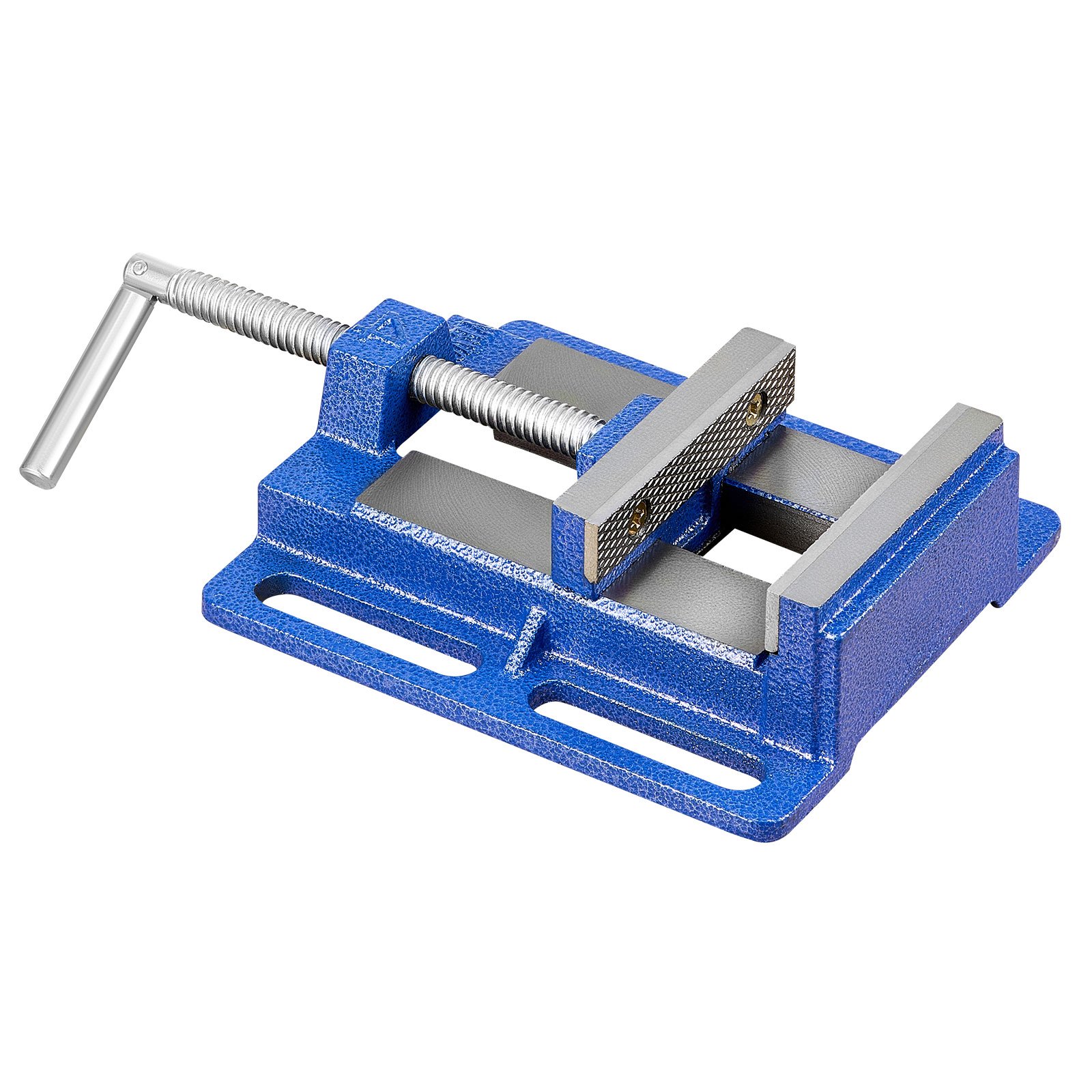 Drill Press Vise, 4 Inch Jaw Width, Portable Bench Slotted Base For Easy Installation, Durable Cast Iron Construction, Workbench Vice, For Woodworking, Metalworking, Drilling, And Cutting$28.99
 View on Mallflare
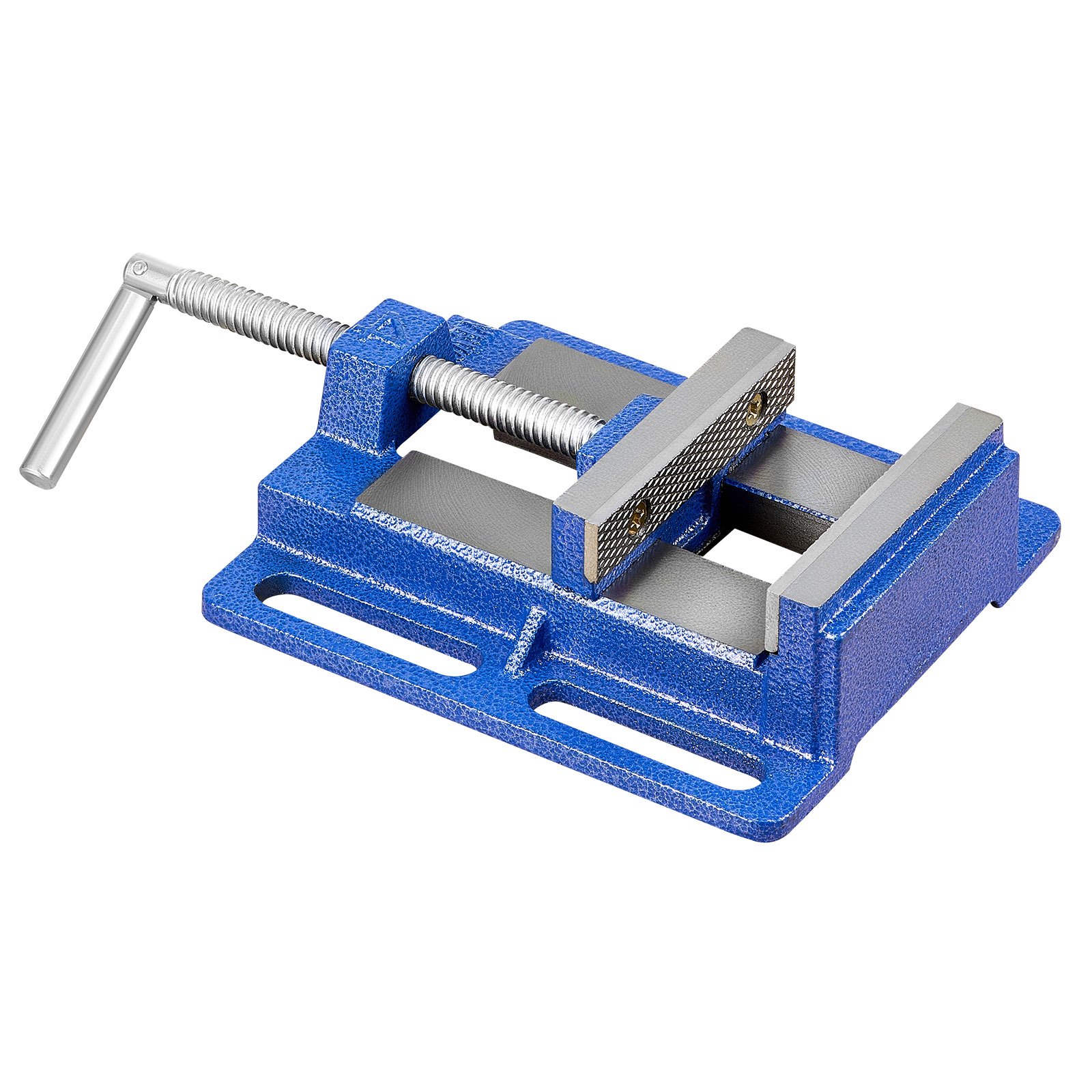 Drill Press Vise, 6 Inch Jaw Width, Portable Bench Slotted Base For Easy Installation, Durable Cast Iron Construction, Workbench Vice, For Woodworking, Metalworking, Drilling, And Cutting$40.99View on Mallflare
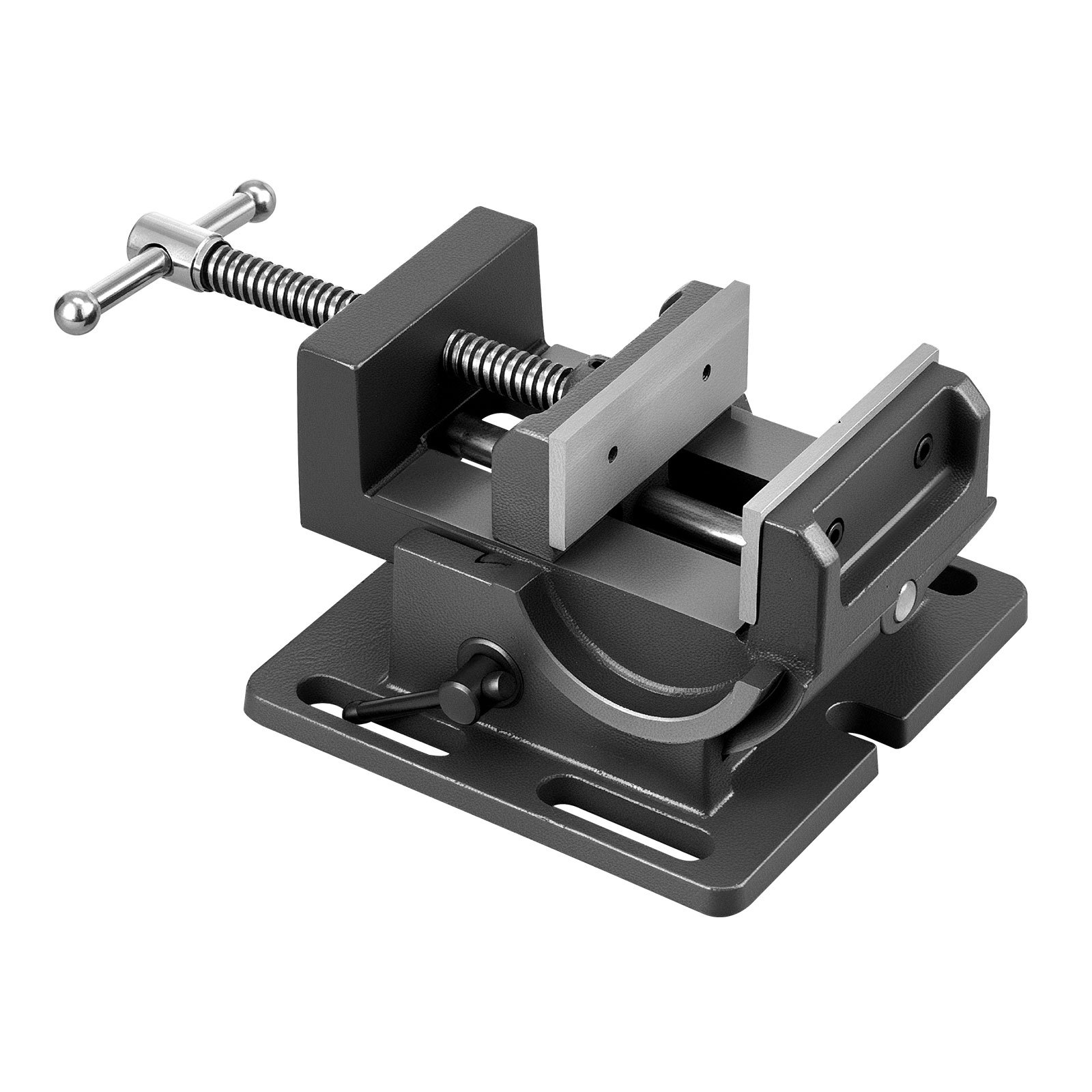 Tilting Vise, 4.25 Inch Jaw Width, Portable Drill Press Bench 0–90° Adjustable Tilt, Durable Cast Iron Construction, Workbench Vice For Woodworking, For Benchtops And Presses, Black$61.99View on Mallflare
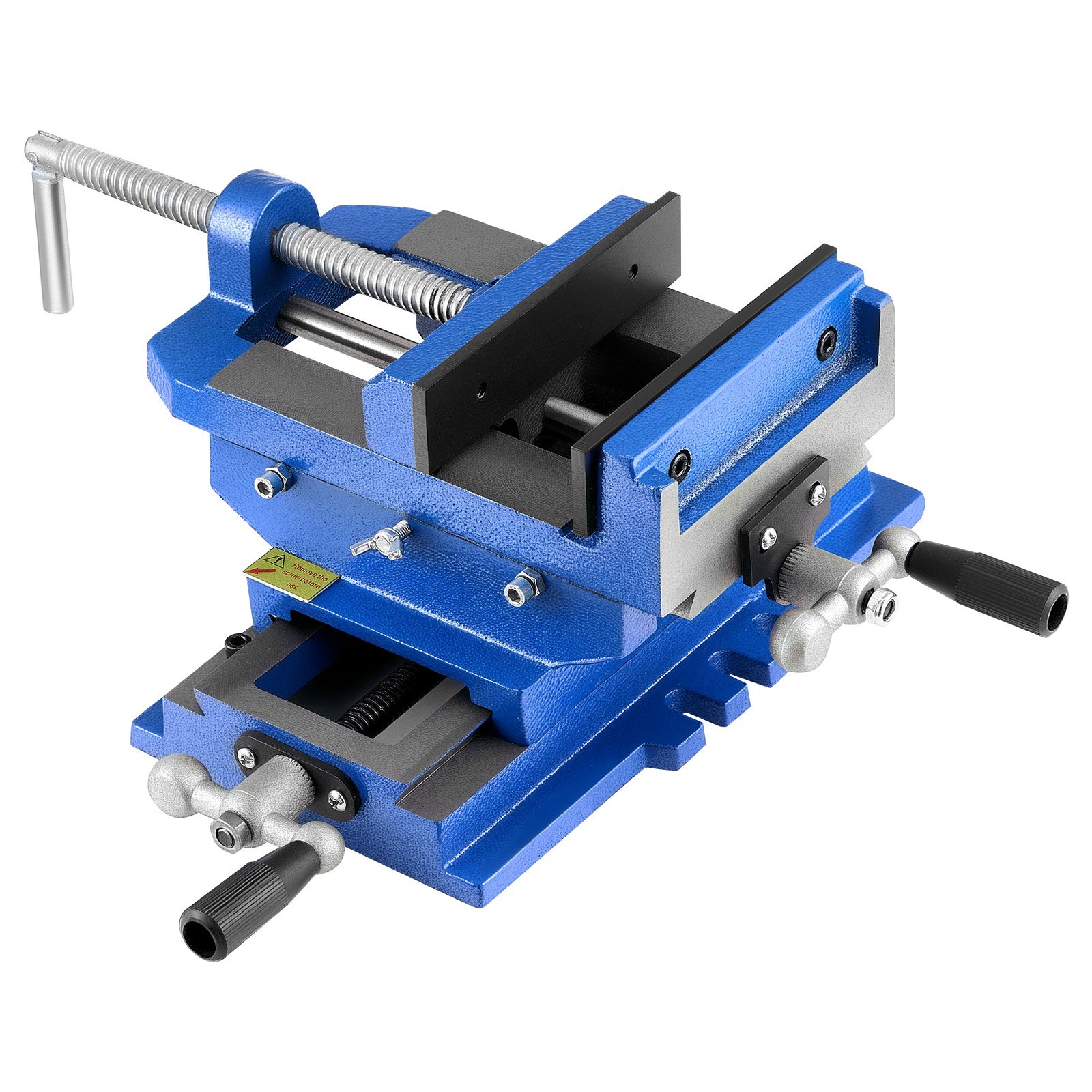 Cross Slide Drill Press Vise, 6 Inch Jaw Width, 2 Way X-Y Axis Bench 5.7 Max Jaw Opening, Heavy Duty Cast Iron, Workbench Vice Clamp, For Woodworking Drilling CNC Milling Machine$83.99View on Mallflare
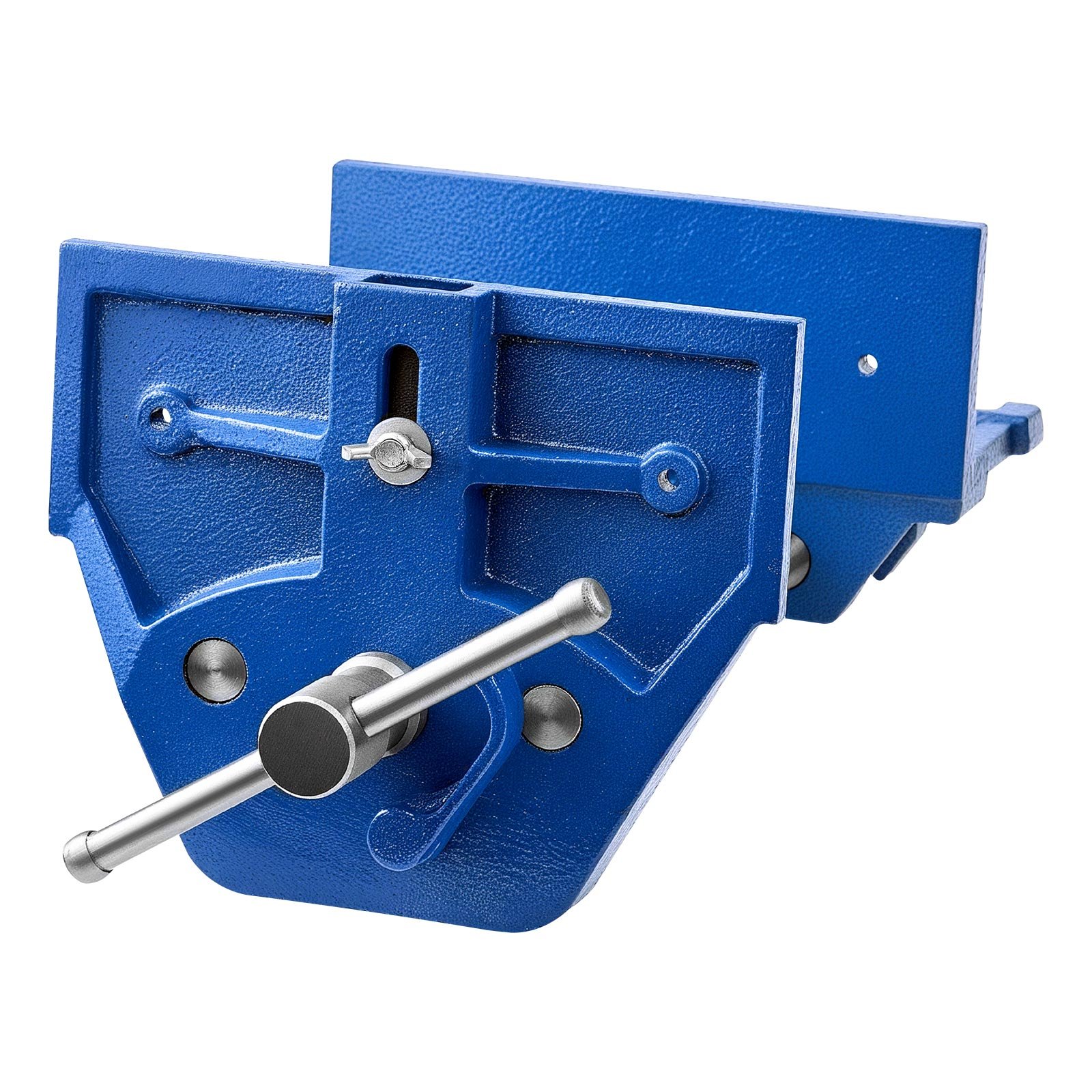 Woodworking Vise, 7 Inch Jaw Width, Quick Release Wood Bench 8 Max Jaw Opening, Heavy-duty Cast Iron Construction, Workbench Vice With Adjustable Front Stop, For Drilling$92.99View on Mallflare
Highlights
- Bench vises use acme-thread screws (typically 3/4-6 to 1-1/8-6) for load holding; drill-press vises use finer machine threads and slotted bases for table mounting, not bench-edge clamping.
- Quick-release vises disengage the nut with a half-turn lever for fast repositioning; continuous-screw vises require full turns but are simpler and cheaper to build.
- Cast iron bodies (grey iron, 30,000-40,000 psi tensile) dominate; ductile iron and steel offer higher impact resistance, while pot-metal or zinc-alloy vises deform under hammering.
- Jaw width sets workpiece capacity while max jaw opening sets thickness; a 7-inch jaw with 8-inch opening handles wide panels, whereas 4-inch drill-press vises top out near 4-5 inches of opening.
Best use cases
- Best fit: hand-tool woodworking, dovetailing, and edge planing — pick a quick-release woodworking vise with 7-9 inch jaws, wooden or swivel jaw pads, and at least 8 inches of opening.
- Best fit: metalworking, drilling, and milling on a drill press — pick a cross-slide or tilting drill-press vise with a slotted base and X-Y or 0-90 degree adjustment, not a bench vise.
- Wrong fit: using a 4-inch drill-press vise as a bench vise for planing or sawing — the slotted base and light screw cannot resist lateral force; skip it and buy a bench-mounted vise.
- Wrong fit: buying a 6-inch cross-slide vise for general woodworking — the X-Y mechanism adds cost and backlash without benefit for edge work; a simple quick-release woodworking vise is the correct pick.
Buying tips
- Match jaw opening to your thickest work: a 7-inch jaw vise with 8-inch opening clears 8/4 stock plus jaw pads; 4-inch vises with 4-5 inch opening suit only small parts and drill-press work.
- Choose acme-thread screws with a supported front jaw and dual guide bars; single-rod or unsupported designs rack and bind when clamping one side of a wide board.
- For bench mounting, confirm the vise's mounting flange and bolt pattern fit your bench apron; quick-release models need clearance behind the rear jaw for the sliding nut.
- Ductile iron or steel bodies survive mallet strikes and heavy clamping; grey cast iron is fine for woodworking but can crack under metalworking impact.
Specs
| Vise Type | Bench / Drill-press / Cross-slide |
|---|---|
| Jaw Width | 4-9 in (7 in typical woodworking) |
| Max Jaw Opening | 4-8 in (8 in for 8/4 stock) |
| Screw / Release | Acme thread; quick-release or continuous |
Related searches
What to check before buying
- Measure bench apron height and overhang: a bench vise's rear jaw must clear the apron, and the screw housing needs 2-4 inches of clearance behind the bench edge.
- Confirm bench top thickness and bolt access: most vises bolt through the top with 3/8-1/2 inch lag or through-bolts, so you need underside access or a mounting plate.
- Check jaw pad compatibility: wooden jaw liners, magnetic pads, or swivel bases are separate purchases on many models; verify the jaw drilling pattern if you plan to add them.
- Verify the vise's mounting orientation (front, end, or corner) against your bench layout so the handle swing does not hit walls or adjacent tools.
FAQ
Data sources: eBay / Amazon listings and product attribute feeds Data updated Nov 20, 2026.
Some links on this page are affiliate links. If you buy after clicking one, we may earn a commission at no extra cost to you. This does not change which products appear here or their order. Affiliate disclosure.