Photos from current listings. Actual item, color, and included accessories may vary.
Woodworking Vise Buying Guide
A woodworking vise is a bench-mounted work-holding device that secures stock for hand-tool and power-tool operations, and the primary trade-off is between a dedicated quick-release woodworking vise with wooden jaws, deep capacity, and fast screw travel versus a metalworking or drill-press vise optimized for clamping force, low profile, and machine-table mounting. Buy a true quick-release front-vise with at least 7-inch jaw width and 8-inch opening for bench work; choose a drill-press or cross-slide vise only when the vise must sit on a drill table or mill and never replace a bench vise with one.

At a glance
- Category
- Woodworking Clamps, Jigs & Joinery
- Data updated
- Nov 20, 2026
Current offers
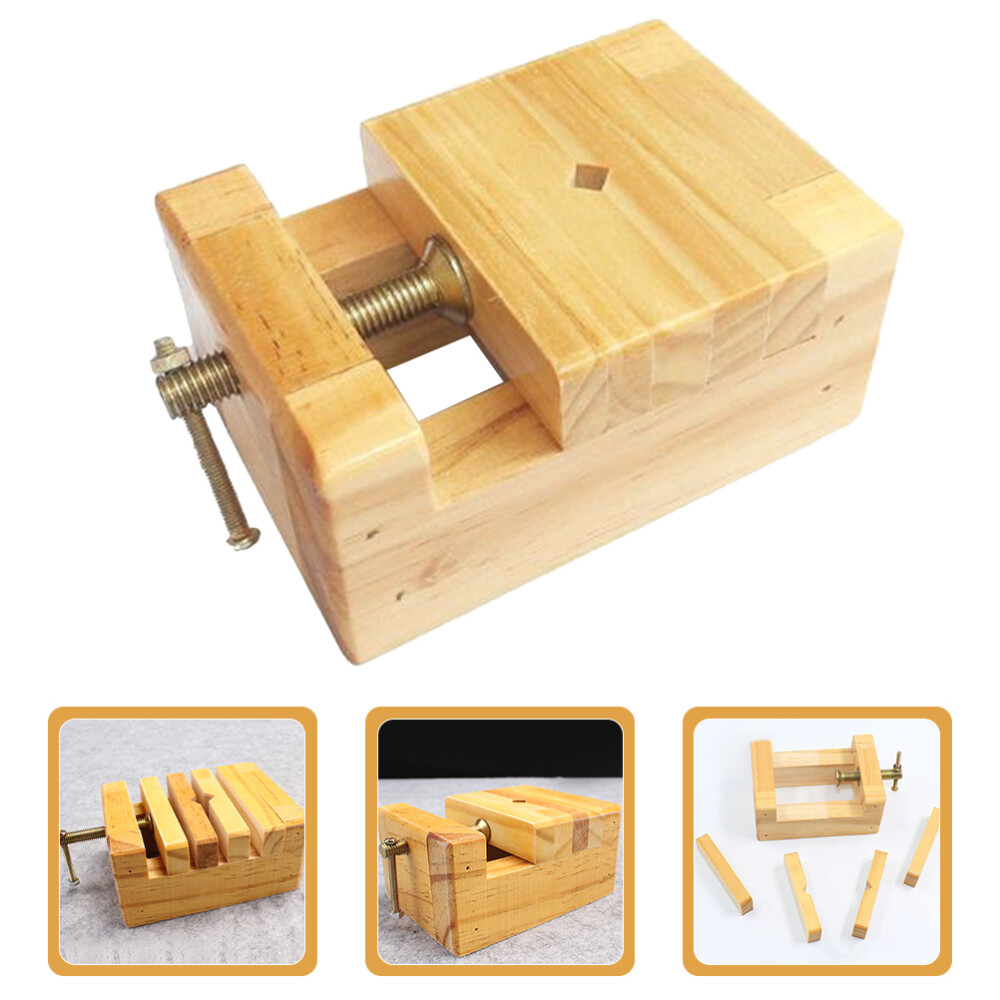 Woodworking Vise Seal Stone Bed Clamp for Handcraft Carving Tools and Equipment$20.44
 View on eBay
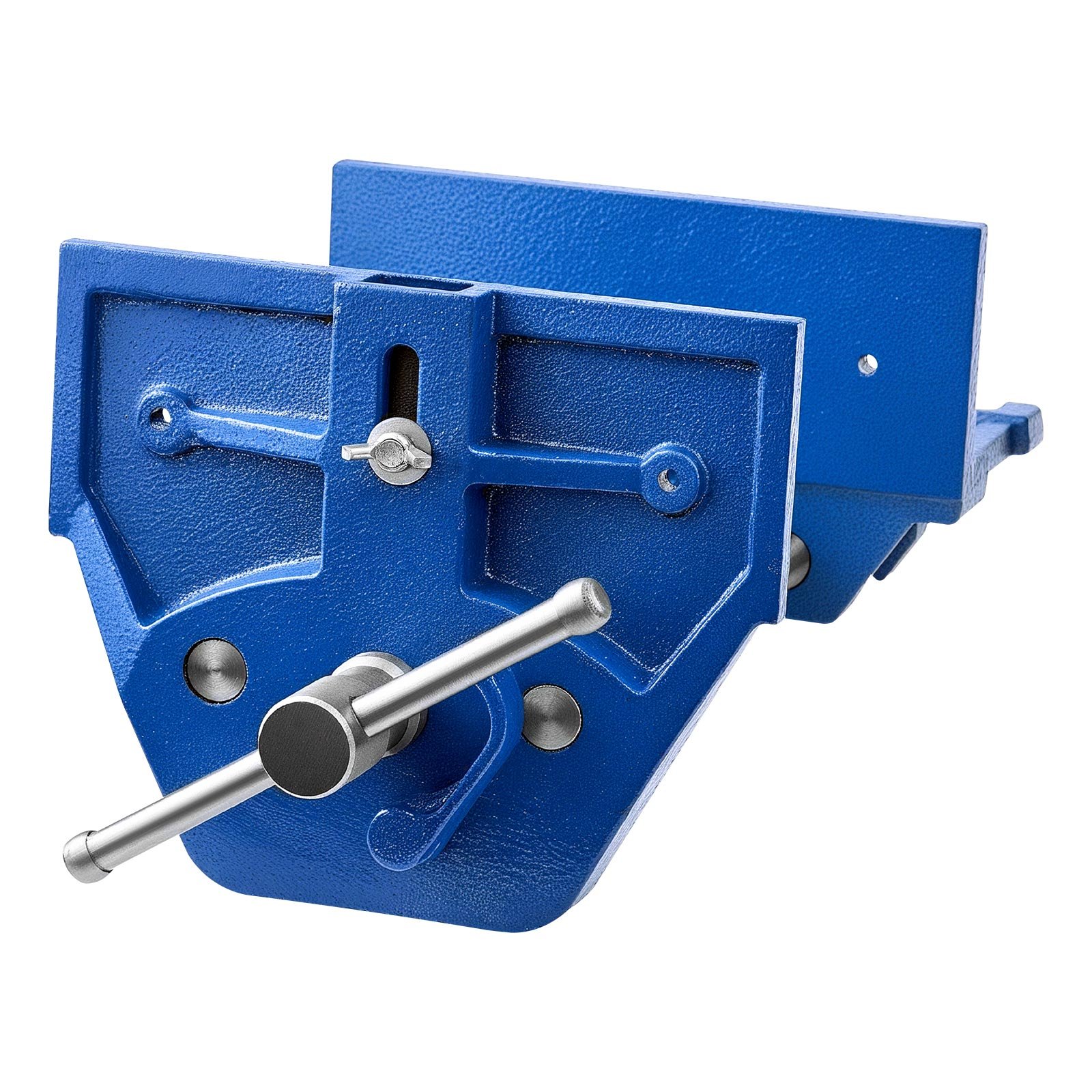 Woodworking Vise, 7 Inch Jaw Width, Quick Release Wood Bench 8 Max Jaw Opening, Heavy-duty Cast Iron Construction, Workbench Vice With Adjustable Front Stop, For Drilling$92.99
 View on Mallflare
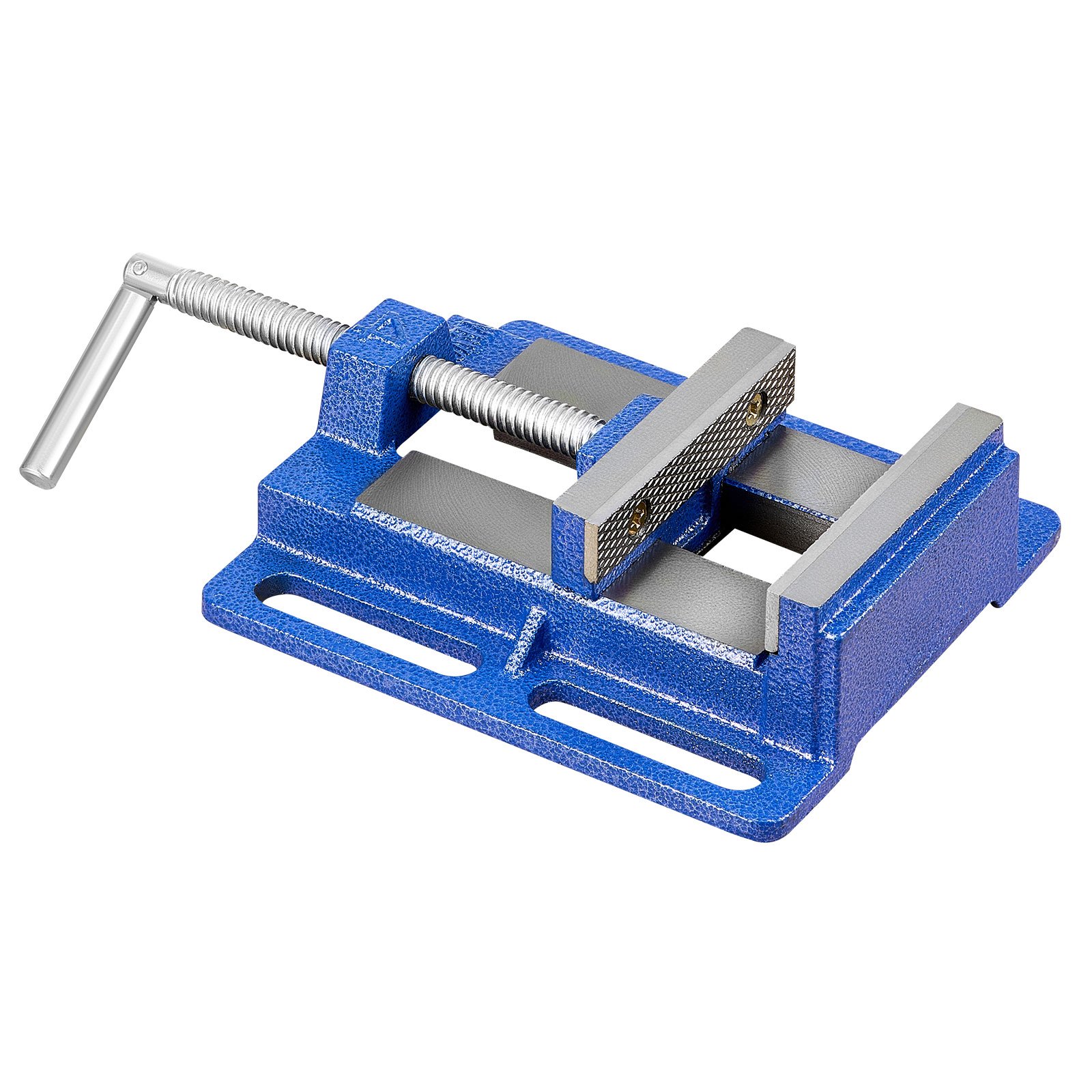 Drill Press Vise, 4 Inch Jaw Width, Portable Bench Slotted Base For Easy Installation, Durable Cast Iron Construction, Workbench Vice, For Woodworking, Metalworking, Drilling, And Cutting$28.99View on Mallflare
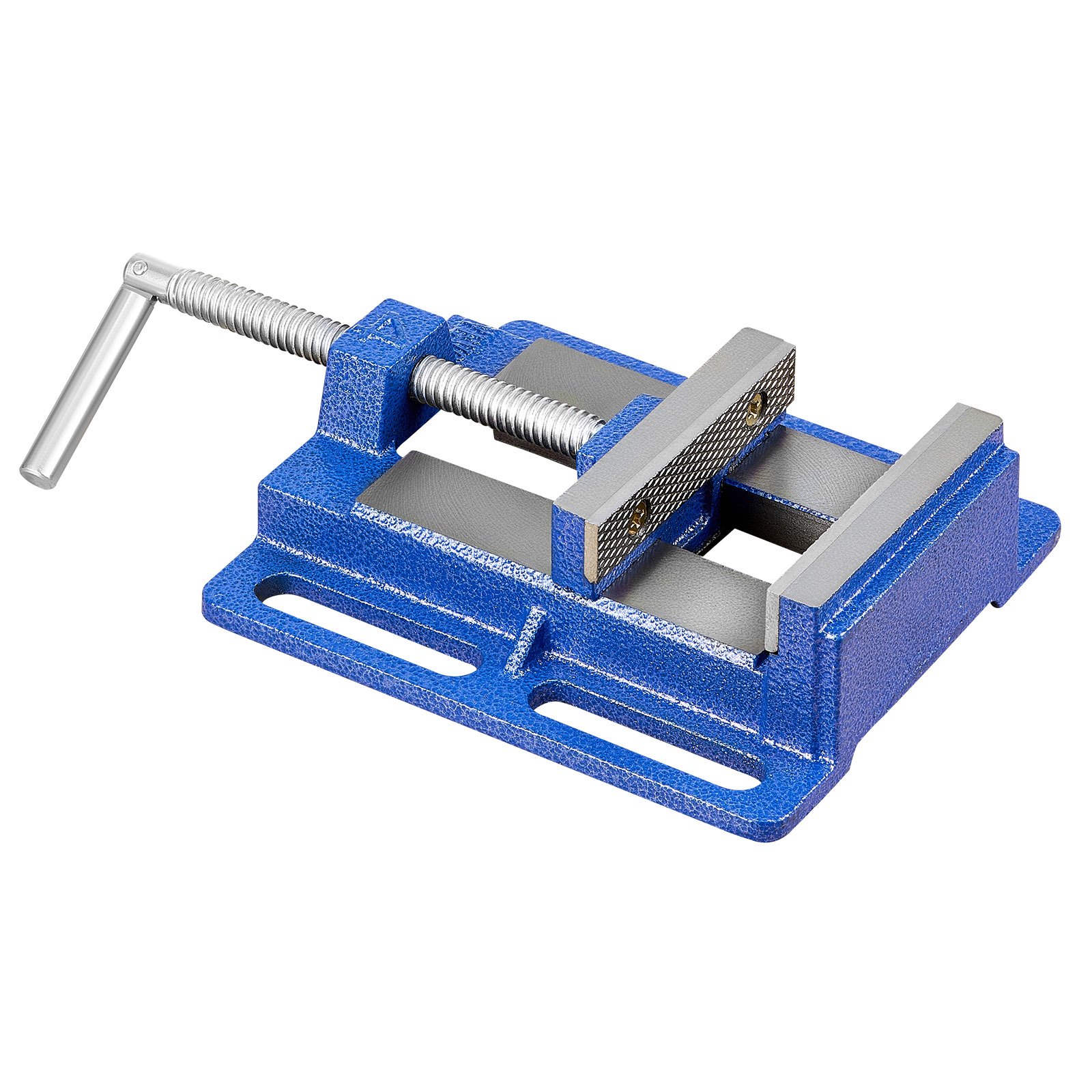 Drill Press Vise, 6 Inch Jaw Width, Portable Bench Slotted Base For Easy Installation, Durable Cast Iron Construction, Workbench Vice, For Woodworking, Metalworking, Drilling, And Cutting$40.99View on Mallflare
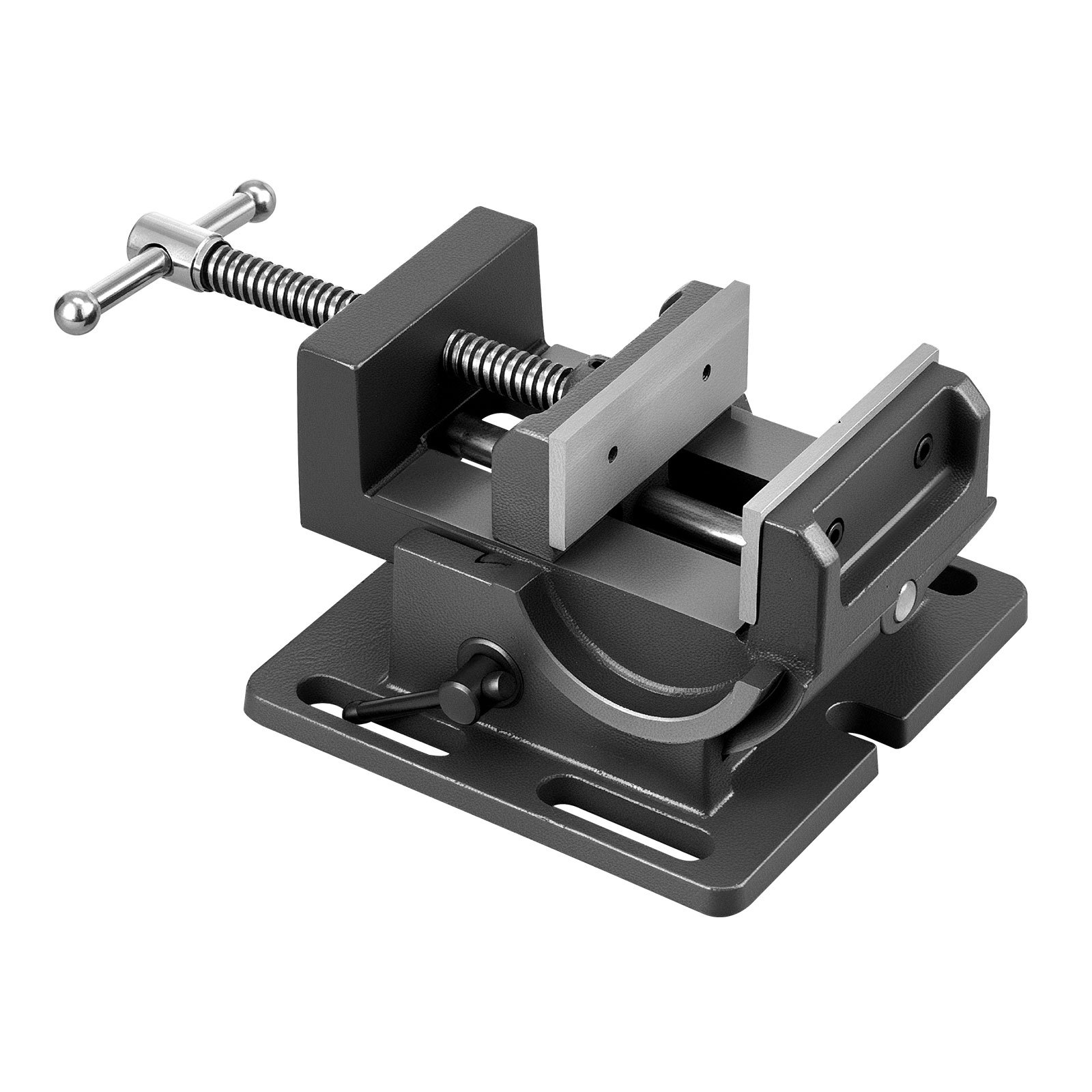 Tilting Vise, 4.25 Inch Jaw Width, Portable Drill Press Bench 0–90° Adjustable Tilt, Durable Cast Iron Construction, Workbench Vice For Woodworking, For Benchtops And Presses, Black$61.99View on Mallflare
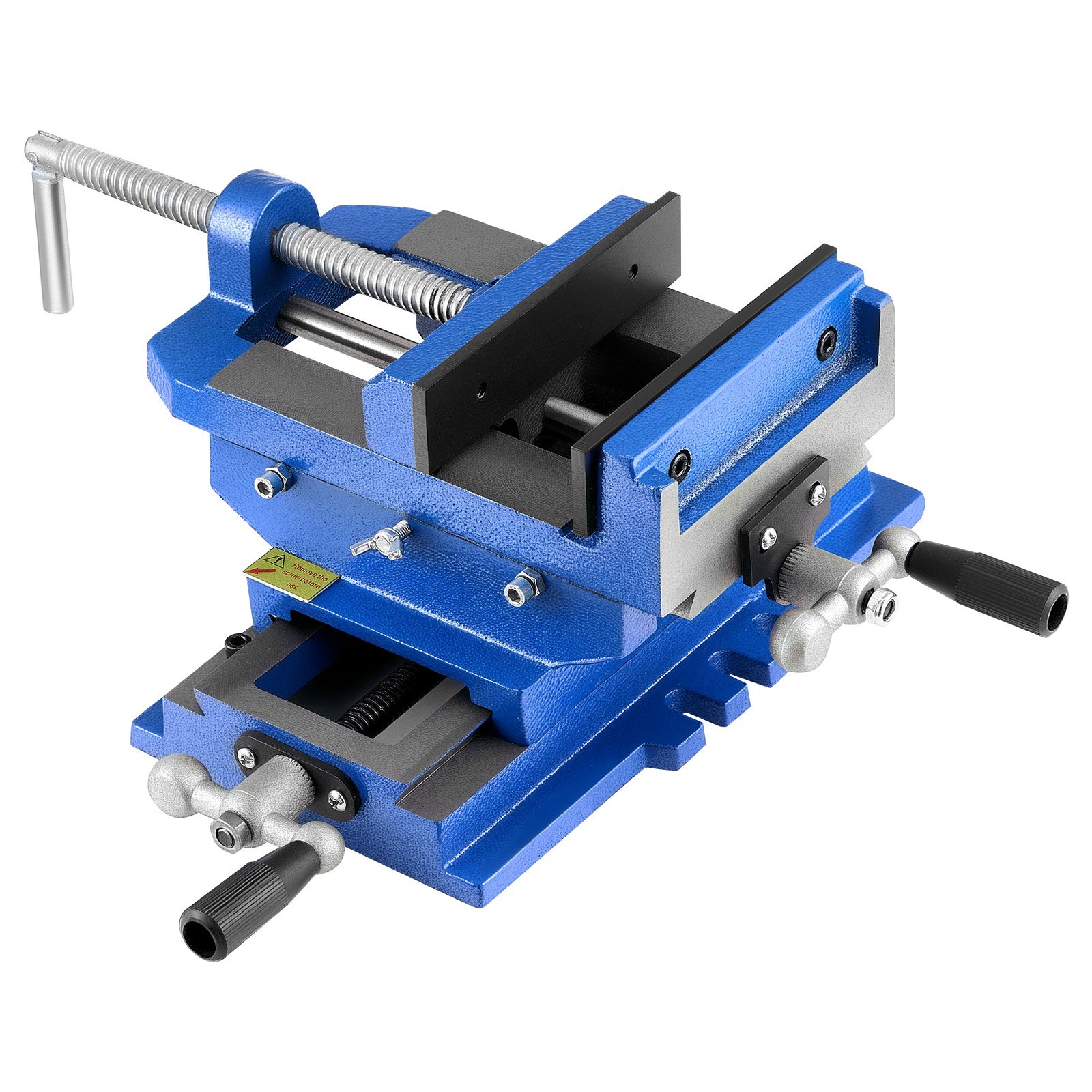 Cross Slide Drill Press Vise, 6 Inch Jaw Width, 2 Way X-Y Axis Bench 5.7 Max Jaw Opening, Heavy Duty Cast Iron, Workbench Vice Clamp, For Woodworking Drilling CNC Milling Machine$83.99View on Mallflare
Highlights
- Quick-release woodworking vises use a split nut that disengages the main screw for instant jaw repositioning, then re-engages for continuous clamping; drill-press vises use a full-thread screw with no quick release.
- Cast iron is the dominant body material for both bench and drill-press vises; ductile iron and steel bodies resist cracking under shock loads that fracture grey cast iron.
- Bench vise capacity is defined by jaw width (typically 4–10 in) and maximum jaw opening (7–12 in); drill-press vises trade opening depth for a slotted base that bolts to a machine table.
- Cross-slide and tilting vises add X-Y travel or 0–90° tilt for drilling and milling alignment; these are machine-fixturing tools and are not substitutes for a bench-mounted woodworking vise.
Best use cases
- Bench joinery, planing, and sawing: pick a quick-release front vise with 7–10 in jaw width, 8–12 in opening, and wooden or soft-jaw faces to avoid marring stock; skip drill-press vises for this role.
- Drill-press work: choose a 4–6 in jaw-width drill-press vise with a slotted base and low profile for bit clearance; skip a full-height bench vise that raises the workpiece too far from the table.
- Angled or compound drilling and light milling: select a tilting or cross-slide vise (0–90° tilt or X-Y travel) for setup flexibility; skip these if you need fast bench clamping and deep jaw opening.
- Portable or occasional use: a 4 in jaw-width cast iron vise with slotted base is adequate for light drilling and cutting; skip heavy cast iron bench vises if you cannot bolt the vise down.
Buying tips
- Match jaw width to work: 4–6 in for drill-press and light duty, 7–10 in for bench joinery and planing; jaw opening should exceed your thickest stock by at least 1–2 in.
- Choose quick-release for bench vises: the split-nut mechanism lets the jaw slide to the workpiece instantly, saving seconds per clamp cycle; full-thread screws are slower but fine for drill-press use.
- Prefer ductile iron or steel bodies over grey cast iron when you clamp hard or use a mallet; grey iron is rigid but brittle under shock.
- Check mounting: bench vises need a clear bench overhang and bolt pattern; drill-press vises need a slotted base matching your table slots or clamps.
Specs
| Vise Type | Bench quick-release / Drill-press / Cross-slide |
|---|---|
| Jaw Width | 4–10 in (bench 7–10, drill 4–6) |
| Max Jaw Opening | 7–12 in bench; 5–6 in drill |
| Body Material | Grey cast iron vs ductile iron / steel |
Related searches
What to check before buying
- Measure bench thickness and overhang: a front vise needs enough apron depth for its body and screw housing, plus clearance for the handle swing.
- Confirm bolt pattern and included hardware: bench vises mount with lag bolts or through-bolts; drill-press vises use table slots or T-nuts.
- Verify jaw opening versus your thickest stock and the handle clearance at full extension so the vise does not hit the bench leg or wall.
- For drill-press vises, measure table slot width and throat depth to ensure the slotted base and jaw height clear the chuck and bit.
FAQ
Data sources: eBay / Amazon listings and product attribute feeds Data updated Nov 20, 2026.
Some links on this page are affiliate links. If you buy after clicking one, we may earn a commission at no extra cost to you. This does not change which products appear here or their order. Affiliate disclosure.