Photos from current listings. Actual item, color, and included accessories may vary.
Hand Plane Buying Guide
A hand plane is a precision edge-cutting tool where a sharpened iron is held at a fixed angle in a rigid body to flatten, dimension, or trim wood. The core trade-off is body rigidity and adjuster precision versus cost: cast iron or bronze bodies with machined soles and screw adjusters hold tolerance, while stamped steel or thin aluminum bodies flex and chatter under load. The decision rule is simple: buy a solid cast-body plane with a flat sole and a cap iron for stock removal and jointing; skip any plane whose sole you can flex by hand or whose depth adjuster lacks a positive lock.

At a glance
- Category
- Woodworking Hand Tools & Chisels
- Data updated
- Nov 20, 2026
Current offers
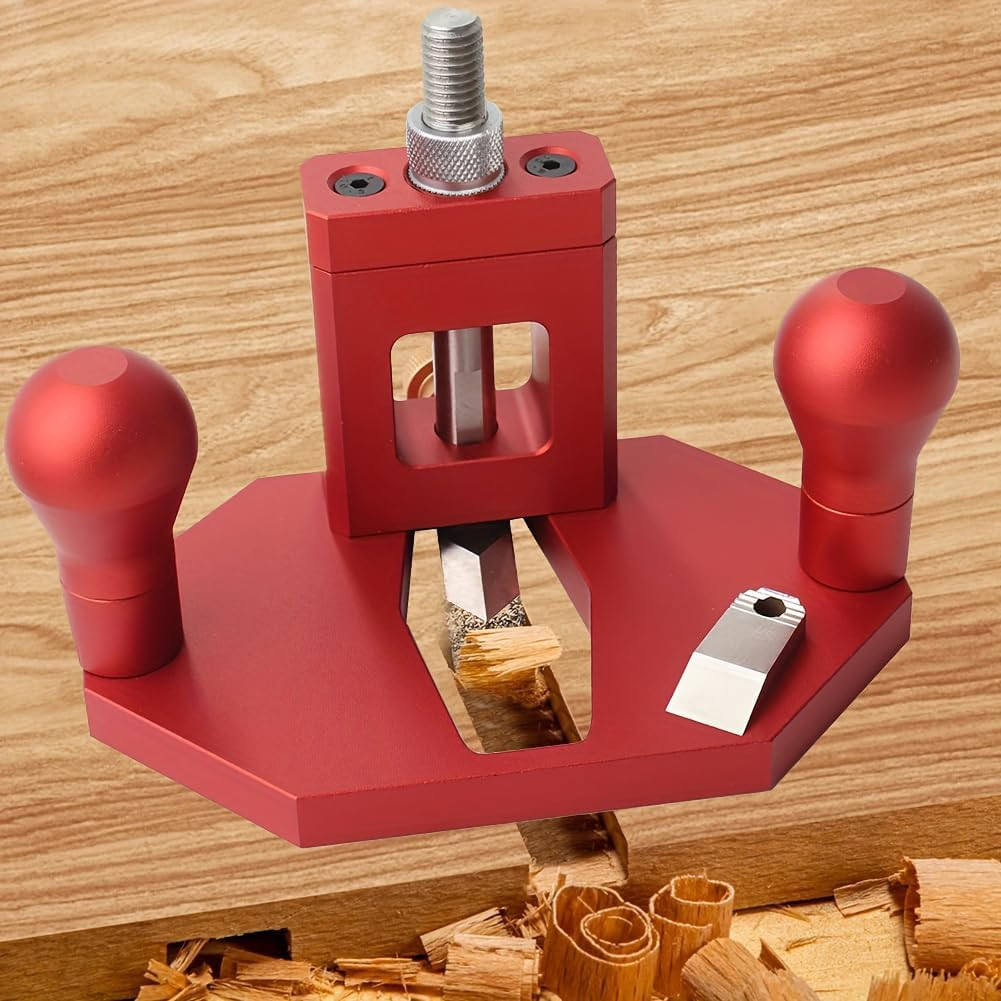 Router Plane Hand Wood Planer, Handheld Woodworking Tool, Woodworking Carpenter$65.95
 View on eBay
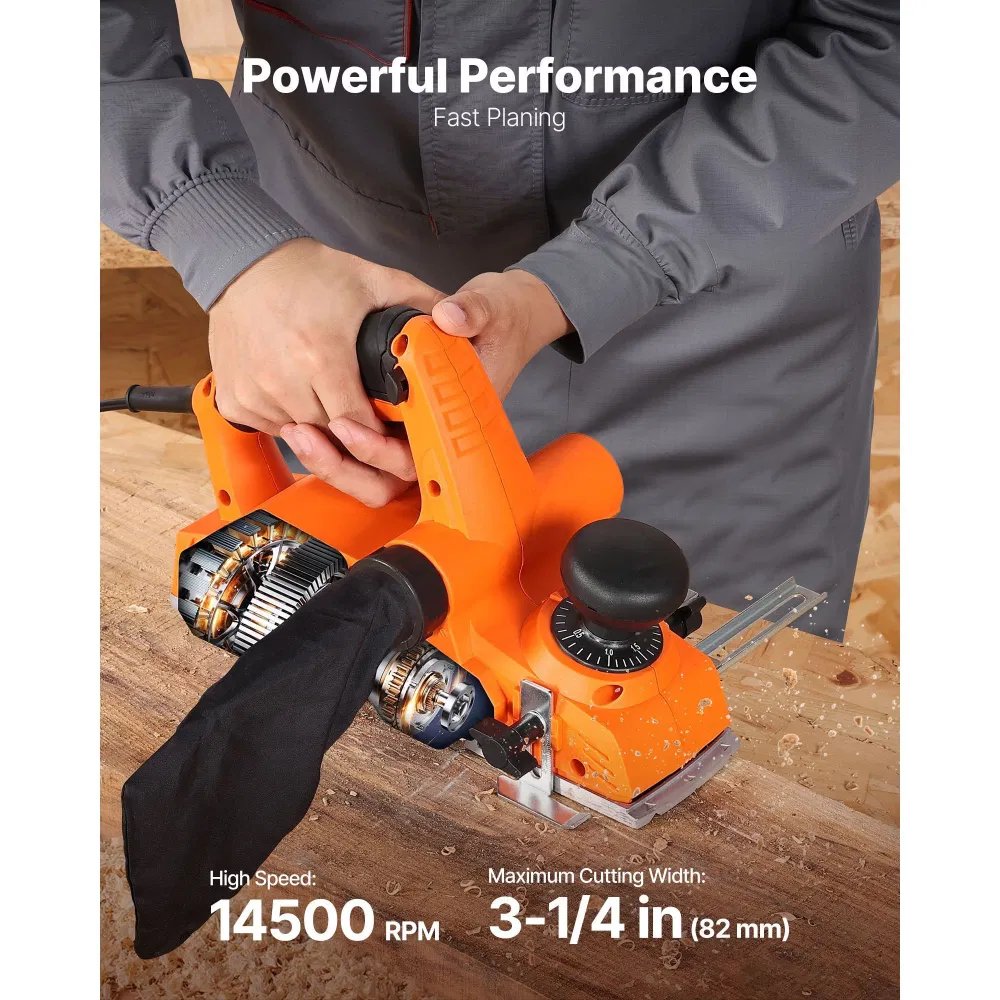 Hand Planer with 3-1/4" Planing Width, 1/8" Depth, Adjustable Knob, Chamfering Groove,forWoodworking DIY Projects$145.99
 View on Mallflare
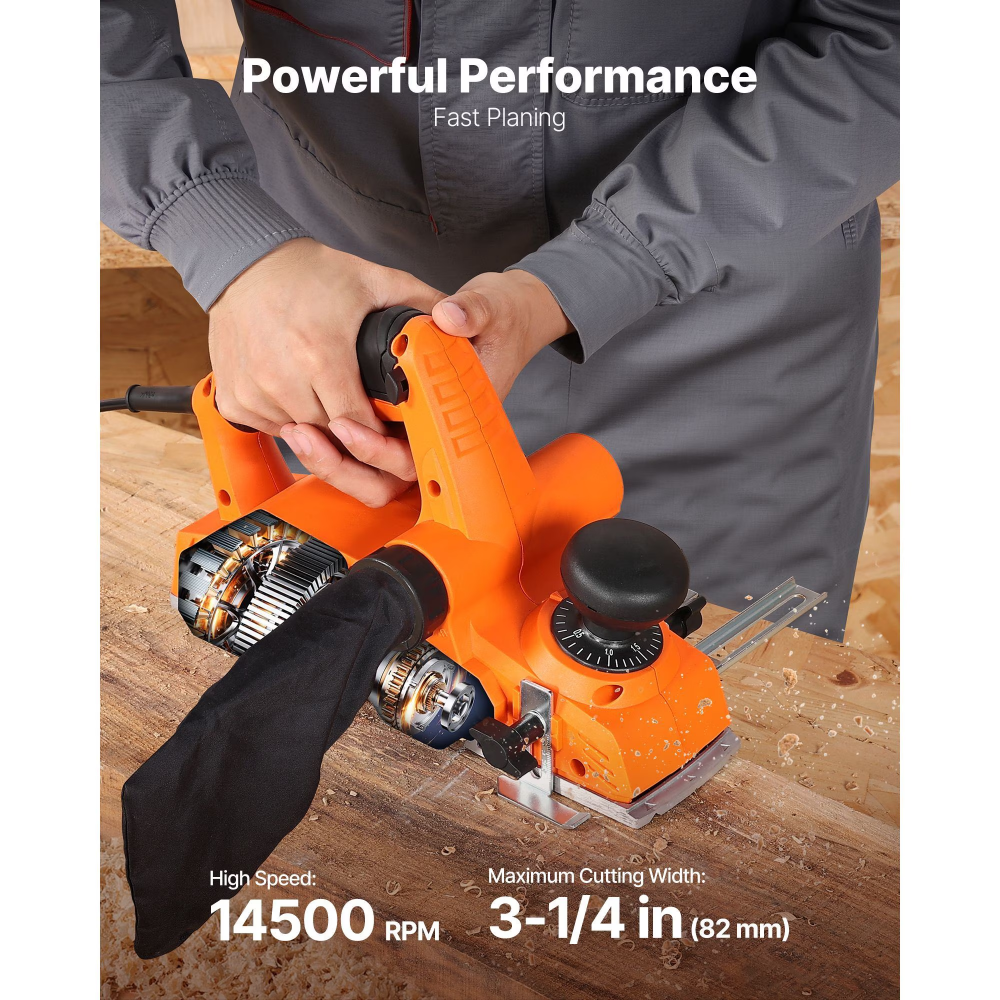 Hand Planer with 3-1/4" Planing Width, 1/8" Depth, Adjustable Knob, Chamfering Groove, for Woodworking DIY Projects$164.99View on Mallflare
Highlights
- Body material drives performance: cast iron and bronze resist flex and damp vibration; stamped steel and thin aluminum flex, causing chatter and rounded edges.
- Sole flatness is the defining metric: quality planes hold flatness within a few thousandths of an inch across the sole; a warped or hollow sole cannot produce straight joints regardless of iron sharpness.
- Bench plane size dictates function: No. 4 (smoothing, ~9-10 in), No. 5 (jack, ~14 in), No. 6 (fore, ~18 in), No. 7 (jointer, ~22 in) — longer soles straighten longer edges.
- Low-angle and bevel-up planes (12-20 deg bed) excel on end grain and figured wood; standard bevel-down planes (45 deg frog) are more forgiving for general bench work.
Best use cases
- Best fit: furniture and cabinet work needing flat panels and tight joints — pick a No. 4 smoother plus a No. 7 jointer in cast iron with adjustable frogs; skip combo 'all-in-one' kits with stamped bodies.
- Best fit: trim carpentry and site work — a low-angle block plane (6-7 in, adjustable mouth) handles end grain and scribing; skip full-size bench planes for overhead or one-handed work.
- Best fit: mini and detail work (chamfers, small parts, model making) — a 3-1/4 in wide mini plane with adjustable depth knob suits light trimming; skip it for flattening boards or heavy stock removal.
- Wrong fit: flattening wide slabs or removing heavy material — a hand plane is the wrong tool for bulk dimensioning; use a thickness planer or router sled, then finish with a jointer plane.
Buying tips
- Match sole length to work: under 10 in for smoothing, 14-18 in for general jack/fore work, 22 in and up for edge jointing — sole length beyond the workpiece does nothing.
- Choose cast iron or bronze bodies over aluminum or stamped steel; check that the frog seats flat and the cap iron mates tightly to the iron to break chips.
- For bevel-up planes, confirm the bed angle (12 deg low-angle vs 20 deg standard) and that the iron thickness is at least 1/8 in to reduce chatter.
- Verify the adjuster type: a Norris-style or screw depth adjuster with a locking lever holds setting under vibration; friction or cam adjusters drift on hardwoods.
Specs
| Body Material | Cast iron / bronze vs aluminum / steel |
|---|---|
| Sole Length Class | Block 6-7 in / Smoother 9-10 in / Jointer 22 in+ |
| Bed Angle | Standard 45 deg vs Low-angle 12-20 deg |
| Iron Width | 1 in mini / 2 in and 2-3/8 in bench |
Related searches
What to check before buying
- Measure your widest workpiece and longest joint: plane sole should exceed the joint length for jointing and be narrower than the workpiece for chamfering.
- Confirm bench height and vise clearance: a 22 in jointer plane needs roughly 24 in of clear stroke behind the workpiece.
- Check iron width compatibility: standard bench planes take 2 in or 2-3/8 in irons; mini planes often use 1 in or 1-1/4 in irons — spare irons must match.
- For site or outdoor use, pick ductile iron over brittle gray cast iron and confirm the tote and knob are hardwood or impact-resistant polymer.
FAQ
Data sources: eBay / Amazon listings and product attribute feeds Data updated Nov 20, 2026.
Some links on this page are affiliate links. If you buy after clicking one, we may earn a commission at no extra cost to you. This does not change which products appear here or their order. Affiliate disclosure.